
Review · ARUSHA
Arusha: Traditional Coffee Preparation(coffee tour)
The best part of this Arusha experience is its full bean-to-cup process. You begin on a smallholder arabica farm, then pound, roast, grind, and brew the beans yourself with old-fashioned tools. I like the clear connection between farm work and your morning coffee, and I like that the final cup is organic and single-origin. The main consideration is pace: three hours is enough for a focused introduction, but not a full coffee-production course.
I also like the local setting, where a family-run farm with three generations living on it can lead into coffee preparation in a private garden. Guides such as Johnson and Derik have been praised for their friendly, attentive approach. Bring patience for manual work, since every stage takes longer than pressing a button on a machine.
Key points at a glance
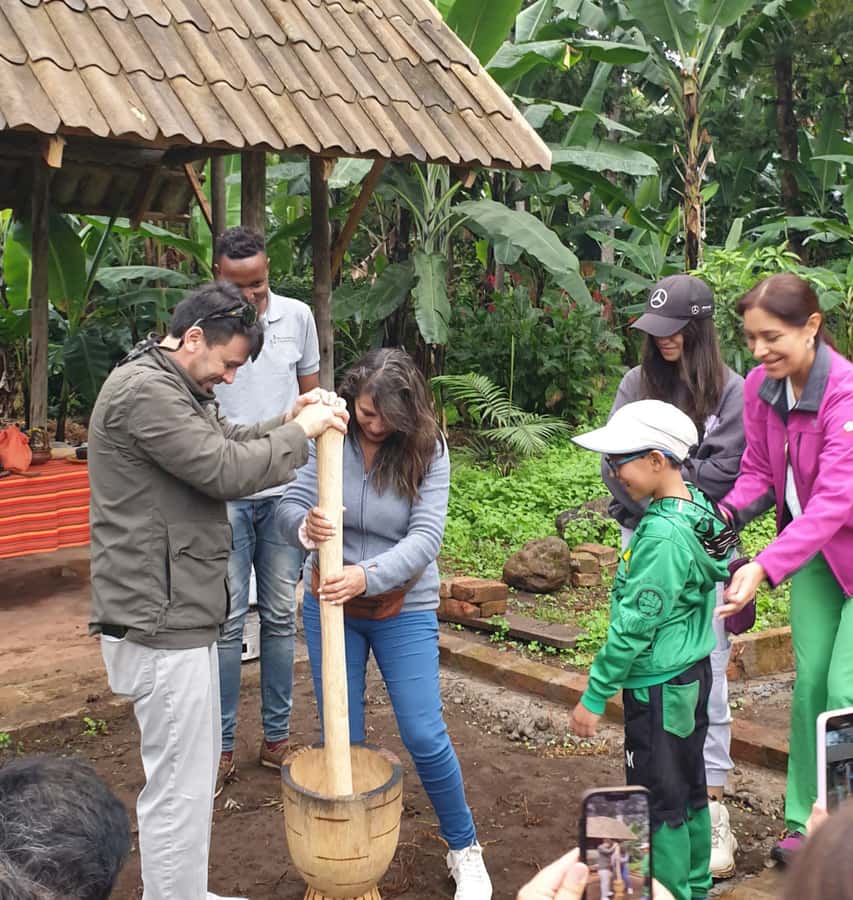
- Hand-pound the dried beans: Use a large wooden mortar and pestle to remove the outer husk.
- Roast over charcoal: The beans are heated in a clay pot, giving the coffee a rustic flavor.
- Visit a real smallholder farm: Learn how arabica coffee is cultivated and why it matters to Tanzania.
- Make your own cup: Grind the roasted beans and brew the finished coffee yourself.
- Taste local extras: Coconut rolls have been part of the garden hospitality.
- Allow three unrushed hours: The visit returns to Naturalland Expeditions and works well as a half-day Arusha activity.
Why this coffee tour feels different
Many coffee activities stop at a plantation explanation and a served drink. This one asks you to do the work. That matters because coffee preparation becomes easier to understand when you feel the weight of the mortar, watch green beans change color over the fire, and see how much effort goes into a small cup.
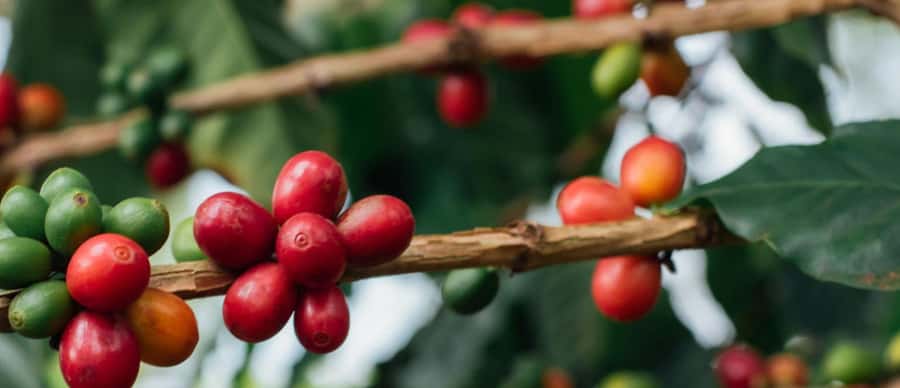
The experience takes place in the Arusha region, an area with a strong connection to arabica coffee. The opening farm visit gives you a short introduction to cultivation and the role coffee plays as one of Tanzania’s major export commodities. You are not simply looking at rows of plants. You are getting a basic picture of where the beans begin before they reach the kitchen.
The setting is intentionally small-scale. One account describes a family farm where three generations live together, which gives the visit a personal quality that a large commercial plantation may not provide. You might find the farm portion modest rather than grand. That is part of the point: this is a working local operation, not a polished coffee theme park.
A few more coffee tours around Arusha worth a look
- Materuni Waterfalls, coffee tour & Kikuletwa Hot Springs
★ 5.0 · 643 reviews - Materuni waterfalls coffee tour & Chemka hot springs Day trip
★ 5.0 · 131 reviews - Maasai village visit, Materuni waterfalls & coffee experience
★ 4.5 · 95 reviews
Starting at the smallholder coffee farm
Your meeting point is Naturalland Expeditions. At the main road, look for a guide wearing a gray or chocolate-colored company shirt. That instruction is useful in practice, especially if several vehicles or local businesses are nearby.
The guide leads you on a short walk and tour through the coffee farm. The focus is arabica cultivation, with time to understand the beans as a crop and a source of income. Since the farm visit is guided, you can ask questions in English as you go.
Do not expect an all-day agricultural study. The farm section is an introduction before the hands-on preparation begins. That makes the visit suitable if you want cultural context without giving up an entire day. It also means you may want to ask your guide questions while you are there, since the tour is designed to keep moving toward the roasting and brewing session.
The smallholder setting is one of the strongest reasons to choose this activity. You see coffee in a family and community context, not only as an export product. If you are staying in Arusha before or after a safari, this is a practical way to connect your daily cup of coffee with local farming.
From dried bean to clean coffee seed
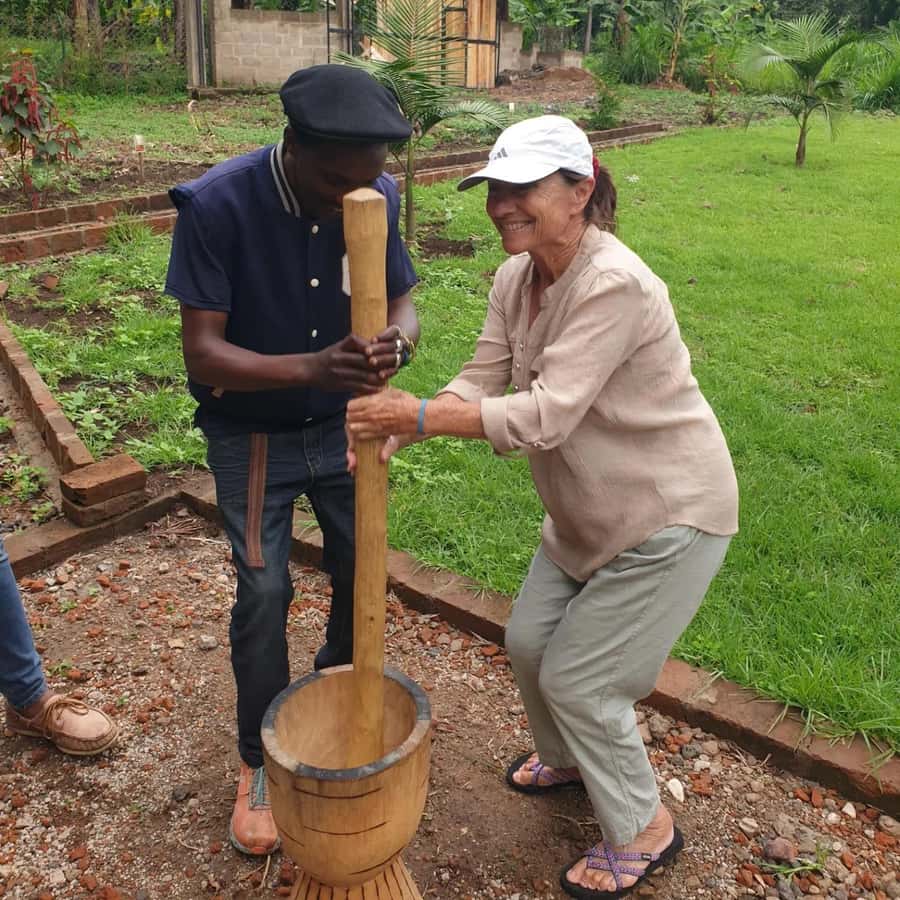
After the farm visit, you move to a private garden for the preparation. The first major task is husking. The dried beans go into a large wooden mortar, and you use a pestle to pound them until the outer husk is removed.
This is simple work, but it is not effortless. The activity gives you a better sense of the labor hidden behind a bag of roasted coffee. You will need to follow the guide’s instructions and use the tool carefully. The pace is hands-on and manual, with no shortcut built into the process.
I like this stage because it makes the coffee chain visible. A modern coffee shop usually presents you with a polished drink and hides most of the steps. Here, the change from dried bean to usable coffee is right in front of you.
The mortar and pestle are also part of the atmosphere. They are handmade, practical tools rather than decorative props. The process may feel rougher and slower than what you know at home, but that is what makes it memorable.
Roasting in a clay pot over charcoal
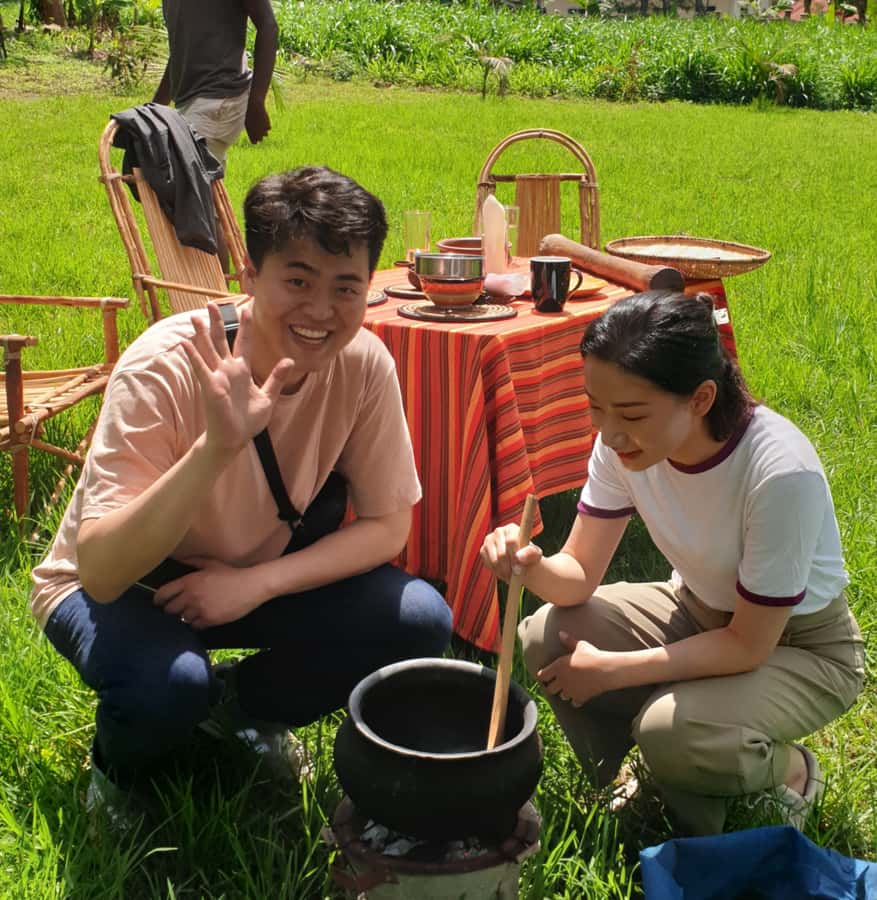
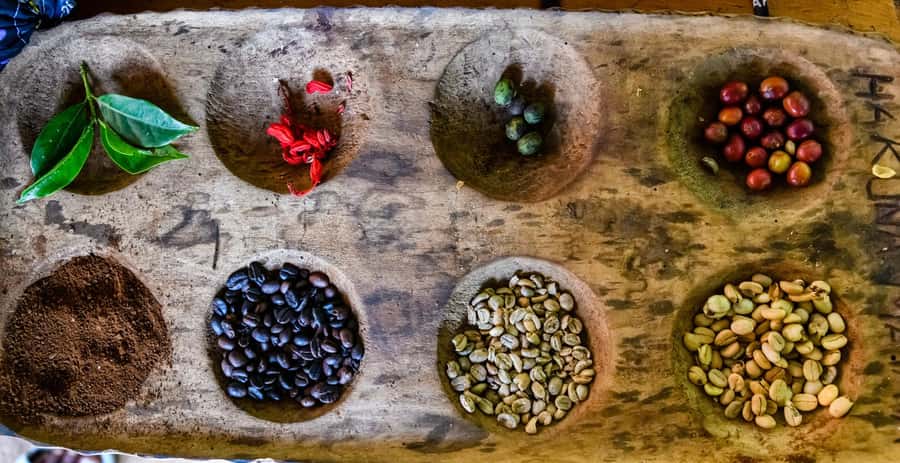
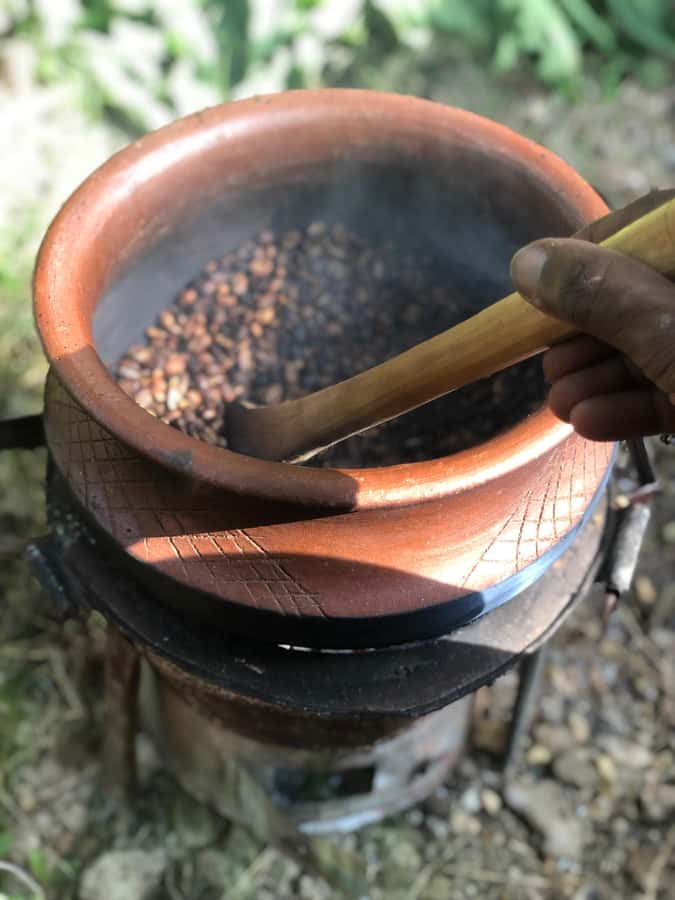
Once the beans are husked, you roast them in a clay pot over a charcoal fire. This is the most sensory part of the activity. You can watch the beans darken, follow the changes in aroma, and see how heat affects the final drink.
The clay pot and charcoal fire give the coffee a more rustic flavor. That does not mean the result will suit every coffee drinker. If you prefer a very light, carefully controlled roast, the traditional method may seem less precise. If you enjoy coffee with a direct connection to fire and handwork, this part will likely be the highlight.
Roasting also shows why timing matters. The guide gives step-by-step instructions, but you are still part of the process. Pay attention to the color and smell of the beans rather than treating this as a quick demonstration.
This is a good point to slow down. The full activity lasts three hours, so you do not need to rush through every stage. The roasting is not just a bridge to the tasting. It is one of the main reasons to book this experience instead of ordering a cup at a café.
Same place, a different way to drink it:
- Materuni Waterfalls & Coffee Tour from Moshi
★ 5.0 · 92 reviews - Arusha: Materuni Waterfalls, Coffee, and Hotsprings Tour
★ 4.8 · 78 reviews - Coffee tour and Buffet Lunch with Kingstone Asilia (Arusha)
★ 5.0 · 74 reviews - Materuni Waterfalls, Visiting Chagga Village, CoffeeTour Kikuletwa Hotsprings
★ 5.0 · 63 reviews
Grinding and brewing your own cup
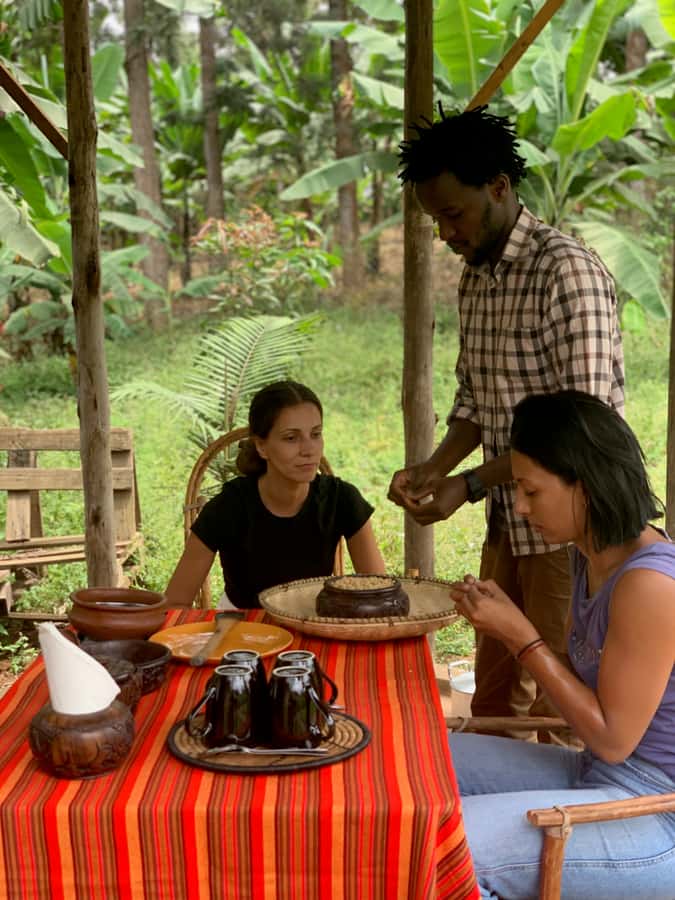
After roasting, the beans return to the mortar and pestle. This time you pound them into a fine powder for brewing. The repeated work reinforces the central idea of the tour: your cup does not appear all at once. It is built through several small, physical steps.
You then brew the coffee and taste the result. Because the beans are organic and single-origin, the cup has a clear connection to the farm you have just visited. The exact flavor will depend on the roast and your preparation, but you can expect a more rustic character from the charcoal method.
The final drink is personal in a way a standard tasting is not. You helped prepare it from the dried bean onward. That makes this a good activity for people who enjoy food experiences with a task attached, not just a sample placed in front of them.
Coffee is served as part of the experience, and coconut rolls may accompany it. The coconut rolls have been singled out as a particularly good part of the garden hospitality, so leave room for a snack rather than treating the coffee as the only finish.
A close look at the three-hour schedule
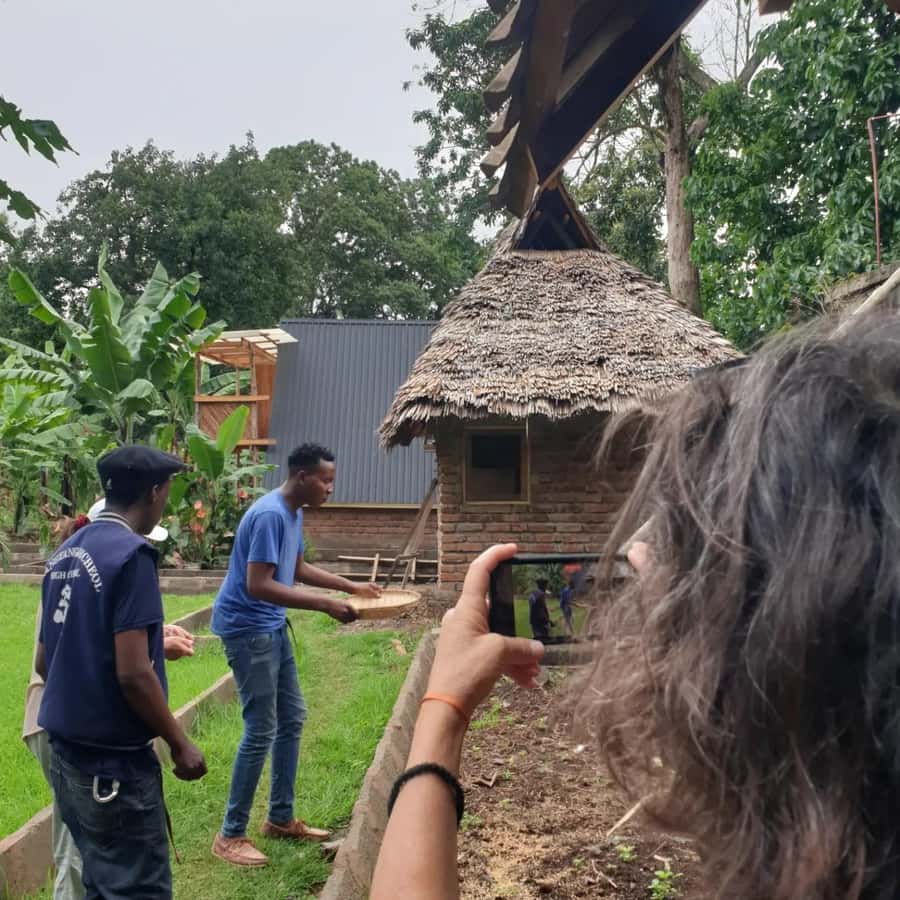
The advertised duration is three hours, including the farm visit, walking, preparation, and coffee tasting. That is a useful length for Arusha. You get enough time to understand the process without committing to a full-day excursion.
The sequence is straightforward:
- Meet at Naturalland Expeditions and locate the guide at the main road.
- Walk through a smallholder coffee farm with an English-speaking guide.
- Learn about arabica cultivation and coffee’s place in Tanzania’s exports.
- Continue to a private garden for the preparation.
- Husk the dried beans with a mortar and pestle.
- Roast them in a clay pot over charcoal.
- Pound the roasted beans into powder.
- Brew and taste the coffee before returning to Naturalland Expeditions.
The walking and farm portion are part of the stated schedule, but the activity is not presented as a strenuous hike. You should still expect to walk between the meeting point, farm, and garden, and you will be standing and working during parts of the preparation.
Because the experience is compact, it fits nicely between other plans in Arusha. I would avoid placing it too close to a fixed departure unless you have plenty of spare time. A farm visit and traditional cooking process are better enjoyed without watching the clock.
What $30 buys you in Arusha
At $30 per person, the value comes from the combination of a guided farm visit and a hands-on food activity. You are paying for more than a drink. The price includes the coffee farm visit, guide fee, and drinks, while the three-hour format gives you a complete introduction rather than a quick tasting.
I would consider this good value if you are curious about coffee, local farming, or traditional preparation. The price is less compelling if you only want a cup of coffee or a short plantation photo stop. The real benefit is taking part in the work.
The single-origin coffee also gives the tasting a clear purpose. You are not comparing several commercial blends. You are following one product from its growing place to your cup. That direct link is the heart of the experience.
There is no indication of a large-scale group setup, so do not assume a formal class with several stations or a wide range of coffees. The information points to a small, personal activity led by a guide. That can be a strength, though anyone looking for detailed professional coffee training may find the introduction too brief.
The guides and the tone of the visit
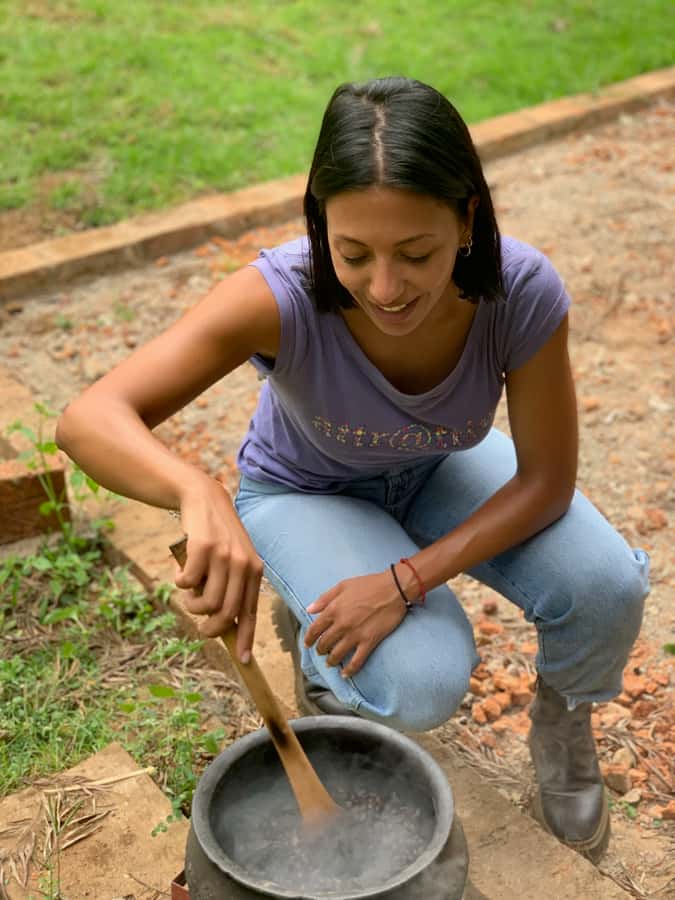
The activity is conducted in English. Johnson and Derik are names connected with the experience, and their approach has been described as friendly and motivated. That matters because the success of this tour depends on clear instruction. You need someone to explain how to use the mortar, manage the roast, and move from one stage to the next.
The guide also helps connect the practical work to the farm. Without that explanation, the pounding and roasting could feel like a series of chores. With context, each stage answers a basic question about how coffee changes before it reaches your cup.
The company shirt makes the meeting simple. Look for gray or chocolate, and wait at the main road. Since the meeting details are specific but brief, keep the phone number or booking confirmation available in case you need help identifying the right person.
Who will enjoy this most
I would choose this for coffee drinkers who want to understand preparation through direct practice. It also suits people with a spare morning or afternoon in Arusha who prefer a local activity over another general sightseeing stop.
It is a good match for:
- Coffee lovers interested in arabica and single-origin beans
- Couples or small groups who enjoy making food together
- Visitors seeking a family-run farm experience
- Anyone who values traditional tools and manual preparation
- People with three hours available between other Arusha plans
You may want to choose something else if you dislike repetitive hand work, do not drink coffee, or want a broad plantation tour with extensive agricultural detail. The process is the attraction, so the activity works best when you are willing to take part.
Families may appreciate the visible steps, but the supplied details do not specify a minimum age or child pricing. Ask before booking if those points matter for your group.
What to know before you go
Wear something comfortable for walking and hands-on work. The farm and garden setting means you should be prepared to stand, handle traditional utensils, and spend time near a charcoal fire.
Do not expect an espresso machine, electric grinder, or café-style service. The beans are husked, roasted, and ground by hand. The final flavor is shaped by the clay pot and charcoal, so part of the appeal is accepting a less standardized result.
The activity includes drinks and the coffee tasting, but the available details do not list a full meal. Coconut rolls have been served with the coffee, yet I would not book this as a substitute for lunch.
Cancellation is flexible: you can cancel up to 24 hours ahead for a full refund. You can also reserve and pay later, which helps if your Arusha schedule depends on safari timing or other plans. Starting times vary, so check availability when choosing a date.
Should you book the Arusha coffee experience?
Book it if you want a focused, local activity where you do more than watch. The smallholder farm, three-generation family setting, charcoal roasting, handmade tools, and final cup make this a useful three-hour look at coffee from soil to drink.
I would be especially happy to recommend it to anyone who enjoys food preparation and wants a break from standard sightseeing. The 4.8 rating from 11 recorded ratings also fits the experience’s strongest points: attentive guidance, a well-organized visit, and coffee that you prepare yourself.
Skip it if you are searching for a long plantation tour, advanced coffee theory, or a polished café tasting. For most people with an interest in Tanzanian coffee, though, $30 is a fair price for a personal farm visit and a drink that carries your own effort in every step.
FAQ
How long does the traditional coffee preparation activity last?
The activity lasts three hours, including the coffee farm visit, preparation, walking, and coffee tasting.
Where does the activity start and finish?
It starts at Naturalland Expeditions and returns there at the end.
Where should I meet the guide?
The guide waits at the main road and wears a company shirt in either gray or chocolate.
What language is the tour conducted in?
The live guide speaks English.
What coffee-making steps will I do?
You will husk dried beans, roast them in a clay pot over charcoal, pound them into a fine powder, brew the coffee, and taste it.
Is the coffee organic and single-origin?
Yes. The experience includes organic, single-origin coffee prepared from the beans you work with.
Can I cancel the booking?
You can cancel up to 24 hours in advance for a full refund. Reserve now and pay later is also available.
Just added around Arusha
- Private Materuni Waterfalls Hiking and Coffee Tour★ 5.0 · 4 reviews
- Private Tour to Marangu Waterfalls, Chagga Caves, Coffee tour & Hot Springs★ 5.0 · 7 reviews
- Waterfall & Coffee Walking Tour★ 5.0 · 6 reviews
- Private Tour to Materuni waterfalls, coffee tour & Kikuletwa hot- springs★ 5.0 · 14 reviews
- Materuni Waterfall Coffee Tour and Chemka Hot Springs Experience★ 5.0 · 15 reviews
- Materuni (Coffee Tour) and Chemka (Kikuletwa Tour)★ 5.0 · 8 reviews
- Materuni Waterfalls and Coffee Tour★ 5.0 · 9 reviews
- Materuni Waterfalls and Coffee Day Tour★ 5.0 · 9 reviews
Arusha Coffee Tours, compared.
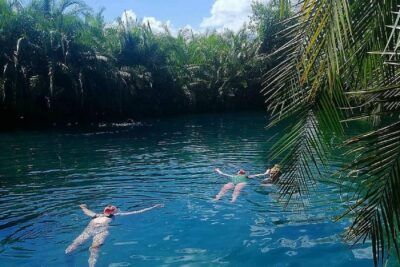
Materuni Waterfalls, coffee tour & Kikuletwa Hot Springs
Read our review →
Materuni waterfalls coffee tour & Chemka hot springs Day trip
Read our review →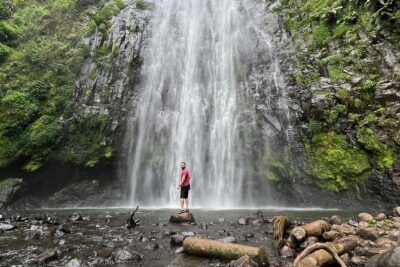
Maasai village visit, Materuni waterfalls & coffee experience
Read our review →
Materuni Waterfalls, Coffee, and Hotsprings Tour
Read our review →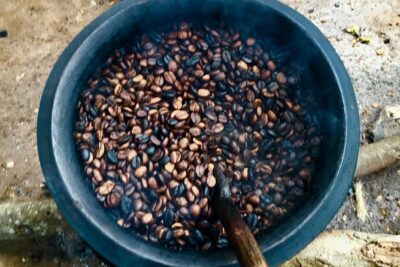
Coffee tour and Buffet Lunch with Kingstone Asilia (Arusha)
Read our review →
Materuni Waterfalls, Visiting Chagga Village, CoffeeTour Kikuletwa Hotsprings
Read our review →
Materuni waterfalls,coffee tour & Kikuletwa(Chemka)Hot Springs
Read our review →Browse the lists this tour appears in