
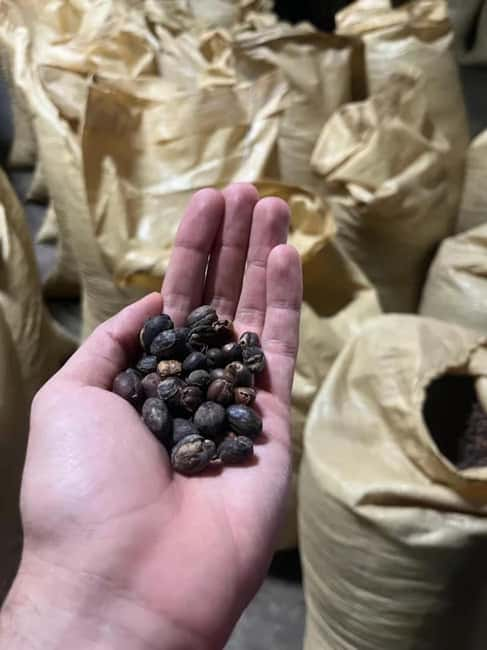
Review · DOMINICAN REPUBLIC
Monte Alto Factory Coffee Tour: Jarabacoa Experience
Jarabacoa’s coffee story comes alive at Café Monte Alto, where you can trace a bean from the plantation to the cup in about an hour. You’ll walk among coffee plants, see the processing area, and finish with a fresh Dominican brew while the mountains provide the setting.
I like the clear bean-to-cup route and the chance to see actual roasting and packaging instead of hearing only a general talk. I also like the family-friendly guiding. Melvin, one of the guides named for this experience, has a gift for keeping children involved while explaining the work behind each cup.
The main consideration is time. At just one hour, this is a compact introduction rather than a long farm visit. The roasting area can also get warm, so wear light, comfortable clothes and do not expect a cool indoor escape.
Key Points at Café Monte Alto
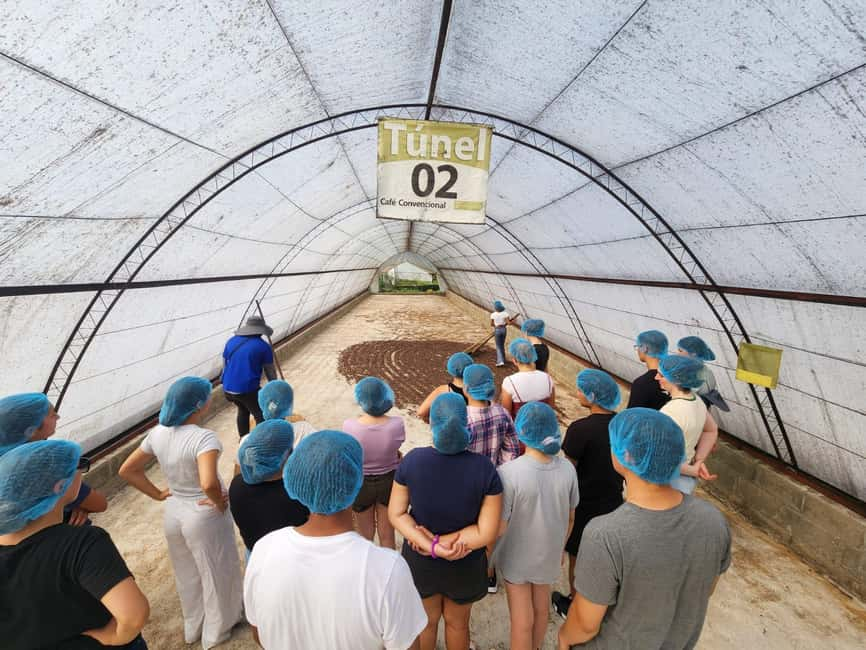
- One-hour coffee route: Move from plantation and harvest to processing, roasting, grinding, packaging, and tasting.
- Jarabacoa setting: Enjoy mountain scenery while learning about coffee production in La Vega Province.
- Sustainable practices included: The guide explains how the plantation approaches coffee growing and processing.
- Fresh coffee at the finish: The visit ends with a tasting of brewed Dominican coffee.
- Good for families: Melvin has been especially effective at making the process fun for children of different ages.
- Simple $20 value: The price includes entry, guiding, the factory visit, and the tasting, but not coffee bags or other souvenirs.
Starting at Belarminio Ramírez E Hijos
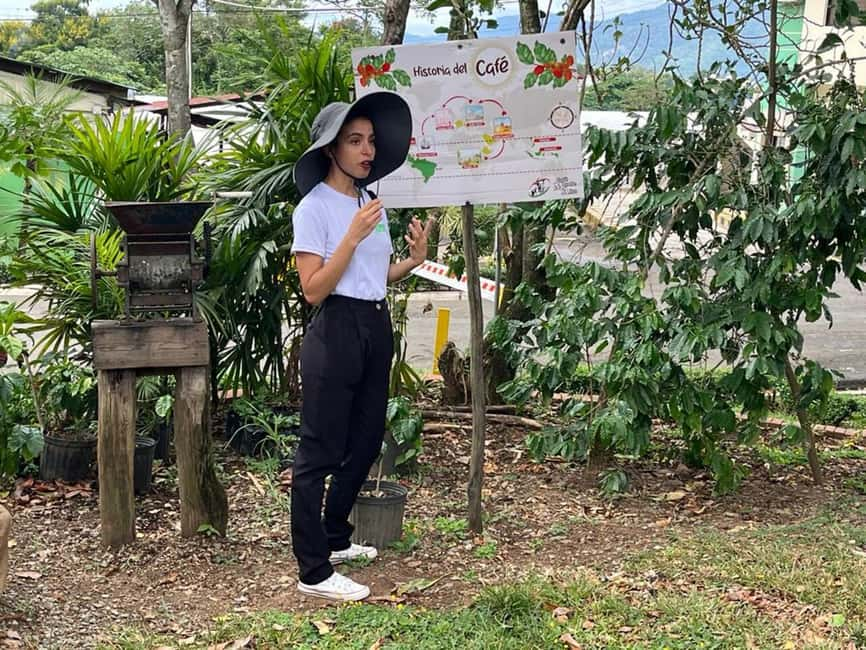
Your visit begins at BELARMINIO RAMÍREZ E HIJOS, Café Monte Alto, in Jarabacoa. This is the fixed starting point, so I would make sure you know how you are getting there before booking. The supplied details do not include hotel pickup or transportation.
At the entrance, your guide welcomes you and gives you the basic story of coffee in the Dominican Republic. You’ll also hear what makes Café Monte Alto’s coffee distinctive and get a quick map of the work ahead: plantation, preparation, factory processing, and tasting.
That opening matters because coffee production can seem simple from a café table. A short explanation helps you notice the work involved in turning a small fruit and its seed into a clean, roasted product. You’ll have a better sense of what to look for once you step outside.
The tour is offered in English and Spanish. If you need a particular language, confirm availability when selecting a start time. The activity lasts one hour, though the actual start times depend on availability.
A few more coffee tours around Dominican Republic worth a look
- 4×4 Dominican Adventure with Chocolate and Coffee Tasting
★ 5.0 · 2,920 reviews - 4×4 ATV Experience, Water Cave, Chocolate and Coffee Tasting
★ 5.0 · 1,430 reviews - Buggy Adventure Tour with Chocolate and Coffee in Punta Cana
★ 5.0 · 953 reviews
Walking Through the Jarabacoa Plantation
The plantation walk is the most grounded part of the experience. Rather than beginning with finished packages on a shelf, you see coffee in its growing environment and learn how the crop is handled before it reaches the factory.
Your guide explains harvesting, sorting, and preparation for processing. These steps sound basic, but they show why coffee quality depends on careful work long before roasting. You’ll learn that the finished flavor begins with decisions made in the field and during the early stages of handling.
The tour also covers sustainable practices at the plantation. The available information does not specify every method used, so you should expect an overview rather than a technical agricultural class. Still, this is useful context if you want to understand how a coffee producer thinks about the land and the crop.
I like that the plantation visit gives the tasting some meaning. You are not simply handed a cup and told it is Dominican coffee. You first see where the process begins, then follow the stages that shape what ends up in your mug.
The walk also provides the setting that makes Jarabacoa appealing. You can take in mountain scenery while hearing about coffee production, rather than spending the entire hour inside a factory. Comfortable clothing is the sensible choice, especially since you will move between outdoor and indoor areas.
Seeing Raw Beans Become Finished Coffee
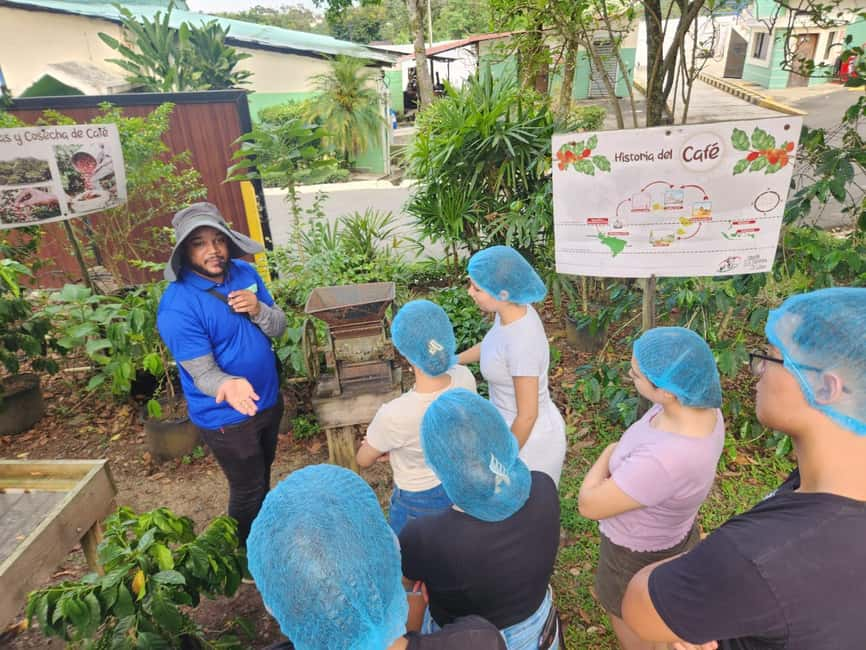
After the plantation portion, you enter the processing area. This is where the tour shifts from agriculture to production, showing how raw beans become the product you recognize from a coffee bag.
The guide explains the roasting, grinding, and packaging stages. You’ll see the equipment and learn how the staff works to preserve flavor, aroma, and freshness. The visit is not just about watching machines operate. It connects each stage to the qualities you notice when you drink the coffee later.
The roasting area may be warm. That is an important practical detail, especially if you are visiting with young children or dislike heat. Wear comfortable clothes and avoid treating this like a formal outing. Food and drinks are not allowed during the activity, so plan to wait for the included tasting.
The factory visit is likely most interesting for people who drink coffee regularly or enjoy seeing how everyday products are made. If you already know a great deal about roasting, you may find the one-hour introduction fairly basic. For most people, though, the sequence from raw bean to finished package gives the visit a useful shape.
I would pay attention to the explanations about freshness. Grinding and packaging are not minor finishing touches. They affect how long the coffee keeps its aroma and how much character remains when it is brewed. The guide’s job is to connect those production choices to the drink in front of you.
The Final Tasting With Mountain Views
The tasting comes at the right point in the route. After seeing the plantation and factory, you can try the finished coffee with a clearer understanding of what went into it.
You’ll enjoy freshly brewed Dominican coffee while taking in the mountain scenery. The tasting is not presented as a full meal or a broad food pairing, so keep your expectations focused on the coffee itself. It is a chance to taste, ask questions, and compare the cup with what you have just seen.
I like this ending because it avoids a common problem with short factory tours: rushing past the product at the heart of the visit. Here, the coffee is the final subject, not an afterthought. You can think about aroma, strength, and flavor while the production steps are still fresh in your mind.
The tasting is also the natural time to ask about the beans, roasting, or preparation. If you are curious about what you saw but did not catch every detail, save your questions for this portion. The guide can explain the process in a more relaxed way once the walk is over.
You can buy coffee directly from the plantation after the tour. Coffee bags and souvenirs cost extra, so include those in your budget if you want to take some home. The purchase is optional, but it is a practical souvenir and a way to continue the experience after leaving Jarabacoa.
Same place, a different way to drink it:
- Buggy Ride Into the jungle with cave coffee & chocolate tasting
★ 5.0 · 465 reviews - Road Off Half Day Buggy with Chocolate and Coffee Tasting
★ 5.0 · 326 reviews - ATV Adventure w/ Chocolate, Coffee & Cave Swim in Punta Cana
★ 5.0 · 178 reviews - Buggy Adventure to Water Cave and Macoa Beach with Coffee Taste
★ 5.0 · 126 reviews
Why the Guide Matters for Families
A short coffee tour succeeds or fails on the guide. There is only one hour, and the subject can sound technical if the explanation is flat. Melvin has been singled out for making the process fun and keeping a mixed-age group interested, including children who initially had no interest in joining.
That detail is useful if you are visiting as a family. The tour is not designed only for serious coffee fans. A good guide can turn harvesting, roasting, and grinding into a simple story with visible steps. Children may not care about production methods at first, but they can follow a bean as it changes into a drink.
If Melvin is leading your visit, expect an energetic and informative approach. Guide assignments can change, so I would not book solely on the expectation that he will be present. The experience is offered with live guiding in English and Spanish, which gives you a better chance of asking questions instead of simply following a route.
The tour is not suitable for babies under one year or people over 95 years. The available details do not provide further accessibility information, so anyone with mobility or medical concerns should ask the provider before booking.
Is One Hour Enough?
One hour is enough to cover the basic chain from plant to cup. You get an introduction, a plantation walk, an explanation of harvesting and sorting, a factory visit, and a tasting. That makes the activity easy to fit into a day in Jarabacoa.
The short length is also the main limitation. You should not expect a slow agricultural workshop, an extended roasting lesson, or a large tasting session. The tour gives you a well-shaped overview, not an entire day devoted to coffee.
I see the compact schedule as a strength if you are combining it with other plans in the area. It works for a morning or afternoon stop and does not demand a major part of your itinerary. It may feel brief if coffee production is your main reason for visiting Jarabacoa.
The pace also means you should arrive ready to listen and move along. There may not be time to linger at every stage. Comfortable clothes are more useful than a carefully planned outfit, especially because the factory can become warm.
What You Get for $20
At $20 per person, the value is solid if you want more than a cup of coffee. The price includes entrance, a guided tour of Café Monte Alto, an overview of the factory and sustainable practices, access to the processing area, and the final tasting.
The strongest part of the value is the combination of setting and explanation. You are not paying only for a beverage. You are paying for access to a working coffee operation, a plantation walk, and a guide who connects the steps.
The price does not include coffee bags or souvenirs. That is standard enough, but it is worth remembering if you plan to shop after the tasting. Your final cost can rise if you buy several bags for gifts.
I would recommend the tour more readily to people already planning time in Jarabacoa than to someone making a long detour solely for a one-hour activity. The experience is affordable and focused, but its value depends partly on how easily it fits your route.
Flexible booking helps. You can reserve now and pay later, and cancellation is free up to 24 hours before the activity for a full refund. Check available start times before you commit, since the duration is fixed but the schedule varies.
Who Will Enjoy This Coffee Visit?
You should consider Café Monte Alto if you want a local production experience with a clear beginning and end. It suits coffee drinkers, families, casual sightseers, and anyone curious about how an ordinary drink is made.
Families may find it especially useful because the tour does not rely only on a long lecture. The plantation, machines, packaging, and tasting create several different points of interest. Melvin’s reported ability to engage children makes the guide a valuable part of the experience.
It also suits visitors who prefer a small, practical activity rather than a full-day excursion. At one hour, you can learn something specific, enjoy the mountain setting, and still have time for other plans.
I would be less likely to recommend it if you want a long tasting with several coffee styles, a detailed course in brewing, or extensive information about every farming method. Those features are not included in the stated experience.
Practical Tips Before You Go
Wear comfortable clothes that can handle a warm indoor area. The roasting section may be hot, and you will move between the plantation and factory.
Do not bring pets, food, or drinks. The included beverage is part of the closing tasting, so you do not need to carry refreshments into the facility.
Use the plantation walk as your chance to ask about harvesting and sustainable practices. Then save your roasting and flavor questions for the factory or tasting. You’ll get more from the hour if your questions follow the stage you are seeing.
If you want coffee to take home, plan to buy it after the tour. Bags are not included in the $20 price, and the experience does not include souvenirs.
Should You Book Café Monte Alto?
Book this tour if you want a reasonably priced, one-hour look at Dominican coffee in Jarabacoa, with plantation scenery, factory access, and a fresh tasting at the end. The guide’s role is a real strength, especially for families, and Melvin has shown that he can keep children involved as well as adults.
Skip it if you need a long, highly technical coffee course or if a one-hour visit is not worth fitting into your route. For most people already spending time in Jarabacoa, though, Café Monte Alto offers a direct and useful connection between the coffee plant, the roasting room, and the cup in your hand.
FAQ
Where does the Monte Alto Coffee Tour begin?
The tour begins at BELARMINIO RAMÍREZ E HIJOS, Café Monte Alto, in Jarabacoa, La Vega Province, Dominican Republic.
How long does the tour last?
The guided experience lasts one hour.
What is included in the $20 price?
The price includes entrance fees, a guided tour of Café Monte Alto, an overview of the factory and sustainable practices, a visit to the processing area, and a coffee tasting.
Is coffee included in the tour?
Yes. The experience ends with freshly brewed Dominican coffee during the tasting session.
Are coffee bags included?
No. Coffee bags and souvenirs are not included and must be purchased separately.
Which languages are available?
Live guiding is available in English and Spanish.
Is the roasting area hot?
The inside of the facility can be warm because of the roasting process. Comfortable clothing is recommended.
Can children join the tour?
Children can join, but the activity is not suitable for babies under one year. The tour has been suitable for families with children of different ages.
Are pets allowed?
No. Pets are not allowed during the activity.
Can I cancel for a refund?
Yes. You can cancel up to 24 hours in advance for a full refund. You can also reserve now and pay later.
Just added around Dominican Republic
- Punta Cana Buggy with Chocolate, Coffee & Cave Swim★ 4.5 · 21 reviews
- ATV Ride with Coffee, Chocolate Tasting and Cenote in Punta Cana★ 5.0 · 13 reviews
- Extreme Jungle Buggy Ride with Coffee and Chocolate Tasting★ 5.0 · 10 reviews
- Buggy Off-Roading with Chocolate and Coffee Tasting in Punta Cana★ 5.0 · 16 reviews
- ATV off road adventure with water cave, beach and coffee tasting★ 4.5 · 15 reviews
- Discover Dominican Treasures: Rum, Cigars, Coffee & Chocolate★ 3.0 · 5 reviews
- Buggy Off-Roading with Chocolate and Coffee Tasting In Punta Cana★ 5.0 · 16 reviews
- Buggy Ride with Cenote Coffee and Chocolate Tasting★ 5.0 · 2 reviews
Dominican Republic Coffee Tours, compared.
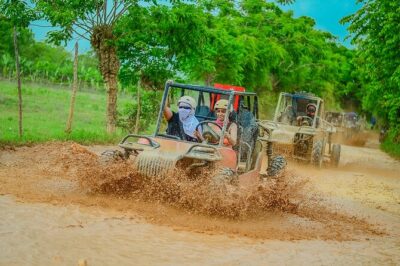
Buggy Ride Into the jungle with cave coffee & chocolate tasting
Read our review →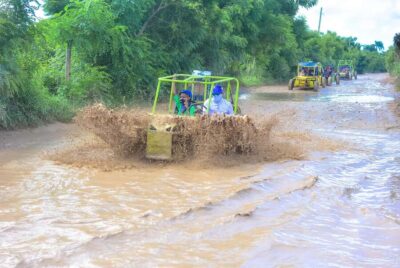
Buggy Tour in Punta Cana: Mamajuana – Coffee – Swimming in Cenote and Macao Beach
Read our review →
Full-Day Adventure with ATV, Party Boat, Snorkel & Coffee Tasting
Read our review →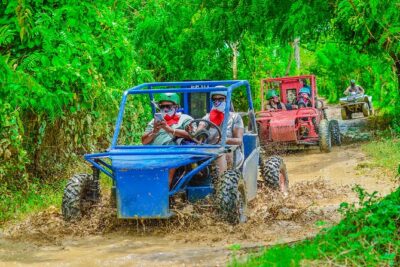
ATV OR BUGGY Ride Into the jungle with cave coffee & chocolate
Read our review →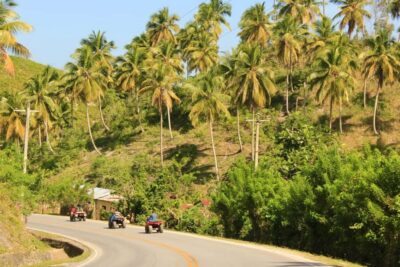
Las Terrenas: Private Coffee Trail ATV Tour in Samana
Read our review →
Punta cana Boogie into the Jungle with Coffee and Chocolate Taste
Read our review →
Browse the lists this tour appears in