Review · ARUSHA
Marangu waterfall & Coffee making Cultural Tour | BURIGI CHATO SAFARIS CO LTD
Marangu gives you a fine change of pace from the usual safari circuit. In one day, you move from Kilimanjaro foothills and coffee farms to a forested waterfall, underground caves, and a Chagga meal. It is part nature walk, part cultural lesson, and part hands-on coffee class.
I like two things here. First, you do not just watch coffee being made: you help process, roast, and prepare it. Second, the Chagga caves and live museum give the day some historical weight, while the waterfall supplies the cool water and exercise. The main catch is that the tour is sold as an eight-hour experience, yet the exact driving and walking times are not clearly laid out. Ask about the day’s transport plan and group size before paying.
Key points to know before booking
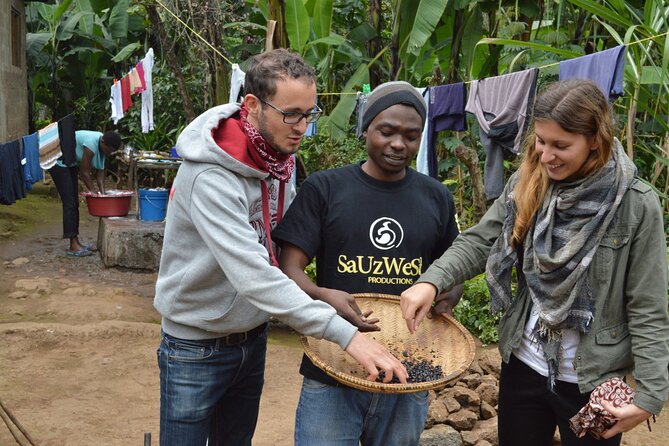
- Coffee is hands-on: You can take part in processing, roasting, and preparing a fresh cup.
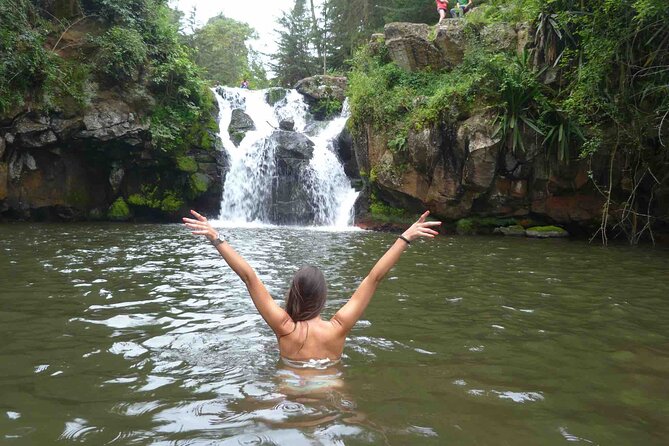
- Ndoro Waterfalls adds a refreshing break: Swimming is possible in the pool, but the water can feel very cold and the rocks require care.
- The Chagga story is central: Underground caves, traditional homes, food, and local drinks make this more than a waterfall outing.
- Lunch is included: Expect a traditional hot meal, with local drinks such as banana beer available as part of the cultural tasting.
- The day begins at 8:00 a.m.: Pickup from a hotel can be arranged, although the listed meeting point is in Arusha.
- The price is $150 per person: Lunch, taxes, crew wages, and a first-aid kit are included, but tips, visas, flights, extra park fees, and hotel costs are not.
Why Marangu makes a good day away from Arusha
Marangu lies on the lower slopes of Kilimanjaro and is closely linked with the Chagga people, who have lived in this fertile mountain area. The town is also tied to the Marangu Route, the path used by climbers beginning their ascent of Kilimanjaro.
You start around Marangu Gate at about 1,900 meters. That altitude is high enough to give the area a cooler mountain feel, but this is not a Kilimanjaro climb. The stop is mainly for orientation, photographs, and a sense of the mountain country around you.
The chance to see Kilimanjaro depends on cloud and weather conditions. The views toward the mountain can be rewarding, but you should not book this day as a guaranteed mountain-view excursion. The waterfalls and cultural stops are the more dependable parts of the program.
For me, the appeal is the range of the day. You are not spending eight hours on one narrow subject. Coffee explains the local economy and farming traditions. The caves introduce a difficult part of Chagga history. The meal and museum show how those traditions continue in daily life.
More Coffee and Waterfall Trips in Arusha
- Materuni Waterfalls, coffee tour & Kikuletwa Hot Springs
★ 5.0 · 643 reviews - Materuni waterfalls coffee tour & Chemka hot springs Day trip
★ 5.0 · 131 reviews - Maasai village visit, Materuni waterfalls & coffee experience
★ 4.5 · 95 reviews
Coffee from plant to cup
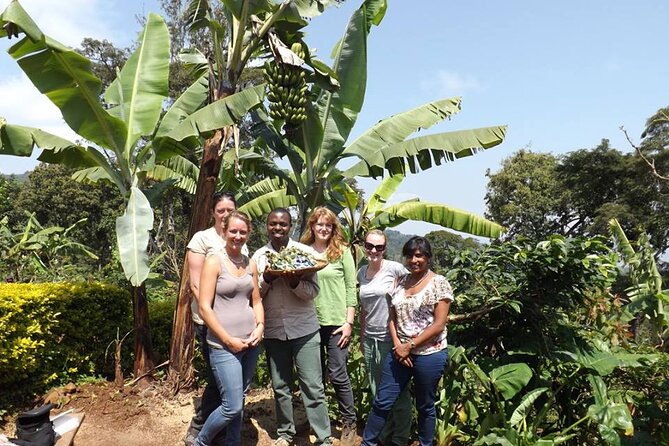
The coffee visit is one of the strongest parts of the experience because you get to handle the process yourself. You learn how coffee is grown, harvested, and processed locally, then try your hand at the work.
The session includes processing and roasting the beans before you prepare a fresh cup. That makes the stop useful even if you already know your coffee. You see the amount of work behind a drink that is often served with no thought beyond adding milk or sugar.
The coffee farm also helps explain why Marangu looks and feels different from the drier parts of northern Tanzania. The lower slopes of Kilimanjaro support coffee cultivation, and the tour uses that setting to connect agriculture with local life.
Do not expect a polished coffee museum or a formal tasting lab. The attraction is the small-scale, local setting. You may find the pace more personal than a commercial plantation tour, but the facilities and presentation can be simple.
This is also a good point to ask your guide questions. Find out which steps are done by hand, how the beans are dried, and how the coffee fits into household income. The supplied information does not give the name of the guide, so request that detail if having a named local host matters to you.
Walking to Ndoro Waterfalls
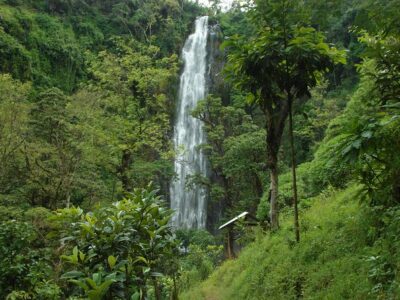
After the coffee stop, the outing continues toward Ndoro Waterfalls. The approach takes you through lush greenery and includes a hike. The walk is part of the attraction, not just a way to reach a viewpoint.
The route has been described as enjoyable and scenic, with views toward the village and Moshi area from higher ground. Your guide may also point out plants used locally, including plants that help mark boundaries between plots. That kind of detail gives the walk a stronger connection to village life than a simple forest stroll.
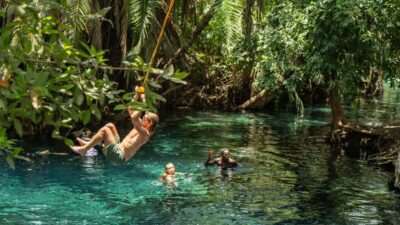
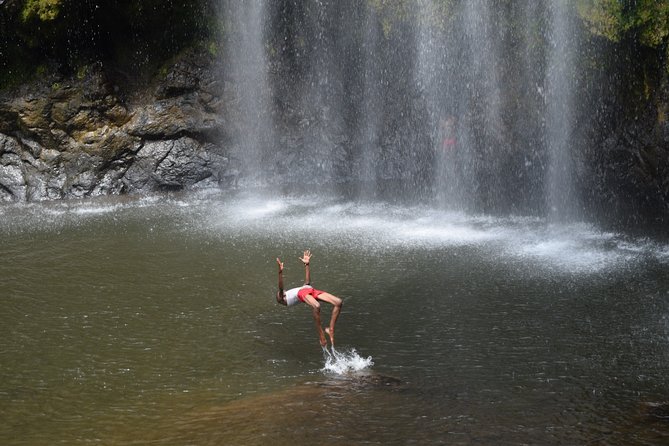
At the falls, you can take photographs and, if conditions and the guide allow, enter the pool for a swim. The water can be very cold. It may feel refreshing after the walk, but do not treat the pool as a casual splash area.
Use care near the top and around wet rocks. The waterfall area has steep sections, and a fall would be serious. The practical rule is simple: stay on the route your guide approves, avoid climbing for a better photograph, and bring footwear with a firm grip.
The supplied details call the waterfall one of the longest or tallest in Tanzania. Those descriptions are not precise enough to treat as a measured fact, but they do indicate the scale that makes the stop memorable. The real reward is the combination of falling water, green surroundings, and the view back toward settled country.
The Chagga caves and a difficult past
The underground caves add the most serious historical note to the day. They were built as places of defense during conflict involving Chagga communities and Maasai groups who moved toward the lower slopes during periods of drought.
The tour’s explanation presents the caves as shelters and escape routes during attacks. Listen closely here, since stories of conflict can be simplified when told quickly. The setting itself is powerful: narrow underground passages make the fear and uncertainty of that period easier to picture than a short museum label would.
The caves are not merely a scenic stop. They show how communities used local terrain and collective labor to protect themselves. You should expect an enclosed visit, and anyone uncomfortable in underground spaces may prefer to spend less time inside.
This portion also benefits from a careful guide. The published details do not name the guide or specify how long you remain underground. Ask before entering if you have concerns about the route or your comfort in confined areas.
More Coffee and Waterfall Trips in Tanzania
- Materuni Waterfalls & Coffee Tour from Moshi
★ 5.0 · 92 reviews - Arusha: Materuni Waterfalls, Coffee, and Hotsprings Tour
★ 4.8 · 78 reviews - Materuni Waterfalls, Visiting Chagga Village, CoffeeTour Kikuletwa Hotsprings
★ 5.0 · 63 reviews - Materuni waterfalls,coffee tour & Kikuletwa(Chemka)Hot Springs
★ 5.0 · 49 reviews
Chagga Live Museum and traditional life
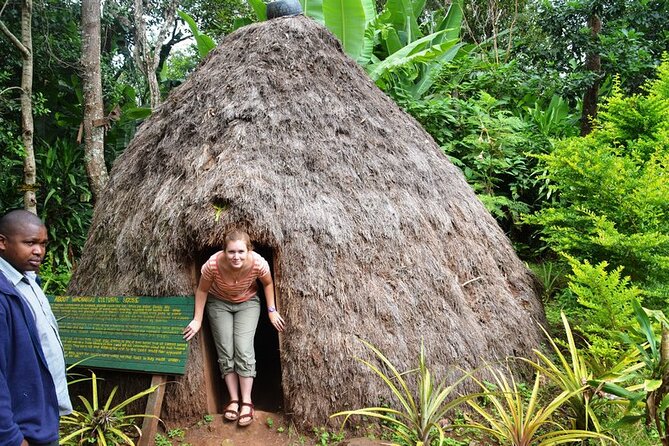
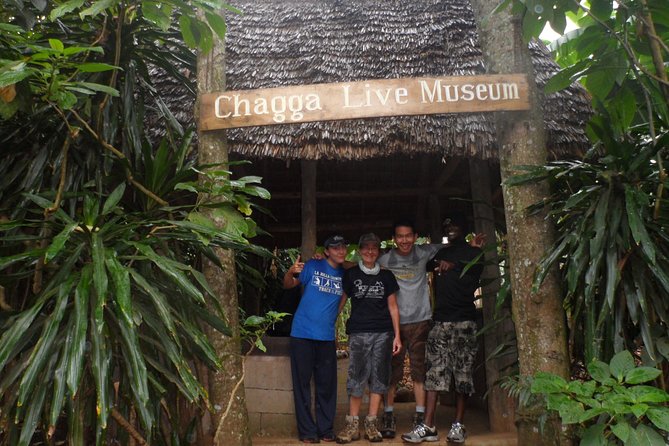
The Chagga Live Museum is a small outdoor museum focused on traditional Chagga life. It complements the caves well. The caves show a community under threat, while the museum turns attention to homes, food, farming, and everyday customs.
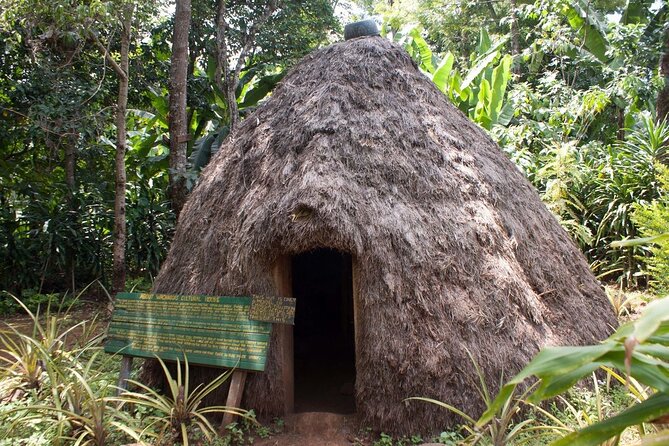
You may see traditional houses with straw roofing and learn how the community used local materials. The experience is designed to be explained by a guide rather than simply viewed on your own, so the quality of the interpretation matters.
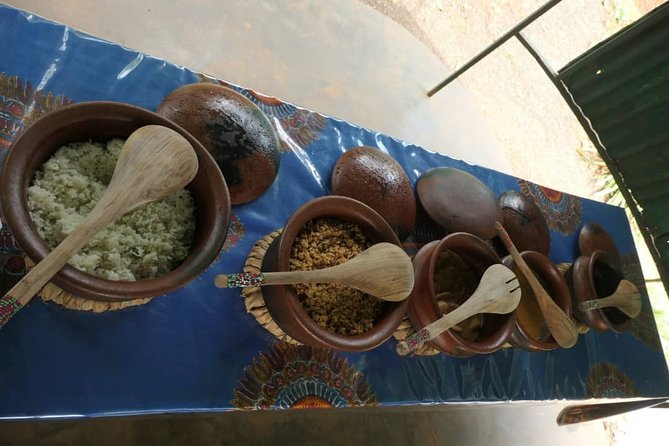
The tour also includes a Chagga food tasting and a hot lunch at a small restaurant. In some versions of the day, lunch may be hosted by a local family. The supplied details do not promise a particular restaurant or family visit every time, so confirm the arrangement if that distinction matters to you.
The meal is an important part of the cultural side of the outing. It gives you a chance to try local food rather than spending the day on packaged snacks. Banana beer or another local spirit may also be offered. Drink cautiously and only if you want to take part. It is a cultural tasting, not a reason to add alcohol to a day that already includes walking.
Timing, transport, and the size of the group
The advertised start time is 8:00 a.m., with the activity ending back at the meeting point. The listed start and end point is in Arusha, while hotel pickup is available on request. Because Marangu is away from central Arusha, confirm whether pickup is included in your particular booking and how long the drive will take.
The tour is described as lasting about eight hours. That is a full day once driving, coffee, walking, the caves, lunch, and museum time are added together. You will get more from it if you keep the morning free and avoid scheduling an evening flight or a tight transfer afterward.
The stated maximum is 200 people. That does not mean your group will contain 200, but it does mean a small private experience is not guaranteed. If you want a quiet walk or a more personal coffee session, ask for the expected group size before booking.
The activity is near public transportation, and most people can participate. Still, the waterfall hike, uneven ground, wet rocks, and underground passages make comfortable walking shoes a sensible choice. Bring swimwear only if you want to use the pool, and carry something dry for afterward.
Is $150 a fair price?
At $150 per person, this is not the cheapest way to see a waterfall near Kilimanjaro. The value depends on what is included and how the day is operated.
The fee includes lunch, all listed taxes and fees, crew wages, and a first-aid kit. You are also paying for several linked activities: transport arrangements, guiding, the coffee session, waterfall access, the caves, museum entry, and cultural food. For someone who wants one organized day rather than several separate bookings, that package can make sense.
The price is less compelling if you are already staying close to Marangu, can arrange your own transport, and only want to see the falls. In that case, you may be paying for cultural stops you do not plan to use.
Extra costs are possible. Flights, tips, visas, additional park fees, and hotel expenses are not included. Ask specifically about any extra park charge and whether hotel pickup carries a supplement. These questions are more useful than assuming the headline price covers every part of the day.
What I would clarify before booking
A few details deserve a quick message before you confirm:
- Is pickup from your Arusha hotel included, and what time will the vehicle arrive?
- Will the day visit Ndoro Waterfalls, Marangu Falls, or both names for the same waterfall?
- How many people are expected in the group?
- Is lunch at a restaurant or with a local family?
- Which local drinks are included, and are they optional?
- How much walking is planned, and how long is the cave visit?
- Are extra park fees required on the date you visit?
These questions do not take long, and the answers will tell you if the experience matches your expectations. The published information uses both Marangu Falls and Ndoro Waterfalls, so confirming the exact route is especially sensible.
Who should choose this Marangu day trip?
I would choose this tour if you want more than a photo stop. It suits people who enjoy a mix of walking, food, local history, and practical demonstrations. It is also a good fit after a safari if you want a day centered on mountain communities rather than wildlife.
Coffee fans will get the most distinctive hands-on activity. Families and curious first-time visitors may also like the changing pace, though children should be supervised near the waterfall and in the caves.
You may want another option if you dislike uneven paths, enclosed spaces, cold water, or a full day with several stops. The tour is not a quiet resort outing. It asks you to walk, listen, taste, and take part.
Burigi Chato Safaris Co Ltd is named in the experience title, while the experience provider is identified as Tanzania Serengeti Safaris. If the operating company matters for your booking, confirm the name, vehicle, and pickup contact in writing.
Final verdict: book it for culture, not just the falls
This is a strong choice for a full cultural day near Kilimanjaro. The best parts are the hands-on coffee work, the Chagga caves, the local meal, and the chance to cool off at a waterfall. The day has enough variety to stay interesting.
I would book it if you value local interpretation and want lunch and several activities arranged together. I would skip it if your only goal is swimming or if you need a guaranteed small group and tightly timed transport.
Book at least 24 hours before the start if you need flexibility. Cancellation more than 24 hours ahead allows a full refund; changes or cancellations within 24 hours are not refunded. That policy is simple, but the practical decision is simpler still: confirm the route, pickup, and group size, then go if you want Marangu as a living community rather than a quick stop on the way to Kilimanjaro.
FAQ
Where does the tour start?
The listed meeting point is in Arusha, Tanzania, and the activity ends back at the meeting point.
What time does the tour begin?
The stated start time is 8:00 a.m.
How long does the experience last?
The tour lasts approximately eight hours.
Is hotel pickup available?
Yes. Hotel pickup is available upon request, but you should confirm the pickup details when booking.
Is lunch included?
Yes. Lunch is included in the tour price.
Can I swim at the waterfall?
The tour includes the chance to take a refreshing dip in the waterfall pool. The water can be very cold, and you should follow the guide’s safety instructions around the rocks and pool.
What is included in the $150 price?
The price includes lunch, all listed fees and taxes, crew wages, and a first-aid kit.
What is not included?
Flights, tips, visas, additional park fees, and hotel costs are not included.
More Heritage Tours in Arusha
- Kona Shore Excursion: Sea Turtles, Historic Kona & Coffee
★ 4.5 · 324 reviews - Kona Tour: Bee Farm, Kona Coffee, and National Historical Parks
★ 4.5 · 78 reviews - Coffee, History, and Architecture of the French Quarter
★ 4.9 · 71 reviews - Small-Group Historic Coffee Tour in Edinburgh
★ 5.0 · 64 reviews
More Coffee Making Classes in Arusha
- Materuni Waterfalls & Coffee making Cultural Tour | BURIGI CHATO SAFARIS LTD
★ 5.0 · 15 reviews - Full Day Materuni Water Falls, Hiking and Coffee Making Tour in Moshi
★ 5.0 · 12 reviews - Hoi An: Vietnamese Coffee Culture and Coffee Making Class
★ 4.9 · 4,006 reviews - Istanbul: Turkish Coffee Making and Fortune Telling Workshop
★ 4.9 · 1,308 reviews
Just added around Arusha
- Private Tour to Marangu Waterfalls, Chagga Caves, Coffee tour & Hot Springs★ 5.0 · 7 reviews
- Waterfall & Coffee Walking Tour★ 5.0 · 6 reviews
- Private Materuni Waterfalls Hiking and Coffee Tour★ 5.0 · 4 reviews
- Materuni Waterfall Coffee Tour and Chemka Hot Springs Experience★ 5.0 · 15 reviews
- Private Tour to Materuni waterfalls, coffee tour & Kikuletwa hot- springs★ 5.0 · 14 reviews
- Materuni (Coffee Tour) and Chemka (Kikuletwa Tour)★ 5.0 · 8 reviews
- Materuni Waterfalls and Coffee Tour★ 5.0 · 9 reviews
- Materuni Waterfalls and Coffee Day Tour★ 5.0 · 9 reviews
Coffee & Waterfall Trips, compared.
Materuni Waterfalls, coffee tour & Kikuletwa Hot Springs
Read our review →
Materuni waterfalls coffee tour & Chemka hot springs Day trip
Read our review →
Materuni Waterfall, Coffee Tour and Picnic Hot Lunch
Read our review →
Poas Volcano waterfalls and coffee tour from from San Jose
Read our review →
Santa Marta: Minca Coffee, Cocoa, & Waterfall Full-Day Trip
Read our review →
Maasai village visit, Materuni waterfalls & coffee experience
Read our review →