
Review · ARUSHA
Private Meru Coffee Tour in Nkoaranga
The best part of this private Meru coffee tour is that you do not simply watch coffee being made. You pick the red berries, help process them, grind and roast the beans, then drink the cup created by your own work. I like that the visit connects coffee with Meru culture and the volcanic foothills of Mt. Meru.
I also like the clear social purpose. Your $35 fee supports The Small Things and its work with orphaned and vulnerable children and families, including the Happy Family Children Village. Reuben is especially good at linking coffee, local plants, and Meru traditions in a way that feels personal rather than scripted.
The main consideration is the physical setting. You must walk on uneven ground and climb several flights of stairs, and the tour depends on good weather. If you want a polished café visit with no walking, this is not the right pick.
Key points to know before you book
- You make the coffee from berry to cup: Harvest, process, grind, roast, and brew the beans yourself.
- The setting is near Mt. Meru: Coffee grows in volcanic soil in the foothills outside Arusha.
- Reuben and Rachel lead the visit: Reuben also helps arrange transport when needed.
- Your fee supports local families: The Small Things works with vulnerable children and families in the Meru region.
- The tour is private: Only your own group takes part, with group discounts available.
- Allow two to three hours: Lunch is not part of the standard package, but it can be added.
Picking coffee in the foothills of Mt. Meru
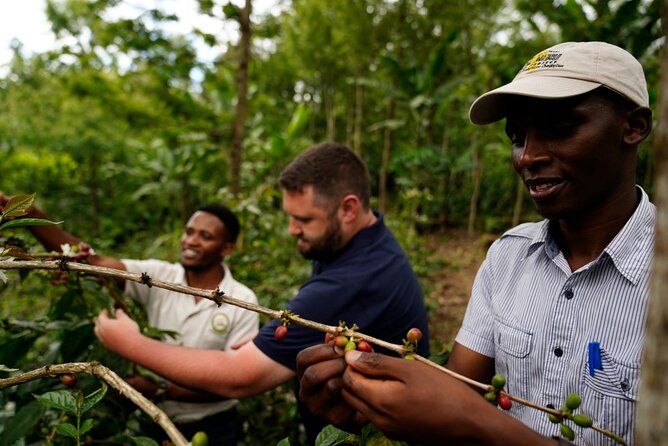
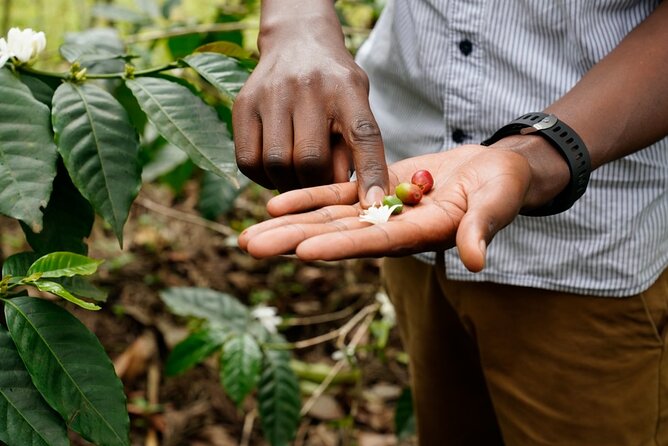
This visit begins with the coffee plant itself. In Nkoaranga, near Arusha, you head to bushes growing in volcanic soil on the lower slopes of Mt. Meru. Your task is simple: pick the ripe red coffee berries.
That first step matters because it shows how much work comes before the drink in your mug. Coffee is often sold as a finished product, far removed from the plant. Here, you see the fruit, handle it, and start the process with your own hands.
The pace is likely to feel relaxed rather than industrial. This is a small, personal activity for your group, not a large plantation tour with a crowd moving from station to station. You get time to ask about the crop, local farming, and the place coffee holds in Meru life.
The tour also explains how coffee became a staple crop in the region. That cultural part gives the visit more weight than a simple tasting. You are not only learning how beans are processed. You are learning why coffee matters here and how it fits into local traditions.
Bring shoes suited to uneven ground. The tour takes place around coffee bushes and working areas rather than on a flat, paved visitor route. The physical demands are modest for most people, but the operator says you should be able to walk on uneven ground and climb several flights of stairs.
A few more coffee tours around Arusha worth a look
Traditional processing, grinding, and roasting
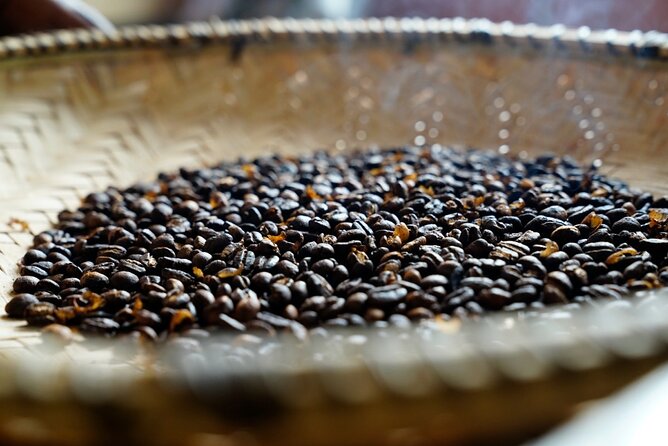
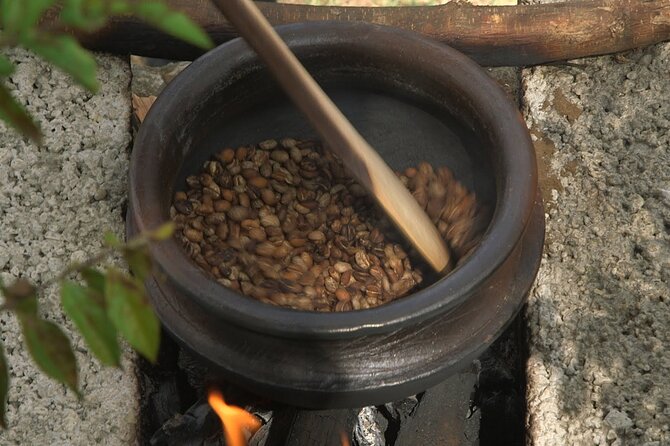
After harvesting, you help turn the berries into coffee using traditional methods. The process includes grinding and roasting, two steps that make this visit particularly hands-on.
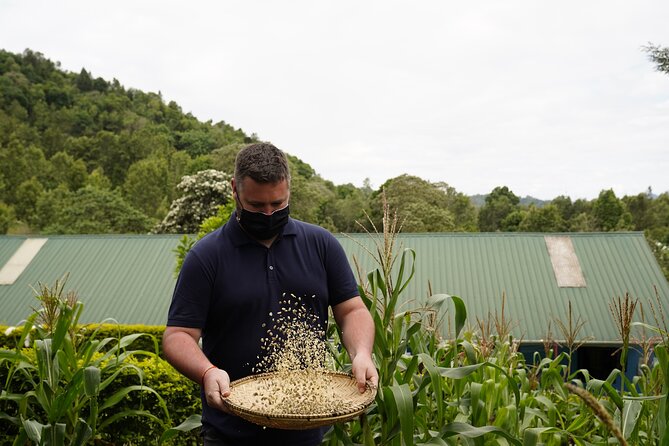
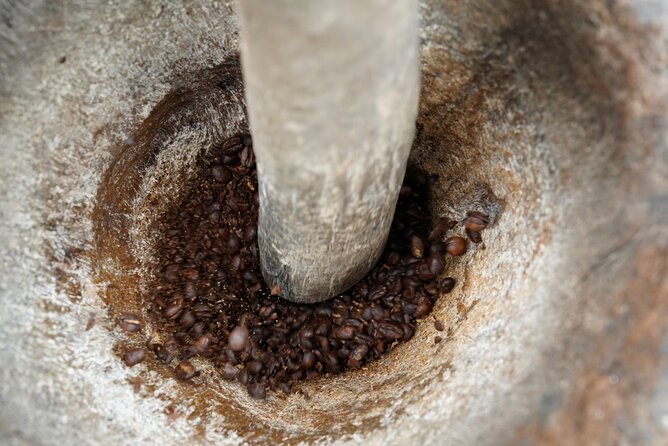
Grinding gives you an immediate sense of the labor involved. It is not just a demonstration from a distance. You take part in preparing the beans, then help roast them in the traditional way. The change in smell and color makes this stage easy to follow, even if you know little about coffee.
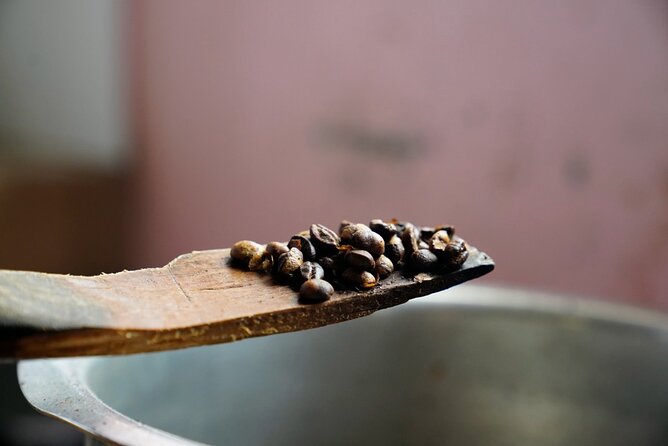
Roasting is also where the tour becomes a sensory experience. Freshly roasted beans have a strong aroma, and you can see the preparation change the raw product into something ready to brew. The guide explains what is happening as you work, so the activity remains informative without turning into a technical lecture.
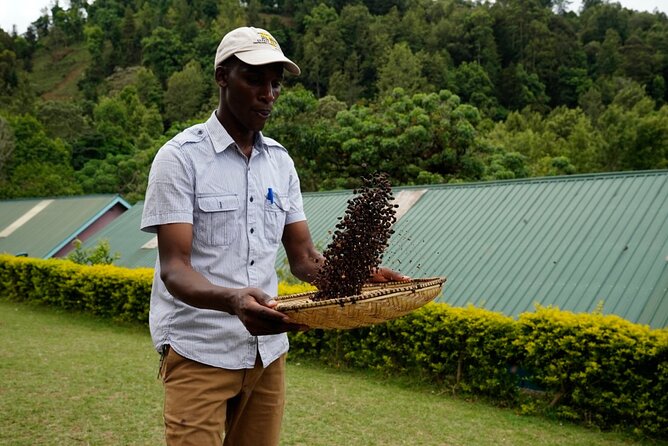
Reuben has been singled out for his warm manner and broad knowledge of coffee, local plants, and his tribe. That combination is useful. A coffee guide who can only discuss beans gives you one piece of the story. A local guide who can connect the crop with people, place, and customs gives you more to remember.
The process can be messy and physical. That is part of its appeal, but it also means you should not expect a sleek tasting room or a formal coffee class. If you enjoy doing things with your hands, the rough edges add character. If you prefer to sit, listen, and sample several polished coffees, you may find the format basic.
Brewing the cup you helped create
At the end of the process, you brew and drink the coffee. This is the payoff, but it is also a useful lesson in how preparation affects taste.
The tour focuses on Tanzanian peaberry coffee, known for its distinctive flavor. The exact cup will depend on the beans and preparation, but the main point is clear: you taste coffee that has passed through every stage you just explored.
Coffee and tea are included, along with bottled water and snacks. The refreshments make the two-hour activity more comfortable, especially after walking and working outdoors. Lunch is separate, though it can be provided if you select that option.
You can also take home freshly roasted coffee for yourself or as a gift. That adds value to the visit. You leave with more than a drink and a few photographs. You can continue the experience later, or share it with someone who did not join you.
Do not expect a formal coffee tasting menu. The information provided points to one freshly made cup after the production process, not a flight of different roasts or brewing styles. Book this for the hands-on story and the local connection, not for a specialist coffee competition.
Meeting The Small Things and its local purpose
The coffee visit is run by The Small Things, an organization that supports orphaned and vulnerable children and families in the Meru region. The activity helps fund that work, so the money you spend has a purpose beyond the tour itself.
Depending on the arrangements, you may also meet children who live at the Happy Family Children Village, a project connected with The Small Things. This can add an important human dimension to the visit, but it is worth keeping the focus respectful. You are visiting a community project, not an attraction built for casual entertainment.
Reuben acts as both coffee guide and ambassador for the organization. He can explain the work being done with children and families, giving you a clearer picture of where your support goes. Rachel also helps lead the experience.
This social mission is one of the strongest reasons to choose this activity over a standard plantation visit. You still get the coffee lesson, but your booking also contributes to local support work. That does not remove the need to judge the tour on its own quality, but here the two parts fit together well.
I would choose this tour if you want your time and money in Tanzania to connect with a local organization. I would be more cautious if you prefer to keep sightseeing and charitable work entirely separate, or if you want a strictly commercial coffee tasting.
Same place, a different way to drink it:
- Materuni Waterfalls, coffee tour & Kikuletwa Hot Springs
★ 5.0 · 643 reviews - Materuni waterfalls coffee tour & Chemka hot springs Day trip
★ 5.0 · 131 reviews - Maasai village visit, Materuni waterfalls & coffee experience
★ 4.5 · 95 reviews - Materuni Waterfalls & Coffee Tour from Moshi
★ 5.0 · 92 reviews
A private format with room for questions
This is a private tour, so only your group participates. That makes a real difference during a hands-on activity. You can ask questions as they arise, spend longer on a step that interests you, or move along when you have had enough.
A private format also suits families, couples, and small groups with different levels of coffee interest. One person may want to ask about roasting, while another is more interested in Meru traditions or the social project. A large group would make that exchange harder.
Group discounts are available, though the exact discount is not specified. At $35 per person, the tour sits at a reasonable price for a private two to three-hour activity that includes snacks, water, coffee or tea, instruction, and the materials involved in the process.
The value depends on what you want from the day. For a basic cup of coffee, $35 would be high. For a private cultural activity with a full production process and a community benefit, the price is easier to justify. Transport is not listed as a standard inclusion, but Reuben has arranged pickup and drop-off for people without a car, so ask about this before booking.
The tour is typically booked around 13 days ahead. That does not mean you must reserve two weeks out, but it is a useful sign that you should not leave it until the final morning if your Arusha schedule is tight.
Who will enjoy this coffee visit most
I would recommend this activity to anyone who likes food and drink experiences with a clear sense of place. You do not need to be a coffee expert. The process is explained from the beginning, and the practical work gives you an easy way to understand it.
It is also a good choice for people who want a quieter break from Arusha’s main sightseeing circuit. The visit takes you toward Nkoaranga and the foothills of Mt. Meru, where the setting and the crop are part of the lesson.
Families may appreciate the private structure and the connection with the children’s project, though every participant should be comfortable with the physical setting. The tour can also work well for couples or friends who want an activity with more substance than a short tasting.
You may want to skip it if you have limited mobility, dislike uneven paths, or cannot climb stairs. Service animals are allowed, and most people can participate, but the stated walking and stair requirements should be taken seriously.
This is also not the best choice if your schedule allows only a quick stop between other plans. The activity lasts about two hours, and you should allow extra time if arranging transport or adding lunch.
Practical details for a smooth visit
Wear comfortable shoes with a good grip. The ground is uneven, and the visit takes place around coffee plants and traditional processing areas.
Plan for outdoor conditions and check the forecast. The experience requires good weather. If poor weather forces a cancellation, you can choose another date or receive a full refund.
Carry a little flexibility in your schedule. The official duration is about two to three hours, while the main coffee activity is described as taking two hours. Private tours often allow conversation and questions, so the exact pace may vary.
If you need a pickup or drop-off, ask when booking. Reuben has arranged transport for people without a car, but it is not listed among the standard inclusions. Confirm the cost and meeting point before the day of the tour.
Lunch is optional, not automatic. Snacks, bottled water, and coffee or tea are included, while lunch requires selecting the additional option.
The mobile ticket makes entry simple, and booking confirmation is provided at the time of booking. Cancellation is free up to 24 hours before the start time. Changes or cancellations inside that window are not accepted, and no refund is provided. The cut-off follows local time.
Should you book the Nkoaranga coffee tour?
I would book this tour if you want three things in one short outing: a hands-on coffee lesson, a personal introduction to Meru culture, and a direct way to support a local organization.
The strongest parts are the full process, from picking to brewing, and the guidance from Reuben or Rachel. The social purpose gives the visit added meaning, while the private format keeps it flexible and personal.
I would not book it for a polished plantation estate, a large coffee tasting, or a completely effortless outing. The ground can be uneven, stairs are involved, lunch costs extra, and transport needs to be discussed separately.
For $35 per person, though, the package is strong. You get practical participation, refreshments, freshly roasted coffee to take home, and a connection with The Small Things’ work in the Meru region. If that combination fits your interests and you can manage the walking, this is a worthwhile half-day addition to an Arusha stay.
FAQ
How much does the private Meru coffee tour cost?
The tour costs $35 per person. Group discounts are available.
How long does the coffee tour last?
Plan on approximately two to three hours. The main coffee activity is described as taking about two hours.
Is this a private tour?
Yes. Only your group participates in the activity.
What will I do during the tour?
You will pick red coffee berries, help process them using traditional methods, grind and roast the beans, and brew coffee at the end.
Are food and drinks included?
Snacks, bottled water, and coffee or tea are included. Lunch is not included unless you select the lunch option.
Do I need to be physically fit?
You must be able to walk on uneven ground and climb several flights of stairs. Most people can participate, and service animals are allowed.
Can I cancel for a full refund?
Yes. You can cancel at least 24 hours before the start time for a full refund. Cancellations or changes made less than 24 hours before the start time are not accepted and are not refunded.
What happens if bad weather cancels the tour?
Because the experience requires good weather, you will be offered another date or a full refund if poor weather causes cancellation.
Just added around Arusha
- Private Tour to Marangu Waterfalls, Chagga Caves, Coffee tour & Hot Springs★ 5.0 · 7 reviews
- Waterfall & Coffee Walking Tour★ 5.0 · 6 reviews
- Private Materuni Waterfalls Hiking and Coffee Tour★ 5.0 · 4 reviews
- Private Tour to Materuni waterfalls, coffee tour & Kikuletwa hot- springs★ 5.0 · 14 reviews
- Materuni Waterfall Coffee Tour and Chemka Hot Springs Experience★ 5.0 · 15 reviews
- Materuni (Coffee Tour) and Chemka (Kikuletwa Tour)★ 5.0 · 8 reviews
- Materuni Waterfalls and Coffee Tour★ 5.0 · 9 reviews
- Materuni Waterfalls and Coffee Day Tour★ 5.0 · 9 reviews
Arusha Coffee Tours, compared.
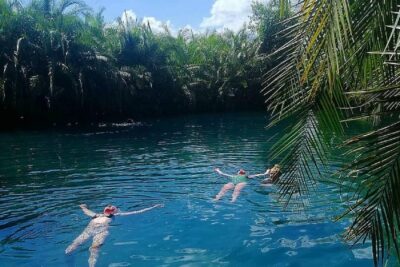
Materuni Waterfalls, coffee tour & Kikuletwa Hot Springs
Read our review →
Materuni waterfalls coffee tour & Chemka hot springs Day trip
Read our review →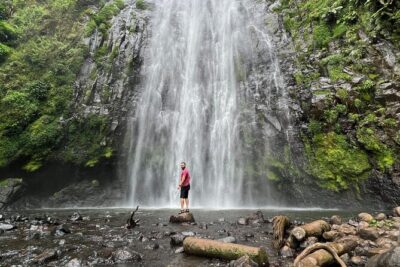
Maasai village visit, Materuni waterfalls & coffee experience
Read our review →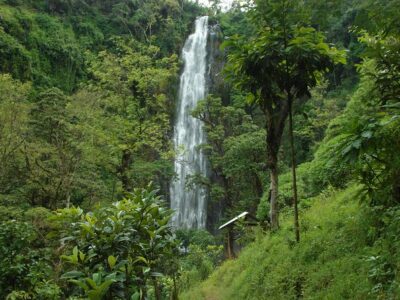
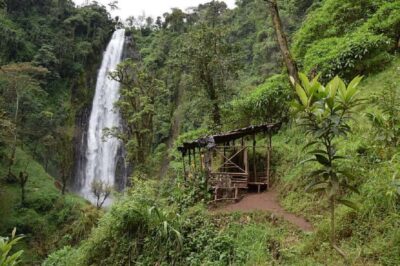
Materuni Waterfalls, Coffee, and Hotsprings Tour
Read our review →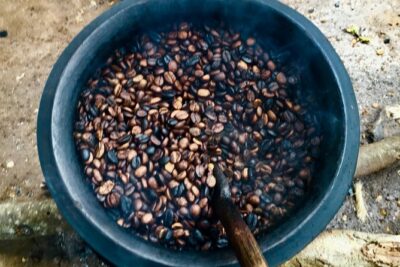
Coffee tour and Buffet Lunch with Kingstone Asilia (Arusha)
Read our review →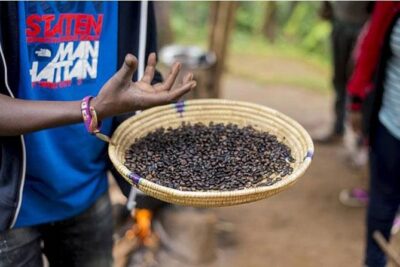
Materuni Waterfalls, Visiting Chagga Village, CoffeeTour Kikuletwa Hotsprings
Read our review →
Materuni waterfalls,coffee tour & Kikuletwa(Chemka)Hot Springs
Read our review →Browse the lists this tour appears in