
Review · TURKEY
Cappadocia: Sand-Brewed Turkish Coffee Workshop
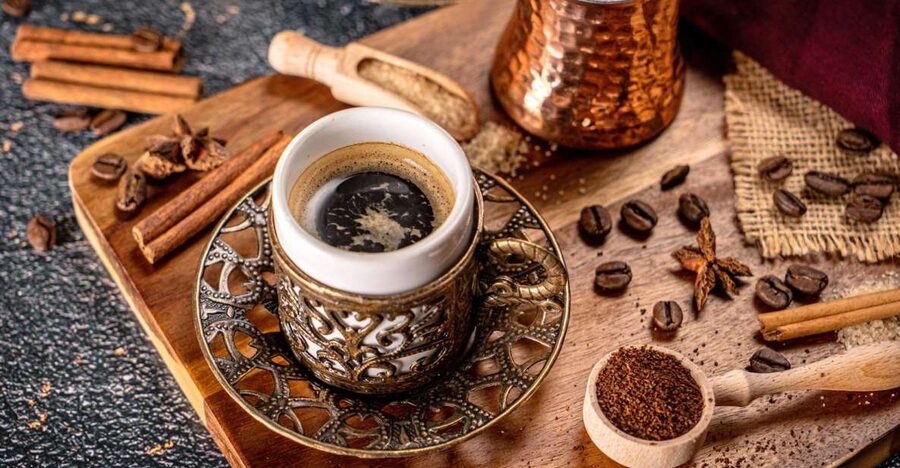
Cappadocia’s sand-brewed Turkish coffee workshop turns a simple drink into a hands-on cultural lesson. You prepare coffee in a copper cezve over heated sand, watch the foam form, and learn why coffee has been tied to Turkish hospitality since the 16th century. It is a small, friendly activity rather than a formal cooking class.
I like the 30-minute length, which fits neatly between sightseeing plans, and the personal teaching from hosts such as Ugur, Kubi, Ozan, and Aslı. I also like the extras: Turkish tea, sweets, Ottoman-style vests and hats, and sometimes a playful coffee-ground fortune reading. The main drawback is that the meeting point can be tricky to find, and one visitor reported steep hills and a closed path near The Owl Cave hotel.
Key points at a glance
- Coffee brewed on hot sand: You use a traditional copper cezve and learn how slow, even heat affects the drink.
- Small groups of up to eight: The size gives you a real chance to ask questions and take your turn.
- A strong local host element: Ugur, Kubi, Ozan, and Aslı are among the instructors named in the activity feedback.
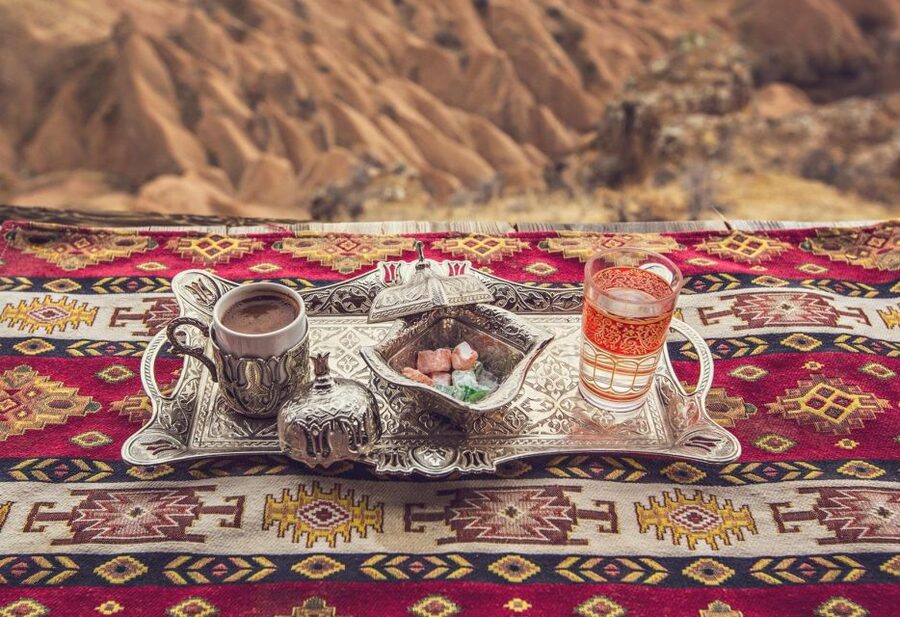
- More than a coffee tasting: Sessions may include Turkish tea, Turkish delight, cake, and other small sweets.
- Dress-up and photos: Ottoman-style vests and hats can make the workshop more playful and memorable.
- Good value at $12: For half an hour of instruction, tasting, and cultural context, the price is modest.
Why coffee on sand is worth your time
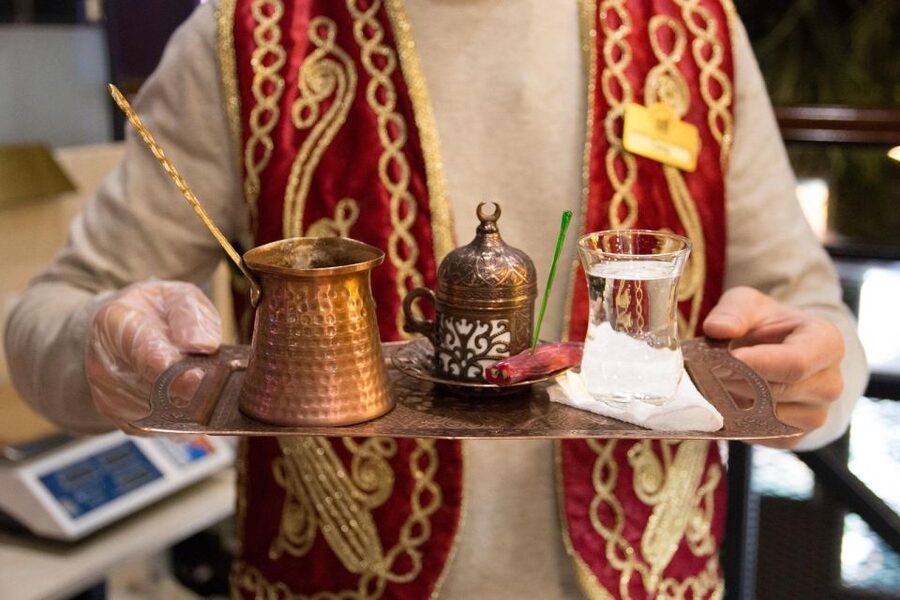
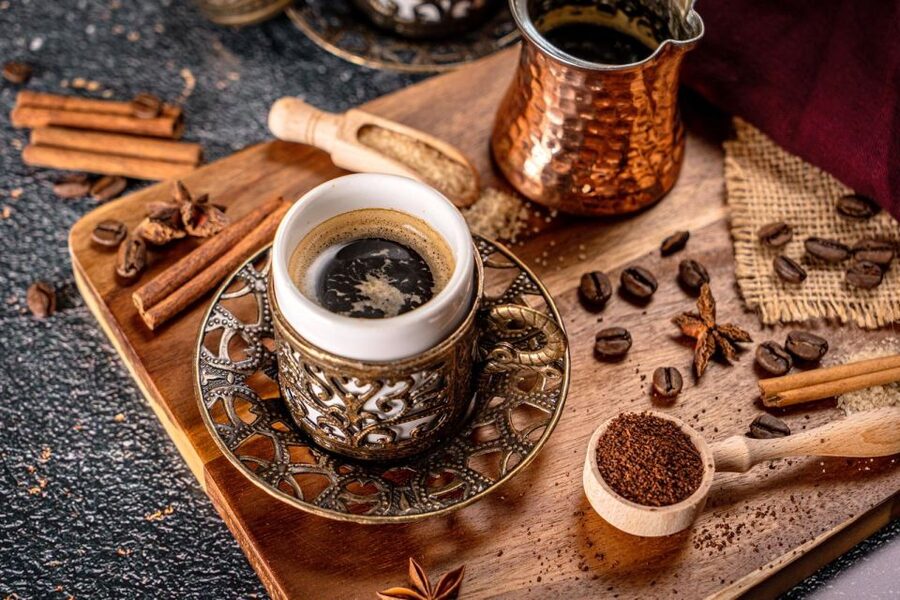
Turkish coffee is not filtered. Finely ground coffee, water, and, if you choose, sugar are heated together in a small pot. The grounds remain in the cup, so you sip slowly and leave the final sediment behind.
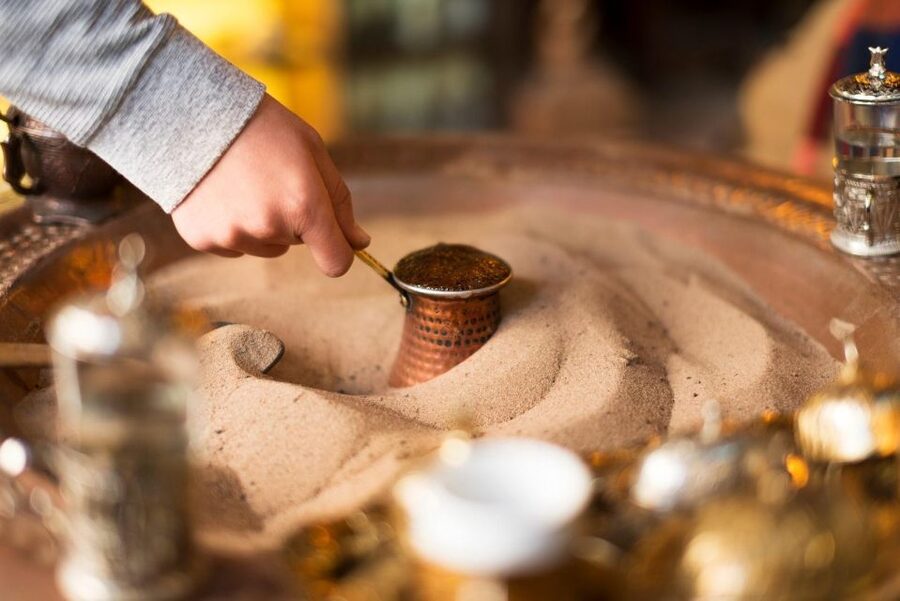
The sand method gives this familiar drink its visual appeal. The cezve sits in hot sand, which surrounds the pot with steady heat. This allows the coffee to warm gradually instead of sitting directly over a flame. You can watch the surface change as the coffee heats, then remove it at the right moment to help preserve its foam.
That process is the heart of the workshop. You are not simply handed a cup and told a few facts. You get to see the tools, handle the pot, and follow the steps yourself. For me, that makes the activity more useful than a standard café stop, especially if you want to understand the drink before ordering it elsewhere in Turkey.
The coffee tradition arrived in the Ottoman Empire in the 16th century and became part of social life. Coffee was served to friends, family, and visitors, and it developed a role in courtship and wedding customs. During the workshop, the guide may connect the drink with these customs, including the way coffee has been linked to Turkish marriage traditions.
That context matters. The point is not to claim that one brewing method is the only proper one. It is to show you why coffee preparation can be a social ritual rather than a quick caffeine stop.
More Coffee Making Classes in Turkey
- Istanbul: Turkish Coffee Making and Fortune Telling Workshop
★ 4.9 · 1,308 reviews - Istanbul: Turkish Coffee Making and Fortune Telling Workshop
★ 4.9 · 451 reviews - Istanbul Turkish Coffee Making & Fortune Telling Workshop
★ 5.0 · 173 reviews
Meeting at The Owl Cave hotel reception
The stated meeting point is The Owl Cave hotel reception, in the Göreme area of Cappadocia. You should plan to arrive with a little extra time because the location may not be obvious on a first visit. One person had trouble with Google Maps after finding that a route was closed, and described the walk as involving substantial hills.
That is useful advice for anyone carrying luggage, traveling with young children, or trying to fit the workshop between fixed activities. The meeting point is not presented as a transport pickup, so you should make your own way there.
Once you arrive, the workshop is designed to be compact. The listed duration is 30 minutes, though some people found the overall visit closer to an hour when conversation, photos, tea, sweets, or other small additions were included. I would leave a little space around the scheduled time rather than booking it immediately before a balloon flight, airport transfer, or timed museum entry.
The room itself has been described as cozy and carefully arranged, with a setting intended to feel traditional. That atmosphere is part of the appeal, but keep your expectations sensible. This is a short cultural activity, not a full Ottoman history presentation or a multi-course food class.
Preparing the cezve over hot sand
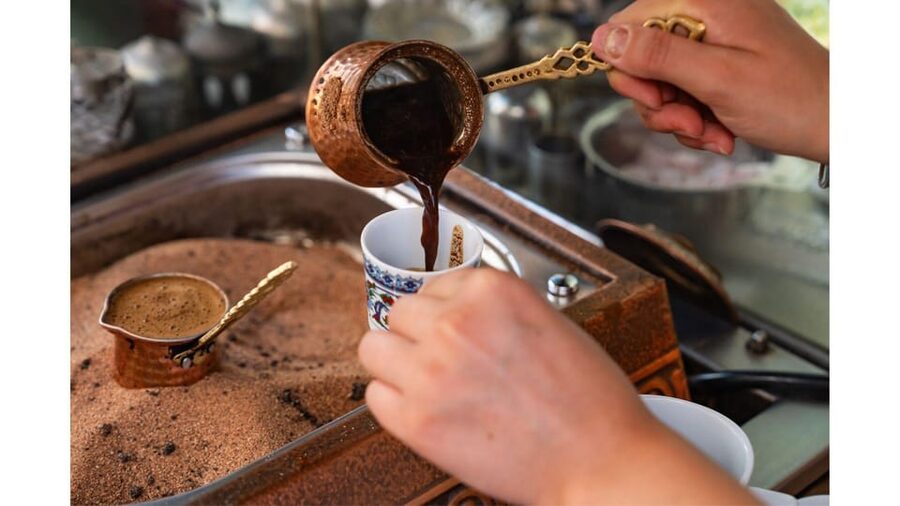
The practical part begins with the basic ingredients and equipment. The coffee is finely ground, then combined with water and sugar in the cezve. You learn how the coffee is mixed and heated, then place the pot in the sand.
The sand does not mean the coffee is gritty. It acts as the heating surface around the pot. You will still have grounds in the finished cup because that is part of Turkish coffee, but the sand itself stays outside the cezve.
A good host will guide you through the timing. The most interesting moment is the rise of the coffee foam. The aim is to heat the mixture carefully without letting it boil over. You may get to make your own serving, with the instructor helping as needed.
This is where the group size makes a difference. With a limit of eight participants, the class can remain conversational, and smaller sessions may feel almost private. Several people had sessions with only one other participant. That does not guarantee a tiny group every time, but the maximum is still low enough for hands-on attention.
Hosts named in the feedback include Ugur, Kubi, Ozan, and Aslı. The teaching style can vary slightly by instructor. Ugur is often described as funny, patient, and helpful with photographs, while Ozan is noted for explaining the craft and its traditions in an engaging way. Kubi has been praised for combining the coffee lesson with Ottoman history and local customs. Aslı has also led friendly, clear demonstrations.
The important point is that the guide is not just operating a machine for you. You are shown how the process works and given room to participate.
Tasting coffee with tea and Turkish sweets
After the coffee is prepared, you drink it in the local style. The strong flavor can surprise you if you normally drink filtered coffee. The texture is thicker, the grounds settle at the bottom, and the taste may be intense. Sugar is added during preparation, so tell the guide your preference before the pot is made.
The coffee served here has been described as smooth and less bitter than some machine-made versions found at local coffee stands. That comparison is helpful, but taste remains personal. If you do not normally drink coffee, you may prefer to take small sips and enjoy the aroma rather than finish the whole cup.
The serving often comes with Turkish tea and sweets. Turkish delight, cake, and other traditional snacks have been part of some sessions. These extras turn the lesson into a relaxed social break instead of a quick demonstration.
You should also note that the listed inclusions specifically cover the Turkish coffee workshop and Turkish coffee. Tea, cake, Turkish delight, or other desserts appear to be additions that can vary by session. I would treat them as likely treats rather than guaranteed parts of the basic booking.
More Turkish Coffee Experiences in Turkey:
- Turkish Coffee on Sand Workshop: Fortune Telling & Gift Set
★ 5.0 · 309 reviews - Istanbul: Sand Brewed Turkish Coffee Workshop in Old Town
★ 4.9 · 142 reviews - Antalya:Turkish Coffee Workshop + Fortune Telling + Gift Set
★ 5.0 · 127 reviews - Cappadocia: Turkish Coffee Workshop on Sand & Fortune + Gift
★ 5.0 · 69 reviews
Ottoman-style dress and coffee-ground fortunes
One of the more unusual touches is the chance to wear Ottoman-style vests and hats during the activity. This is not necessary for learning the coffee method, but it gives the short class a sense of occasion. It also creates easy photo opportunities, especially if you are traveling with friends or family.
The clothing is best understood as a playful presentation rather than a formal historical costume lesson. The focus remains coffee, hospitality, and Turkish customs.
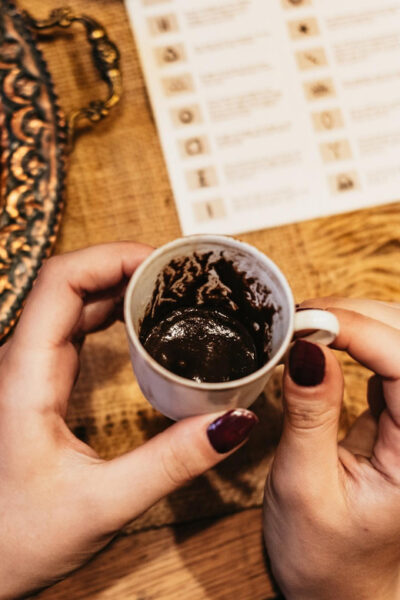
Some sessions also include fortune reading from the coffee grounds after you finish drinking. The cup is turned over, the grounds are allowed to settle, and the guide interprets the shapes left behind. This is a lighthearted custom and should be treated as entertainment, not a serious prediction.
It is a nice ending because it gives the coffee ritual one more layer. You drink slowly, leave the grounds, and then use the cup as part of a social tradition. If fortune reading is important to you, ask at the start whether it will be included that day, since it is not listed among the guaranteed inclusions.
What the $12 price really buys
At $12 per person, this is one of Cappadocia’s easier activities to fit into a daily budget. You are paying for instruction, participation, coffee, and a short cultural encounter. The small-group format adds value because you are not simply watching a staged demonstration from the back of a large room.
The price makes the workshop especially useful on a day when you have an open half-hour. It can fill a gap before dinner, after a walk through Göreme, or between larger sightseeing plans. You also avoid committing half a day to another excursion.
The value depends on what you want. If you are looking only for the cheapest cup of coffee, a café will cost less. If you want a serious barista course, this class is too short. But if you want to learn one traditional method, make a cup yourself, and hear how coffee fits into Turkish social customs, the fee is fair.
You should also remember that the coffee is part of the activity, not the whole product. The setting, guide, equipment, clothing, explanations, and chance to ask questions all matter. At this price, I see it as a compact cultural experience rather than a beverage purchase.
Who will enjoy this Cappadocia activity
I would recommend it most strongly to:
- Coffee drinkers who want to understand Turkish coffee before ordering it elsewhere.
- People interested in everyday customs, hospitality, and Ottoman-era traditions.
- Couples and families looking for a short indoor activity.
- Solo visitors who appreciate a small group and an easy way to meet a local host.
- Anyone who enjoys photos, costumes, sweets, or a little playful fortune telling.
- Visitors with a free hour who do not want another long excursion.
It also works well for people who are not regular coffee drinkers. Some participants were surprised by the smoother taste and found the activity enjoyable even after disliking machine-made Turkish coffee elsewhere.
I would be less likely to recommend it if you dislike coffee, have no interest in cultural demonstrations, or need a highly structured, longer class. The workshop is brief, and the core activity remains simple: prepare coffee, learn about its background, and drink it.
Practical tips before you book
Check the starting time when you reserve because the available sessions can change. The host or greeter speaks English, and the activity is offered as a small group with a maximum of eight people.
Give yourself time to reach The Owl Cave hotel reception. Use the exact meeting point and do not rely on a single walking route if your map sends you along a closed path. The hills around Göreme can be steep, so comfortable shoes are a sensible choice.
If you have a preference for sugar, mention it before the coffee is prepared. Turkish coffee is sweetened in the pot, not after brewing. Also remember that the grounds remain in the cup, so avoid drinking the last mouthful.
Bring your phone if you want photos of the sand brewing, the Ottoman-style clothing, or the finished coffee. Hosts have helped participants take photos during the process, but you should still ask before stepping away from the group.
The activity offers free cancellation up to 24 hours in advance for a full refund, and you can reserve now and pay later. Those options are useful in Cappadocia, where weather can affect plans and many visitors book several activities close together.
Should you book the sand-brewed coffee workshop?
Book it if you want a short, inexpensive, hands-on look at Turkish culture. The sand brewing is unusual, the coffee lesson is easy to follow, and the small group gives the host time to make the session personal. The extra tea, sweets, dress-up photos, and coffee-ground fortune reading can make it feel like more than a simple tasting.
Skip it if your schedule is packed or if you are seeking a long cooking class. Also plan carefully for the meeting point and uphill walk. For most people with a spare hour in Göreme, though, $12 is a sensible price for a friendly introduction to one of Turkey’s oldest coffee traditions.
FAQ
How long does the Turkish coffee workshop last?
The listed duration is 30 minutes. Some sessions may take closer to an hour when conversation, photos, tea, sweets, or other additions are included.
How much does the experience cost?
The price is $12 per person.
Where is the meeting point?
You meet at The Owl Cave hotel reception in Cappadocia. The provided meeting point includes a Google Maps location.
What is included in the booking?
The booking includes the Turkish coffee workshop and Turkish coffee.
Is the workshop conducted in English?
Yes. The host or greeter speaks English, and English is the listed language for the activity.
How large is the group?
The activity is limited to eight participants.
Do I get to make the coffee myself?
Yes. The workshop teaches you how to prepare Turkish coffee in a copper cezve over heated sand, with guidance from the host.
Are Turkish tea, cake, and Turkish delight included?
Some sessions include Turkish tea, Turkish delight, cake, or other sweets, but the stated inclusions specifically list the workshop and Turkish coffee. Treat these extras as variable.
Can I cancel or pay later?
You can cancel up to 24 hours in advance for a full refund. The activity also offers a reserve-now, pay-later option.
Just added around Turkey
- Turkish Coffee and Traditional Turkish Dessert Cooking★ 4.6 · 8 reviews
- Walking Tour from Taksim to Galata (inc. Turkish Coffee Tasting)★ 5.0 · 10 reviews
- Istanbul Turkish Coffee Cooking and Tasting with Locals at Home★ 5.0 · 3 reviews
- Istanbul Home Style Turkish Coffee Making and Fortune Telling★ 5.0 · 4 reviews
- Home Style Turkish Coffee Making and Fortune Telling★ 5.0 · 10 reviews
- Istanbul: Turkish Coffee Trail★ 3.6 · 16 reviews
- İstanbul: Bosphorus Private Yacht Cruise with Tea and Coffee★ 4.0 · 18 reviews
- Cappadocia Off-Road Jeep Safari Experience with Free Coffee★ 4.9 · 19 reviews
Turkish Coffee Experiences, compared.
Turkish Coffee Making and Fortune Telling Workshop
Read our review →Turkish Coffee Making and Fortune Telling Workshop
Read our review →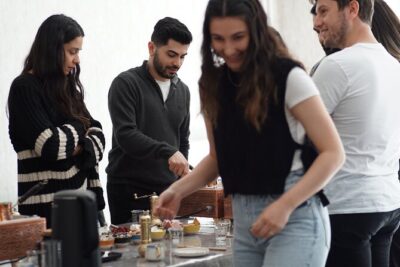
Turkish Coffee on Sand Workshop: Fortune Telling & Gift Set
Read our review →
Istanbul Turkish Coffee Making & Fortune Telling Workshop
Read our review →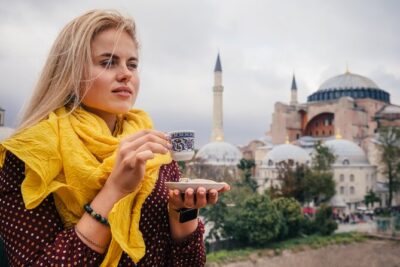
Sand Brewed Turkish Coffee Workshop in Old Town
Read our review →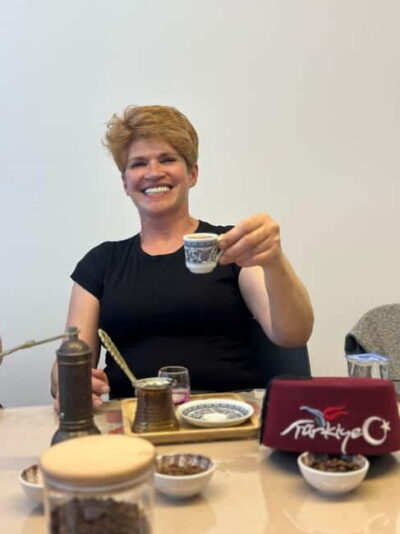
Turkish Coffee Workshop + Fortune Telling + Gift Set
Read our review →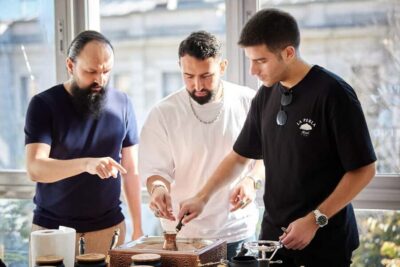
Turkish Coffee Workshop on Sand & Fortune + Gift
Read our review →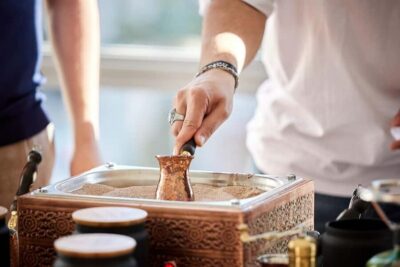
Browse the lists this tour appears in