
Review · MEDELLIN
Medellín Coffee Farm Tour with Trolley and Cable Car Ride
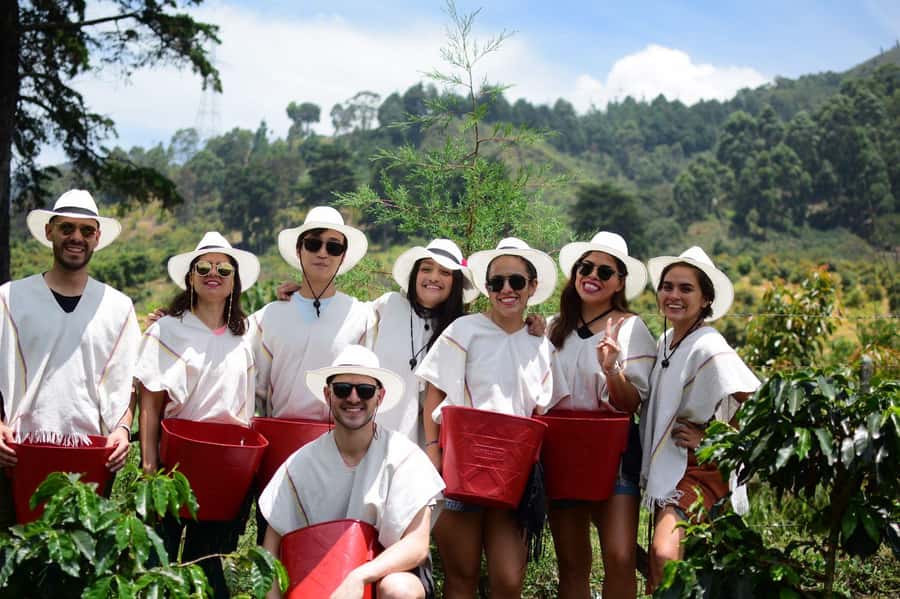
Medellín’s most unusual coffee outing begins not in the countryside, but in the city. You ride the electric tram and cable car into Barrio La Sierra, then walk uphill through Comuna 8 to a working family coffee farm. There, you pick coffee cherries and follow them from fruit to finished drink.
I like the way this tour joins coffee with Medellín’s social story, rather than treating the farm as a stand-alone attraction. I also like the hands-on work: harvesting, seeing the beans cleaned and dried, and drinking coffee made from the same local crop. The trade-off is clear: expect hills, steps, and a fair amount of walking, so this is not suitable for people with limited mobility.
Key points to know before you go
- Coffee in the city: Reach a working coffee farm without leaving Medellín.
- Tram and cable car included: The ride is part of the experience, with wide views over the city and hillside neighborhoods.
- Real hands-on work: Pick coffee berries and see the process from harvest through roasting, grinding, and brewing.
- Comuna 8 context: Your guide explains how Barrio La Sierra has changed and how the coffee project supports local families.
- Small-group feel: Past tours have been described as relaxed and personal, with guides such as Melissa, Carolina, David, Arturo, and Valentina often praised for clear explanations and translation.
- Bring the right gear: Wear closed shoes, expect uphill walking and steps, and pack a snack because food is not available for purchase during the activity.
Why this coffee tour is different from the usual farm visit
Most coffee farm trips from Medellín involve a long ride out toward the larger coffee-growing areas. This one stays within the city. That makes it a smart choice if you have only a few days in Medellín, or if you want to pair coffee with a close look at local life in Comuna 8.
The setting is unusual. Barrio La Sierra sits on a steep hillside, and the route to the farm passes through a community that has experienced major change. The tour presents that change through local voices and the work of the family connected with Casa Finca de La Sierra.
That matters because coffee here is not just a tasting theme. It is tied to land, family work, local education, and an effort to create new opportunities in the neighborhood. The experience gives you a clearer sense of how a small community project can connect farming with tourism.
The 270-minute length also works in its favor. You get enough time to walk, ask questions, harvest coffee, and taste it without having to rush from one short stop to another.
More Coffee Farm Tours in Colombia
- Medellin: Horseback Riding Coffee Farm Tour with Coffee Spa
★ 4.8 · 151 reviews - Comuna 13 & Coffee Farm Private Tour in Medellin | The Best Combo
★ 5.0 · 46 reviews - Coffee Farm & ATVs Private Tour in Medellin: Stunning Views & Fun
★ 5.0 · 31 reviews
Meeting at San Antonio and riding the electric tram
The meeting point is in front of the main entrance to San Antonio Tranvia station, at street level beneath the San Antonio metro station. Look for the San Antonio Tranvia station sign and your guide.
The first ride takes about 30 minutes on the electric tram. This is not just a way to cover distance. It helps you shift from central Medellín into the eastern part of the city, while your guide adds background about the area and explains what you will see next.
Guides have varied, but names that have been warmly praised include Melissa, Carolina, Valentina, David, Arturo, Christian, Felipe, Emily, Camilo, and Annie. English and Spanish are offered, and several guides have served as translators between visitors and the coffee-growing family.
That translation is useful. The most meaningful parts of the visit come from hearing directly about the neighborhood and farm. A guide who can explain both sides of the conversation makes the meeting feel more natural and helps you ask better questions.
The cable car ride into Comuna 8
After the tram, you ride the cable car for about 12 minutes. The cabins climb above Medellín’s steep eastern hills, giving you a broad view of the city and the surrounding neighborhoods.
I would treat this as one of the tour’s key attractions, not a simple transfer. The changing view helps explain why walking in the community involves slopes and stairs. You see how the city rises up the hillsides, and you get a sense of the distance between central Medellín and the neighborhoods above it.
Some people book cable car rides as a sightseeing activity on their own. Here, the ride has a purpose: it carries you into a part of Medellín where coffee is being grown close to homes, streets, and community life.
Your guide may point out views that are especially good for photos. Still, keep your attention on the whole ride, not only the camera. The cable car offers an important first look at the scale and shape of the city.
Walking through Barrio La Sierra
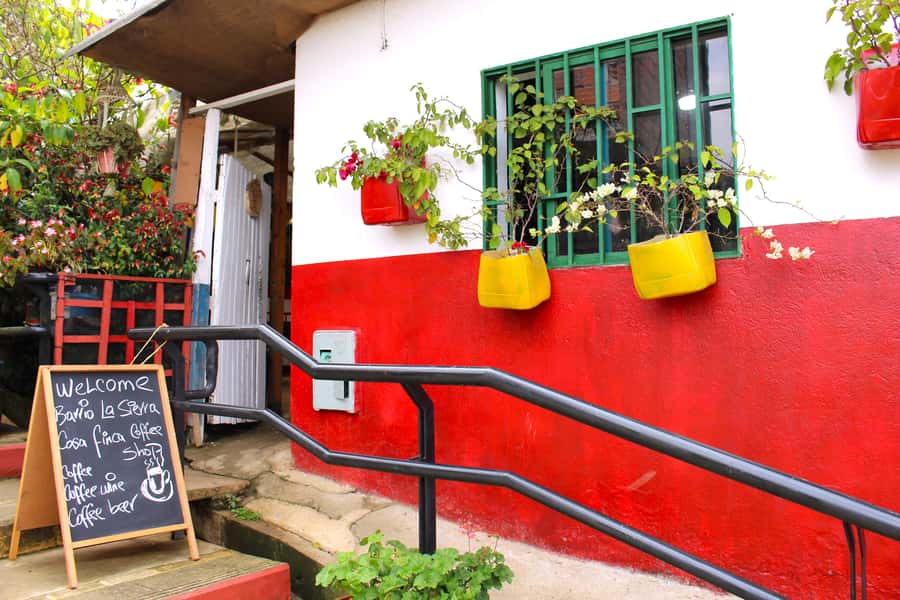
Once you leave the cable car, the tour continues on foot through Barrio La Sierra. This is the part that requires the most care and respect. You are walking through a living community, not a museum set up for visitors.
The route includes hills, steps, and uneven walking. One account described roughly 500 stairs, while other descriptions simply stress the uphill sections. The exact amount may depend on the route and conditions, but you should plan for a genuine physical outing.
The walking gives the tour its local character. Instead of being driven straight to a farm entrance, you see how the neighborhood leads into the growing area. Your guide explains the transformation of Comuna 8 and helps put the coffee project into context.
Guides such as Arturo and David have been praised for explaining the area in a calm, personal way. Melissa, Carolina, and Valentina have also received strong praise for answering questions and keeping an eye on how people are managing the walk.
The community setting can feel more rewarding than a polished tourist attraction, but it also asks more from you. Walk quietly, follow your guide’s instructions, and avoid treating residents or homes as photo props.
More Coffee Farm Tours in Medellin
- From Medellin: Day Trip to a Jardin Coffee Plantation
★ 4.5 · 16 reviews - Medellin: Coffee Farm and Barista Workshop Experience
★ 4.4 · 9 reviews - Medellin: Coffee Farm Tour & Spa with Overnight Glamping
★ 4.5 · 3 reviews - Guatapé & Coffee Farm, all in one day
★ 5.0 · 3 reviews
Casa Finca de La Sierra and the family coffee project
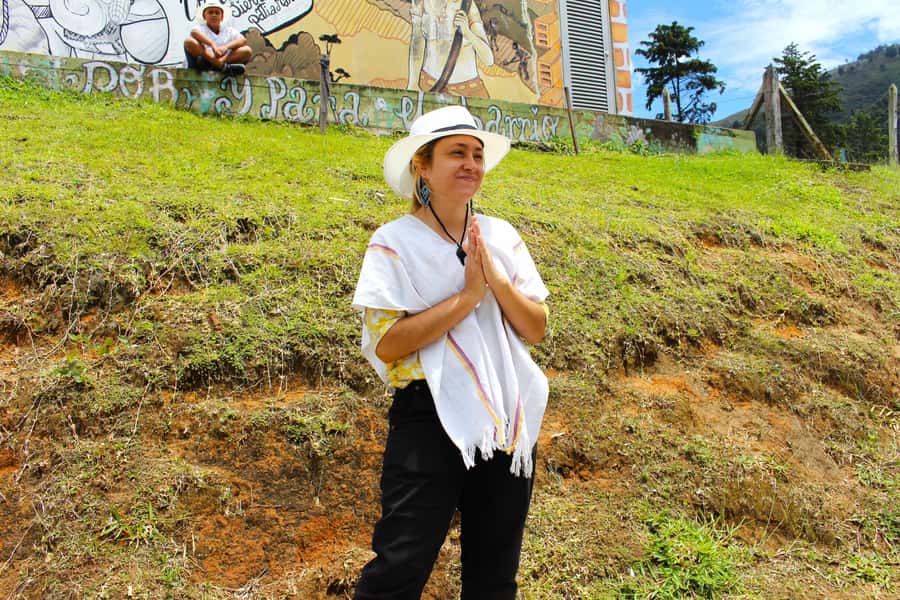
The farm visit takes place at Casa Finca de La Sierra, which includes a small museum or interpretive space. The family explains how coffee is grown and how the project developed.
This stop gives the walking tour a destination with real purpose. You are not simply shown a few coffee plants and handed a cup. You meet people connected to the work and learn how the farm fits into the neighborhood.
The hospitality is a major part of the experience. The family welcomes the group, shares its story, and explains the work in a direct, practical way. Some tours also involve younger members of the community, who help with parts of the visit and learn about coffee, tourism, and English.
The project has been connected with about 30 families working together to produce coffee, including Tinto Noir. Since the supplied details do not promise that every visitor will meet all 30 families, think of this as a community-linked project rather than a tour of a single isolated plantation.
The museum and farm visit are especially useful if you want more than a tasting. You get context before the hands-on part begins, which makes the later stages easier to understand.
Picking coffee berries by hand
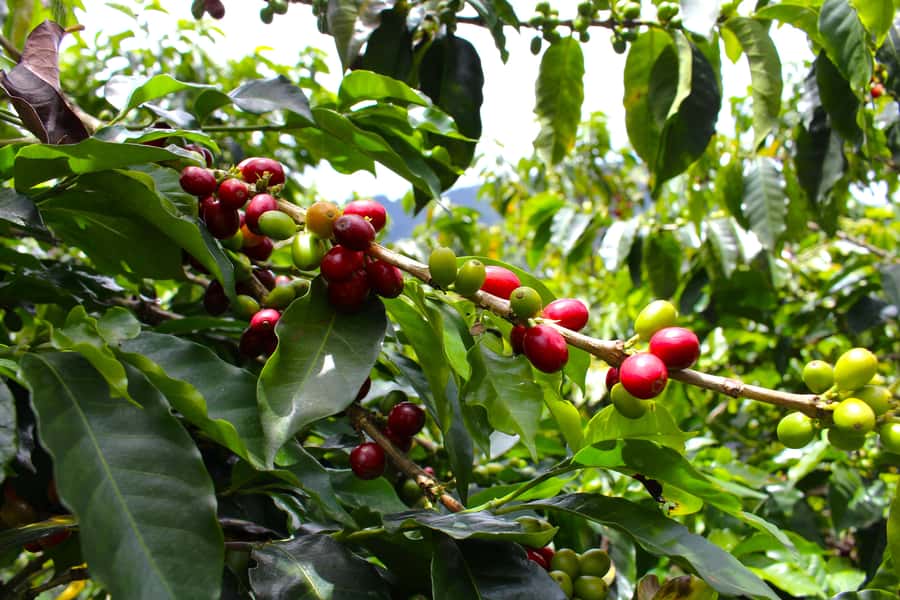
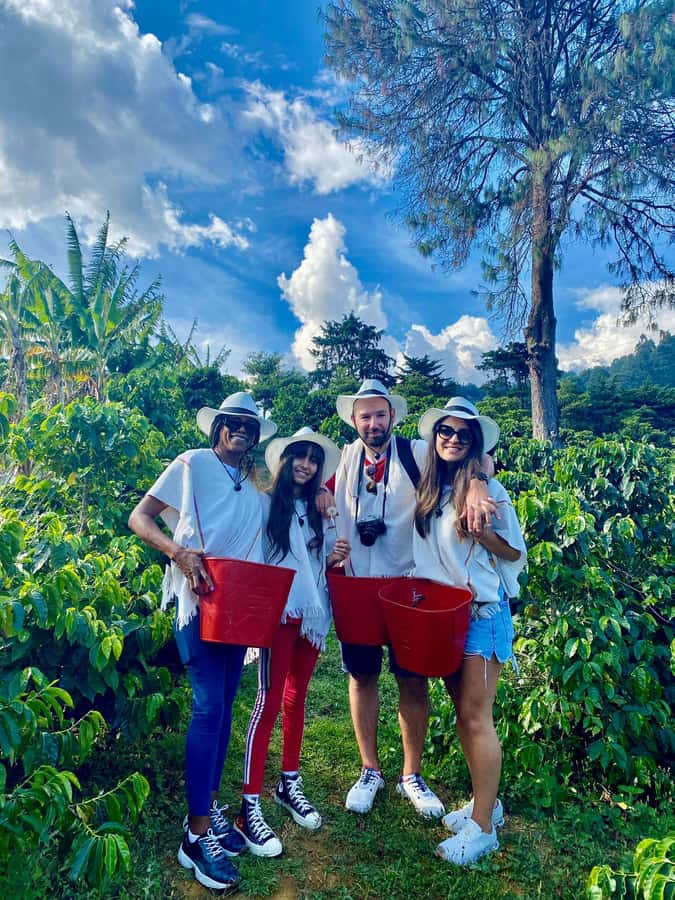
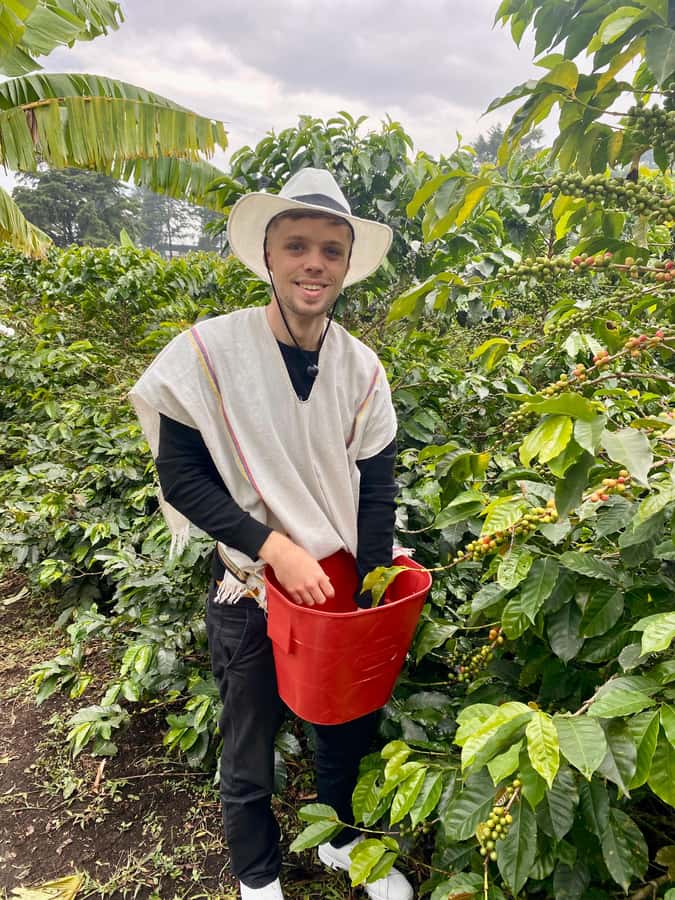
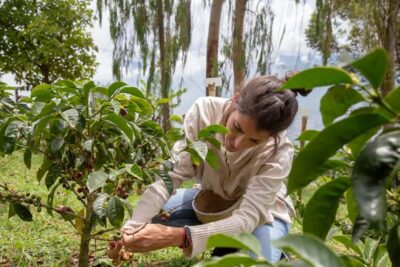
This is the most distinctive part of the tour. You walk into the coffee fields and harvest ripe berries yourself.
The fruit is often called a coffee cherry, though the familiar coffee bean is found inside it. Picking a basketful takes time and care. That simple task gives you a better sense of the labor behind a cup of coffee than a quick explanation ever could.
The activity is not designed as a contest, but it can become playful. One account even mentioned a friendly competition over who could pick the most. The main value is not how many berries you collect. It is seeing the work close up and understanding that every step depends on manual effort.
You should wear closed shoes. Long trousers are not required by the supplied information, but if you wear shorts, bring insect repellent for the farm. Weather can also change the feel of the walk, so light rain gear may be sensible, though it is not specifically listed as required.
From cherry to cup
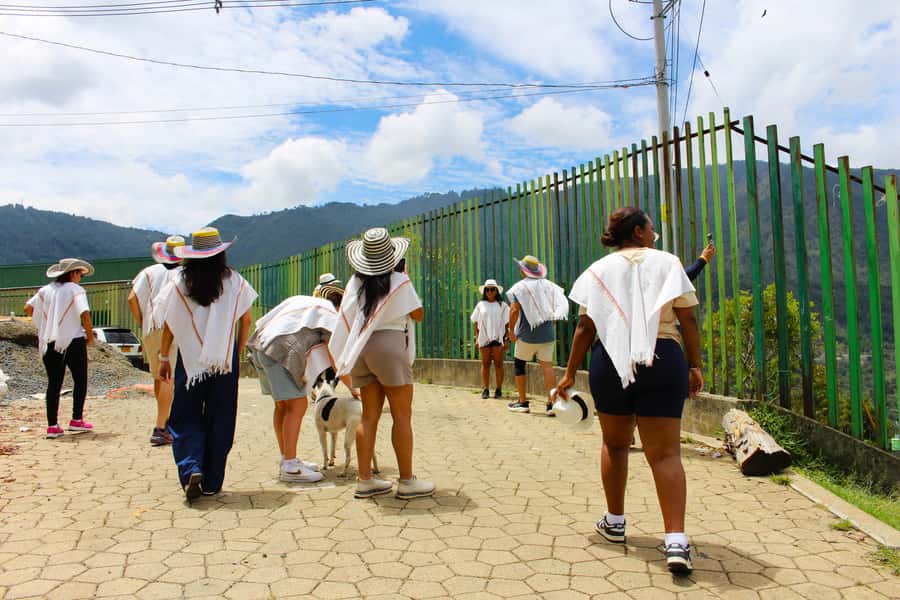
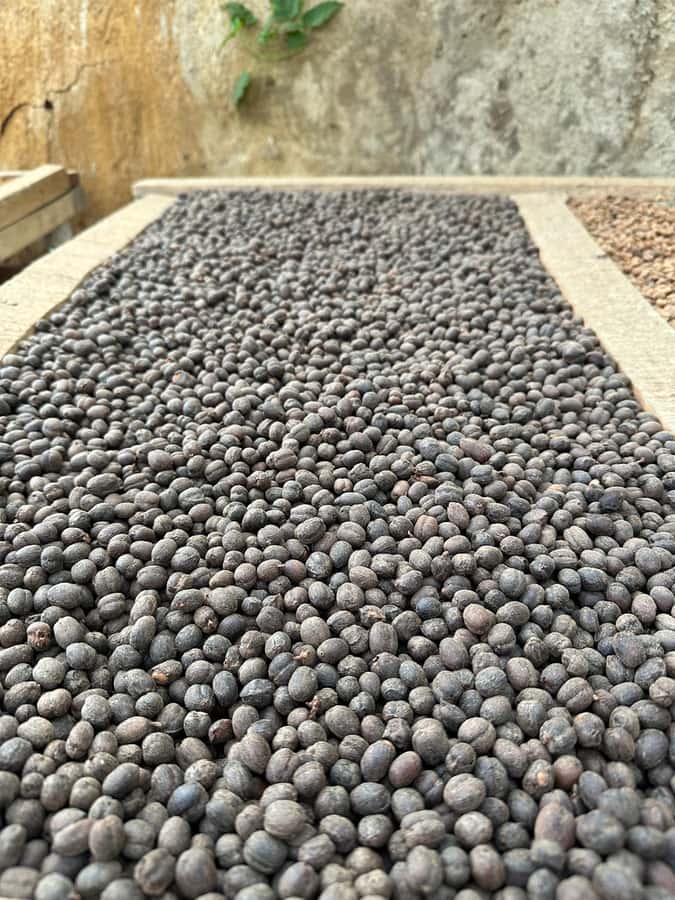
After harvesting, the family explains the coffee process from seed to cup. The stages include cleaning, fermenting, drying, roasting, grinding, and brewing.
This is where the tour earns its price. A coffee tasting in a café can tell you what a drink tastes like. Here, you see the work that comes before it, including the less glamorous stages that are easy to ignore once the coffee reaches your table.
The demonstrations are practical and linked to the coffee you have just seen in the field. You may watch the beans being prepared, learn how roasting changes them, and see how grinding leads to the final brew. The exact order and depth of each demonstration can vary, but the stated aim is to cover the full process.
The coffee itself receives consistent praise for its flavor. You will have several chances to drink locally grown coffee, with welcome refreshments, tastings, and a final cup made from the farm’s production.
One useful limitation: this is not advertised as a formal comparative tasting. If you want side-by-side samples of different varieties or roast levels, you may find the tasting less technical than a specialty coffee workshop. It is better understood as a farm-to-cup lesson with generous sampling.
Coffee, snacks, and what is not included
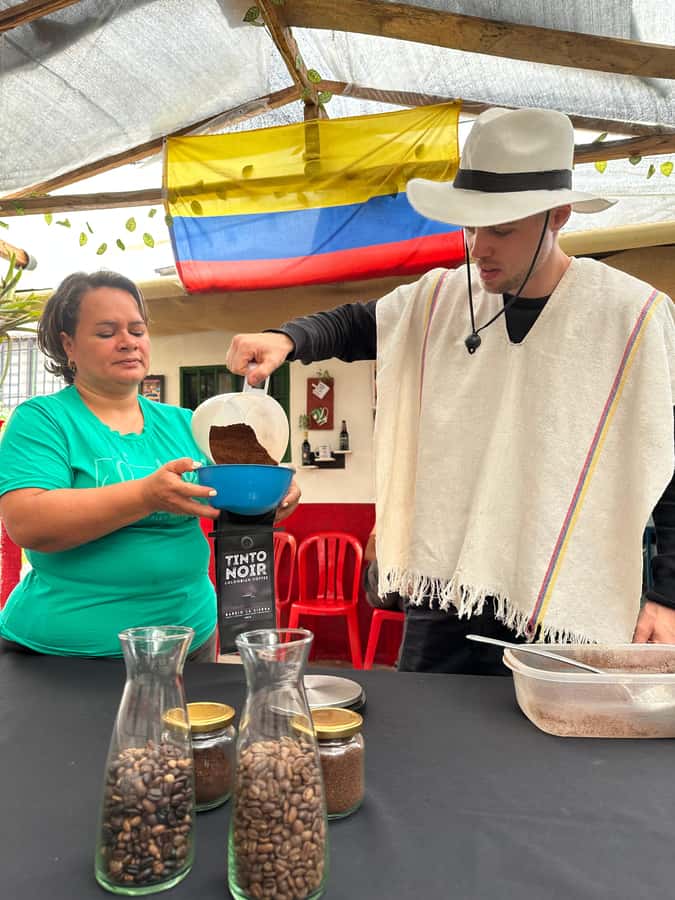
Local snacks and a pastry may be provided during the visit, along with refreshments and coffee. Do not treat this as a full meal, though. Food is not available for purchase along the way, so eat beforehand and carry something small if you need more than a snack.
Coffee bags are not included in the $56 price. You may be able to buy coffee at the farm, but purchasing bags is an extra cost and should not be assumed as part of the tour.
This is worth noting for coffee shoppers. If you want to take home Tinto Noir or another local roast, ask about availability during the visit and bring enough Colombian pesos or a suitable payment method if the provider accepts it. The supplied details confirm that bags are not included, but do not specify payment methods or stock.
Is the $56 price fair?
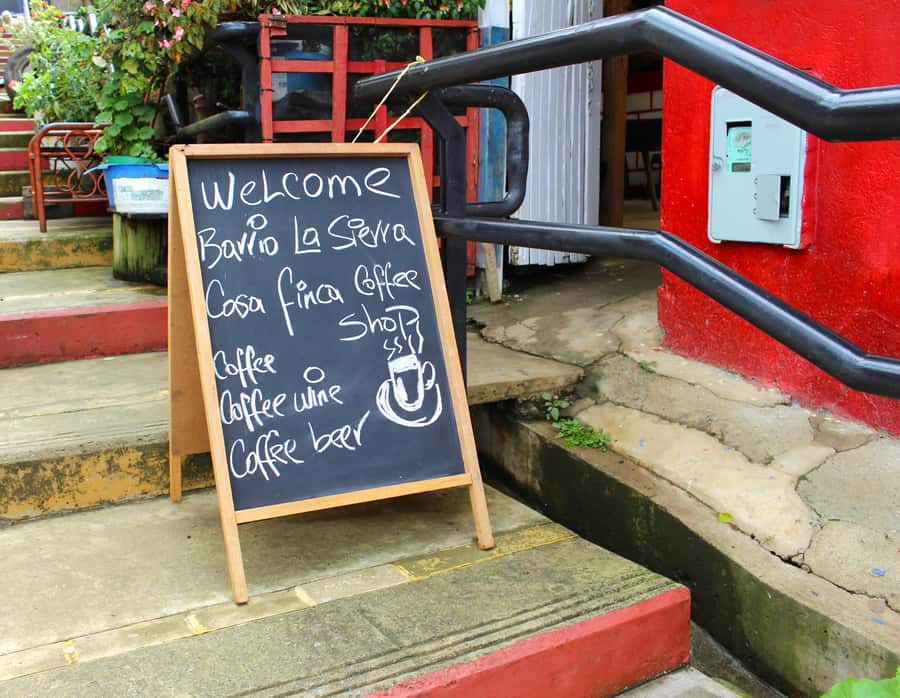
At $56 per person, this is not the cheapest way to drink coffee in Medellín. It is also more than a basic city walking tour or a standalone cable car ride.
The value comes from the combination. Your price covers the guided community walk, the tram and cable car portion of the route, the farm and museum visit, coffee harvesting, explanations of the production process, and repeated tastings. You also receive access to a family-run experience that would be hard to arrange independently.
I think the price makes sense if you value time, translation, local context, and direct participation. A self-guided trip might cost less, but it would not give you the same introduction to the family or the same help understanding the neighborhood.
The small-group format also matters. Several accounts describe the group as small and relaxed, which allows more room for questions and makes the farm visit feel less like a production line. Group size can vary, so do not assume every departure will have only two or three people.
How demanding is the walk?
The tour is not suitable for people with mobility impairments. The route includes hills, stairs, and a walk through the community before and after the farm visit.
That does not mean you need to be an athlete. One account says older parents in their seventies completed the tour, while another makes clear that the uphill walking is substantial. Your comfort will depend on your pace, the weather, and how well you manage steps.
Wear stable closed shoes, not sandals or smooth-soled fashion footwear. Take water, use sunscreen, and bring insect repellent if you plan to wear shorts. The tour lasts four and a half hours, so give yourself enough energy for the return journey.
The reward for the effort is the setting. You do not simply arrive at a farm by vehicle, take a few photos, and leave. The walk helps you see how the coffee project connects to the hillside community.
Who will enjoy this Medellín coffee experience?
This is a strong choice for you if you:
- Want a coffee experience inside Medellín rather than a long day trip
- Prefer meeting a local family to visiting a large commercial plantation
- Enjoy walking through neighborhoods and hearing about social change
- Like hands-on activities more than passive sightseeing
- Want a tour available in English or Spanish
- Are happy to support a community-linked project
- Have enough mobility for uphill streets and stairs
It may not suit you if you want a polished resort-style farm, a short and flat outing, or a serious comparative cupping session. It is also not the right pick if you need a proper lunch during the activity or cannot manage uneven uphill walking.
For non-coffee drinkers, the tour can still work. The community story, cable car views, family visit, and hands-on harvesting carry much of the experience. You simply need to be open to drinking plenty of coffee along the way.
Practical booking advice
The guide meets you at San Antonio Tranvia station, not at a hotel. Arrive with the station name and entrance details clear in advance, because San Antonio is both a metro and tram area.
You must provide your full name and passport number for the booking, but you should not bring your passport on the tour. The experience runs in English or Spanish, and you should confirm the starting time when booking because availability varies.
Free cancellation is offered up to 24 hours before the activity for a full refund. You can also reserve now and pay later, which helps if your Medellín schedule is still changing.
If rain is possible, ask the provider how the farm portion is handled. At least one group completed the harvest in wet conditions, so light rain does not automatically end the experience, but it may make the paths slippery.
Should you book the Barrio La Sierra coffee tour?
Book it if you want coffee with a human story, not just another tasting. The tram, cable car, hillside walk, family farm, berry picking, and full production lesson create a varied half-day that feels closely tied to Medellín.
I would choose it for a first or second visit, especially if you have already seen the main central sights and want a different side of the city. The main warning is practical, not cultural: the hills and stairs are real, and there is no meal for sale during the tour.
For $56, the experience offers good value when you count the transport, guide, translation, coffee, and local access. Bring closed shoes, repellent, water, and a snack, then let the coffee do the rest.
FAQ
Where does the Medellín coffee farm tour begin?
The tour begins in front of the main entrance to San Antonio Tranvia station, at street level underneath San Antonio metro station. Look for the San Antonio Tranvia station sign.
How long does the tour last?
The complete activity lasts 270 minutes, or four and a half hours.
Are the tram and cable car rides included?
The cable car is included, and the route also includes a ride on Medellín’s electric tram. The tram ride takes about 30 minutes, and the cable car ride takes about 12 minutes.
Can I take the tour in English?
Yes. The tour is offered with a live guide in English or Spanish.
Do I need to bring my passport?
You must provide your full name and passport number when booking, but you should not bring your passport on the tour.
Is the tour suitable for people with mobility impairments?
No. The tour is not suitable for people with mobility impairments because it includes uphill walking and steps through Barrio La Sierra and the coffee farm area.
Just added around Medellin
- Best Coffee Tour from Medellin with Lunch and Transportation★ 5.0 · 24 reviews
- Medellin: Coffee Farm Tour & Spa with Overnight Glamping★ 4.5 · 3 reviews
- Medellin: Coffee and fruit tour★ 4.9 · 12 reviews
- From Medellin: Day Trip to a Jardin Coffee Plantation★ 4.5 · 16 reviews
- Jardín: Horseback Ride with Coffee Villa and Waterfall★ 4.1 · 2 reviews
- Guatapé & Coffee Farm, all in one day★ 5.0 · 3 reviews
- Medellín: Coffee Tour Experience at a Coffee Farm★ 4.8 · 3 reviews
- Coffee Tour from Medellin with Lunch and Coffee Tasting★ 5.0 · 3 reviews
Coffee Farm Tours, compared.
Award Winning Farm Tour: Coffee, Chocolate and Unique Gifts
Read our review →
La Herradura Coffee Farm: tour in Europe’s only plantation
Read our review →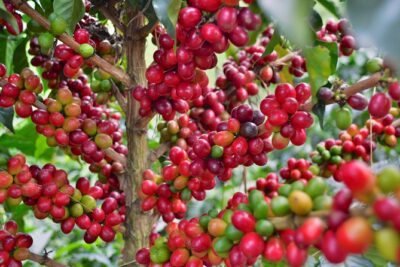

Private Cocora Valley, Salento & Coffee Farm Tour
Read our review →
Liamuiga Natural Farm Tour – St.Kitts’ Coffee Farm
Read our review →
Horseback Riding Coffee Farm Tour with Coffee Spa
Read our review →
Browse the lists this tour appears in