

Review · MELBOURNE
Melbourne: Barista Experience at Degraves Espresso
Melbourne’s famous Degraves Street is usually a place to grab coffee and keep moving. This experience lets you step behind the counter instead. At Degraves Espresso, you learn how the machine, grind, milk, and pour work together, then try your hand at basic latte art. I like the hands-on format, and I like that the café’s story is part of the lesson, not an afterthought. The laneway and café date back to Degraves Espresso’s establishment in 1995.
I also like the practical souvenir: a 250g bag of the house blend to use at home. The main drawback is the short one-hour format. It gives you a lively introduction, not enough time for advanced coffee skills, and the café has several age, mobility, sensory, and allergy restrictions to consider before booking.
Key points at a glance

- Coffee in a real working café: Learn inside Degraves Espresso, rather than in a classroom built only for demonstrations.
- The converted bank teller bar: The training takes place in a converted bank teller space at one of Melbourne’s best-known cafés.
- More than espresso basics: You cover the machine, grind, coffee styles, milk varieties, perfect pouring, and latte art.
- A story behind the cup: Your English-speaking instructor explains the laneway’s past and the founder behind the coffee beans.
- Useful take-home value: Coffee tasting, training, and a 250g bag of the café’s blend are included in the $99 price.
- A private one-hour session: The private-group setup can make hands-on practice more focused, but the short length keeps the lesson introductory.
Starting under the green neon sign on Degraves Street
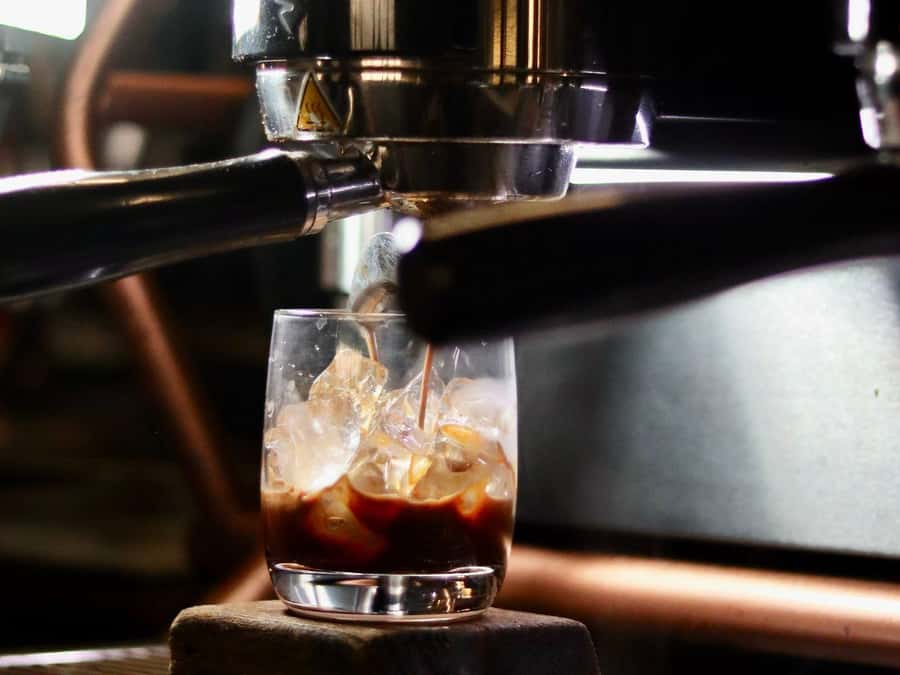
Your meeting point is easy to identify once you reach the laneway: look for the green Melbourne neon sign above Degraves Espresso. The café sits between Flinders Street and Flinders Lane, in the narrow passage that gives this part of Melbourne its character.
You are not meeting at a separate training school. The activity takes place at Degraves Espresso itself, a café established in 1995. That matters because you get to learn in the same kind of working environment where coffee is made for customers, rather than handling equipment in a quiet studio.
The training area is a converted bank teller bar space. That detail gives the session a slightly unusual setting, and it also puts you close to the counter action. If you enjoy seeing how a café works behind the scenes, this is more appealing than a basic tasting at a table.
The location is central, but Degraves Street is a narrow laneway. You will want to arrive with enough time to find the green sign without rushing. The meeting instructions are simple, yet a clear landmark helps in a busy central district where several cafés sit close together.
A few more coffee tours around Australia worth a look
- Secret Delights: Curated Wine, Coffee & Forest Experience
★ 5.0 · 279 reviews - Melbourne City Cruise with Tea, Coffee, and Commentary
★ 4.3 · 189 reviews - Melbourne Coffee Lovers Walking Tour
★ 5.0 · 51 reviews
The café story comes before the coffee lesson
The session includes the history of the laneway and the story of the founder behind the coffee beans. I like this approach because coffee makes more sense when you understand the place serving it.
Degraves Street is not just a backdrop for a quick caffeine stop. The café’s history, its founder, and the beans all form part of the explanation. You learn why the business has a particular identity before moving into the practical work of preparing coffee.
The information provided does not name the instructor, so you should not expect a named celebrity barista or a famous coffee personality. The lesson is delivered in English, and the focus is on clear instruction and participation.
For you, the useful question is how much cultural detail you want. If you are mainly after a professional barista qualification, this is not that kind of course. If you want to understand a Melbourne coffee institution while learning basic skills, the local setting adds real value.
Handling the machine and understanding the grind
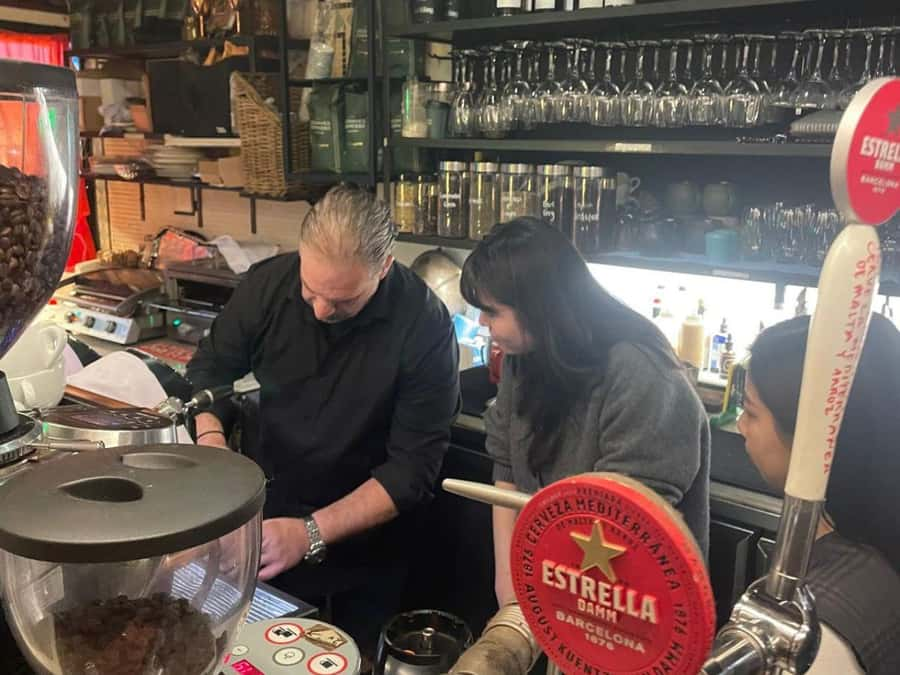
The first practical part covers the coffee machine and the grind. You learn how those two parts affect the result, then get the chance to handle the machine yourself.
That hands-on element is important. A demonstration can show you what a barista does, but operating the equipment helps you notice the timing, pressure, and small decisions involved in making a cup. The supplied details do not promise advanced technical instruction, so I would treat this as a beginner-friendly introduction.
You also try different coffees during the session. That tasting helps connect the explanation to what is in your cup. Instead of hearing only that grind or beans matter, you can compare coffee styles and pay attention to how the finished drink changes.
The experience is one hour long, so the pace is likely to be brisk. You will cover several topics, including coffee styles, milk, pouring, and latte art. That is a good amount for a compact introduction, but you should not expect repeated practice until every pour is perfect.
Coffee styles, milk choices, and the perfect pour
The lesson moves beyond a single espresso. You learn basic coffee styles and how milk changes the way a drink is made.
This is one of the more useful parts for anyone who orders coffee regularly but has never thought about the method behind the menu. Milk is not treated as a single ingredient. You explore different milk varieties and how they can affect preparation and the final coffee.
The perfect pour is another focus. You learn about the way coffee and milk come together, rather than simply adding milk at the end. That leads naturally into latte art, where the angle, speed, and control of the pour matter.
I like that the session connects several small steps instead of presenting latte art as a party trick. A pattern on top of a drink is only the final stage. The machine, grind, coffee style, milk choice, and pour all affect what you can create.
The wording of the experience promises basic latte art, not expert-level designs. If you already work as a barista, you may find the class too simple. If you are new to coffee making, the chance to attempt the technique with expert guidance should make the hour feel active rather than passive.
Same place, a different way to drink it:
- Melbourne Coffee Lovers Walk
★ 4.8 · 25 reviews - Melbourne Cafe and Coffee Culture Walking Tour
★ 4.5 · 21 reviews - Perth: Rottnest Island Ferry, Bike, Coffee & Lobster Roll
★ 4.4 · 17 reviews - Secret Delights: Curated Wine, Coffee & Forest Experience
★ 5.0 · 11 reviews
A private group makes a short lesson more personal
This is described as a private-group activity, which is useful for a practical lesson. You are not simply watching a demonstration from the back of a large class. The format gives you a better chance to ask questions and handle the equipment.
The exact group size is not provided, so I would not assume the session is one-on-one. Still, private-group instruction usually makes a difference when you need to practice something physical, such as operating the machine or pouring milk.
The English-language format also matters. You should be comfortable following instructions in English, particularly when the instructor is explaining several steps in a short period.
Because the activity lasts only one hour, private instruction helps protect the value of the session. You spend less time waiting for other people to have a turn, though the precise amount of individual practice will depend on the group booked for your time.
Coffee tasting adds context to the technique
Coffee tasting is included, and it gives the session a useful comparison point. You can try different coffees while learning how the beans and preparation affect the drink.
I see this as a strong feature for beginners. Coffee vocabulary can feel vague when it is only explained verbally. Tasting different coffees gives you a direct way to connect the lesson with your own preferences.
The experience also covers the founder behind the beans. That personal background gives the coffee a sense of place and helps explain why the blend used at the café matters. You are not just practicing with an anonymous product before leaving.
No meal or other beverage is included. Coffee is the central focus, so plan to eat separately if you need food before or after the activity. Food and drinks are also listed among the items not allowed during the experience, so do not bring a snack or outside drink into the session.
The 250g bag is the most useful souvenir
At the end, you receive a 250g bag of the café’s blend. This is more useful than a disposable souvenir because you can take the lesson home and keep experimenting.
The bag also adds value to the $99 price. You are paying for a private, one-hour training session, coffee tasting, and a product that lets you revisit the experience. The value is strongest if you already make coffee at home or plan to buy the equipment needed to prepare it.
That last point is worth considering. The activity teaches you about the machine, grind, and pouring, but the supplied details do not say that home equipment is included. If you do not have suitable equipment, the bag remains a pleasant souvenir, but you may not be able to apply every technique right away.
I would book this for someone who enjoys coffee and wants a guided introduction. I would not choose it as a substitute for a longer professional barista course, since one hour cannot cover every technical detail in depth.
Who should book this Degraves Espresso experience
This suits coffee lovers, curious beginners, and visitors who want a small activity connected to Melbourne’s café culture. It can also work well for a private group looking for something more active than a standard café visit.
You should be at least 15 years old. The activity is not suitable for children under 15, unaccompanied minors, or people over 70 according to the supplied restrictions. Those age limits may feel broad, so if your circumstances are close to either boundary, check before booking.
The experience is also not suitable for wheelchair users, people with visual or hearing impairments, or people with nut allergies. Non-folding wheelchairs and strollers are not allowed, along with walking frames, crutches, and walking sticks. These restrictions are important because the session takes place in a compact converted bank teller bar space.
High-heeled shoes and boots are not allowed. You should also avoid bringing bikes, pets, drones, food, drinks, alcohol, or sharp objects. Intoxication is not permitted, and audio recording is not allowed.
Some of these rules may feel strict for a one-hour coffee class, but the café setting is compact and the activity involves equipment. Read them carefully before paying.
What the $99 price really buys you
At $99 per person, this is not the cheapest way to drink coffee in Melbourne. You are paying for instruction and participation, not just a cup from a well-known laneway café.
The strongest value comes from the combination of private-group training, coffee tasting, and the 250g blend. The lesson covers several practical topics, and you get to operate the machine rather than only watch someone else. The café’s story and the history of the laneway add a local angle that a generic barista workshop would not provide.
The value becomes weaker if you want advanced skills, a long practice session, or a formal qualification. You should also remember that meals and other drinks are not included. Think of this as a compact coffee experience with practical elements, not a full-day course.
Free cancellation is available up to 24 hours before the activity for a full refund. You can also reserve and pay later, which is helpful if your Melbourne plans are still changing. Starting times vary, so check availability for the day you want.
A good fit for coffee curious visitors
The best part of this experience is its mix of place and practice. You learn in an established Melbourne café, hear about the laneway and the founder, taste different coffees, and try the equipment for yourself.
I especially like the take-home blend because it gives the hour a second life. You can leave with a better sense of what affects your coffee and a bag of beans to use at home.
The limitations are just as clear. The session is brief, English-only, and not designed for every age or ability. It also does not promise advanced barista training. If you want an easy introduction to Melbourne’s café culture and enjoy learning by doing, I think the $99 can be fair value. If your priority is a serious professional course, choose a longer program instead.
FAQ
Where does the barista experience take place?
It takes place at Degraves Espresso in Melbourne, in the laneway between Flinders Street and Flinders Lane.
How do I find the meeting point?
Look for the green Melbourne neon sign above Degraves Espresso. That is the meeting point.
How long does the experience last?
The barista experience lasts one hour.
What language is the session conducted in?
The instructor conducts the experience in English.
Is the activity private?
Yes. The group type is listed as a private group.
What will I learn?
You will learn about the coffee machine, grind, coffee styles, milk varieties, the perfect pour, and basic latte art. You will also hear about the history of the laneway and the founder behind the coffee beans.
Is coffee tasting included?
Yes. Coffee tasting is included in the experience.
Do I receive anything to take home?
Yes. You receive a 250g bag of the café’s coffee blend.
Are meals or other drinks included?
No. Meals and beverages apart from the coffee included in the activity are not included.
Can children join the experience?
Children under 15 cannot join. Unaccompanied minors are also not allowed.
Is the activity accessible for wheelchair users?
No. The experience is not suitable for wheelchair users, and non-folding wheelchairs are not allowed.
Can I cancel for a full refund?
Yes. You can cancel up to 24 hours in advance for a full refund.
Should you book the Degraves Espresso barista experience?
Book it if you want to do more than order coffee in Melbourne. The one-hour session gives you a close look at Degraves Espresso, a taste of the laneway’s story, practical machine time, basic latte art, coffee tasting, and a 250g bag of beans.
Skip it if you need advanced training, a longer course, or an accessible activity with flexible age requirements. For the right coffee fan, though, this is a compact and personal way to turn a café stop into a hands-on Melbourne experience.
Just added around Australia
- Bespoke Cycle Tours – Sydney Harbour E-Bike Coffee/Lunch Tour★ 5.0 · 2 reviews
- Secret Delights: Curated Wine, Coffee & Forest Experience★ 5.0 · 11 reviews
- Perth: Rottnest Island Ferry, Bike, Coffee & Lobster Roll★ 4.4 · 17 reviews
- Melbourne: Cafe Culture Walk (small group/max 8 guests)★ 4.8 · 5 reviews
- Melbourne Brunch & Coffee Iconic Laneway Degraves Espresso★ 5.0 · 2 reviews
- Ballarat: City Tales Guided Walking Tour + Coffee★ 5.0 · 4 reviews
- Adelaide Hills: E-Bike Self-Guided Tour with Coffee and Cake★ 4.5 · 10 reviews
- Melbourne Cafe and Coffee Culture Walking Tour★ 4.5 · 21 reviews
Melbourne Coffee Tours, compared.

Private Melbourne: Fitzroy, Collingwood, Culture, Coffee, History
Read our review →
Melbourne Brunch & Coffee Iconic Laneway Degraves Espresso
Read our review →Browse the lists this tour appears in