
Review · VIENNA
Vienna: Guided Viennese Coffee-House Tour
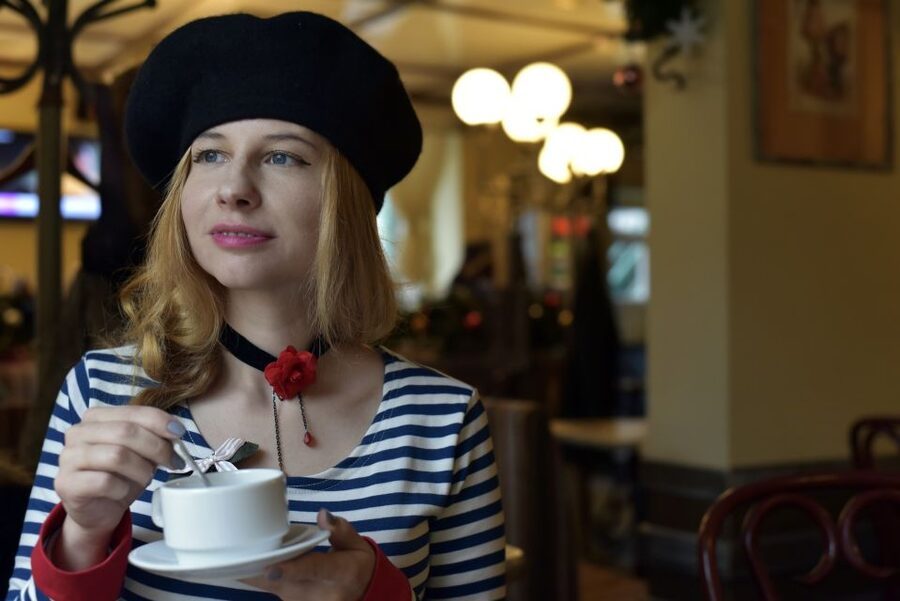
Vienna’s coffeehouses are not just cafés with pretty rooms. They are places to linger, read, talk, and watch the city move at its own pace. This tour takes that idea seriously, pairing three coffee specialties and strudel with stops at classic cafés such as Prückel, Hawelka, Demel, and Coultur.
I like the small-group size, capped at eight, because it gives your guide room to answer questions. I also like the mix of tasting and storytelling. Guides such as Lilit and Tina have been praised for making the subject lively, with useful facts, humor, and local anecdotes.
The main drawback is that three hours on foot, with several café stops, may not suit anyone with limited mobility. The tour runs rain or shine, and the route or cafés may vary, so bring patience and skip the large bag.
Key points to know before booking
- Three Viennese coffee specialties: Taste classics such as Melange and Einspänner while learning how local coffee orders differ.
- Four notable café names: A recent route included Prückel, Hawelka, Demel, and Coultur, giving you several different styles of coffeehouse.
- Guides make the difference: Lilit and Tina are specifically praised for warm, humorous explanations and for answering personal questions.
- A proper sweet pairing: Your booking includes one piece of strudel, water, and small candies or bonbons.
- Small group format: With no more than eight people, the tour feels more like a guided conversation than a large tasting party.
- A walking experience: Hotel pickup is not included, and the tour is not recommended for people with mobility impairments.
Why Vienna’s coffeehouses matter
Vienna’s coffeehouse tradition reaches back to the 17th century. The point was never only to drink coffee quickly. A coffeehouse offered a seat, a newspaper, conversation, and time.
That old social habit still shapes the experience. You are not simply handed a paper cup and sent on your way. You sit in a proper room, take in the décor, and learn why coffeehouses became important meeting places for artists, writers, students, and ordinary city residents.
I like this tour because it gives you context before the coffee starts to blur together. A Melange is not just a sweet drink, and an Einspänner is not merely another espresso variation. The names, serving styles, and customs are part of the fun.
The tour also helps you understand a useful Viennese rule: a coffeehouse is a place to stay awhile. If you normally drink coffee while walking to the next sight, this experience asks you to slow down.
A few more coffee tours around Vienna worth a look
- Vienna: Guided Viennese Coffee-House Tour
★ 5.0 · 2 reviews - Dresden: Guided City Walk with a Cup of Coffee
★ 4.7 · 1,568 reviews - Istanbul Highlights: Guided Tour with Turkish Tea or Coffee
★ 5.0 · 278 reviews
Starting with a small group and a local guide
You meet your guide in front of the designated coffeehouse. Arrive five minutes early and look for the GTOUR-Guide sign or person. Hotel pickup and drop-off are not included, so plan your way to the meeting point before the tour day.
The group is limited to eight people. That matters here. Coffee tasting involves questions, preferences, and small details that can get lost in a large group. A compact party also makes it easier to settle into café seating without turning every stop into a production.
The tour is offered in German and English. Guides Lilit and Tina are named in the available feedback, and both earned praise for clear explanations, friendly conversation, and a good sense of humor. Lilit was especially noted for sharing anecdotes without sounding like she was giving a school lecture. Tina was praised for explaining coffeehouse customs and responding to individual questions and requests.
That gives you a good idea of the tour’s tone. Expect a guide-led conversation, not a formal coffee course. The guide explains the background, points out details, and helps you make sense of what you are tasting.
Prückel and the classic café setting
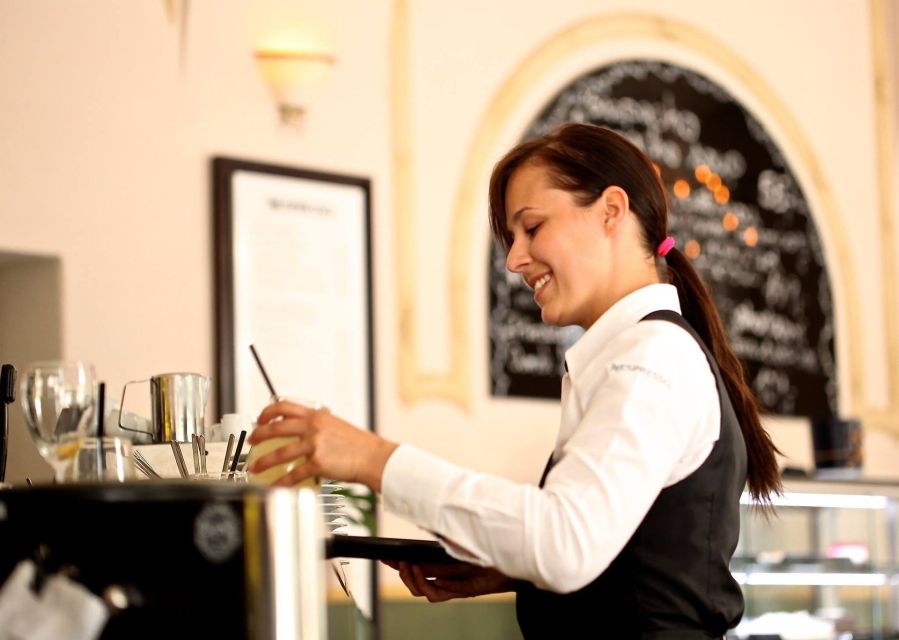
One recent route included Café Prückel. It is the sort of stop that shows why Vienna’s coffeehouses have such staying power. The appeal is the setting as much as the drink: you sit in a traditional café environment and begin to see coffee as part of daily city life.
At this point, your guide can help you notice the difference between simply entering a café and understanding its role. The room, the pace, and the way drinks are served all matter. You are getting a first lesson in how Viennese coffeehouse culture works.
The exact order of stops can change, and the route is not guaranteed to include every named café. Still, Prückel gives the tour a strong start when it appears on the itinerary because it connects the drink with the place.
Do not expect a large meal at each stop. The included food is one piece of strudel, plus water and sweet candies or bonbons. This is a tasting walk, not a full lunch.
Hawelka and the art of lingering
Café Hawelka is another name associated with a recent tour route. It offers a different angle on the café tradition, with a reputation for literary and artistic associations. Your guide’s stories are important here, since the value lies in understanding how places like this fit into Vienna’s cultural life.
The coffeehouse visit gives you a chance to sit down, taste, and listen. That simple rhythm is one of the strongest parts of the tour. You are not racing from one landmark to another. You move between cafés, then pause long enough to notice the atmosphere.
One United States participant described the walk between cafés as relaxed and appreciated learning about Vienna’s coffee culture along the way. That is useful if you are comparing this tour with a food crawl that packs in many quick stops. This one appears to favor conversation and time at the tables.
The tradeoff is pace. If you want a fast tour with constant sightseeing, three hours may feel long. If you like a slower afternoon with several seated tastings, the timing works in your favor.
Same place, a different way to drink it:
- Vienna for Food Lovers: Cafés, Markets & Austrian Cuisine
★ 5.0 · 1,063 reviews - Vienna Coffee, Cake & Pastries Tour with Local Stories
★ 5.0 · 470 reviews - Hungry in Vienna? A Food Lover’s Coffee & Market Walk
★ 4.9 · 276 reviews - Vienna: Typical Austrian Food Tour with Coffee House Visit
★ 4.8 · 159 reviews
Demel, pastries, and the sweet side of Vienna
Demel is a major name in Vienna’s café world and was included on one recent route. Its presence adds a pastry-focused stop to the experience, which pairs naturally with the included strudel.
Viennese coffee and dessert belong together. The strudel gives you something substantial to eat, while the bonbons add a small sweet touch. These inclusions are modest, but they make the tasting feel more complete than a tour that offers coffee alone.
The guide can also explain how pastries fit into the wider café ritual. You are not being asked to gulp down several large desserts. Instead, the food gives you a taste of the traditional pairing and helps break up the drinks.
I would not book this as your main food tour if you are hungry. The supplied food is limited to one piece of strudel and small sweets. Think of it as a coffee-and-pastry experience with enough food to complement the tastings.
Coultur and newer café ideas
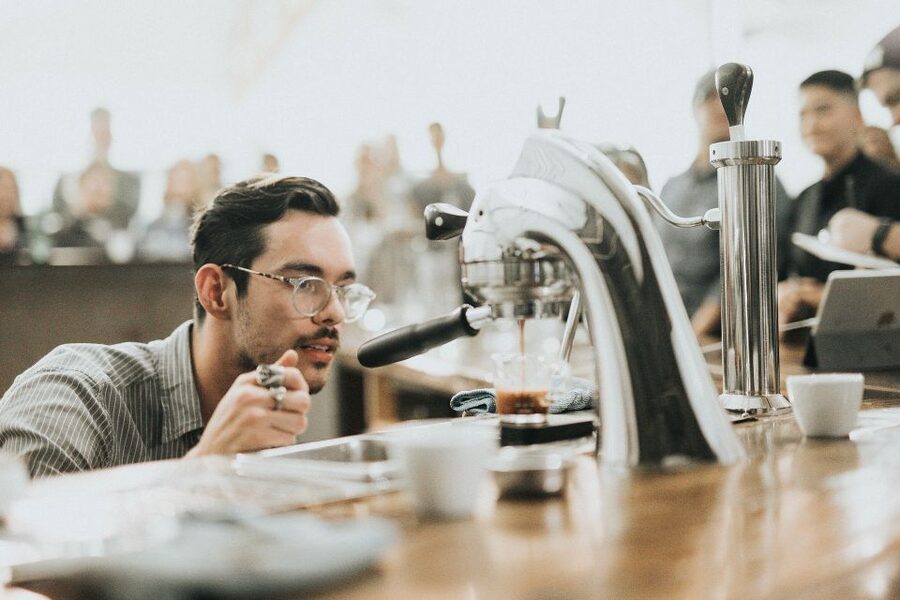
A recent route also included Coultur, giving the experience a broader range than a tour limited to grand old establishments. This contrast is useful. Vienna’s coffee culture is not frozen in the past. Some cafés preserve old customs, while others bring newer methods and presentation to the tradition.
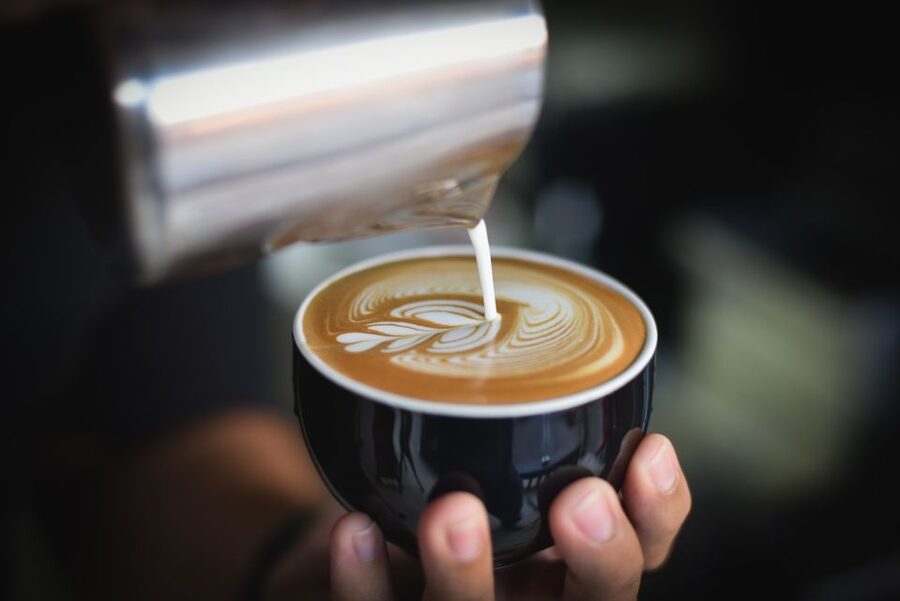
The tour description includes a chance to watch skilled baristas make latte art. That is a welcome modern touch. You get to see coffee preparation rather than only hear about it, and the visual element adds variety to the seated visits.
The point is not to rank old cafés against new ones. It is to see how Vienna’s coffee culture can stretch across different settings. Traditional rooms show the customs at their most established, while a modern café can show how those customs continue to change.
Because the exact route may depend on the day, do not treat every named café as a guaranteed stop. Use the names as examples of the kind of places the tour visits.
What you will taste: Melange, Einspänner, and more
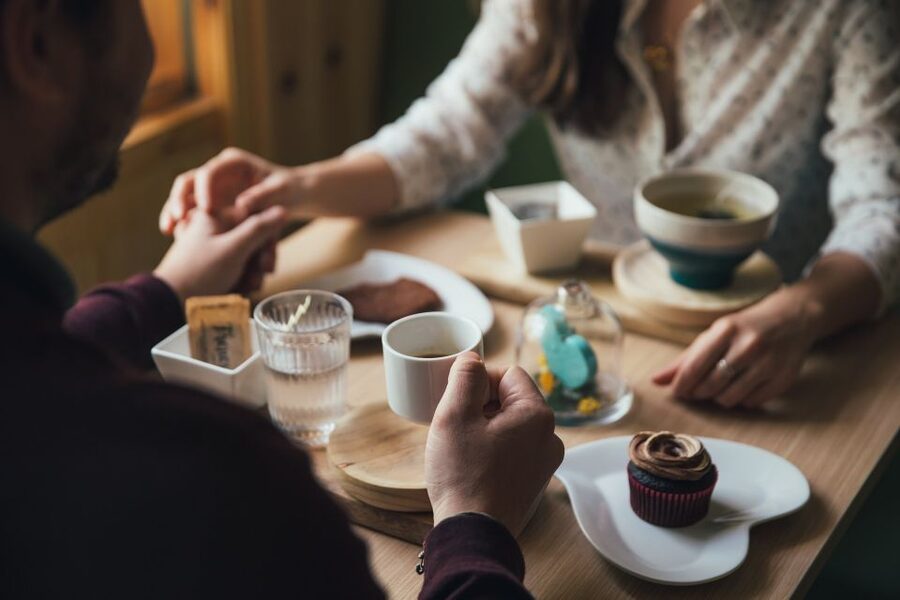
Three Viennese coffee specialties are included. The description specifically names the Melange and Einspänner, two drinks that help explain why ordering coffee in Vienna can feel like its own small language lesson.
A Melange is associated with a creamy, balanced style of Viennese coffee. An Einspänner is known for its coffee and cream combination. The tour gives you a chance to compare preparations instead of ordering one familiar drink and assuming all Austrian coffee is the same.
Your guide also covers roasting, brewing, and the different ways coffee is served. That information matters because it turns tasting into a comparison. You can pay attention to texture, strength, cream, and presentation rather than simply asking which drink is sweetest.
Water is included, which is practical during several tastings. You also receive one piece of strudel and sweet candies or bonbons. Since the tour lasts three hours, having water available is helpful, especially on a warm day.
The walking pace and physical demands
This is a walking tour with multiple café stops. The time is not spent entirely on your feet, since you sit in cafés for tastings and conversation, but the route still requires movement between venues.
The tour is officially not recommended for people with limited mobility and is listed as unsuitable for people with mobility impairments. That warning should guide your decision. A wheelchair-accessible listing does not remove the need to ask about the exact route, café entrances, seating, and any transitions between stops before booking.
The experience runs rain or shine. Pack for the forecast and wear comfortable shoes. Large bags and luggage are not allowed, so leave suitcases elsewhere and carry only what you need.
For most people, the relaxed pace is a strength. You get time to sit and listen instead of squeezing through a series of rushed tastings. But the same three-hour format may feel demanding if walking between cafés is difficult for you.
Is $84 a fair price?
At $84 per person, the price is higher than simply buying three coffees and a pastry on your own. You are paying for more than the drinks. The package includes a personal guide, three coffee specialties, strudel, water, sweets, and a structured route through several coffeehouses.
The value depends on how much you want the explanation. If you already know Vienna’s coffee traditions and are comfortable choosing cafés yourself, you may prefer to spend $84 independently over a longer period. You would have more control, though not the same guided context.
I think the price makes more sense for a first visit, a short stay, or anyone who wants a clear introduction without researching cafés in advance. The small group also adds value. With up to eight people, the guide can answer questions and keep the experience personal.
There is no hotel transport included, so factor in the cost and time of reaching the meeting point. The tour does offer reserve-now, pay-later booking and full refunds for cancellations made at least 24 hours ahead. Those terms are useful if your schedule is still shifting.
Who will enjoy this coffeehouse tour most?
I would recommend it to you if you like local customs, historic interiors, and food experiences that come with a story. It suits coffee drinkers who want to try several Viennese styles without guessing from a long menu.
It is also a good choice if you prefer a calm afternoon to a packed sightseeing schedule. The tour leaves room for sitting, tasting, and conversation. Guides such as Lilit and Tina seem to be a major part of the experience, so a good guide can make the historical material feel light and personal.
Families and mixed groups may appreciate the short walking sections and seated stops, though the coffee focus will not suit every child. Anyone with mobility concerns should ask detailed questions before paying, since the experience is not recommended for limited mobility.
Coffee experts may find the technical material introductory rather than advanced. The emphasis is on culture, preparation, café customs, and tasting, not on professional-level roasting or brewing instruction.
Practical details that affect your day
The tour lasts three hours, with starting times based on availability. Check the selected date carefully and arrive five minutes before the start.
German and English are available. Bring a small bag only, since luggage and large bags are not allowed. The tour operates in all weather, so your clothing matters more than it would for an indoor-only café visit.
COVID-19 rules in the supplied information require participants to have 2G confirmation, meaning vaccinated or recovered status. Check the current requirements before booking, since public health rules can change.
The route may include several well-known cafés, but the named stops are not presented as a fixed promise for every departure. Book it for the overall coffeehouse experience, not for one specific café alone.
Should you book it?
Book this tour if you want Vienna’s coffeehouse tradition explained from the inside, with three tastings, strudel, and enough time to sit down. The strongest reason to go is the guide-led format, especially if you enjoy stories and questions more than a simple café checklist.
Skip it if you want a quick coffee break, a full meal, or a tour with no walking. Also think twice if mobility is a concern or if $84 feels high for drinks and one pastry.
For the right person, this is a pleasant way to understand one of Vienna’s most distinctive daily customs. You leave with new coffee names, a better sense of café etiquette, and a clearer idea of why a Viennese coffeehouse is meant to be enjoyed slowly.
FAQ
How long does the Viennese coffeehouse tour last?
The tour lasts three hours.
How many coffee specialties are included?
You receive three Viennese coffee specialties during the tour.
Is strudel included?
Yes. One piece of strudel is included, along with water and sweet candies or bonbons.
Which coffeehouses does the tour visit?
A recent route included Prückel, Hawelka, Demel, and Coultur. The exact cafés and order may vary.
Is the tour available in English?
Yes. The live guide can lead the tour in English or German.
How large is the group?
The tour is limited to eight participants.
Is hotel pickup included?
No. You must make your own way to the meeting point in front of the designated coffeehouse.
Is the tour suitable for people with mobility impairments?
No. The tour is not recommended for people with limited mobility and is listed as unsuitable for people with mobility impairments.
Just added around Vienna
- Private Vienna Tour: Literature Walk with Coffee House Visit★ 5.0 · 2 reviews
- Vienna: Guided Viennese Coffee-House Tour★ 5.0 · 2 reviews
- Bratislava From Vienna By Bus With Coffee & Cake★ 4.0 · 5 reviews
- Sweet Vienna Tour: Home of Cakes and Cafe Culture★ 4.8 · 25 reviews
- Strauss Exhibition incl. LED Concert Show / Coffee + Strauss Cake★ 5.0 · 30 reviews
- Vienna Coffee and Cake Tour: Sweets, Stories & Hidden Cafés★ 5.0 · 41 reviews
- Vienna: 2.5-Hour Viennese Coffee, Cake, and Chocolate Tour★ 4.6 · 44 reviews
- Vienna Eats: Private Foodie Walk with Coffee & Markets★ 5.0 · 77 reviews
Vienna Coffee Tours, compared.
Vienna for Food Lovers: Cafés, Markets & Austrian Cuisine
Read our review →
Vienna Coffee, Cake & Pastries Tour with Local Stories
Read our review →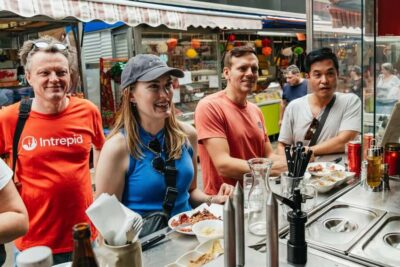
Hungry in Vienna? A Food Lover’s Coffee & Market Walk
Read our review →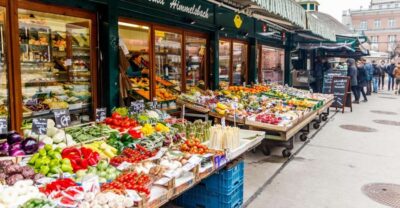
Typical Austrian Food Tour with Coffee House Visit
Read our review →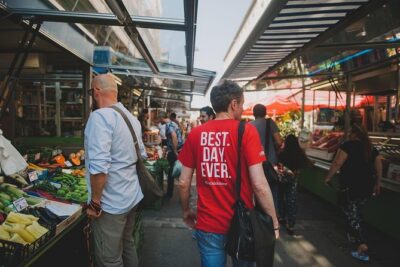
Vienna Eats: Private Foodie Walk with Coffee & Markets
Read our review →
2.5-Hour Viennese Coffee, Cake, and Chocolate Tour
Read our review →
Vienna Coffee and Cake Tour: Sweets, Stories & Hidden Cafés
Read our review →
Strauss Exhibition incl. LED Concert Show / Coffee + Strauss Cake
Read our review →Browse the lists this tour appears in