
Review · SALENTO
Coffee Tour at Finca El Ocaso Salento: Traditional Spanish Farm
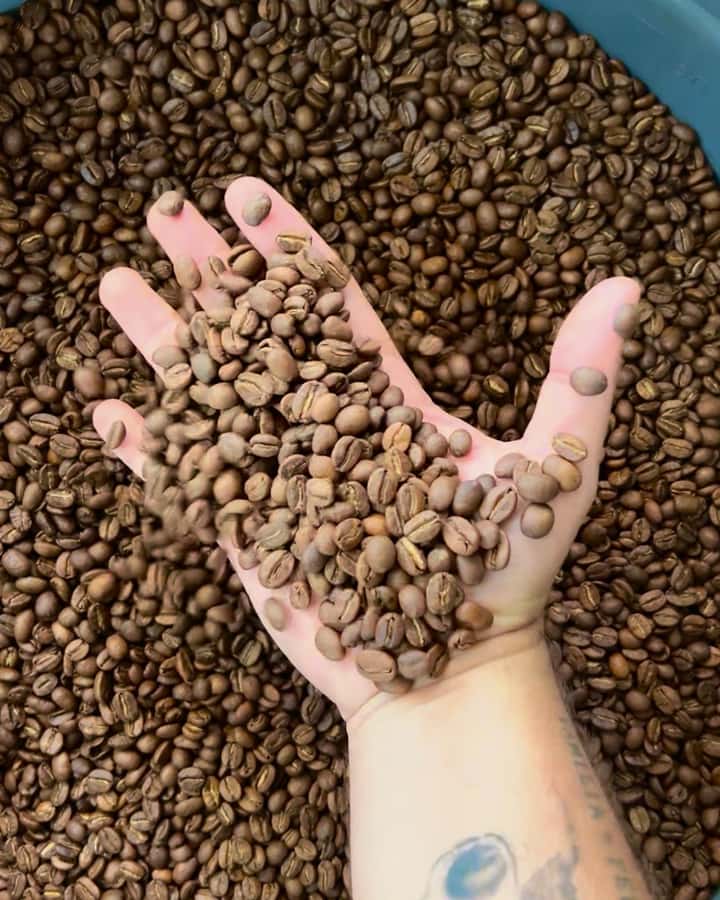
Coffee at Finca El Ocaso is not just a drink at the end of the tour. You follow it from seedling to cup, walking through gardens and coffee plots before seeing the machinery and hand methods that turn fruit into beans. The visit also explains sustainable farming, local plants and animals, and the choices that affect coffee quality.
I like two things here. First, the tour connects farm work with the final brew, so the mill and tasting make sense instead of feeling like separate demonstrations. Second, the traditional preparation in a cloth strainer and pot gives the visit a distinctly local finish. The main consideration is practical: the guide speaks Spanish, transportation is not included, and the final road to the farm is partly unpaved.
Key things to know before you go
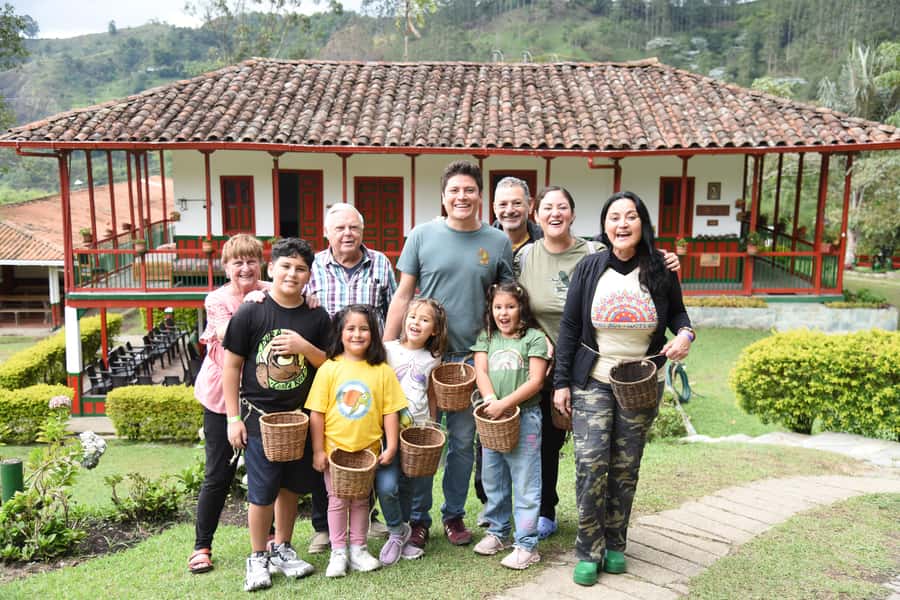
- Coffee from plant to cup: See planting, growth, harvesting, milling, drying, storage, roasting, and brewing in one compact visit.
- Sustainability is part of the tour: Learn about composting, crop fertilization, and the farm’s certified sustainable production.
- The old and new work together: The mill includes a hopper, pulper, mechanical dryer, and traditional drying methods.
- A Spanish-speaking guide leads the visit: Nicolás has guided some afternoon tours, and the experience is designed for explanation and conversation.
- Bring protection from sun and insects: Comfortable clothes, mosquito repellent, and sun block matter in the rural setting.
- Allow extra time for the road: Willys Jeeps leave Salento hourly from 8:30 a.m. to 4:30 p.m., and the ride costs extra.
A 90-minute coffee lesson in rural Salento
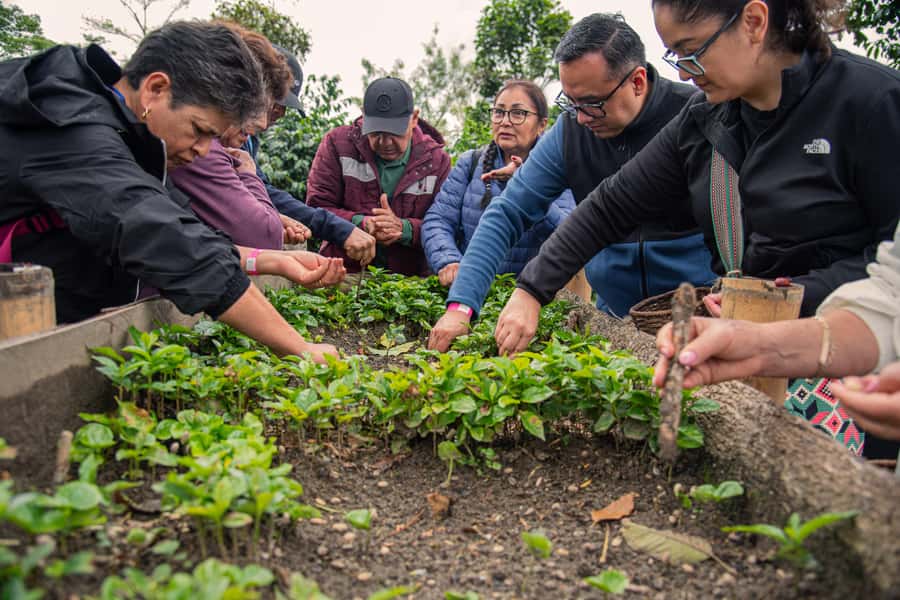
Finca El Ocaso gives you a short, focused look at the coffee business. In 90 minutes, you cover the crop, the farm’s environmental work, the mill, the bean trade, roasting, and preparation. That is a lot for one visit, so expect a brisk educational tour rather than a slow half-day farm stay.
The tour is best for you if coffee is more than a morning habit. You do not need technical knowledge, but you should enjoy seeing how ordinary products are made. The value comes from the links between each stage. A coffee plant does not simply produce a bean, and a bean does not automatically produce a good cup.
The guide’s explanations are in Spanish. Some material is presented in its original language, so basic Spanish will make the visit easier to follow. If you do not speak Spanish, you may still appreciate the visual parts of the farm and mill, but the educational side will be harder to catch in full.
The high rating of 4.8 from 89 bookings fits the experience’s strongest features: clear instruction, a friendly approach, and a complete look at coffee production. One especially well-liked visit was an afternoon tour with Nicolás, described as entertaining as well as informative. That combination matters on a farm tour, where a dry lecture can make even good material feel long.
More Coffee Farm Tours in Colombia
- Medellín Coffee Farm Tour with Trolley and Cable Car Ride
★ 4.9 · 277 reviews - Coffee Tour at the Finca del Café
★ 5.0 · 213 reviews - Salento: Private Cocora Valley, Salento & Coffee Farm Tour
★ 4.9 · 202 reviews
Starting with coffee plants, gardens, and farm life
The first part deals with the basics: the history of coffee, the main species grown, and the way coffee trees are planted and cared for. You then walk through the gardens and coffee plantations, where the subject becomes easier to understand because you can connect the words to actual plants and working land.
The tour also covers sowing, growth, and harvesting. These stages give you a better sense of why coffee production is a long process. The cup at the end depends on decisions made much earlier, from how a plant is established to how its crop is collected.
Harvesting is included in the explanation, but this is not presented as a promise that you will spend the day picking coffee. Your visit is a guided lesson about the work and timing involved. That distinction helps set expectations. If you want a long hands-on farm shift, 90 minutes is too short. If you want a clear introduction to the crop, the pace is useful.
The gardens add variety to the visit. Finca El Ocaso also discusses local fauna and flora, so the farm is treated as more than a place that produces one crop. I like this wider view because coffee farming depends on its surroundings. The plants, soil, insects, and other living things are part of the farm’s working system.
Composting, fertilization, and sustainable production
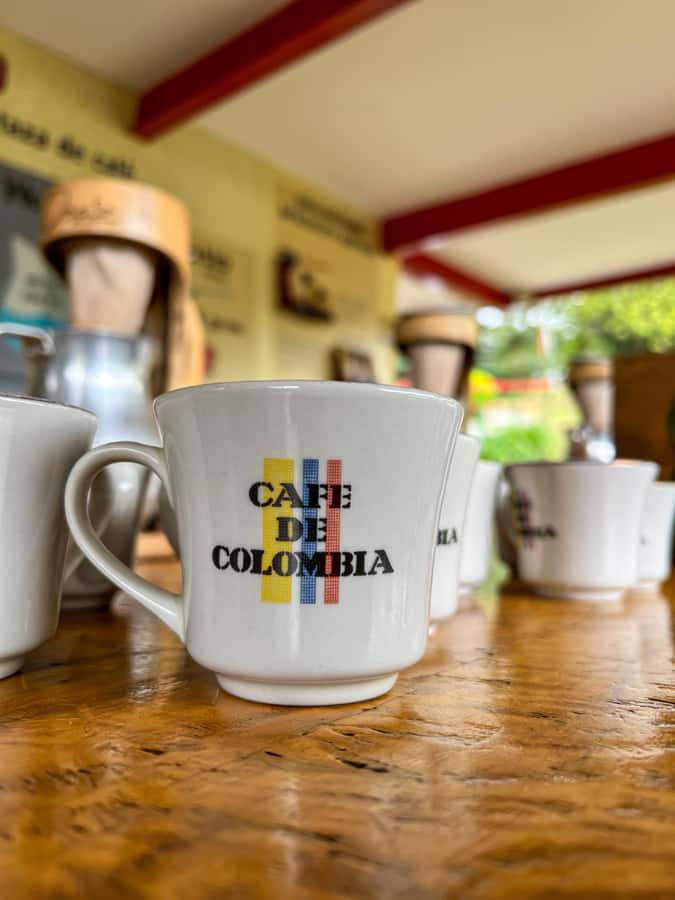
At the composting station, you learn how organic material can support the crop. The tour explains crop fertilization and places these practices within the farm’s sustainable production program.
The farm has certification in sustainable production, but the useful part is hearing how that idea connects to daily work. Sustainability can sound vague when it is only printed on a label. Here, the composting station and fertilizer discussion give you something concrete to look at and question.
I would pay close attention here if you are interested in responsible farming. You get a better sense of the decisions behind a coffee crop, including how a farm manages soil and plant health. The discussion of fauna and flora also helps you see why sustainability is not limited to the coffee tree itself.
Do not expect a full environmental field course. The tour is short, and this section shares time with many other subjects. Still, it is an important part of the visit because it shows that coffee quality and farm care are connected. The experience does not treat the farm as a factory with plants lined up only for production.
Inside the mill: hopper, pulper, and drying
The mill is where the tour becomes especially practical. You see the hopper, which receives the coffee, and the pulper, which helps separate the coffee fruit from the beans. These machines explain the first major steps after harvesting.
The visit includes both mechanical drying and traditional drying. This comparison is valuable because it shows that coffee processing is not one fixed method. Drying affects the condition of the beans, and the method used can influence how carefully the crop is managed.
The machinery may be the most memorable part for visitors who enjoy seeing how agricultural equipment works. At the same time, the traditional method keeps the tour tied to older farm practice. You are not shown only the modern solution. You also see how coffee has been handled through simpler methods.
The guide then explains storage and threshing. Storage protects the processed coffee before its next stage, while threshing removes the remaining outer layers from the dried bean. These terms can be confusing when you encounter them on a package or in a coffee shop. Seeing the process in sequence makes them much easier to remember.
Same place, a different way to drink it:
- Medellin: Coffee Tour with Transport, Snacks and Tastings
★ 4.7 · 1,357 reviews - Medellin: Coffee Tour and Wellness Spa
★ 4.8 · 209 reviews - Medellin: Coffee Tour with Hotel Transfers and Meals
★ 4.9 · 186 reviews - Medellin: Horseback Riding Coffee Farm Tour with Coffee Spa
★ 4.8 · 151 reviews
From farm product to commercial coffee
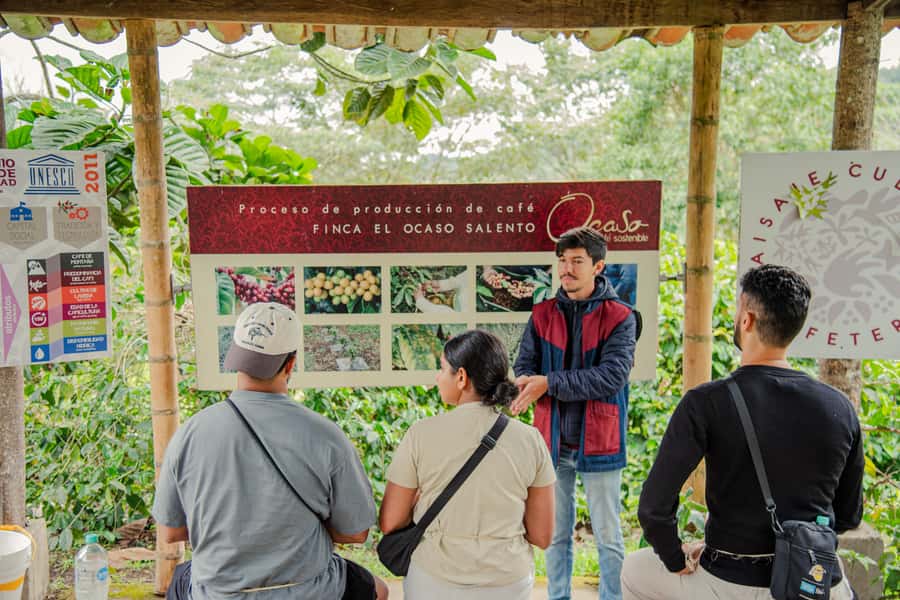
Finca El Ocaso also covers commercialization. This is a useful addition because the tour does not stop once the beans are processed. You learn that coffee still has to be stored, prepared for sale, and sent into a market before it reaches a roaster or a kitchen.
For you, this section adds context to the price of specialty coffee. A cup reflects more than brewing skill. It represents planting, farm care, harvesting, processing, drying, storage, threshing, roasting, and preparation. The 90-minute tour cannot explain every part of the trade in detail, but it gives you the basic chain.
This is also where the farm’s specialty coffee focus becomes clear. The visit is aimed at people who want to understand quality, not only taste a hot drink. You hear how production choices affect the product before you reach the roasting discussion.
Roasting and the final cloth-strainer tasting
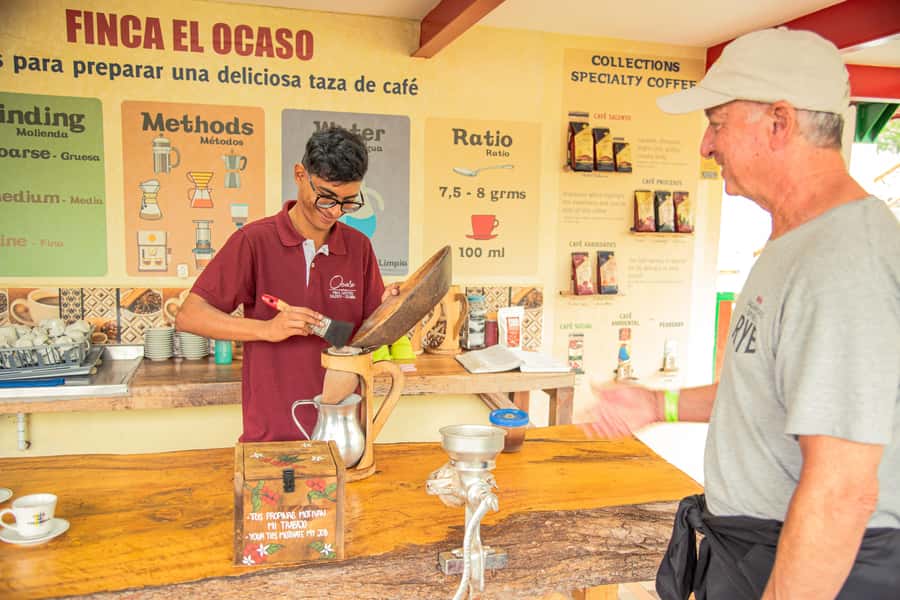
The roasting section explains different types of roasting and why roast level matters to coffee quality. This is one of the most useful parts for everyday coffee drinkers. You can connect what you learn at the farm with the flavor and character of coffee you buy later.
The tour then finishes with a traditional preparation using a cloth strainer and pot. It is a simple method, but it gives the tasting a strong sense of place. Instead of ending with a generic machine-made sample, the visit shows how coffee can be prepared with basic equipment and careful attention.
The tasting is included in the $19 price. That helps the tour feel complete, since you have just spent the visit following the coffee from plantation to processing. The final cup is not an isolated treat. It is the result of the choices explained along the way.
I would treat the tasting as a chance to notice what changed during the process. You have seen the crop before roasting, heard about roast types, and then tasted the finished drink. The experience works best when you compare those steps rather than rushing through the cup.
The $19 price and what it covers
At $19 per person, this is a reasonable price for a 90-minute specialty coffee visit that includes a guide, farm walk, mill visit, sustainability explanation, roasting lesson, and tasting. You are paying for access to a working production setting and a structured explanation, not just a sample of coffee.
The price is stronger if you plan to visit the Salento area anyway. Since you must reach the farm yourself, transportation adds to the total cost. Food is also not included, and you need to bring or buy your own mosquito repellent and sun block.
The tour provides enough range to suit a first coffee farm visit. It covers more ground than a quick plantation walk, but it does not try to be an all-day agricultural program. If you already know coffee processing well, the introductory explanations may feel familiar. For most coffee drinkers, though, the clear sequence and final tasting give good value.
Free cancellation is available until 24 hours before the activity, and you can reserve without paying immediately. Those terms are useful if your Salento plans are still shifting, especially during a trip built around rural transport and changing weather.
Reaching Finca El Ocaso from Salento
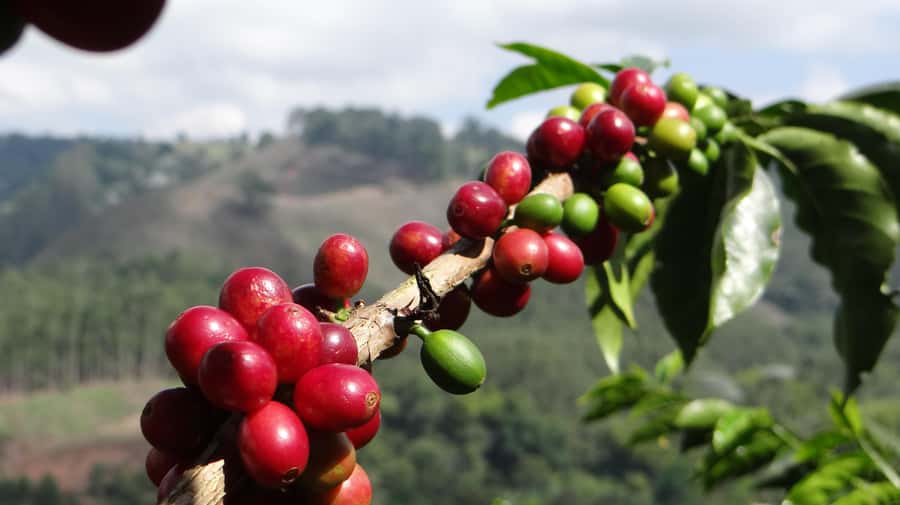
The farm is in the rural area of Salento, and you meet the tour there. No transfer is included, so plan the journey before booking your starting time.
Willys Jeeps leave Salento every hour from 8:30 a.m. to 4:30 p.m. You can also return to Salento by Willys from the farm. The transport fare is separate from the tour price, and the information provided does not give a fixed amount, so ask locally before setting out.
The road is not completely paved. A low car is not recommended, which is a useful warning if you are driving or arranging a private ride. This is not the kind of rural visit where you should assume a smooth city road all the way to the entrance.
Rain does not cancel the activity. You can buy a rain poncho at the farm, but I would still check the forecast and dress for wet conditions. Mud, uneven surfaces, and changing weather are sensible possibilities on a partly unpaved rural route, even though specific walking conditions are not stated.
Give yourself enough time to find the meeting point and board the correct Willys. Since the tour lasts only 90 minutes, arriving late could cut a meaningful portion from the visit.
What to bring and what to expect on the farm
Wear comfortable clothes suited to a rural walk. Bring mosquito repellent and sun block, since neither is included. The farm store sells both mosquito repellent and rain ponchos, but carrying your own is more convenient.
The activity does not include food. If you need a meal, plan it separately rather than expecting refreshments beyond the coffee tasting. Alcohol and drugs are not allowed.
The visit includes gardens, coffee plantations, a composting area, and mill equipment, so practical clothing is more useful than dressed-up sightseeing clothes. You should also be ready for an outdoor setting where weather can change.
The guide speaks Spanish, and some content remains in its original language. Spanish-speaking visitors will get the full benefit of the explanations. If your Spanish is limited, the visual sequence still gives you a basic understanding, but this is not advertised as an English-language tour.
Who should book this coffee tour?
I would recommend Finca El Ocaso to coffee lovers who want a clear farm-to-cup explanation without giving up an entire day. It suits people interested in production, sustainability, equipment, and roasting, not only people looking for a scenic plantation walk.
It is also a good choice if you enjoy seeing traditional and mechanical methods side by side. The hopper, pulper, mechanical dryer, traditional drying, cloth strainer, and pot give the visit a useful mix of old and new.
Families and casual sightseers may enjoy the tasting and farm setting, but the Spanish-only format is worth considering. If you need detailed information in English, this may not be the right choice. The partly unpaved road and separate transport also require more planning than an activity with hotel pickup.
Should you book Finca El Ocaso?
Book it if you want to understand how coffee moves from a planted tree to a prepared drink, and if you are comfortable arranging your own rural transport. The $19 price covers a well-packed 90-minute lesson and tasting, while the sustainability and milling sections give the visit more substance than a simple coffee sample.
Skip it if you want a long, hands-on harvest experience, an English-speaking guide, included food, or door-to-door transportation. For everyone else, Finca El Ocaso offers a practical look at coffee production, with enough machinery, farm work, and local preparation to make the final cup feel earned.
FAQ
Where is Finca El Ocaso located?
The farm is in the rural area of Salento, Colombia. The supplied location is listed as Tolima, and you must go directly to the farm for the activity.
How long does the coffee tour last?
The tour lasts 90 minutes.
How much does the tour cost?
The listed price is $19 per person.
Is transportation to the farm included?
No. You must arrange and pay for transportation separately.
How can I reach the farm from Salento?
Public transportation is available. Willys Jeeps leave Salento every hour from 8:30 a.m. to 4:30 p.m., and you can also return to Salento by Willys from the farm.
Is the road to Finca El Ocaso paved?
The road is not completely paved. Low cars are not recommended.
What language is the tour in?
The live guide speaks Spanish. Some content is shown in its original language.
Is coffee tasting included?
Yes. The activity includes a traditional coffee preparation using a cloth strainer and pot, as well as a tasting.
Does the tour include food?
No. Food is not included.
What should I bring?
Bring comfortable clothes, mosquito repellent, and sun block. Rain ponchos and mosquito repellent can also be purchased at the farm.
What happens if it rains?
The activity is not canceled because of rain. Rain ponchos can be purchased at the farm.
Can I cancel the booking?
You can cancel up to 24 hours in advance for a full refund. You can also reserve now and pay later.
Just added around Colombia
- Best Coffee Tour from Medellin with Lunch and Transportation★ 5.0 · 24 reviews
- Private Tour to Coffee Farm (farm of your choice)★ 5.0 · 2 reviews
- Medellin: Coffee Farm Tour & Spa with Overnight Glamping★ 4.5 · 3 reviews
- Most complete COFFEE TOUR at local family farm★ 5.0 · 2 reviews
- Minca: Hidden Waterfall + Coffee and Cocoa Workshop★ 4.9 · 6 reviews
- Medellin: Coffee and fruit tour★ 4.9 · 12 reviews
- Medellin: Glamping Spa and coffee tour Experience★ 3.7 · 3 reviews
- From Medellin: Day Trip to a Jardin Coffee Plantation★ 4.5 · 16 reviews
Coffee Farm Tours, compared.
Award Winning Farm Tour: Coffee, Chocolate and Unique Gifts
Read our review →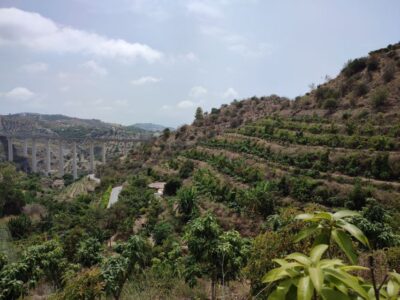
La Herradura Coffee Farm: tour in Europe’s only plantation
Read our review →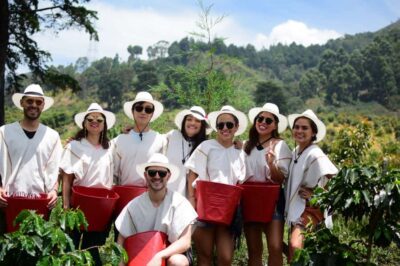
Medellín Coffee Farm Tour with Trolley and Cable Car Ride
Read our review →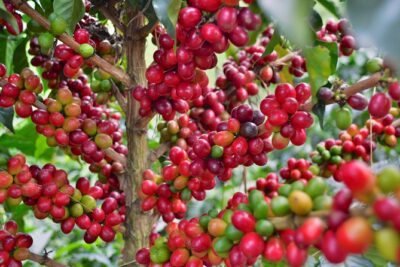
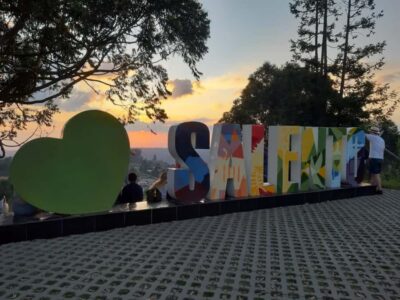
Private Cocora Valley, Salento & Coffee Farm Tour
Read our review →
Liamuiga Natural Farm Tour – St.Kitts’ Coffee Farm
Read our review →
Horseback Riding Coffee Farm Tour with Coffee Spa
Read our review →Browse the lists this tour appears in