
Review · HOI AN
Hoi An Coffee Roastery Experience: Brew & Taste Like a Local
Vietnamese coffee is not just something you order while sightseeing. At this one-hour class in central Hoi An, you see the beans roast, learn why the drinks taste so bold, and make two cups yourself. I especially like the live roasting demonstration and the choice of four drinks, including Egg Coffee and Central Vietnam’s Salt Coffee. The main drawback is simple: the café can be noisy, so this is not the best setting if you want a quiet tasting.
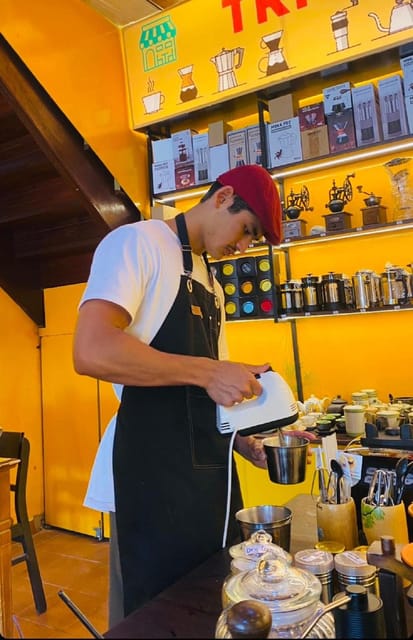
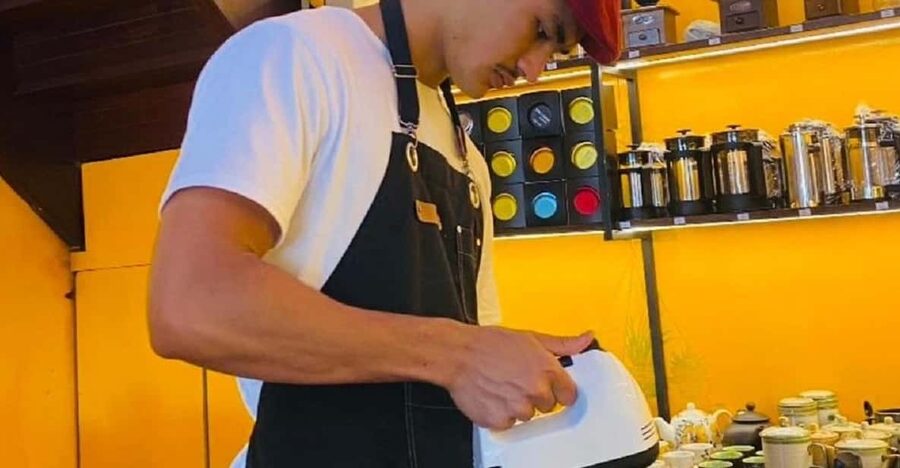
I also like the practical format. At $16 per person, you get an English-speaking coffee specialist, the roastery visit, all ingredients and equipment, and two drinks to prepare. Arrive five minutes early at Trí Long Coffee, look for the guide in a red hat, and wear comfortable clothing because the roasting area may feel warm.
Key points at a glance
- Watch beans crack during small-batch roasting: You see how heat changes aroma, sweetness, acidity, and body.
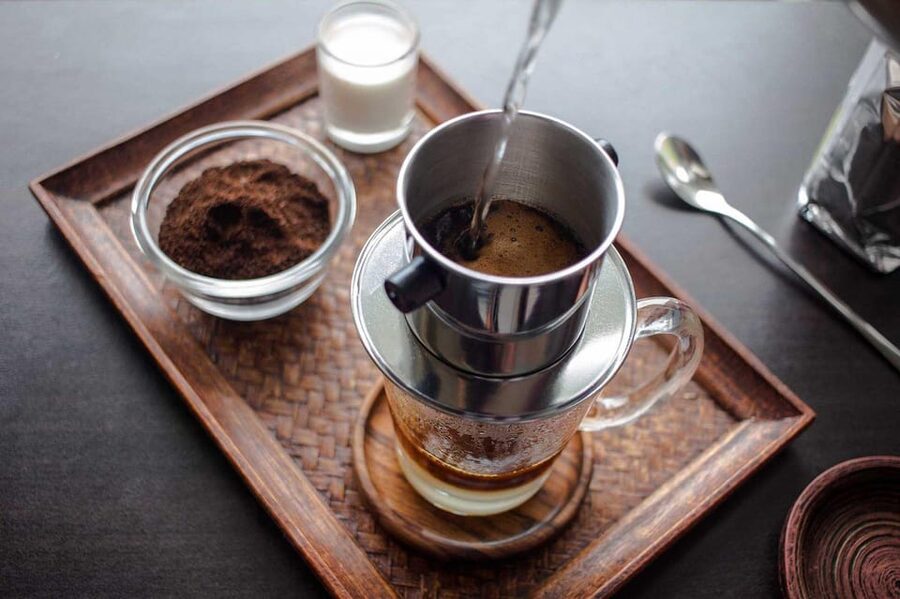
- Make two Vietnamese coffee drinks: Choose two from Phin Filter coffee, Egg Coffee, Coconut Coffee, and Salt Coffee.
- Learn the coffee story from farm to cup: The lesson connects Vietnam’s coffee trade with its best-known local recipes.
- Meet at Trí Long Coffee: The shop is at 88 Phan Châu Trinh Street in central Hoi An, with no hotel transfer included.
- Take home more than a caffeine boost: The shop sells roasted beans, ground coffee, cocoa, ceramics, filters, and Hoi An-themed gifts.
- Plan for indoor comfort: The class runs indoors and is suitable for all ages, with selected vegan and non-dairy choices.
Why a Hoi An coffee class is worth your time
Hoi An has no shortage of cafés, but ordering a drink only tells you the final part of the story. This workshop lets you follow the process from roasted bean to finished cup, then gives you a hand in making the result.
That matters because Vietnamese coffee has a character unlike a mild breakfast brew. The beans, roast level, strong brewing method, and sweet or creamy additions all shape the final drink. Once you learn those basics, the coffee menu in Vietnam becomes far easier to understand.
I would set aside this hour early in your Hoi An stay. The class gives you a useful introduction before you spend the rest of your visit sampling cafés around the old town. It also works well on a rainy afternoon because the activity takes place indoors.
The class is not designed only for coffee experts. You need no previous brewing experience, and the format suits children and adults. If you already know a great deal about roasting, you may find the lesson introductory, but the hands-on preparation still gives you something to do rather than simply watch.
More Specialty Coffee Tours in Vietnam
- Hoi An: Vietnamese Coffee Making Workshop at Local Roastery
★ 4.8 · 174 reviews - Coffee Farm Tour with Roasting & Tasting Workshop – Da Lat
★ 5.0 · 126 reviews - Experience specialty coffee with sustainable coffee farmers
★ 4.9 · 91 reviews
Finding Trí Long Coffee on Phan Châu Trinh Street
Your meeting point is Trí Long Coffee, at 88 Phan Châu Trinh Street in Hoi An. It is in the city center, so you do not need to arrange a separate transfer. Hotel pickup and drop-off are not included, which keeps the price down but means you must make your own way there.
Arrive five minutes before the starting time. Look outside the coffee shop for the guide wearing a red hat. That small detail is useful in a busy central street, especially if you are unfamiliar with the area.
The activity is offered in English. If you cannot find the meeting point, you can contact the activity provider through your booking. Since the class lasts only one hour, arriving late matters. You want the full sequence, not just the last cup.
The café is also the setting for the workshop, so expect a working coffee environment rather than a silent classroom. One useful caution is the noise level. The café may be loud, and that can make it harder to hear every part of the explanation. If sound is important to you, stand close to the instructor during the demonstration and ask questions as they arise.
From Vietnam’s coffee trade to local recipes
The first teaching section covers Vietnam’s coffee journey, from the early coffee trade to the drinks now associated with the country. This gives the tasting a useful frame. Instead of treating Egg Coffee or Coconut Coffee as decorative café creations, you learn how local technique and local ingredients shape them.
The lesson introduces several familiar Vietnamese styles:
- Traditional coffee brewed through a Phin Filter
- Creamy Egg Coffee
- Fragrant Coconut Coffee
- Salt Coffee, a specialty linked with Central Vietnam
The four options give you a good spread of textures and flavors. Phin Filter coffee shows the basic Vietnamese method. Egg Coffee adds a smooth, dessert-like element. Coconut Coffee brings a creamy, aromatic note. Salt Coffee offers the most unusual choice, using salt as part of the flavor balance rather than as a heavy savory taste.
You choose two drinks, so think about contrast. A practical pairing would be Phin Filter coffee with Egg Coffee if you want to compare the plain coffee base with a sweet, creamy version. Coconut Coffee and Salt Coffee give you a more unusual tasting session. The exact selection may depend on what is available during your class, but the activity is built around choosing two of the four signature styles.
Selected vegan and non-dairy options are available. Ask about those choices before you begin, especially if you need to avoid dairy. The information provided does not say that every drink can be made this way, so it is best to confirm your preferred recipe with the instructor.
Watching the small-batch roasting process
The roasting demonstration is the heart of the class. You watch the experts work with freshly roasted beans and learn how the roast affects the cup. This is more useful than a quick statement that the beans are fresh, because you get to connect the roasting stage with what you later taste.
You may feel the warmth of the roasting drum and hear the beans crack as they heat. That sound is part of the lesson. The instructor explains how roasting levels influence aroma, sweetness, acidity, and body, giving you a simple way to notice differences in your own drink.
The small-batch approach also helps explain why coffee preparation is treated as craft here. The roaster is not simply pushing beans through a large industrial process. The demonstration focuses on the decisions made during roasting and the balance the expert is trying to achieve in each blend.
I like this part because it turns a common souvenir into something understandable. If you buy beans later, you will have a better idea of what you are buying and why one roast may taste different from another. You do not need to memorize technical terms. Just pay attention to how the smell changes and how the instructor links the roast to the final taste.
The area may be warm, so wear light, comfortable clothing. This is a small practical point, but it can affect your comfort during a short class. The workshop is indoors, so rain is not a problem, but the heat from roasting remains part of the setting.
More Roastery Tours in Hoi An:
- Cartagena: Colombian Specialty Coffee Tasting
★ 4.4 · 130 reviews - Private Coffee Roasting Class
★ 5.0 · 101 reviews - Vietnamese Bread & Brew: Banh Mi Baking Class & Specialty Coffee
★ 5.0 · 76 reviews - Santo Domingo Small Group Walking Tour: Beer and Specialty Coffee
★ 5.0 · 55 reviews
Making two Vietnamese coffees by hand
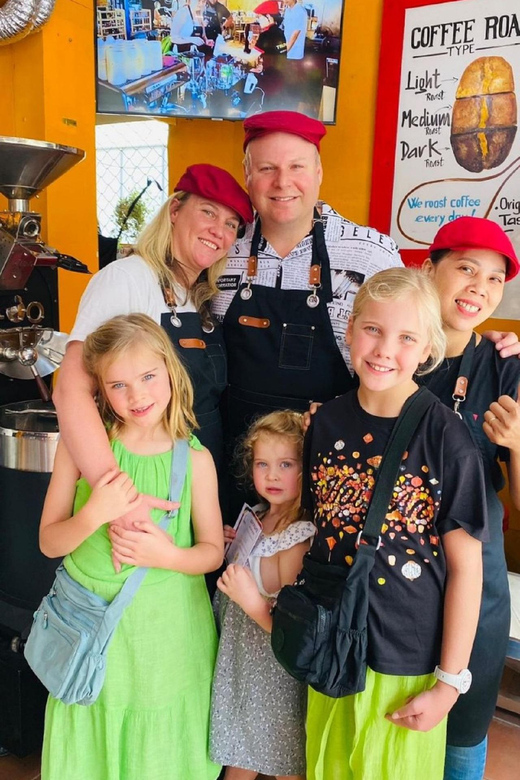
After the demonstration, the class shifts from watching to doing. You use the provided equipment and ingredients to prepare two drinks with step-by-step guidance from the coffee specialist.
The Phin Filter is the best choice if you want to understand the basic Vietnamese brewing method. The compact metal filter sits over the cup and allows the coffee to drip slowly. The process is simple, but the pace is part of the appeal. You see how the method produces a concentrated drink that works well with the strong roasted style used in Vietnamese coffee.
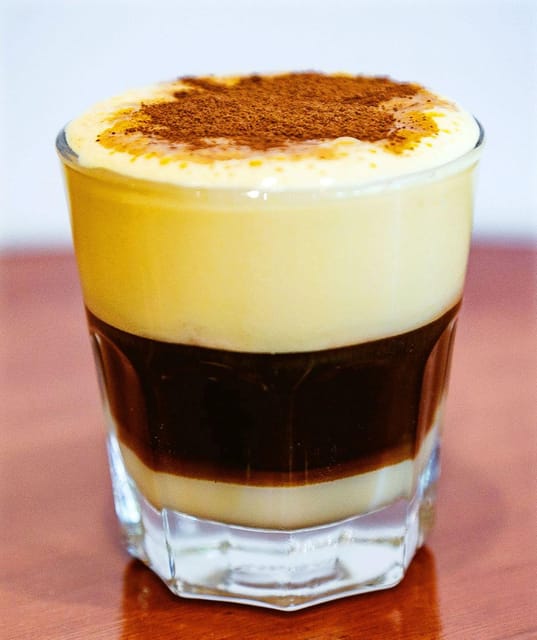
Egg Coffee is a different sort of lesson. Here, texture matters as much as the coffee itself. The creamy topping changes the drink from a sharp, concentrated brew into something smoother and more dessert-like. Making it yourself helps you see that the recipe depends on more than adding sweetness at the end.
Coconut Coffee gives you a chance to work with a cooler, creamier style and a distinctly tropical ingredient. It is a good pick if you prefer an aromatic drink with a softer texture.
Salt Coffee is the local curveball. It is associated with Central Vietnam, so it fits the setting particularly well. The salt is not there to turn the drink into soup. Its role is to shape the overall balance, giving you a chance to try one of the region’s more distinctive coffee ideas.
You receive two cups that you make yourself. That is important for the value of the class. You are not paying only for a demonstration and a single sample. You get two chances to compare recipes, textures, and brewing methods while the instructions are fresh in your mind.
The class is guided, so you do not have to worry about getting the method perfect. The point is to take part, notice the ingredients, and understand the basic sequence. If you have children with you, the all-ages format makes this a more active alternative to simply sitting in a café.
Tasting coffee in a working café setting
Once your drinks are ready, you sit down and enjoy them in the coffee shop. The setting has local music and the feel of Hoi An’s old town, but it is not guaranteed to be quiet. The café may be loud, and that is the main tradeoff of using a real coffee space rather than a private classroom.
For me, the noise is a minor issue if you approach the activity as a working café visit. You get the sound and movement of an operating business, along with the benefit of seeing how coffee fits into daily life. If you want a calm, polished tasting room, this may not match your expectations.
Use this part to compare your two cups. Notice the smell before tasting. Then consider the body, sweetness, acidity, and aftertaste. Which drink lets the coffee show through? Which one feels more like a dessert? Which recipe would you order again at a Hoi An café?
The one-hour schedule is brisk. You have enough time to learn the basics and prepare two drinks, but not enough time for a long discussion of every coffee-growing area or roast profile. One previous participant found the instruction very detailed, which matches the focus of the class, but you should still expect an efficient workshop rather than a half-day coffee course.
Browsing beans, filters, and Hoi An gifts
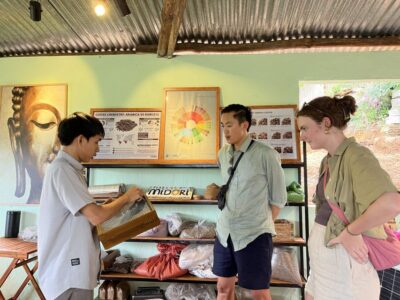
After the workshop, you can look through the roastery’s selection of coffee-related goods. The available items include premium roasted beans, ground coffee, cocoa, local ceramics, handmade filters, and Hoi An-inspired gifts.
This shopping stop is useful because the lesson gives you context for choosing something. You can buy whole beans or ground coffee, depending on how you prepare coffee at home. A handmade Phin Filter is a practical souvenir if you want to repeat the brewing method after your trip.
Ceramics and small gifts offer a less perishable option. If you are packing light, you do not need to buy anything, since personal purchases are not included in the price. The souvenir area is simply a chance to continue the coffee theme rather than a required part of the class.
I would wait until after tasting both drinks before buying beans. That way, you can ask about the roast or grind that best matches the cup you preferred. The available details do not specify particular bean origins or roast names, so ask the staff for advice instead of assuming every bag suits the same brewing method.
Is $16 a fair price?
At $16 per person, this is a fair short activity if you value participation. The price includes the roastery visit, an English-speaking coffee specialist, all brewing equipment and ingredients, and two drinks you prepare yourself. You also receive a lesson in roasting and coffee culture rather than just a café beverage.
The value is strongest for people who would otherwise spend time ordering several Vietnamese coffees without knowing how they are made. Here, you get an explanation, a demonstration, and hands-on practice in one hour.
The price does not include transportation, a meal, extra drinks, or personal purchases. Since the meeting point is central, the lack of hotel transfer should not be a major concern for many people, but you should account for your own route to Phan Châu Trinh Street.
If you want a full meal, plan that separately. The class includes two coffee drinks, not lunch or snacks. Also remember that the drinks you make are the main tasting portion, so anyone seeking a broad coffee flight may find the selection limited to the two recipes they choose.
Who will enjoy this one-hour workshop?
I would recommend it most strongly to:
- First-time visitors who want a clear introduction to Vietnamese coffee
- People who enjoy hands-on food and drink activities
- Families looking for an indoor activity suitable for all ages
- Coffee drinkers curious about Egg Coffee, Coconut Coffee, or Salt Coffee
- Anyone wanting a short activity between Hoi An sightseeing stops
- Visitors looking for useful coffee equipment or beans to take home
It is also a good rainy-day plan. The indoor location means weather will not disrupt the class, and the one-hour length makes it easy to fit around other plans.
You may want to skip it if you dislike strong coffee, do not want to prepare your own drink, or prefer a quiet tasting with plenty of time for conversation. The class is practical and social, not a private lecture. The café noise may bother you, and serious coffee professionals may want a longer technical course.
For most people, the best reason to book is the mix of explanation and action. You do not simply hear about Vietnamese coffee. You see the roast, handle the equipment, make two drinks, and taste the results.
Final call: book it if you want coffee you can understand
Book this Hoi An workshop if you want more than a quick caffeine stop. The strongest parts are the small-batch roasting demonstration, the explanation of how roast levels affect taste, and the chance to prepare two different Vietnamese drinks.
The noisy café is the main caution, and the one-hour format leaves little room for a slow, detailed tasting. Still, the central meeting point, indoor setting, all-ages format, English guidance, and $16 price make it an easy activity to fit into a Hoi An visit.
I would choose Salt Coffee or Egg Coffee alongside Phin Filter coffee if this is your first Vietnamese coffee lesson. That pairing gives you both the traditional brewing method and a more distinctive local recipe. If you want a practical, flavorful introduction with something useful to take home, this class earns a place on your schedule.
FAQ
How long does the Hoi An coffee workshop last?
The activity lasts one hour.
Where does the coffee experience meet?
Meet at Trí Long Coffee, 88 Phan Châu Trinh Street, Hoi An, in the city center.
How do I find the guide?
Look for the guide outside the coffee shop wearing a red hat.
Which coffee drinks can I make?
You can choose two of four drinks: traditional Phin Filter coffee, Egg Coffee, Coconut Coffee, and Salt Coffee.
Are the ingredients and equipment included?
Yes. The activity includes all ingredients and equipment needed for the coffee-making session.
Is the activity suitable for people with no coffee-making experience?
Yes. It is suitable for all ages, and no previous coffee-making experience is required.
Are vegan or non-dairy options available?
Vegan and non-dairy options are available for selected coffee types. Ask the instructor which choices can be adapted.
Just added around Hoi An
- Vietnamese Coffee Making Class in Hoi An★ 5.0 · 4 reviews
- Vietnamese Egg Coffee Making Course in Hoi An★ 3.5 · 2 reviews
- Authentic Vietnamese Coffee Making Experience in Hoi An★ 5.0 · 13 reviews
- Hoi An Ancient Town and Coffee Making Course★ 5.0 · 4 reviews
- Hoi An Vietnamese Coffee Workshop: Hands-On Brewing Class★ 5.0 · 3 reviews
- Market- Coffee- Cooking class in Hoi An (JHA2)★ 5.0 · 16 reviews
- Hoi An Coffee Tasting And Old Town Discovering Tour★ 5.0 · 4 reviews
- Hoi An Coffee Making Workshop★ 5.0 · 7 reviews
Specialty Coffee & Roastery Tours, compared.
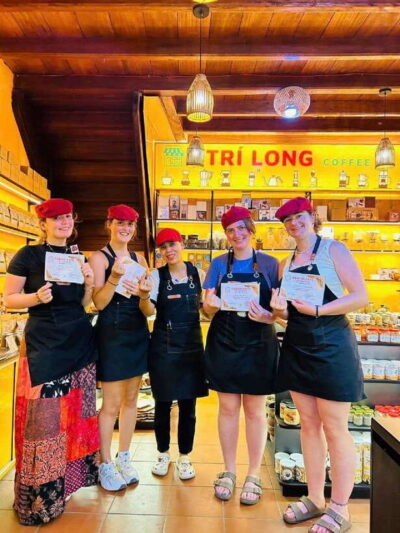
Vietnamese Coffee Making Workshop at Local Roastery
Read our review →
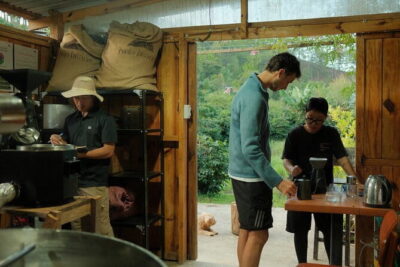
Coffee Farm Tour with Roasting & Tasting Workshop – Da Lat
Read our review →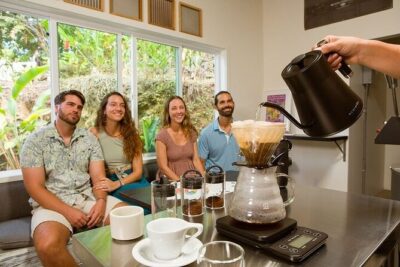
Experience specialty coffee with sustainable coffee farmers
Read our review →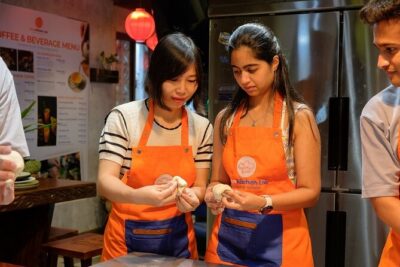
Vietnamese Bread & Brew: Banh Mi Baking Class & Specialty Coffee
Read our review →
Santo Domingo Small Group Walking Tour: Beer and Specialty Coffee
Read our review →
Browse the lists this tour appears in