
Review · INDONESIA
Lombok: Coffee Plantation Tour With Tasting
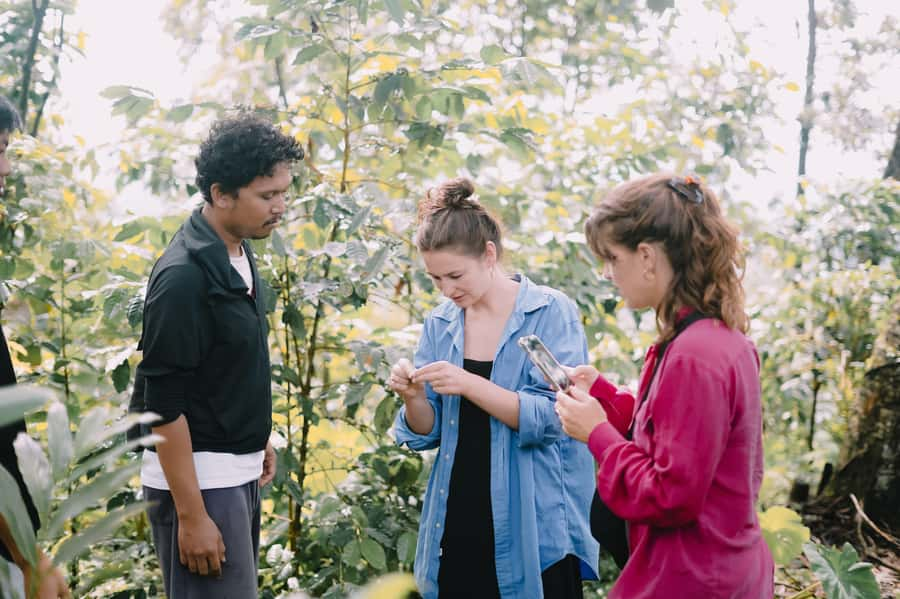
The best part of this Lombok outing is that it follows coffee all the way from plant and cherry to roasted bean and cup. At about 700 meters above sea level, you see Arabica and Robusta growing among cloves, vanilla, pepper, cacao, ginger, and cashews, rather than viewing coffee as an isolated crop.
I like the personal scale, especially the chance to meet owner Hadi and barista Dasan, and I like that the tour shows practical stages such as moisture testing and roast profiling. The final coffee is not an afterthought either: you choose from Konbayan’s drinks, with espresso, a farm signature drink, and milk options available.
The main consideration is transport. Hotel pickup is not included in the standard price, and groups of more than two must rent motorbikes from the parking area to reach the plantation. The 8 a.m. start also follows the farmers’ work schedule, so this is not a lazy late-morning coffee stop.
Key points at a glance
- Coffee at 700 meters: See Arabica and Robusta trees on a mountain plantation and taste fresh coffee cherries.
- A working farm, not just a tasting room: Watch harvesting, tree care, fermentation, sun-drying, moisture checks, and roasting.
- Guides with hands-on roles: Owner Hadi and barista Dasan can explain both the farm work and the coffee-shop side.
- Five hours from tree to cup: Allow the full morning for the plantation, warehouse, greenhouse, roastery, and café.
- Private-group format: The experience is offered with English or Indonesian guidance for your own group.
- A small take-home bonus: You receive a Konbayan coffee menu and a bag of Konbayan beans.
Why this coffee tour feels different
Many coffee outings stop at a pretty plantation, serve a drink, and leave the complicated work out of sight. Konbayan Espresso and Farm takes you through more of the chain. You start with the coffee tree, then follow the fruit into processing, drying, roasting, and brewing.
That matters because the taste in your cup begins long before the espresso machine. The variety of coffee, the way the cherry is processed, the moisture left in the bean, and the roast level all shape the final drink. Here, you get to see those choices in place instead of hearing a short explanation over a finished latte.
The setting adds another layer. The plantation is described as a biodiverse garden, with coffee growing alongside spice and food plants. You may see cloves, vanilla, pepper, cacao, cashews, and ginger during the walk. That gives you a more useful picture of farm life in Lombok than a neat row of coffee trees would.
Owner Hadi and barista Dasan are central to the experience. Hadi brings the point of view of the person who built and runs the farm, while Dasan connects the beans to café preparation. Their roles make the visit feel personal and practical, particularly if you want to ask how a bean grown locally becomes a drink ordered at the counter.
More Coffee Farm Tours in Indonesia:
- Mount Batur Sunrise Trekking (Private, Breakfast and Visiting coffee plantation)
★ 5.0 · 27 reviews - Ubud: Waterfall, Holy Water Temple,Swing&coffee plantation
★ 5.0 · 9 reviews - Bali: Ubud Monkey Forest, Coffee Plantation, and Market Tour
★ 5.0 · 5 reviews
Starting at 8 a.m. on the farmers’ schedule
The tour begins at 8 a.m. at Konbayan Espresso and Farm, identified by the shop sign. The early start is not just a booking detail. It is set around the farmers’ schedule, so you have a better chance of seeing plantation work at a useful time of day.
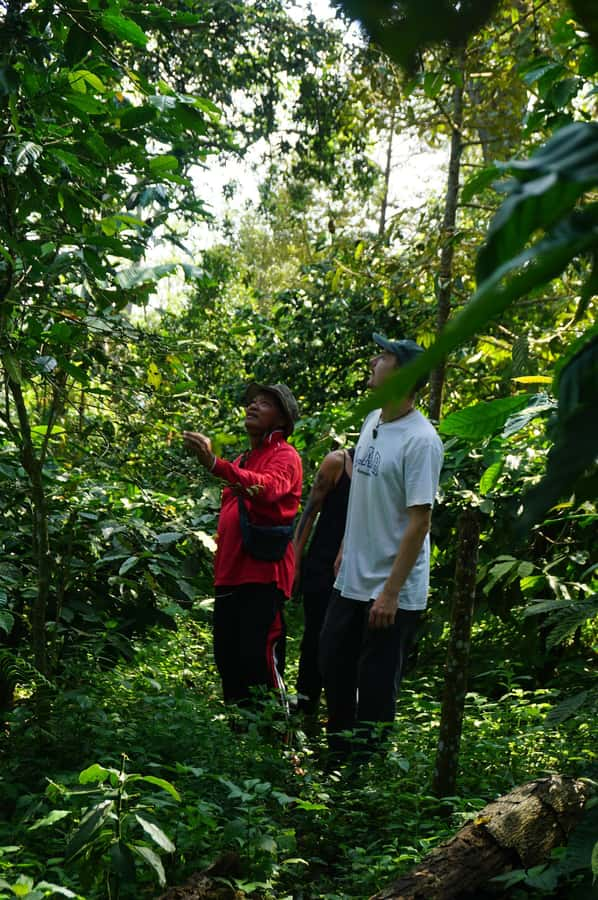
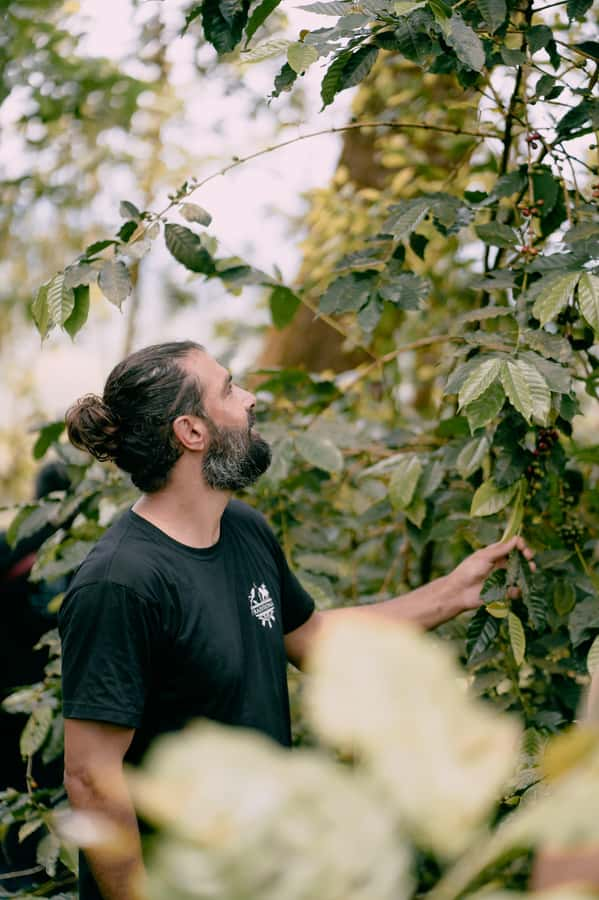
Your first main stop lasts about an hour on the plantation. The guide explains how coffee trees are planted, maintained, and harvested. You also learn to distinguish Arabica and Robusta, two types with different growing habits and cup profiles.
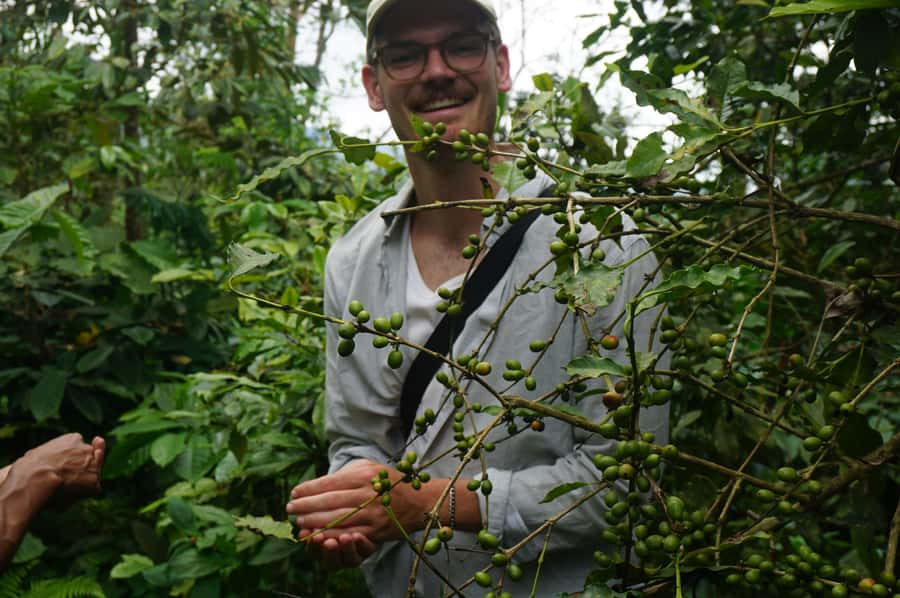
One of the more enjoyable details is tasting the coffee cherries themselves. The fruit is sweet, which makes a useful contrast with the roasted coffee you drink later. It also helps you understand that the bean is a seed inside a fruit, not a dry brown object that appears by magic in a coffee bag.
The plantation sits on a hillside at roughly 700 meters. You should expect an outdoor farm visit rather than a paved museum route. Wear shoes suited to uneven ground and bring protection from the sun or rain, although the provided details do not specify the exact walking conditions.
For groups larger than two, the listed arrangement requires renting motorbikes from the parking area to the plantation. That is an important cost and planning point. Confirm the current motorbike charge and who will drive before you arrive, since the $70 price does not include every transport expense.
Seeing Arabica, Robusta, and other crops
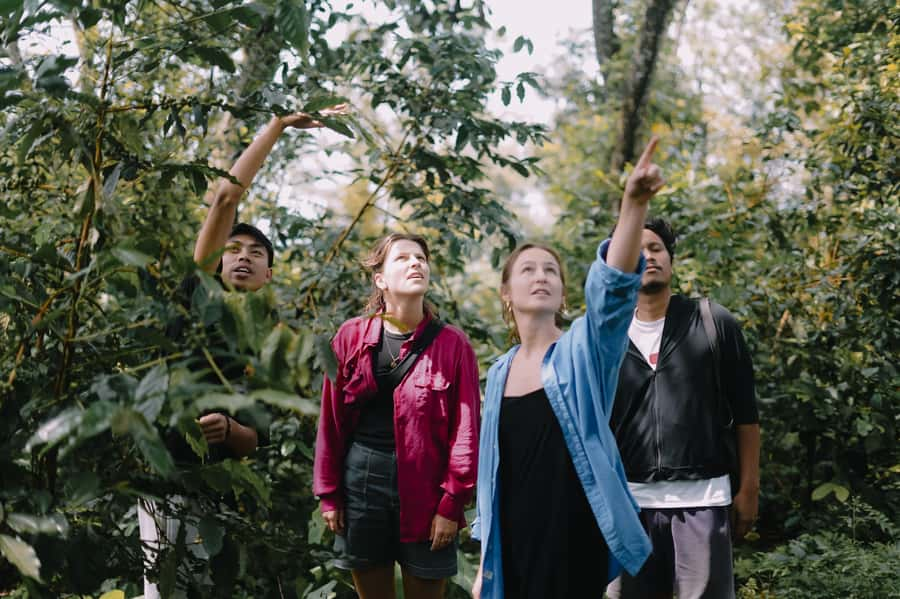
Coffee is the main subject, but the farm setting gives you a broader look at local agriculture. Alongside coffee, the tour can include cloves, vanilla, pepper, cacao, cashews, and ginger. Seeing these crops together explains why a working farm can offer more than one harvest and why the smells around a coffee-growing area may be surprisingly varied.
The guide may even dig up ginger during the visit. Small moments like this are useful because they turn a farming explanation into something you can see and handle. You are not only being told that the farm is diverse. You are being shown what grows there.
The plantation portion is estimated at one hour, so do not expect a full agricultural course. The value comes from the range of examples packed into that hour. If you are especially interested in cultivation, ask about pruning, harvesting, and the difference between ripe and unripe cherries while you are among the trees.
Natural and honey processing in the warehouse
After the plantation, you move to the warehouse to see the natural and honey processes. This is where the fruit surrounding the coffee seed begins to matter.
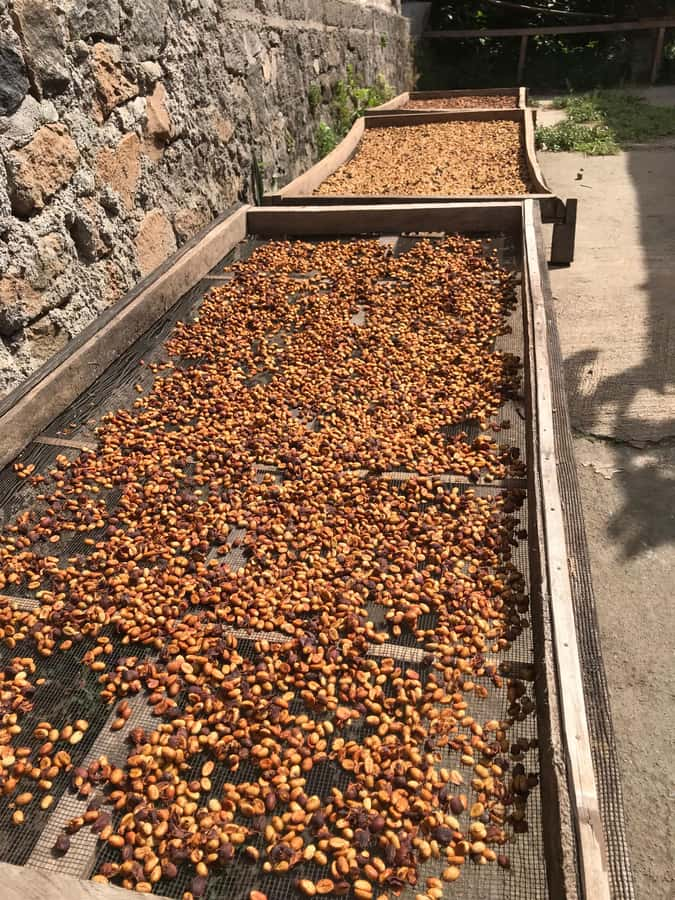
In natural processing, the coffee cherry is dried with much of the fruit still around the seed. Honey processing removes some of the fruit but leaves a sticky layer, known as mucilage, during drying. The names can sound sweet, but the real point is how these methods affect drying time and flavor.
The tour follows the usual production method used at the farm. You can watch rather than simply hear a description, which makes this stop one of the more worthwhile parts for anyone curious about specialty coffee. It also gives you a better reason to compare the final drink with coffees processed in other ways.
The supplied timing does not give a separate duration for the warehouse stop. Plan for the full five-hour experience rather than trying to schedule another morning activity close behind it. Farm work has a natural pace, and this is not a quick demonstration built around a stopwatch.
More Coffee Tastings in Indonesia:
- Hanoi Coffee Experience: 6 Brews, 9 Recipes & 3 Liquor Tastings
★ 5.0 · 2,945 reviews - 4×4 Dominican Adventure with Chocolate and Coffee Tasting
★ 5.0 · 2,920 reviews - 4×4 ATV Experience, Water Cave, Chocolate and Coffee Tasting
★ 5.0 · 1,430 reviews - Medellin: Coffee Tour with Transport, Snacks and Tastings
★ 4.7 · 1,357 reviews
Sun-drying and moisture checks in the greenhouse
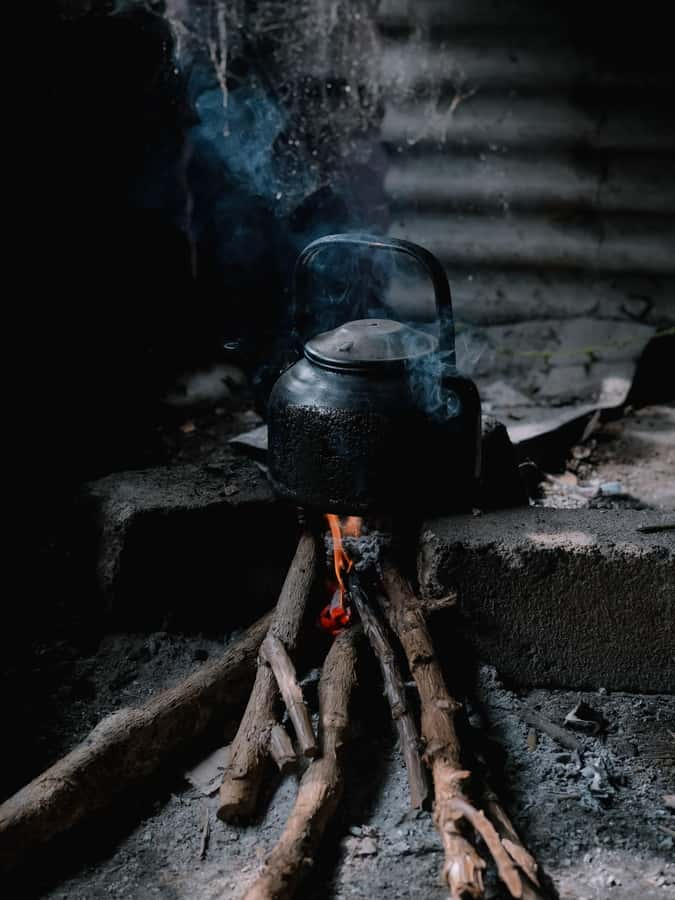
Next comes the greenhouse, where you see coffee drying in the sun. The stated estimate for this section is about one hour. That makes it one of the longest stops, and rightly so: drying is a quiet stage, but it has a major effect on the bean.
You also learn how the moisture content of dried coffee is determined. This is a useful technical detail because coffee cannot be prepared for storage and roasting simply by looking at it. The bean needs the right moisture level, and checking it helps control quality from one batch to the next.
For you, the greenhouse may be less dramatic than a roasting machine. It is still one of the stops that separates this tour from a basic plantation walk. You see that coffee production depends on patience, measurement, and careful handling, not only on picking red cherries.
The greenhouse is an enclosed working area, not a café attraction. If the morning is warm, take water and dress for changing temperatures. The activity does not list meals as included, and you are responsible for your own drinks and food outside the specified tasting.
Watching green beans become roasted coffee
The roasting room brings the process closer to the drink you know. Machines are used to roast the green beans according to the desired roast profile. You can watch the beans change through this controlled step, then connect that work with the flavor in your final cup.
A roast profile is not simply light or dark. It is a planned approach to time and heat, chosen to bring out certain characteristics in the bean. The tour does not promise a detailed roasting class, but seeing the machinery and the process gives you a sound introduction.
This is also where Dasan’s café experience becomes useful. A farm tour can explain cultivation well but leave you wondering how the finished coffee is prepared. The roasting-room visit and the later drink at the café complete that connection.
If you want a highly technical session on roast chemistry, ask in advance what level of detail the guide can provide in English or Indonesian. The tour is designed as a broad five-hour experience, not a professional barista qualification.
Finishing with espresso and a farm drink
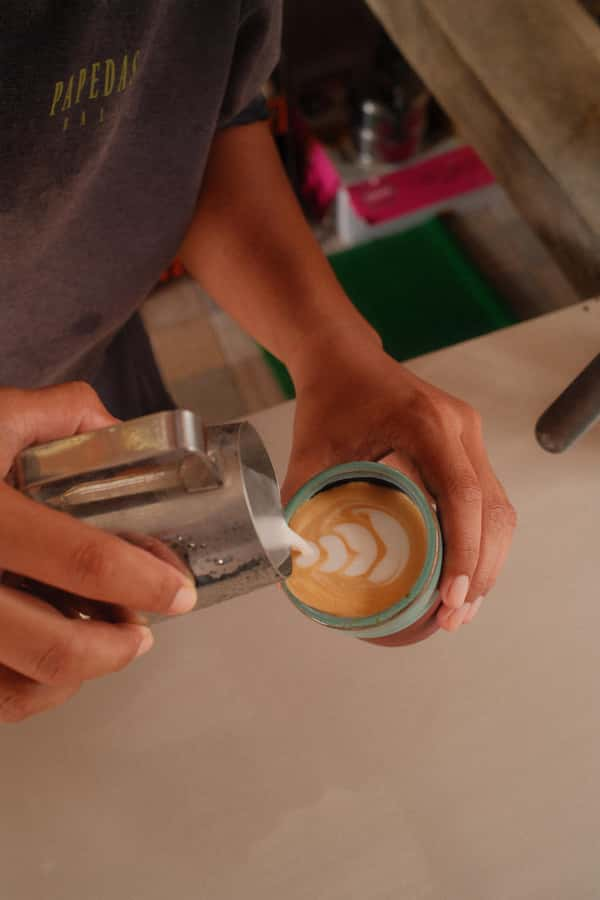
At the end, you return to the coffee shop and choose your coffee. The included tasting specifically covers Konbayan espresso and the farm signature drink. A coffee from the farm after you have seen its origins has more meaning than a sample poured at the start.
You may also be able to order a latte macchiato, including oat milk, based on the available café service. The drink options can make this outing easier for mixed groups. A coffee enthusiast can choose espresso, while someone who prefers milk coffee need not force down a small, intense cup.
The café experience can include coffee art, and a home-cooked meal has been provided on at least one reported visit. Do not treat the meal as part of the standard package, though. The official inclusions identify coffee tasting, espresso, and the farm signature drink, while meals and additional drinks are listed as self-paid.
Fresh passion fruit from beside the café has also been served during a visit. That is a pleasant farm-to-table touch, but it is not listed as a guaranteed inclusion. The dependable finish is the coffee itself.
The view and possible extra stops
The activity includes a panorama, so expect some time to take in the view around the elevated plantation. The hillside location at about 700 meters gives the setting a visual appeal beyond the coffee plants.
A stop at Sendang Gile waterfall was included during one outing, but it is not listed among the standard stops. Consider it a possible extra rather than part of the $70 package. If the waterfall matters to your plans, ask Konbayan before booking whether it can be arranged and what transport or time changes would apply.
This is a useful example of why you should keep the morning flexible. The core route already fills five hours, and a waterfall detour could change the return time.
Is $70 a fair price?
At $70 per person, this is not the cheapest coffee tasting in Lombok. The value depends on what you want. You are paying for a private five-hour program with a plantation visit, guided explanations, processing and drying demonstrations, roasting, coffee service, and take-home beans.
It is better value if you are interested in the whole production chain. A short café tasting would cost less, but it would not show you the farm, warehouse, greenhouse, and roasting room. The souvenir beans also let you continue the experience after you leave.
The price is less attractive if you only want a scenic plantation photo and one cup of coffee. You also need to budget for any hotel pickup add-on, additional food or drinks, and motorbike rental if your group has more than two people.
The private-group format helps justify the cost for couples, families with older children, or friends who want to ask their own questions. A solo visitor pays the same per-person rate but receives a more personal format. Babies under one year are not suitable for the activity, and strollers or baby carriages are not allowed.
Practical planning for your morning
Meet at Konbayan Espresso and Farm, where a shop sign marks the meeting point. Hotel pickup is not included in the standard arrangements, though pickup can be added for an extra charge. Confirm the meeting details and any transport add-ons before the day of the tour.
The guide languages are Indonesian and English. The group type is private, which means the pace and questions can be kept within your party, although the total timing remains about five hours.
Cancellation is flexible: you can cancel up to 24 hours before the start for a full refund. You can also reserve now and pay later, useful if your Lombok plans are still shifting.
Bring suitable footwear for the plantation, a hat or rain protection, and enough water for the morning. Food is not generally included, so do not arrive expecting a full meal unless you have arranged one separately.
Who should book this coffee experience?
I would choose this tour if you want to understand coffee beyond the café menu. It suits people who enjoy farm visits, food production, local business stories, and small technical details such as moisture testing and roast profiles.
It is also a good fit for couples and private groups who prefer a personal guide rather than a large coach outing. The combination of Hadi’s farm perspective and Dasan’s barista skills gives the visit a useful balance.
I would hesitate if you need an easy, short activity, dislike early starts, or do not want to deal with motorbike transport. The plantation is reached according to the stated transport arrangement, and the 8 a.m. start is fixed around farm work.
Should you book it?
Book it if the idea of tasting coffee cherries, seeing natural and honey processing, watching beans dry, and finishing with espresso sounds better than simply ordering a drink in town. The five-hour route gives you a real view of the work behind Indonesian coffee, and the private format makes the price easier to accept for two or more people.
Skip it if you only want a quick tasting or a guaranteed waterfall visit. For serious coffee drinkers, curious food lovers, and anyone who enjoys meeting the people behind a local product, this is one of the more useful ways to spend a morning near Lombok’s coffee country.
FAQ
Where does the Lombok coffee tour meet?
You meet at Konbayan Espresso and Farm. Look for the shop sign at the meeting point.
What time does the tour start?
The tour starts at 8 a.m., following the farmers’ schedule.
How long does the experience last?
The full activity lasts about five hours. The plantation portion is estimated at one hour, and the greenhouse portion is also estimated at one hour.
What languages are available?
The live guide service is available in Indonesian and English.
Is the tour private?
Yes. The activity is offered for a private group.
Is hotel pickup included?
No. Hotel pickup is not included in the standard arrangements, but it can be added for an extra charge.
Do larger groups need transport to the plantation?
If your group has more than two people, you must rent a motorbike from the parking area to reach the plantation.
What coffee activities are included?
You visit the plantation, observe natural and honey processing, see sun-drying in the greenhouse, watch the roasting process, and enjoy coffee tasting. Konbayan espresso and the farm signature drink are included.
What do you take home?
You receive a Konbayan coffee menu and a Konbayan coffee bean souvenir.
More Food and Drink Tours in Indonesia
- Vienna for Food Lovers: Cafés, Markets & Austrian Cuisine
★ 5.0 · 1,063 reviews - Early Morning My Son Sanctuary Trip w. Champa Food & Coffee
★ 5.0 · 629 reviews - Buggy Ride Into the jungle with cave coffee & chocolate tasting
★ 5.0 · 465 reviews - Hamburg: Speicherstadt Walking Tour with Coffee Tasting
★ 4.6 · 360 reviews
Just added around Indonesia
- Ubud: Waterfall, Holy Water Temple,Swing&coffee plantation★ 5.0 · 9 reviews
- Batur Volcano Sunrise Trekking, Rice Teracce & Bali Coffee Plantation Tour★ 5.0 · 3 reviews
- Bali: Ultimate Adventure Quad Bike, Waterfall and Coffee★ 5.0 · 2 reviews
- Bali: Kintamani, Tegalalang and Coffee Plantation Tour★ 5.0 · 2 reviews
- Bali: Jatiluwih Rice Terraces, Sangeh Forest & Coffee Tour★ 5.0 · 17 reviews
- Bali: Ubud Zipline, Goa Raja Waterfall and swing adventure★ 5.0 · 2 reviews
- 7 Hiden waterfalls and Luwak Coffee Visit★ 5.0 · 2 reviews
- coconut wine and coffee safary tour★ 5.0 · 16 reviews
Coffee Farm Tours, compared.
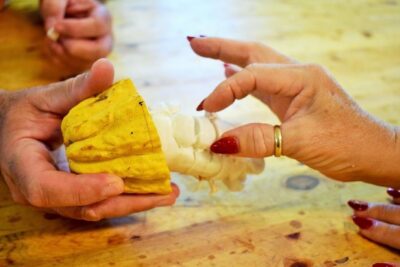
Award Winning Farm Tour: Coffee, Chocolate and Unique Gifts
Read our review →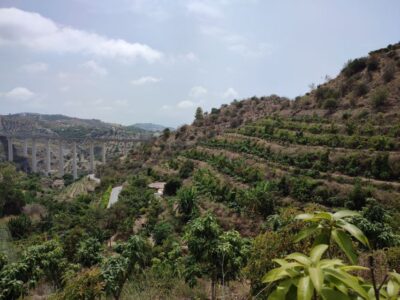
La Herradura Coffee Farm: tour in Europe’s only plantation
Read our review →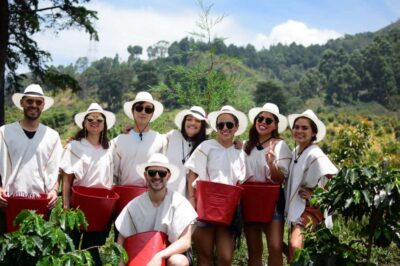
Medellín Coffee Farm Tour with Trolley and Cable Car Ride
Read our review →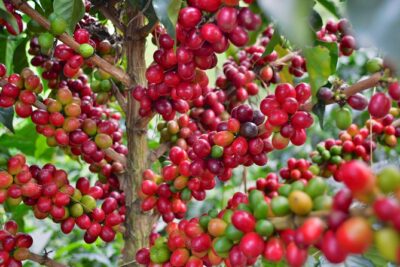
Private Cocora Valley, Salento & Coffee Farm Tour
Read our review →
Liamuiga Natural Farm Tour – St.Kitts’ Coffee Farm
Read our review →
Horseback Riding Coffee Farm Tour with Coffee Spa
Read our review →Browse the lists this tour appears in