
Review · MEXICO
Tasting of Oaxacan Coffees
Oaxaca’s coffee story comes alive through three coffees and three brewing methods, not a long lecture. At EtnoFood’s FoodLab, you choose three techniques from six options, then taste how the same kind of drink can change with the bean, roast, and preparation. I like the hands-on format, and I like that the session connects the cup to coffee production, from planting to final preparation. The main consideration is time: one hour gives you a useful introduction, not a full coffee course.
I also like the small group limit of eight people, which should make it easier to ask questions and watch each preparation closely. Pablo has earned special praise for making the subject fun and clear, while the barista and coffee itself are the main attractions. At $35, this is fair value if you want practical coffee knowledge, though casual drinkers may find the price high for a one-hour tasting.
Key points about the Oaxacan coffee tasting
- Three methods from six choices: Compare techniques such as French press, Chemex, and AeroPress rather than sampling coffee in only one style.
- Three Oaxacan varieties: Taste coffees with different profiles, including fruity notes in a traditional blend and more complex flavors from high-altitude beans.
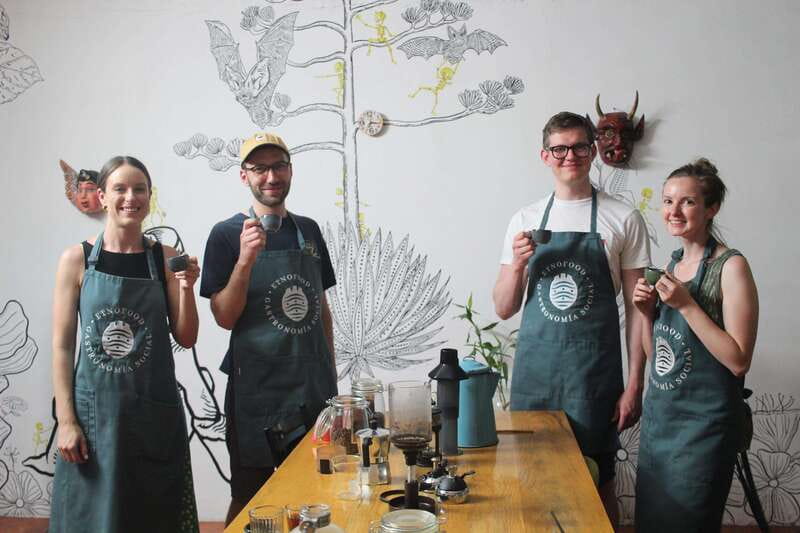
- A small group of eight: The limited size gives you a better chance to follow each preparation and ask the barista questions.
- Spanish and English guidance: The session is available in both languages, useful for mixed-language groups.
- Central Oaxaca location: Meet at Xicotencatl Street 609, a few blocks from the main square, with a dog painted on the facade.
- Flexible booking: You can cancel up to 24 hours before the start for a full refund and reserve without paying right away.
Three Oaxacan coffees, six ways to brew them
The appeal here is simple: you are not only drinking coffee, you are comparing how coffee behaves. The session gives you three selected Oaxacan varieties and lets you choose three brewing methods from six available options.
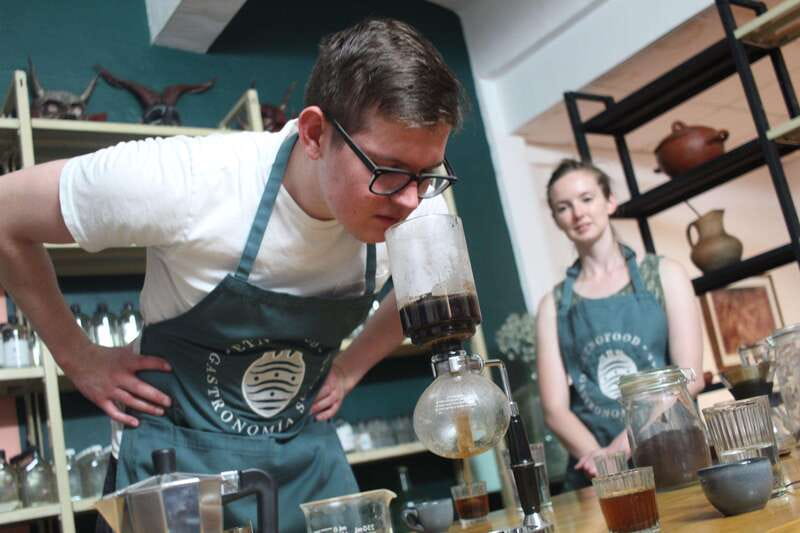
The named methods include the French press, Chemex, and AeroPress. Each brings a different approach to extraction. The French press is familiar and full-bodied. The Chemex is more refined in style, while the AeroPress gives the barista room to show how a newer method can change the cup.
You do not need to arrive with coffee vocabulary. The session is built for beginners as well as people who already know their way around a grinder and filter. I would pay attention to the changes in aroma, body, and finish rather than trying to identify every flavor perfectly.
The format also gives you a useful lesson for home. A coffee that tastes fruity in one preparation may come across differently through another method. That is one of the most practical ideas in the experience: the bean is only part of the final result.
Because you select three methods rather than using all six, you may want to choose techniques that are new to you. If you already make French press coffee at home, picking Chemex and AeroPress gives you a wider comparison. If those methods are unfamiliar, the familiar French press can provide a helpful reference point.
More Coffee Tastings in Mexico:
- Oaxaca Coffee Tasting
★ 4.0 · 7 reviews - Private Tasting of Chiapas Coffees for 2 Hours
★ 5.0 · 4 reviews - Visit to Coffee Farm with Tasting in Coatepec
★ 4.5 · 4 reviews
What happens at EtnoFood’s FoodLab
Your meeting point is Xicotencatl Street 609 in the Centro neighborhood, a few blocks from Oaxaca’s main square. Look for the dog drawn on the facade. The central location makes this easy to fit between sightseeing, a market visit, or an evening meal, though the experience itself does not include transportation.
At the FoodLab, the barista introduces the tasting and the available preparation methods. You then select three of the six choices. The exact order can vary, but the hour is built around preparation, explanation, and tasting rather than a quick cup handed across a counter.
The guide explains how each method affects the coffee. This is where the small group matters. With no more than eight participants, you should be able to see the equipment and follow the steps without standing at the back of a crowded room.
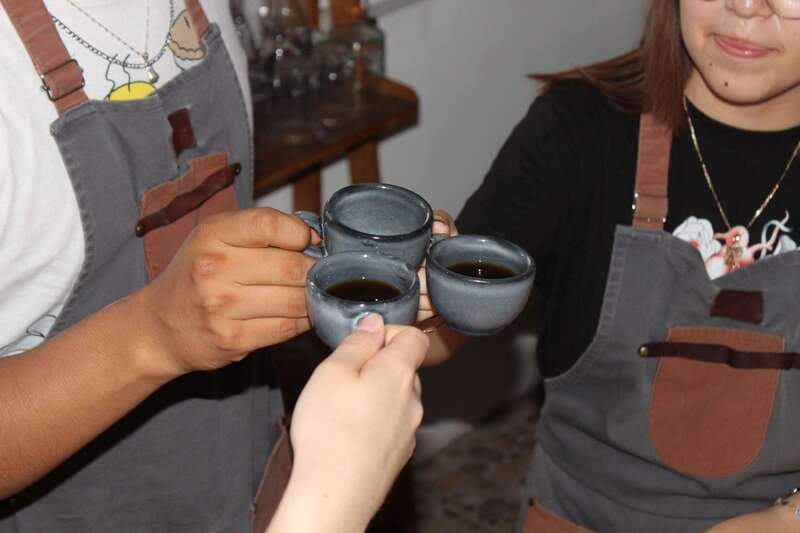
You receive three coffees from the reserve. One profile is described as fruity, while high-altitude beans bring more complexity. These are useful contrasts because they show that Oaxacan coffee is not one single flavor. Growing conditions, roast, bean selection, and brewing all shape what reaches your cup.
Bottled water is included, along with coffee or tea. Water is a small detail, but it helps between tastings and lets you reset your palate. The stated inclusions focus on coffee education and tasting, so do not book this expecting a full meal or a broad food pairing.
Learning from planting to final preparation
The activity adds context about the full coffee process, from planting through final preparation. That matters because tasting becomes more interesting when you understand that flavor begins long before brewing.
You will hear about how the production process contributes to the final cup, then see how preparation changes the result. The session does not promise a farm visit or a complete production tour, so keep your expectations focused on the connection between coffee origins and brewing.
I find this useful for two reasons. First, it gives meaning to the differences between the three beans. Second, it helps you make better choices after you leave Oaxaca. You may become more aware of roast style, altitude, and brewing method when ordering or buying coffee elsewhere.
The teaching is aimed at both beginners and enthusiasts. If you already know the basics, ask about the reasons for choosing one method over another. If you are new to specialty coffee, listen for simple comparisons rather than worrying about technical terms. The experience is most useful when you treat it as a guided experiment.
The barista makes the difference
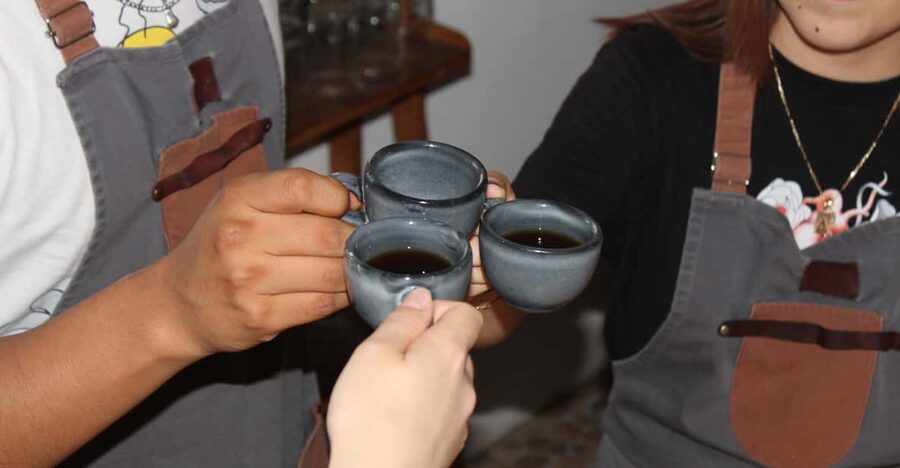
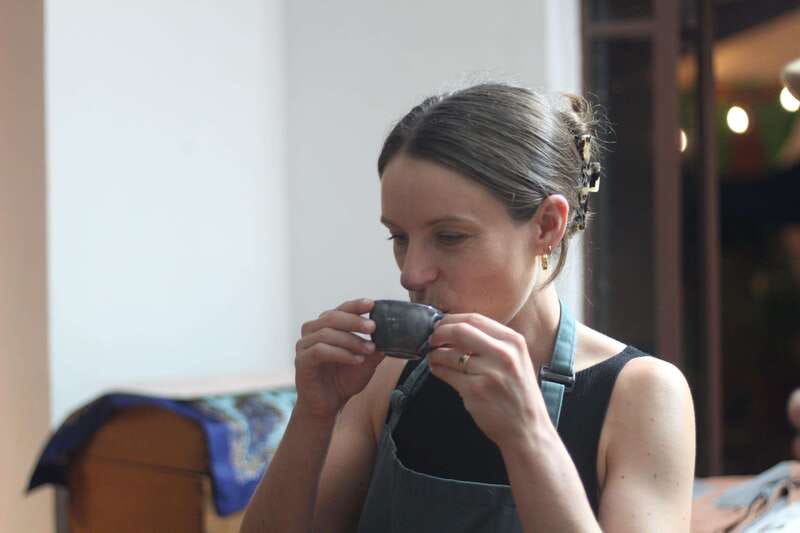
Coffee tastings depend heavily on the person leading them. The strongest feedback for this experience centers on the barista, especially Pablo, who is praised for making the session engaging and for explaining the many sides of coffee with real enthusiasm.
That personal element can turn a short tasting into a memorable class. Pablo’s approach, as described in the available experience feedback, combines clear instruction with a sense of fun. Another direct comment singles out both the barista and the coffee, which tells you where the value lies: the quality of the cup and the way it is presented.
The language choice also helps. Guidance is offered in Spanish and English, so you can book this even if you are not comfortable following a technical coffee lesson in Spanish. If you are traveling with people who speak different languages, confirm the preferred language when booking.
Do keep in mind that host availability can affect the tone. Pablo is specifically associated with strong feedback, but the activity information does not promise that he will lead every session. The format and coffee selection are the reliable parts of the booking.
More Food and Drink Tours in Mexico:
- Local Coffee Tasting and Cultural Experience
★ 5.0 · 3 reviews - 4×4 Dominican Adventure with Chocolate and Coffee Tasting
★ 5.0 · 2,920 reviews - 4×4 ATV Experience, Water Cave, Chocolate and Coffee Tasting
★ 5.0 · 1,430 reviews - Vienna for Food Lovers: Cafés, Markets & Austrian Cuisine
★ 5.0 · 1,063 reviews
Why the one-hour length works, and where it falls short
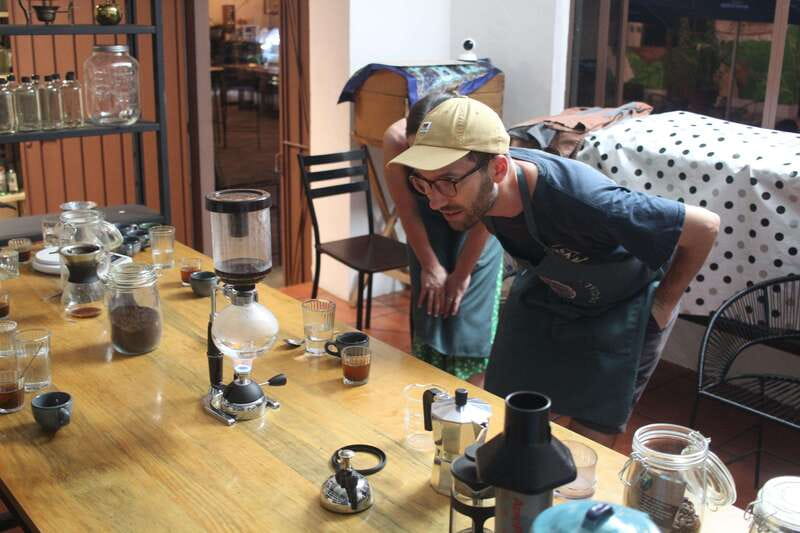
One hour is enough to compare three methods and three coffees without taking over your day. I would schedule it before or after a walk around Centro, since the meeting point is only a few blocks from the main square.
The short length is also a limitation. You will not have time to study every brewing method in depth, and you should not expect a full barista certification class. Three methods from six gives you a sample, not a complete survey.
Still, the compact format has a benefit. You can focus on the most useful contrasts and leave with a clearer idea of what you like. A longer class might offer more technique, but it would also demand more time and attention.
For a first introduction, the balance is sensible. The experience gives you enough detail to understand why flavors change, but it does not require a full morning or afternoon. If you want to master home brewing, consider this a starting point rather than the final word.
Is $35 a fair price?
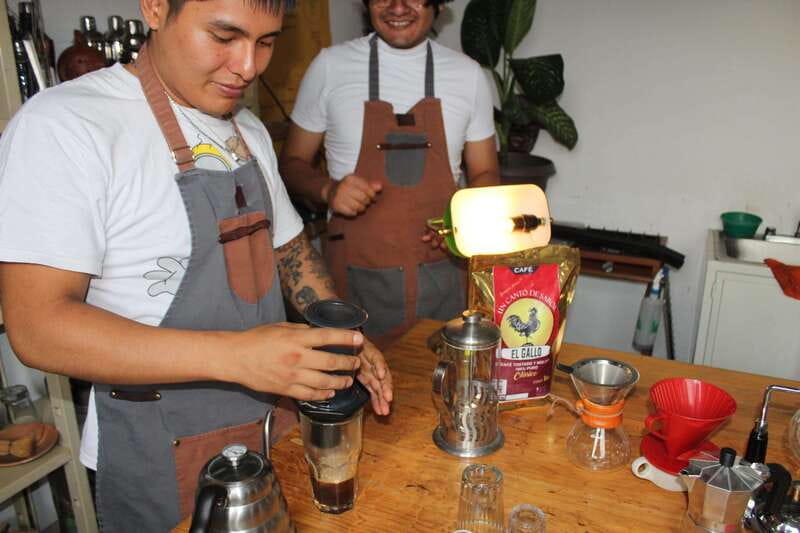
At $35 per person, the cost is reasonable for a small, instructor-led specialty coffee tasting in central Oaxaca. You are paying for three Oaxacan coffees, three preparation methods, a bilingual guide, bottled water, and a group limited to eight people.
The value improves if you are curious about coffee or want an activity that teaches you something you can use later. The session is not just a series of samples. You compare beans, roast, and preparation, then learn how each factor can open different flavors.
The price is less appealing if you simply want a good cup of coffee. Oaxaca has many places to drink coffee for far less, and this is not primarily a café stop. You are paying for instruction, comparison, and access to several methods.
The reserve now and pay later option is helpful if your schedule is still moving. You can also cancel up to 24 hours in advance for a full refund. Check the available start times before planning the rest of your day, since the session lasts one hour and specific departures are not listed here.
Who will enjoy this most?
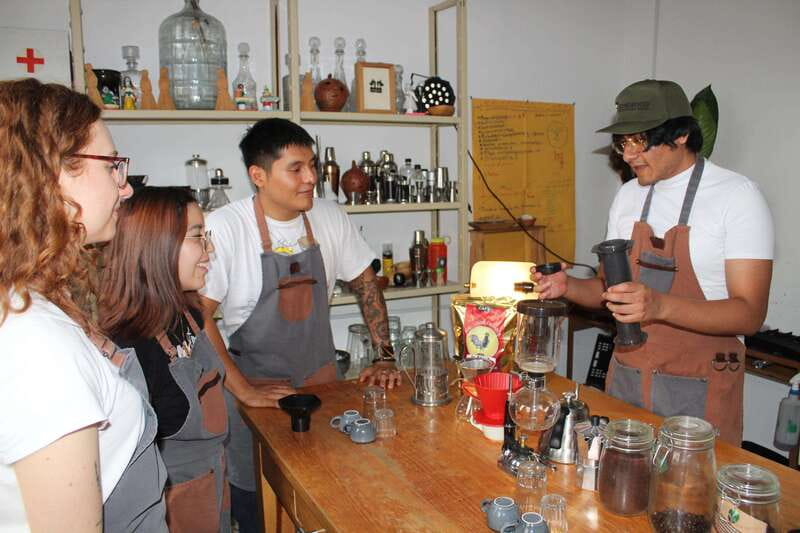
I would recommend this for anyone who wants a focused indoor activity near central Oaxaca. It suits coffee beginners, people who enjoy specialty drinks, and home brewers looking for ideas beyond their usual method.
It also works well for couples or small groups with mixed levels of interest. One person can learn the basics while another compares brewing techniques in more detail. The eight-person limit keeps the setting smaller than a large commercial class.
The experience is less suitable if you want a farm visit, a full meal, or a long tour of Oaxaca’s coffee-growing areas. Those are not part of the stated program. It is also not the best choice for someone who wants only a quick drink with no instruction.
After the tasting, you can continue through Oaxaca’s Centro, visit traditional markets, seek out local artisan workshops, or plan a meal. The coffee session gives you a compact cultural stop, then leaves the rest of the day open.
My practical take before you book
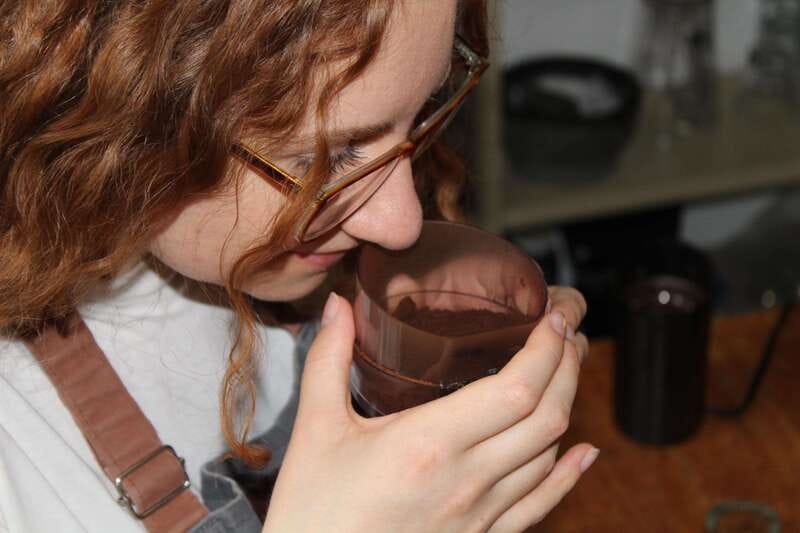
Choose your three methods with care. If you already know French press, use the session to compare it with Chemex and AeroPress. If all three are new, ask the barista to explain what makes each one different before you decide.
Arrive at Xicotencatl Street 609 and look for the dog on the facade. The meeting point is close to the main square, but allowing a little time to find the entrance is sensible in an unfamiliar part of Centro.
I would also treat the stated coffee profiles as a reason to pay attention, not as a promise that every person will taste the same notes. Fruity and high-altitude characteristics may be easier for some palates to notice than others. The useful lesson is the comparison itself.
Should you book the Oaxacan coffee tasting?
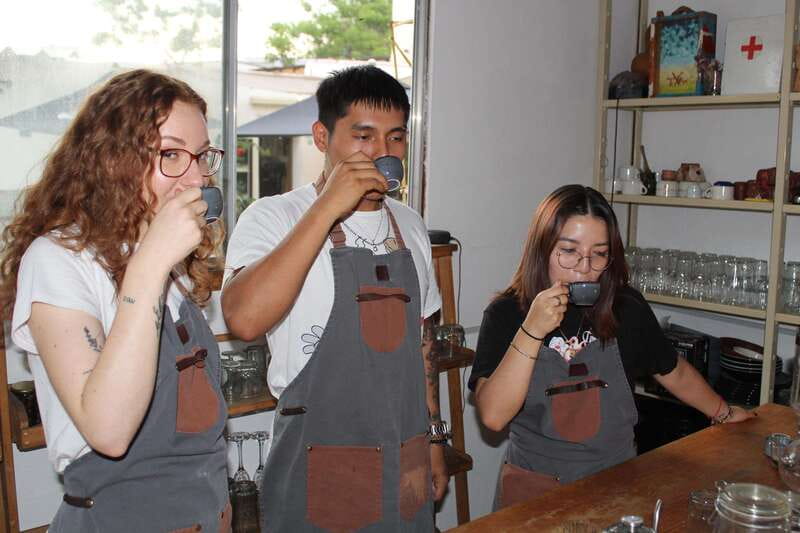
Book it if you want to understand why Oaxacan coffee changes with the bean and the brewing method. The small group, bilingual instruction, three coffees, and choice of three techniques make the $35 fee a fair buy for curious drinkers.
Skip it if you want a full coffee farm excursion, a substantial meal, or an all-day class. For everyone else, this is a tidy one-hour introduction with enough hands-on detail to make your next cup more interesting.
FAQ
Where does the Oaxacan coffee tasting take place?
The meeting point is Xicotencatl Street 609 in Oaxaca’s Centro neighborhood, a few blocks from the city’s main square. Look for a dog drawn on the facade.
How long does the experience last?
The tasting lasts one hour.
How much does it cost?
The price is $35 per person.
How many people can join?
The group is limited to eight participants.
Which languages are available?
The instructor can provide guidance in Spanish or English.
How many coffees will I taste?
You will taste three selected Oaxacan coffee varieties.
How many brewing methods will I try?
You will choose three brewing methods from six available options. French press, Chemex, and AeroPress are among the methods named.
Is water included?
Yes. Bottled water is included, along with coffee or tea and specialty coffee from Oaxaca.
Can I cancel or pay later?
You can cancel up to 24 hours in advance for a full refund. A reserve now and pay later option is also available.
Just added around Mexico
- Xalapa and its aroma of coffee. Fall in love!★ 3.5 · 3 reviews
- Enjoy the coffee route in Coatepec Magical Town★ 5.0 · 2 reviews
- The Colors of Coffee in the Farms of Coatepec★ 5.0 · 3 reviews
- Private Tasting of Chiapas Coffees for 2 Hours★ 5.0 · 4 reviews
- Cultural Adventure: Artisanal Chocolates, Coffee and Doll Making★ 5.0 · 2 reviews
- Tarot Reading with Coffee & Chocolate or Smoothie★ 5.0 · 17 reviews
- Oaxaca Coffee Tasting★ 4.0 · 7 reviews
- Sweet Mexico City: Chocolate, Coffee, and Traditional Treats★ 5.0 · 2 reviews
Coffee Tastings, compared.
Hanoi Coffee Experience: 6 Brews, 9 Recipes & 3 Liquor Tastings
Read our review →
Coffee Tour with Transport, Snacks and Tastings
Read our review →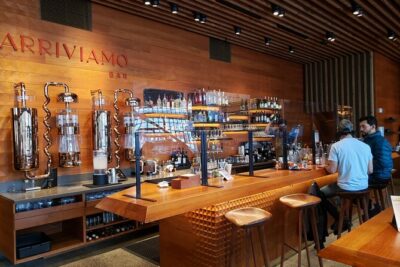
Seattle Coffee Tour: Capitol Hill Cafes, Tastings & Local Stories
Read our review →
Buggy Ride Into the jungle with cave coffee & chocolate tasting
Read our review →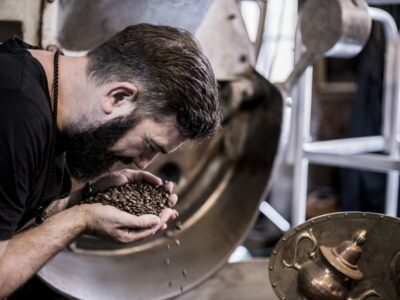

Da Nang Cooking Class with Coffee Tasting and Market Visit
Read our review →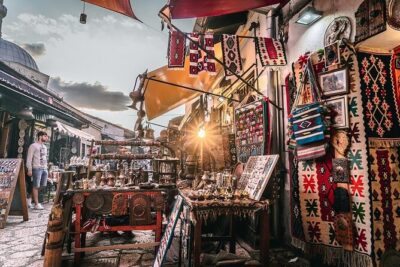
Private Walking Tour, Food Tasting and Bosnian Coffee in Sarajevo
Read our review →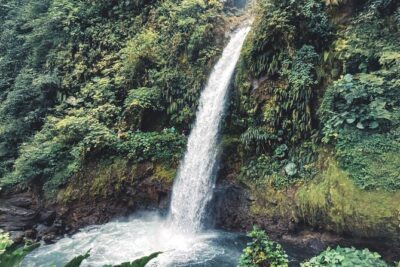
Poás Volcano and Coffee Tour with Tasting and La Paz Falls
Read our review →Browse the lists this tour appears in