
Review · BOGOTA
Bogota: Colombian Coffee Tasting
Colombian coffee is not just something to drink between sights. At Café Matuca, you learn how the bean changes from harvest to brew, then test your own palate with aroma and acidity exercises. I like the practical tasting format, and I like that the experience ends with you brewing a cup yourself. The main drawback is the setting: the café is on the second floor, and one past visitor found the surrounding area less appealing than the activity itself.
This is a particularly useful stop if you are already visiting the Gold Museum, only about two minutes away according to one detailed account. Allow time to find Café Matuca at Carrera 5 #16-42, on the second floor, and remember that hotel transportation is not included.
Key points at a glance
- A real bean-to-cup lesson: Learn about Colombian coffee production, preparation, and consumption rather than simply sampling finished drinks.
- Acidity and aroma tests: Use guided exercises to notice flavor differences that most casual coffee drinkers miss.
- Coffee in unexpected forms: Try sweets, cookies, and other edible products made with coffee.
- Your own final brew: Finish by preparing and tasting what the guide helps you identify as your ideal cup.
- Strong bilingual guidance: The experience is offered in English or Spanish, with guides including Rene and Nicolás praised for their passion and clear explanations.
- Good central pairing: Café Matuca is close to the Gold Museum, making this easy to combine with a day in central Bogotá.
Why this Bogotá coffee tasting is worth your time
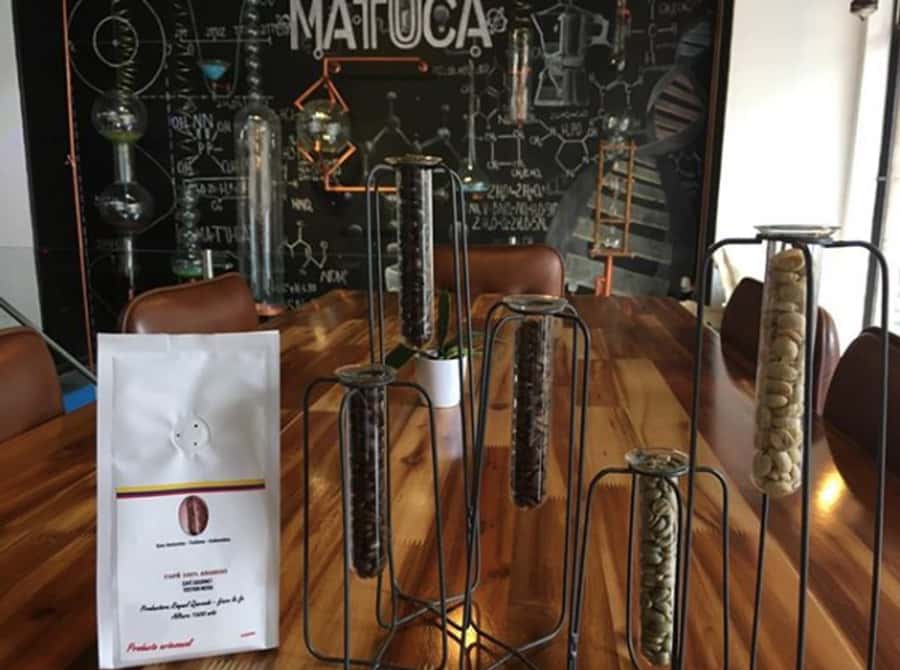
I like coffee tours that teach you how to taste, not just tell you that one cup is fruity and another is nutty. This experience gives you a vocabulary for what is in your mug. You examine aroma, test acidity, compare brewing methods, and then put those lessons to work.
That matters in Colombia, where coffee is part of the country’s identity and economy. Colombian coffee is often associated with a balanced, rich, nutty taste, but the tasting helps you see that no single description tells the whole story. Different beans and brewing choices can bring out different qualities.
The format is also friendly to non-experts. You do not need to arrive knowing the difference between a pour-over and another brewing method. The guide takes you through the process step by step, answering questions as you go.
The experience lasts two hours. That is long enough for a proper lesson without consuming an entire sightseeing day. At $25 per person, I consider it a fair price, especially because the fee includes the tasting, sweets and cookies, and a bilingual guide. It is less about receiving a large meal and more about gaining a skill you can use long after you leave Bogotá.
More Coffee Tastings in Colombia
- Coffee tasting experience at Divino Café Especial
★ 5.0 · 57 reviews - Bogota: Coffee Tasting Experience Tour with Exotic Varieties
★ 4.1 · 13 reviews - Bogota: Coffee Tasting, Roasting, Filtration & Espresso Tour
★ 5.0 · 4 reviews
Starting at Café Matuca on Carrera 5
You meet the group at Café Matuca, located at Carrera 5 #16-42, on the second floor. There is no hotel pickup or drop-off, so you need to make your own way there. Put the full address into your map app and look for the café upstairs rather than expecting a street-level tour office.
The meeting point is useful for planning a central Bogotá day. The Gold Museum is roughly two minutes away, so you can pair the tasting with Colombia’s famous collection of pre-Columbian goldwork. I would avoid scheduling the coffee session too tightly against another booking. A little extra time helps you find the entrance and arrive ready to focus.
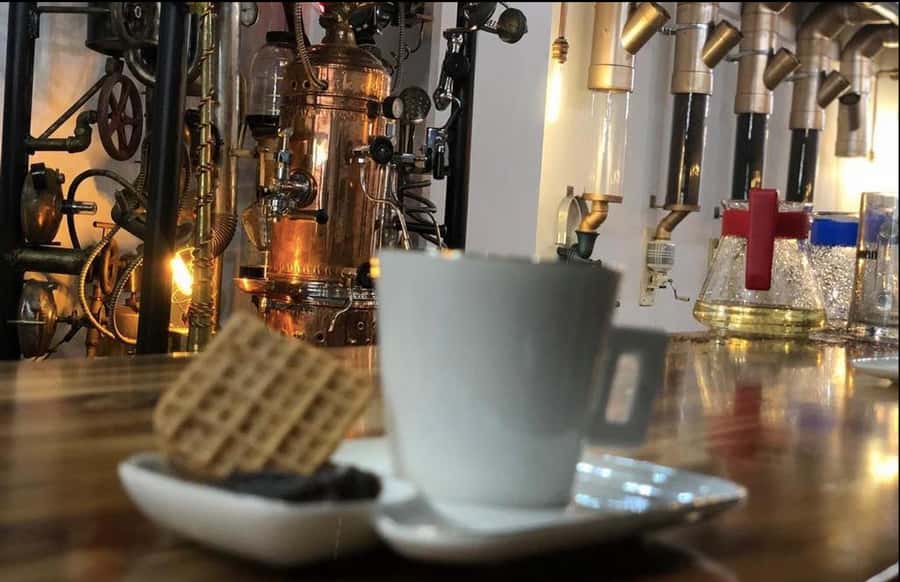
The café setting gives the session a personal feel. Some guides have also been closely involved with the business. Rene, described by one participant as the owner, has led sessions in English and is especially associated with detailed explanations of the coffee process. Nicolás has also been praised for his passion and care with both coffee and food.
The guide may vary, but the language choice is clear: you can book an English or Spanish session. That is important in a technical tasting, where a small language gap can make descriptions of acidity or aroma less useful.
A short history of Colombian coffee
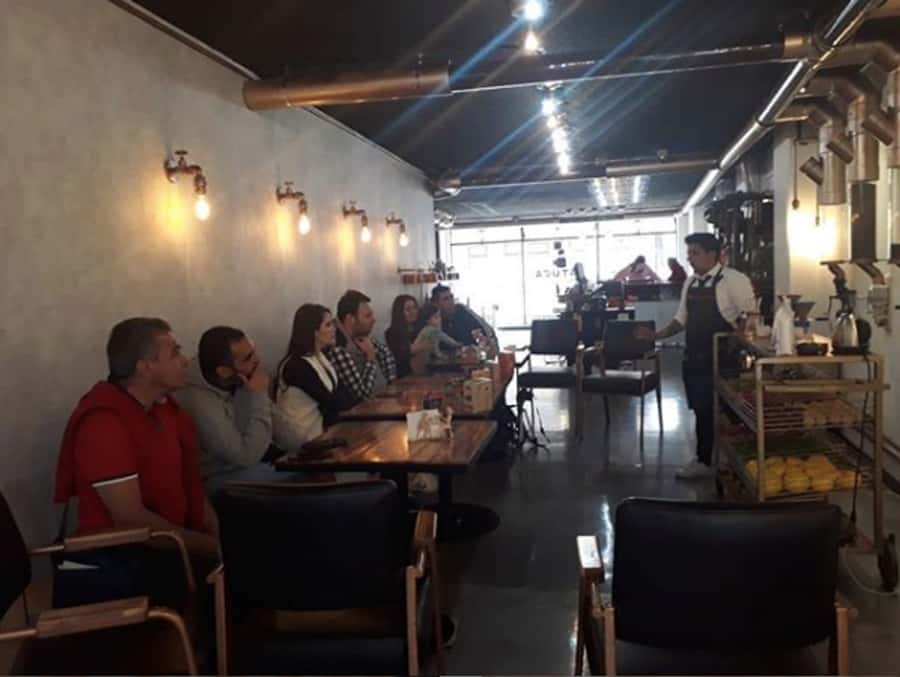
The first teaching section places Colombian coffee in context. You learn about its history and its role in the country’s coffee industry, along with the broad path from cultivation to consumption.
The value here is not a long museum lecture. It is a framework for understanding what you taste next. A coffee bean is affected by its growing conditions, processing, roasting, grinding, and brewing. The session connects those stages so your cup does not feel like an isolated product.
The guide also introduces Colombian coffee’s familiar flavor profile. Balanced and nutty notes may be part of what you recognize, but the tasting encourages you to pay attention to other qualities too. You might notice differences in brightness, aroma, body, or aftertaste.
I especially like this part for people who normally add milk or sugar without thinking. You can still enjoy your usual coffee, but the exercise may show you why one bean tastes better with a certain brewing method or why another works well as a simple black cup.
Learning the coffee process from bean to cup
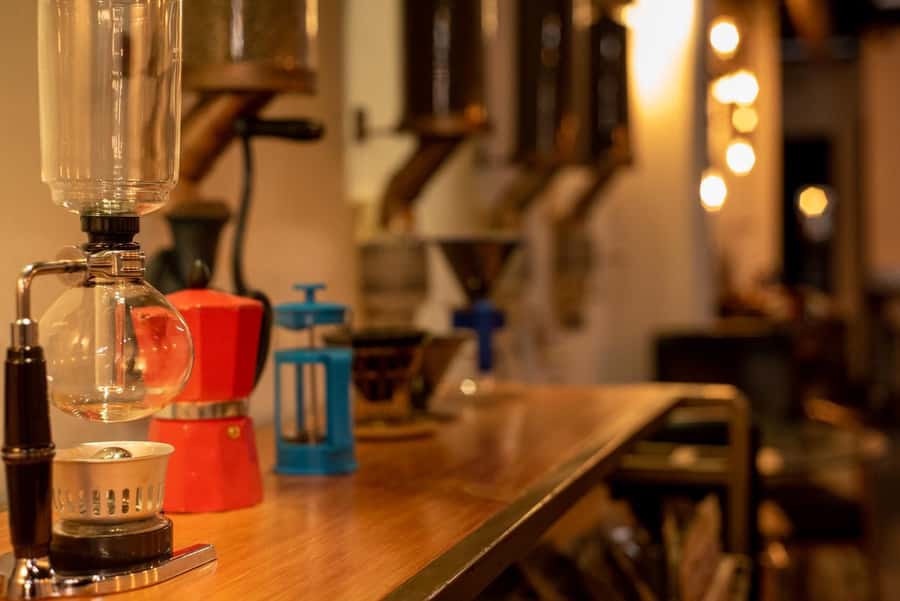
The session explains the various steps involved in producing coffee. The supplied information does not promise a farm visit, so you should not expect to walk through plantations or processing buildings. This is a café-based lesson, with the production story explained through the tasting and demonstrations.
That distinction matters. If you want a full agricultural tour, this is not a substitute for visiting a coffee farm outside Bogotá. If you want a clear introduction without spending most of a day on transportation, it is a practical choice.
You learn how coffee moves toward the form you drink, and the guide links production decisions to taste. This is where the experience becomes more useful than a standard café stop. You are not just told that Colombian coffee is good. You get a sense of why preparation changes the final result.
The session also covers brewing techniques. Since the details of each method can vary with the guide and available equipment, I would treat this as an introduction rather than an advanced barista class. Still, learning several ways to brew can change how you approach coffee at home.
More Coffee Tastings in Bogota:
- Hanoi Coffee Experience: 6 Brews, 9 Recipes & 3 Liquor Tastings
★ 5.0 · 2,945 reviews - 4×4 Dominican Adventure with Chocolate and Coffee Tasting
★ 5.0 · 2,920 reviews - 4×4 ATV Experience, Water Cave, Chocolate and Coffee Tasting
★ 5.0 · 1,430 reviews - Medellin: Coffee Tour with Transport, Snacks and Tastings
★ 4.7 · 1,357 reviews
Testing aroma and acidity
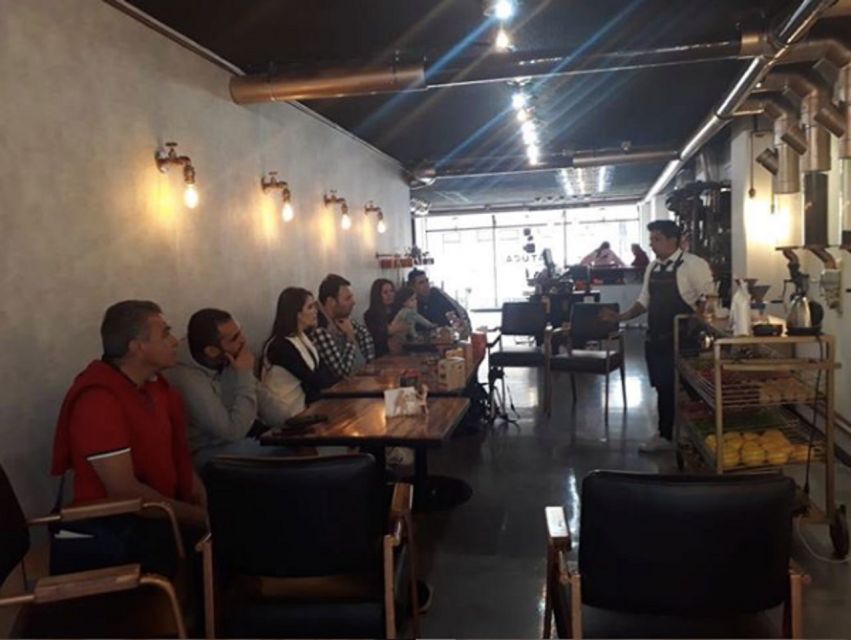
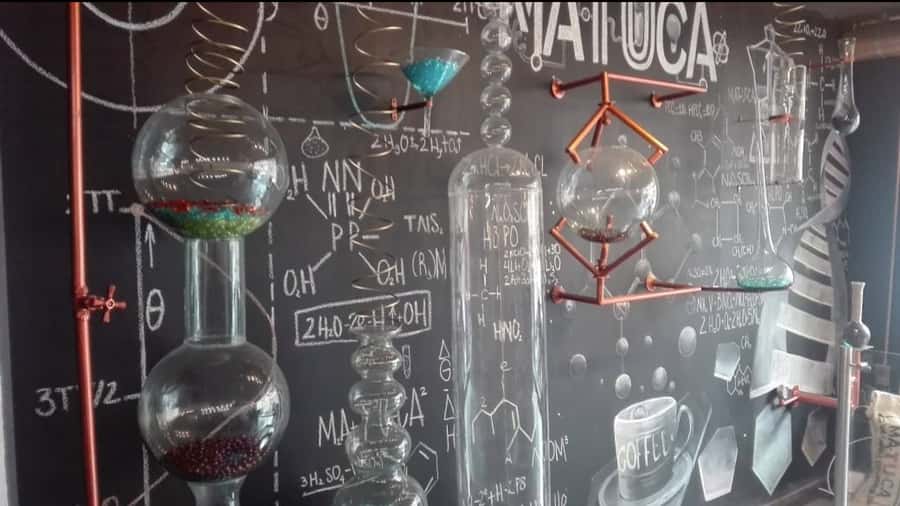
The tasting includes an aroma test and an acidity test. These are the most hands-on parts of the session, and they give you a way to compare coffee with more care.
Aroma is often the first clue in a tasting. Before you take a sip, you can notice what reaches your nose. The guide helps you connect those smells with the flavors you later find in the cup. You may not suddenly develop a professional palate, but you will likely become more alert to the difference between a plain, flat aroma and a more complex one.
The acidity test can sound intimidating, but it is not a test you can fail. In coffee, acidity refers to a bright, lively quality, not simply a harsh sour taste. Guided comparison helps you understand that distinction. Some cups can feel crisp and fresh, while others are softer and rounder.
These exercises are valuable because they slow you down. Most people drink coffee quickly, especially in the morning. Here, you are encouraged to pause, smell, sip, and compare. I found this kind of instruction more useful than a list of tasting notes with no explanation.
Coffee sweets, cookies, and unusual bean products
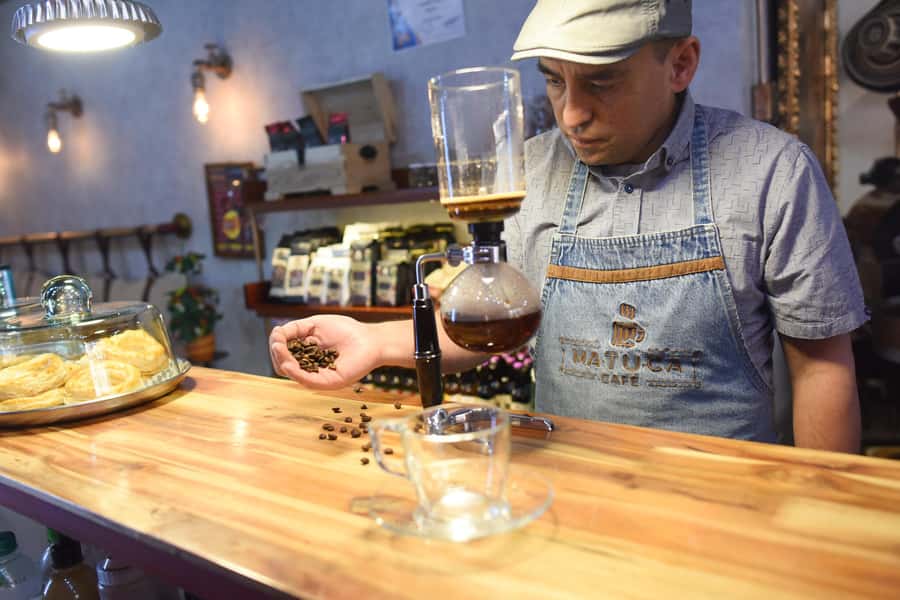
The tasting is not limited to liquid coffee. You also try sweets and cookies, along with interesting edible products made from coffee.
This part adds variety and shows how the humble bean can be used beyond a morning drink. Coffee flavors can work differently in food. A sweet may bring out roasted notes, while a cookie can soften bitterness or make the flavor feel more familiar.
The included food is best viewed as a complement to the tasting, not a replacement for lunch. The information provided does not describe the exact quantity or menu, so do not arrive expecting a full meal. If you have dietary restrictions, ask the provider before booking because specific ingredients are not listed.
I like this section because it keeps the two-hour experience from becoming overly technical. You move between explanation, tasting, and conversation. The food also gives you a simple way to compare the coffee flavor in a drink with the same basic ingredient in something you chew.
Brewing your own final cup
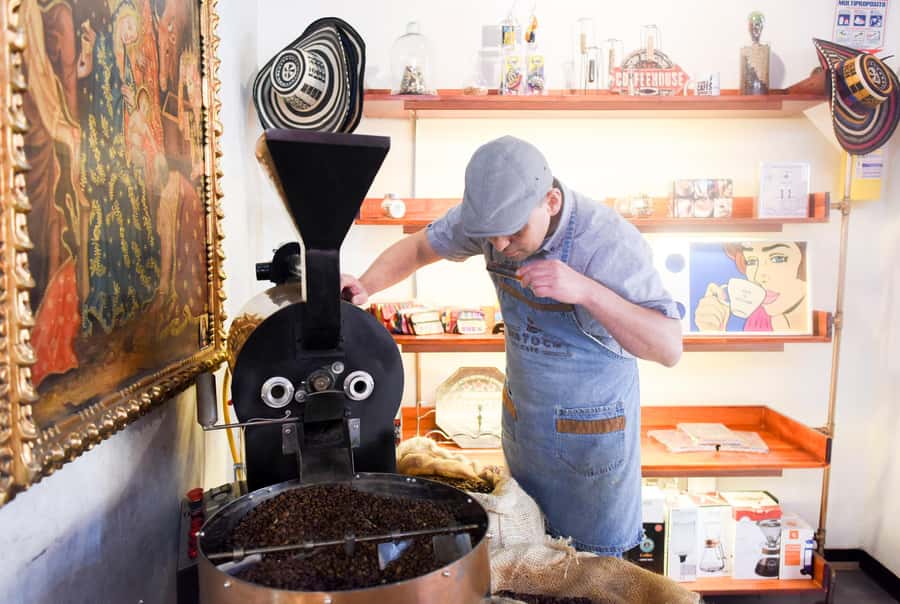
The session ends with you brewing and tasting your own cup. This is a smart finish. Instead of leaving with only facts, you apply the lesson immediately.
By this point, you have discussed Colombian coffee, considered production, tried different flavors, and explored brewing techniques. Your final cup gives you a chance to make choices with that information in mind. The guide can help you understand how the method affects the result.
Do not expect a private consultation that creates a permanent coffee formula for your kitchen. The exact depth depends on the guide and the group. Still, the final brew turns the activity from a demonstration into participation.
I also like that the ending is relaxed. You can ask follow-up questions while drinking the cup you helped prepare. People who usually feel lost when choosing beans or equipment may leave with a better sense of what they like.
The guides make the experience personal
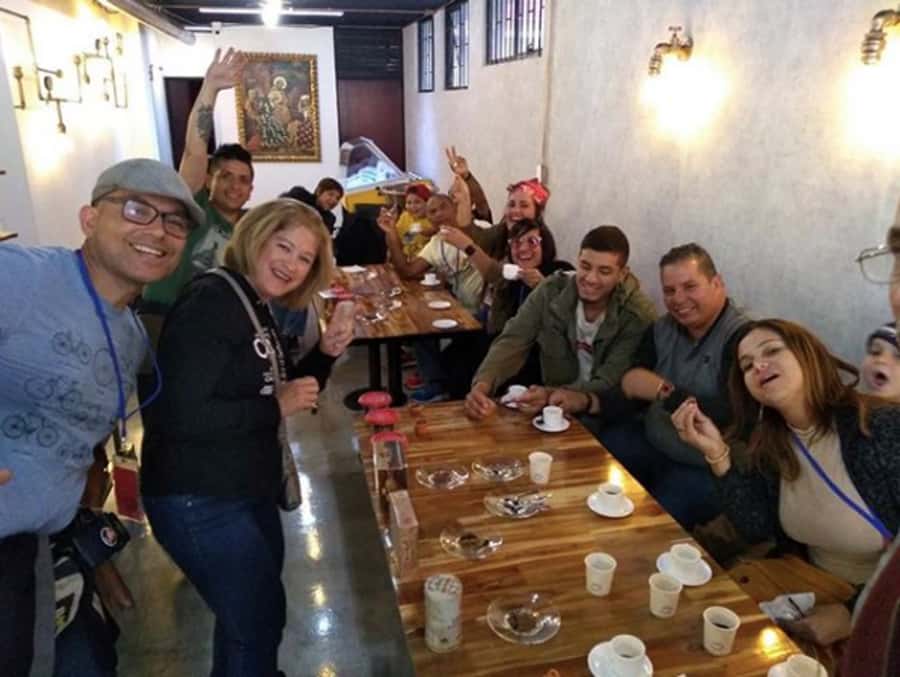
The strongest feature here is the instruction. Several guides have been singled out by name, including Rene and Nicolás, and the praise focuses on their enthusiasm, clear teaching, and command of the subject.
Rene is associated with especially detailed sessions about coffee from growing through consumption. His English presentation has also been described as clear, which helps English-speaking visitors follow technical points without strain. Nicolás has been praised for taking time with explanations and pairing the coffee lesson with good food.
The guide is not just there to pour samples. You can ask questions about history, production, flavor, and brewing. That makes the session work for both beginners and people who already know a little about specialty coffee.
The experience also suits solo participants. One person described feeling at home with the owner and staff when attending alone. That is useful if you are not traveling with a group and do not want an activity that feels awkward without companions.
Because the guide may change, I would not book solely on the expectation of a particular person. Instead, view Rene and Nicolás as examples of the level of instruction available, while recognizing that the host can vary by date.
Location, timing, and practical planning
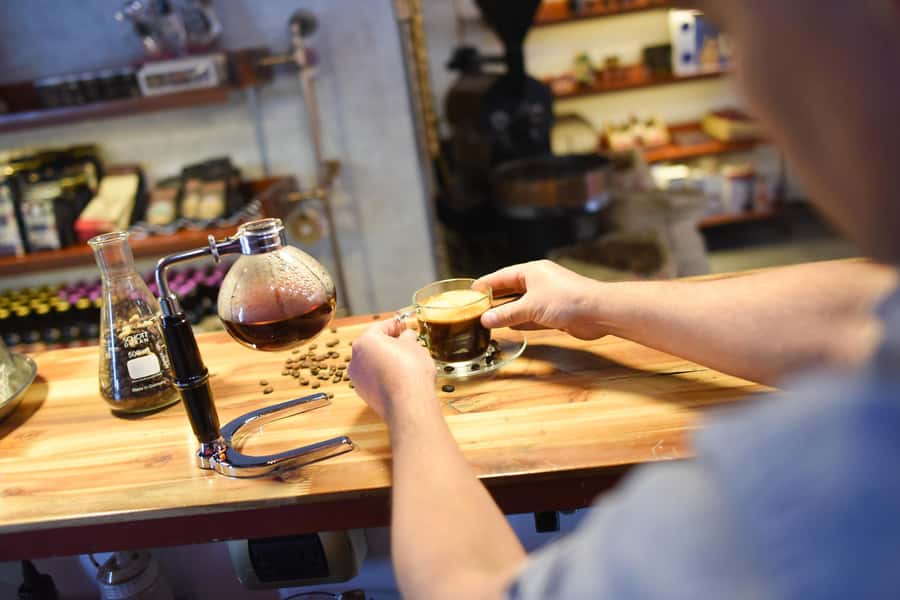
The two-hour duration fits neatly into a central Bogotá itinerary. The Gold Museum is the obvious nearby pairing, and the location may also work well with other sightseeing in the historic center.
The address is Café Matuca, Carrera 5 #16-42, second floor, Bogotá 110321. You must arrange your own transportation because hotel pickup and drop-off are not included. The experience has scheduled starting times, so check availability for your chosen date before building the rest of your day.
The café is not presented as a large attraction in its own right. Its value comes from the teaching and tasting. One past participant found the surrounding area less appealing, so keep your attention on the exact meeting point and use sensible city awareness when arriving and leaving.
The booking terms are traveler-friendly. You can cancel up to 24 hours in advance for a full refund, and a reserve-now, pay-later option is available. These details help if your Bogotá schedule is still shifting.
Who should book this experience
I would recommend it most strongly to:
- Coffee drinkers who want to understand flavor instead of simply ordering another cup
- Visitors with two free hours in central Bogotá
- People who enjoy food and drink tastings but do not want a full-day excursion
- Solo visitors who prefer a guided activity with conversation and structure
- Anyone looking for an English or Spanish session
- Travelers pairing the tasting with the Gold Museum
It is also a good fit for couples and small groups with different levels of coffee interest. A complete beginner can follow the lesson, while a regular specialty-coffee drinker may enjoy comparing methods and flavors.
I would hesitate if you want a farm visit, a long countryside outing, or a full meal. None of those are promised. This is a café-based educational tasting, and its success depends on your interest in paying attention to the cup.
Is the $25 price good value?
At $25, the price is reasonable for a two-hour guided tasting in central Bogotá. The fee includes the coffee, sweets and cookies, and an English or Spanish-speaking guide. You are also paying for instruction, not just for several small samples.
The best value comes if you use the lesson. If you rush through the tasting and forget the brewing advice, it becomes an expensive coffee break. If you take notes mentally, ask questions, and pay attention to the aroma and acidity exercises, you leave with a better understanding of what you are buying and brewing.
The nearby Gold Museum adds another practical advantage. You can combine two distinct experiences without arranging separate transportation across the city. That saves time, even though museum admission and transport are not part of the coffee price.
Final verdict: should you book Café Matuca?
I would book this Colombian coffee tasting if you have two hours in Bogotá and want an activity that is useful, social, and easy to fit around central sightseeing. The strongest reasons are the hands-on aroma and acidity tests, the chance to taste coffee in food, and the final cup you brew yourself.
The main cautions are simple. You need to reach the café on your own, the setting is upstairs, and this is not a plantation tour. If those limits suit your plans, $25 buys more than a few drinks. It gives you a clearer idea of how Colombian coffee is produced, tasted, and brewed, with guides such as Rene and Nicolás making the lesson personal.
FAQ
Where does the Colombian coffee tasting take place?
It takes place at Café Matuca, Carrera 5 #16-42, second floor, Bogotá 110321.
How long does the experience last?
The coffee tasting lasts two hours.
How much does the activity cost?
The listed price is $25 per person.
Which languages are available?
The live guide is available in English or Spanish.
What is included?
The activity includes the coffee tasting, sweets and cookies, and an English or Spanish-speaking guide.
Is hotel pickup included?
No. Hotel pickup and drop-off are not included, so you need to make your own way to Café Matuca.
More Food and Drink Tours in Bogota
- Vienna for Food Lovers: Cafés, Markets & Austrian Cuisine
★ 5.0 · 1,063 reviews - Early Morning My Son Sanctuary Trip w. Champa Food & Coffee
★ 5.0 · 629 reviews - Buggy Ride Into the jungle with cave coffee & chocolate tasting
★ 5.0 · 465 reviews - Hamburg: Speicherstadt Walking Tour with Coffee Tasting
★ 4.6 · 360 reviews
Just added around Bogota
- From Bogotá: Coffee Farm Experience Private Day Tour★ 5.0 · 8 reviews
- Tequendama Falls and Coffee Hacienda Day Trip from Bogotá★ 5.0 · 12 reviews
- Bogotá: Guided Coffee Tour with Lunch, and Pickup & Drop-Off★ 4.8 · 5 reviews
- Coffee Experience: Hacienda Coloma Tour from Bogotá★ 4.4 · 11 reviews
- Bogota: Roasting Experience Tour with Exotic Coffee★ 4.6 · 2 reviews
- Bogota: Coffee Tasting, Roasting, Filtration & Espresso Tour★ 5.0 · 4 reviews
- Bogota: Coffee Tasting Experience Tour with Exotic Varieties★ 4.1 · 13 reviews
- Bogotá: Experience of a coffee competition★ 5.0 · 2 reviews
Coffee Tastings, compared.
Hanoi Coffee Experience: 6 Brews, 9 Recipes & 3 Liquor Tastings
Read our review →
Coffee Tour with Transport, Snacks and Tastings
Read our review →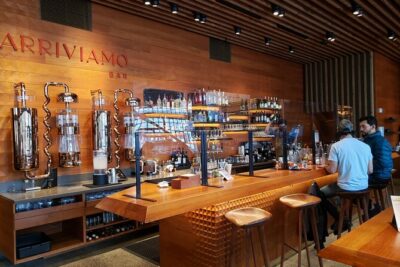
Seattle Coffee Tour: Capitol Hill Cafes, Tastings & Local Stories
Read our review →
Buggy Ride Into the jungle with cave coffee & chocolate tasting
Read our review →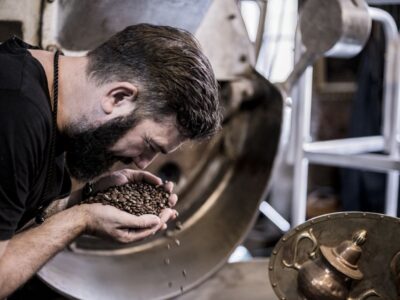
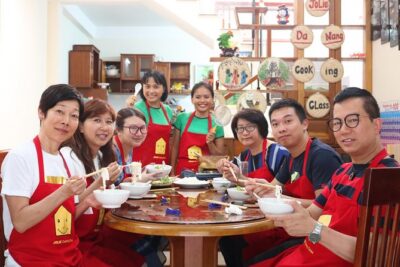
Da Nang Cooking Class with Coffee Tasting and Market Visit
Read our review →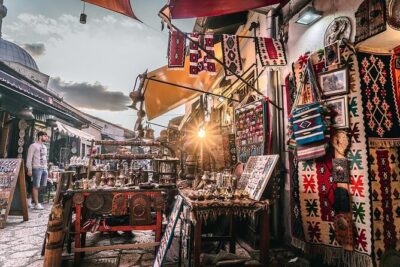
Private Walking Tour, Food Tasting and Bosnian Coffee in Sarajevo
Read our review →
Poás Volcano and Coffee Tour with Tasting and La Paz Falls
Read our review →Browse the lists this tour appears in