
Review · CARTAGENA
Cartagena: History, Culture & Coffee Experience
Cartagena’s story comes into focus on this four-hour private tour, which links a giant Spanish fortress, a hilltop convent, the colonial center, and the street life of Getsemaní. The route gives you a quick but useful first look at the city, with time for both major sights and smaller details.
I like the mix of big history and local flavor. San Felipe Castle explains how Cartagena defended itself, while the coffee tasting and Getsemaní walk bring you back to daily Colombian life. I also like the personal format: guides such as Carlos and Oralis Barrios have been praised for patience, clear English, humor, and careful attention to photo stops.
The main drawback is the pace. Four hours is enough for an introduction, not a slow study of Cartagena. The vehicle is available for only three hours, the tour finishes on foot in the Historic Center, and a ride back to your hotel is not included.
Key points to know before booking
- San Felipe Castle includes tunnels and watchpoints: You’ll see how this huge Spanish defense system worked, not just admire it from outside.
- La Popa gives Cartagena’s best broad view: The 17th-century convent looks across the city, bay, and Caribbean Sea.
- The old-town walk carries difficult history: Plaza de la Aduana was tied to the colonial trade in enslaved Africans.
- The coffee tasting is small but useful: You’ll learn about Colombian coffee through its aromas and flavors.
- Getsemaní is the lively finish: Street art, music, murals, and local life replace formal colonial architecture.
- The tour is private and bilingual: English and Spanish are available, with pickup in parts of Cartagena and an on-foot finish.
Why this four-hour route works
Cartagena can feel scattered at first. The fortress lies outside the old center, La Popa sits high above the city, and the main colonial streets lead into Getsemaní. This tour solves that problem by using a vehicle for the first part, then shifting to walking once you reach the area where the city is best explored on foot.
You get a useful sequence: defense, religion, trade, public life, coffee, nature, and neighborhood culture. That order helps you see Cartagena as more than pretty walls and colorful balconies.
The private format matters. You are not tied to the pace of a large group, so you can ask questions and stop for pictures. One guide, Carlos, was especially patient with a guest who had a knee problem and needed extra time. That detail is worth noting if your group includes someone who walks slowly or needs occasional pauses.
At the same time, do not expect a long museum-style visit at every stop. The tour covers a lot of ground. It is best for getting your bearings and learning the main stories, then returning later to the places that catch your interest.
More Heritage Tours in Colombia:
- Trekking History and Indigenous Heritage in Minca + Cacao & Coffee + Waterfall
★ 4.9 · 63 reviews - Kona Shore Excursion: Sea Turtles, Historic Kona & Coffee
★ 4.5 · 324 reviews - Kona Tour: Bee Farm, Kona Coffee, and National Historical Parks
★ 4.5 · 78 reviews
Entering San Felipe Castle through its defense tunnels
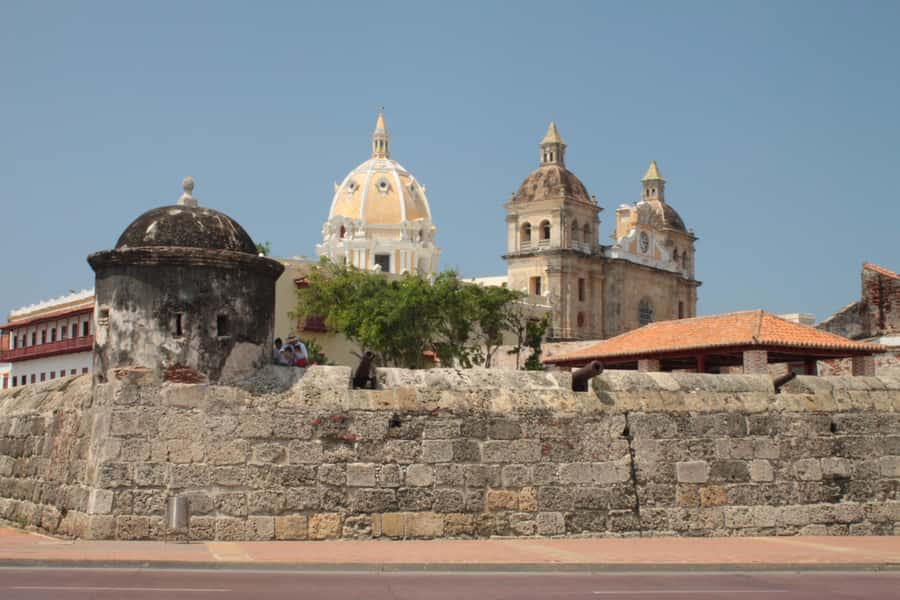
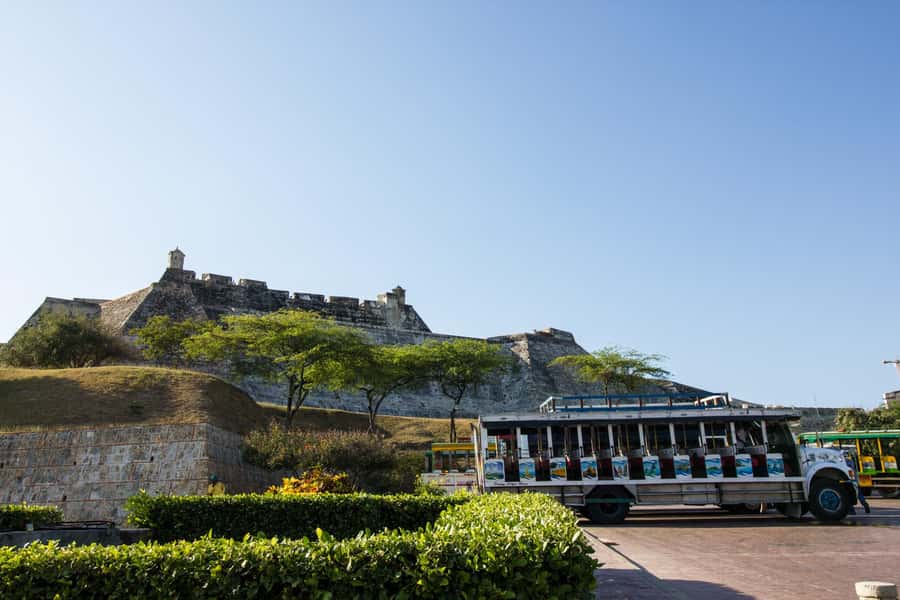
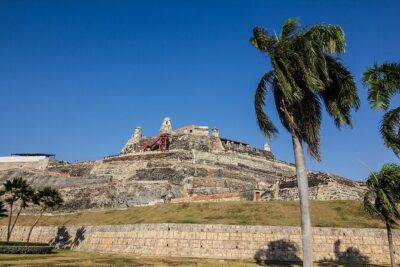
San Felipe de Barajas Castle is the heavyweight stop. Built by the Spanish to protect Cartagena from pirate attacks, it is the largest Spanish fortification in the Americas. The size alone helps explain why Cartagena mattered so much to Spain.
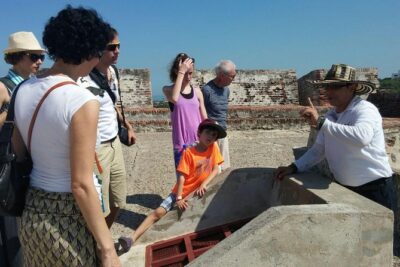
Your guide should connect the walls, ramps, tunnels, and lookout points to the city’s military role. The tunnels are especially useful because they show how the fortress functioned as a working defense system. This is more interesting than simply walking along a wall and taking a photo.
The strategic watchpoints also give you a sense of the castle’s purpose. From high positions, soldiers could monitor approaches to the city and bay. You will hear stories about Cartagena’s colonial past while moving through the site, so the history stays tied to what you are seeing.
Wear shoes with good support. The castle involves walking, and the tour continues afterward. Sunscreen, water, and a hat are sensible in Cartagena’s heat, particularly because some sections are exposed.
The tradeoff is time. A four-hour route cannot treat San Felipe as a full morning visit. If military architecture is your main reason for coming to Cartagena, you may want to spend more time here on a separate visit. If you want a first look, the included entry and guide make this a strong opening stop.
La Popa Convent and the city below
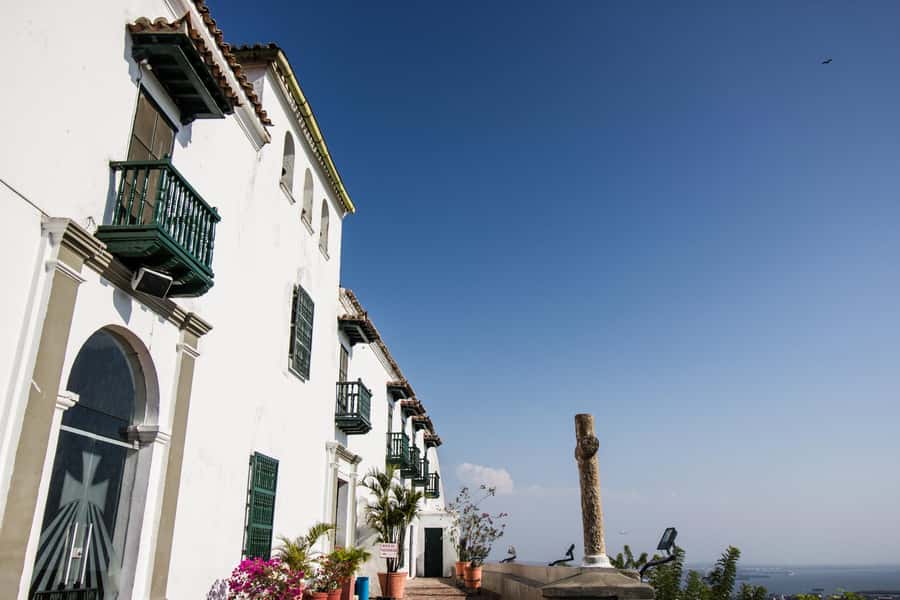
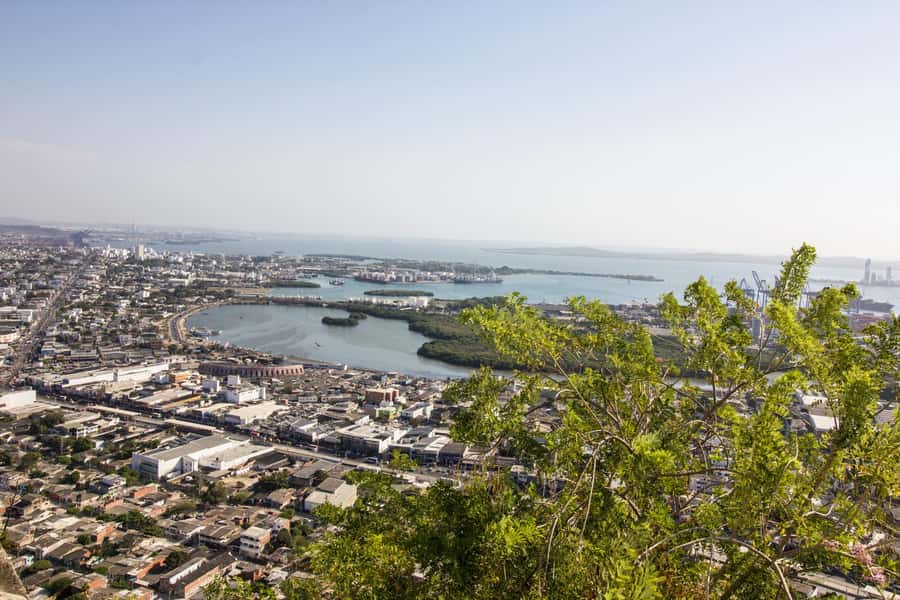
From San Felipe, the vehicle takes you to La Popa Convent, a 17th-century monastery on Cartagena’s highest point. The attraction here is both the building and the view.
Looking out from La Popa, you can see Cartagena, the bay, and the Caribbean Sea. This wide view helps you understand the city’s layout in a way that street-level walking cannot. You get a sense of the relationship between the old center, the water, and the newer parts of the city.
The convent also adds a religious layer to the tour. After the fortress, it shifts the focus from military control to faith and colonial life. That change keeps the itinerary from becoming a string of similar stone buildings.
The stop is brief enough to fit the route, but the viewpoint makes it valuable. Bring your camera, but do not let the photo stop crowd out the explanation. A good guide can help you identify what you are seeing and place Cartagena’s growth in context.
The vehicle is available for only three hours while visiting San Felipe and La Popa. That timing is important. You will not have private transport following you through the entire experience, so keep personal items with you and expect the last part to be on foot.
Plaza de la Aduana and Cartagena’s colonial power
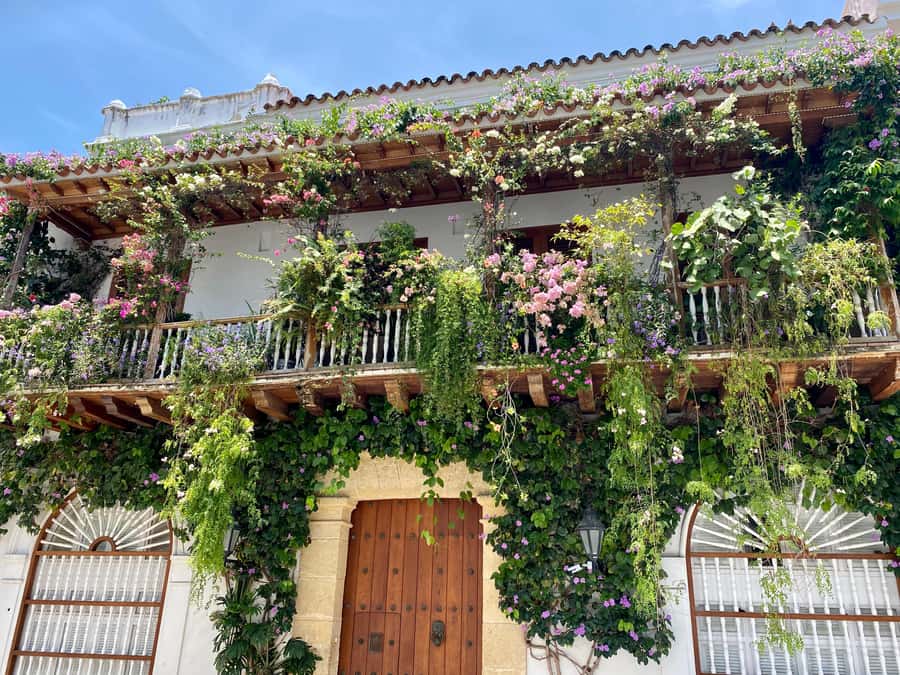
The walking portion begins in the Historic Center, with Plaza de la Aduana as an early stop. The square was once a major trading hub for enslaved Africans during the colonial era. That fact gives the old buildings a harder edge than their bright façades may suggest.
I appreciate that this route does not present Cartagena as only romantic streets and handsome churches. The city’s wealth was linked to colonial trade, forced labor, and Spanish control. A guide can help you understand that past without turning the walk into a dry lecture.
You will pass through the Clock Tower, Cartagena’s emblematic entrance. It is one of the city’s best-known landmarks and a natural point for orientation. From there, the streets lead into the core of the old city.
The Historic Center is compact enough to explore on foot, but the pavement and heat can still make the walk tiring. Comfortable shoes are essential. If your group includes someone with a knee problem, tell the guide early. The private format allows more flexibility than a fixed large-group route.
A few more coffee tours around Colombia worth a look
- Medellin: Coffee Tour with Transport, Snacks and Tastings
★ 4.7 · 1,357 reviews - Medellín Coffee Farm Tour with Trolley and Cable Car Ride
★ 4.9 · 277 reviews - Coffee Tour at the Finca del Café
★ 5.0 · 213 reviews - Medellin: Coffee Tour and Wellness Spa
★ 4.8 · 209 reviews
San Pedro Claver Church and Plaza de Bolívar
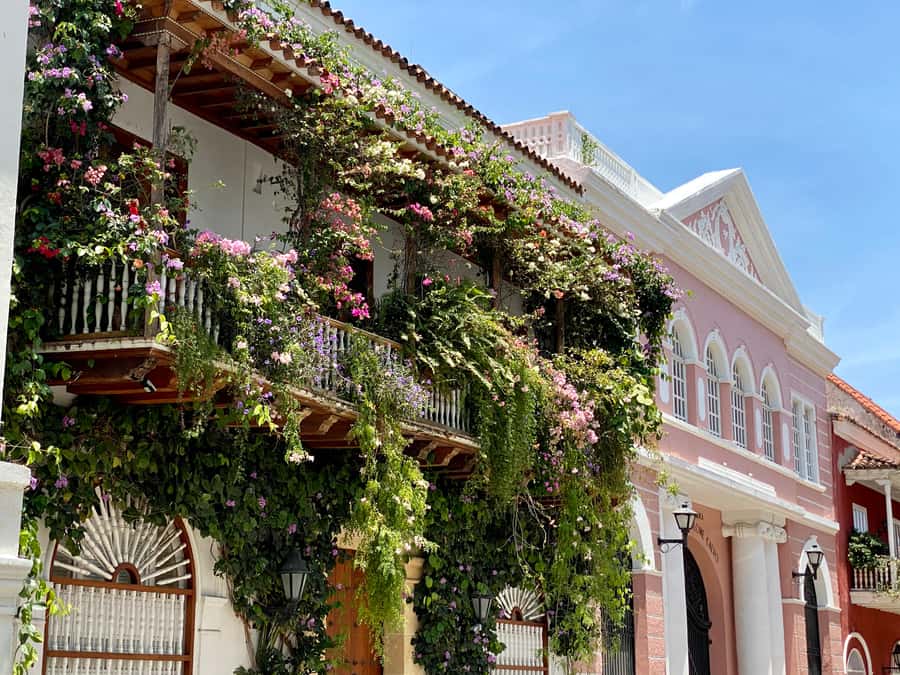
San Pedro Claver Church is dedicated to the patron saint of human rights. Its inclusion adds another moral and social layer to the colonial story.
The church helps move the tour beyond architecture. You are not only looking at a historic religious building. You are also considering the people affected by the systems that made Cartagena powerful, including enslaved Africans and those who worked to defend their dignity.
Next comes Plaza de Bolívar, a calmer public space surrounded by colonial buildings. It is a good place to pause and take in the details without constantly moving. You might notice how the square feels different from the fortress and from the commercial energy of the streets around the Clock Tower.
This section is where a strong guide makes the biggest difference. Carlos has been described as fluent, friendly, funny, responsive to questions, and patient with frequent photo stops. Oralis Barrios has also been praised for making the experience personal and enjoyable. Guide quality can vary from one departure to another, but the private setup gives you a better chance to shape the conversation.
A Colombian coffee tasting between the sights
The coffee tasting is a small part of the tour, but it gives the route a welcome change of pace. You will learn why Colombian coffee is celebrated around the world by paying attention to its flavors and aromas.
Do not expect a full coffee workshop or a large meal. This is described as a small tasting, and unspecified food and drinks are not included. Think of it as a short sensory break that adds a local product to a history-focused day.
I like this stop because coffee gives you something practical to remember. You can compare what you taste with coffee you find elsewhere in Cartagena, and you get a better sense of why origin matters. The tasting also keeps the tour from feeling like four straight hours of monuments.
If coffee is a major interest for you, ask questions during this part. The guide is available in English or Spanish, and a private group makes it easier to ask about preparation, aroma, and regional differences. The information provided does not promise a full farm visit or a detailed roasting class, so keep your expectations modest.
Centenario Park and the animals in the city
Centenario Park brings a patch of green into the urban route. It is known for sloths, monkeys, and iguanas moving freely through the park.
This is a fun contrast after the formal plazas, churches, and fortress walls. You may find that the animals become an unexpected highlight, especially if you are traveling with children or need a brief change from historic commentary.
Still, wildlife sightings are not something to treat as guaranteed on a timed tour. The park is included as part of the walk, but no promise is made about how many animals you will see or how close they will be. Enjoy it as a city park with the possibility of spotting local wildlife, not as a zoo visit.
Getsemaní, where the tour ends on foot
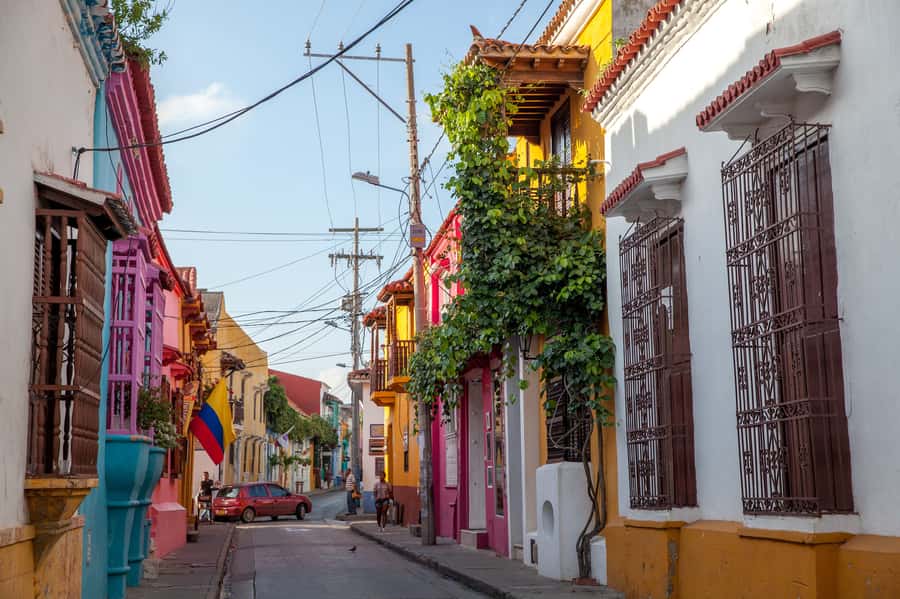
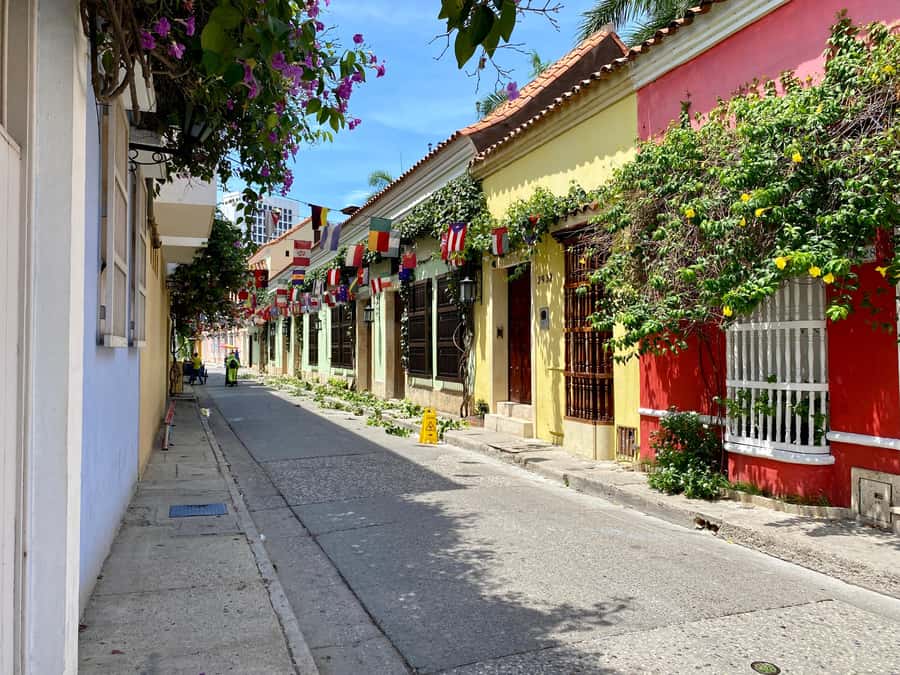
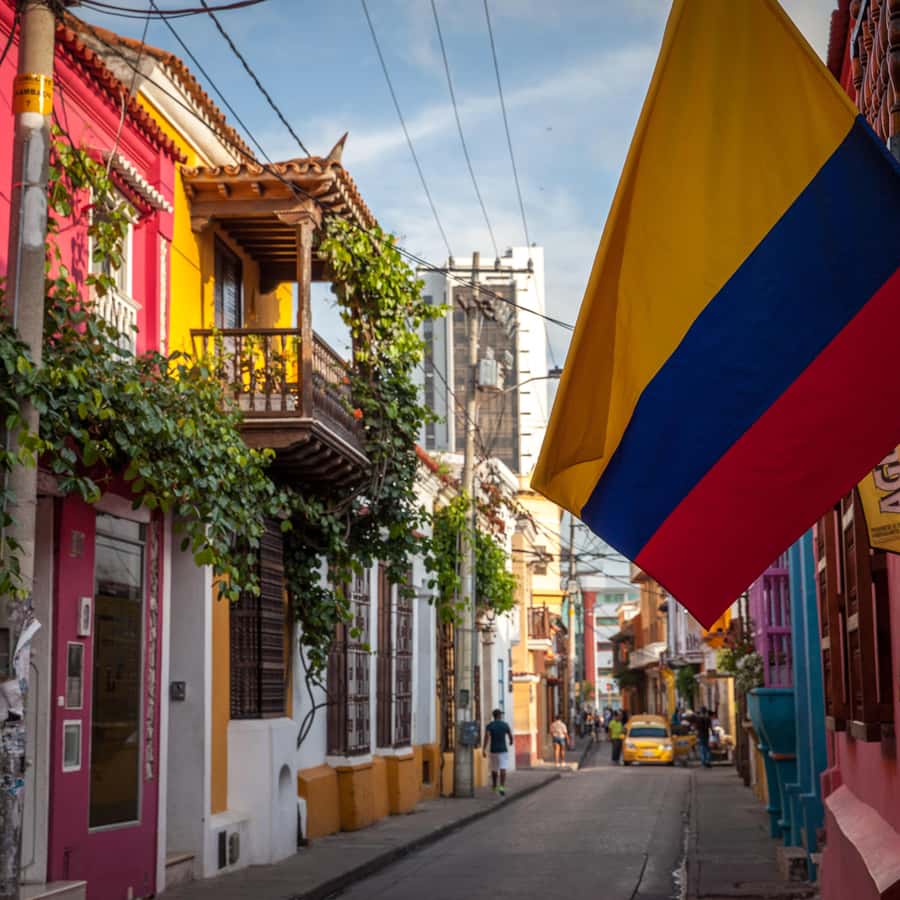
The final stop is Getsemaní, the heart of Cartagena’s local culture. Its streets are known for murals, street art, music, and colorful public life. After the formal architecture of the Historic Center, Getsemaní feels more relaxed and expressive.
This is a smart ending because it shows another side of Cartagena. You see how the city’s identity is carried through art, music, and neighborhood life, not only through Spanish walls and colonial churches.
The tour ends here or nearby on foot in the Historic Center, and transport back to your hotel is not included. Plan this part before you set out. You can continue walking, stop for food or a drink on your own, or arrange your own ride later.
That ending also means the activity does not simply return you to your pickup point. If you prefer tours that deliver you back to your hotel, this detail may be inconvenient. If you want to stay in the old city after the guide leaves, it is actually useful.
What $152 per person buys you
At $152 per person, this is not a bargain-priced city walk. The value comes from the private format, bilingual professional guide, vehicle time, entry tickets to San Felipe and La Popa, and the number of major areas covered in four hours.
The price makes more sense for a small group that wants a guide’s full attention. If several people share the private booking, the cost may feel more reasonable than paying for separate transport, entrance tickets, and a guide. You are also paying for a route that connects sights that are not best handled as one simple walk.
The value is weaker if you want to linger at one site. San Felipe, La Popa, the Historic Center, the coffee tasting, Centenario Park, and Getsemaní make for a full schedule. You will see a lot, but you will not examine every church, plaza, or tunnel at length.
I would compare this with the cost and hassle of arranging transportation between the fortress, hilltop convent, and old town. For a first day in Cartagena, the convenience and personal guide can justify the price. For repeat visitors who already know the city, a slower self-guided plan may offer better value.
Pickup, walking, and what to bring
Hotel pickup is included for locations in Cartagena’s Historic Center and Bocagrande. Hotels in the Manzanillo area require an additional cost, and pickup is not available for the Baru area. Enter your pickup details when booking and confirm the extra charge if it applies.
The vehicle is used for the first three hours, while you visit San Felipe and La Popa. The final part takes place on foot, and there is no included hotel transfer at the end.
Bring:
- Passport or ID card
- Comfortable walking shoes
- Water
- Sunscreen
- A hat or other sun protection
Alcohol and drugs are not allowed, and bare feet are not permitted. The activity is listed as wheelchair accessible, but the exact ease of every tunnel, historic surface, and walking section is not explained. If accessibility is important for your group, contact the provider before booking and describe your needs.
The tour is available in English and Spanish. Cancellation is free up to 24 hours before departure, and you can reserve now and pay later. Starting times depend on availability.
Who should book this Cartagena experience?
I would recommend it to a first-time visitor who wants the main historical sights without arranging several separate rides. It also suits families, couples, and small groups that prefer a private guide and want the freedom to ask questions.
It is a good match if you enjoy a blend of architecture, difficult history, city views, coffee, and neighborhood culture. The route is especially useful early in a Cartagena stay because it shows you where you may want to return.
I would hesitate if you dislike heat, walking, or a quick pace. I would also choose a slower plan if your top priority is spending hours inside San Felipe Castle or studying the Historic Center one street at a time.
Should you book it?
Book this experience if you want an efficient, private introduction to Cartagena and value a guide who can connect the fortress, convent, colonial center, coffee, and Getsemaní. The strongest reasons are the personal format, included admissions, broad city coverage, and the chance to finish among local art and music rather than at a generic drop-off point.
Skip it if you need a hotel return, want a relaxed single-site visit, or find $152 per person too high for a four-hour introduction. For everyone else, it is a well-focused first look, as long as you wear good shoes and understand that the final walk ends in the city rather than back at your hotel.
FAQ
How long does the Cartagena History, Culture & Coffee Experience last?
The experience lasts four hours.
What languages are available?
The tour is available with a live guide in English or Spanish.
Is the tour private?
Yes. It is offered as a private group experience.
Which attractions include entry tickets?
Entry tickets to San Felipe Castle and La Popa Convent are included.
Is hotel pickup included?
Pickup is included in Cartagena’s Historic Center and Bocagrande. Additional cost applies for hotels in the Manzanillo area.
Is pickup available from Baru?
No. Hotel pickup is not included for the Baru area.
Does the tour include transportation back to the hotel?
No. The tour ends on foot in the Historic Center, and return transportation to your hotel is not included.
How long is the vehicle available?
The vehicle is available for three hours while you visit San Felipe Castle and La Popa Convent.
Is Colombian coffee included?
Yes. A small Colombian coffee tasting is included. Other unspecified food and drinks are not included.
What should you bring?
Bring a passport or ID card, comfortable shoes, sunscreen, water, and a hat for sun protection.
Just added around Colombia
- Best Coffee Tour from Medellin with Lunch and Transportation★ 5.0 · 24 reviews
- Private Tour to Coffee Farm (farm of your choice)★ 5.0 · 2 reviews
- Medellin: Coffee Farm Tour & Spa with Overnight Glamping★ 4.5 · 3 reviews
- Most complete COFFEE TOUR at local family farm★ 5.0 · 2 reviews
- Minca: Hidden Waterfall + Coffee and Cocoa Workshop★ 4.9 · 6 reviews
- Medellin: Coffee and fruit tour★ 4.9 · 12 reviews
- Medellin: Glamping Spa and coffee tour Experience★ 3.7 · 3 reviews
- From Medellin: Day Trip to a Jardin Coffee Plantation★ 4.5 · 16 reviews
Cartagena Coffee Tours, compared.


Cartagena Highlights: San Felipe, Popa & Coffee Experience
Read our review →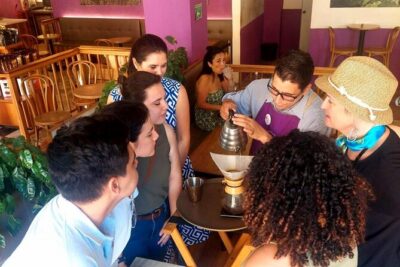
Walking Tour of Cartagena Including a Colombian Cup of Coffee
Read our review →

Cartagena Coffee Masterclass: Artisanal Roasting and Brewing
Read our review →Browse the lists this tour appears in