
Review · SALENTO
Coffee Tour Salento-Ocaso Farm- English Tour
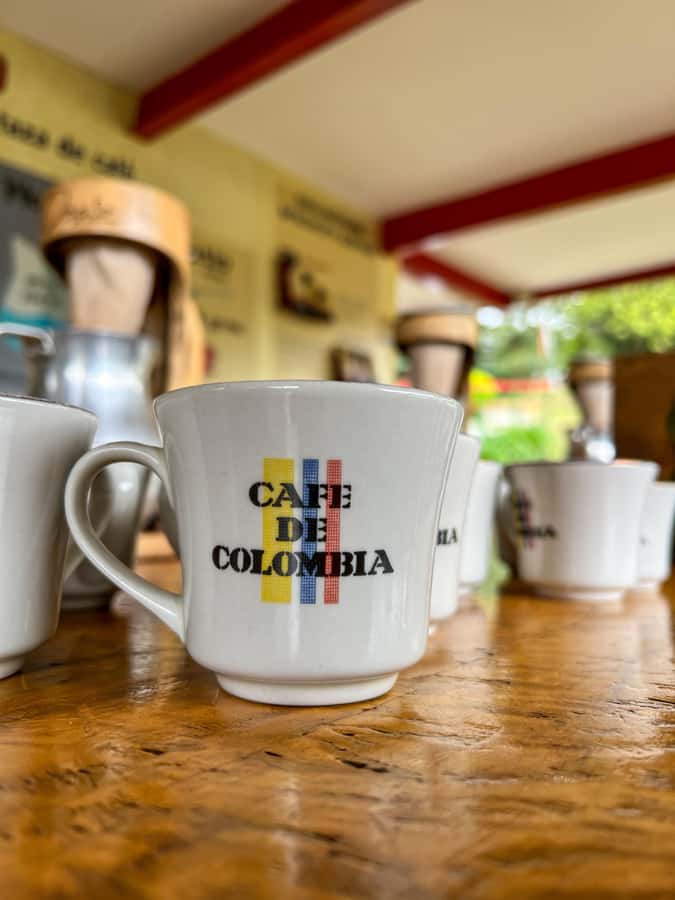
At Finca El Ocaso, coffee makes sense because you see it move from plant to cup in the same place. You’ll walk through the gardens, pick and sow coffee, inspect the processing plant, and finish with traditional Colombian coffee prepared in a cloth strainer and pot.
I like the hands-on harvest and the clear look at sustainable farming, including composting, fertilization, local plants, and wildlife. I also like the price: at $14, this is an unusually useful introduction to Colombian coffee. The main drawback is the rough, partly unpaved road from Salento, and transportation costs extra.
Key points to know
- A full coffee story in 90 minutes: You cover planting, harvesting, processing, drying, storage, roasting, and brewing without giving up most of your day.
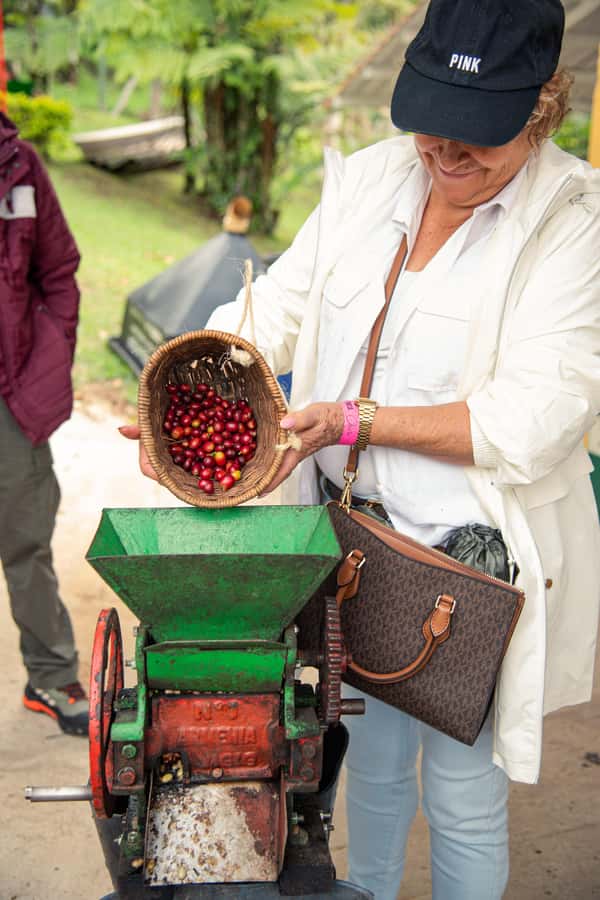
- Harvesting is part of the tour: You do more than watch. You can take part in cultivating coffee cherries and sowing coffee.
- English guides make the process easy to follow: Nicolas and Johnathan are praised for clear English, humor, and patient answers.
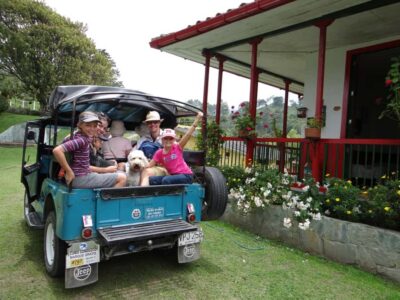
- The farm is 4 km from Salento: A Willys Jeep from the main square is the practical choice, but it is not included in the $14 price.
- Traditional methods share the stage with machinery: You see pulping and mechanical drying, then learn about cloth-filter coffee made in a pot.
- The setting is part of the appeal: Coffee gardens, plantations, local flora, fauna, and mountain scenery give the tour a strong sense of place.
From coffee cherry to morning cup
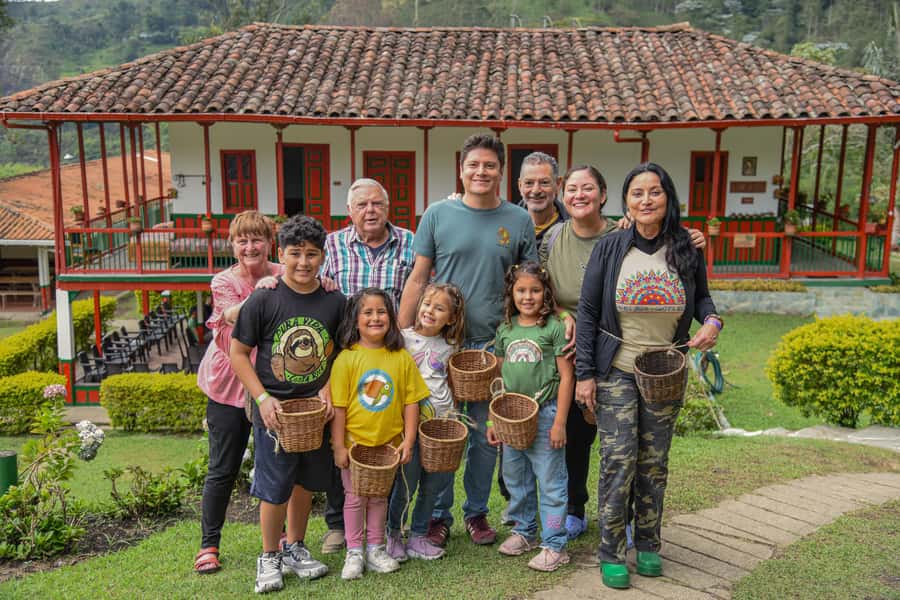
Many coffee tours stop at a few plants and a tasting table. Finca El Ocaso gives you a more useful chain of events. You begin with the coffee tree and end with extraction, so each stage answers a question raised by the last one.
You’ll learn about the history of coffee, the main coffee species, and the basic growth cycle. This may sound like classroom material, but it helps you understand why a coffee farm needs patience. The final drink is not the result of one clever roasting trick. It depends on the plant, the harvest, the drying, the storage, and the preparation.
The tour lasts about 1.5 hours. That is enough time for a proper introduction without turning the visit into an all-day commitment. I’d allow extra time around the scheduled start, since you still need to reach the farm from Salento and arrange your return.
A few more coffee tours around Colombia worth a look
- Medellin: Coffee Tour with Transport, Snacks and Tastings
★ 4.7 · 1,357 reviews - Medellín Coffee Farm Tour with Trolley and Cable Car Ride
★ 4.9 · 277 reviews - Coffee Tour at the Finca del Café
★ 5.0 · 213 reviews
Reaching Finca El Ocaso from Salento
The farm is about 4 km from Salento. You can take a Willys Jeep from the town square, a practical detail worth planning before you leave town. The ride is not included in the ticket, so add that cost to the $14 tour price.
The access road is tertiary and not completely paved. In plain terms, expect a rougher ride than the short distance suggests. This is not a reason to skip the farm, but it is a reason to avoid treating the transfer as an afterthought.
A normal taxi may also be possible for the outward trip, while a Willys Jeep can be the cheaper option for returning to Salento. One visitor paid 4,000 Colombian pesos per person for the Jeep back. Prices can change, so use that figure as a guide rather than a promise.
The farm is also a good match for anyone who wants a rural visit without arranging a long transfer from the city. You get a traditional working farm, a public coffee house, and a focused tour close to Salento.
Walking through the gardens and coffee trees
The first outdoor part covers planting and growth. You’ll visit the gardens and coffee plantations, see how coffee trees fit into the farm, and learn about sowing and cultivation.
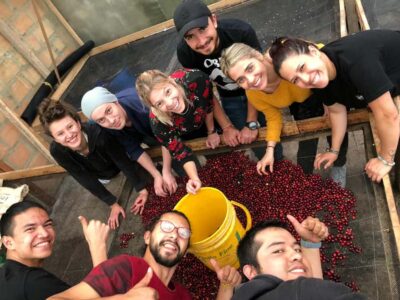
The harvest section gives the visit its best hands-on moment. You can harvest like a Colombian coffee picker and take part in cultivating coffee cherries. That small task matters because coffee production is labor intensive, and picking is not simply a matter of clearing every red fruit from a branch.
You’ll also work with sowing, which connects the mature plants to the next crop. This makes the tour useful for families, first-time coffee drinkers, and anyone who wants more than a polished explanation beside a coffee shop.
The farm’s setting adds to the experience. You’ll see plantation rows, gardens, and broad scenery rather than a sealed production facility. Bring insect repellent, especially if you plan to spend much of the visit outdoors.
Compost, fertilization, and sustainable farming
Sustainability is not treated as a slogan here. The tour includes a composting and crop fertilization station, along with an explanation of the farm’s sustainable production certifications.
You’ll also hear about fauna and flora. That gives the farm visit a wider frame: coffee is part of an agricultural ecosystem, not just a crop placed in neat rows. The practical value is that you can connect soil care and plant health with the coffee in your cup.
I like this section because it keeps the coffee story grounded. You are not only shown the profitable part of farming. You also see the care needed to keep soil productive and the farm functioning over time.
The exact certification names are not given, so you should not expect a technical audit during the tour. Instead, think of this as a clear introduction to the farm’s approach, supported by a visit to the relevant work areas.
Same place, a different way to drink it:
- Medellin: Coffee Tour and Wellness Spa
★ 4.8 · 209 reviews - Salento: Private Cocora Valley, Salento & Coffee Farm Tour
★ 4.9 · 202 reviews - Medellin: Coffee Tour with Hotel Transfers and Meals
★ 4.9 · 186 reviews - Medellin: Horseback Riding Coffee Farm Tour with Coffee Spa
★ 4.8 · 151 reviews
Inside the processing plant
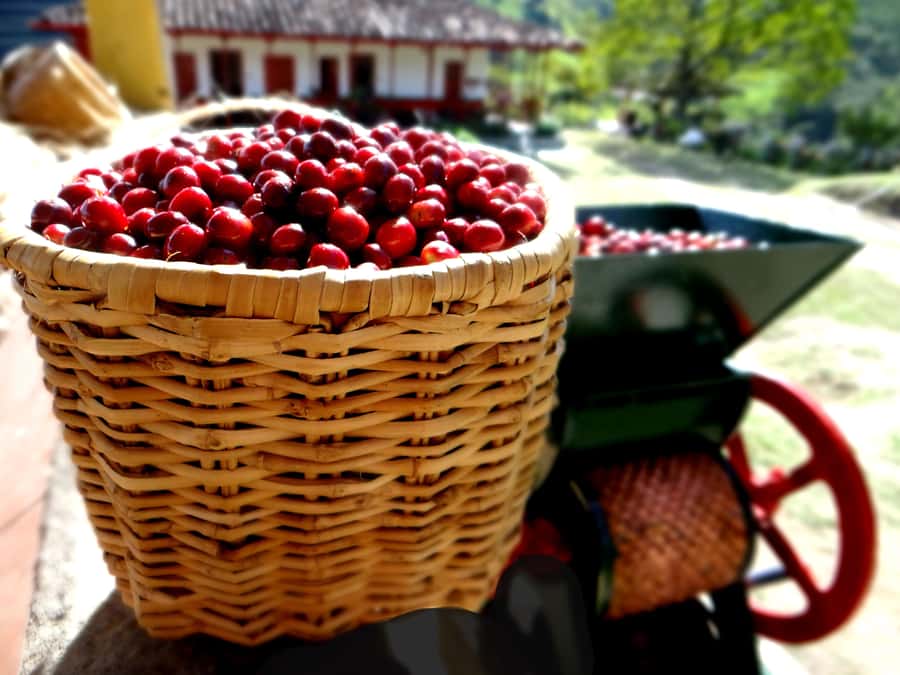
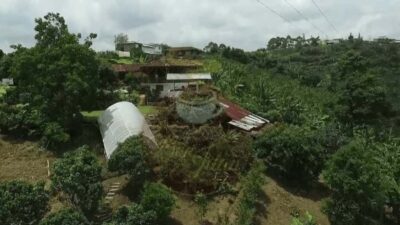
After the plantation, the tour moves into the processing side of coffee production. You’ll see the hopper, pulper, mechanical dryer, and traditional drying areas.
This is where a coffee cherry stops looking like a fruit and starts becoming a product ready for later stages. The hopper receives the harvested coffee, and the pulper removes the outer fruit. The tour then shows two drying approaches, mechanical drying and traditional drying.
Seeing both methods is useful because it turns an abstract production term into something physical. You can compare the equipment-based approach with the slower traditional method and understand that drying is a major part of coffee quality.
The machinery section may be the most technical part of the visit. If you prefer scenery and tasting to equipment, it could feel less exciting. Still, this is the part that gives the farm tour substance. Without processing, the harvest story ends too early.
Storage, threshing, and selling the crop
The tour continues to the storage warehouse, threshing, and coffee marketing. These stages are easy to ignore when you buy a finished cup, but they help explain how farm work becomes a saleable product.
Storage matters because coffee must be kept in suitable condition before later processing or sale. Threshing prepares the beans for the next step, and marketing shows that producing coffee is only part of the business. A farm must also move its product into the market.
You won’t get a long business seminar in a 1.5-hour tour, but you will see the broad route from field to customer. I find that useful because it prevents the common mistake of thinking that harvesting is the end of coffee production.
This section also makes the $14 price easier to judge. You are paying for access to several working areas and for a guide who links them together, not only for a sample drink at the end.
Roasting and the final coffee preparation
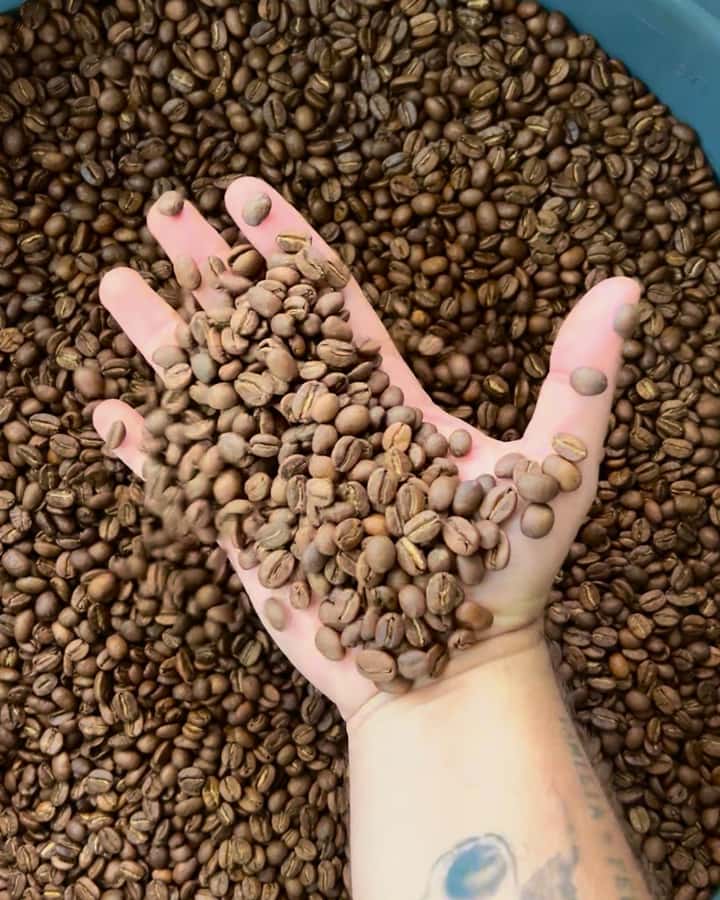
Roasting is covered next, with an explanation of different roasting types and why they matter to quality. This is an important bridge between production and flavor.
The tour then gives you the basics of correct coffee extraction. You’ll see traditional coffee prepared in a cloth strainer and pot, a simple method with a strong connection to everyday Colombian coffee culture.
The final preparation is not presented as a fancy café performance. That is part of its value. You get to see how coffee can be made with a basic cloth filter and pot, then connect the method to the beans you have just followed around the farm.
A tasting is part of the experience, and it gives you a chance to judge the result for yourself. If you normally drink coffee with milk or sugar, this is a good moment to notice the flavor before adding anything.
Guides Nicolas and Johnathan receive especially strong praise for their English, humor, and ability to answer questions. Nicolas may speak a little fast at times, so ask him to slow down if you need more time with the technical terms. The tour remains a better choice for English speakers than a visit that relies on a short printed explanation.
The guides and the pace of the visit
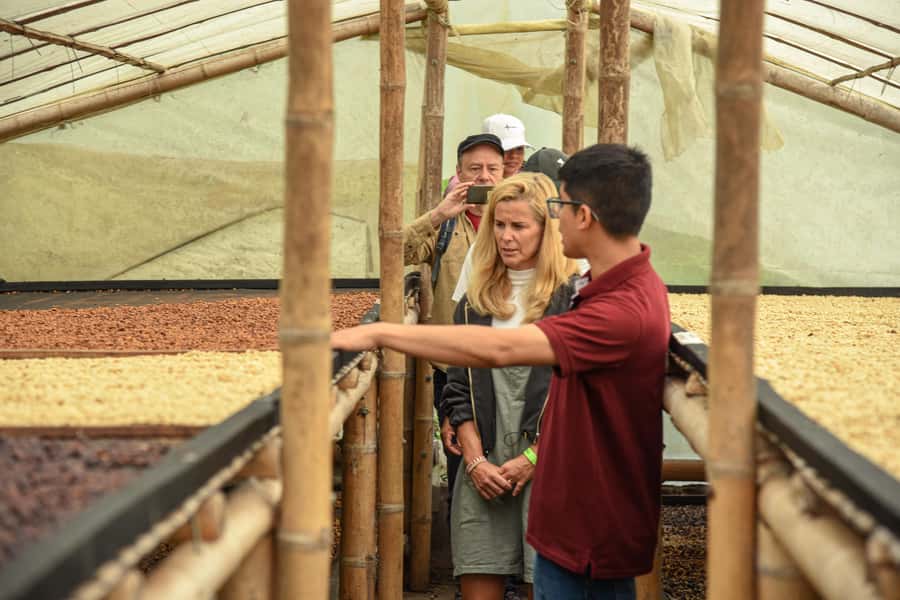
The guide makes a big difference here because coffee production involves several unfamiliar words and steps. A good guide keeps the process in order: tree, cherry, processing, drying, storage, roasting, and extraction.
Nicolas is described as funny and clear, with strong English and a lively approach. Johnathan is also praised for his excellent English and for answering questions. You should expect a guide-led experience rather than a self-guided walk through the farm.
The pace appears active but manageable. You walk through outdoor areas, stop at work stations, and move between the plantation and processing facilities. The tour is short enough for a morning or afternoon plan, but you should wear practical footwear for farm paths and bring insect repellent.
The information can move quickly, especially when the guide is explaining the production sequence. I’d stay engaged and ask questions as you go. This is not a tour where you need to memorize every term. The goal is to leave understanding how the stages connect.
What the $14 price delivers
At $14 per person, the tour offers good value if you want an educational farm visit rather than a quick coffee tasting. The fee includes the guided tour in English and covers the outdoor plantation visit, harvesting and sowing activities, sustainability section, processing plant, storage areas, roasting explanation, and coffee preparation.
Transportation is not included. Food and other drinks are not included either, so your true cost will be the ticket plus the Willys Jeep or other ride to and from the farm.
The value improves if you care about process. You are shown enough of the chain to understand why one coffee can taste different from another. If you only want to drink coffee in a scenic setting, a café stop in Salento may suit you better.
The farm also has a coffee house open to the public. That gives you a place to spend more time around the coffee experience, though the supplied details do not specify what food or drinks are available there.
Who should book this coffee tour
I’d choose this tour if you are staying in Salento and want a short, practical introduction to Colombian coffee. It suits first-time coffee visitors, people curious about farming, and anyone who likes seeing a product made from start to finish.
Families may appreciate the harvest and sowing activities because they turn the tour into something you do, not just something you hear about. Coffee enthusiasts will get useful basics on roasting and extraction, though serious specialists may want a longer technical workshop.
The tour also suits visitors who want to support a traditional farm with sustainable production practices. You see the farm’s growing areas, composting work, processing rooms, and storage instead of visiting only a gift shop or tasting counter.
I would think twice if you dislike rough rural roads, outdoor walking, or short transfers that require separate planning. The road is partly unpaved, and the ticket does not remove the need to arrange transportation.
Booking details worth keeping in mind
You can cancel up to 24 hours before the activity for a full refund. You can also reserve now and pay later, which helps if your Salento plans are still shifting.
Starting times depend on availability, so check the schedule before arranging your Jeep ride. Plan the transfer with a little breathing room rather than booking a ride that arrives at the farm exactly at the tour start.
The tour ends back at the farm meeting point. You’ll need to arrange your return to Salento after the visit, with the Willys Jeep being a practical option.
The activity is offered in English with a live guide. Bring insect repellent, and do not bring alcohol or drugs.
Should you book Finca El Ocaso?
Yes, if you want a reasonably priced, English-language coffee tour that gives you the whole production chain in a compact visit. The strongest parts are the hands-on harvest, the access to real processing areas, and guides such as Nicolas and Johnathan, who bring humor and clear explanations to a technical subject.
Book it with the road and transport costs in mind. If a partly unpaved 4 km ride does not bother you, Finca El Ocaso offers a grounded look at Colombian coffee for $14. If you want only a polished tasting with no farm logistics, choose a coffee house in Salento instead.
FAQ
How long does the coffee tour last?
The tour lasts 1.5 hours. Check availability for the available starting times.
Is the tour conducted in English?
Yes. The activity includes a live English-speaking guide.
How do I reach the farm from Salento?
The farm is about 4 km from Salento. You can take a Willys Jeep from the square in Salento. Transportation is not included in the tour price.
What will I see during the tour?
You’ll visit coffee gardens and plantations, learn about planting and growth, take part in harvesting and sowing, and see composting, fertilization, processing, drying, storage, threshing, roasting, and coffee preparation.
Is food or transportation included?
No. The ticket includes the guided English tour only. Food, drinks, and transportation are not included.
What should I bring?
Bring insect repellent. Alcohol and drugs are not allowed.
Just added around Colombia
- Best Coffee Tour from Medellin with Lunch and Transportation★ 5.0 · 24 reviews
- Private Tour to Coffee Farm (farm of your choice)★ 5.0 · 2 reviews
- Medellin: Coffee Farm Tour & Spa with Overnight Glamping★ 4.5 · 3 reviews
- Most complete COFFEE TOUR at local family farm★ 5.0 · 2 reviews
- Minca: Hidden Waterfall + Coffee and Cocoa Workshop★ 4.9 · 6 reviews
- Medellin: Coffee and fruit tour★ 4.9 · 12 reviews
- Medellin: Glamping Spa and coffee tour Experience★ 3.7 · 3 reviews
- From Medellin: Day Trip to a Jardin Coffee Plantation★ 4.5 · 16 reviews
Salento Coffee Tours, compared.
Private Cocora Valley, Salento & Coffee Farm Tour
Read our review →
Coffee Tour at Finca El Ocaso Salento: Traditional Spanish Farm
Read our review →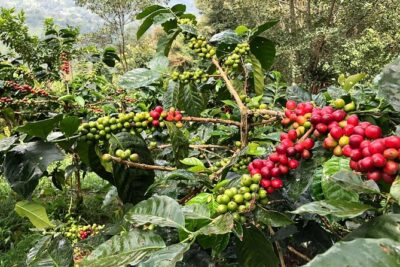

Salento and Cócora Tour + Coffee Farm from Pereira/Armenia
Read our review →
Browse the lists this tour appears in