
Review · DA LAT
Experience Making specialty coffee in Da Lat City
Da Lat’s coffee story makes the most sense when you taste it cup by cup. At HuyEco Coffee Farm, you compare Arabica and Robusta from the owner’s farm, see how natural and washed processing change the flavor, then roast and brew the beans yourself. I love the hands-on roasting and the chance to taste coffee without added ingredients. I also like the small group size, capped at 10 people, which suits questions and conversation.
The main drawback is the short one-hour format. You get a focused introduction rather than a long farm visit, and the meeting point is in Da Lat city, not a broad agricultural excursion outside town. Still, at $21 per person, this is a strong value if coffee matters to you.
Key points at a glance
- Five coffees from one sustainable farm: Compare Arabica and Robusta, including natural and washed processing.
- You roast the beans yourself: Light, medium, and dark roasting show how heat changes flavor.
- A rare taste of unblended Vietnamese coffee: The cups may be sour, sweet, or fruity rather than simply bitter.
- Traditional Phin brewing: Finish by making your own Vietnamese coffee while looking over Da Lat.
- Small, focused group: The experience accepts no more than 10 people.
- Simple city meeting point: Start and finish at HuyEco Coffee Farm on Hẻm 29 Đường 3/4.
Why this Da Lat coffee experience is different
Many coffee stops in Vietnam focus on serving a finished drink. This one takes you behind the cup. You learn how the same raw ingredient can taste different depending on the coffee variety, how the cherry is processed, how long the bean is roasted, and how it is brewed.
That sequence matters. Coffee is not defined only by Arabica or Robusta. Processing and roasting can push a cup toward fruit, sweetness, acidity, bitterness, or heavier roasted notes. Here, you get to taste those changes rather than hearing only a short explanation.
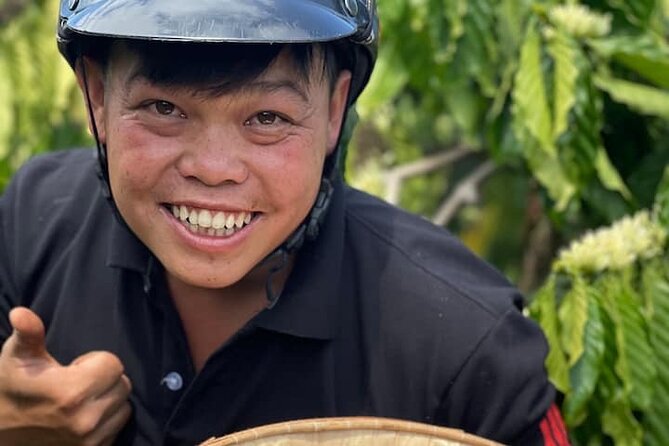
The host is a sustainable coffee farmer who also runs the coffee shop at the meeting point. That gives the experience a direct connection to the farm. You are not simply sampling anonymous beans from a menu. You are tasting coffee produced and processed by the person explaining it.
The focus is especially useful if you have spent time in Vietnam drinking sweetened coffee or condensed-milk coffee and want to understand the beans beneath the familiar preparation. The experience presents coffee in its original form, without mixing it with other ingredients.
More Specialty Coffee Tours in Vietnam
- Coffee Farm Tour with Roasting & Tasting Workshop – Da Lat
★ 5.0 · 126 reviews - Experience specialty coffee with sustainable coffee farmers
★ 4.9 · 91 reviews - Hoi An: Vietnamese Coffee Making Workshop at Local Roastery
★ 4.8 · 174 reviews
Meeting the farmer at HuyEco Coffee Farm
You meet at HuyEco Coffee Farm, Hẻm 29 Đường 3/4, Phường 3, Đà Lạt, Lâm Đồng 66000, Vietnam. The activity begins and ends at this same location, so you do not need to arrange a separate return point.
Because the experience is based in Da Lat city, it fits neatly into a day of sightseeing. You can treat it as a compact morning or afternoon activity rather than a full-day trip into the countryside. The supplied details do not include hotel pickup or transport, so you should plan to reach the meeting point on your own.
The group limit of 10 people is useful here. Coffee tasting works better when you can ask why one cup tastes sharper than another or how a processing method affects the beans. A large crowd would make the roasting and tasting feel less personal. With this size, you should have a better chance to follow the explanations and take part rather than simply watch.
The available timing is about one hour. That is long enough for a clear introduction and several tastings, but you should not expect a lengthy farm work session or a full coffee course. Go in ready for a brisk, hands-on lesson.
Five Vietnamese coffees, two main bean types
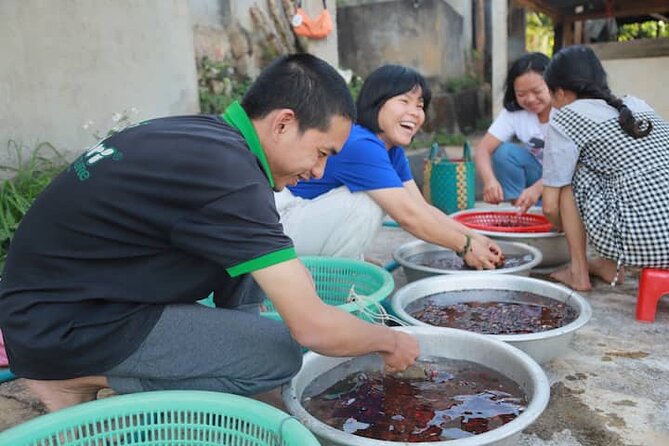
The experience introduces five types of coffee from the owner’s farm, including Arabica and Robusta. The named examples include Vietnamese Robusta with natural processing, Vietnamese Arabica with washed processing, and Vietnamese Arabica with natural processing.
This selection gives you a useful comparison. Robusta and Arabica are not interchangeable, and natural and washed processing can produce very different results even when the beans come from the same country. The point is not to decide that one category is always better. It is to notice what changes in the cup.
Natural processing leaves the coffee fruit to influence the beans as they dry. Washed processing uses a different method to remove the fruit before drying. The exact results depend on the coffee and the roast, but you may notice differences in sweetness, fruit character, acidity, and body.
The host explains how the beans are grown and processed, with time for questions. The emphasis is practical rather than abstract. You can connect what you hear about cultivation and drying with what you taste afterward.
That makes this a good choice for curious drinkers who usually order coffee but rarely think about its source. You do not need specialist vocabulary. If you can describe one cup as sharper, sweeter, lighter, or heavier than another, you already have enough to take part.
A short look at the coffee garden
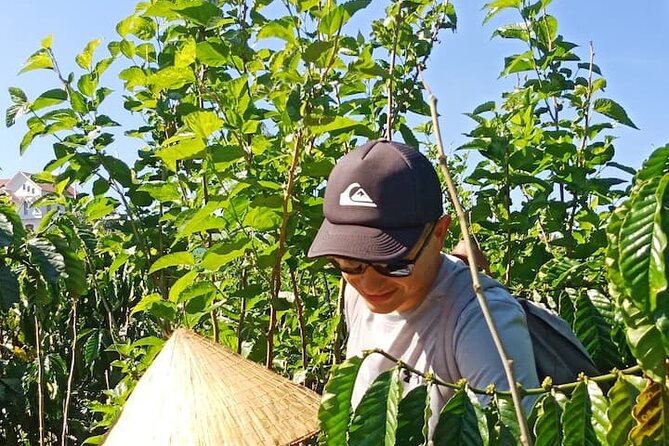
The visit includes time in the garden, where you can see the coffee plants. This is a small but important part of the experience because it links the drink in your cup to an actual crop.
The garden visit is not presented as a long agricultural tour. Instead, it gives you a chance to admire the plants and understand that coffee begins as a fruit on a tree, not as a roasted bean in a bag. The sustainable farming angle also gives context to the owner’s work and the care involved in producing the coffee.
Do not book this expecting an expansive plantation excursion. The experience is built around coffee education, tasting, roasting, and brewing, with the garden as one part of that story. If you want a broad rural outing, this may feel too compact. If you want to understand the coffee before tasting it, the garden adds just enough context.
More Roastery Tours in Da Lat:
- Cartagena: Colombian Specialty Coffee Tasting
★ 4.4 · 130 reviews - Private Coffee Roasting Class
★ 5.0 · 101 reviews - Vietnamese Bread & Brew: Banh Mi Baking Class & Specialty Coffee
★ 5.0 · 76 reviews - Santo Domingo Small Group Walking Tour: Beer and Specialty Coffee
★ 5.0 · 55 reviews
Roasting your own beans
The most hands-on part comes when you roast the coffee yourself. You compare light, medium, and dark roasts, learning through taste how roasting changes the final drink.
Light roasting generally preserves more of a bean’s original character, while darker roasting brings stronger roasted notes. The precise result depends on the bean and method, but the important lesson is clear: roast level can alter the balance between acidity, sweetness, aroma, and bitterness.
Doing this yourself makes the process easier to remember. You are not only told that roasting matters. You get to connect the color and aroma of the beans with the coffee in your cup.
This is also where the one-hour limit becomes noticeable. You will receive a focused introduction rather than unlimited time to experiment with every roast. The session aims to show the main differences, not train you as a professional roaster.
Still, the hands-on approach gives the experience real value. You leave with a better sense of why two bags labeled Vietnamese coffee can taste so different. If you buy beans later in Vietnam, you will have a more informed way to think about the roast level and flavor notes.
Tasting coffee without the usual additions
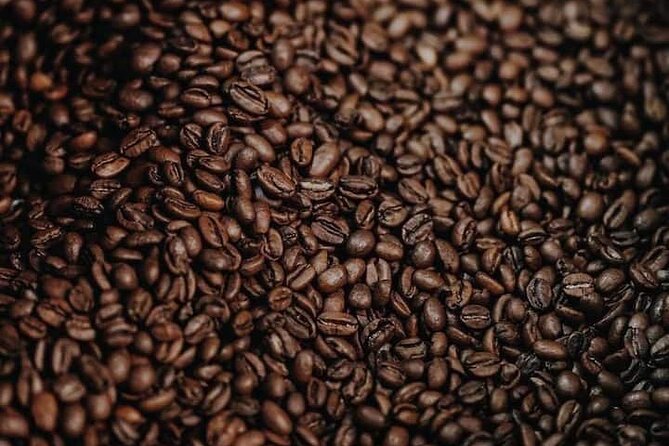
The tasting is designed around coffee in its original form. That means you can notice the bean itself instead of relying on sugar, milk, or condensed milk to shape the drink.
For many people, this will be the most surprising part. Vietnamese coffee is often associated with strong Robusta and sweet condensed milk. Here, the coffee may show sour, sweet, or fruity qualities, depending on the bean, processing method, and roast.
Those flavors can seem unfamiliar if you usually expect coffee to taste dark and bitter. Give yourself time between cups. The point is comparison, not choosing a winner after the first sip.
The host’s explanations are a key part of the tasting. You learn about the beans, drying methods, and roasting times as you sample. The experience works best if you ask questions and pay attention to the differences between cups rather than treating it as a quick caffeine stop.
One practical note: the supplied information does not describe the exact number of tasting pours or serving sizes. You should expect several styles, including the five coffees and different roast or brewing comparisons, but the precise tasting format may vary.
Finishing with a traditional Phin coffee
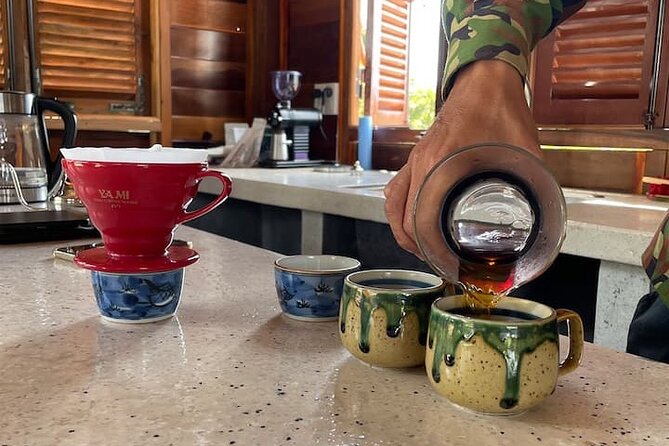
The final hands-on step is making your own traditional Phin coffee. This small metal filter is central to Vietnamese coffee culture, and using one gives you a more useful memory than simply ordering a prepared drink.
You prepare the cup yourself while watching the city. That view helps mark the change from coffee farm and garden to Da Lat coffee shop. The experience ends with a local brewing method rather than a generic espresso or filter demonstration.
The Phin is simple, but it rewards patience. Water passes slowly through the coffee, creating a concentrated drink. In Vietnam, it is often served with condensed milk, but the information provided here does not specify whether additions are part of this final cup. The clear promise is that you make your own traditional Phin coffee.
I like this ending because it gives you something you can repeat after the activity. Once you understand the basic method, you can recognize the same style in cafés around Vietnam and perhaps try making it at home.
What the $21 price gets you
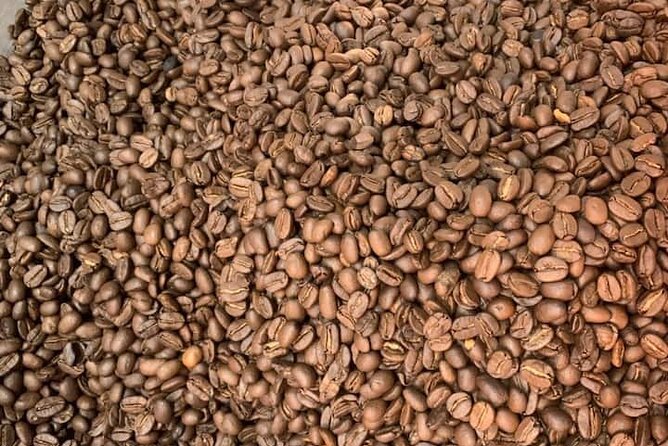
At $21 per person, this is reasonably priced for a small, guided coffee workshop. You are paying for more than a tasting. The experience combines farm context, an explanation of cultivation and processing, several coffee styles, roasting practice, and brewing instruction.
The value is strongest if you are genuinely interested in coffee. You get to taste five coffees from the host’s own farm and compare natural and washed processing, Arabica and Robusta, and light, medium, and dark roasting. Recreating that comparison independently would take time, several purchases, and access to roasting equipment.
The value is weaker if you only want a quick cup or a scenic café stop. Da Lat has plenty of places to drink coffee without spending an hour learning about it. This experience asks you to pay attention and take part.
The small group limit also helps justify the price. You are not joining a large commercial tasting where the host must rush through the same speech. The owner can answer questions and guide the practical parts, although the one-hour duration still keeps the pace tight.
Who should book this experience
I would recommend it to coffee drinkers who want to understand Vietnamese coffee beyond the familiar condensed-milk version. It suits curious beginners because you do not need prior knowledge, but it also gives experienced coffee drinkers useful comparisons between variety, processing, roast, and brewing.
It is also a good fit if you value meeting a local producer. The owner grows and processes the coffee, explains the work directly, and connects the tasting to sustainable farming on a human scale.
Families and mixed-interest groups may need to think about the format. Someone who enjoys tasting, making drinks, or asking questions should have a good time. Someone who dislikes coffee or wants a long outdoor excursion may find the activity too narrow.
The experience also works well for a short Da Lat stay. Since it lasts about an hour and starts and ends at the same city location, it does not require you to give up an entire day.
Practical details before you go
Your booking confirmation is provided at the time of booking. The activity accepts a maximum of 10 people, and the mobile ticket makes it easy to keep the booking details on your phone.
The meeting point is HuyEco Coffee Farm at Hẻm 29 Đường 3/4, Phường 3, Da Lat. Check the address carefully before setting out, since the activity does not state that transport is provided.
The cancellation policy is flexible if your plans change early. You can cancel for a full refund up to 24 hours before the local start time. Cancellations or changes made less than 24 hours before the start are not refunded or accepted.
The supplied details do not state the exact start times, age policy, accessibility arrangements, food options, or transport services. If any of those points matter to you, confirm them before booking rather than assuming they are included.
Should you book the Da Lat coffee workshop?
Book it if you want a personal, practical introduction to Vietnamese coffee. The strongest reasons are the farm-to-cup connection, the chance to taste five coffees without added ingredients, and the opportunity to roast beans and make a Phin coffee yourself.
Skip it if you are looking for a full plantation tour, a long rural outing, or only a quick drink. The session is short and focused, and its value comes from paying attention to the differences between beans, processing methods, roast levels, and brewing styles.
For $21, I think it is a smart choice for coffee fans visiting Da Lat. You leave with more than a caffeine boost: you gain a better understanding of what you are tasting and a traditional brewing method you can recognize long after the city view is gone.
FAQ
Where does the coffee experience begin?
It begins at HuyEco Coffee Farm, Hẻm 29 Đường 3/4, Phường 3, Đà Lạt, Lâm Đồng 66000, Vietnam.
Where does the activity end?
The activity ends back at the same meeting point, HuyEco Coffee Farm.
How long does the experience last?
The experience lasts approximately one hour.
How much does the experience cost?
The listed price is $21 per person.
How many people can join?
The activity has a maximum group size of 10 people.
Which types of coffee are included?
You explore five coffees from the host’s farm, including Arabica and Robusta. The named examples include Vietnamese Robusta with natural processing, Vietnamese Arabica with washed processing, and Vietnamese Arabica with natural processing.
Will I learn about coffee processing?
Yes. The host explains different processing methods, including natural and washed processing, and how processing can affect flavor.
Can I roast coffee myself?
Yes. You roast the coffee beans yourself and compare light, medium, and dark roasting styles.
Will I make Vietnamese Phin coffee?
Yes. The experience ends with you making your own traditional Phin coffee while watching the city.
Can I cancel for a full refund?
Yes, if you cancel at least 24 hours before the experience’s local start time. Cancellations made less than 24 hours before the start time are not refunded.
Just added around Da Lat
- Da Lat Trekking to Langbiang Mountain with Coffee View★ 4.5 · 6 reviews
- Coffee – Wine – Tea: Dalat Treasures tour★ 3.5 · 5 reviews
- Coffee Class and DaLat Outskirt Tour★ 4.5 · 5 reviews
- VIP Dalat 3 waterfalls – Datanla, Elephant Pongour & Coffee Tour★ 5.0 · 8 reviews
- Tea & Coffee Tour★ 4.8 · 5 reviews
- DALAT EASY RIDER GROUP TOUR – PONGOUR FALL – SILK- COFFEE..★ 5.0 · 6 reviews
- Dalat Group Easy Rider – Elephant Fall-Pagoda-Weasel Coffee…★ 5.0 · 7 reviews
- Dalat: MOTORBIKE TOUR TO PONGOUR FALLS- SILK- COFFEE FARM★ 4.9 · 52 reviews
Specialty Coffee & Roastery Tours, compared.
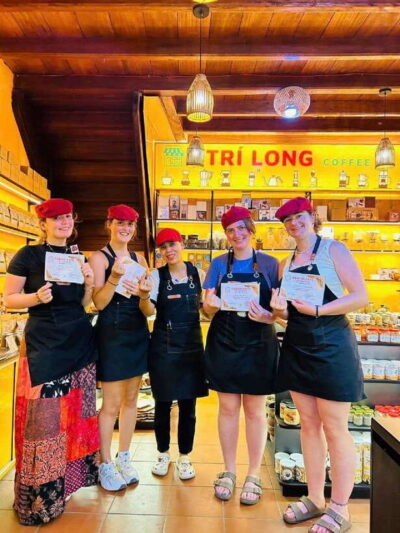
Vietnamese Coffee Making Workshop at Local Roastery
Read our review →
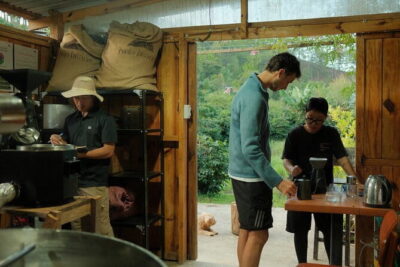
Coffee Farm Tour with Roasting & Tasting Workshop – Da Lat
Read our review →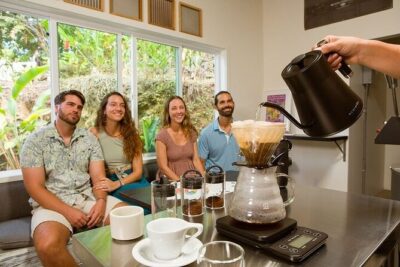
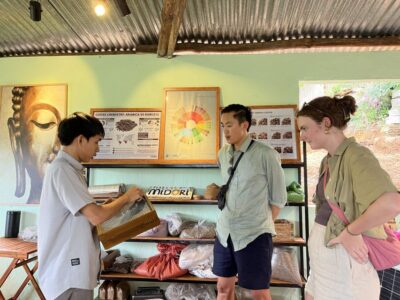
Experience specialty coffee with sustainable coffee farmers
Read our review →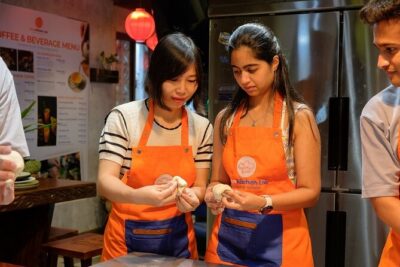
Vietnamese Bread & Brew: Banh Mi Baking Class & Specialty Coffee
Read our review →
Santo Domingo Small Group Walking Tour: Beer and Specialty Coffee
Read our review →
Browse the lists this tour appears in