
Review · BIG ISLAND
Kona Coffee Farm Tour from Tree to Tasting Room
Kona coffee makes the most sense when you see it at the source. At Bay View Farm, you walk beneath coffee trees, follow the beans through the farm’s mill and drying sheds, then finish with fresh-roasted coffee near the gift shop. The setting includes broad views toward the bay and a small working farm feel rather than a polished visitor center.
I like two things right away: the $5 price makes this one of the Big Island’s best-value stops, and the small group size lets you ask real questions. Guides including Sheri, Jason, and Iwa have explained everything from coffee blooms to agriculture problems, and some tours turn into private visits when attendance is light.
The main drawback is that the tour is casual and farm operations may not be running during your visit. One unhappy visitor found the machinery idle and the tasting limited to coffee in three thermoses, so you should come for a close look at a small farm, not a theatrical production.
Key points to know before you go
- Coffee from tree to cup: Follow harvesting, hulling, grading, drying, roasting, and packaging in one compact visit.
- A working small farm: Walk among coffee, mango, avocado, banana, and tea plants, with farm animals and local fruit adding to the stop.
- Fresh 100% Kona coffee: Taste coffee roasted on-site only days earlier, with several varieties available at times.
- Excellent value: The tour costs $5 per group of up to 15 people, with a discount voucher for coffee purchases.
- Beautiful Captain Cook setting: The farm includes views toward the bay and a quiet rural road lined with small local businesses.
- Light walking in English: The tour lasts about one to two hours, starts and ends at the farm, and most people can take part.
Why this small Captain Cook farm is worth your time
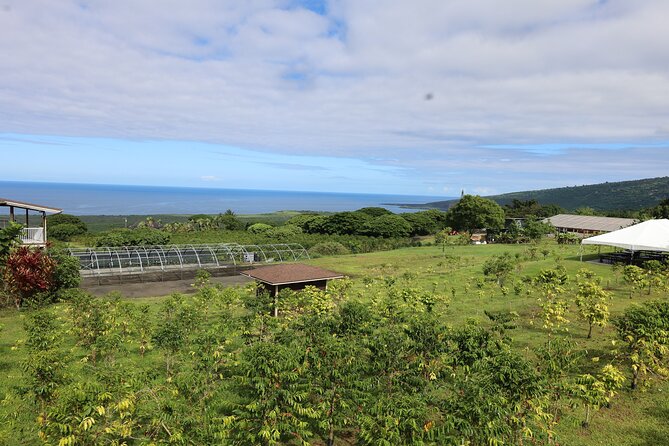
Kona coffee has a famous name, but a farm visit helps explain why. Bay View Farm sits in the Captain Cook area on the western side of the Big Island, where volcanic soil, elevation, weather, and careful handwork all affect the final bean.
This is not a large plantation with a long tram ride. The operation feels small and personal, which is its greatest strength. You can stand close to the trees, ask about pests and fungus, and see equipment that would be easy to miss on a more scripted tour.
I would allow at least an hour, even though the core walk can be shorter. The supplied timing is about one to two hours, and the extra time may go toward questions, tasting, shopping, or looking over the fruit trees and grounds.
The tour is offered in English. It is a good fit if you want context before buying Kona coffee, or if you are simply curious about how a crop moves from a flower on a tree to a packaged product.
More Coffee Farm Tours in the USA
- Award Winning Farm Tour: Coffee, Chocolate and Unique Gifts
★ 5.0 · 484 reviews - Big Island: Volcanoes, Waterfalls, & Coffee Farm Day-Trip
★ 4.9 · 414 reviews - Small-Group Big Island Tour: Hawaii Volcanoes National Park and Kona Coffee Farm
★ 5.0 · 343 reviews
Starting under the coffee trees
The visit begins at 83-5249 Painted Church Road in Captain Cook. Turn toward the gift shop as you enter the property. One useful arrival tip is to avoid accidentally pulling into a nearby private driveway, since the farm entrance can be easy to misread.
Your guide starts among the coffee trees. You learn about the particular coffee grown in Kona, the stages of a coffee tree’s life, and the work involved before a bean reaches the mill. This first section gives you the basic vocabulary for the rest of the tour.
Look for coffee blossoms, developing fruit, and mature beans if the season allows. The exact appearance of the trees will vary, but the point is to see that coffee is an agricultural crop with a long cycle, not something that begins inside a roasting machine.
The farm also deals with practical problems such as pests and fungus. That detail matters because it takes some of the romance out of the product in a useful way. Kona coffee depends on weather, soil, plant care, harvesting, and processing, not just a good roast.
Guides have been praised for handling detailed questions about agriculture. Sheri, Jason, and Iwa are among the guides named by people who enjoyed the visit. Names and staffing can change, but the experience is built around conversation rather than a recorded presentation.
Walking past fruit trees and tea plants
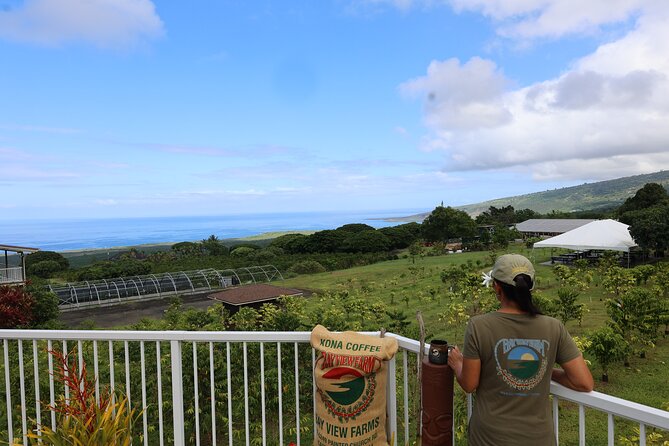
After the coffee trees, the route passes mango, avocado, banana, and tea plants. This is one of the more appealing parts of the visit for anyone who wants to see everyday farm life in Hawaii rather than only a row of coffee trees.
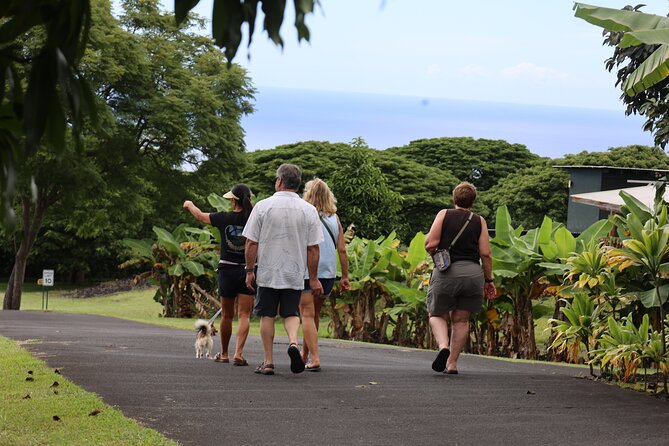
The mix of crops also puts Kona coffee in context. Small farms often grow more than one useful or edible plant, and Bay View Farm gives you a glimpse of that broader pattern. You may also see animals on the property, and two friendly farm dogs, Dusty and Honey, have added to the welcome on some visits.
Expect light walking, not a strenuous hike. The path moves around the property and into the farm’s work areas, so wear shoes you can comfortably use outdoors. The area can receive rain, and the tour operates in a relaxed way even when the weather turns wet.
The road to the farm is another practical consideration. It can be narrow and winding, especially as you make your way through the rural coffee country. Give yourself time, drive carefully, and do not treat this as a quick roadside coffee stop if you are coming from farther away.
Seeing the mill, drying area, and grading equipment
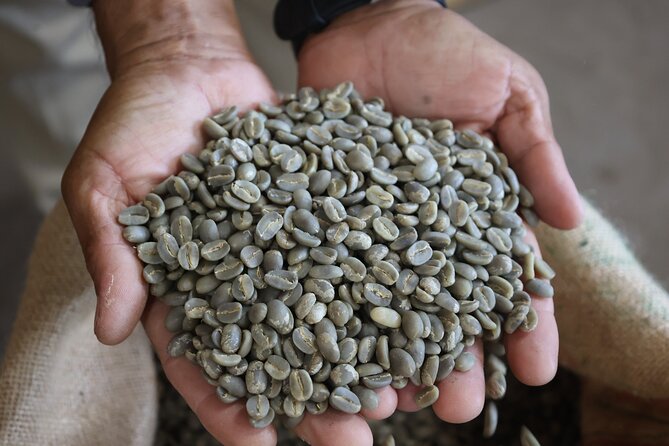
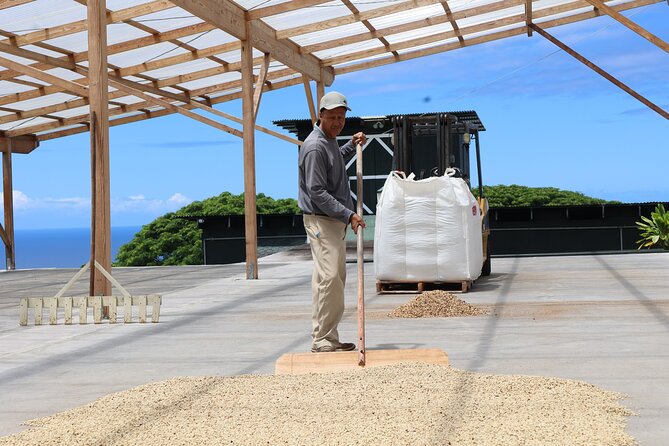
The strongest educational section comes next, when you reach the on-site mill and drying facility. Here you can follow the basic chain from harvested coffee fruit to a usable bean.
The process includes hulling, grading, drying, and roasting. A guide explains what each stage does and why careful processing affects the final cup. Seeing the machines gives you a clearer idea of how much work sits between the tree and the coffee bag in your kitchen.
Bay View Farm also has a USDA-classifying machine and a gravity table. These are specific pieces of equipment, not just display props in a general agricultural exhibit. The gravity table helps separate beans by density, while the classification machine is part of the farm’s grading process.
The scale is important. You are not visiting a huge industrial plant. Some equipment may be idle during your visit, especially if the farm is between processing tasks. One account described seeing the machines but not seeing them operate, which made the process feel less complete.
That is the honest tradeoff. A small farm can offer access and conversation that a larger operation may not, but it cannot promise a live demonstration of every step on every day. If operating machinery is essential to you, ask at booking or on arrival what will be active that day.
More Coffee Tastings in the USA
- Seattle Coffee Tour: Capitol Hill Cafes, Tastings & Local Stories
★ 5.0 · 489 reviews - Coffee & Food Tastings at Pike Place Market
★ 5.0 · 67 reviews - Little Havana Walking Tour – Food Tastings, Traditions & Music
★ 4.5 · 8 reviews - Phoenix: Coffee Tasting Digital Passport
★ 5.0 · 7 reviews
Finishing with fresh coffee in the roasting room
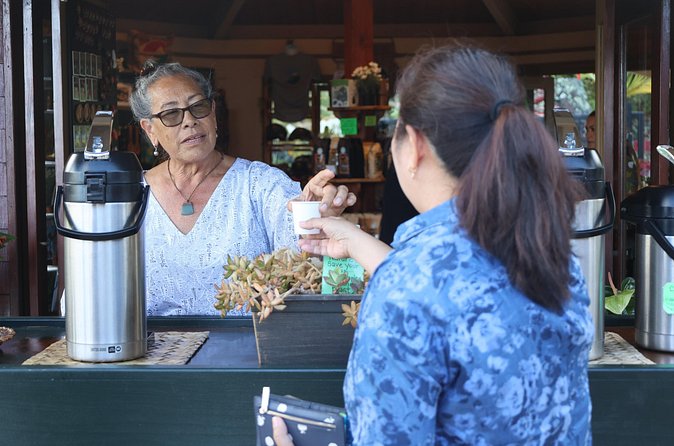
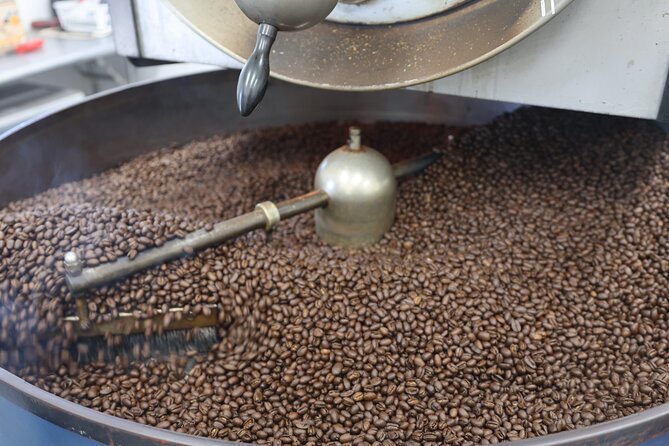
The route ends in the roasting room and tasting area. The coffee is roasted on-site, and the farm says the samples are typically only days from roasting. That short gap is a real advantage for anyone interested in freshness.
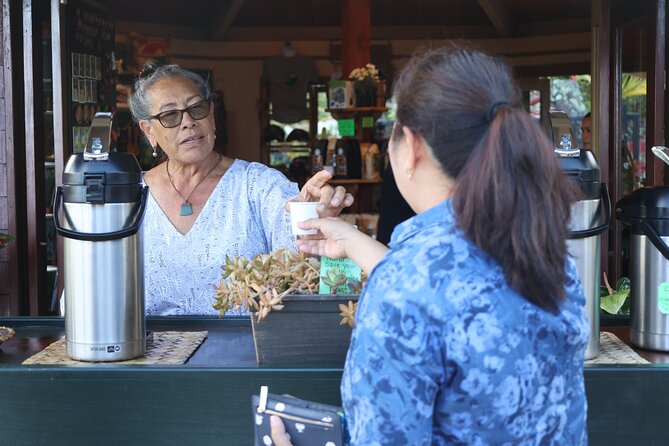
You may taste three kinds of coffee, depending on the day’s setup. Some visits include coffee served from thermoses in front of the gift shop rather than a formal seated tasting. That arrangement is simple, and it may feel underwhelming if you expect a café-style flight with a detailed tasting sheet.
Still, the tasting does what it needs to do: it lets you compare the farm’s coffee after hearing how it was produced. I recommend tasting before you buy so you can decide which roast or style suits you.
Coffee quality is naturally personal, but the farm has earned strong praise for its cups. One guide may explain the difference between products, while another may focus more on the farm story. Ask questions as you taste. This is where the small group format helps most.
Banana bread has also been available during some visits. It is not listed as a guaranteed part of the tour, so treat it as a pleasant extra rather than a promised feature.
Shopping for 100% Kona coffee and local products
The gift shop is small but well stocked with local items. You can buy 100% Kona coffee to take home, along with fruit and other products from the farm when available.
The included discount voucher improves the value of a purchase. Some visitors have also received the $5 tour charge back after buying coffee or mangoes, but that appears to depend on the farm’s current policy. Ask before paying if this matters to your budget.
You can also have beans ground at the farm if you prefer not to do it at home. That is a useful service when you are buying coffee for a drip machine, French press, or another method and want to use it soon.
Do not rush through the shop. The farm’s coffee is the main souvenir, but the local fruit and small selection of products make the stop feel connected to the property rather than like a generic retail counter.
The bay view from the gift shop is another reason to linger. It is a broad, open view that gives the tour a sense of place. Bring a camera if you enjoy simple rural scenery, but keep your expectations in line with a farm visit rather than a dedicated viewpoint excursion.
The $5 price and what you really get
At $5 per group of up to 15 people, this is unusually inexpensive. The price is not per person, which makes it especially strong for a family or group. Even if you come alone, the cost remains low compared with most paid attractions on the island.
The value comes from access to several parts of the farm in one visit: the trees, fruit plants, mill, drying area, grading equipment, roasting room, tasting area, and shop. You also get time with a guide who can answer questions instead of simply pointing out signs.
The low cost does not guarantee a polished production. The tour can feel quiet, informal, and lightly structured. On a slow day, you might receive a private tour. On another day, the guide may move quickly or the machines may not be running.
That is why I would book it as an affordable introduction to Kona coffee, not as the only coffee experience you have on the island. If you want a highly designed tasting event, this may feel too basic. If you value access, conversation, and a good price, it is hard to complain about the cost.
Who will enjoy Bay View Farm most
You should consider this tour if you:
- Want to understand how Kona coffee is grown and processed
- Prefer small farms to large commercial attractions
- Like asking questions about crops, pests, roasting, and farm work
- Want to buy fresh 100% Kona coffee directly from the producer
- Are traveling with family or friends and want an inexpensive stop
- Enjoy fruit trees, quiet rural roads, and views toward the bay
- Are not a serious coffee drinker but like learning how food is produced
It also works well as an add-on while exploring the Captain Cook area. The road near the farm includes local fruit stands and other small stops, so you can combine the visit with a slower drive through the district.
You may want to skip it if you need guaranteed live machinery demonstrations, a formal tasting presentation, or a large selection of amenities. The farm is small, and the casual format is part of the experience.
Timing, group size, and practical details
The experience lasts about one to two hours. The farm lists a maximum of 15 people, which keeps the group small enough for questions. On dates with very light attendance, you may end up with a private or nearly private tour, though that is not guaranteed.
The activity begins and ends at the farm. You arrange your own transportation to 83-5249 Painted Church Road in Captain Cook. Mobile tickets are accepted, and confirmation is provided when you book.
Most people can take part, and the walking is described as light. The tour is offered in English. Since the route moves outdoors and through farm work areas, practical shoes and a light rain layer make sense, especially in a place where afternoon showers can add to the farm’s quiet charm.
You can cancel for a full refund up to 24 hours before the start time. Changes or cancellations inside 24 hours are not accepted for a refund, and the local time at the farm controls the cutoff.
Should you book the Kona coffee farm tour?
I would book Bay View Farm if you want a low-cost, personal look at Kona coffee with a real chance to talk with the guide. The $5 group price, fresh tasting, small farm setting, fruit trees, bay views, and chance to buy coffee directly make it a smart stop near Captain Cook.
Go with the right expectations. This is a casual farm walk, not a major attraction. Machinery may be quiet, the tasting may be simple, and the presentation can depend on the guide and the day’s farm work.
For most people already exploring the Kona coast, the risk is small and the potential value is high. Ask about the discount before shopping, allow time for the winding road, and leave room in your itinerary for a relaxed visit rather than a timed performance.
FAQ
Where does the Kona coffee farm tour begin?
The tour begins at Bay View Farm, located at 83-5249 Painted Church Road, Captain Cook, Hawaii 96704.
How long does the tour last?
The tour lasts about one to two hours, with the farm walk itself listed at approximately one hour.
How much does the tour cost?
The price is $5 per group of up to 15 people.
What will I see during the visit?
You will see coffee trees, fruit and tea plants, the on-site mill, drying facilities, hulling and grading equipment, the USDA-classifying machine, gravity table, roasting room, and tasting area.
Is coffee tasting included?
Yes. The tour ends with coffee tasting. The farm offers fresh 100% Kona coffee roasted on-site, and some visits include samples of three coffee varieties.
Can I buy coffee at the farm?
Yes. You can purchase Kona coffee and other local products at the gift shop. An included discount voucher is available for coffee purchases.
Is the tour offered in English?
Yes. The tour is offered in English.
Can I cancel for a refund?
Yes. You can receive a full refund if you cancel at least 24 hours before the experience starts. Cancellations or changes made within 24 hours are not refunded.
More Food and Drink Tours in the USA
- Kona Coffee Tasting: A Farm to Cup Experience
★ 5.0 · 5 reviews - Hawaii: Hala Tree Coffee Farm Tour and Tasting
★ 5.0 · 4 reviews - 4×4 Dominican Adventure with Chocolate and Coffee Tasting
★ 5.0 · 2,920 reviews - 4×4 ATV Experience, Water Cave, Chocolate and Coffee Tasting
★ 5.0 · 1,430 reviews
Just added around the USA
- Roasted in Seattle Bean to Cup Coffee Tour★ 5.0 · 5 reviews
- Roasted in Seattle: Bean to Cup Coffee Tour★ 5.0 · 15 reviews
- Roast Your Own Coffee★ 5.0 · 2 reviews
- Coffee Roasters of Portland Eastside Walking Tour★ 5.0 · 7 reviews
- Kona Coffee Tasting: A Farm to Cup Experience★ 5.0 · 5 reviews
- Turkish Coffee Fortune Reading★ 5.0 · 15 reviews
- Historic Grounds: A Music City History and Coffee Morning Tour★ 5.0 · 19 reviews
- The Little Havana Walking Tour: A Taste of Cuba in Miami★ 4.5 · 2 reviews
Coffee Farm Tours, compared.
Award Winning Farm Tour: Coffee, Chocolate and Unique Gifts
Read our review →
La Herradura Coffee Farm: tour in Europe’s only plantation
Read our review →
Medellín Coffee Farm Tour with Trolley and Cable Car Ride
Read our review →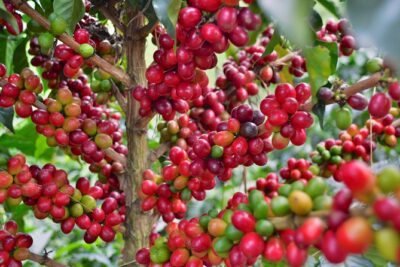

Private Cocora Valley, Salento & Coffee Farm Tour
Read our review →
Liamuiga Natural Farm Tour – St.Kitts’ Coffee Farm
Read our review →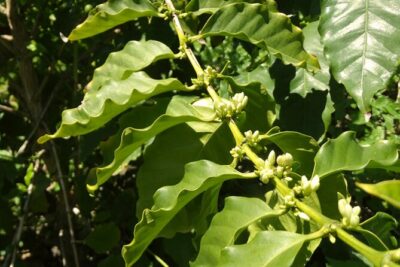
Horseback Riding Coffee Farm Tour with Coffee Spa
Read our review →Browse the lists this tour appears in