
Review · MEDELLIN
Private coffee tour near Medellín, from bean to cup.
The best part of this private coffee tour near Medellín is that you do not simply watch coffee being made. You pick ripe red berries, examine the seed inside, and follow the beans from the mountain to the cup. I like the family-run setting and the chance to taste several brewing methods, not just drink one prepared cup.
I also like that transportation and farm admission are included, and your party travels alone with a guide. The main drawback is the farm itself: this is working mountain farmland, not a polished attraction. Expect mosquitoes, uneven walking, and weather exposure. Wear long pants and sleeves, and use the offered bug spray.
Key points to know before booking
- Pick coffee berries yourself: You can collect ripe cherries on the hillside and add them to the farm’s next batch.
- Meet a two-generation coffee family: The visit takes place at a real family farm in Sabaneta, about 20 to 30 minutes from Medellín, depending on traffic.
- Follow coffee from seed to cup: You learn about planting, processing, fermentation, drying, roasting, and brewing.
- Taste several preparation methods: The farm serves its coffee in different styles and may also prepare tea from coffee husks.
- Private transportation and guiding: Only your party takes part, with guides such as Oscar, Mario, or Yuly handling the visit.
- Prepare for a farm, not a paved park: Mosquitoes and rough paths are part of the setting, so moderate fitness and sensible clothing matter.
Why this Sabaneta coffee farm feels different
Colombia is famous for coffee, but a café tasting in Medellín can leave a lot out. This visit takes you to the source, where coffee grows on a family farm and the work is still tied to the soil, weather, processing equipment, and people who produce it.
The farm has been worked by two generations of the same family. That matters because you are not being shown a staged coffee museum. You see a working operation and learn how each step changes the final flavor. The visit connects the red fruit on the plant with the beans sold in a bag and the drink in your cup.
The setting is close enough to Medellín for a half-day outing. Sabaneta is roughly 20 to 30 minutes away by car, although traffic can change the transfer time. That makes this a practical choice if you want a coffee experience without spending a full day traveling into the countryside.
The private format is another real advantage. You do not share the guide with a large group, so you can ask questions, move at a pace that suits your party, and spend more time on the parts you find interesting. If you are serious about coffee, that flexibility is worth more than a quick photo stop.
A few more coffee tours around Medellin worth a look
- Coffee & Chocolate Private Tour in Medellin: Genuine Experience
★ 5.0 · 100 reviews - Private Guatape tour
★ 5.0 · 46 reviews - Comuna 13 & Coffee Farm Private Tour in Medellin | The Best Combo
★ 5.0 · 46 reviews
From Medellín to Sabaneta by private car
Your day begins with private transportation from Medellín. Pickup details are arranged when you book, and past departures have included a 1:30 p.m. pickup. Your exact transfer time depends on traffic and the time of day, so do not plan a tight appointment immediately after the tour.
The ride is short by regional standards. The farm is described as about 30 minutes from Medellín, while some direct hotel transfers have taken closer to 20 minutes. Both figures make sense for a trip affected by city traffic and your starting point.
A private ride is especially useful here. You do not need to arrange a taxi to a rural meeting point or work out the return journey from the farm. The driver and guide handle the transport, leaving you free to focus on the visit.
The tour can operate in different weather conditions. Medellín’s nearby hills can be wet, muddy, or warm, so dress for outdoor work rather than a city outing. Long pants, long sleeves, and closed shoes are practical choices. The farm can provide boots for walking and collecting coffee, but it is still wise to arrive prepared.
Meeting a family coffee farm
At the farm, you begin by learning about the coffee plant and the work involved in producing it. One especially memorable step is examining the inside of a ripe coffee cherry. The bright red fruit contains the seed that will eventually be processed, dried, roasted, and brewed.
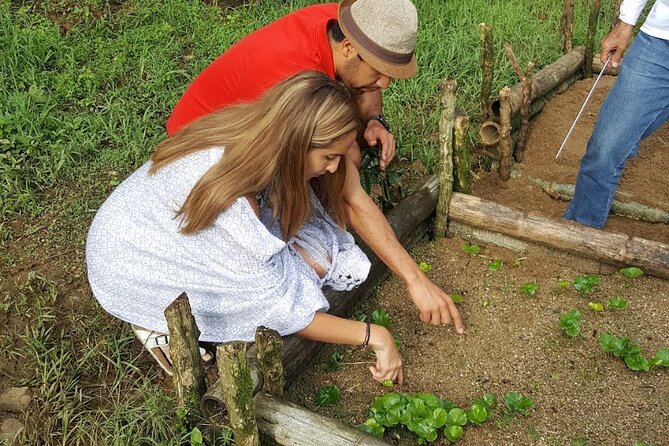
You may also plant coffee during the visit. This makes the process feel less abstract. Coffee is not simply a brown bean that appears in a grinder. It begins as a living plant, and the final taste depends on many choices made long before brewing.
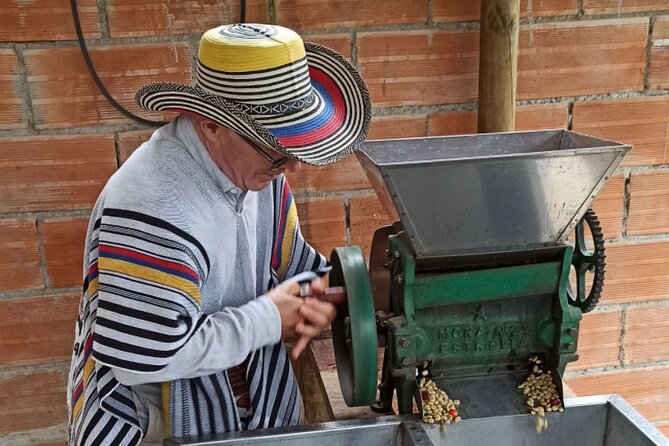
The family explains how the coffee is handled after picking. The tour includes the stages of processing, fermentation, drying, and roasting, along with the machines used on the farm. You can see how the fruit changes as it moves through the operation.
One useful lesson is that coffee flavor has several causes. The altitude, boiling point, fermentation method, roasting, drying, and brewing style all affect the cup. You may already know that coffee from different places tastes different, but this visit gives you a clearer sense of why.
The farm also makes use of more than just the bean. One tasting includes tea made from coffee husks, showing how parts of the fruit can be used rather than thrown away. It is a small but interesting detail, especially if you like learning about the less familiar parts of food production.
Picking ripe beans on the hillside
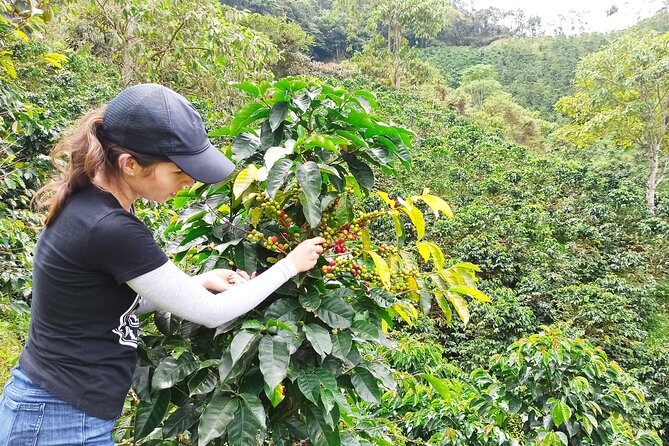
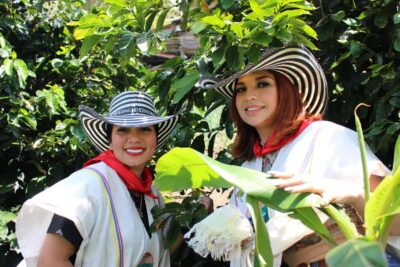
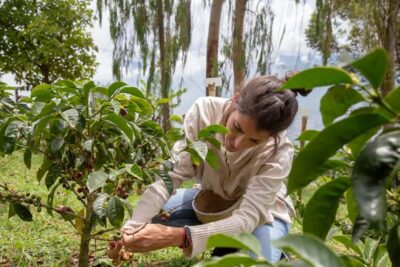
The most hands-on part of the experience is coffee picking. After an introduction to the farm, you put on the provided boots and head up the mountain with a bucket. Some visitors also receive a simple coffee-farm costume with a shawl and hat, which adds a playful touch to the work.
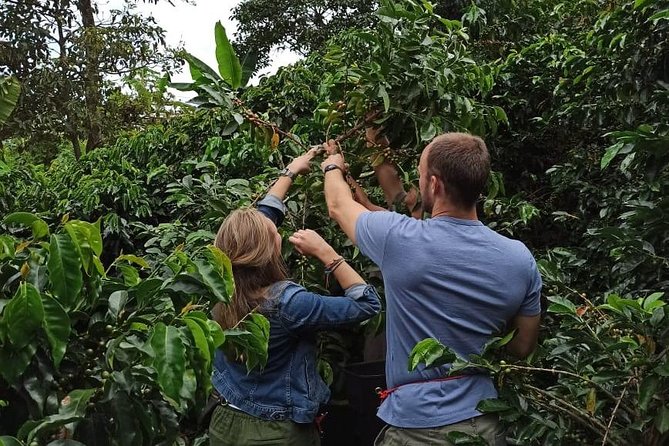
You pick ripe berries by hand while the guide continues explaining the plants and the harvest. This is not a quick staged gesture for a photograph. You spend time doing the work, and your collection is added to the coffee process at the farm.
The picking section is also where the physical demands become clearest. The paths can be difficult to walk, and the farm has mosquitoes. One dissatisfied participant found the conditions rough and felt the experience did not match the price. That criticism is fair if you expect smooth paths, tidy grounds, or a controlled indoor visit.
The farm’s response was practical: this is a real coffee farm in a mountain setting, and mosquitoes are hard to avoid. Boots and bug spray are offered, but I would still bring your own insect repellent if you have it. The tour calls for a moderate level of fitness, so anyone with trouble walking on uneven ground should consider that before booking.
You should also expect the possibility of rain or changing weather. The experience operates in all conditions, so a wet day does not automatically cancel the visit. Light clothing, sun protection, and a rain layer can make a major difference.
Same place, a different way to drink it:
- Medellin: Coffee Tour with Transport, Snacks and Tastings
★ 4.7 · 1,357 reviews - Medellín Coffee Farm Tour with Trolley and Cable Car Ride
★ 4.9 · 277 reviews - Medellin: Coffee Tour and Wellness Spa
★ 4.8 · 209 reviews - Medellin: Coffee Tour with Hotel Transfers and Meals
★ 4.9 · 186 reviews
Learning what changes the flavor
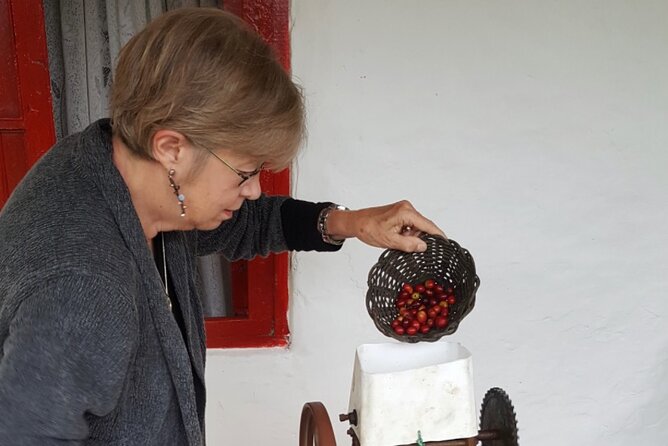
The farm lesson is strongest when it links production choices to what you taste later. You learn that coffee is shaped by more than the place where it grows. Altitude, fermentation, drying, roast level, water temperature, and brewing method each play a role.
The boiling point is particularly useful to discuss because water does not behave exactly the same at every elevation. The guide can connect this basic idea to brewing, helping you understand why the same coffee may taste different when prepared in different places.
Fermentation and drying also receive attention. These stages can affect the flavor and quality of the beans before roasting begins. You see the equipment in use and learn how the coffee changes after harvesting.
This is where guides make a big difference. Oscar has led the farm visit with explanations of production and good knowledge of the area. Mario has handled both the Medellín context and the coffee lesson, and his strong English has been useful for English-speaking visitors. Yuly has also guided the experience, bringing a friendly and lively approach to the coffee process.
The guide may be multilingual, but language arrangements can vary. If detailed coffee questions are important to you, confirm your preferred language when booking.
Tasting the farm’s coffee several ways
The tasting comes after you have seen the work behind the beans. The farm prepares its organic coffee using different methods, allowing you to compare how the same product changes in the cup.
This is more useful than a single coffee sample. One brewing method may highlight aroma, another may produce a fuller body, and another may make acidity easier to notice. You do not need to be a coffee expert to enjoy the comparison. The guide explains what you are tasting in simple terms and ties it back to the farm process.
The experience can also include coffee-husk tea. It has a different character from brewed coffee and gives you another way to think about the fruit surrounding the bean. It also reinforces the farm’s point that less of the coffee plant needs to go to waste.
You receive a cup of coffee as part of the experience, with the farm’s products available to sample. If you find a favorite, bags of coffee can be bought at the farm in half-pound and one-pound sizes, ground or whole bean. Bring cash for these purchases, since the farm shop is cash only.
Is $95 per person a fair price?
At $95 per person, this is not the cheapest way to drink Colombian coffee. You are paying more than the cost of a café visit, and the value depends on whether you want a hands-on farm experience rather than just a tasting.
The price includes private transportation, admission to the farm, a private guide, and the coffee sample. That package is easier to justify for couples, families, or small groups who value door-to-door service and personal attention. You do not need to hire a separate driver or arrange an additional rural transfer.
The price is harder to justify if you only want to taste premium coffee in a comfortable setting. The farm is basic and outdoors. You will walk on rough ground, deal with insects, and take part in physical work. You are paying for access to the full process and the family setting, not for a luxury facility.
I see the strongest value in the combination of personal guiding and participation. Picking the beans, seeing the machines, asking questions, and comparing brewing methods gives the $95 a clear purpose. It is also a convenient choice for a short Medellín stay because the visit takes about four to five hours, including transportation.
Who will enjoy this experience most
This tour fits coffee drinkers who want to understand production rather than simply buy a bag. It is also a good choice if you like meeting local families, trying practical activities, and learning through touch and taste.
Private groups benefit the most. You can ask about roast levels, fermentation, brewing, or the farm’s daily work without waiting for a large group to move along. Families may enjoy the berry picking, although the uneven paths and moderate fitness requirement should guide your decision.
The experience is less suitable for anyone looking for a polished, accessible attraction. The farm has mosquitoes, rough walking, and outdoor exposure. It is also not the best match if you dislike farm work or want to avoid all weather risk.
The guide quality adds another reason to book, particularly if you are matched with Oscar, Mario, or Yuly. Still, guide assignments can vary, and the tour may operate with a multilingual guide. Treat the names as examples of guides who have led the experience, not a guarantee of a particular person.
Practical preparation for the half-day visit
Wear long pants and a long-sleeved shirt. They help with both insects and vegetation. Comfortable closed shoes are useful even though boots may be provided for the farm portion.
Bring insect repellent, especially if you are sensitive to mosquitoes. The farm offers bug spray, but carrying your own gives you a little more control.
Plan for changing weather because the tour operates in all conditions. A light rain layer is sensible, and you should avoid clothing that you do not want exposed to mud or farm dust.
Bring cash if you want to buy coffee. The available bags include half-pound and one-pound sizes, in ground or whole-bean form. Purchases are cash only.
The tour lasts approximately four to five hours. Since transfers depend on traffic, leave extra time before any evening reservation or flight-related plan. Confirmation arrives at booking, and cancellation is free if you cancel at least 24 hours before the start time. Changes or cancellations inside that window are not accepted for a refund.
Should you book this Medellín coffee tour?
Book it if you want the full bean-to-cup story and are happy to trade polished facilities for a real working farm. The private format, included transport, family setting, berry picking, and multi-method tasting make this one of the more personal coffee outings near Medellín.
Skip it if mosquitoes, uneven ground, or outdoor work will spoil your day. The farm is authentic precisely because it is not a staged indoor attraction. Bring sensible clothing, use the boots and bug spray, and you will be better prepared for what the experience actually offers.
FAQ
Where does the coffee tour take place?
The tour visits a family coffee farm in Sabaneta, about 20 to 30 minutes from Medellín, depending on traffic and the pickup location.
How long does the experience last?
The total experience takes approximately four to five hours. The farm visit itself is listed at about three hours, with transfer times varying by traffic.
Is the tour private?
Yes. Only your party participates in the private tour and private activity.
Is transportation included?
Yes. Private transportation is provided for the tour.
What will I do at the coffee farm?
You can learn about coffee planting, processing, fermentation, drying, roasting, and brewing. You can also pick ripe coffee berries and taste coffee prepared using different methods.
Should I bring insect repellent?
Yes. The farm has mosquitoes, and bug spray is offered, but bringing your own is a useful precaution. Long pants and long sleeves are also recommended.
Can I buy coffee at the farm?
Yes. The farm sells half-pound and one-pound bags, available ground or whole bean. Purchases are cash only.
Just added around Medellin
- Best Coffee Tour from Medellin with Lunch and Transportation★ 5.0 · 24 reviews
- Medellin: Coffee Farm Tour & Spa with Overnight Glamping★ 4.5 · 3 reviews
- Medellin: Coffee and fruit tour★ 4.9 · 12 reviews
- From Medellin: Day Trip to a Jardin Coffee Plantation★ 4.5 · 16 reviews
- Jardín: Horseback Ride with Coffee Villa and Waterfall★ 4.1 · 2 reviews
- Guatapé & Coffee Farm, all in one day★ 5.0 · 3 reviews
- Medellín: Coffee Tour Experience at a Coffee Farm★ 4.8 · 3 reviews
- Coffee Tour from Medellin with Lunch and Coffee Tasting★ 5.0 · 3 reviews
Medellin Coffee Tours, compared.
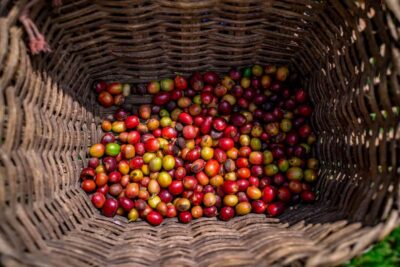
Coffee Tour with Transport, Snacks and Tastings
Read our review →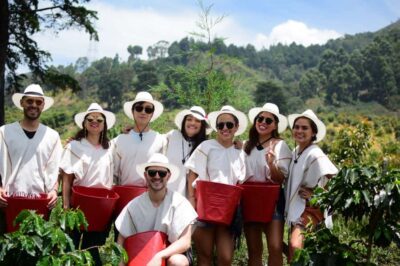
Medellín Coffee Farm Tour with Trolley and Cable Car Ride
Read our review →
Horseback Riding Coffee Farm Tour with Coffee Spa
Read our review →
Coffee & Chocolate Private Tour in Medellin: Genuine Experience
Read our review →
Coffee Tour with arrival on horseback and sugar cane processing
Read our review →
Browse the lists this tour appears in