
Review · HO CHI MINH CITY
Hands-on making 3 Iconic Coffees of South Central North Vietnam
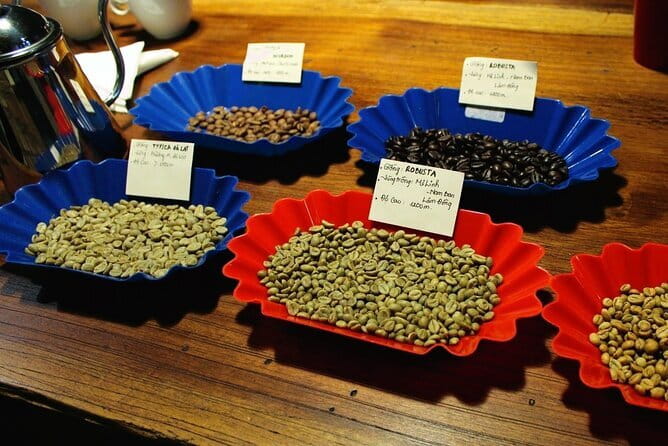
Vietnamese coffee is more than a strong drink with ice. In this small workshop, host Quynh uses four cups to explain how South, Central, and North Vietnam developed different tastes, habits, and ideas around coffee. You make the drinks yourself, rather than simply watching a demonstration.
I like two things right away: the class links coffee to regional culture, and the small maximum of six people gives you room to ask questions. Quynh also makes a deliberately wrong phin coffee so you can compare the result with the proper method. The main drawback is simple: this is a short, indoor workshop, not a city tour or a visit to a coffee plantation.
Key points at a glance
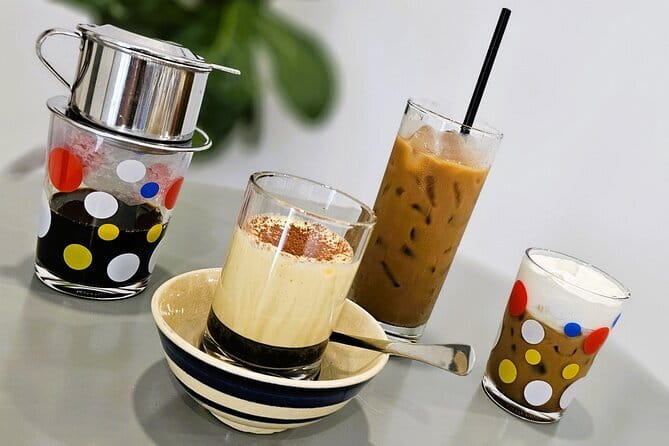
- Four drinks, three regions: Make phin coffee, condensed milk coffee from the South, salted cream coffee from Central Vietnam, and Hanoi egg coffee.
- Quynh leads the class: He brings 16 years of food and beverage experience and explains the ingredients, methods, and stories behind each cup.
- The wrong-way demonstration helps: You taste how small changes in phin preparation affect the coffee.
- Small group format: The experience accepts no more than six people, which suits hands-on teaching.
- Central District 1 location: Meet at 27 Ngô Đức Kế in Bến Nghé, with the class returning to the same address.
- Good value for coffee fans: At $21.69 per person for about 90 minutes, the price covers the drinks, ingredients, equipment, and cashew snacks.
Four Vietnamese coffees, one useful cultural lesson
The clever idea here is to let coffee explain Vietnam’s regional character. Vietnam stretches a long way from south to north, and the workshop uses drinks associated with different parts of the country to show how local preferences can differ.
You are not simply handed a cup and told its name. You learn how to make each drink, taste the result, and adjust the preparation to suit your own preferences. That last part matters. Vietnamese coffee can be strong, sweet, creamy, salty, or dessert-like, and this session helps you understand what creates those differences.
Quynh brings 16 years of experience in food and beverage work, along with a clear interest in history and culture. His role is part instructor and part storyteller. The strongest praise for the experience centers on his explanations, his enthusiasm, and his ability to connect coffee with daily life in Vietnam.
The format works best if you enjoy asking questions and trying things with your hands. It is less useful if you only want a quick tasting or a polished coffee demonstration with no participation.
A few more coffee tours around Ho Chi Minh City worth a look
- Egg coffee & Course on 4 traditional types of Viet coffee
★ 4.9 · 487 reviews - Fun & Easy Vietnamese Coffee Workshop in Hồ Chí Minh City
★ 5.0 · 293 reviews - Vietnamese Coffee & Culture Exploration in Hồ Chí Minh City
★ 5.0 · 202 reviews
Starting with the phin filter
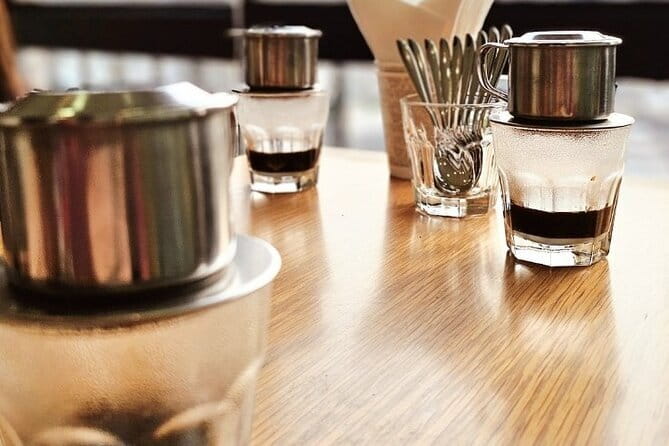
The session begins with the Vietnamese phin, the small metal filter used to brew coffee slowly over a cup. This is the basic technique behind many Vietnamese coffee drinks, so learning it first gives the rest of the class a firm base.
Quynh explains the correct method and prepares a second sample incorrectly on purpose. You can compare the two coffees rather than relying on abstract instructions. This is one of the smartest parts of the workshop because coffee technique is easier to understand through taste.
The demonstration also gives you something practical to take away. You learn that a phin is not just a piece of equipment to place over a glass. The ingredients, timing, and preparation all affect the final drink. If you plan to buy a phin during your visit, this lesson gives you a better chance of using it well at home.
The coffee itself may be intense, especially if you are used to lighter drinks. That is part of the point, but anyone sensitive to caffeine should keep the total number of samples in mind. The activity includes four coffee drinks, not four tiny sips.
Southern Vietnamese coffee with condensed milk

Next comes the coffee most closely tied to the familiar Saigon style: strong brewed coffee combined with condensed milk. You prepare the drink yourself while Quynh explains the ingredients and the story behind the pairing.
This section shows why the South is represented by a sweet, generous coffee. The condensed milk changes the drink’s body and taste, turning the powerful brew into something smoother and more approachable. Served over ice, it becomes the classic Vietnamese iced coffee many people first encounter in Ho Chi Minh City.
I like that the session does not treat condensed milk as a simple sweetener. You learn how the combination reflects the preferences associated with southern Vietnam. The drink becomes a small lesson in place, not just a recipe.
You also get practical control over the balance. If you like your coffee less sweet, you can adjust it. If you want the traditional dessert-like effect, you can use more condensed milk. Quynh’s focus is on helping you make and modify the drink rather than insisting on one fixed formula.
The workshop takes place in the city center, so it pairs well with a day spent around District 1. The meeting point is 27 Ngô Đức Kế, Bến Nghé, District 1, and the activity ends there as well. You will not need to arrange a separate transfer between stops.
Central Vietnam’s salted cream coffee
The third style is salted cream coffee, described as a modern drink from Central Vietnam. It offers a sharp change from condensed milk coffee because the creamy topping and salt bring a different balance to the bitterness.
Quynh explains the ingredients and the tricks used to make the drink. This is useful because the appeal depends on proportion. Too much salt would overpower the coffee, while too little might disappear beneath the cream. The hands-on format lets you see how the ingredients work together.
This cup also gives the workshop a modern angle. The class is not limited to older brewing traditions. It shows how Vietnamese coffee culture continues to change, with newer combinations becoming part of the country’s cafe life.
For me, this is likely to be the most surprising drink of the four. You may already know Vietnamese iced coffee, but salted cream coffee is less familiar to many visitors. It is a good reminder that coffee culture in Vietnam is not one fixed national recipe.
Same place, a different way to drink it:
- Decadent Vietnamese “Egg Coffee” Workshop in Hồ Chí Minh City
★ 5.0 · 150 reviews - Ho Chi Minh City: Fun and Easy Coffee Workshop for Beginners
★ 4.9 · 121 reviews - Techniques & Secrets Behind the Famed Vietnamese Egg Coffee
★ 5.0 · 99 reviews - 1 hour Egg Coffee Cooking Class with Snack and Local Instructor
★ 5.0 · 72 reviews
Hanoi egg coffee and the northern style
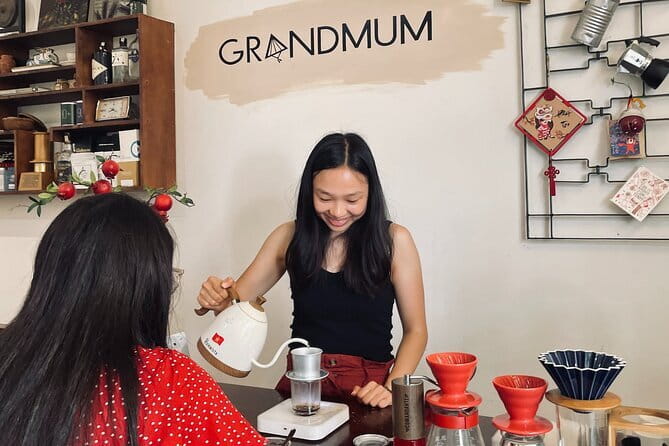
The final featured drink is egg coffee from Hanoi. It is the most unusual preparation in the session, using a creamy egg mixture to create a drink that sits somewhere between coffee and dessert.
Quynh explains how the recipe is made and how Hanoi’s character is reflected through the drink. You do not need to know the full technique before arriving. The ingredients and equipment are supplied, and he guides you through the process.
Egg coffee is especially valuable as a teaching tool because it challenges the idea that coffee must be black, milky, or iced. The rich topping softens the coffee and gives it a different texture. It can be a memorable finish to the tasting, though people who dislike sweet or creamy drinks may find it less appealing.
The northern drink completes the regional comparison. You have moved from the bold southern condensed milk style, through Central Vietnam’s salted cream, to a Hanoi specialty with a dessert-like character. The differences are easy to remember because you make and taste them one after another.
Why the small group matters
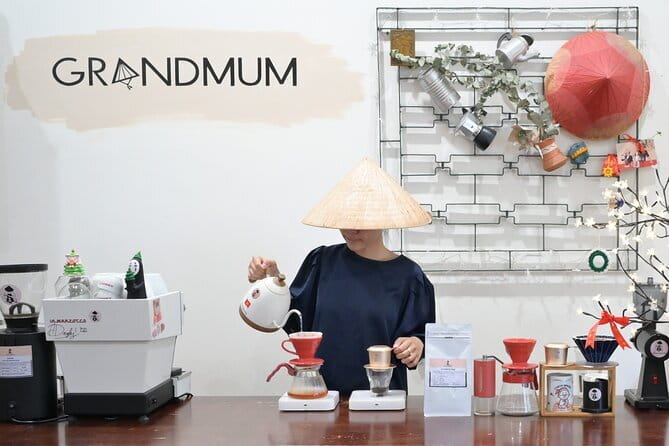
The class has a maximum of six people. That number is important for a workshop built around preparation, tasting, and questions.
You should have enough room to handle the ingredients and equipment while Quynh demonstrates. A large group would make a hands-on coffee class less useful. Here, the experience is designed around participation rather than sitting at the back of a room.
The teaching style also seems to be a major part of the appeal. Quynh is described as friendly, enthusiastic, and strongly interested in coffee production and Vietnamese culture. His storytelling is not an extra decoration. It is the thread that ties each recipe to a place and a way of life.
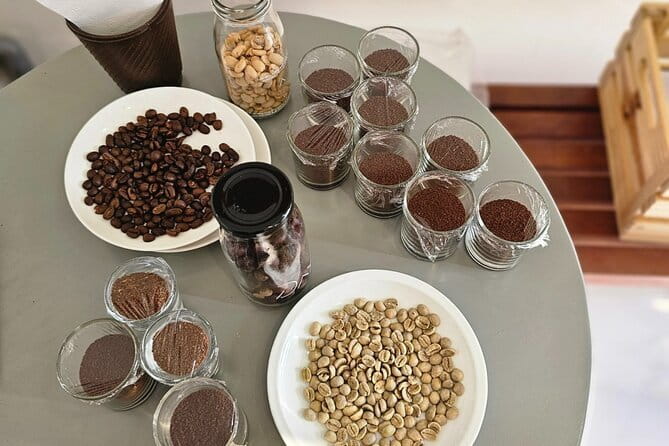
The setting is an attic workshop, with tables and coffee equipment prepared for the activity. That sounds more like a working class space than a formal cafe tasting. If you prefer polished restaurant surroundings, this may feel basic. If you want a focused place to learn, the setup makes sense.
What is included for $21.69
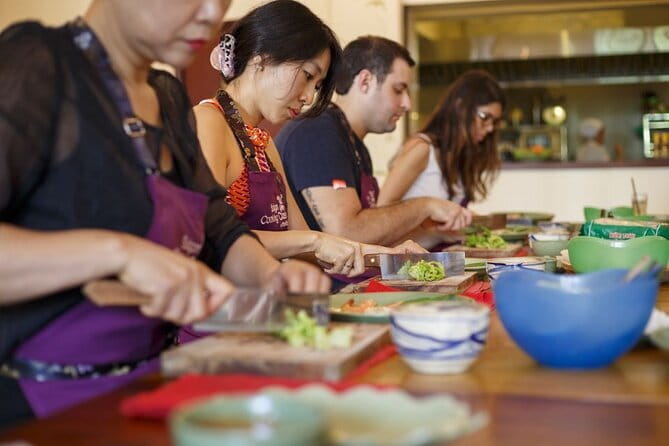
The price is $21.69 per person. For about 90 minutes, that includes the coffee and tea, four coffee drinks, ingredients, equipment, instruction, and cashew nuts.
I consider that fair value for a small-group class in central Ho Chi Minh City. You are paying for more than beverages. The cost also covers the teaching, the guided preparation, and the chance to compare several distinct drinks in one sitting.
The snacks are modest, but cashews are a well-known Vietnamese product and make a sensible accompaniment to coffee. One particularly warm touch described in the experience is the possible addition of banh mi before tasting. This appears to be part of the host’s hospitality rather than a clearly stated standard inclusion, so I would not book the activity expecting a full meal.
The value depends on how you use the class. If you want four finished drinks without caring how they are made, you can find cheaper coffee around Ho Chi Minh City. If you want to understand the methods and repeat them later, the fee is easier to justify.
Who should book this coffee workshop
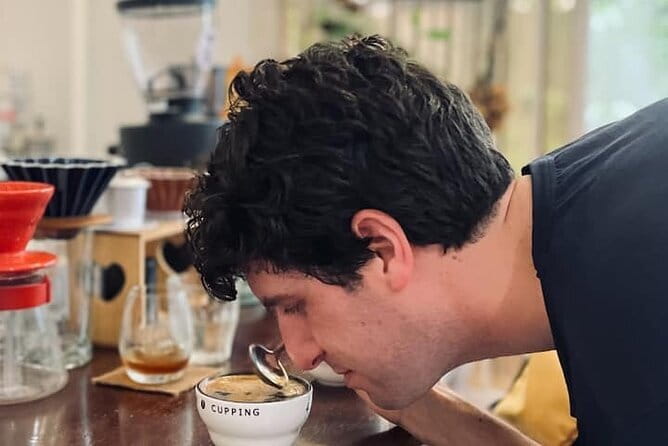
I would choose this activity for someone who wants a manageable cultural experience in the middle of a city visit. Ninety minutes is long enough to learn something substantial but short enough to fit around sightseeing, shopping, or dinner.
It suits coffee fans, home brewers, food-focused visitors, and anyone who wants a better understanding of Vietnam beyond its major sights. It is also a good choice for friends because you can compare your results and preferences as you work.
The small group makes it appealing for people who dislike large tours. Service animals are allowed, and the meeting point is near public transportation, according to the activity details.
You should think twice if you avoid caffeine, dislike sweet drinks, or want an outdoor activity. This is an indoor coffee workshop with several tastings. It is also not a substitute for a guided tour of Ho Chi Minh City. The host offers a separate four-hour electric tuk-tuk experience about the city’s growth through coffee drinks, but that is a different activity.
Timing, meeting point, and cancellation
The workshop starts and ends at 27 Ngô Đức Kế, Bến Nghé, District 1, Ho Chi Minh City, postal code 70000. Since the meeting point is in the city center and near public transportation, it should be straightforward to add to a District 1 itinerary.
The duration is approximately one hour and 30 minutes. Allow enough time to arrive at the listed address before the start, since the class has several stages and late arrival could mean missing the phin demonstration.
You receive confirmation when booking, and the ticket is mobile, so you do not need a printed voucher. Free cancellation is available if you cancel at least 24 hours before the local start time. Changes or cancellations made inside that window are not accepted for a refund.
Should you book it?
Book this workshop if you want to learn why Vietnamese coffee tastes so different from cup to cup. The best part is the combination of hands-on preparation, regional comparison, and Quynh’s personal storytelling. The wrong phin demonstration is a small but effective teaching trick, and the four drinks give you a clear framework for understanding coffee from South to North.
Skip it if you only want a quick cafe stop, need a caffeine-free activity, or would rather spend your limited time outdoors. For $21.69, though, this is a sensible buy for a coffee lover who wants practical skills and a thoughtful look at Vietnam’s regional character in a compact format.
FAQ
Where does the coffee workshop begin?
It begins at 27 Ngô Đức Kế, Bến Nghé, District 1, Ho Chi Minh City, Vietnam.
Where does the activity end?
The activity ends back at the same meeting point.
How long does the experience last?
The workshop lasts approximately one hour and 30 minutes.
How many people can join?
The maximum group size is six people.
How much does the experience cost?
The listed price is $21.69 per person.
Which coffee drinks will I make?
You will make phin coffee, Vietnamese coffee with condensed milk, Central Vietnam’s salted cream coffee, and Hanoi egg coffee.
Are ingredients and equipment provided?
Yes. The coffee, tea, ingredients, and equipment needed for the four drinks are provided.
Are snacks included?
Cashew nuts are included as a snack. Banh mi is mentioned as something the host may prepare, but it is not specified as a standard included item.
Can I cancel for a full refund?
Yes. You can receive a full refund if you cancel at least 24 hours before the experience start time. Cancellations or changes made less than 24 hours in advance are not refunded.
Just added around Ho Chi Minh City
- Ho Chi Minh Best Walking Tour: Food, Coffee & History★ 5.0 · 19 reviews
- Sai Gon Special Coffee At Landmark 81 & Street Food tour★ 5.0 · 3 reviews
- Saigon Special Night Coffee Landmark 81 & Food Tour★ 5.0 · 2 reviews
- Tea & Coffee Experience★ 5.0 · 10 reviews
- Mastering Egg Coffee-Course on 4 traditional types of Viet coffee★ 5.0 · 16 reviews
- Private Ho Chi Minh City Tour from Port & Vietnamese Egg Coffee★ 5.0 · 6 reviews
- Discover Vietnam’s Coffee Culture.★ 5.0 · 5 reviews
- Drip Craft Coffee Workshop-Discover 4 Famous Types of Viet Coffee★ 5.0 · 2 reviews
Ho Chi Minh City Coffee Tours, compared.
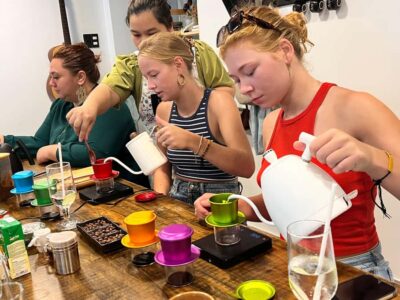
Egg coffee & Course on 4 traditional types of Viet coffee
Read our review →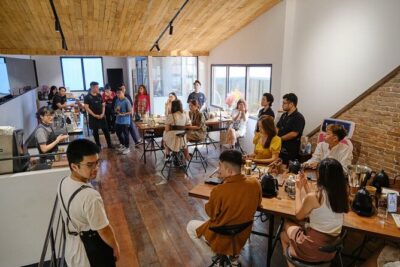
Fun & Easy Vietnamese Coffee Workshop in Hồ Chí Minh City
Read our review →
Vietnamese Coffee & Culture Exploration in Hồ Chí Minh City
Read our review →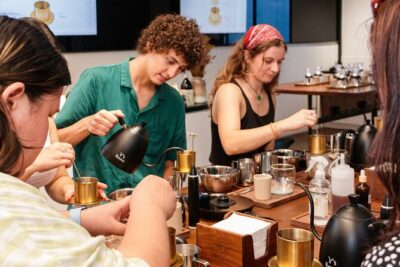
Decadent Vietnamese “Egg Coffee” Workshop in Hồ Chí Minh City
Read our review →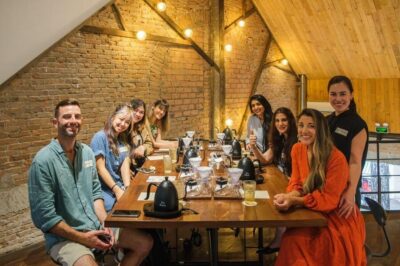

Techniques & Secrets Behind the Famed Vietnamese Egg Coffee
Read our review →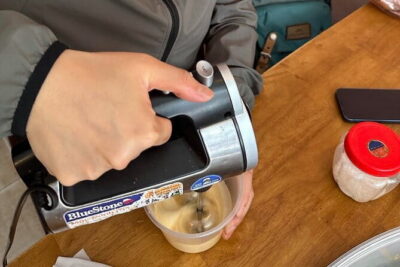
1 hour Egg Coffee Cooking Class with Snack and Local Instructor
Read our review →
Saigon Unseen: Culture, Coffee, Hidden Spots Motorbike Adventure
Read our review →Browse the lists this tour appears in