
Review · HO CHI MINH CITY
Mastering Egg Coffee-Course on 4 traditional types of Viet coffee
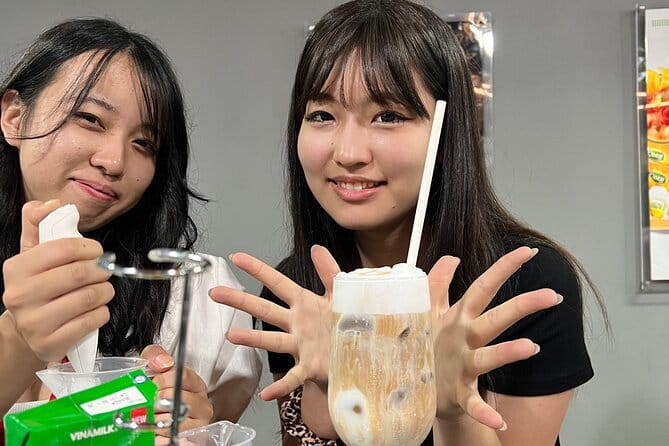
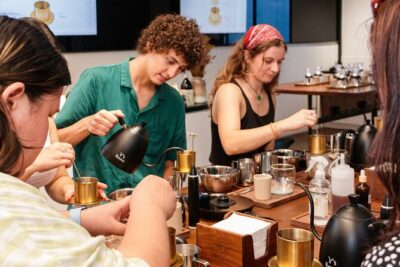
Vietnamese coffee is not a quick pour and a spoonful of sugar. In this two-hour workshop, you make four distinct drinks, including creamy egg coffee, salty coffee, coconut coffee, and the classic cà phê sữa đá. The hands-on format lets you see how drip speed, texture, temperature, and presentation change the final cup.
I like the clear focus on traditional brewing and the small maximum of 15 participants, which should give you room to follow the barista’s steps. I also like that Long or Sarah may lead the session, bringing humor and a steady pace that keeps the class moving.
The main caution is caffeine. Four coffees in one sitting is a serious afternoon commitment, and one participant wished they had booked the morning session instead. If coffee affects your sleep, plan your timing carefully.
Key points to know before booking
- Four full coffee preparations: Make egg coffee, dark roast condensed milk coffee, sea salt coffee, and coconut milk coffee.
- Traditional drip technique: Learn how Vietnamese coffee is steeped, brewed, layered, and served.
- A small group setting: The class accepts a maximum of 15 people.
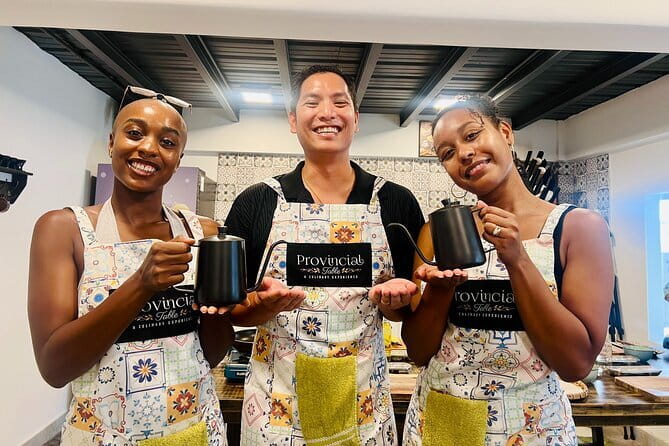
- Good hosts: Long or Sarah may guide the session, with a relaxed pace and plenty of explanation.
- Practical location: Meet at 131/3 Nguyễn Thị Minh Khai in Ho Chi Minh City, then finish at the same address.
- Extras included: You receive the tools and ingredients needed for the class, plus a special gift.
Four Vietnamese coffees in one short class
The appeal here is simple: you do not just drink Vietnamese coffee, you learn how several familiar styles are built. Each cup uses the same broad coffee tradition but brings a different balance of bitterness, sweetness, salt, creaminess, or coconut flavor.
The class covers:
- Egg coffee, or cà phê trứng lòng đỏ
- Dark roast condensed milk coffee, or cà phê sữa đá
- Sea salt coffee, or cà phê muối biển
- Coconut milk coffee, or cà phê cốt dừa
That makes the workshop useful for both serious coffee fans and curious beginners. You can compare the drinks side by side instead of trying to remember a single café order later.
I especially like the range. Egg coffee gives you a soft, dessert-like topping. Condensed milk coffee is the classic Vietnamese combination of strong coffee and sweetness. Sea salt coffee adds a savory edge, while coconut milk coffee changes the texture and brings a different kind of sweetness.
The class is built around tasting, but it is also about presentation. You learn how to create cups with visible layers and contrasting textures. That matters because Vietnamese coffee is often enjoyed with the eyes first, especially when a pale topping sits above a dark brew.
More Egg Coffee Experiences in Ho Chi Minh City
- Egg coffee & Course on 4 traditional types of Viet coffee
★ 4.9 · 487 reviews - Decadent Vietnamese “Egg Coffee” Workshop in Hồ Chí Minh City
★ 5.0 · 150 reviews - Techniques & Secrets Behind the Famed Vietnamese Egg Coffee
★ 5.0 · 99 reviews
Meeting the barista at 131/3 Nguyễn Thị Minh Khai
The class begins at 131/3 Nguyễn Thị Minh Khai, Phường Phạm Ngũ Lão, District 1, Ho Chi Minh City. The activity ends back at the same meeting point, so you do not need to arrange a separate return transfer.
The location is near public transportation, which helps if you are moving around central Ho Chi Minh City. Your confirmation arrives when you book, and the mobile ticket makes it easy to keep the booking on your phone.
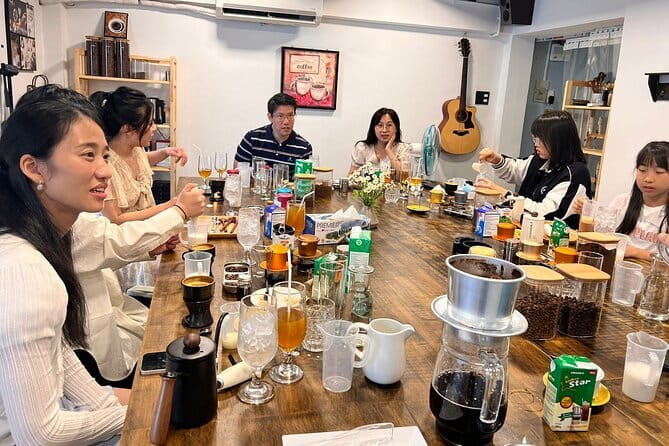
The group limit is 15 people. That is not a private lesson, but it is small enough to make the class feel more personal than a large demonstration. You should expect to work alongside other coffee fans, with some time to meet people from different places.
The teaching style matters here. The class is led by a head barista, while the named hosts in the feedback are Long and Sarah. Long was described as funny and well paced, and Sarah is also identified as a host. The useful point is that the session is not presented as a silent technical lecture. Expect explanation, jokes, hands-on work, and a class rhythm that keeps you moving from one drink to the next.
Starting with Vietnam’s coffee culture
Before you begin brewing, the barista introduces the history and cultural importance of coffee in Vietnam. The session also covers the drink’s origins and outside influences, giving you context for the strong, sweet styles you are about to prepare.
This opening is valuable because the four drinks can seem unusual if you are used to black coffee or milk-based café drinks from home. Egg coffee, for example, makes more sense when you understand it as a creative response to local ingredients and café traditions rather than as a novelty topping.
The introduction also helps explain why the class focuses on balance. Vietnamese coffee is often bold and bitter, so sweetness and creamy ingredients play an important role. The barista shows you how these parts work together instead of treating sugar, condensed milk, salt, or coconut as afterthoughts.
Do not expect a long academic talk. The class lasts about two hours, and the main purpose is to make and taste the drinks. The cultural section sets the scene, then the practical work takes over.
Using the traditional drip method
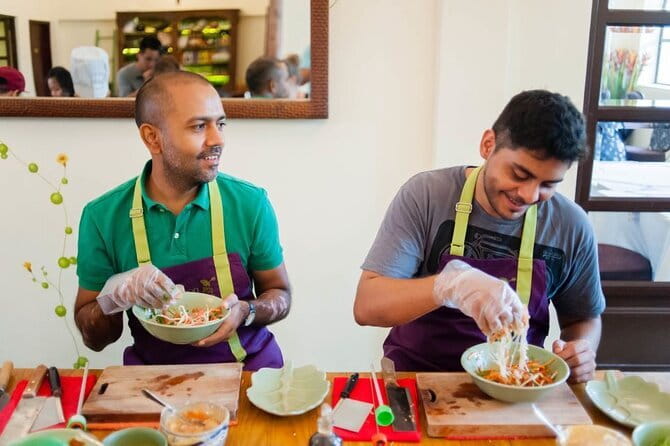
The brewing lesson centers on traditional drip preparation. You receive the equipment and ingredients needed to take part, then follow the barista through the steps of steeping and brewing.
This is the part that gives the experience lasting value. After a normal café visit, you may remember a good drink but not know why it tasted the way it did. Here, you pay attention to the process, including how the coffee is brewed and how the finished cup is assembled.
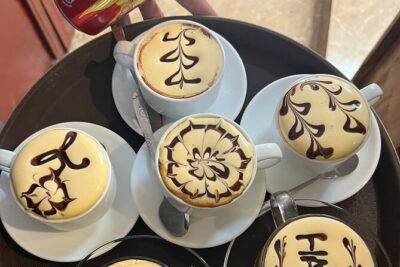
The focus is not only on extraction. You also work on presentation, especially the layered look of the drinks. A dark coffee base under a light topping creates a strong visual contrast, and the barista guides you through the details that help the cup look appealing before you taste it.
I like this balance between method and appearance. It keeps the class from becoming too technical, but it also gives you something practical to take home. You can use the same approach later when preparing Vietnamese coffee for friends or family.
The exact equipment and ingredient brands are not specified, so do not book this expecting a particular coffee maker or product. The important promise is the traditional drip technique and the chance to prepare each cup yourself.
Same place, a different way to drink it:
- Fun & Easy Vietnamese Coffee Workshop in Hồ Chí Minh City
★ 5.0 · 293 reviews - Vietnamese Coffee & Culture Exploration in Hồ Chí Minh City
★ 5.0 · 202 reviews - Ho Chi Minh City: Fun and Easy Coffee Workshop for Beginners
★ 4.9 · 121 reviews - 1 hour Egg Coffee Cooking Class with Snack and Local Instructor
★ 5.0 · 72 reviews
Egg coffee, the star of the session
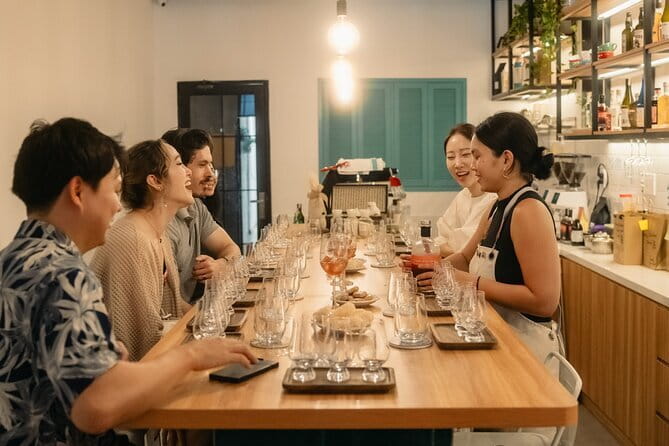
Egg coffee is likely to be the most talked-about drink in the class. It combines strong Vietnamese coffee with a creamy egg-based topping, creating a cup that feels part beverage and part dessert.
The lesson gives you a chance to understand how the topping should sit over the coffee and how the temperatures and textures work together. The result is meant to be visually layered, with the dark coffee below and the lighter topping above.
This cup is a good reason to choose the workshop over a standard coffee tasting. You are not simply handed an egg coffee and told what is in it. You see how the topping is made and how the final presentation comes together.
The flavor balance is also part of the lesson. The coffee brings bitterness, while the topping adds sweetness and a soft texture. If you normally take coffee without sugar, this will be the most dessert-like of the four drinks.
Cà phê sữa đá and the classic Vietnamese balance
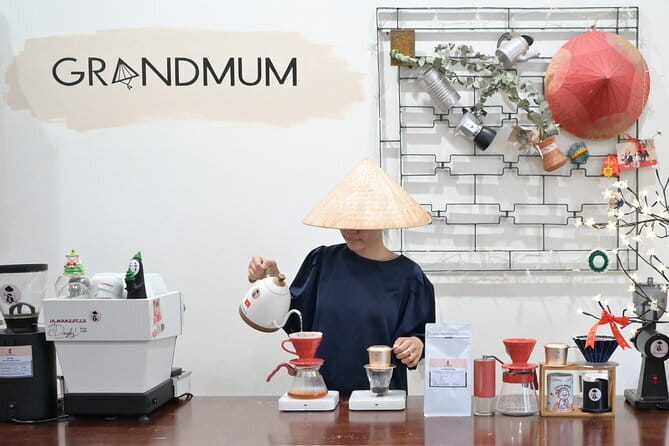
The dark roast condensed milk coffee is the most familiar of the four styles, especially if you have seen Vietnamese coffee menus before. Cà phê sữa đá pairs strong coffee with condensed milk and is served as a sweet, bold drink.
Making it yourself lets you control your attention on the relationship between coffee and sweetness. The barista’s guidance helps you see how the dark roast remains noticeable instead of disappearing under the milk.
This drink is a useful reference point for the rest of the class. Once you understand the bitter and sweet balance here, the egg, sea salt, and coconut versions become easier to compare.
The name includes iced coffee, but the supplied details do not specify the exact serving sequence or amount of ice used during the lesson. You can expect the traditional condensed milk style, with the barista explaining the preparation and presentation as you work.
Sea salt coffee and coconut milk coffee
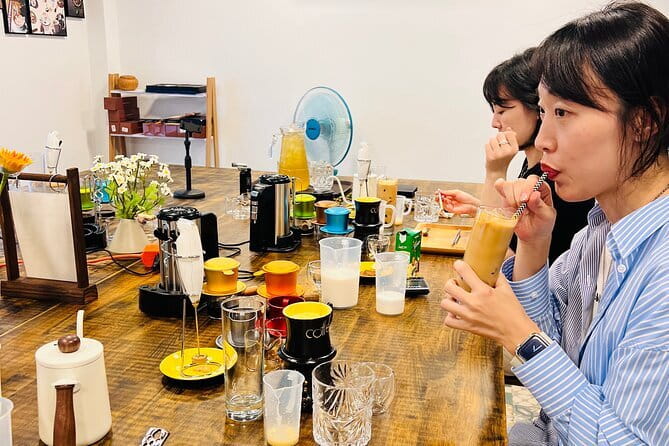
Sea salt coffee brings a savory note to the tasting. Salt may sound odd in a coffee class, but the point is to see how a small salty element can change the impression of bitterness and sweetness.
This cup makes the class more interesting because it asks you to pay close attention. You are comparing more than sugar levels. You are noticing how salt affects the flavor and how the drink’s texture changes the way the coffee feels in your mouth.
Coconut milk coffee offers a different contrast. Coconut brings a smooth, sweet character that pairs with the dark coffee base. Compared with the sea salt version, it is likely to feel softer and more dessert-like, although the precise recipe and proportions are set by the barista during the class.
Together, these two drinks show the range of Vietnamese coffee culture. You move from bitter and sweet, to sweet and creamy, to savory, then back to coconut richness. The four cups are different enough to keep the class engaging from start to finish.
A relaxed pace, with plenty of caffeine
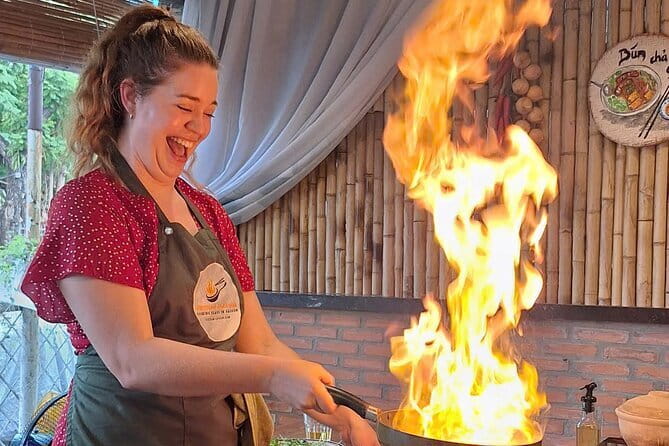
The class is designed to keep you involved without rushing. The instructor explains a step, you prepare it, and then you taste the result before moving to the next coffee. The pace was praised as relaxed and well managed, which is useful when several recipes are packed into two hours.
The tradeoff is obvious: you will make four coffees, and you are expected to taste them. The afternoon session may not suit you if caffeine affects your sleep or makes you feel unsettled. A morning booking is the safer choice for anyone who wants the full tasting without worrying about bedtime.
The class can also work as a social activity. You share the space with other participants who are interested in Vietnam and coffee, and the informal format gives you a chance to meet people without forcing a formal group activity.
The maximum of 15 people is worth noting. If the class fills, you will not have one-on-one instruction throughout. Still, a group of that size allows the barista to demonstrate once while everyone follows along.
What the $25 price gives you
At $25 per person, the experience offers more than four drinks. You also receive instruction from a head barista, access to the preparation tools and ingredients, cultural background, a Q&A session, and a special gift.
That is a fair price if you value participation. You could spend less on a single Vietnamese coffee, but that would not teach you how to brew four different styles or create the layered presentation.
The value is strongest for people who want a skill they can repeat. You leave with a better sense of how Vietnamese coffee is prepared and how the flavors are balanced. The class is less useful if you only want a quick tasting and have no interest in the method.
The gift is a pleasant extra, though the details of the gift are not specified. I would treat it as a bonus rather than part of the main reason to book.
The experience has a perfect 5 rating from 16 published ratings and a 100 percent recommendation figure. The praise focuses on tasty coffee, clear explanations, humor, and good pacing. Those are the areas that matter most for a short practical class.
Who should book this coffee workshop?
I would recommend it to you if you enjoy coffee, want a hands-on activity in Ho Chi Minh City, or like learning through food and drink. It also suits people who want a break from sightseeing without giving up a sense of place.
It is a particularly good pick for:
- Coffee fans who want to understand Vietnamese brewing
- Beginners who prefer a guided class
- Couples or friends looking for a shared activity
- People curious about egg coffee or sea salt coffee
- Anyone who enjoys tasting several variations in one sitting
You may want to skip it if you dislike sweet coffee, avoid caffeine, or prefer a quiet one-to-one lesson. The class is social and practical, not a private consultation with the barista.
Service animals are allowed, and the meeting point is near public transportation. The activity also has free cancellation if you cancel at least 24 hours before the start time. Cancellations within 24 hours are not refunded, and changes inside that window are not accepted.
Should you book the four-coffee class?
Book this experience if you want to do more than order a cà phê sữa đá and move on. The class gives you four recognizable Vietnamese coffee styles, traditional drip instruction, cultural context, and a chance to practice presentation under a barista’s guidance.
My main advice is to choose your session time carefully. Four coffees can be a lot, especially in the afternoon, so morning is the better option for caffeine-sensitive people.
For $25, the workshop earns its place in a Ho Chi Minh City plan because it combines local flavor with a skill you can remember. It is not simply a tasting, and it is not a full cooking school. It is a focused, friendly coffee lesson with enough variety to make the two hours worthwhile.
FAQ
Where does the coffee class meet?
The meeting point is 131/3 Nguyễn Thị Minh Khai, Phường Phạm Ngũ Lão, District 1, Ho Chi Minh City, Vietnam.
Where does the activity finish?
The activity ends back at the meeting point.
How long does the experience last?
The class lasts approximately two hours.
How much does the class cost?
The listed price is $25 per person.
What coffees will I make?
You will make egg coffee, dark roast condensed milk coffee, sea salt coffee, and coconut milk coffee.
Is the ticket available on a mobile phone?
Yes. The experience includes a mobile ticket.
How many people can join the class?
The activity accepts a maximum of 15 participants.
Is public transportation available near the meeting point?
Yes. The meeting point is near public transportation.
Are service animals allowed?
Yes. Service animals are allowed.
Can I cancel for a full refund?
Yes, if you cancel at least 24 hours before the experience start time. Cancellations within 24 hours are not refunded.
Are gifts included?
Yes. A special gift is provided to every participant.
Just added around Ho Chi Minh City
- Ho Chi Minh Best Walking Tour: Food, Coffee & History★ 5.0 · 19 reviews
- Sai Gon Special Coffee At Landmark 81 & Street Food tour★ 5.0 · 3 reviews
- Saigon Special Night Coffee Landmark 81 & Food Tour★ 5.0 · 2 reviews
- Tea & Coffee Experience★ 5.0 · 10 reviews
- Hands-on making 3 Iconic Coffees of South Central North Vietnam★ 5.0 · 14 reviews
- Private Ho Chi Minh City Tour from Port & Vietnamese Egg Coffee★ 5.0 · 6 reviews
- Discover Vietnam’s Coffee Culture.★ 5.0 · 5 reviews
- Drip Craft Coffee Workshop-Discover 4 Famous Types of Viet Coffee★ 5.0 · 2 reviews
Egg Coffee Experiences, compared.
Hanoi Coffee Workshop: Taste Salt, Coconut and Egg Coffee
Read our review →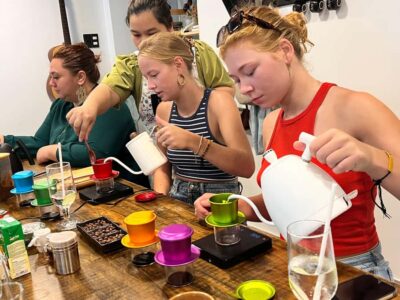
Egg coffee & Course on 4 traditional types of Viet coffee
Read our review →
Decadent Vietnamese “Egg Coffee” Workshop in Hồ Chí Minh City
Read our review →

Techniques & Secrets Behind the Famed Vietnamese Egg Coffee
Read our review →Browse the lists this tour appears in