
Review · VIETNAM
Hanoi Egg Coffee Class
Vietnamese egg coffee is part dessert, part strong caffeine hit, and making it properly takes more work than you might expect. At Cafe Minh, near Ta Hien Beer Street, you learn the careful whipping and brewing behind it, along with several other local favorites. The coffee is the main event, but the talk about Vietnam’s long love affair with coffee gives the class its sense of place.
I like the small-group or private format, which lets the teacher slow down and answer questions. I also like the chance to make more than one drink, from Hanoi-style condensed milk coffee to sweeter Saigon-style coffee, with salt and coconut coffee appearing in some class options. The main drawback is caffeine: make four drinks and taste them all, and your heart may start keeping its own schedule.
Key Points at a Glance
- Egg coffee takes real preparation: You whip the topping and learn why the balance of coffee, egg, and sweetness matters.
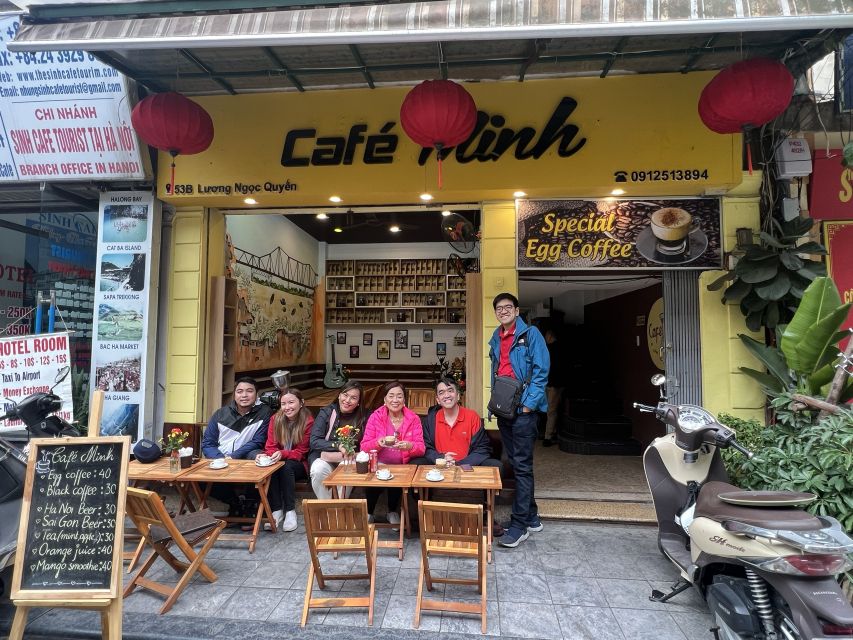
- Cafe Minh sits beside Ta Hien Beer Street: The central Old Quarter location is easy to pair with sightseeing, food, or an evening walk.
- Several coffee styles may be included: Depending on your booking, you may make egg, salt, coconut, black, white, brown, or milk coffee.
- Teachers get high marks for clear English: Hai, Ha, Lena, Ashley, Chloe, Ruby, Paul, and other instructors have led classes.
- You can leave with practical skills: Equipment and ingredients are supplied, and take-home coffee supplies can be purchased.
- The value is strong at $12: You receive instruction, drinks, cultural background, and a small gift, although the exact class length and recipes vary.
Why Vietnamese Egg Coffee Deserves a Class
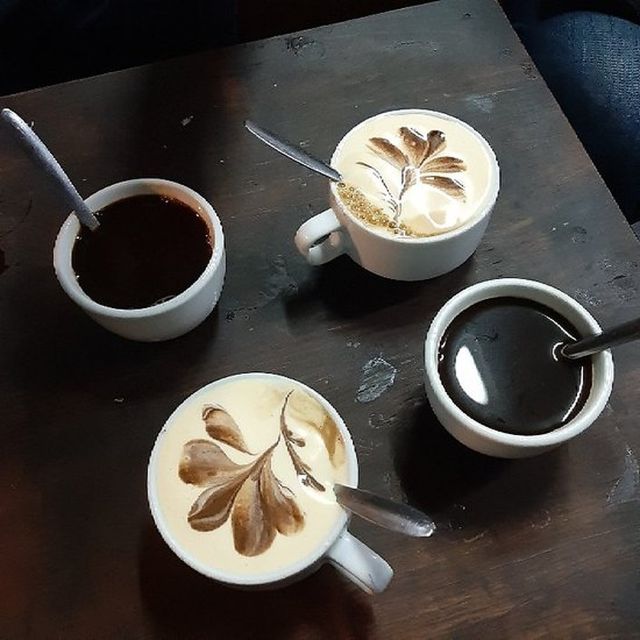
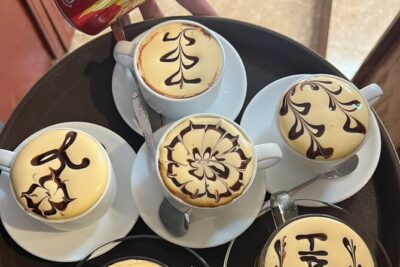
Egg coffee sounds unusual until you taste it. The drink combines strong Vietnamese coffee with a sweet, creamy egg mixture. Done well, it feels closer to a soft coffee custard than a normal cup of coffee.
The tricky part is the texture. You are not simply cracking an egg into a mug. The teacher shows you how the ingredients are prepared and combined, then explains the small details that make the drink work. That hands-on process gives you a better understanding than ordering an egg coffee at a cafe and wondering what is underneath the foam.
This is also a useful introduction to Vietnam’s coffee culture. Coffee arrived during the French colonial period, then took on a local character through robust beans, metal phin filters, condensed milk, and cafe habits built around long conversations. The class connects those habits to the drinks in front of you, so the cultural talk never feels detached from the activity.
More Coffee Making Classes in Vietnam
- Hoi An: Vietnamese Coffee Culture and Coffee Making Class
★ 4.9 · 4,006 reviews - Hanoi Coffee Workshop: Taste Salt, Coconut and Egg Coffee
★ 5.0 · 1,286 reviews - Hanoi: Salt Coffee Workshop Awake Your Senses With 6 Brews
★ 5.0 · 792 reviews
Finding Cafe Minh in Hanoi’s Old Quarter
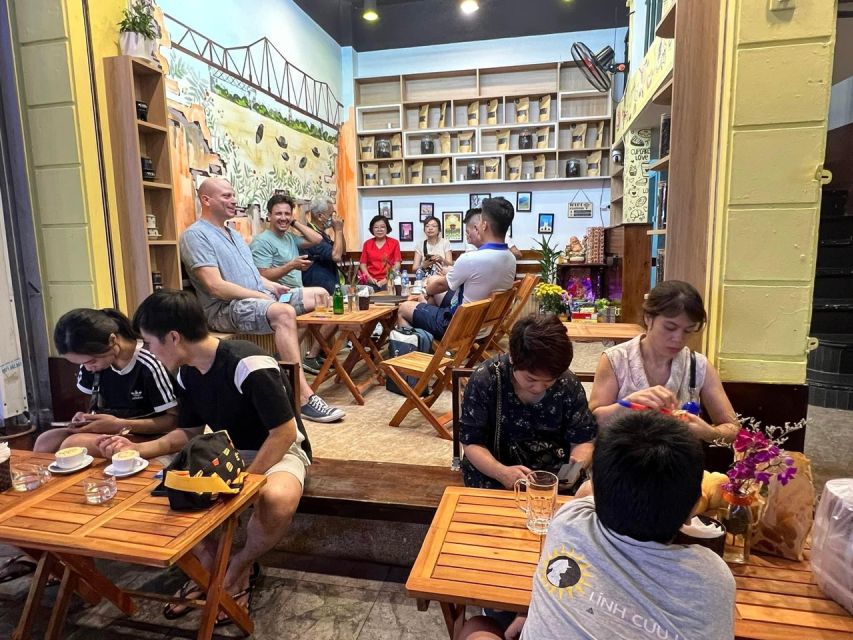
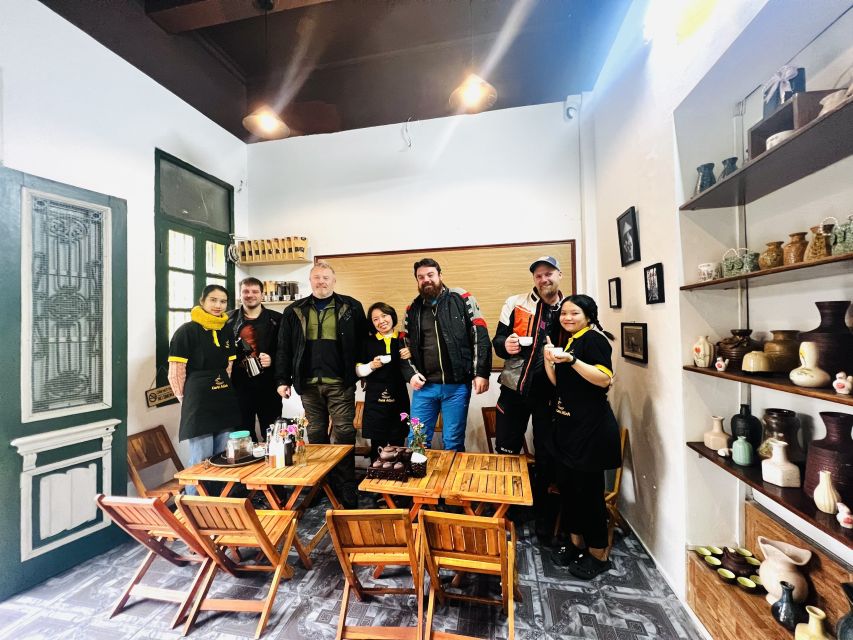
The stated meeting point is Cafe Minh, at 53 Lương Ngọc Quyến Street, only a few meters from Ta Hien Beer Street. That puts you in the middle of Hanoi’s Old Quarter, but the class itself is described as taking place away from the worst traffic, with seating on a balcony or open front sidewalk area.
You choose a suitable starting time when booking, then make your way to the cafe. Check your confirmation carefully because the meeting point can vary by option. The location is handy if you are already exploring the Old Quarter, though the narrow streets and heavy activity around Ta Hien can make finding the exact entrance less relaxed than finding a large tour office.
After class, you can stay to drink and compare your creations. This is a nice touch. You are not rushed out as soon as the last recipe is finished, and the cafe provides a natural place to talk with the teacher about Hanoi food, coffee shops, and places to visit next.
What Happens During the Coffee Class
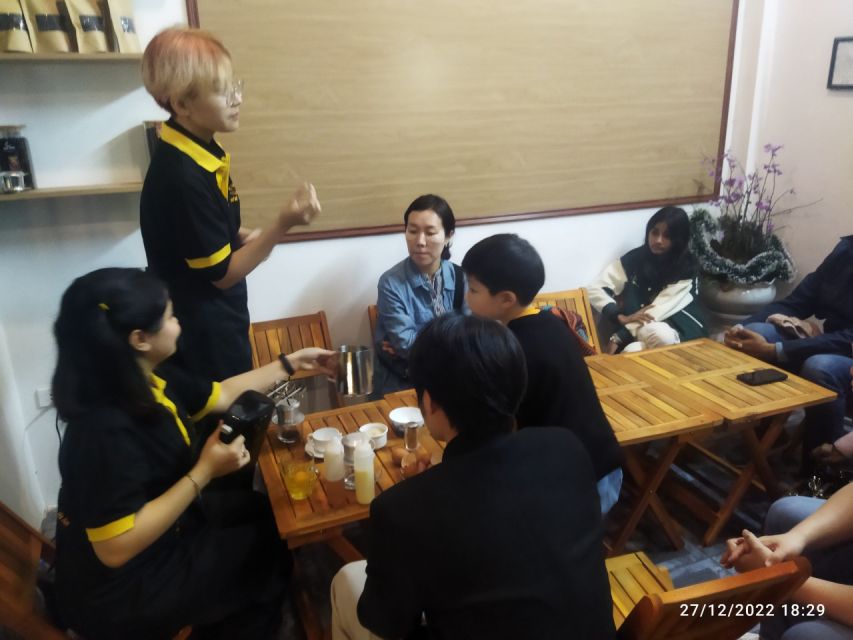
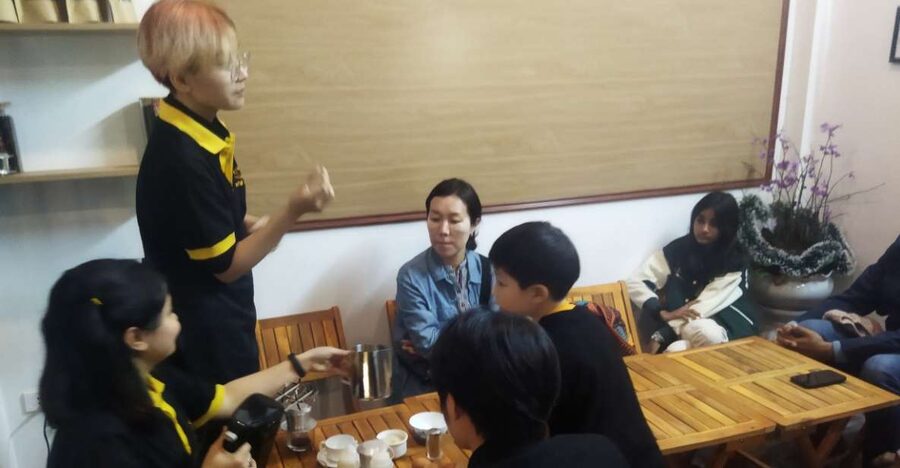
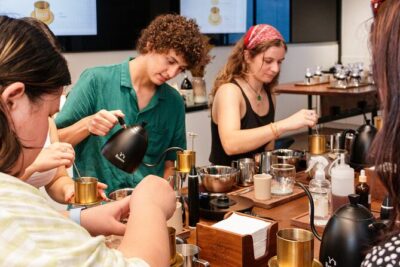
The teacher begins with an introduction to coffee in Vietnam, the role it plays in daily life, and the background of the drinks you will make. The instructors speak English and Vietnamese, and the English instruction has been praised for being clear and easy to follow.
You then prepare the ingredients and equipment. The class is designed as a practical lesson, not just a demonstration. Still, the amount of hands-on work can vary. One participant found the teacher did more of the whipping and mixing than expected, so if you want to do every step yourself, say so at the start.
The class commonly covers three or four drinks. The exact lineup depends on the option booked, but the recipes described include:
- Vietnamese egg coffee
- Hanoi-style strong coffee with condensed milk
- Saigon-style milk coffee
- Black coffee
- White coffee
- Salt coffee
- Coconut coffee
The basic distinction between Hanoi and Saigon-style milk coffee is useful. Hanoi coffee is generally presented as strong and less sweet, while the southern style uses more sweetness. The class also points out small adjustments, including the special touches used in each preparation.
The salt and coconut versions are especially popular additions when included. Salt coffee sounds like a stunt, but a small amount of salt can soften bitterness and change the drink’s finish. Coconut coffee brings a sweeter, smoother profile. If your booking is for an egg coffee class only, do not assume every one of these recipes is included. The descriptions and class formats vary.
The Four Drinks Worth Paying Attention To
More Egg Coffee Experiences in Vietnam:
- Egg coffee & Course on 4 traditional types of Viet coffee
★ 4.9 · 487 reviews - Hanoi: Vietnamese Street Food Tour with Egg Coffee
★ 4.9 · 315 reviews - Ha Noi Egg Coffee Class
★ 5.0 · 227 reviews - Decadent Vietnamese “Egg Coffee” Workshop in Hồ Chí Minh City
★ 5.0 · 150 reviews
Egg coffee
This is the drink most people come to make. The coffee is brewed strong, then paired with a whipped egg mixture that creates a thick, sweet topping. You learn the preparation rather than receiving a finished cup, which makes the drink easier to reproduce at home.
The result is rich and filling. If you prefer black coffee or dislike sweet drinks, the egg coffee may be more dessert-like than your usual morning cup. For most people, it is the most memorable recipe in the class.
Hanoi-style milk coffee
This version uses strong coffee and condensed milk. The coffee’s intensity matters, since the milk is sweet and dense. The teacher explains the details that keep the drink from tasting flat or overly sugary.
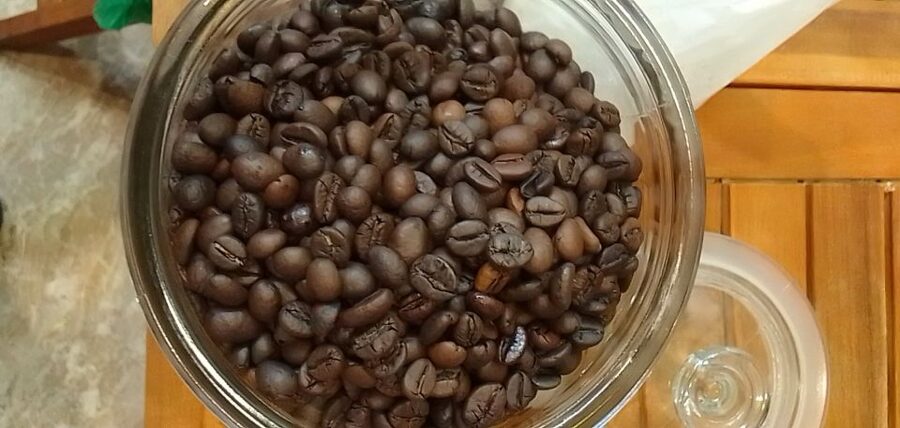
This is a good recipe to remember after the class because it is simpler to repeat at home than egg coffee. The supplied equipment and explanations help, and you may be able to buy beans or a phin filter before leaving.
Saigon-style milk coffee
The southern style is sweeter than the Hanoi version. The class description refers to three secret drops, though the exact ingredients and technique should come from your teacher during the session.
Trying both styles side by side gives you a simple lesson in regional taste. It also helps you understand why ordering Vietnamese coffee does not always produce the same drink throughout the country.
Salt and coconut coffee
These recipes appear in several of the more recent class experiences, but they may not be included in every option. When they are part of your session, they add welcome variety and keep the class from being only an egg coffee demonstration.
The salt coffee is the more surprising of the two. Coconut coffee is the gentler choice if you prefer a sweeter, cooler-tasting drink. Ask at booking time if these are important to you.
The Teachers Make a Big Difference
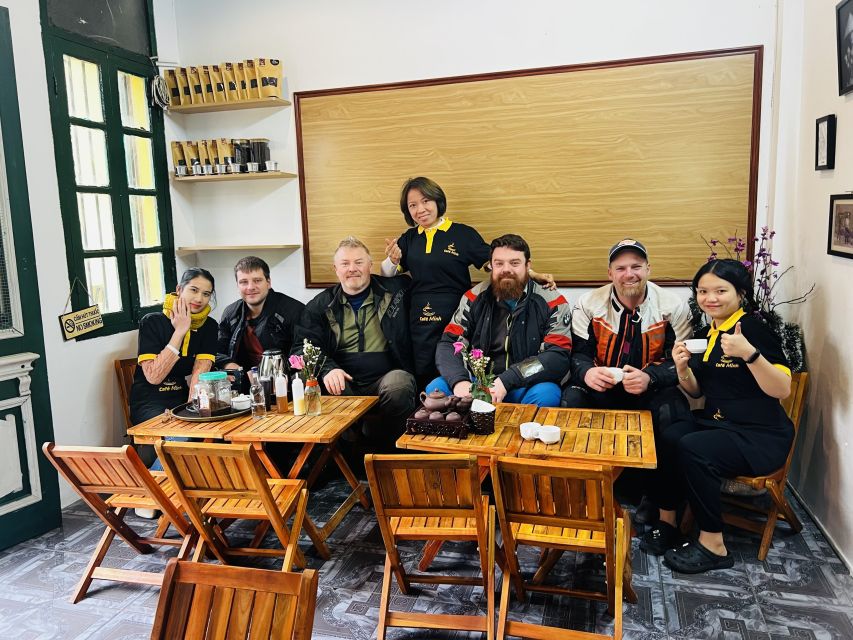
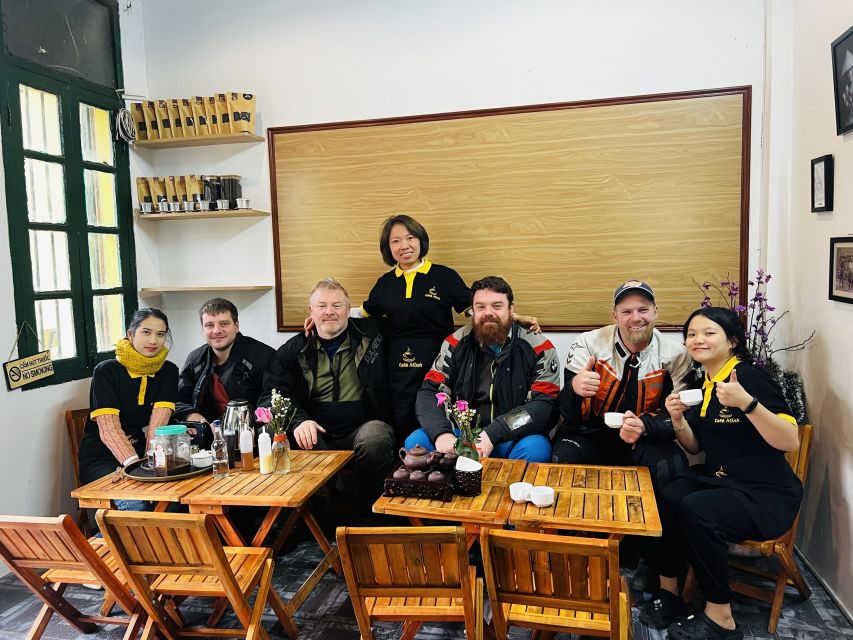
The teaching staff changes, but the named instructors include Hai, Ha, Lena, Ashley, Chloe, Ruby, Paul, Bo, Lilith, Lucy, Lisa, and Gene. Their style is not identical, yet the strongest pattern is clear instruction mixed with conversation about Vietnam.
Hai has been singled out for his coffee knowledge, humor, and ability to keep a group talking. Ha has taught the four-drink class and is praised for patient explanations. Lena and Ashley are noted for friendly, clear teaching, while Chloe has received credit for answering questions carefully.
The private-class possibility can happen by chance when nobody else books your time slot. That is a real benefit. A one-person session lets you ask about technique, Vietnamese words, local cafes, and anything else that comes up. If you are in a group, the social side can be just as enjoyable, but you may have less time to control every step.
The class is not only about recipes. Several teachers have offered suggestions for local food, attractions, and cafes. That informal conversation can be one of the best practical benefits, especially if you schedule the class near the beginning of your Hanoi stay.
How Long Does It Take?
The advertised duration is one to four hours, with starting times available by date. The actual class experiences described range from about one hour to roughly two and a half hours.
The shorter format can still work well. One hour was enough for a private session covering four Vietnamese coffee types, a history lesson, and a free phin filter. The longer sessions allow more time for conversation, tasting, and extra recipes such as salt or coconut coffee.
You should check the exact duration of your selected option rather than assuming every class follows the same timetable. A one-hour class suits a packed sightseeing day. A two-hour or longer class gives you a slower, more social afternoon and may be better if you want to ask questions or practice each preparation yourself.
Is $12 Good Value?
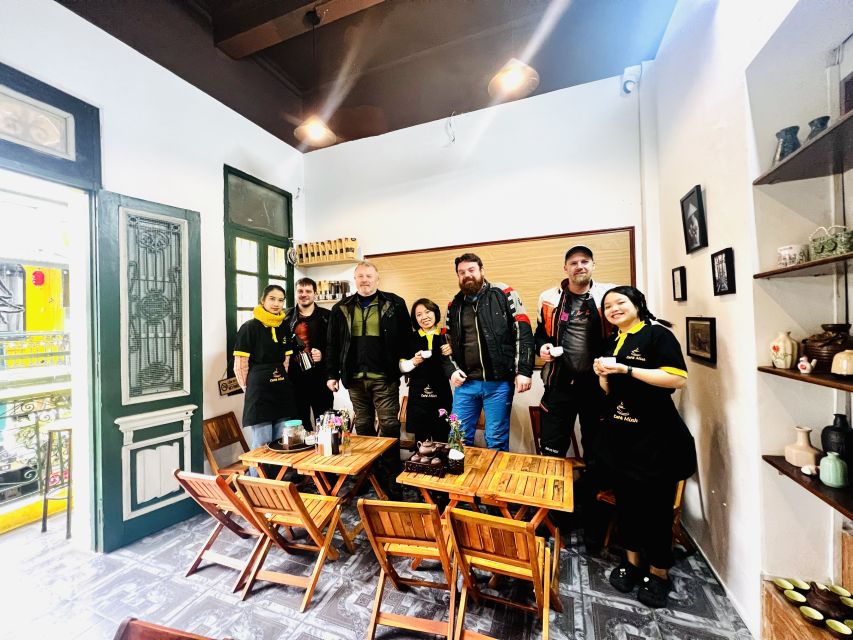
At $12 per person, this is an inexpensive Hanoi activity. The price includes an English-speaking teacher, ingredients, equipment, and a small gift. You also drink what you prepare, so the price covers both instruction and several tastings.
The value is strongest if you care about learning the method. If you only want to try egg coffee, you can order it at a cafe for less time and less money. The class earns its price by explaining the ingredients, showing the preparation, and giving you a recipe you can repeat.
Some participants have received a digital recipe book, and one person received a phin filter as a gift. The supplied information guarantees a small gift but does not specify the same item for every class, so treat the filter and recipe book as possible extras rather than promises.
You may also buy beans, filters, and other coffee-making materials after class. That is useful if you want to continue the habit at home, though these purchases are personal expenses and are not included in the $12 price.
Who Will Enjoy This Most?
I would recommend the class to coffee drinkers, curious cooks, couples, solo visitors, and families with older children or teenagers who enjoy practical activities. It also works well on a rainy day, when sitting indoors with coffee gives you a better plan than walking the Old Quarter under an umbrella.
You do not need special cooking skills. The teachers explain each stage, and the class is built for beginners. If you are sensitive to caffeine, share drinks, or ask how much you are expected to consume. Four strong coffees can be a lot, even when each serving is small.
The activity is not suitable for people with mobility impairments, according to the supplied information. Pets are not allowed. If accessibility is important to you, confirm the exact setup before booking, since the meeting point and class arrangement can vary.
Useful Booking Advice Before You Go
Choose the class early in your Hanoi visit if you want local cafe and food suggestions afterward. Choose a later time if you would rather use it as a break between Old Quarter stops.
Check whether your chosen option includes three or four drinks, and ask specifically about salt and coconut coffee if those recipes matter to you. The broad description includes several possibilities, but the class menu is not identical for every booking.
Arrive with room for tasting. This is not a quick demonstration where you watch one drink and leave. You will be preparing ingredients, drinking the results, and likely talking with the teacher afterward.
The activity allows free cancellation up to 24 hours before the start time for a full refund. You can also reserve and pay later, which helps if your Hanoi schedule is still moving around.
Should You Book the Hanoi Egg Coffee Class?
Book it if you want more than a photo of egg coffee. The class gives you a practical look at how Vietnamese coffee is made, explains the difference between northern and southern styles, and leaves you with recipes you can use at home.
It is especially good value for $12 when you receive a private or very small-group lesson. The only cautions are the changing class length, the possibility that not every drink is included, and the heavy caffeine load. Check your option, ask to handle as much of the preparation as possible, and save space for the tasting.
For coffee lovers, curious cooks, and anyone looking for a useful Old Quarter activity, this is an easy booking. If you dislike sweet coffee or want a quiet cafe visit rather than a lesson, simply order one egg coffee and keep walking.
FAQ
Where is the Hanoi Egg Coffee Class held?
The listed location is Cafe Minh at 53 Lương Ngọc Quyến Street, a few meters from Ta Hien Beer Street in Hanoi’s Old Quarter. The meeting point may vary depending on the option booked.
How much does the class cost?
The stated price is $12 per person.
How long does the class last?
The available duration is listed as one to four hours. Check the available starting times and the exact option details when booking.
What coffees might I learn to make?
Recipes may include egg coffee, Hanoi-style milk coffee, Saigon-style milk coffee, black coffee, white coffee, brown coffee, salt coffee, and coconut coffee. The exact selection depends on the class option.
Is egg coffee included?
Yes. Egg coffee is the central recipe described for the class.
Is the class taught in English?
Yes. English-speaking teachers are included, and Vietnamese is also available.
Is the class private?
Private or small-group options are available. A private class may also occur if nobody else books the same time slot.
Are ingredients and equipment included?
Yes. Ingredients and equipment for the class are included in the price.
Can I buy coffee supplies afterward?
Yes. Coffee beans, phin filters, and other coffee-making materials may be available for purchase after the class. These purchases are not included in the activity price.
What is the cancellation policy?
You can cancel up to 24 hours in advance for a full refund. The activity also offers a reserve-now-and-pay-later option.
Just added around Vietnam
- Vietnamese Coffee 101 Workshop★ 5.0 · 11 reviews
- Vietnamese Coffee Making Class in Hoi An★ 5.0 · 4 reviews
- Vietnamese cooking class and coffee making with local girl★ 5.0 · 5 reviews
- Vietnamese Egg Coffee Making Course in Hoi An★ 3.5 · 2 reviews
- Authentic Vietnamese Coffee Making Experience in Hoi An★ 5.0 · 13 reviews
- Hoi An Ancient Town and Coffee Making Course★ 5.0 · 4 reviews
- Hoi An Vietnamese Coffee Workshop: Hands-On Brewing Class★ 5.0 · 3 reviews
- Hoi An Coffee Making Workshop★ 5.0 · 7 reviews
Egg Coffee Experiences, compared.
Hanoi Coffee Workshop: Taste Salt, Coconut and Egg Coffee
Read our review →
Egg coffee & Course on 4 traditional types of Viet coffee
Read our review →
Decadent Vietnamese “Egg Coffee” Workshop in Hồ Chí Minh City
Read our review →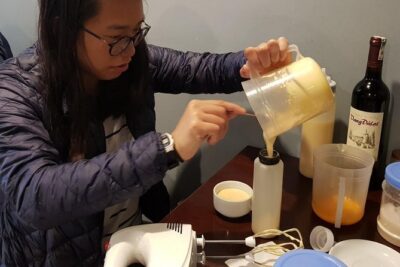

Techniques & Secrets Behind the Famed Vietnamese Egg Coffee
Read our review →Browse the lists this tour appears in