
Review · HANOI
Vietnamese Coffee 101 Workshop
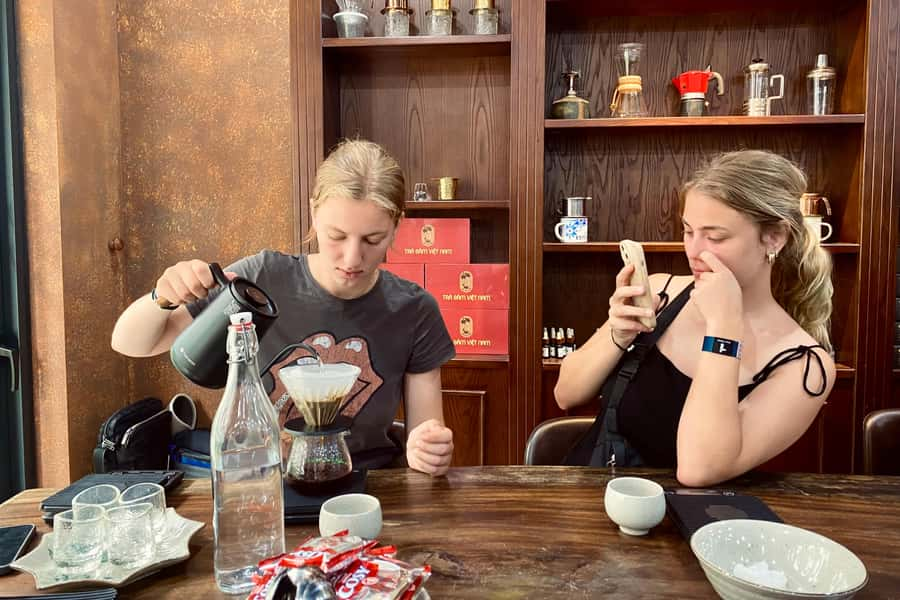
Vietnamese Coffee 101 is less about watching a demonstration and more about getting coffee on your hands. In three hours, you trace coffee’s arrival in Vietnam, compare beans and roasting styles, taste several local drinks, and brew your own cups with the small metal phin filter that gives Vietnamese coffee its slow, strong character.
I like the hands-on format and the range of drinks. You may make everything from classic brown coffee to egg coffee, coconut coffee, pour-over, and a coffee cocktail. The recipe book and digital coffee books also give the class value after you leave.
The main consideration is location and scope. The workshop is listed in Dong Bac, while the description centers on Hanoi coffee culture, so check the exact meeting point and pickup costs before booking. Three hours is generous for a coffee class, but anyone seeking a full cafe-hopping tour will need the optional coffee tasting tour.
Key points at a glance
- Five distinct coffee styles: Try classic Vietnamese brown coffee, coconut coffee, pour-over, egg coffee, and a coffee cocktail.
- The phin filter takes center stage: Learn the traditional slow-drip method and make your own cup rather than simply watching.
- Coffee from bean to cup: Cover origins, varieties, roasting, grind size, and the coffee-to-water ratio.
- Useful take-home material: Keep a recipe book, digital coffee books, and a professional certificate if you request one.
- Small-group attention: The workshop is designed for personal guidance and plenty of practice time.
- Flexible booking: You can cancel up to 24 hours ahead for a full refund and reserve without paying immediately.
Why Vietnamese coffee deserves three hours
Vietnamese coffee is often reduced to sweet condensed milk and strong caffeine. That is only the beginning. This class gives you a better way to understand the drink, starting with how coffee reached Vietnam and how different beans change the final cup.
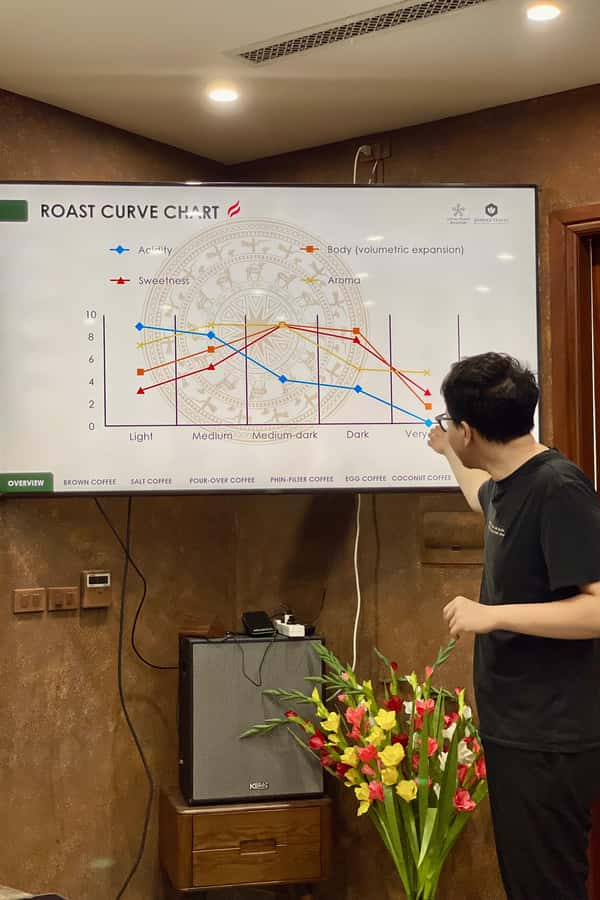
You learn about bean varieties and their characteristics, then connect those differences to roasting and brewing. This matters because Vietnamese coffee can taste very different depending on the bean, grind, water, and method. A darker, stronger brew can suit the phin, while pour-over brings out cleaner and more delicate notes.
I like this approach because it gives context without turning the workshop into a lecture. You are not only told that one coffee tastes bold or another tastes smooth. You get the chance to sample several styles and judge the differences yourself.
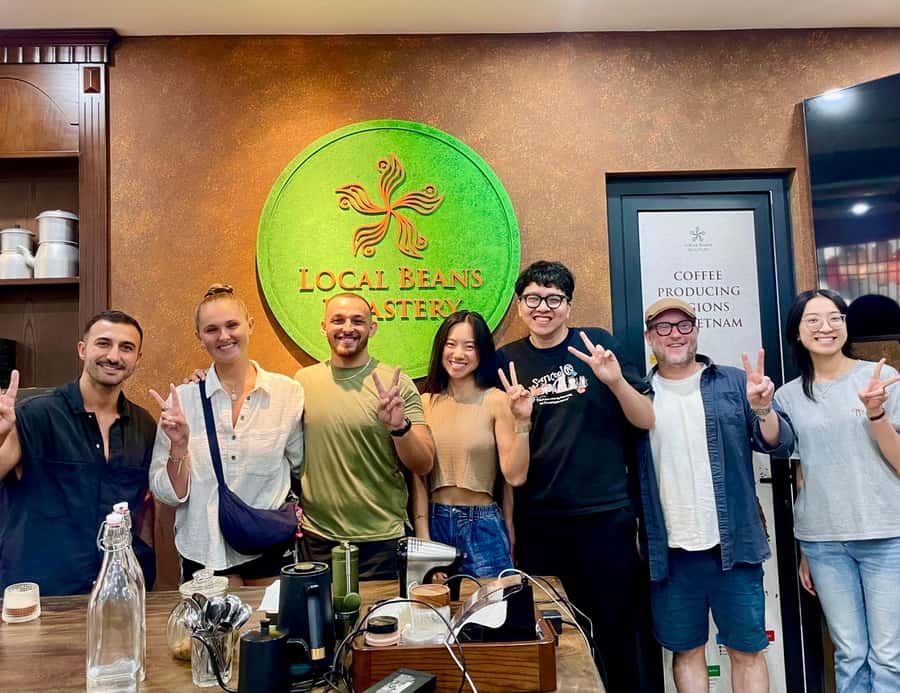
The class is taught in English by a coffee guide with experience in cultivation, roasting, and brewing. No guide name is provided, but the format is built around direct instruction and questions. If you want to understand what you are drinking in Hanoi rather than simply order the sweetest cup on the menu, this foundation is useful.
More Vietnamese Coffee Experiences in Hanoi
- Hanoi: Vietnamese Coffee Workshop with 6 Brews and 8 Recipes
★ 5.0 · 237 reviews - Hanoi Coffee Workshop: Master 6 Signature Vietnamese Coffee
★ 5.0 · 171 reviews - Six Cups of Vietnam Coffee Workshop in Hanoi with Local Barista
★ 5.0 · 54 reviews
Starting with the phin filter
The phin filter is the practical heart of Vietnamese coffee. It is a compact metal brewer placed over a glass or cup. Ground coffee sits inside, hot water passes through slowly, and the concentrated brew collects below.
You learn how to prepare the filter, manage the coffee-to-water ratio, and choose a suitable grind size. These small choices matter. Too much water can leave the coffee thin, while an overly fine grind can slow the drip and make the cup harsh.
The hands-on element is important here. Coffee brewing looks simple until you try to repeat the same result twice. The instructor can guide your setup, correct the process, and help you see why one cup tastes different from another.
You may serve the coffee hot or over ice, with condensed milk for the classic brown coffee style. The result is not a quick espresso. The phin works slowly, which gives the brewing process a calm, almost meditative rhythm. It also explains why coffee is such a social part of daily life in Vietnam. You have time to talk while the cup forms.
For many people, this will be the most useful skill from the class. A phin is small, inexpensive, and easy to pack. The workshop also offers phin filters and roasted beans for purchase, though shopping costs extra.
Five cups, five different personalities
The menu gives the workshop a good range. You are not stuck with one preparation repeated in slightly different forms.
Original Vietnamese brown coffee
This is the classic starting point: strong coffee brewed through a phin and combined with condensed milk. It can be served hot or iced.
The drink is bold, sweet, and powerful. It is also a good lesson in balance. The condensed milk softens the bitterness and adds body, but it does not erase the coffee’s character. If you normally drink mild coffee, start slowly. Vietnamese brown coffee has a habit of announcing itself.
Same place, a different way to drink it:
- Hanoi Coffee Experience: 6 Brews, 9 Recipes & 3 Liquor Tastings
★ 5.0 · 2,945 reviews - Hanoi Coffee Workshop: Taste Salt, Coconut and Egg Coffee
★ 5.0 · 1,286 reviews - Hanoi: Salt Coffee Workshop Awake Your Senses With 6 Brews
★ 5.0 · 792 reviews - Hanoi: Master the Art of 4-6 Signature Vietnameses Coffees
★ 5.0 · 517 reviews
Vietnamese coconut coffee
Coconut coffee brings a softer, tropical note to the cup. Coffee is paired with creamy coconut milk, creating a drink that feels more like a dessert or a cool afternoon treat.
This is a good choice for anyone who finds straight black coffee too intense. It also shows how Vietnamese coffee shops use familiar local flavors to create something new without losing the coffee base.
Pour-over coffee
Pour-over gives you a useful comparison with the phin. The method focuses on the natural qualities of the bean and produces a clean, balanced cup.
This part should appeal to anyone interested in specialty coffee. You can taste how a slower, more controlled flow changes the result. The class also covers grind size and water ratio, so you leave with principles that apply to other brewers, not just the equipment used in the workshop.
Vietnamese egg coffee
Egg coffee is one of Vietnam’s most distinctive specialties. A strong coffee base is topped or blended with a creamy egg yolk mixture, producing a thick, sweet texture.
It sounds unusual if you have not tried it. The finished drink is closer to a coffee dessert than a plain morning brew. The workshop gives you a chance to understand how the creamy topping works and why the combination has become such a recognizable part of Hanoi’s cafe scene.
Coffee cocktail
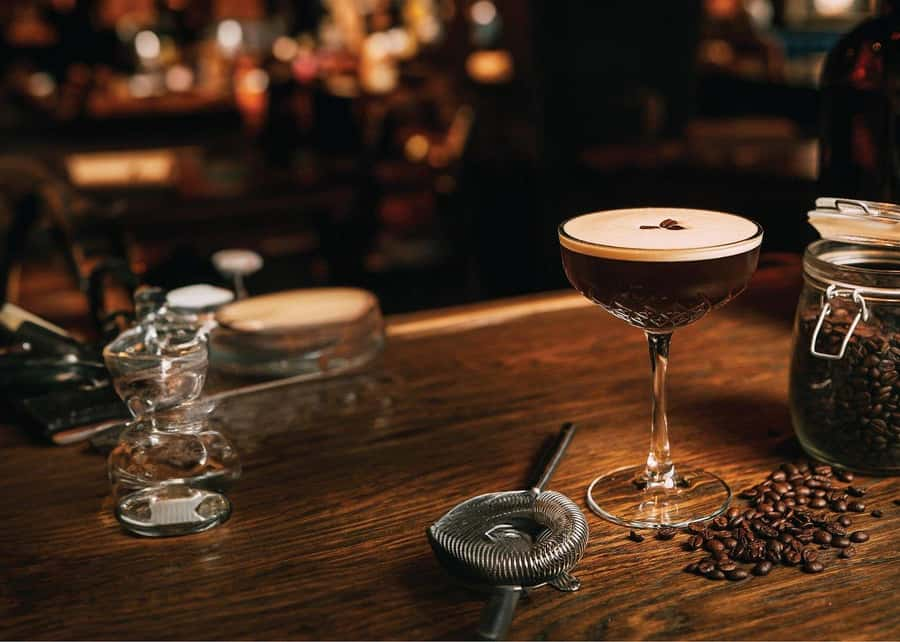
The coffee cocktail brings spirits into the tasting. It is an adult drink that pairs coffee with other flavors and shows how Vietnamese coffee can move beyond traditional cafe recipes.
Because alcohol is included, you should keep that in mind when planning the rest of your day. The supplied information does not specify the spirits used or the exact recipe, so ask the instructor if you have allergies, dietary concerns, or a preference about alcohol.
One class also included local wines as an unexpected extra, but wine is not listed as a standard inclusion. Treat it as a possible addition, not something to book the workshop for.
From roasting to latte art
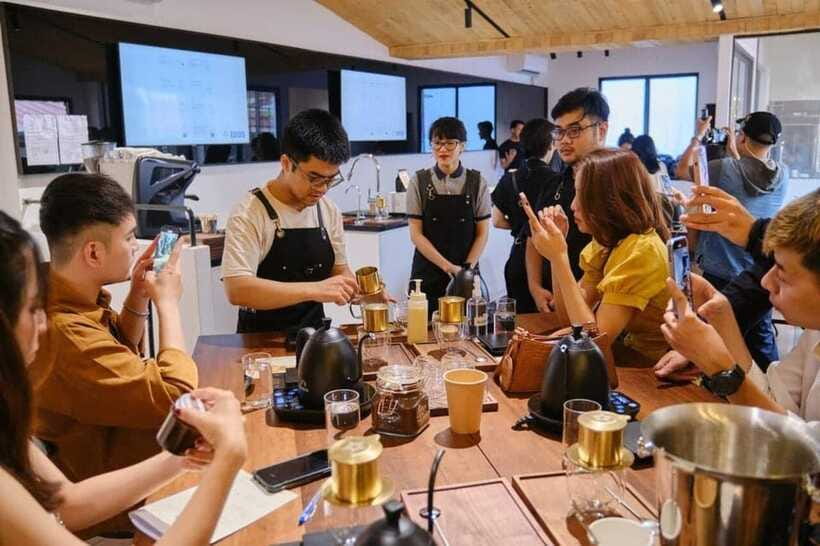
The workshop covers more than the phin. You learn about roasting and how the process changes aroma, body, and strength. You also compare traditional brewing with modern methods such as pour-over and espresso.
Latte art is included as part of the practical work. This can be a fun change of pace after the more technical discussion of ratios and grind size. Do not expect a professional barista qualification from a single session, but you will get a chance to practice presentation and see how milk texture affects the final design.
The strongest part of this section is its connection between technique and taste. A recipe is only useful when you understand why it works. Learning about the beans, grind, water, and preparation together gives you a better chance of repeating the drinks at home.
You also get premium Vietnamese beans and fresh ingredients during the class. The quality of the ingredients matters here, since poor coffee would make it hard to judge the brewing methods fairly. If you enjoy the beans used, you can buy roasted coffee afterward, along with brewing equipment. Those purchases are separate from the $22 workshop price.
What the three-hour schedule feels like
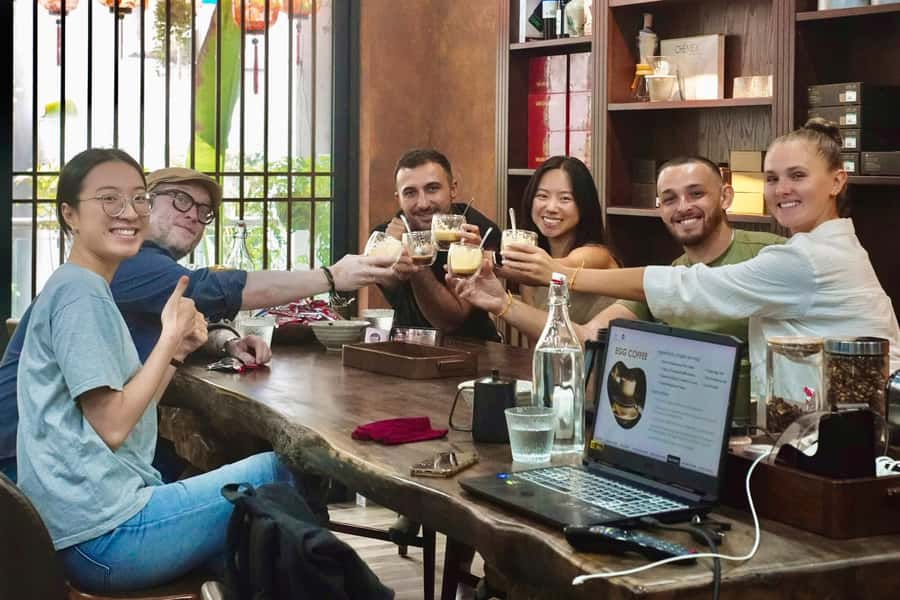
The full session lasts three hours, with starting times shown when you check availability. That length allows the class to move at a comfortable pace rather than rushing from one drink to the next.
A typical flow should include:
- An introduction to coffee’s origins and arrival in Vietnam
- A look at bean varieties, roasting, grind size, and ratios
- Instruction with the traditional phin filter
- Comparisons with pour-over and espresso methods
- Tasting of the listed Vietnamese coffee specialties
- Your own brewing practice
- A chance to work on coffee presentation and latte art
- Recipes and follow-up materials for home use
The exact order may vary, and the information does not give a minute-by-minute schedule. That is not necessarily a problem. Coffee brewing needs time, especially when several drinks are prepared one after another.
The class is described as a small-group experience. That should mean more chances to ask questions and get help with your own cup. One of the useful details from the feedback is that the hands-on time is substantial. You are not simply sitting with a finished tray of drinks while someone else does the work.
Three hours is a good fit for a morning or afternoon in Hanoi. It is long enough to learn a method properly, yet short enough to leave room for sightseeing. Remember that caffeine adds up quickly when you taste five preparations. You may want to schedule the class earlier in the day rather than late at night.
Is $22 a fair price?
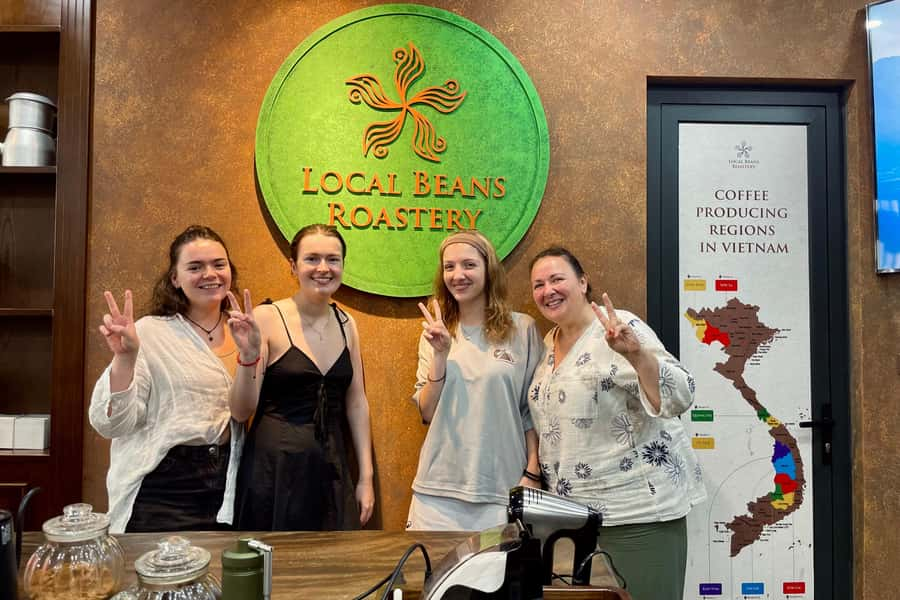
At $22 per person, this is strong value if you care about coffee or want a cultural activity that goes beyond sightseeing. You receive several drinks, instruction from a coffee specialist, hands-on brewing, fresh ingredients, and written recipes.
The take-home material improves the value. You receive a recipe book and digital copies of coffee books related to the workshop. A professional certificate is available if requested, though its practical value depends on why you want it. It may be a nice souvenir, but it should not be confused with a formal barista qualification.
The class also offers more than a standard cafe visit. In a cafe, you can taste egg coffee or coconut coffee, but you may not learn why the drinks work or how to make them yourself. Here, the activity and the drinks are combined.
There are limits. Coffee bean purchases, phin filters, and other brewing instruments cost extra. Pickup outside the Old Quarter area also carries an additional fee. Since the listed location is Dong Bac, confirm the meeting point and transport arrangements before you commit to the price.
For a person who wants only one cup of coffee, $22 may be more than necessary. For anyone who enjoys food workshops, local traditions, or practical souvenirs, the price compares well with many short cultural activities.
Who will enjoy this workshop most?
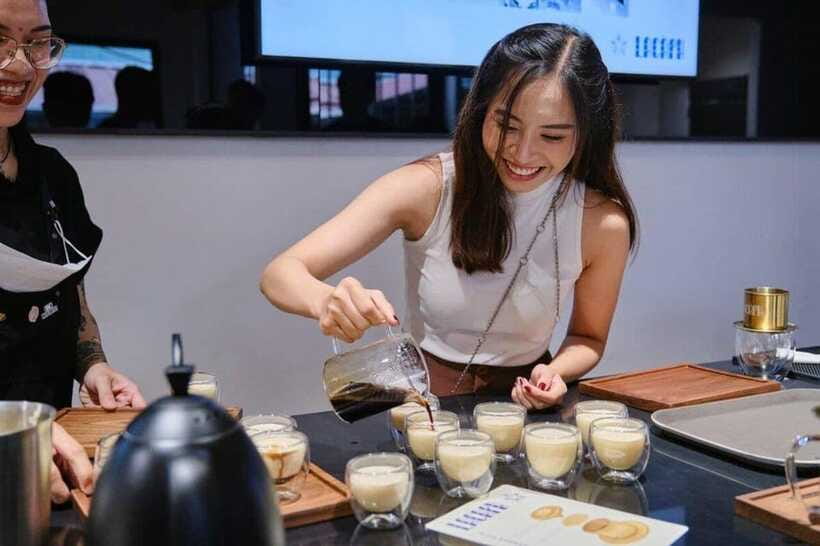
I would recommend it to coffee drinkers who want to understand Vietnamese cafe culture from the inside. It suits people who enjoy making things, asking questions, and tasting several versions of the same ingredient.
It is also a good choice for couples, friends, and families with older children who can take part in brewing. The wheelchair-accessible format makes it available to a wider range of visitors, though you should still confirm any specific access needs with the provider before booking.
The activity is less suitable if you dislike coffee, cannot consume dairy or egg, or do not want alcohol in a tasting menu. The supplied information does not describe alternative recipes for dietary restrictions, so ask ahead if that matters to you.
You do not need advanced coffee skills. The workshop begins with basic concepts and moves toward practice. If you already work as a barista, the class may feel introductory, though comparing Vietnamese methods and specialties could still make it worthwhile.
Optional extras for a fuller coffee day
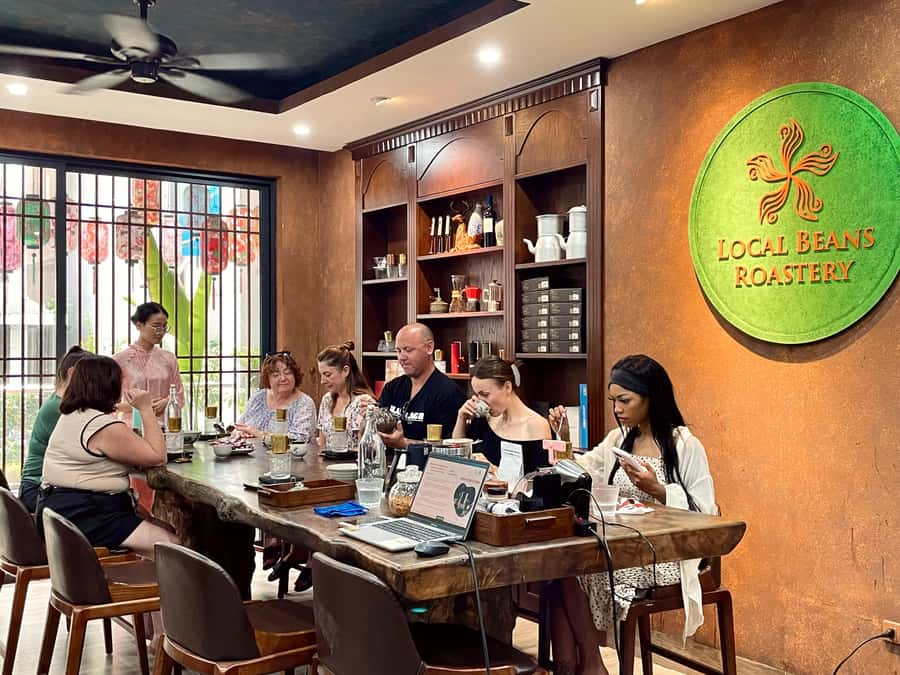
The main workshop is the core experience, but you can add more if you want to keep the theme going.
A coffee tasting tour takes you to historic coffee shops and lets you sample more local brews. This makes sense if you want to connect the workshop techniques with real cafe settings. It also fills the gap for anyone hoping to see more than one location.
A private workshop can be tailored to your interests. This may be useful if you want to focus on phin brewing, modern methods, latte art, or specific drinks, though the supplied information does not give the private rate or exact format.
Coffee bean shopping is another option. You can purchase roasted Vietnamese beans and a phin filter to recreate the drinks at home. Since shopping is not included, set aside extra money if you want to take equipment with you.
Booking details worth checking
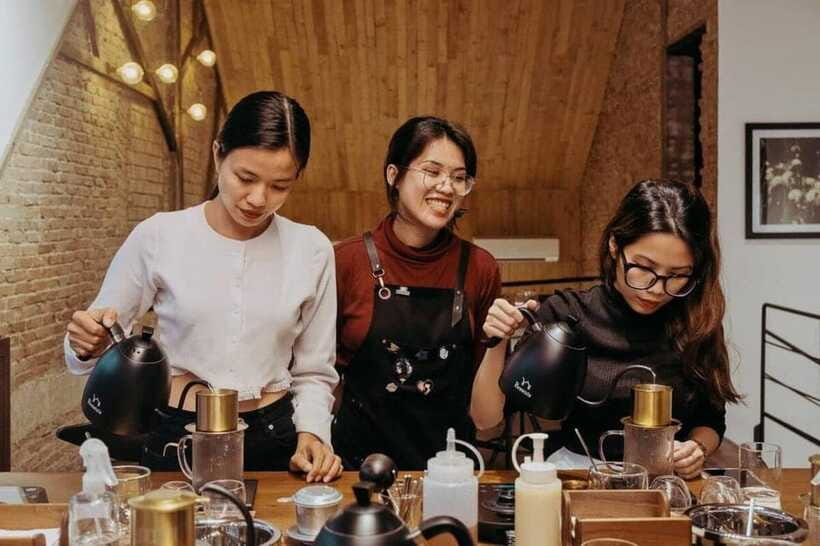
The workshop is conducted in English and lasts three hours. Starting times depend on availability. You can reserve now and pay later, which helps if your Hanoi schedule is still moving around.
Free cancellation is available up to 24 hours before the activity for a full refund. Pickup fees may apply if your position is outside the Old Quarter area, and personal expenses are not included.
Because the experience is listed in Dong Bac but described through Hanoi coffee culture, I would check the exact address before booking. That single detail affects taxi time, pickup cost, and how easily the workshop fits with the rest of your day.
Should you book Vietnamese Coffee 101?
Book it if you want a practical cultural activity with plenty to taste and something useful to take home. The strongest reasons are the phin practice, the five-drink menu, the chance to compare traditional and modern brewing, and the recipes that let you repeat the experience later.
I would be especially keen to book this early in a Hanoi visit. Once you understand the phin, egg coffee, coconut coffee, and condensed milk tradition, cafe menus become much easier to read. You also gain a better sense of what you are tasting instead of ordering at random.
Skip it if coffee is not part of your daily life, if you want a walking tour rather than a seated workshop, or if the extra transport fee makes the total cost less attractive. For everyone else, $22 buys three active hours, several specialty drinks, and a skill that fits neatly into your suitcase.
FAQ
Where does the Vietnamese Coffee 101 Workshop take place?
The workshop is listed in Dong Bac, Vietnam. Check the exact meeting point when you check availability, especially if you are staying in Hanoi or outside the Old Quarter area.
How long does the workshop last?
The workshop lasts three hours. Starting times depend on availability.
What language is the workshop taught in?
The instructor teaches in English.
Which coffee drinks are included?
The listed menu includes Vietnamese coconut coffee, original Vietnamese brown coffee, pour-over coffee, Vietnamese egg coffee, and a coffee cocktail.
Will I make my own coffee?
Yes. The workshop includes hands-on brewing, including traditional phin filtering and modern methods such as pour-over. You can also practice coffee presentation and latte art.
What do I take home?
You receive a recipe book and free digital copies of coffee books connected to the workshop. A professional certificate is available if requested. Coffee beans and brewing equipment are available to buy separately.
Can I cancel or pay later?
You can cancel up to 24 hours in advance for a full refund. You can also reserve now and pay later.
Just added around Hanoi
- Private tour: Hanoi city tour-Van Phuc silk village with egg coffee, lunch★ 5.0 · 2 reviews
- Hanoi 2.5 hour Guided Sightseeing Cyclo Tour & Egg Coffee Class★ 5.0 · 16 reviews
- Taste of Vietnam’s Coffee Scene – A Guided Experience★ 5.0 · 2 reviews
- Hanoi daily egg coffee making course with local guide★ 5.0 · 17 reviews
- Private Hà Nội Coffee History Tour★ 5.0 · 6 reviews
- hidden gems cafe – learn making coconut and egg coffee★ 5.0 · 2 reviews
- 3 Dishes cooking + Egg Coffee bonus & Local Market Tour★ 5.0 · 14 reviews
- Hanoi Street Food Tour with egg coffee making★ 5.0 · 22 reviews
Vietnamese Coffee Experiences, compared.
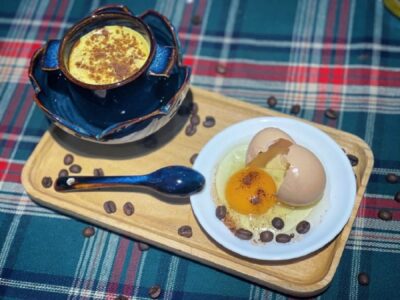
Vietnamese Coffee Culture and Coffee Making Class
Read our review →
Fun & Easy Vietnamese Coffee Workshop in Hồ Chí Minh City
Read our review →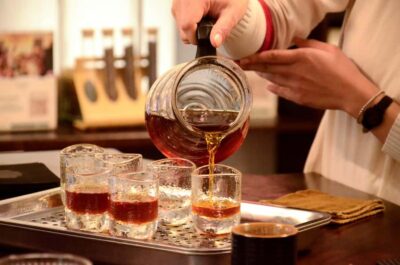
Vietnamese Coffee Workshop with 6 Brews and 8 Recipes
Read our review →
Vietnamese Coffee & Culture Exploration in Hồ Chí Minh City
Read our review →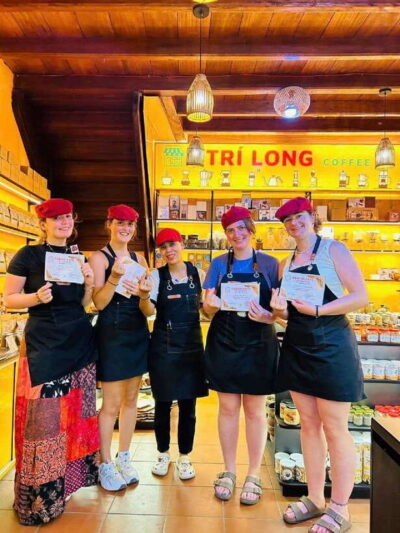
Vietnamese Coffee Making Workshop at Local Roastery
Read our review →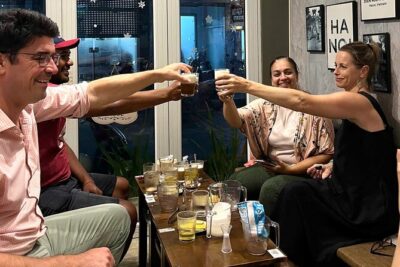
Hanoi Coffee Workshop: Master 6 Signature Vietnamese Coffee
Read our review →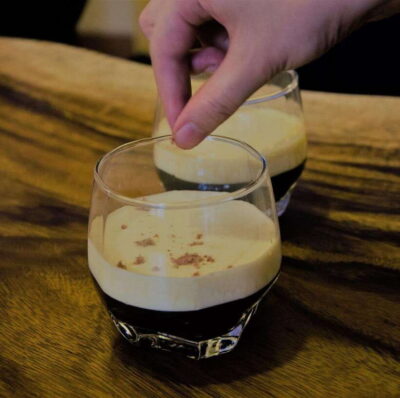
Hands-on Vietnamese Coffee Making Class with Long
Read our review →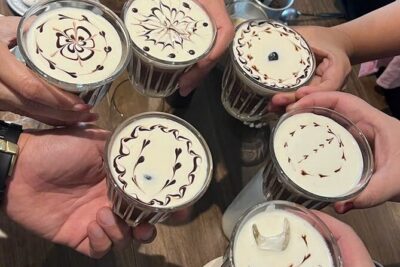
Six Cups of Vietnam Coffee Workshop in Hanoi with Local Barista
Read our review →Browse the lists this tour appears in