Review · HANOI
Six Cups of Vietnam Coffee Workshop in Hanoi with Local Barista
Vietnamese coffee is not a quick caffeine stop. It is a method, a set of flavors, and part of daily life. This two-hour workshop puts you behind the filter, where you make six Vietnamese coffee styles with freshly roasted Robusta beans, including Hanoi egg coffee, salt coffee, and coconut coffee.
I like the small group, capped at seven, because you get room to ask questions and adjust your technique. I also like the practical finish: recipes and a takeaway gift mean the experience can continue after you leave Hanoi.
The main consideration is that six tastings in one sitting may feel like a lot, especially if you usually drink coffee without condensed milk or sweet toppings. The session also depends on good weather, and the $17.49 price does not include extra café purchases or gratuities.
Key points at a glance
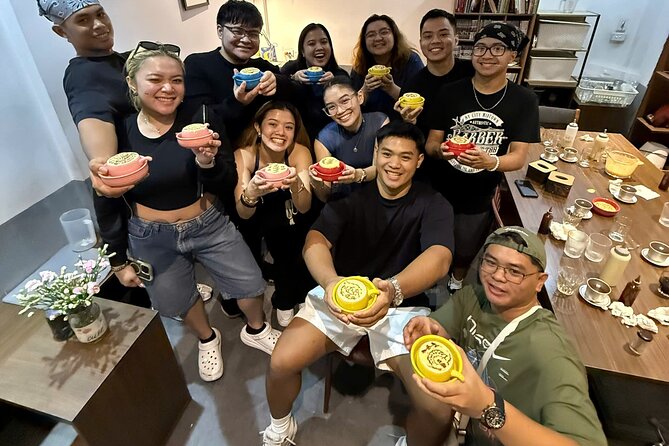
- Six styles in one sitting: Make and taste traditional and newer Vietnamese coffee drinks, including phin coffee, egg coffee, salt coffee, and coconut coffee.
- A real hands-on class: You do the brewing yourself with supplied tools, ingredients, and equipment instead of only watching a demonstration.
- Small Hanoi group: The maximum is seven travelers, which keeps the barista’s guidance personal.
- Robusta at the center: Learn why Vietnam’s main coffee export variety tastes different from the Arabica coffee common in many cafés elsewhere.
- Useful for the rest of your trip: The barista shares food, café, and sightseeing tips for Hanoi, along with recipes for every coffee you make.
- Good value at $17.49: The price covers the workshop, six styles, ingredients, instruction, recipes, and a small gift.
Why Vietnamese coffee deserves a workshop

Vietnam is the world’s second-largest coffee producer, and Robusta beans are central to that success. Robusta generally brings a stronger, more forceful flavor than many mild coffee styles, which helps explain why Vietnamese coffee often works so well with condensed milk, egg yolk, salt, and coconut.
You can certainly order a cà phê sữa đá from a Hanoi café and enjoy it. But that only gives you the finished drink. Here, you learn the steps behind it: how the phin filter sits over the cup, how the coffee slowly drips, and how added ingredients change the taste and texture.
That distinction matters. I see this as a culture workshop with coffee at its center, not simply a tasting menu. You get a better sense of how a familiar Vietnamese drink is made and why the equipment is so simple.
The session takes place at a modern, creative café at 34A P. Trần Quốc Toản, in the Trần Hưng Đạo area of Hoàn Kiếm. It ends at the same location, so you do not need to arrange a second pickup point or work out transport between stops.
More Coffee Making Classes in Hanoi
- Hanoi Coffee Workshop: Taste Salt, Coconut and Egg Coffee
★ 5.0 · 1,286 reviews - Hanoi: Salt Coffee Workshop Awake Your Senses With 6 Brews
★ 5.0 · 792 reviews - Hanoi: Vietnamese Coffee Workshop with 6 Brews and 8 Recipes
★ 5.0 · 237 reviews
Starting with the phin filter
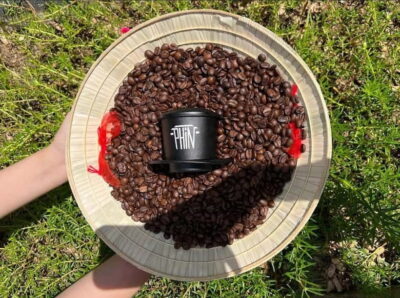
The phin filter is the small metal brewer associated with Vietnamese coffee. It sits directly over your cup, and the coffee passes through slowly. You will use this traditional tool during the workshop, with freshly roasted Robusta beans and the other ingredients supplied for the class.
Your barista guides you through the method step by step. That is useful because the phin is simple to look at but still requires attention. The amount of coffee, the way it is pressed, and the patience needed while it drips all affect the cup.
I like this part because it gives you something concrete to practice at home. You are not just hearing about Vietnamese coffee culture. You are handling the equipment and learning a brewing method that does not require an expensive machine.
The pace is also likely to suit people who enjoy making things. You spend roughly 60 to 120 minutes in the workshop area, depending on the flow of the class, questions, and tasting. The total experience is listed at about two hours.
Making Hanoi egg coffee
Egg coffee is the drink most closely linked with Hanoi in this workshop. You use egg yolk and condensed milk to create the characteristic sweet, creamy topping, then pair it with coffee underneath.
This is where the session becomes more than a standard brewing lesson. The ingredients sound unusual if you have never tried them together, but the class lets you control the process and taste the result yourself. The barista can answer questions and help you refine the technique as you work.
I would especially recommend this section to anyone who wants a Hanoi-specific food experience. Egg coffee is not just a generic flavored latte. It reflects the city’s own café culture and gives you a drink you might not confidently recreate after reading a short recipe online.
There is one practical point to keep in mind: the drink is sweet and rich. If you prefer black coffee, you may find the egg and condensed milk combination heavy. That does not make the class a poor choice, but it means you should arrive ready to try flavors outside your usual order.
Trying salt coffee and coconut coffee
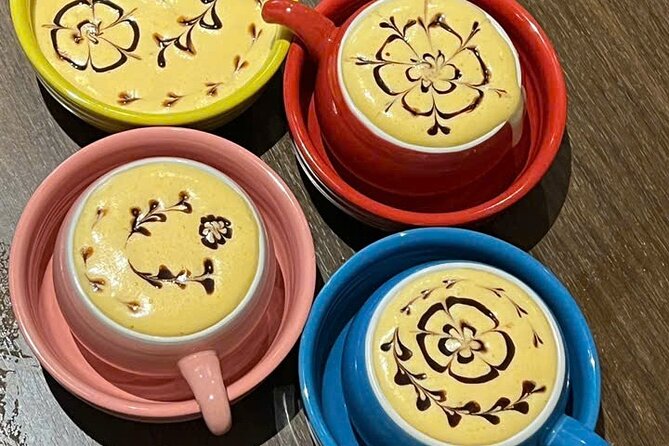
The workshop includes two current favorites, salt coffee and coconut coffee. These give you a useful contrast with the more traditional phin and egg coffee styles.
Salt coffee uses a small amount of salt to alter the balance of the drink. The point is not to make the coffee taste like seawater. Salt can change how you notice bitterness and sweetness, which makes it an interesting lesson in flavor.
Coconut coffee moves in another direction, bringing a creamy, tropical note to the stronger Robusta base. The workshop gives you a chance to compare the drinks directly rather than ordering them on separate days and trying to remember the differences.
These newer styles are useful for visitors who want to understand what is current in Hanoi cafés. They also make the session more varied. You are not repeating one recipe six times with minor changes.
The exact six styles are described as a mix of local Vietnamese coffee traditions and trending favorites. The supplied information specifically names the phin method, Hanoi egg coffee, salt coffee, and coconut coffee. The remaining styles are selected as part of the six-drink workshop, with all ingredients and equipment provided.
More Coffee Making Classes in Vietnam
- Ha Noi Egg Coffee Class
★ 5.0 · 227 reviews - Hanoi Coffee Workshop: Master 6 Signature Vietnamese Coffee
★ 5.0 · 171 reviews - Hanoi Coffee Class learning 5 famous coffee in Hanoi
★ 5.0 · 161 reviews - Mini Hanoi Coffee Workshop: Pick Any Signature Coffee You Like
★ 5.0 · 160 reviews
A small class changes the experience
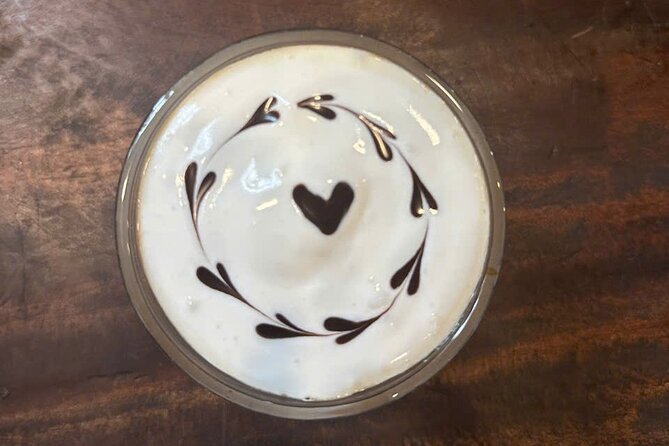
The group limit is seven people. That is one of the strongest features for a hands-on class because you should have a better chance to get direct help than in a large demonstration.
You can ask about the brewing ratio, the order of ingredients, or how to make a drink less sweet. The local barista personally guides the work and answers questions, so the format is meant to be participatory rather than a fixed talk from the front of the room.
A small group also makes it easier to compare results with the other people at your table. Coffee workshops work best when there is a little conversation and experimentation. You can see how small changes affect the drink without turning the session into a formal cooking school.
The tradeoff is that a small class can feel full if every person wants a long explanation. The workshop runs for about two hours, so some parts may move at a steady pace. If you want a slow, private lesson with unlimited time, this group format may not be the right fit.
What is included for $17.49
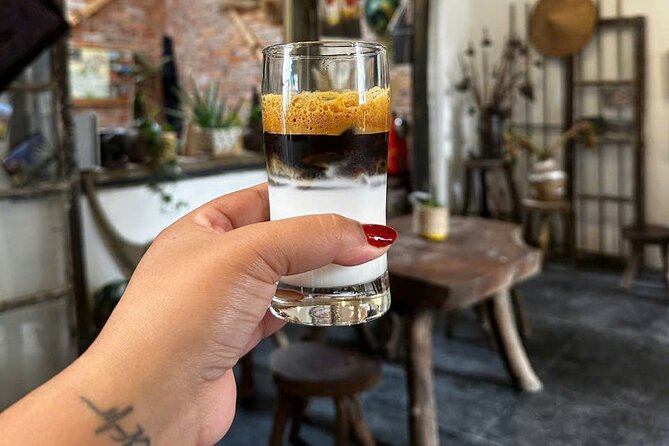
At $17.49 per person, this is priced as an accessible short activity rather than a luxury class. The fee covers the guided workshop, coffee and tea, six Vietnamese styles, ingredients, tools, equipment, recipes, local advice, and a small takeaway gift.
The value comes from the combination. If you only count the drinks, you might compare the price with several café orders. But you are also paying for instruction, access to brewing equipment during the session, and a method you can repeat after your trip.
The recipes make the price more useful. A coffee class without written instructions can be hard to remember, especially after six styles. Having recipes for all the coffees gives you a practical reference when you return home.
Extra café purchases are not included. Personal expenses and tips are also separate. You should treat the listed price as the cost of the workshop itself, not a credit toward additional food or drinks.
The experience is booked, on average, 14 days ahead. That does not guarantee it will sell out on your dates, but it is sensible to reserve early if your Hanoi schedule is tight or you want a particular morning or afternoon.
Local tips beyond the coffee

The barista also shares suggestions for food, cafés, and places to explore in Hanoi. This may be the most useful part for visitors who have just arrived and want to improve the rest of their stay.
A coffee workshop naturally creates a good setting for these recommendations. You can ask where to try another local coffee style, which foods pair well with strong coffee, or what parts of the city deserve time beyond the main sights.
The advice is described as personalized, so you can bring your own questions. I would arrive with a short list: favorite local dishes, cafés for a later visit, and places suitable for a quiet break from sightseeing.
Do not treat these tips as a full Hanoi tour. The activity stays in the café, and it ends back at the meeting point. Its strength is giving you a local starting point, not providing transport or a guided walk through the city.
Who will enjoy this most
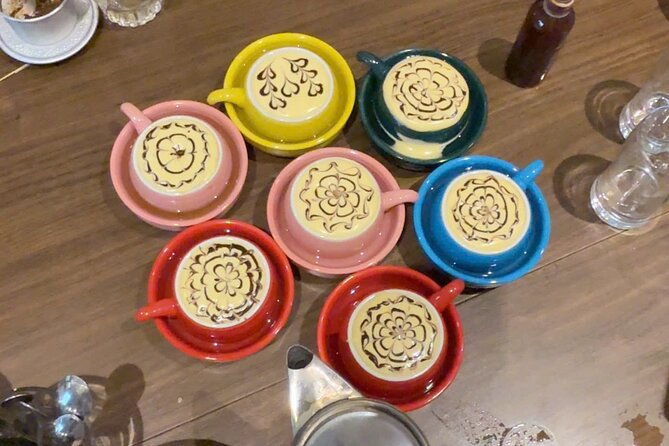
This workshop suits coffee drinkers who want to understand Vietnamese café culture by making the drinks themselves. It is also a good fit for food-focused visitors, couples, solo visitors, and small groups who prefer a relaxed indoor activity.
You do not need to be an experienced home barista. The class is designed around step-by-step instruction, and the tools and ingredients are supplied. The recipes should also help beginners repeat the drinks later.
Families or groups with mixed interests may find the format less suitable if some people do not enjoy coffee, sweet drinks, or tasting several variations. The activity centers on coffee for most of the session, so it is not a broad cooking class.
I would also choose it for a first or second day in Hanoi if you want local café guidance early in the trip. You can use the recommendations afterward, and you will recognize more of the city’s coffee habits as you walk around.
Timing, location, and weather
The meeting point is 34A P. Trần Quốc Toản, Trần Hưng Đạo, in Hoàn Kiếm, Hanoi. The location is near public transportation, and the activity finishes at the same address.
A mobile ticket is provided, and booking confirmation arrives at the time of reservation. You should still allow enough time to reach the café, since the class has a set starting time and the coffee process itself works best when everyone begins together.
The activity requires good weather. If poor weather causes a cancellation, you are offered another date or a full refund. The weather rule is worth noting even though the workshop is held indoors, since it can affect whether the operator runs the session.
You can cancel for a full refund up to 24 hours before the start time. Changes or cancellations made within 24 hours are not accepted for a refund. The cut-off uses Hanoi local time.
What makes it different from ordering coffee
A café order takes minutes. This workshop gives you time to notice how each ingredient changes the drink.
You will see the slow drip of the phin, taste the stronger Robusta base, and compare creamy, sweet, salty, and coconut-based versions. That makes the experience useful for someone who wants more than a photograph of an attractive cup.
The strongest feature is the chance to make every drink yourself. You leave with a working sense of the process, not just a list of coffee names. The small group and local barista add context without turning the activity into a long lecture.
The five-star rating from 54 reviews and 100 percent recommendation figure support the idea that the format is doing its main job well. The most praised point is its practical coffee focus: you can make café-style Vietnamese drinks for people at home without spending much on equipment or ingredients.
Still, the experience is not designed for a full meal, a city tour, or a serious professional barista qualification. It is a compact cultural activity with a useful skill at the end.
Should you book the Six Cups workshop?
Book it if you like coffee, local food traditions, and small practical classes. At $17.49, the mix of six styles, personal instruction, recipes, local suggestions, and a takeaway gift offers solid value for a two-hour Hanoi activity.
I would be especially keen to book it early in a Hanoi visit. The coffee advice can shape later café stops, while the recipes give you a way to keep the experience going after you return home.
Think twice if you dislike sweet coffee, avoid dairy or egg ingredients, or want a quiet private lesson. The class centers on tasting several prepared styles, and the group may include up to seven people.
For most coffee-curious visitors, this is a smart choice: inexpensive, hands-on, and closely tied to everyday Vietnamese café culture.
FAQ
Where does the coffee workshop meet?
It meets at 34A P. Trần Quốc Toản, Trần Hưng Đạo, Hoàn Kiếm, Hanoi, Vietnam.
Where does the activity end?
The workshop ends back at the meeting point.
How long does the experience last?
The activity lasts approximately two hours. Time spent in the workshop area is described as about 60 to 120 minutes.
How many people can join?
The maximum group size is seven travelers.
Which Vietnamese coffee styles will I make?
The workshop covers six Vietnamese coffee styles. Named examples include phin coffee, Hanoi egg coffee, salt coffee, and coconut coffee.
Is the workshop hands-on?
Yes. You brew and taste each coffee yourself with guidance from a local barista.
Are ingredients and equipment included?
Yes. The coffee, tea, ingredients, tools, and equipment needed for the workshop are provided.
Will I receive recipes?
Yes. You receive recipes for all the coffees made during the workshop.
Can I cancel for a full refund?
Yes. You can cancel at least 24 hours before the start time for a full refund. Cancellations or changes made less than 24 hours before the start time are not refunded or accepted.
More Vietnamese Coffee Experiences in Hanoi
- Hanoi Egg Coffee & Coconut Coffee Making Class with Free Banh Mi
★ 5.0 · 41 reviews - Vietnamese Coffee 101 Workshop
★ 5.0 · 11 reviews - NYNA Coffee Culture- Egg Coffee/Salted Coffee/Coconut Coffee
★ 5.0 · 4 reviews
Just added around Hanoi
- Vietnamese Coffee 101 Workshop★ 5.0 · 11 reviews
- Private tour: Hanoi city tour-Van Phuc silk village with egg coffee, lunch★ 5.0 · 2 reviews
- Hanoi 2.5 hour Guided Sightseeing Cyclo Tour & Egg Coffee Class★ 5.0 · 16 reviews
- Taste of Vietnam’s Coffee Scene – A Guided Experience★ 5.0 · 2 reviews
- hidden gems cafe – learn making coconut and egg coffee★ 5.0 · 2 reviews
- Hanoi daily egg coffee making course with local guide★ 5.0 · 17 reviews
- Private Hà Nội Coffee History Tour★ 5.0 · 6 reviews
- Hanoi Private And All Inclusive Coffee Lovers Tour in Vietnam★ 5.0 · 6 reviews
Vietnamese Coffee Experiences, compared.
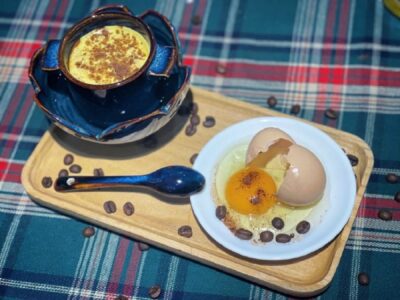
Vietnamese Coffee Culture and Coffee Making Class
Read our review →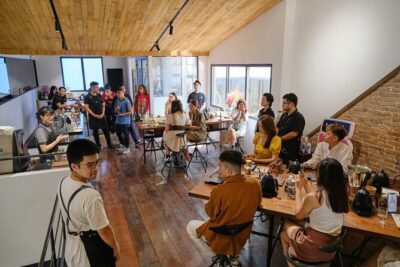
Fun & Easy Vietnamese Coffee Workshop in Hồ Chí Minh City
Read our review →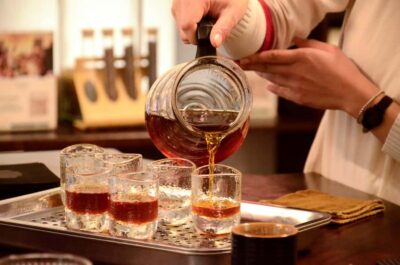
Vietnamese Coffee Workshop with 6 Brews and 8 Recipes
Read our review →
Vietnamese Coffee & Culture Exploration in Hồ Chí Minh City
Read our review →
Vietnamese Coffee Making Workshop at Local Roastery
Read our review →
Hanoi Coffee Workshop: Master 6 Signature Vietnamese Coffee
Read our review →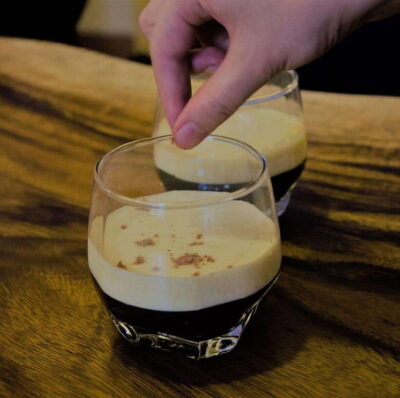
Hands-on Vietnamese Coffee Making Class with Long
Read our review →