
Review · HANOI
Hanoi: Master the Art of 4-6 Signature Vietnameses Coffees
Walking into a lived-in Hanoi home to make six different coffees is far more useful than simply ordering another cup. You learn the small choices that shape each drink, from phin timing and sweetness to the foam on egg coffee.
I like the hands-on format and the clear home substitutes. I also like the local angle: guides such as Jade, Eddie, Daisy, and Tyler connect each recipe with Hanoi mornings, old cafés, and changing tastes. The main consideration is caffeine. Six samples in one sitting can give you a serious jolt, so a morning booking is wise.
Key points to know before booking
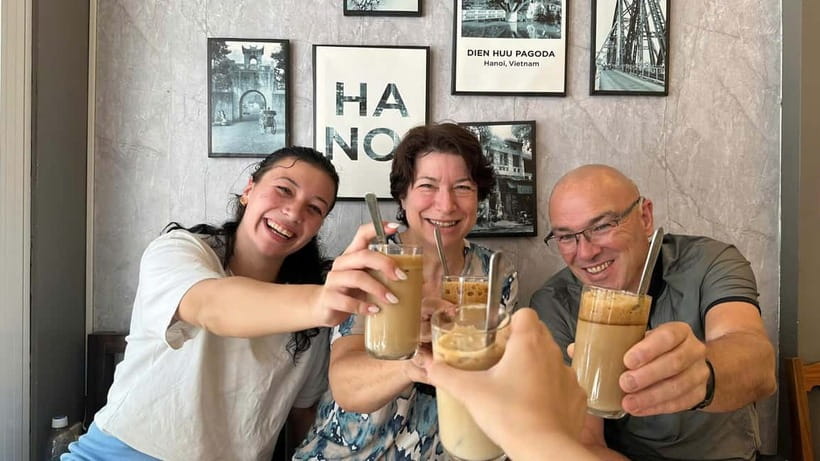
- Six coffees, not just a demonstration: You grind, brew, whisk, taste, and adjust each drink yourself.
- A real home setting: Ceramic tools, daily ingredients, local elders, and ordinary sounds outside give the class a personal feel.
- The coffee lineup has range: Expect black, brown, egg, white or silver, coconut, and salted coffee.
- Guides teach the why as well as the how: Jade, Eddie, Daisy, Tyler, and other Vietnamese instructors explain flavor, history, and local habits.
- Recipes travel home with you: You receive full instructions and practical advice for making the drinks without specialist equipment.
- Small groups keep the class personal: Attendance is limited to 10, and some time slots may feel almost private.
Entering a Hanoi home near the Old Quarter
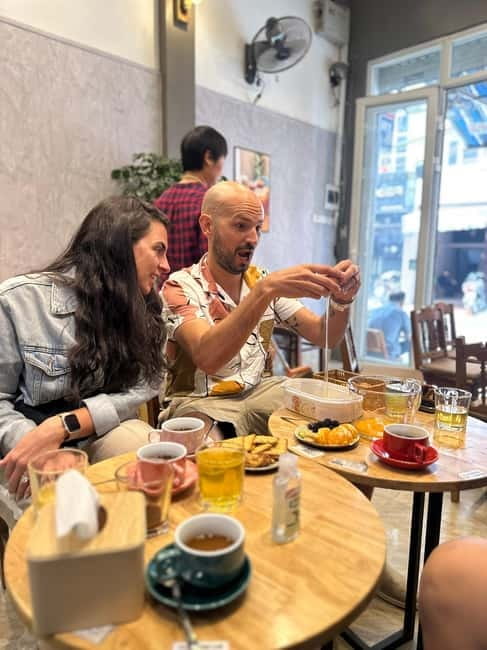
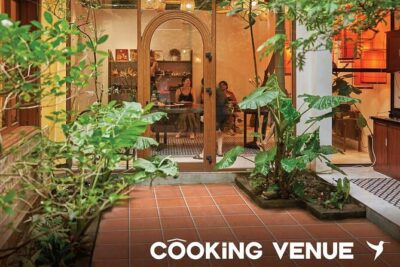
The meeting point is a cozy local café in a quiet corner of the Old Quarter, close to the Hanoi Opera House, the French Quarter, and Hoàn Kiếm Lake. The exact setting matters here. This is not a large cooking school with rows of stations and a guide speaking over a microphone.
You move from the street into a home where people actually live. Outside, Hanoi carries on with its usual traffic and voices. Inside, coffee warms the room while ceramic tools, fresh ingredients, and small work surfaces set the tone.
I like this start because it gives you a glimpse of everyday Hanoi without turning the visit into a staged cultural show. You are not just shown a finished drink. You handle the grounds, watch the coffee drip, and see how a familiar home space becomes a workshop.
The setting may not suit someone who expects a polished café classroom. Its appeal is its ordinary, personal feel. That also means the atmosphere can change with the people and activity around you, which is part of the point.
A few more coffee tours around Hanoi worth a look
- Hanoi Coffee Experience: 6 Brews, 9 Recipes & 3 Liquor Tastings
★ 5.0 · 2,945 reviews - Hanoi Coffee Workshop: Taste Salt, Coconut and Egg Coffee
★ 5.0 · 1,286 reviews - Hanoi: Salt Coffee Workshop Awake Your Senses With 6 Brews
★ 5.0 · 792 reviews
Six drinks that explain Vietnamese coffee
The class usually covers six styles: black coffee, brown coffee, egg coffee, white or silver coffee, coconut coffee, and salted coffee. The exact order can vary, but the progression gives you a good sense of how Vietnamese coffee moves from strong and simple to sweet, creamy, foamy, and cold.
Black coffee and the phin filter
The first cup often makes the basic method clear. Vietnamese coffee is commonly brewed through a small metal phin, which sits on top of the cup and lets hot water pass slowly through compacted grounds.
You learn to grind and prepare the coffee, control the water, and judge the strength as it drips. This is a useful lesson because the phin looks simple, but small changes affect the result. Coffee can become too bitter, too weak, or too slow if the grounds and water are not balanced.
The beans come from Vietnam’s Central Highlands. The class uses Vietnamese specialty coffee selected through tastings across the country, with seasonal changes in the beans. That gives the basic black cup a clear purpose: before adding milk, egg, coconut, or salt, you taste the coffee itself.
Even people who normally avoid black coffee may find this cup approachable after the brewing is adjusted to their preference. You can ask for a stronger, softer, or less bitter result while keeping the drink true to its Vietnamese style.
Brown coffee and the sweet balance
Brown coffee combines strong brewed coffee with condensed milk. It is one of the clearest examples of how Vietnamese coffee balances bitterness and sweetness rather than trying to hide the coffee altogether.
You get to decide how much milk suits you. The guide explains when to add it and how to adjust the drink without turning it into a sugary dessert. This is one of the most practical parts of the class because the method is easy to repeat at home.
The lesson is not simply follow these measurements. It is taste, notice, and correct. If the coffee is too sharp, you learn what sweetness does. If it feels heavy, you learn how to let the coffee come through.
Same place, a different way to drink it:
- Hanoi: Vietnamese Street Food Tour with Egg Coffee
★ 4.9 · 315 reviews - Hanoi Cooking Class: Pho/Bun Cha/Banh Xeo…+Free Egg/Salt Coffee
★ 5.0 · 267 reviews - Hanoi: Vietnamese Coffee Workshop with 6 Brews and 8 Recipes
★ 5.0 · 237 reviews - Ha Noi Egg Coffee Class
★ 5.0 · 227 reviews
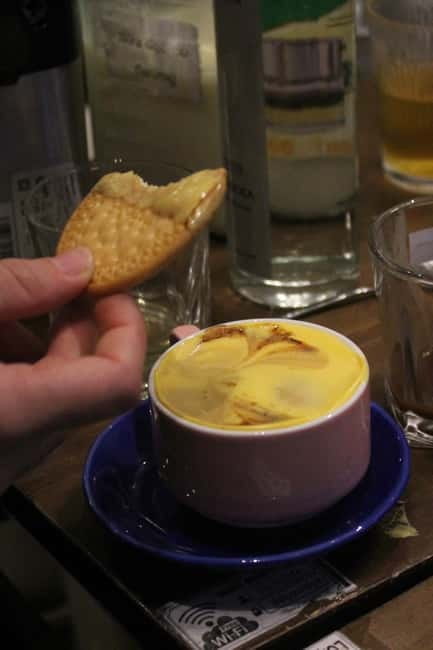
Egg coffee and its soft foam
Egg coffee is often the drink people most want to understand. In Hanoi, it has become a signature style, and the class explains both the method and the story behind it.
You whisk the egg mixture yourself, learning how to create a smooth, airy topping rather than a flat or lumpy one. Fresh eggs are prepared daily, and nothing is premade or artificially flavored.
The contrast is the fun part: strong coffee below, soft and sweet foam above. It is closer to a small dessert than a plain morning drink, but the bitterness underneath keeps it from becoming one-note.
Guides such as Jade and Daisy have been praised for explaining the background of egg coffee in a clear, friendly way. You also get the chance to ask why this particular style developed and how it fits into Hanoi café life.
White or silver coffee
The white, sometimes called silver, coffee adds another variation to the basic brew. The name can be unfamiliar, so this is a useful point to ask your guide about local wording and preparation.
The class treats the drink as part of a wider lesson in balance. You taste how milk changes the body and sweetness of the coffee, then compare it with the brown version.
This side-by-side approach is valuable. Instead of memorizing recipes, you learn to notice texture, strength, and aftertaste. That is the skill that helps you recreate the drinks later, even if your kitchen equipment is basic.
Coconut coffee
Coconut coffee has become a favorite for many people in the class, and it is easy to see why. Fresh coconut gives the drink a smooth, lightly sweet character that works well with strong Vietnamese coffee.
You prepare the ingredients and adjust the balance yourself. The guide shows you how to keep the coconut from overpowering the coffee, so the final cup still tastes like Vietnamese coffee rather than a generic coconut shake.
This is a good choice for anyone who finds black coffee too forceful. It is also a useful reminder that Vietnamese coffee culture is not limited to one traditional recipe. Local cafés continue to adapt familiar ingredients in new ways.
Salted coffee
Salted coffee sounds odd until you taste what a small amount of salt does. Used carefully, it can soften bitterness and make the coffee taste fuller.
The important word is carefully. The class teaches you to add enough to affect the flavor without making the drink salty. It is a small technique, but it gives you a better feel for how locals adjust coffee.
I like this part because it turns a novelty drink into a lesson in taste. You are not asked to accept a fixed recipe. You learn how a tiny change can shift the whole cup.
A class built around tasting and adjusting
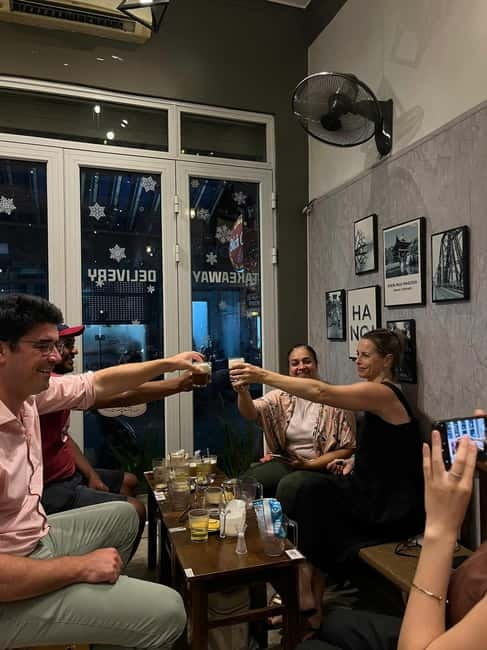
The strongest part of the experience is the active work. You grind, brew, whisk, pour, taste, and change the recipe. The instructor does not simply make six drinks while you watch.
That difference matters. Coffee preparation is full of small judgments that are hard to learn from a printed recipe. You need to see how the grounds sit in the phin, feel how the foam changes as you whisk, and taste the drink before deciding what it needs.
The instructor explains ways to control bitterness and strength without fancy equipment. You also learn practical substitutes for ingredients that may be easier to find at home. The goal is not to turn you into a professional barista. It is to make Vietnamese coffee realistic in your own kitchen.
The recipes are personalized. You can choose a sweeter, bolder, or stronger cup, while still following the basic character of each style. That flexibility helps beginners, especially if you are not used to the intensity of Vietnamese robusta coffee.
Why the local stories add real value
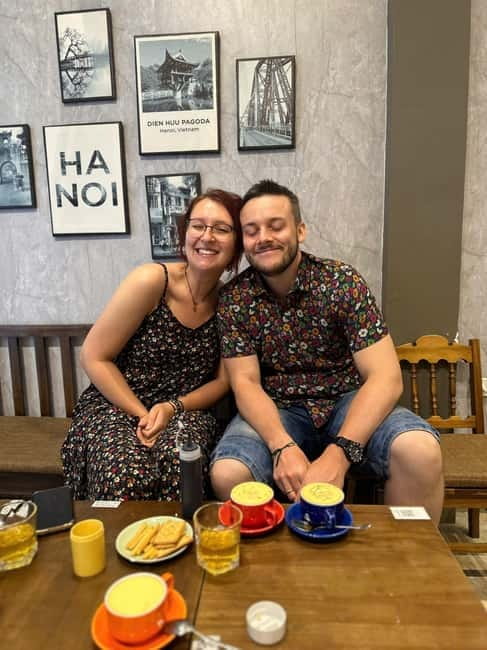
The instructors are from Hanoi and grew up around coffee. Their stories cover grandparents, street cafés, old morning routines, and the way coffee habits have changed.
Names connected with recent sessions include Jade, Eddie, Daisy, Tyler, Zoey, Jessica, Mint, Ngoc, and others. You cannot normally choose a particular instructor, but the teaching style is consistent in the most important ways: clear English or Vietnamese, patient explanations, and time for questions.
The local advice is an extra benefit. Guides have shared maps and suggestions for cafés, restaurants, markets, and bars around Hanoi. That can be useful early in your visit, when you want help sorting genuine local places from the many options aimed at visitors.
I would book this near the start of your Hanoi stay if possible. You can use the café suggestions afterward, and you will understand the drinks you order around the city. If your schedule is tight, the class also works well as a one-hour introduction before a day of sightseeing.
Small groups, timing, and the caffeine question
The group is limited to 10 people, which is small enough for individual help. Several teaching sessions can be much smaller, depending on the time slot, and a solo booking may become a private class.
A small group also makes conversation easier. You may share the table with people from different countries, and the coffee gives everyone an easy subject to talk about. The atmosphere is social without requiring a formal group activity.
The listed duration is one to two hours. A shorter session may suit you if you want a quick cultural activity. Allow closer to two hours if you plan to ask questions, make all six coffees, and take photographs.
Book in the morning if you can. One coffee might be manageable for most people, but six tasting portions can add up quickly. The class includes coffee and tea, though tea does not cancel the caffeine. Anyone sensitive to coffee should ask about portion sizes and pace.
What the 22 dollar price includes
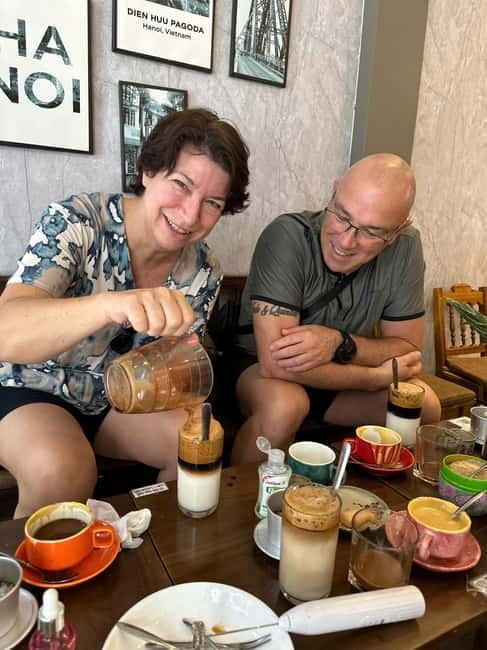
At $22 per person, this is good value if you care about learning rather than simply consuming drinks. You get several coffees, fresh ingredients, an instructor, recipes, local suggestions, and a hands-on activity lasting up to two hours.
The cost also includes the practical parts that are easy to overlook: ceramic tools, fresh eggs, milk, coconut, coffee from Vietnam’s Central Highlands, clean restrooms, air conditioning, sterilized utensils, and a dishwasher.
The recipes are especially useful. You leave with instructions for making the drinks at home, including ways to work with simple equipment and ingredient substitutes. A phin filter may also be available to buy, which is handy if you want to continue the habit after Vietnam.
The value is weaker if you dislike coffee or want a quiet tasting with no participation. This is a workshop, so you will be involved. If your only aim is to try egg coffee once, a café will cost less and take less time.
Family, access, and the feel of the space
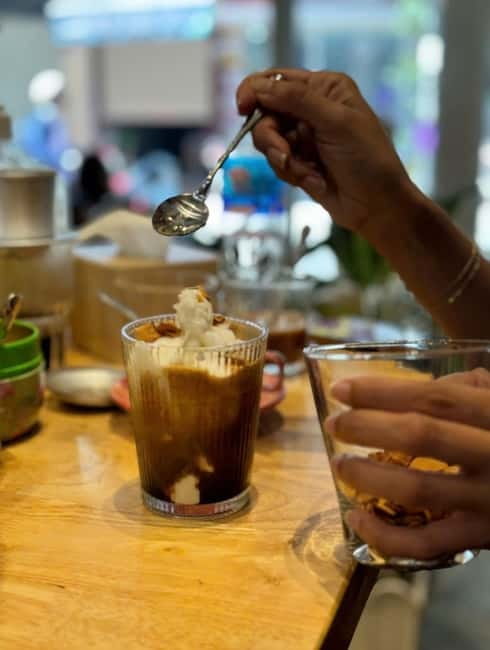
The activity is wheelchair accessible, and the host space has air conditioning and clean restrooms. A pet-friendly garden area is available, and childcare service can be provided.
Babies under one year are not suitable for the activity, and people over 95 are excluded by the stated conditions. For everyone else, the format is fairly flexible, but it is sensible to mention access needs when booking.
The presence of local elders adds warmth to the setting. They are ready to welcome questions, so you may get a more personal exchange than you would in a standard café class. At the same time, this is a home, not a museum or formal cultural center. Come with curiosity and respect for the ordinary nature of the place.
Who will enjoy this most
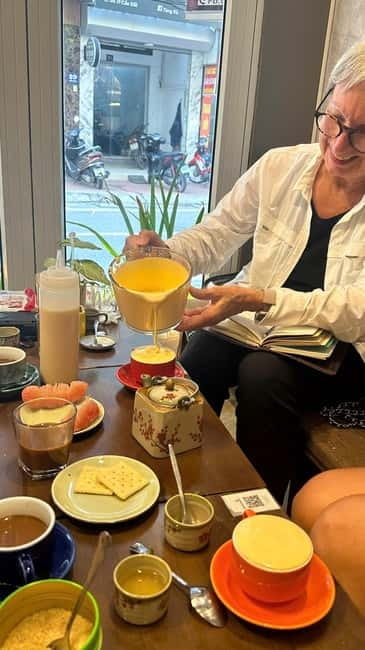
I would choose this class for you if you meet one or more of these descriptions:
- You already enjoy Vietnamese coffee and want to understand how it is made.
- You want a hands-on activity that fits into a short Hanoi stay.
- You like food experiences with local stories attached.
- You want recipes you can repeat at home.
- You prefer a small group over a large demonstration.
- You are curious about egg, coconut, or salted coffee but do not know where to begin.
It is less suitable if you do not drink caffeine, dislike sweet drinks, or want a tour focused on major sights. The experience takes place around a table, not across Hanoi, so it will not replace a city walking tour.
Booking details worth knowing
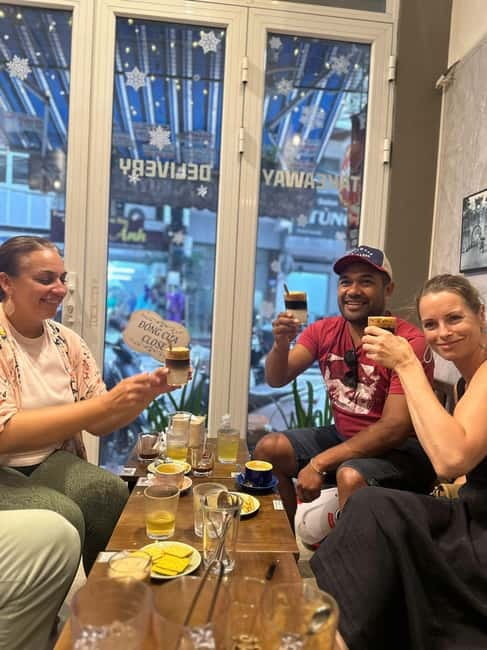
The experience is offered in Vietnamese and English. You can reserve now and pay later, which helps if your Hanoi plans are still moving around.
Free cancellation is available up to 24 hours in advance for a full refund. The meeting point is near the Opera House and French Quarter, in a quiet Old Quarter location, so allow enough time to find the café rather than rushing from another appointment.
The provider is PhotheSoul. Group size is capped at 10, and the class can last from one to two hours depending on the session.
Should you book the coffee workshop?
Yes, if you want more than a quick cup and can handle a strong dose of caffeine. At $22, you get six styles, real practice, local context, recipes, and useful Hanoi recommendations in a compact session.
Book it early in your visit, preferably in the morning. You will learn what to order at cafés afterward, and the smaller home setting gives you a personal look at Hanoi coffee culture that a normal café stop cannot provide. If you are not a coffee drinker, choose another activity. For everyone else, this is one of the more useful short experiences in the Old Quarter.
FAQ
How long does the Vietnamese coffee workshop last?
The activity lasts between one and two hours. Starting times vary, so check availability when booking.
How many types of coffee will I make?
You will make four to six signature Vietnamese coffees. The listed styles are black, brown, egg, white or silver, coconut, and salted coffee.
Is the coffee workshop hands-on?
Yes. You grind, brew, whisk, taste, and adjust the drinks rather than only watching an instructor demonstrate them.
Which languages are available?
The instructors offer the experience in Vietnamese and English.
How large is the group?
The group is limited to 10 participants. Some time slots may have fewer people and can feel close to a private class.
Is the activity wheelchair accessible?
Yes, the activity is wheelchair accessible.
Can I cancel or pay later?
You can reserve now and pay later. Cancellation up to 24 hours before the activity qualifies for a full refund.
Just added around Hanoi
- Vietnamese Coffee 101 Workshop★ 5.0 · 11 reviews
- Private tour: Hanoi city tour-Van Phuc silk village with egg coffee, lunch★ 5.0 · 2 reviews
- Hanoi 2.5 hour Guided Sightseeing Cyclo Tour & Egg Coffee Class★ 5.0 · 16 reviews
- Taste of Vietnam’s Coffee Scene – A Guided Experience★ 5.0 · 2 reviews
- Hanoi daily egg coffee making course with local guide★ 5.0 · 17 reviews
- Private Hà Nội Coffee History Tour★ 5.0 · 6 reviews
- hidden gems cafe – learn making coconut and egg coffee★ 5.0 · 2 reviews
- 3 Dishes cooking + Egg Coffee bonus & Local Market Tour★ 5.0 · 14 reviews
Hanoi Coffee Tours, compared.
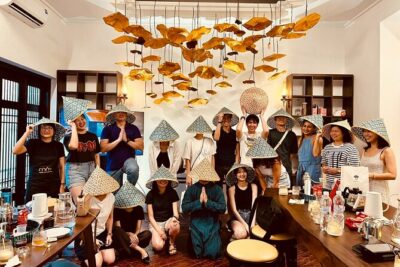
Hanoi Coffee Experience: 6 Brews, 9 Recipes & 3 Liquor Tastings
Read our review →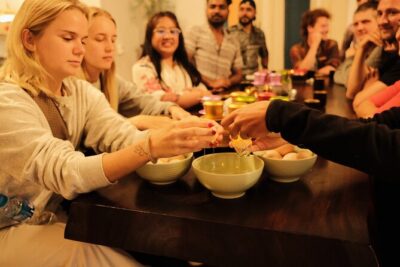
Hanoi Coffee Workshop: Taste Salt, Coconut and Egg Coffee
Read our review →
Salt Coffee Workshop Awake Your Senses With 6 Brews
Read our review →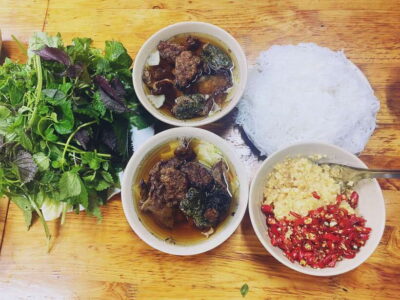
Hanoi Cooking Class: Pho/Bun Cha/Banh Xeo…+Free Egg/Salt Coffee
Read our review →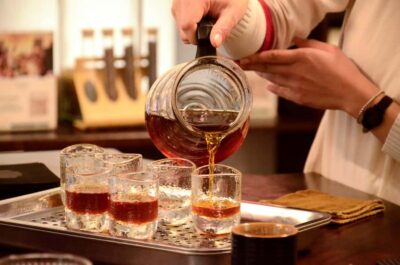
Vietnamese Coffee Workshop with 6 Brews and 8 Recipes
Read our review →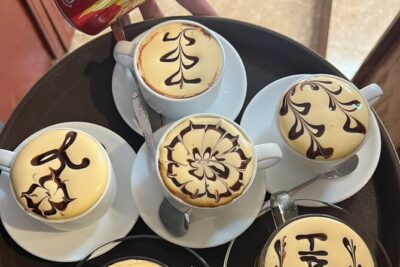

Hanoi Coffee Workshop: Master 6 Signature Vietnamese Coffee
Read our review →Browse the lists this tour appears in