
Review · HOI AN
Coffee Making and Banh Mi Class Hoi An
The best part of this Hoi An class is the pairing: you make banh mi from scratch, then match your sandwich with several Vietnamese coffee styles. It is a hands-on food lesson rather than a simple tasting, with fresh ingredients and step-by-step help.
I like the unusual focus on the baguette, since many cooking classes skip the bread itself. I also like the chance to try egg, salt, and coconut coffee in one sitting. The main drawback is simple: pickup and drop-off are not included, so you must reach the meeting point at 16 Lưu Trọng Lư on your own.
Key points to know
- Banh mi is the main event: You learn to make the Vietnamese baguette, not just assemble fillings.
- Three distinctive coffee styles: Egg coffee, salt coffee, and coconut coffee are included alongside the coffee lesson.
- Rosie leads the class: The host is described as energetic and focused on making the session fun.
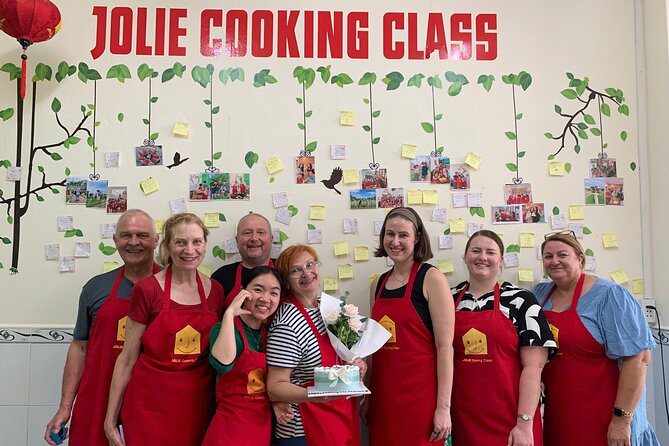
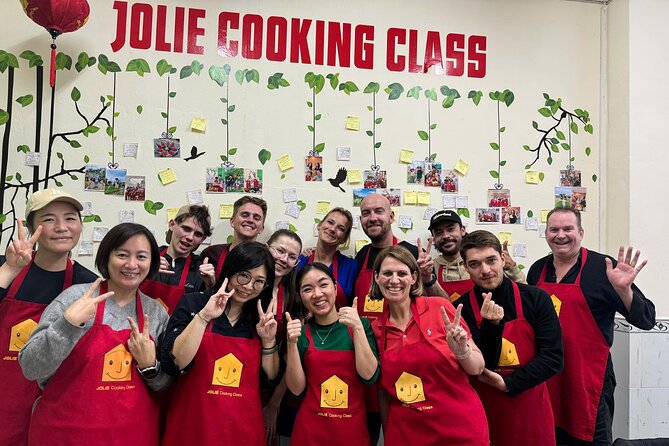
- Small group size: The class accepts no more than 12 people, allowing room for guided work.
- Two and a half hours for $35: The price includes coffee, tea, and banh mi, but not transportation.
- Easy cancellation terms: You receive a full refund if you cancel at least 24 hours before the start time.
Why banh mi and Vietnamese coffee work so well together
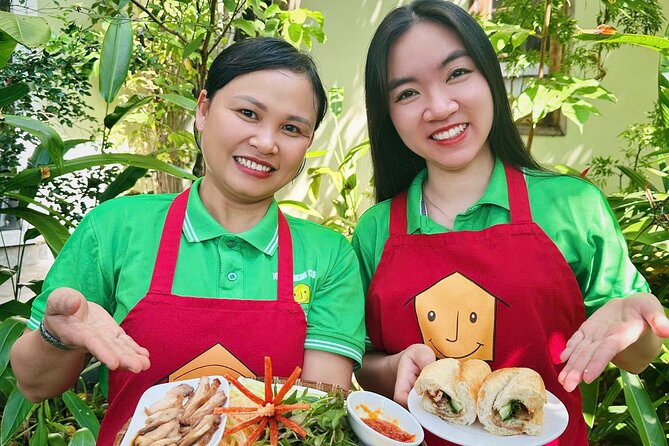
Banh mi is one of Vietnam’s best-known street foods for good reason. The sandwich brings together a crisp baguette, savory fillings, and fresh herbs in one compact meal. Here, you are not limited to eating the finished product. You learn how the Vietnamese baguette fits into the sandwich and take part in making it.
The coffee side gives the class a second angle on everyday Vietnamese food. Instead of serving only standard black coffee, the session includes egg coffee, salt coffee, and coconut coffee. These styles show how a familiar drink can change with a few carefully chosen additions.
I like this pairing because the two parts complement each other. Banh mi is crisp, savory, and fresh. The coffee tasting gives you sweet, creamy, salty, and coconut notes to compare. You leave with more than a recipe. You also get a clearer idea of how Vietnamese food balances texture and flavor.
The class is especially useful if you want to understand food you will see throughout Hoi An. You can order banh mi and coffee from street stalls during the rest of your visit, but making both items gives you a better sense of what goes into them.
More Coffee Making Classes in Hoi An
- Hoi An: Vietnamese Coffee Culture and Coffee Making Class
★ 4.9 · 4,006 reviews - Vietnamese Culture and Coffee Making Class
★ 5.0 · 497 reviews - Hoi An: Vietnamese Coffee Making Workshop at Local Roastery
★ 4.8 · 174 reviews
Arriving at 16 Lưu Trọng Lư in Hoi An
The class begins and ends at 16 Lưu Trọng Lư, Tân An, Hội An, Quảng Nam. Pickup and drop-off are not included, so plan your own way to the meeting point and allow enough time to arrive before the start.
The location is near public transportation, which gives you an option beyond arranging a private ride. Since the activity returns to the same place, you do not need to work out a second meeting point at the end. That is helpful if you have evening plans elsewhere in Hoi An.
You receive confirmation when you book. The booking details should be kept handy, particularly if you are making your way across town or coordinating the class with other plans. Since the class lasts about two hours and 30 minutes, allow additional time for getting there and returning to your hotel or the Old Town.
There is no stated hotel transfer, so do not assume that transport is part of the $35 price. The meeting point arrangement keeps the cost clear, but it also puts the arrival planning in your hands.
The coffee session: three styles, three different tastes
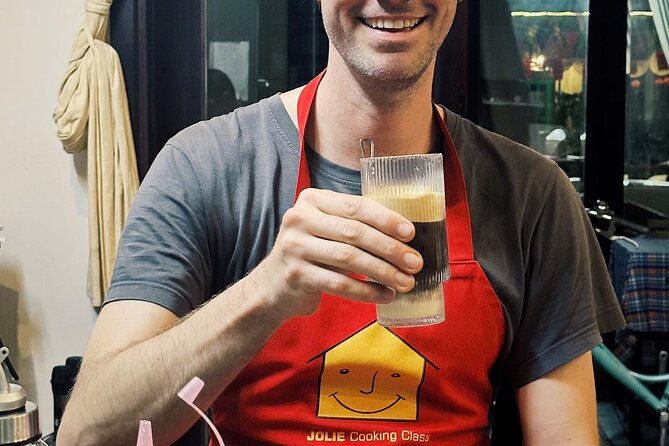
The coffee lesson includes several Vietnamese styles rather than stopping at one familiar cup. You can brew and taste egg coffee, salt coffee, and coconut coffee, giving you a useful comparison within a single session.
Egg coffee is known for its creamy topping and dessert-like character. Salt coffee brings a salty note into the drink, while coconut coffee adds coconut flavor and a different kind of sweetness. The class lets you taste these styles side by side instead of trying to remember them from separate cafés.
Coffee and tea are included. The information does not specify the exact brewing equipment, coffee beans, or the order in which the drinks are prepared, so you should treat this as a guided tasting and making session rather than a technical barista course.
That distinction matters. If you are searching for advanced coffee training, this may not be the right format. If you want to learn the basics, try several local drinks, and understand what you are ordering in Vietnam, it makes much more sense.
I particularly like the range of styles. A standard coffee lesson could feel repetitive, but these three drinks give the session variety. You also have a chance to decide which style suits you best before ordering it again elsewhere.
Making the Vietnamese baguette from scratch
The banh mi portion is the feature that makes this class different from many general cooking activities. You learn to make an authentic Vietnamese baguette, then use it as the base for the sandwich.
The available details do not list every stage of the bread recipe, the fillings, or the cooking equipment. What is clear is that fresh ingredients are supplied and that the process is taught step by step. That means you should expect practical instruction rather than a demonstration where you only watch someone else cook.
The bread itself deserves attention. A good banh mi depends on the contrast between a crisp outside and a light interior. Once the baguette is ready, the savory fillings, fresh herbs, and other ingredients turn it into the finished sandwich. Making each part helps you see that banh mi is more than a roll with filling tucked inside.
The class also gives you something you can try again at home. Recreating the complete sandwich may require ingredients that are not easy to find in every country, but the basic method and assembly ideas remain useful. At minimum, you gain a better sense of what makes the bread and filling combination work.
Because the class is limited to 12 people, you should have a better chance of receiving direct help than in a large cooking demonstration. The size is not tiny, so the amount of personal attention can still depend on the group and the pace of the session. Even so, the limit keeps the activity from becoming a crowded food production line.
More Coffee Making Classes in Vietnam
- Hoi An: Lantern and Coffee Making Class
★ 5.0 · 154 reviews - Hoi An: Hands-on Vietnamese Coffee Making Class with Long
★ 4.8 · 66 reviews - Unique Lantern and Coffee Making Class in Hoi An
★ 5.0 · 55 reviews - Hoi An: Vietnamese Coffee Making Course
★ 4.9 · 25 reviews
Meeting Rosie and learning in a relaxed group
The host named in the available information is Rosie, described as energetic and good at making the experience fun. That matters in a practical cooking class. Bread and sandwich preparation are easier to follow when the instructor keeps the process moving and explains each stage clearly.
The class is designed for fellow food lovers, and you eat the banh mi you make together at the end. This shared meal is a natural finish to the lesson. You can compare the result with others in the group and enjoy the food while it is fresh.
The session is not described as a formal culinary qualification or an advanced professional course. I would choose it for a friendly introduction to Vietnamese food, not for restaurant-level training. The atmosphere appears to be part of the appeal, particularly if you enjoy meeting people while working with food.
A group maximum of 12 is a sensible middle ground. It is large enough to keep the class social, but small enough to avoid the scale of a mass-market event. If you prefer a private lesson or need highly tailored instruction, the stated group format may not suit you.
What is included for $35
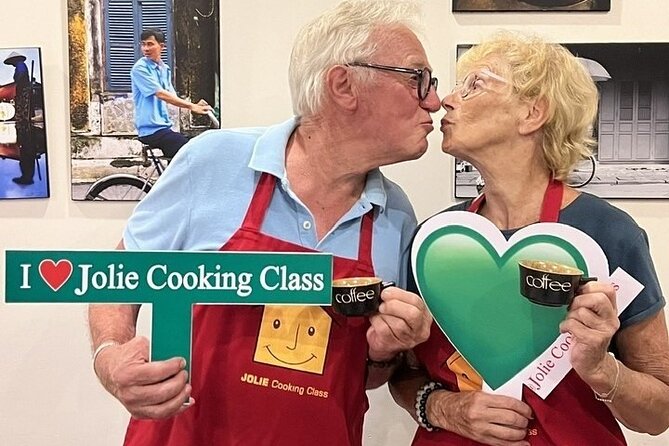
At $35 per person, the price covers the coffee and/or tea, the banh mi, fresh ingredients, and the instruction needed to prepare them. You are paying for food to eat during the class as well as a practical activity that lasts roughly two and a half hours.
That is fair value if you want more than a café stop. Buying a coffee and a sandwich in Hoi An would cost less, but it would not include the instruction, the chance to prepare the baguette, or the tasting of three distinct coffee styles. The class also fills a useful part of an afternoon or evening without requiring a full-day commitment.
The value is strongest for people who enjoy learning by doing. If you only want to sample coffee and banh mi, you can find simpler and cheaper ways to do that around town. If you want to understand the preparation and leave with ideas you can repeat, the class earns its price more easily.
Food and drink are included, but transport is not. You should also avoid assuming that every meal or refreshment outside the listed coffee, tea, and banh mi is covered. The published inclusions are narrow and clear.
Timing, group size, and the best fit
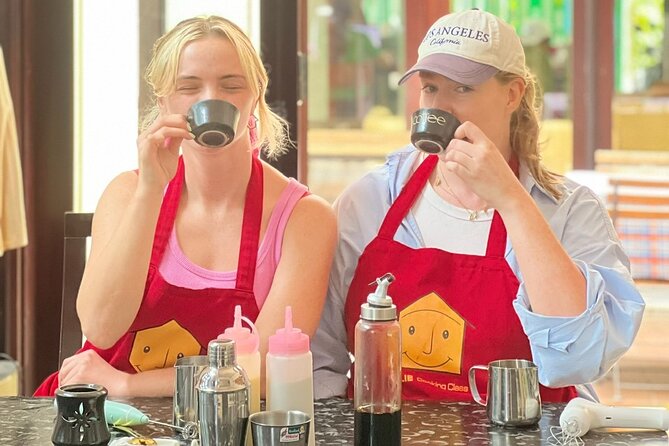
The class lasts approximately two hours and 30 minutes. That is enough time for both the coffee work and the banh mi preparation without taking up an entire day. I would place it on a day when you have a free afternoon or evening, rather than between tightly timed tours.
Since the start and end point are the same, the activity is easy to combine with other plans in Hoi An. Still, the end time is approximate, so leave some breathing room before a reservation or performance.
This class should suit you if:
- You want to learn a Vietnamese dish that many general cooking classes do not cover.
- You enjoy coffee and want to compare local styles.
- You prefer a small-group activity with hands-on preparation.
- You are happy to arrange your own transport to Tân An.
- You want a food experience that lasts a few hours rather than a full day.
It may be less suitable if you want hotel pickup, a private class, or detailed professional bread training. The available information also does not promise a specific dietary menu, so ask before booking if you have allergies or strict food requirements.
Practical booking advice for Hoi An
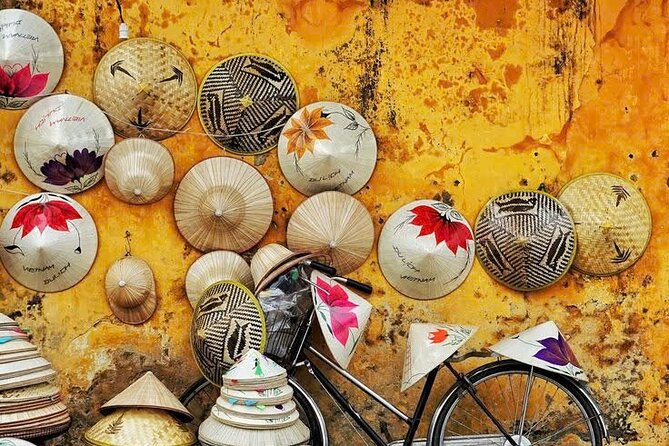
The class is often booked about five days ahead. That pattern suggests you should reserve before arriving if your schedule is fixed, especially if you want a particular date. The maximum group size is 12, so last-minute space may not always be available.
You can cancel for a full refund up to 24 hours before the local start time. Inside that 24-hour window, the payment is not refunded, and changes are not accepted. This is a useful policy, but it rewards firm planning.
Mobile tickets make it easy to carry the booking details on your phone. You should still confirm the exact meeting point before leaving, since the class does not include a transfer service.
The provider is HPT TRAVEL COMPANY LIMITED. The activity ends back at the starting point, which keeps the logistics simple and makes it easier to plan your next stop.
My verdict: book it for the bread and coffee contrast
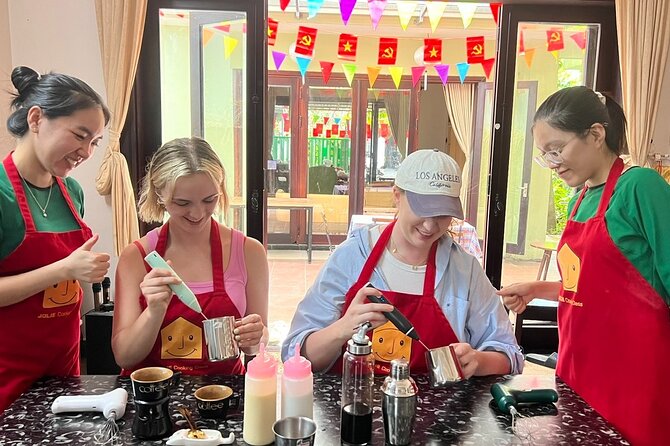
I would book this class if I wanted a compact, practical introduction to two important parts of Vietnamese food culture. The strongest reason is the bread lesson. Many food activities focus on fillings or prepared dishes, while this one teaches you to make the baguette itself.
The second strong point is the coffee range. Egg, salt, and coconut coffee give you three clear styles to taste and compare, and coffee and tea are included in the price. Rosie’s energetic approach should also help keep the class lively rather than overly formal.
At $35, the experience offers good value for anyone who wants instruction, food, and tasting in one session. I would skip it only if you are looking for transportation, private attention, or a detailed professional baking course.
For most food-focused visitors in Hoi An, this is a sensible choice: small enough to feel personal, short enough to fit into a busy itinerary, and different enough from a standard cooking class to justify the booking.
FAQ
How much does the Coffee Making and Banh Mi Class cost?
The class costs $35 per person.
How long does the class last?
The experience lasts approximately two hours and 30 minutes.
Where does the class begin?
The class begins at 16 Lưu Trọng Lư, Tân An, Hội An, Quảng Nam, Vietnam.
Where does the activity finish?
The activity ends back at the meeting point.
Is pickup and drop-off included?
No. Pickup and drop-off are not included, so you must arrange your own transport to and from the meeting point.
What coffee styles are included?
You brew and taste egg coffee, salt coffee, and coconut coffee.
Is food included?
Yes. Coffee and/or tea and banh mi are included.
Do I make the banh mi from scratch?
Yes. The class teaches you to make an authentic Vietnamese baguette and prepare the banh mi with fresh ingredients.
How many people can join the class?
The activity accepts a maximum of 12 travelers.
Can I cancel for a full refund?
Yes. You can cancel at least 24 hours before the experience start time for a full refund. Cancellations or changes made within 24 hours are not refunded or accepted.
Just added around Hoi An
- Vietnamese Coffee Making Class in Hoi An★ 5.0 · 4 reviews
- Vietnamese Egg Coffee Making Course in Hoi An★ 3.5 · 2 reviews
- Hoi An Ancient Town and Coffee Making Course★ 5.0 · 4 reviews
- Hoi An Vietnamese Coffee Workshop: Hands-On Brewing Class★ 5.0 · 3 reviews
- Authentic Vietnamese Coffee Making Experience in Hoi An★ 5.0 · 13 reviews
- Hoi An Coffee Making Workshop★ 5.0 · 7 reviews
- Market- Coffee- Cooking class in Hoi An (JHA2)★ 5.0 · 16 reviews
- Hoi An Coffee Tasting And Old Town Discovering Tour★ 5.0 · 4 reviews
Coffee Making Classes, compared.
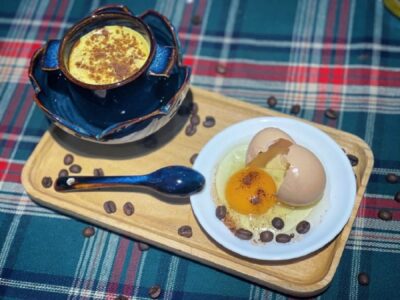
Vietnamese Coffee Culture and Coffee Making Class
Read our review →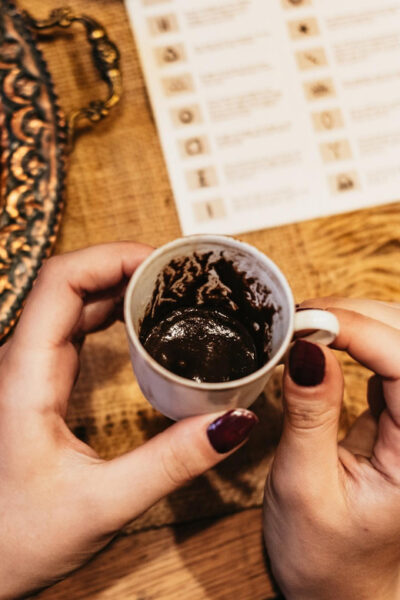
Turkish Coffee Making and Fortune Telling Workshop
Read our review →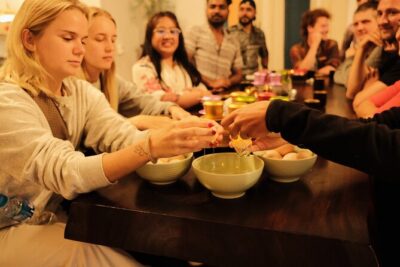
Hanoi Coffee Workshop: Taste Salt, Coconut and Egg Coffee
Read our review →
Salt Coffee Workshop Awake Your Senses With 6 Brews
Read our review →


Turkish Coffee Making and Fortune Telling Workshop
Read our review →Browse the lists this tour appears in