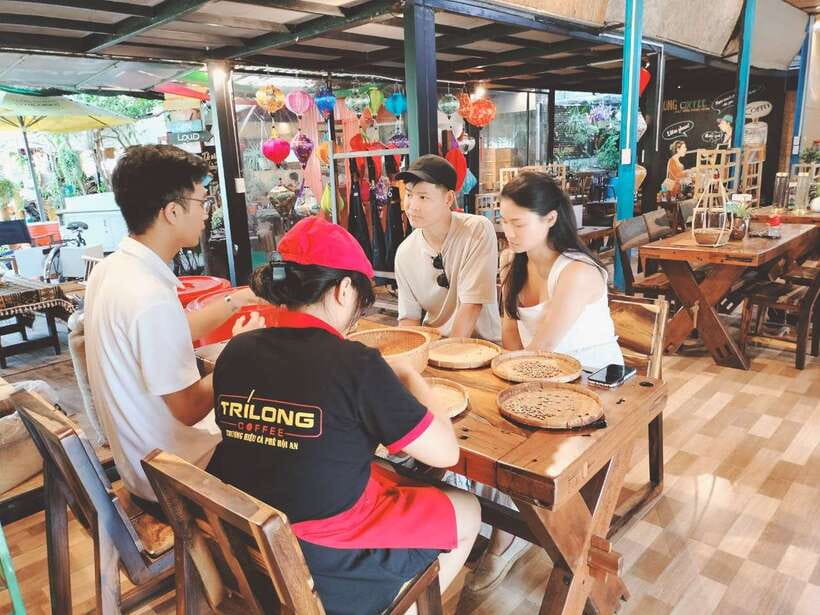
Review · HOI AN
Hoi An: Vietnamese Coffee Making Course
Vietnamese coffee gets interesting when the cup turns creamy, salty, or sweet. In this 90-minute Hoi An class, you can learn the slow-drip Phin method and make a coffee that feels very different from a standard café order.
I like the hands-on format, since you prepare the drink yourself rather than only watching a demonstration. I also like the choice of egg, coconut, or salt coffee, plus the chance to learn how roast levels affect taste. The main consideration is that this is a short class, so you should choose your coffee sessions carefully if you want to try several styles.
Key points at a glance
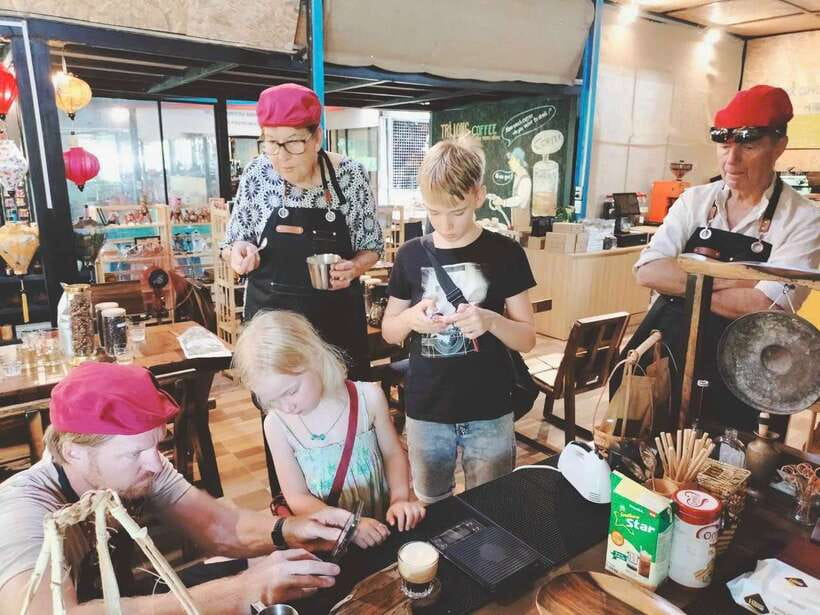
- Make your own coffee: Ingredients, tools, water, and one cup of coffee are included.
- Choose your style: Options include Phin filter coffee, egg coffee, coconut coffee, and salt coffee.
- Learn the roast: See how raw beans become aromatic coffee and how roast levels change flavor.
- Meet in central Hoi An: The class takes place at Tri Long Coffee, with no hotel transport included.
- Good for solo visitors and groups: Private groups are available, and the class uses English instruction.
- Strong value at $22: You get a guided class, tasting, ingredients, and practical recipes to use later.
Why Vietnamese coffee deserves a class
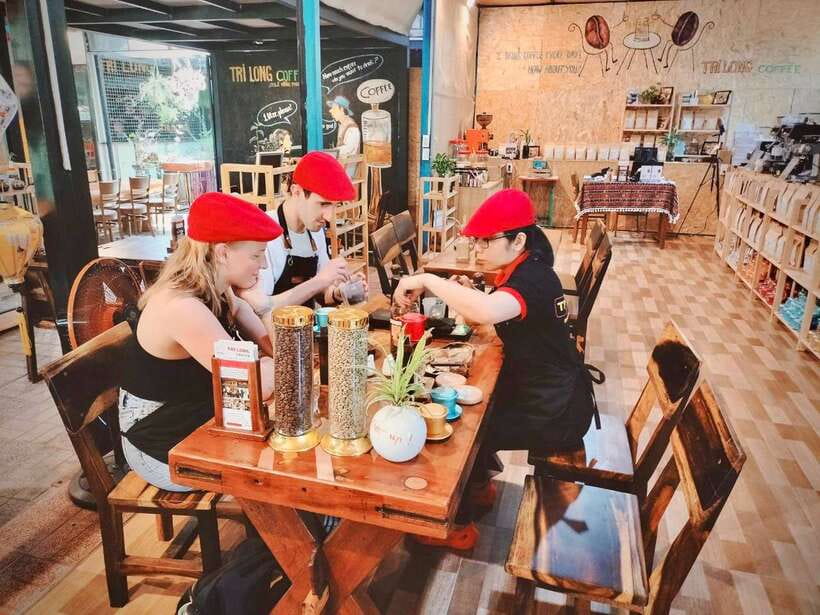
Vietnamese coffee is not simply strong coffee poured over ice. It is a set of methods and combinations shaped by local ingredients, patient preparation, and a liking for bold flavor. The traditional Phin filter produces a slow, concentrated brew. Condensed milk softens it. Egg yolk turns it creamy. Coconut gives it a tropical sweetness, while salt can make the coffee taste rounder and less bitter.
That makes this class useful even if you are not a coffee expert. You do not need to arrive knowing the difference between a light roast and a dark roast. The instructor explains the process in plain terms, then gives you the tools and ingredients to try it yourself.
I especially like that the class covers both the coffee bean and the finished drink. Many short food activities focus only on eating. Here, you learn why the coffee tastes the way it does, then put that lesson into practice.
The activity has a current rating of 4.9 from 25 ratings, and the strongest praise centers on three things: clear explanations, friendly staff, and delicious coffee. People also value the practical side. Recipes are provided at the end, and you may have the chance to buy beans after the class.
More Coffee Making Classes in Hoi An
- Hoi An: Vietnamese Coffee Culture and Coffee Making Class
★ 4.9 · 4,006 reviews - Vietnamese Culture and Coffee Making Class
★ 5.0 · 497 reviews - Hoi An: Vietnamese Coffee Making Workshop at Local Roastery
★ 4.8 · 174 reviews
Starting at Tri Long Coffee in central Hoi An
You meet at Tri Long Coffee in Hoi An city, where the instructor welcomes you. Hotel pickup and drop-off are not included, so plan your own way to the café and allow enough time to arrive without rushing.
The central location makes this a sensible activity to pair with a day in Hoi An. You can schedule it between sightseeing, shopping, or an evening meal, though you should check the available starting times before booking. The class lasts 90 minutes, which is long enough for explanation and preparation but short enough to fit into a busy day.
An English-speaking instructor leads the session. A private group option is available if you want a more personal setup or are traveling with your own party. The available information does not give a guide’s name, so do not book expecting a particular instructor.
The setting is a working coffee shop rather than a large cooking school. That is part of the appeal. You learn in a place connected to daily café life, with the coffee itself at the center of the activity.
Watching beans change through roasting
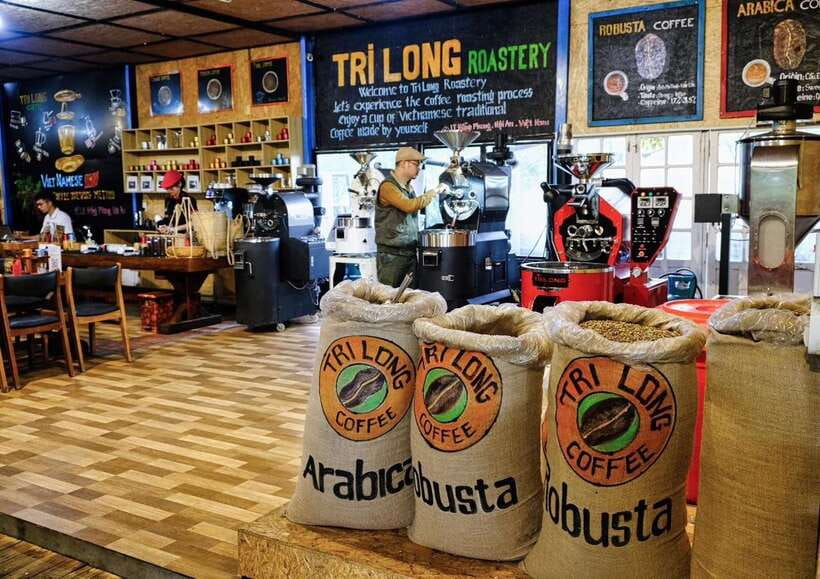
The first part looks at coffee roasting. You learn how beans move from their raw state to the familiar brown beans used for brewing. The important lesson is that roast level affects the final cup, not just the color of the bean.
A lighter roast can preserve more of the bean’s original character, while a darker roast tends to bring heavier, deeper flavors. The class explains these differences as part of the journey from bean to drink. You may not leave as a trained roaster, but you should have a better sense of why two coffees brewed in the same way can taste very different.
This section adds useful context to the rest of the class. When you make a Phin coffee or add coconut cream, you can think about how the base coffee is shaping the drink. The coffee is not just a vehicle for sugar, egg, or coconut.
The class uses professionally roasted beans, according to the activity details. That matters because poor beans can make it hard to judge a new brewing method. Here, the tasting is intended to show the qualities of properly prepared coffee rather than cover up a weak cup.
One practical limit is that the roasting portion is a demonstration, not a full roasting workshop. If your main goal is to roast and package your own beans, this is not that kind of class. It is better suited to learning the basic stages and tasting the result.
The slow rhythm of a Phin filter
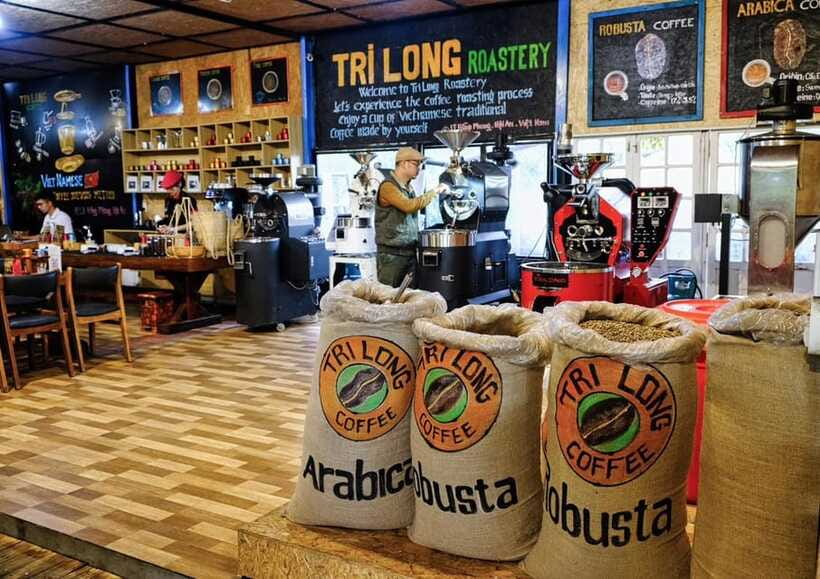
The Phin filter is one of the most useful things to learn here. It is a small Vietnamese metal brewer that sits directly over your cup. Hot water passes slowly through compacted coffee, producing a concentrated drink.
The method takes patience. You do not get an instant cup, and that pause is part of the experience. The coffee drips gradually, giving you time to watch the brew develop and understand why Vietnamese coffee often has a bold, full taste.
You learn how the Phin works and how its slow filter changes the character of the coffee. The result balances bitterness with sweetness, especially when paired with condensed milk or other ingredients. If you enjoy making coffee at home, this is the technique with the most practical value. A Phin is simple, compact, and easy to carry.
The class includes the tools and ingredients needed for the session. You do not need to bring coffee equipment. You also receive water, and the activity includes a cup of coffee made by you.
The wording of the experience allows you to choose the type of coffee you want to make. Some participants choose the traditional Phin coffee, while others focus on egg, coconut, or salt coffee. If you want to try more than one style, check how many sessions are included in your selected booking. The available format refers to two, three, or four different sessions, and the exact choice affects how much you can taste and prepare within the 90-minute period.
More Coffee Making Classes in Vietnam
- Hoi An: Lantern and Coffee Making Class
★ 5.0 · 154 reviews - Hoi An: Hands-on Vietnamese Coffee Making Class with Long
★ 4.8 · 66 reviews - Unique Lantern and Coffee Making Class in Hoi An
★ 5.0 · 55 reviews - Coffee Class & Basket Boat Experience or Lantern Class -optional
★ 5.0 · 18 reviews
Egg coffee, the dessert-like choice
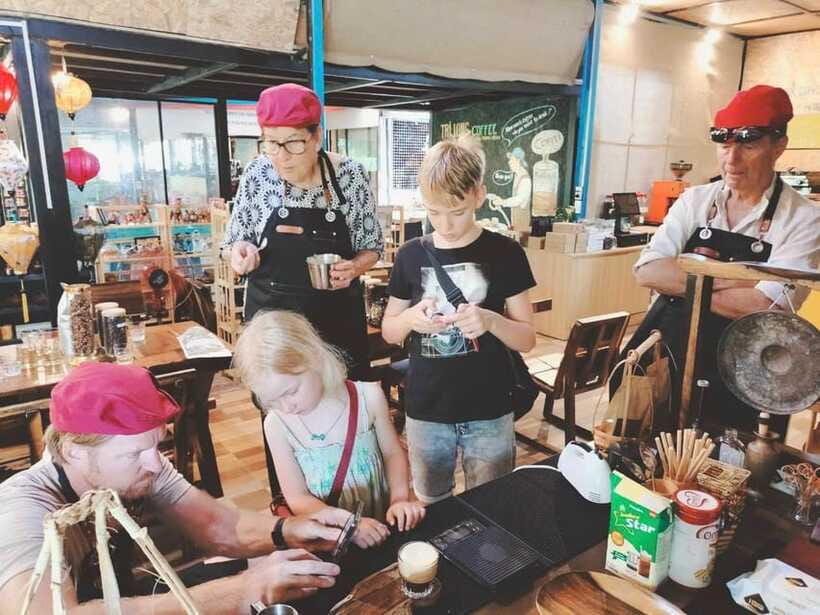
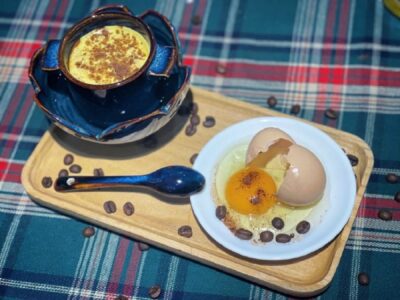
Egg coffee is likely to be the most unusual option for many people. The drink combines coffee with egg yolks, condensed milk, and sugar. The mixture is whipped until smooth and creamy, then paired with coffee.
The result is closer to a soft coffee dessert than a plain black brew. It is rich and sweet, with a velvety texture that changes the way you experience the coffee underneath. If you normally add milk or sugar to coffee, egg coffee gives you a more substantial version of that idea.
The class shows how the ingredients are combined and gives you the chance to prepare the drink yourself. That hands-on step matters. You can see how the texture changes as the mixture is whipped, rather than simply receiving a finished cup.
Egg coffee is a good pick if you like sweet drinks or want the most distinctive option. It may be less appealing if you prefer clean, bitter coffee and little added sweetness. I would choose it for novelty and texture, not as the best introduction to the flavor of the beans alone.
Coconut coffee for a cooler, sweeter cup
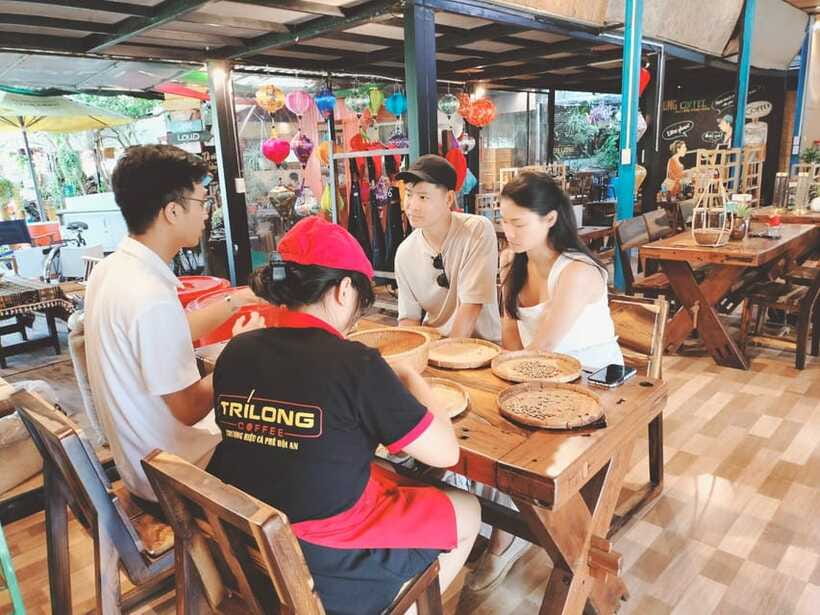
Coconut coffee takes the strength of Vietnamese coffee and pairs it with the nutty sweetness of coconut. It is designed as a refreshing drink, particularly suited to Hoi An’s warm weather.
The coconut flavor softens the coffee’s sharper edges without erasing its character. Depending on the preparation, you might find it creamy, sweet, and aromatic rather than heavy. It is a sensible choice if you enjoy iced coffee, tropical flavors, or drinks with a gentler finish.
The class focuses on how to infuse the coconut flavor into the coffee. You get to handle the ingredients and make the drink rather than only taste a sample. That gives you a better chance of repeating the recipe later, especially since recipes are provided at the end of the class.
Coconut coffee is also a good choice for a mixed group. A serious coffee drinker can appreciate the brewed base, while someone who normally avoids black coffee may prefer the softer, sweeter profile. The one drawback is that coconut can become the main flavor, so choose another option if you want to focus on the roast itself.
Salt coffee and the science of less bitterness
Salt coffee sounds odd until you taste the reason behind it. A small amount of salt can reduce the impression of bitterness and bring out other flavors in the coffee. The goal is not to make a salty drink. It is to create a more balanced cup.
The class explains this combination and lets you test it for yourself. That makes salt coffee one of the more educational choices. You can compare the taste of coffee before and after the salt is added and notice how a tiny amount changes the overall profile.
I would recommend this option if you enjoy trying local specialties or want a drink that gives you something to talk about after the class. It is also a useful reminder that coffee preparation depends on balance. Sweetness, bitterness, acidity, texture, and seasoning can all affect the final result.
As with egg coffee, salt coffee is not necessarily the best choice if your only goal is to taste the roasted beans without additions. It is a specialty drink, and the added ingredient is part of the point.
How much can you make in 90 minutes?
The class offers a choice of two, three, or four different sessions, and the coffee options include Phin, egg, coconut, and salt coffee. The exact number you select will shape the pace of the class.
If you want time to understand each method and enjoy your drink without rushing, two coffee preparations may be the most comfortable choice. A participant can focus on technique, taste the result, and ask questions. The activity details and participant feedback indicate that making two coffees is a common format.
Choosing three or four styles gives you a broader comparison. You will learn more about how one base coffee changes when paired with egg, coconut, or salt. The tradeoff is less time for each drink, since the class remains 90 minutes.
I would decide before you arrive. Pick two if you want a relaxed lesson. Pick more if your main goal is variety. If you are traveling with a group, agree in advance so the session does not lose time while everyone chooses.
What the $22 price includes
At $22 per person, the price is fair for a short, guided food activity in central Hoi An. You are paying for instruction, ingredients, tools, water, and the coffee you prepare. You also receive a cultural introduction to one of Vietnam’s most recognizable drinks.
The value is strongest if you are willing to take part. This is not simply a café tasting where you watch someone else work. You learn the method, handle the ingredients, and leave with recipes that can help you repeat the drinks later.
It is less compelling if you only want a single cup of coffee. A normal café visit will cost less and take less time. The extra money pays for the explanation and the practical lesson.
The chance to buy beans after the class may also appeal to home brewers. The activity does not promise a take-home bag, so treat that as an optional purchase rather than part of the package.
Who will enjoy this Hoi An coffee class?
I would recommend this activity to coffee fans, curious beginners, and anyone looking for a compact cultural experience. It works especially well for solo visitors because the class is hands-on and does not depend on having a large group.
It also suits couples and small groups. A private group option is available, which can give your party more control over the pace and drink choices. Families with older children might enjoy the sweet egg and coconut options, though the available information does not specify age requirements.
This is a particularly good choice if you want a rainy-day activity or a break from walking around Hoi An. The 90-minute length is manageable, and you do not need previous coffee experience.
I would skip it if you dislike sweet drinks, have no interest in preparation, or want a full cooking course with a meal. The focus stays firmly on coffee, from roasting basics to brewing and flavored preparations.
Booking details worth knowing
You can cancel up to 24 hours before the activity for a full refund. The reserve-now, pay-later option lets you keep your plans flexible, which is useful when your Hoi An schedule is still changing.
Check the start times before confirming, since the class is offered at set times rather than as an open-ended drop-in activity. You meet directly at Tri Long Coffee, and transport from your hotel is not included.
English is the listed teaching language. If you want a private group, select that option when available. Since the activity is only 90 minutes, arrive ready to begin and decide which coffee styles interest you most.
Should you book the Vietnamese coffee class?
Book it if you want more than a drink and like the idea of learning a method you can repeat at home. The Phin filter lesson, roasting explanation, and choice of egg, coconut, or salt coffee give the class a good range for its modest price.
Choose two coffee styles for a calmer lesson, or select more if comparing flavors matters most to you. Egg coffee is the sweetest and creamiest option. Coconut coffee is softer and tropical. Salt coffee is the most unusual. Phin coffee gives you the clearest look at the traditional brewing method.
Skip it if you are looking for a long food tour, hotel transport, or a full bean-roasting workshop. For most people with 90 minutes to spare in central Hoi An, though, this is a practical and tasty way to understand why Vietnamese coffee is so distinctive.
FAQ
Where does the coffee class take place?
The class takes place at Tri Long Coffee in Hoi An city. You meet the English-speaking instructor there.
How long does the activity last?
The coffee-making class lasts 90 minutes.
How much does the class cost?
The listed price is $22 per person.
Which coffee styles can I make?
You can choose Vietnamese Phin filter coffee, egg coffee, coconut coffee, or salt coffee.
Can I choose more than one coffee?
The activity offers two, three, or four different sessions, depending on the selected format. Check the available option when booking to confirm how many preparations are included.
Is the class taught in English?
Yes. English is the listed language for the instructor.
Are ingredients and equipment included?
Yes. Ingredients, tools, and water are included, along with a cup of coffee made by you.
Is hotel pickup included?
No. Hotel pickup and drop-off are not included. You make your own way to Tri Long Coffee.
Can I book a private group?
Yes. A private group option is available.
Can I cancel for a refund?
You can cancel up to 24 hours in advance for a full refund. You can also reserve now and pay later, according to the booking terms.
More Vietnamese Coffee Experiences in Hoi An
- Authentic Vietnamese Coffee Making Experience in Hoi An
★ 5.0 · 13 reviews - Hoi An: Hand-on Making Vietnamese Coffee Class & Culture
★ 4.7 · 9 reviews - Vietnamese Coffee Making Class in Hoi An
★ 5.0 · 4 reviews - Hoi An Vietnamese Coffee Workshop: Hands-On Brewing Class
★ 5.0 · 3 reviews
Just added around Hoi An
- Vietnamese Coffee Making Class in Hoi An★ 5.0 · 4 reviews
- Vietnamese Egg Coffee Making Course in Hoi An★ 3.5 · 2 reviews
- Authentic Vietnamese Coffee Making Experience in Hoi An★ 5.0 · 13 reviews
- Hoi An Ancient Town and Coffee Making Course★ 5.0 · 4 reviews
- Hoi An Vietnamese Coffee Workshop: Hands-On Brewing Class★ 5.0 · 3 reviews
- Hoi An Coffee Making Workshop★ 5.0 · 7 reviews
- Market- Coffee- Cooking class in Hoi An (JHA2)★ 5.0 · 16 reviews
- Hoi An Coffee Tasting And Old Town Discovering Tour★ 5.0 · 4 reviews
Vietnamese Coffee Experiences, compared.
Vietnamese Coffee Culture and Coffee Making Class
Read our review →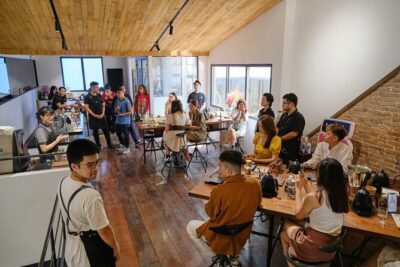
Fun & Easy Vietnamese Coffee Workshop in Hồ Chí Minh City
Read our review →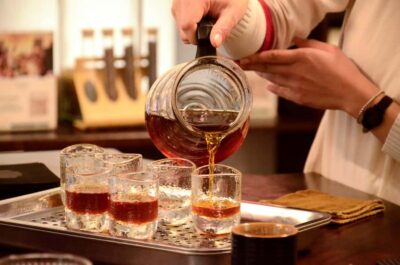
Vietnamese Coffee Workshop with 6 Brews and 8 Recipes
Read our review →
Vietnamese Coffee & Culture Exploration in Hồ Chí Minh City
Read our review →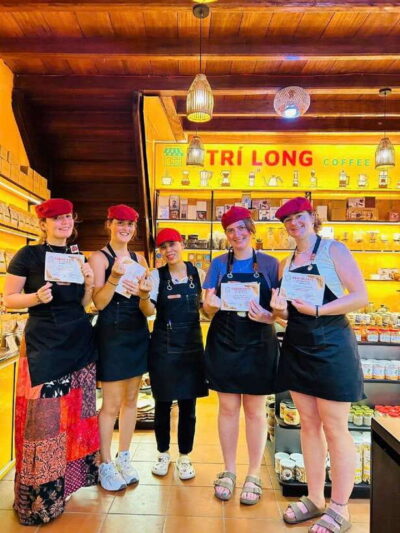
Vietnamese Coffee Making Workshop at Local Roastery
Read our review →
Hanoi Coffee Workshop: Master 6 Signature Vietnamese Coffee
Read our review →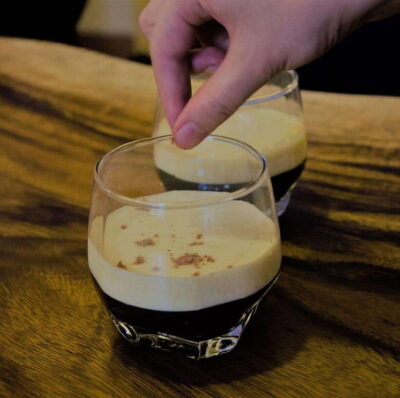
Hands-on Vietnamese Coffee Making Class with Long
Read our review →