Review · HOI AN
Hoi An: Hand-on Making Vietnamese Coffee Class & Culture
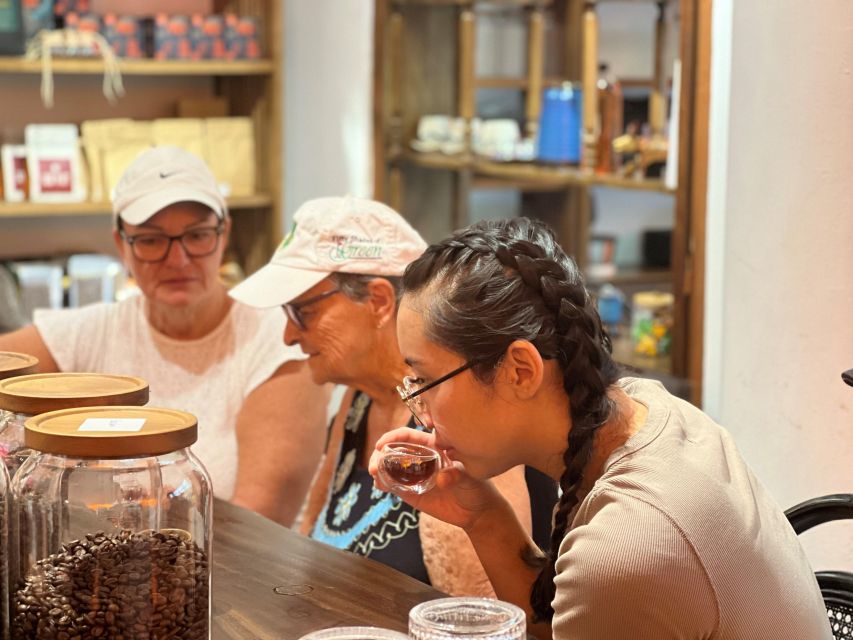
Vietnamese coffee is more than a strong drink with sweet milk. At this Hoi An roastery, you learn how coffee moves from Vietnamese farms to a small-batch roast, then make your own cup by hand. I like the choice of four local styles, and I like that the class ends with time to sip your coffee in a comfortable setting with music. The main thing to consider is the short one-hour format: this is a focused introduction, not a full coffee workshop.
I especially like the chance to use a traditional Phin filter, since it shows you how Vietnamese coffee is prepared at home and in cafés. The small group, limited to 10 people, should also make it easier to follow the English-speaking coffee specialist and ask questions. Children under 10 cannot join, and hotel transport is not included, so plan your route to 88 Phan Chau Trinh.
Key points
- Choose one of four Vietnamese coffees: Make a Phin filter coffee, egg coffee, salt coffee, or coconut coffee.
- See coffee from crop to cup: Learn about Vietnamese coffee-growing regions, roasting, and café culture.
- Work in a small group: The class is limited to 10 participants, with an English-speaking host or greeter.
- Taste what you make: The activity includes all ingredients, equipment, and coffee tasting.
- Pay $15 for a one-hour introduction: The price is reasonable if you want an active cultural stop rather than just another café visit.
What the one-hour Hoi An coffee class actually offers
This experience takes place at a local coffee roastery at 88 Phan Chau Trinh Street in Hoi An. It is not simply a tasting where someone hands you a finished drink. You take part in making a traditional Vietnamese coffee, then drink the result.
The class combines three parts: a look at small-batch roasted beans, an explanation of Vietnamese coffee culture, and hands-on preparation. That combination gives you more context than a standard café stop, while keeping the activity short enough to fit into a busy day in Hoi An.
The pace matters. One hour is enough to learn a method and taste one style, but you should not expect a long roasting demonstration or a detailed course on every Vietnamese coffee region. Think of it as a practical introduction with a cultural story attached.
More Coffee Making Classes in Hoi An
- Hoi An: Vietnamese Coffee Culture and Coffee Making Class
★ 4.9 · 4,006 reviews - Vietnamese Culture and Coffee Making Class
★ 5.0 · 497 reviews - Hoi An: Vietnamese Coffee Making Workshop at Local Roastery
★ 4.8 · 174 reviews
Starting with Vietnamese coffee culture
The English-speaking coffee specialist begins with the story behind popular cafés in Vietnam and their place in local culture. Coffee is presented as part of daily life, not just a product to buy and carry away.
The class also explains the path from crop to cup. You learn that the beans are sourced from coffee-growing regions in Vietnam, then roasted in small batches before being prepared as a drink. That is useful context because the final cup is shaped by several choices: the beans, the roast, the brewing method, and the ingredients added at the end.
I like this part because it gives you a better way to read a Vietnamese café menu later in your trip. Instead of ordering blindly, you will understand the basic difference between a Phin coffee, egg coffee, salt coffee, and coconut coffee.
The information is delivered in English. Since no individual instructor name is provided, you should expect guidance from the coffee specialist or host assigned to the session rather than a named personal guide.
Choosing your traditional coffee style
You choose one coffee style to make and taste. The options each offer a different glimpse of Vietnamese café habits.
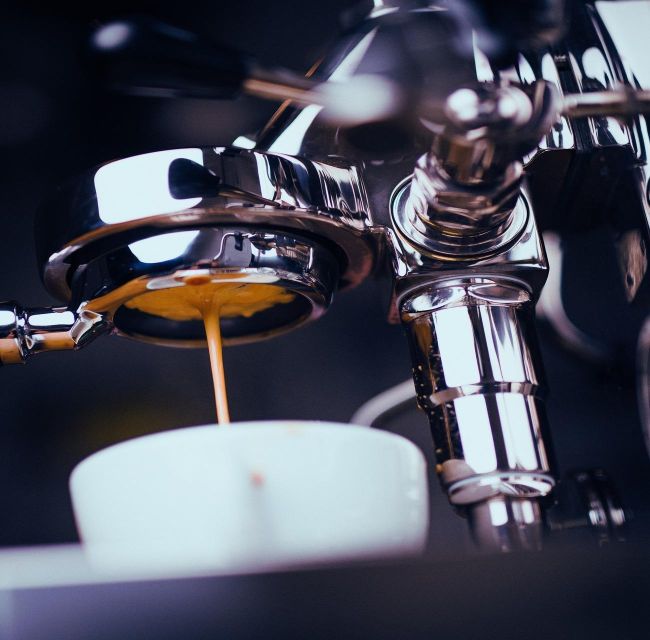
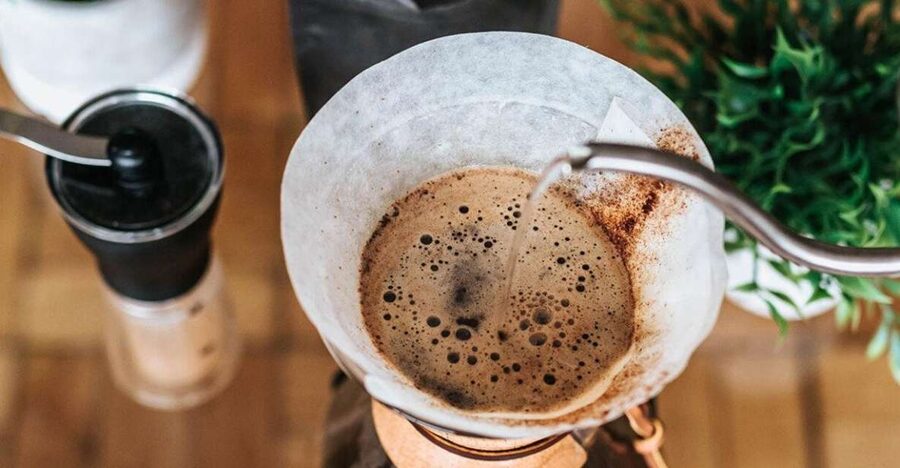
Vietnamese Phin filter coffee is the most direct introduction to traditional preparation. The small metal filter sits over your cup while the coffee slowly drips through. It is a hands-on method, and the slower pace helps you understand why Vietnamese coffee is often served as a small, concentrated drink.
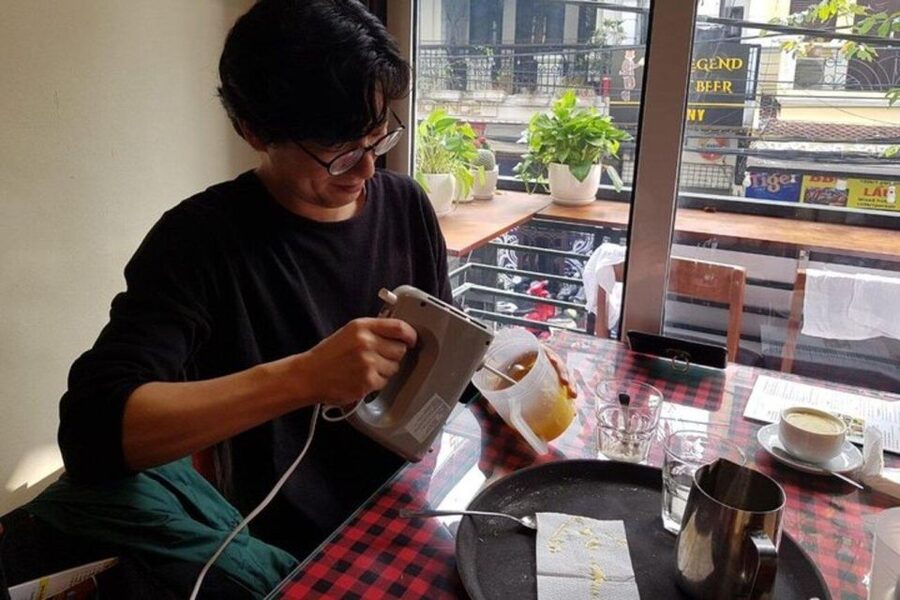
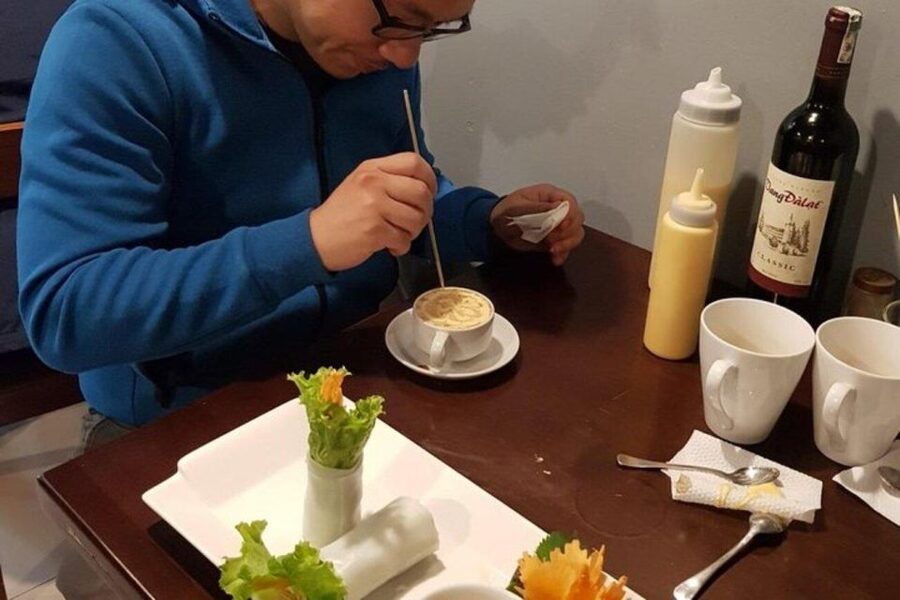
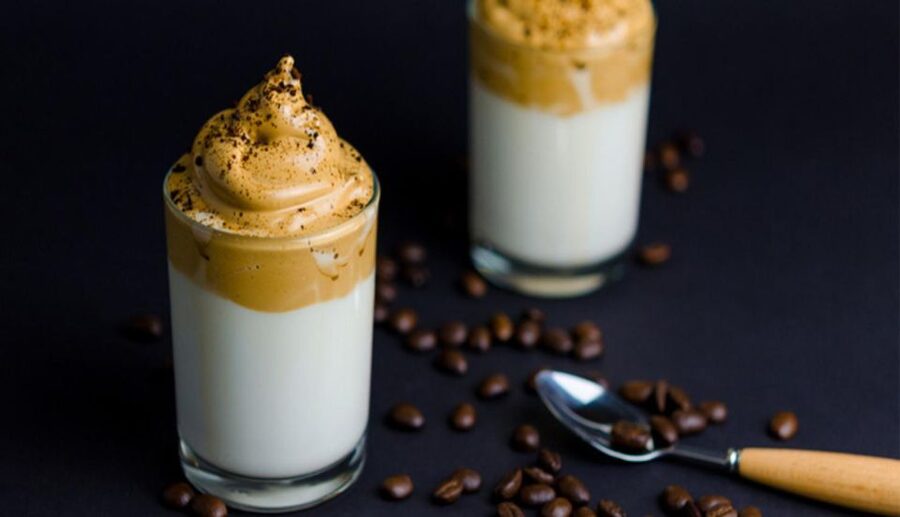
Egg coffee is a more distinctive choice. The name tells you the key ingredient, but the important part of the class is learning how the drink is assembled rather than simply ordering one from a menu. Choose this if you want the most unusual option.
Salt coffee offers another local variation. The addition of salt changes the balance of the drink and gives you a chance to try a style that is not part of the usual coffee routine at home.
Coconut coffee is the choice for a sweeter, more cooling style. It brings a different texture and flavor to the basic coffee, making it a good pick if you prefer something less plain than a traditional black brew.
The activity does not say that you can make all four. Plan on selecting one style for the hands-on portion. If you are particularly interested in comparing them, ask the host at the beginning whether tasting more than one is possible, but do not assume it is included.
Learning with beans roasted in small batches
The roastery focuses on small-batch roasted beans sourced from Vietnamese coffee-growing areas. That detail is important for anyone who wants to understand what is in the cup rather than treating coffee as a generic souvenir.
Small-batch roasting suggests that the beans are handled in limited quantities, with attention given to the roasting process. The experience connects that process to the final drink you prepare. You do not just hear about coffee in the abstract. You work with the finished beans and taste how the preparation method affects them.
The roastery also presents quality and sustainability as part of its approach. The activity does not provide specific certifications, farming projects, or packaging details, so you should not expect a formal sustainability tour. Still, the discussion gives you a chance to ask how the beans are sourced and what the roastery does to reduce waste or support producers.
That is one of the more useful parts of the class for coffee fans. You get a little background without spending half a day at a production site.
More Coffee Making Classes in Vietnam
- Hoi An: Lantern and Coffee Making Class
★ 5.0 · 154 reviews - Hoi An: Hands-on Vietnamese Coffee Making Class with Long
★ 4.8 · 66 reviews - Unique Lantern and Coffee Making Class in Hoi An
★ 5.0 · 55 reviews - Hoi An: Vietnamese Coffee Making Course
★ 4.9 · 25 reviews
The hands-on brewing portion
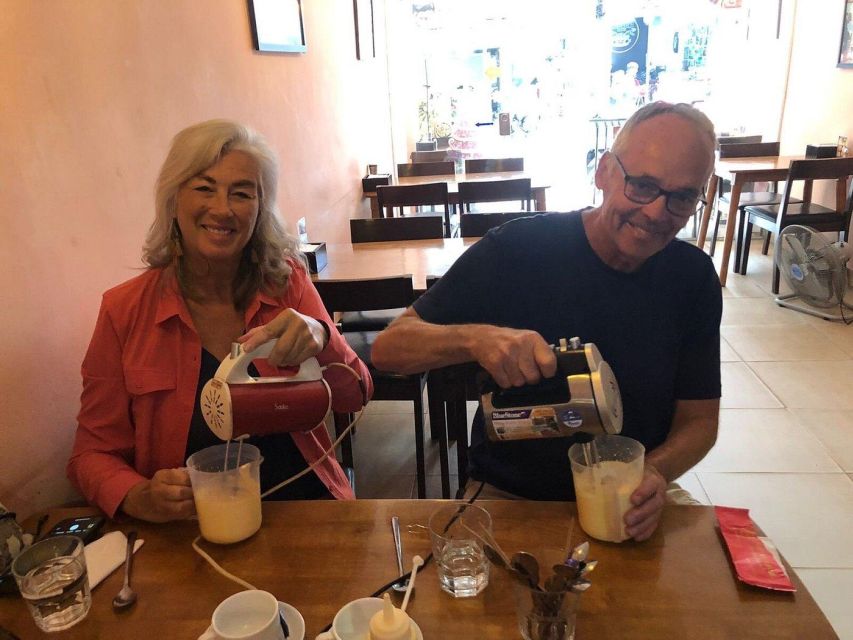
The equipment and ingredients are included, so you do not need to bring anything. The coffee specialist guides you through the preparation, and you take an active role instead of watching from the side.
The exact sequence depends on the style you choose. A Phin coffee will center on the metal filter and slow brewing. Egg, salt, and coconut coffee require their own additions and preparation steps. The class is designed to let you make the drink and then taste it while the details are fresh.
This is where the small group helps. With a maximum of 10 participants, you should have a better chance of seeing the demonstration and getting assistance than in a large public workshop. It is still a group activity, so the amount of individual coaching can vary.
The one-hour limit keeps things manageable, but it also means the class will likely move at a steady pace. If you are looking for a relaxed activity, the cozy atmosphere helps. If you want to experiment with multiple brewing methods, the schedule may feel tight.
Ending with your own cup and good music
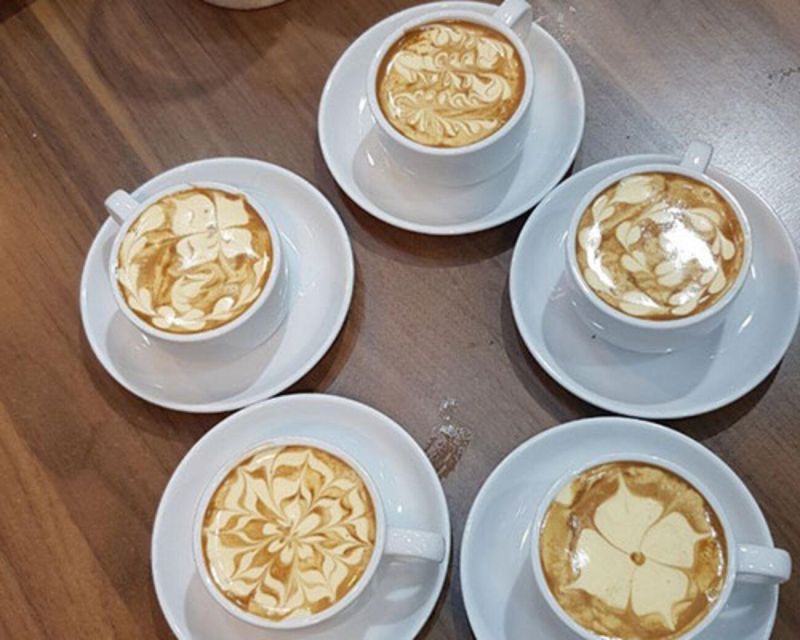
The class finishes with you drinking the coffee you made. That simple ending is one of the strongest parts of the experience because the tasting has a clear purpose. You are not sampling a finished café drink with no idea how it was prepared.
The setting is described as comfortable, with good music playing in the background. This gives the final minutes a social, easygoing feel. A verified booking described the experience as cozy, while another praised the mix of learning and trying things yourself. That matches the basic strength of the class: it gives you enough information to understand the drink, then lets you enjoy it without turning the session into a lecture.
You should also allow a little flexibility in how your coffee turns out. A first attempt at a traditional preparation may not match a professional café cup, and that is part of the point. The value is in learning the method and noticing the flavors, not in producing a perfect drink on your first try.
How the $15 price holds up
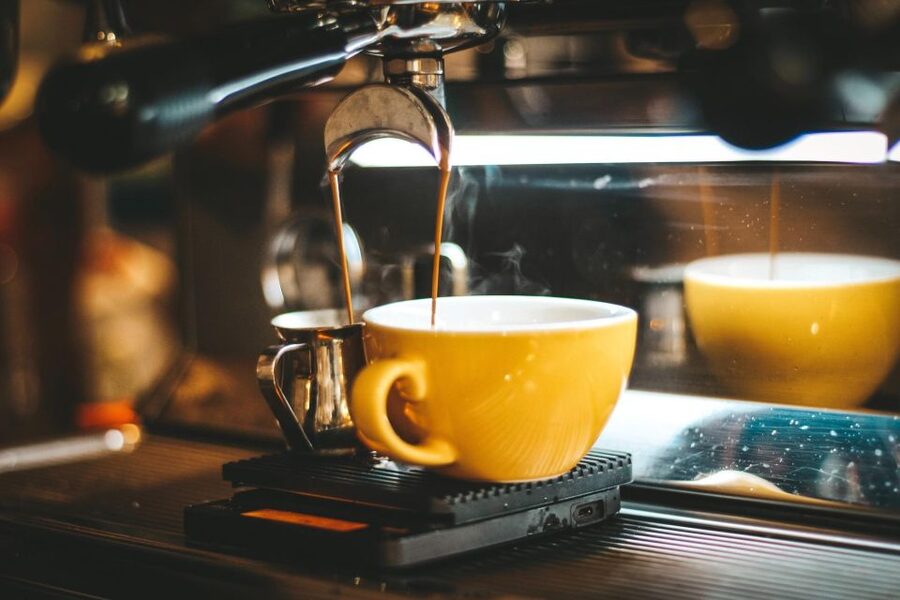
At $15 per person, the class offers fair value for a one-hour activity. The price includes the ingredients, equipment, use of the roastery, hands-on preparation, tasting, and an English-speaking coffee specialist.
Compared with simply buying one coffee, you are paying for the explanation and the chance to make the drink yourself. That makes the activity a better choice for visitors who enjoy short cultural classes and want to take home a technique, not just a photo.
The value is less clear if you only want to drink coffee. Hoi An has plenty of places where you can order a Vietnamese coffee for much less than $15. This class earns its price through the instruction and participation, so book it for the process rather than the beverage alone.
It is also a practical option for a short gap in your schedule. One hour leaves room for other sightseeing, meals, or a walk through central Hoi An. Hotel pickup and drop-off are not included, and the meeting point is the roastery on Phan Chau Trinh Street, so factor in your own transport and arrival time.
Who will enjoy this best
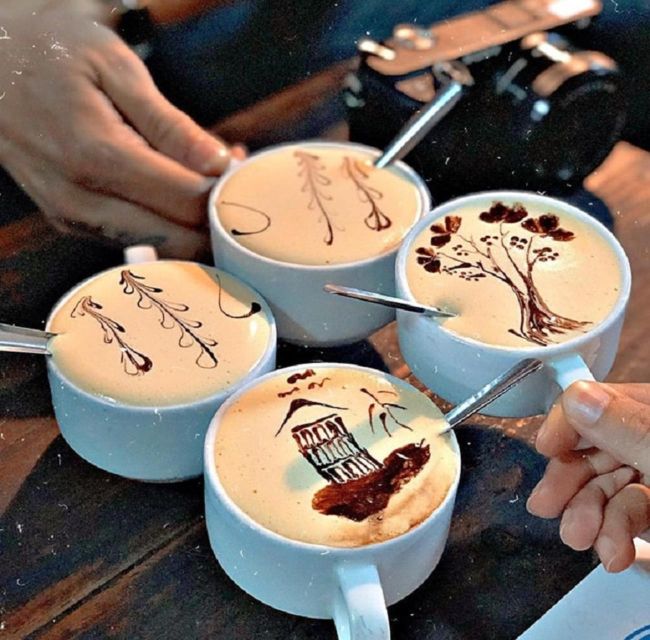
This class suits you if you like food activities, café culture, and short local workshops. It is especially useful if Vietnamese coffee is new to you and you want an explanation before ordering different styles around Vietnam.
Coffee fans will appreciate the focus on small-batch roasting and the crop-to-cup discussion. The choice of four coffee styles also lets you pick a drink that fits your taste, from the traditional Phin method to the sweeter egg or coconut options.
It can work well for solo visitors, couples, and small groups of friends. The 10-person limit keeps the class from feeling too large, while the relaxed setting gives you a chance to enjoy the final tasting.
This is not suitable for children under 10. Families with older children should also consider whether a one-hour coffee lesson will hold their interest, since the activity is built around brewing, tasting, and listening in English.
The experience is wheelchair accessible, which is useful for visitors who need step-free access. The provided information does not describe the exact room layout or restroom arrangements, so contact the provider if you need details beyond general accessibility.
Timing and booking advice for Hoi An
The activity lasts one hour, but starting times depend on availability. Check the schedule before planning it around a meal, tour, or timed attraction.
The meeting point is clearly stated as 88 Phan Chau Trinh Street in Hoi An. There is no hotel pickup or drop-off, so you are responsible for reaching the roastery and returning to your accommodation.
The booking terms are flexible. You can cancel up to 24 hours before the activity for a full refund, and you can reserve now and pay later. That helps if your Hoi An plans may change, though you should still confirm the start time before committing the rest of your day.
The host or greeter speaks English. If you need instruction in another language, this experience may not be the right match because only English is specified.
My call: book it if you want to make, not just drink
I would book this for a compact introduction to Vietnamese coffee culture. The strongest reasons are the hands-on preparation, the choice of four traditional styles, the small group, and the chance to taste your own work at the end.
At $15, it is a sensible buy for coffee lovers and curious eaters. It also fits neatly into a Hoi An itinerary because it takes only one hour.
Skip it if you simply want the cheapest cup of coffee, need hotel transportation, or expect a long technical roasting course. For everyone else, this is a friendly, practical way to understand why Vietnamese coffee is such an important part of daily life.
FAQ
Where does the coffee class take place?
The meeting point is the local coffee roastery at 88 Phan Chau Trinh Street in Hoi An, Central Vietnam.
How long does the activity last?
The coffee class lasts one hour. Starting times depend on availability.
Which Vietnamese coffee styles can I make?
You can choose from Vietnamese Phin filter coffee, egg coffee, salt coffee, or coconut coffee.
Is the class conducted in English?
Yes. The listed language is English, and an English-speaking host or coffee specialist leads the activity.
What is included in the $15 price?
The price includes all ingredients and equipment, the local roastery experience, hands-on coffee making and tasting, and a coffee expert or specialist.
Can children join the activity?
Children under 10 are not suitable for this experience. The activity is wheelchair accessible.
Is hotel pickup included?
No. Hotel pickup and drop-off are not included, so you need to make your own way to 88 Phan Chau Trinh Street.
Can I cancel my booking?
Yes. You can cancel up to 24 hours in advance for a full refund. You can also reserve now and pay later.
More Vietnamese Coffee Experiences in Hoi An
- Authentic Vietnamese Coffee Making Experience in Hoi An
★ 5.0 · 13 reviews - Vietnamese Coffee Making Class in Hoi An
★ 5.0 · 4 reviews - Hoi An Vietnamese Coffee Workshop: Hands-On Brewing Class
★ 5.0 · 3 reviews - Exploring Vietnamese Coffee Culture, Coffee Making in Hoi An
★ 3.7 · 3 reviews
Just added around Hoi An
- Vietnamese Coffee Making Class in Hoi An★ 5.0 · 4 reviews
- Vietnamese Egg Coffee Making Course in Hoi An★ 3.5 · 2 reviews
- Hoi An Vietnamese Coffee Workshop: Hands-On Brewing Class★ 5.0 · 3 reviews
- Authentic Vietnamese Coffee Making Experience in Hoi An★ 5.0 · 13 reviews
- Hoi An Ancient Town and Coffee Making Course★ 5.0 · 4 reviews
- Hoi An Coffee Making Workshop★ 5.0 · 7 reviews
- Market- Coffee- Cooking class in Hoi An (JHA2)★ 5.0 · 16 reviews
- Hoi An Coffee Tasting And Old Town Discovering Tour★ 5.0 · 4 reviews
Vietnamese Coffee Experiences, compared.

Vietnamese Coffee Culture and Coffee Making Class
Read our review →
Fun & Easy Vietnamese Coffee Workshop in Hồ Chí Minh City
Read our review →
Vietnamese Coffee Workshop with 6 Brews and 8 Recipes
Read our review →
Vietnamese Coffee & Culture Exploration in Hồ Chí Minh City
Read our review →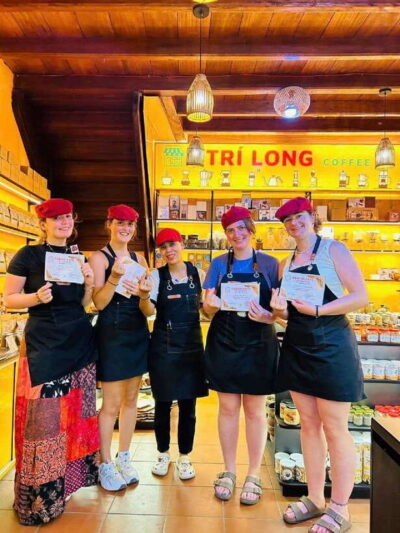
Vietnamese Coffee Making Workshop at Local Roastery
Read our review →
Hanoi Coffee Workshop: Master 6 Signature Vietnamese Coffee
Read our review →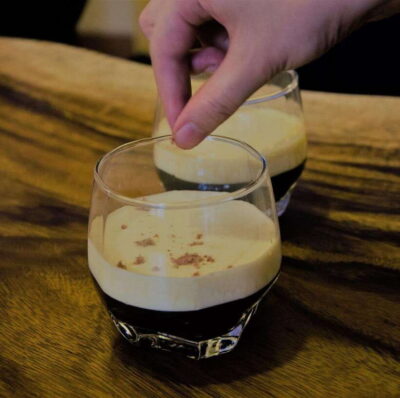
Hands-on Vietnamese Coffee Making Class with Long
Read our review →