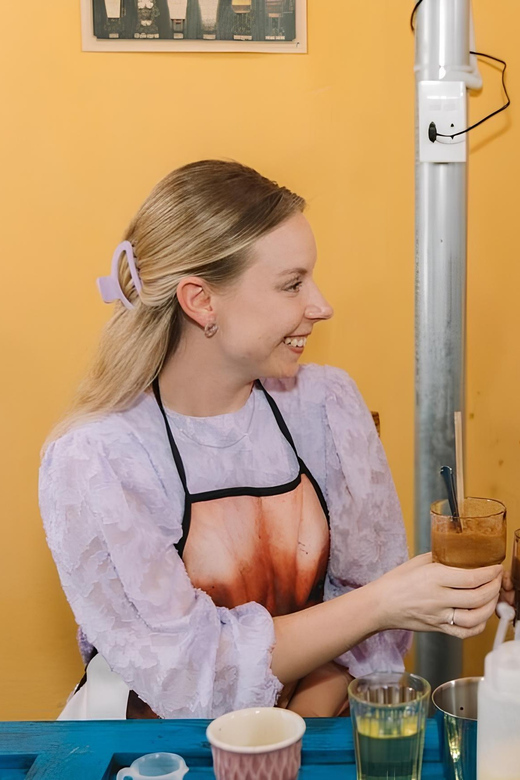
Review · HOI AN
Exploring Vietnamese Coffee Culture, Coffee Making in Hoi An
Vietnamese coffee is not just a strong drink served over ice. It is a slow, hands-on ritual built around dark-roasted beans, the small metal Phin filter, and flavors that can range from bold and bitter to sweet and creamy. This two-hour Hoi An workshop lets you make two styles yourself, including Hanoi egg coffee.
I like the clear connection between production and preparation. You learn how coffee is harvested and roasted before you brew it, so the final cup makes more sense. I also like the small-group feel described in the available feedback, along with the gentle finish of coffee, a cookie, music, and herbal tea.
The main caution is practical: the meeting point has caused confusion, and one booking record describes arriving to find the venue closed while a refund was pending. Confirm the location shortly before you go, and allow extra time to find it.
Key points at a glance
- Two Vietnamese coffee styles: Make and taste two drinks, including Hanoi egg coffee and traditional black coffee.
- From bean to cup: Learn about harvesting, dark roasting, the Phin filter, and the stories behind the flavors.
- A $20 hands-on class: Ingredients, tools, Vietnamese tea, coffee, cookies, and a local guide are included.
- Small-group setting: The available feedback describes small groups and friendly staff, which should make the practical lesson easier to follow.
- A useful Hoi An break: The two-hour format fits neatly into a morning or afternoon between sightseeing stops.
- Check the meeting point: The location has reportedly changed, so verify it before setting out.
Why Vietnamese coffee deserves two hours in Hoi An
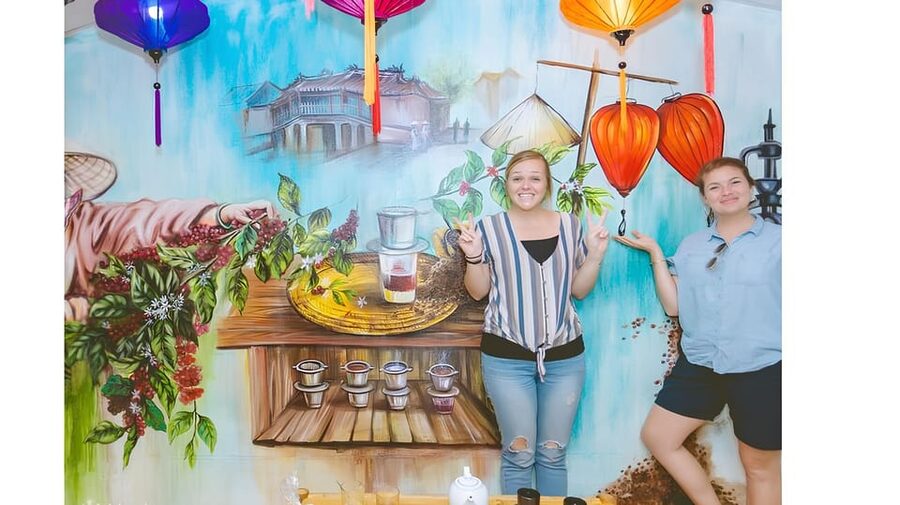
Coffee culture in Vietnam is best understood with your hands busy. Reading that Vietnamese coffee is strong or that a Phin filter works slowly tells you only so much. When you place the filter over your cup, add the coffee, and watch the brew collect drop by drop, the method becomes clear.
This workshop gives you that practical connection. You do not simply receive a cup and move on. You follow the path from harvesting to roasting to brewing, then taste the results of your own work. That makes the experience useful after your holiday, since the techniques can be repeated at home and shared with friends or family.
The class also gives you more than one flavor profile. Traditional black coffee shows off the dark roast and concentrated brew. Hanoi egg coffee takes the drink in another direction, adding a sweet, creamy element that changes its texture and balance.
For anyone who usually orders coffee without thinking about how it is made, this is a pleasant reset. You get a story to go with the drink, and you leave with a better sense of why Vietnamese coffee has become known far beyond Vietnam.
More Coffee Making Classes in Hoi An
- Hoi An: Vietnamese Coffee Culture and Coffee Making Class
★ 4.9 · 4,006 reviews - Vietnamese Culture and Coffee Making Class
★ 5.0 · 497 reviews - Hoi An: Vietnamese Coffee Making Workshop at Local Roastery
★ 4.8 · 174 reviews
Meeting the guide with herbal tea
The session begins with a local guide and a cup of special Vietnamese herbal tea. That first drink provides a calm start before the stronger coffee arrives, and it gives the guide a chance to introduce the subject in a relaxed way.
The teaching is offered in English or Vietnamese. No guide name is provided for this activity, but the guide’s role is clear: explain the local coffee tradition, demonstrate the tools, and connect the flavors to the production process.
The class is described as taking place in a small group. I prefer that format for a workshop like this. It gives you a better chance to see the demonstration and ask a question when something is unclear. It should also keep the class from feeling like a large, fixed presentation.
Do not expect a formal lecture with a long timeline of Vietnamese history. The available details point to a practical cultural lesson, with the main emphasis on methods, ingredients, and tasting. That is a good match for a two-hour activity.
Understanding the Phin filter
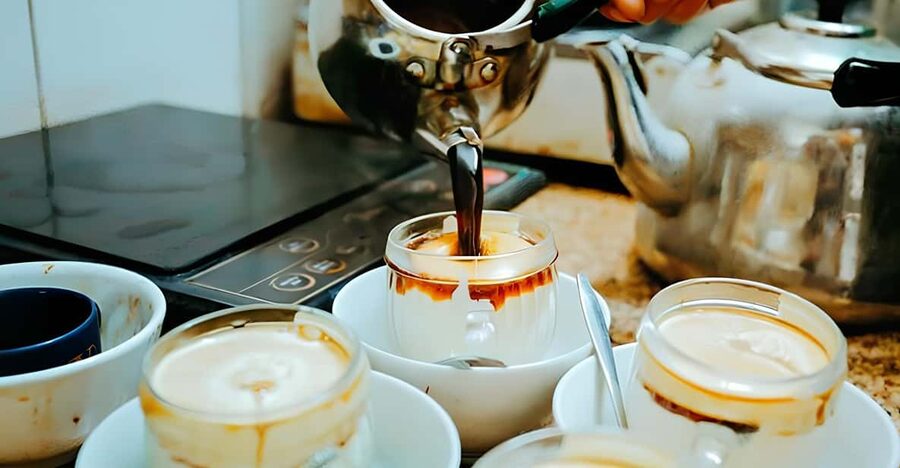
The Phin filter is the heart of Vietnamese coffee preparation. It is a small metal brewer placed directly over your cup. Unlike a quick espresso machine, it works at a slower pace, allowing the coffee to drip through gradually.
The guide explains how to use the filter and how the coffee grounds, water, and pressure work together. This is one of the most valuable parts of the class because the tool is simple enough to use at home. You do not need a large machine or a complicated setup to repeat the method.
The lesson also covers dark roasting. Vietnamese coffee is often associated with a strong, full taste, and the roasting stage helps explain that character. You learn why the beans are roasted dark and how that affects the drink in your cup.
The workshop does not promise a professional barista qualification, and it should not be judged by that standard. Its value is more practical. You learn a recognizable local brewing method and understand what you are doing instead of copying steps without context.
Making black coffee and Hanoi egg coffee
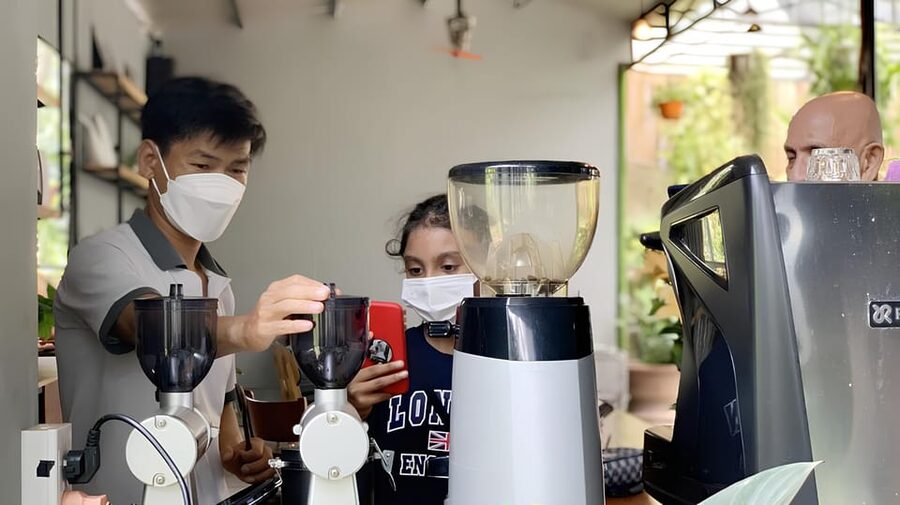
The main activity is preparing two different Vietnamese coffee styles. The supplied description identifies black coffee and Hanoi egg coffee as part of the experience, with the highlights specifically calling out Hanoi egg coffee.
Black coffee lets you focus on the brewed bean itself. The Phin produces a concentrated drink, and the dark roast gives it a powerful character. You can pay attention to the aroma, bitterness, body, and finish without a creamy topping changing the taste.
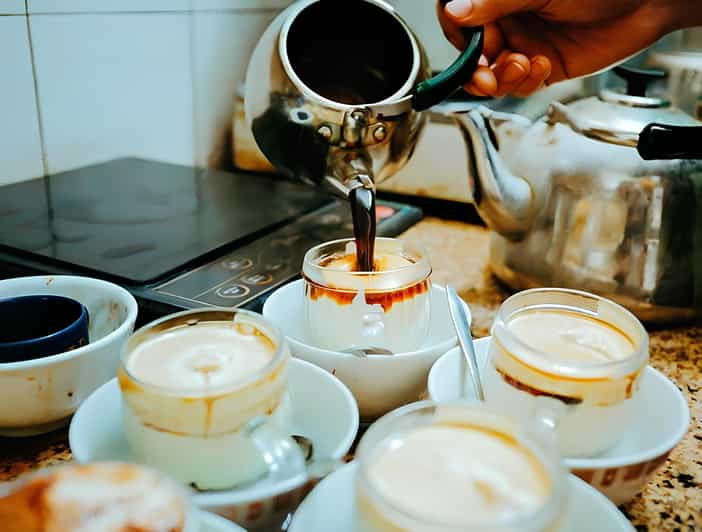
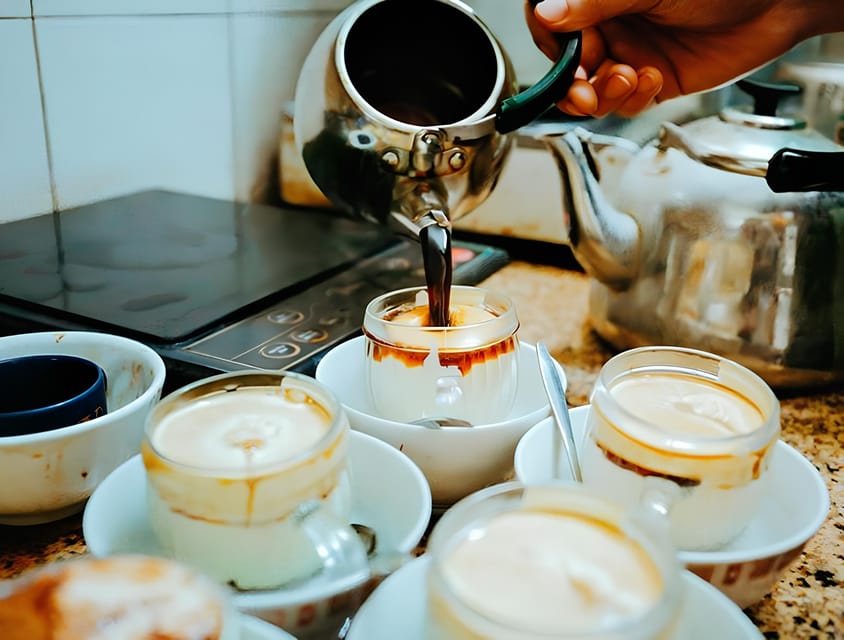
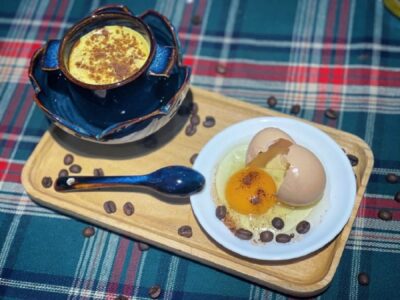
Egg coffee is a very different experience. The egg mixture adds sweetness and a smooth, dessert-like texture. It is a useful comparison because you can see how the same coffee tradition can produce drinks that feel almost like a small pudding or after-dinner treat.
The exact ingredient quantities and preparation details are not specified, so the guide’s demonstration matters. Follow the steps closely, particularly when preparing the egg mixture and timing the brew. The point is not only to taste both drinks but to understand how each style is built.
You also get to drink what you make. That sounds obvious, but it changes the class from a demonstration into a real workshop. Small mistakes become part of the lesson, and the final taste gives you immediate feedback.
More Coffee Making Classes in Vietnam
- Hoi An: Lantern and Coffee Making Class
★ 5.0 · 154 reviews - Hoi An: Hands-on Vietnamese Coffee Making Class with Long
★ 4.8 · 66 reviews - Unique Lantern and Coffee Making Class in Hoi An
★ 5.0 · 55 reviews - Hoi An: Vietnamese Coffee Making Course
★ 4.9 · 25 reviews
Following coffee from harvest to roasting
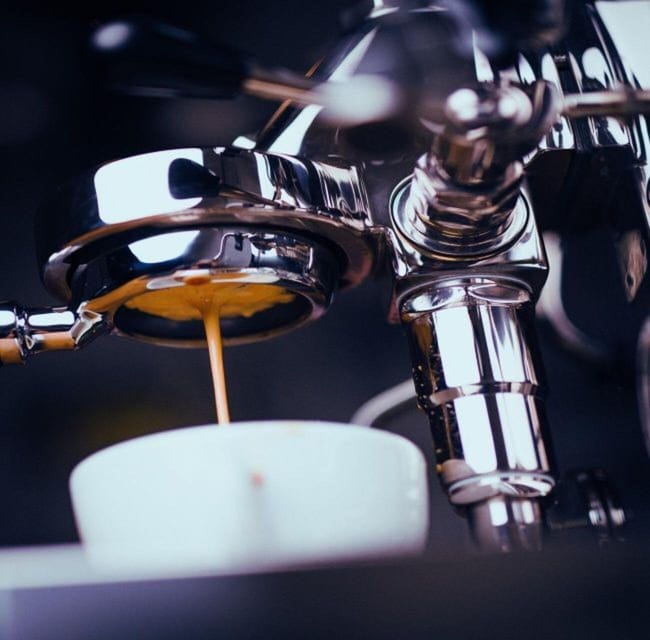
The production story adds useful context to the brewing. You learn about coffee harvesting before moving toward roasting and preparation. That sequence helps you connect the raw ingredient to the finished drink.
The session also discusses the narratives behind the flavors. This means the guide does not treat coffee as a set of isolated instructions. You hear why the drinks taste the way they do and how traditional methods shape the result.
Information about particular farms, regions, or bean varieties is not provided, so you should not expect a detailed agricultural tour. Instead, the focus is on the general journey of Vietnamese coffee and the methods used to turn beans into a local drink.
I like this balance for a short Hoi An activity. A full coffee-production tour would need more time and probably transport. Here, you get enough background to make the cup meaningful without giving up an entire day.
Ending with coffee, cookies, and music
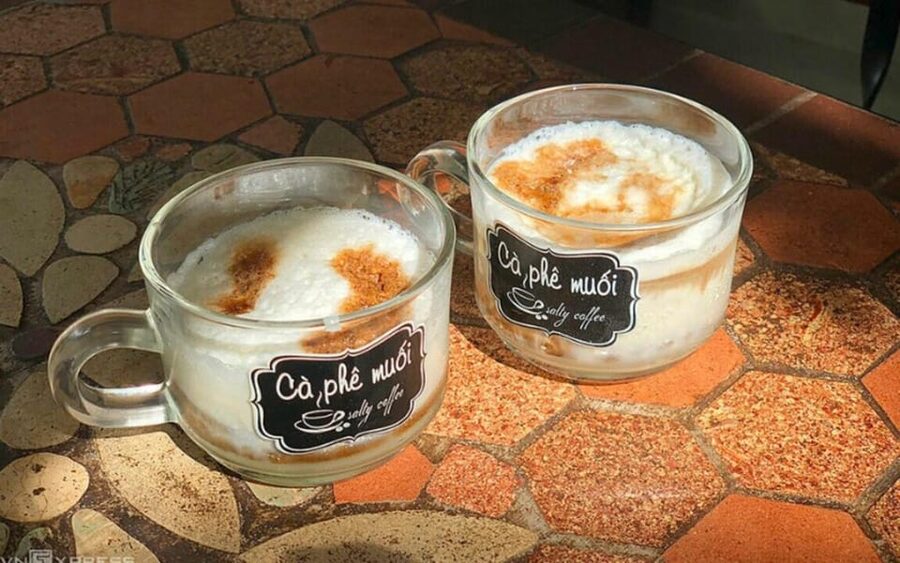
After preparing the drinks, you sit down to enjoy them with a cookie. Vietnamese tea and coffee are included, and the class finishes in a relaxed setting with music.
This final tasting is important. You have just handled the tools and ingredients, so you can compare the two coffee styles with fresh attention. The cookie gives you something sweet alongside the drinks, though the details of the cookie are not specified.
The music and informal atmosphere should suit people who want a cultural activity without a rushed finish. You are not simply pushed out after the last demonstration. The ending gives you time to savor the drinks and talk with the guide.
Keep your expectations sensible. This is a two-hour workshop, not a full meal or an evening entertainment show. The cookie is a small accompaniment, and the focus remains coffee.
What the $20 price includes
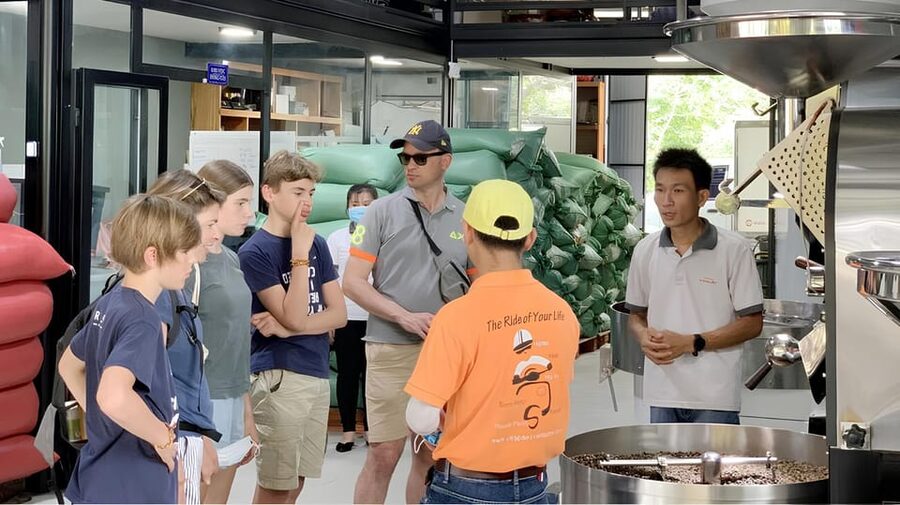
At $20 per person, the class offers solid value if you want an activity that is both cultural and hands-on. The price includes the coffee-making class, ingredients, tools, coffee, Vietnamese tea, cookies, and a local guide.
That matters because workshops can become expensive once you add tasting fees or equipment charges. Here, the core materials are already covered. You also receive skills that can be repeated after you return home, which gives the experience value beyond the final cup.
The price does not include hotel pickup or drop-off. You need to make your own way to the meeting point. Since one available booking record describes confusion after the meeting location changed, check the current address carefully before leaving.
The activity lasts two hours. That is long enough to cover the story, demonstration, preparation, and tasting, but short enough to fit around other plans in Hoi An. Check the available start times when booking, especially if you want to place it between other fixed activities.
The meeting-point warning matters
The biggest practical weakness is not the coffee lesson. It is finding the place and making sure the session is operating as scheduled.
One booking record describes a changed meeting point that did not match the original information. The person eventually found the venue and reported a good experience once there, including a small group, pleasant staff, and good coffee. Another booking record describes arriving to find the activity closed and waiting for a refund.
That is a serious issue for any paid activity. A changed meeting point can waste time, and a closed venue can disrupt a carefully planned day. Contact the provider, With Locals Tour, before the class if you have any doubt about the address or starting time.
The activity allows cancellation up to 24 hours in advance for a full refund, and you can reserve now and pay later. Those terms reduce some booking risk, but they do not remove the need to confirm the meeting details.
Who will enjoy this coffee class
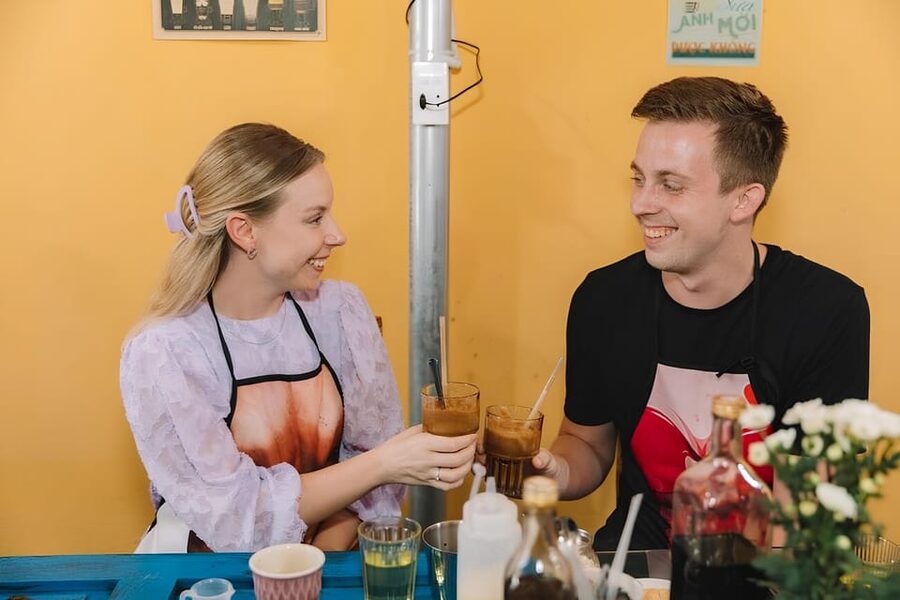
I would recommend this workshop to coffee drinkers who want more than a standard café stop. It is also a good fit if you enjoy learning by doing, since you prepare the drinks rather than only watching someone else work.
Families and friends may like the social side. The skills are easy to share later, and the two styles give you something to compare while sitting together. The two-hour length should also suit people who do not want a full-day cooking or food tour.
It may appeal to people who are curious about Vietnamese customs but do not want a large group excursion. The available information points to small groups, a local guide, and a quiet setting with music.
You may want to skip it if you do not drink coffee, dislike sweet egg-based drinks, or want a broad food tour rather than a focused workshop. The experience is centered on coffee from start to finish.
Tips for getting more from the session
Arrive with the meeting point confirmed, not just copied from an old booking message. This is the single most useful practical step.
Pay attention to the Phin demonstration. The brewer is the most transferable part of the class, and you can use the method later with the ingredients and tools you choose at home.
Taste the two drinks separately before deciding which you prefer. The contrast between black coffee and egg coffee is part of the lesson. Notice texture as well as strength, since the egg topping changes the whole feel of the drink.
Ask the guide about the flavor story while the coffee is being prepared. The session is designed to explain how production and brewing shape the final cup, so questions should make the experience more useful.
Finally, leave a little time around the two-hour schedule. The class itself is fixed in length, but finding a changed meeting point may take longer than expected.
Should you book Exploring Vietnamese Coffee Culture?
Book it if you want a short, affordable Hoi An activity with real participation. The strongest reasons are the two coffee styles, the Phin filter lesson, and the link between harvesting, roasting, and brewing. At $20, the included tools, ingredients, tea, cookies, and guide make the price reasonable.
I would not book without first confirming the meeting point. The feedback is mixed, with a successful small-group experience on one occasion and a serious closure problem on another. Once the location and time are confirmed, this looks like a worthwhile choice for coffee fans, curious cooks, and anyone who wants to bring home a Vietnamese skill rather than another souvenir.
FAQ
Where does the coffee-making experience take place?
It takes place in Hoi An in central Vietnam. The exact meeting point should be confirmed before you go because the location has reportedly changed.
How long does the activity last?
The workshop lasts two hours.
How much does the activity cost?
The listed price is $20 per person.
Which coffee styles will I make?
You will make two Vietnamese coffee styles, including Hanoi egg coffee. Traditional black coffee is also included in the workshop description.
Will I learn how Vietnamese coffee is produced?
Yes. The class follows the journey from harvesting and roasting through to brewing and tasting.
What is a Phin filter?
The Phin is the traditional Vietnamese metal filter used to brew coffee slowly over a cup. The guide explains how to use it during the class.
Are coffee-making tools and ingredients included?
Yes. The coffee-making class, ingredients, and tools are included.
Is tea included?
Yes. Vietnamese tea is included, and the session begins with a special herbal tea.
Are hotel transfers included?
No. Hotel pickup and drop-off are not included.
What languages are available?
The live guide can conduct the activity in English or Vietnamese.
More Vietnamese Coffee Experiences in Hoi An
- Authentic Vietnamese Coffee Making Experience in Hoi An
★ 5.0 · 13 reviews - Hoi An: Hand-on Making Vietnamese Coffee Class & Culture
★ 4.7 · 9 reviews - Vietnamese Coffee Making Class in Hoi An
★ 5.0 · 4 reviews - Hoi An Vietnamese Coffee Workshop: Hands-On Brewing Class
★ 5.0 · 3 reviews
Just added around Hoi An
- Vietnamese Coffee Making Class in Hoi An★ 5.0 · 4 reviews
- Vietnamese Egg Coffee Making Course in Hoi An★ 3.5 · 2 reviews
- Authentic Vietnamese Coffee Making Experience in Hoi An★ 5.0 · 13 reviews
- Hoi An Ancient Town and Coffee Making Course★ 5.0 · 4 reviews
- Hoi An Vietnamese Coffee Workshop: Hands-On Brewing Class★ 5.0 · 3 reviews
- Hoi An Coffee Making Workshop★ 5.0 · 7 reviews
- Market- Coffee- Cooking class in Hoi An (JHA2)★ 5.0 · 16 reviews
- Hoi An Coffee Tasting And Old Town Discovering Tour★ 5.0 · 4 reviews
Vietnamese Coffee Experiences, compared.
Vietnamese Coffee Culture and Coffee Making Class
Read our review →
Fun & Easy Vietnamese Coffee Workshop in Hồ Chí Minh City
Read our review →
Vietnamese Coffee Workshop with 6 Brews and 8 Recipes
Read our review →
Vietnamese Coffee & Culture Exploration in Hồ Chí Minh City
Read our review →
Vietnamese Coffee Making Workshop at Local Roastery
Read our review →
Hanoi Coffee Workshop: Master 6 Signature Vietnamese Coffee
Read our review →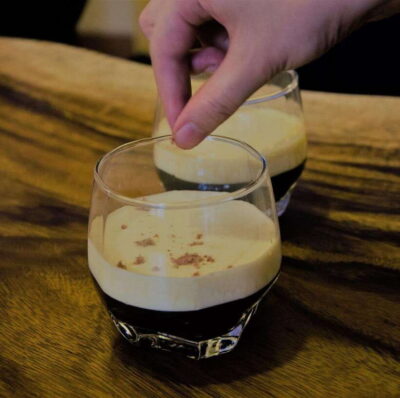
Hands-on Vietnamese Coffee Making Class with Long
Read our review →