
Review · USA
Behind The Scenes Of The Coffee Roasting Process 101
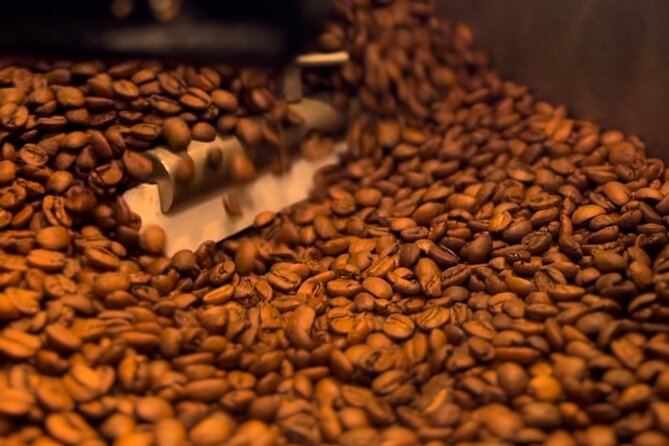
The most memorable moment here is the live roasting demonstration, when green coffee beans change under heat and make their sharp popcorn-like crack. This is not just a tasting stop. It is a compact lesson in how farming, processing, bean selection, and roasting shape what reaches your cup.
I like the small four-person maximum, which gives you room to ask detailed questions. I also like the clear, hands-on focus, especially the chance to hear Henry explain each stage while the SF6 roasting machine does the work in front of you. The main consideration is the narrow subject: if you are only casually interested in coffee, 90 minutes of roasting talk may feel more technical than expected.
Key Points
- Hear the first and second cracks: The beans’ popcorn-like sounds make the roasting process easier to understand.
- Learn the full coffee chain: The class covers beans, farming, harvesting, processing, and roasting.
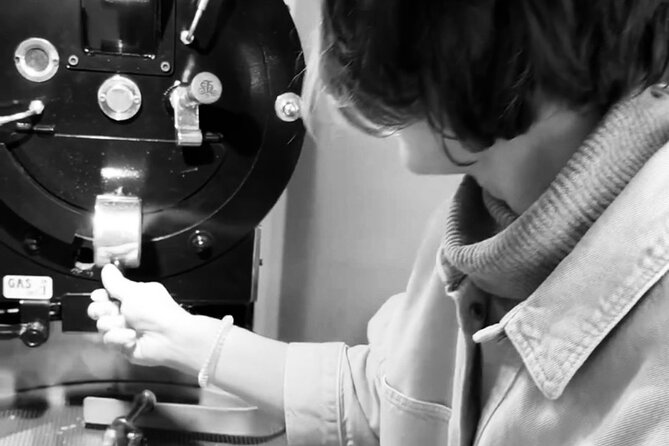
- Watch an SF6 roaster in action: The demonstration gives you a close look at how a roast develops.
- Ask questions in a group of no more than four: This is a personal format, not a crowded factory tour.
- Meet Henry at O Coffee: He leads the session in a friendly, interactive style.
- Finish where you started: The class begins and ends at O Coffee in Glendale.
Green Beans to Coffee in 90 Minutes
This Glendale workshop gives you a useful answer to a basic question: how does a hard, raw coffee bean become the fragrant coffee you drink each morning?
The answer involves more than turning up the heat. Coffee flavor begins with the bean itself, then changes through farming, harvesting, processing, and roasting. The session follows that chain in a sensible order, so you can connect the early stages with what happens inside the roaster.
The total time is about one hour and 30 minutes. That is long enough for a real explanation and a live machine demonstration, but short enough to fit into a morning or afternoon in Los Angeles. You will not spend half a day here, so the class works well as one stop in a Glendale plan.
The group is capped at four people. That small size matters. Coffee questions tend to get specific quickly: Why does one bean taste brighter? What makes a roast darker? How does processing change the final cup? With only a few people present, you should have a better chance to ask those questions instead of waiting behind a large group.
More Roastery Tours in the USA:
- Private Coffee Roasting Class
★ 5.0 · 101 reviews - Coffee Brewing Workshop
★ 5.0 · 28 reviews - New York City Specialty Coffee Tour
★ 5.0 · 17 reviews
Starting at O Coffee in Glendale
Your meeting point is O Coffee, at 750 N Glendale Ave, Glendale, California 91206. The activity ends back at the same location, so you do not need to arrange a second pickup point or figure out where the class finishes.
The location is near public transportation, which is useful if you are visiting Los Angeles without a car or prefer not to deal with parking. The information provided does not specify a particular transit line, parking arrangement, or walking distance from a station, so check your route before setting out.
Confirmation is provided when you book. Since the group is small, arriving on time is especially important. A late arrival can affect a class with only a few participants more than it would affect a large group.
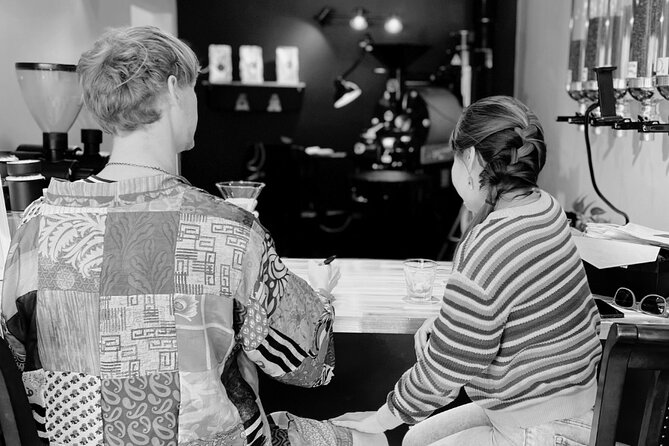
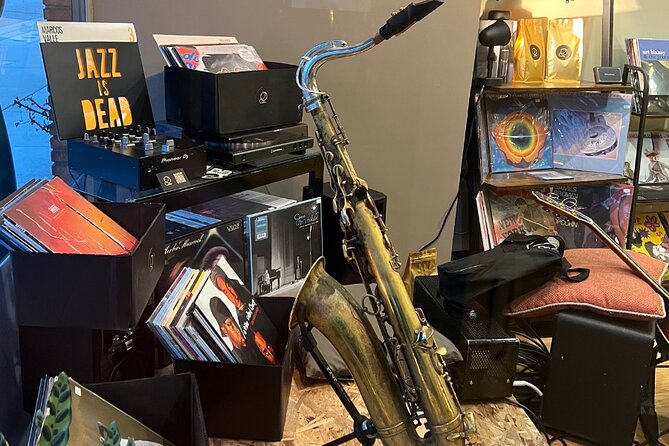
Once inside, expect a roasters showroom rather than a conventional sightseeing attraction. The focus is the coffee equipment and the conversation around it. You are there to understand the process, not to pass through a long series of displays.
First, Learn What Makes Specialty Coffee Different
The opening part introduces coffee beans, their types, and the traits associated with specialty coffee. This is useful because coffee can sound like a world of vague tasting terms until you understand that the bean and its handling come first.
You will hear about the raw material before it reaches the roaster. That order is important. Roasting cannot turn every bean into the same cup, and a roast profile cannot erase every choice made earlier in the coffee chain.
The class also gives you a framework for thinking about coffee quality. Instead of treating coffee as simply light, medium, or dark, you can start asking better questions about the bean and how it was processed.
This section should suit both coffee drinkers and people who work with coffee. The workshop was specifically described as appropriate for coffee lovers and professionals alike. Still, you do not need a professional background to follow the basic ideas. The small group format also makes it easier to pause and ask for clarification if a term is new to you.
From Farming and Harvesting to Processing
Coffee starts as an agricultural product, and the class spends time on that part of the story. You will discuss coffee farming, harvesting, and processing before moving to the roaster.
That context adds value because roasting is only one stage. The same roasting machine can produce different results depending on the beans it receives. Learning about farming and harvest gives you a better sense of why two coffees can behave differently under heat.
Processing is another key step. The way coffee is handled after harvest affects the beans before they ever reach a roaster. The workshop connects this stage to the finished coffee, helping you see that flavor is shaped over time rather than created in one dramatic moment.
I like this wider view. A short roasting class could focus only on machine settings and leave you with a narrow picture. Here, the discussion reaches back to the farm, so the live demonstration has more meaning when it begins.
The supplied details do not name particular growing regions, farms, or coffee varieties. You should therefore treat this as an introduction to the main stages, not a regional tasting course or a farm-to-cup seminar focused on specific origins.
A few more coffee tours around the USA worth a look
- Big Island Highlights: Coffee, Volcano, Black Sands & Waterfall
★ 5.0 · 1,054 reviews - Seattle Coffee Tour: Capitol Hill Cafes, Tastings & Local Stories
★ 5.0 · 489 reviews - Award Winning Farm Tour: Coffee, Chocolate and Unique Gifts
★ 5.0 · 484 reviews - Big Island: Volcanoes, Waterfalls, & Coffee Farm Day-Trip
★ 4.9 · 414 reviews
Watching the SF6 Roasting Machine Work
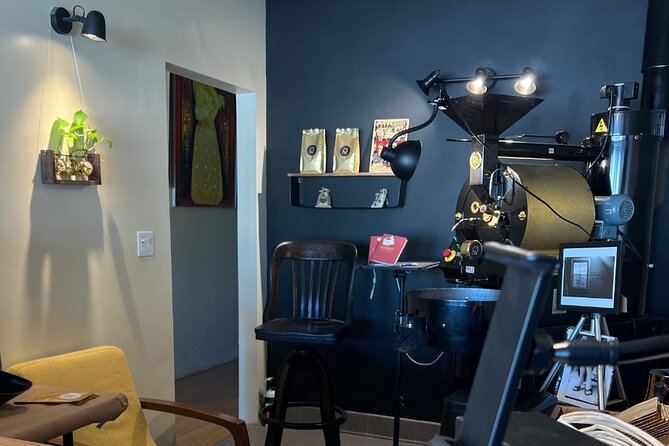
The main event is a live demonstration using the SF6 roasting machine. This is where the class moves from explanation to something you can see and hear.
Raw beans do not look like the finished coffee in your kitchen. During roasting, they change as heat develops the color, aroma, and flavor associated with roasted coffee. The machine lets you watch that change instead of hearing about it only in theory.
The crack is the detail most likely to stick with you. Coffee beans make a sound like popcorn as they roast, and hearing that moment helps explain why roast timing matters. It turns an invisible chemical process into a clear marker you can understand.
The demonstration also covers the steps and stages of roasting. You should come away with a basic sense of how a roaster guides a batch toward a chosen result. The available information does not specify the exact roast profile, bean origin, batch size, or tasting format, so do not book this expecting a full production tour or a formal cupping session unless O Coffee confirms those details separately.
What you do get is more focused: a close look at the machine, an explanation of roast development, and the chance to connect each stage with the sound and sight of beans changing.
Henry’s Teaching Style and the Small Group
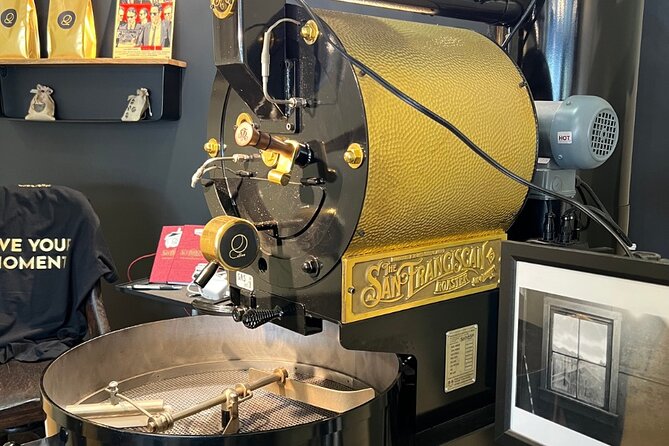
Henry leads the workshop, and his approach is described as both professional and fun. That combination matters in a technical class. Too much jargon can make coffee feel like homework, while too little detail leaves you with a pleasant hour but no useful understanding.
The atmosphere is intended to be cozy, interactive, and energetic. You can ask questions throughout the class, and Henry provides clear, detailed answers. That makes this a better pick for curious people who want a conversation rather than a one-way talk.
The group limit of four is one of the strongest practical features. You are not simply standing at the back of a room while someone else handles the questions. The format should give you a closer view of the demonstration and more access to the guide.
There is also a relaxed side to the class. The experience is presented as a way to step away from your daily routine, enjoy the coffee setting, and spend time with friends. You can book it for a personal interest, but it also makes sense as a small shared activity.
What the Session Does Well
The best part of this activity is how it makes coffee easier to understand without requiring a full day of study.
The sound of the crack is a strong teaching tool. You may have read about roasting stages, but hearing the beans pop gives you a concrete memory. It is the sort of small detail that helps the information stay with you after the class.
The workshop also succeeds because it follows the whole chain. You do not begin with a machine and ignore everything before it. You first discuss beans, specialty coffee, farming, harvesting, and processing, then move into roasting. That sequence gives the demonstration a logical purpose.
Another strong point is the chance to ask questions. Coffee has many layers, and people often arrive with different interests. You may care about roast levels, while someone else wants to know about farming or processing. A group of four makes those differences manageable.
The welcoming tone adds to the value. A technical topic can be intimidating, especially for someone who has never seen a commercial roaster. Henry’s friendly teaching style should help keep the session open to beginners while still offering useful detail to people with more experience.
A surprise gift is also provided at the end. The details of the gift are not specified, so do not treat it as a reason to book on its own. Think of it as a pleasant extra after the main class.
What to Keep in Mind Before Booking
This is a specialized activity. The subject is coffee roasting, and the session is built around explanation and demonstration. If you want a general Los Angeles sightseeing tour, a long tasting menu, or a broad food workshop, this is not the right match.
The available details also do not list a separate coffee tasting, meal, or hands-on roasting activity for you to perform. The clear promise is the live demonstration and instruction. If sampling roasted coffee is essential to your plans, ask O Coffee what is included before booking.
The 90-minute duration is a strength for many people, but it also limits the amount of material that can fit. You will receive an introduction to several stages, not an exhaustive course in every coffee-growing region, processing method, and roast profile.
The small capacity may be another practical concern. A maximum of four creates a personal atmosphere, but it can also mean fewer available places on your preferred date. Confirmation arrives at booking, and free cancellation is available until at least 24 hours before the start time. Inside that window, the payment is not refunded, and changes are not accepted.
No accessibility details are supplied. If you have mobility, sensory, or other access needs, contact the provider before reserving so you can confirm whether the showroom and demonstration suit you.
Who Will Get the Most From This Workshop
I would recommend this class to you if coffee is part of your daily routine and you want to understand what happens before the brew reaches your mug.
It is especially suitable for:
- Coffee drinkers who want more than a quick tasting
- People curious about specialty coffee
- Home brewers who want a clearer picture of roast development
- Coffee professionals seeking a compact refresher
- Friends looking for a small, indoor activity in Glendale
- Visitors who prefer a focused local experience over a major attraction
The class may also work well for someone who does not know much about coffee but enjoys learning how everyday products are made. You do not need to arrive with a technical vocabulary. A willingness to ask questions is more useful.
I would be cautious about booking it for young children or anyone who loses interest during demonstrations. The information provided does not state an age range, so confirm that point with O Coffee if it matters to your group.
Is the Coffee Roasting Class Worth Your Time?
The value here comes from access and clarity, not from the length of the activity. In 90 minutes, you get a guided look at the coffee chain, a live SF6 machine demonstration, a small group capped at four, and direct time with Henry.
No price is provided in the available details, so I cannot judge the exact financial value. I can say what would make the fee worthwhile: you should leave with a better understanding of how beans are farmed, processed, and roasted, plus a vivid memory of the crack that marks a key point in the roast.
The format is also more personal than a large public demonstration. If the price is reasonable for your budget, the small group and direct questions can justify paying more than you would for a basic coffee tasting.
Should You Book Behind the Scenes of the Coffee Roasting Process 101?
Book it if you want a focused look at how coffee becomes coffee, especially if the thought of hearing beans crack in a working roaster sounds appealing. The small group, Henry’s interactive teaching, and the full path from farming to roasting make this more useful than a simple cup-and-chat stop.
Skip it if you want a broad Los Angeles tour, a long tasting experience, or a hands-on activity where you roast your own beans. For coffee lovers, home brewers, and curious professionals, this is a compact and friendly way to spend 90 minutes at O Coffee in Glendale.
FAQ
Where does the coffee roasting workshop begin?
It begins at O Coffee, located at 750 N Glendale Ave, Glendale, CA 91206, USA.
Where does the activity end?
The activity ends back at the meeting point at O Coffee.
How long does the experience last?
The workshop lasts approximately one hour and 30 minutes.
Who leads the coffee roasting class?
Henry leads the session.
What does the workshop cover?
The class covers coffee beans, bean types, specialty coffee characteristics, farming, harvesting, processing, and the stages of coffee roasting.
Will I see a live coffee roasting demonstration?
Yes. The workshop includes a live demonstration using an SF6 roasting machine.
Can I hear the coffee beans crack during roasting?
The roasting process includes the popcorn-like crack made by the beans as they roast.
How many people can join the activity?
The maximum group size is four travelers.
Is the experience offered in English?
Yes. The experience is offered in English.
Is free cancellation available?
Yes. You can cancel up to 24 hours before the experience start time for a full refund. Cancellations made less than 24 hours before the start time are not refunded, and changes within that period are not accepted.
Just added around the USA
- Roasted in Seattle Bean to Cup Coffee Tour★ 5.0 · 5 reviews
- Roasted in Seattle: Bean to Cup Coffee Tour★ 5.0 · 15 reviews
- Roast Your Own Coffee★ 5.0 · 2 reviews
- Coffee Roasters of Portland Eastside Walking Tour★ 5.0 · 7 reviews
- Kona Coffee Tasting: A Farm to Cup Experience★ 5.0 · 5 reviews
- Turkish Coffee Fortune Reading★ 5.0 · 15 reviews
- Historic Grounds: A Music City History and Coffee Morning Tour★ 5.0 · 19 reviews
- The Little Havana Walking Tour: A Taste of Cuba in Miami★ 4.5 · 2 reviews
Specialty Coffee & Roastery Tours, compared.
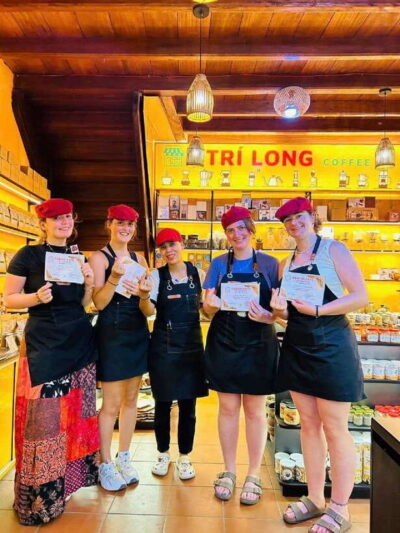
Vietnamese Coffee Making Workshop at Local Roastery
Read our review →
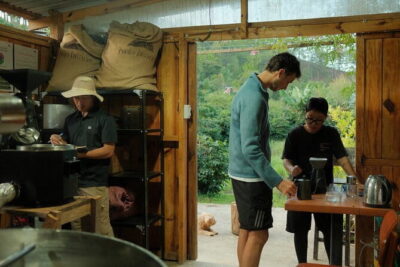
Coffee Farm Tour with Roasting & Tasting Workshop – Da Lat
Read our review →
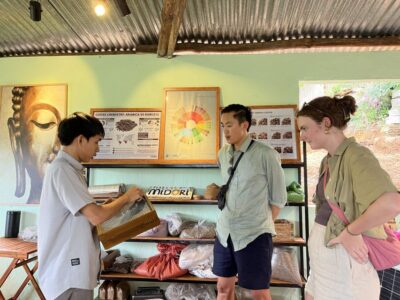
Experience specialty coffee with sustainable coffee farmers
Read our review →
Vietnamese Bread & Brew: Banh Mi Baking Class & Specialty Coffee
Read our review →
Santo Domingo Small Group Walking Tour: Beer and Specialty Coffee
Read our review →
Browse the lists this tour appears in