
Review · INDIA
Mercara Gold Coorg Coffee and Spice Estate Tour
Mercara Gold Estate turns a morning coffee stop into a look at the whole process, from coffee plants and spice trees to the roasting room and a cup at the café. The World Coffee Museum adds a useful indoor section, while guides such as Salim and Murugesh explain the work in clear, practical terms.
I like the private, small-group format, capped at 12 people, and I like that the tour shows real production rather than stopping at a scenic plantation walk. The estate-fresh filter coffee is a pleasant finish. The main drawback is the sloping terrain, plus facilities that have not always kept pace with the quality of the tour.
Key points to know before you go
- Coffee from plant to cup: See cultivation, processing, roasting, and blending in one visit.
- A proper working estate: Coffee grows alongside spices and fruit trees across the property.
- Useful guide-led explanations: Salim and Murugesh have been praised for answering questions and explaining coffee history clearly.
- Small private group: Your booking is restricted to your group, with a maximum of 12 people.
- Fresh filter coffee included: The walk ends at the café with a cup made from estate coffee.
- Plan for rain and slopes: Umbrellas are available, but a raincoat and comfortable walking shoes are the wiser choice.
What the Mercara Gold Estate tour is really about
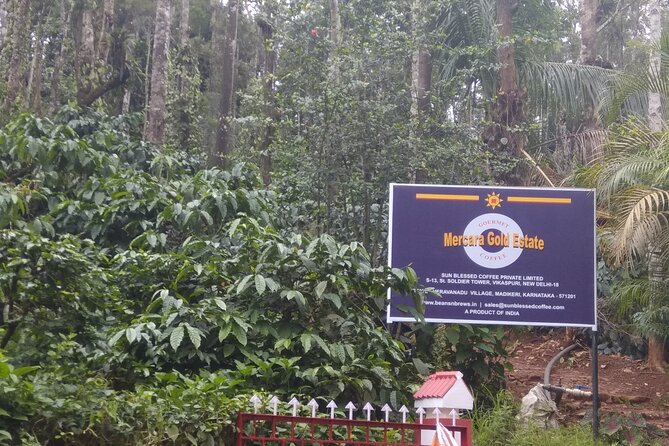
Coorg, also called Kodagu, is one of Karnataka’s best-known coffee-growing areas. At Mercara Gold Estate, you get more than a pleasant walk among coffee plants. You see how a farm connects growing, processing, roasting, tasting, and retail sales.
That makes this a good choice if you want context for the coffee you drink in Coorg. The tour is not simply about taking photographs under trees. You are shown different crops, told how the work is done, and taken into the production and roasting areas.
The estate sits about 8 kilometers from Madikeri in Katakeri. The setting combines coffee plants with spices and fruit trees, so the walk has more variety than a single-crop farm visit. You might see the way coffee fits into a mixed plantation system, where several useful plants share the same ground.
The advertised duration is about two hours. That is long enough for a proper introduction without taking up your entire day. I would plan it as a morning activity, especially since the stated start time is 10 a.m.
A few more coffee tours around the world worth a look
- Hoi An: Vietnamese Coffee Culture and Coffee Making Class
★ 4.9 · 4,006 reviews - Hanoi Coffee Experience: 6 Brews, 9 Recipes & 3 Liquor Tastings
★ 5.0 · 2,945 reviews - 4×4 Dominican Adventure with Chocolate and Coffee Tasting
★ 5.0 · 2,920 reviews
Walking through coffee, spice, and fruit trees
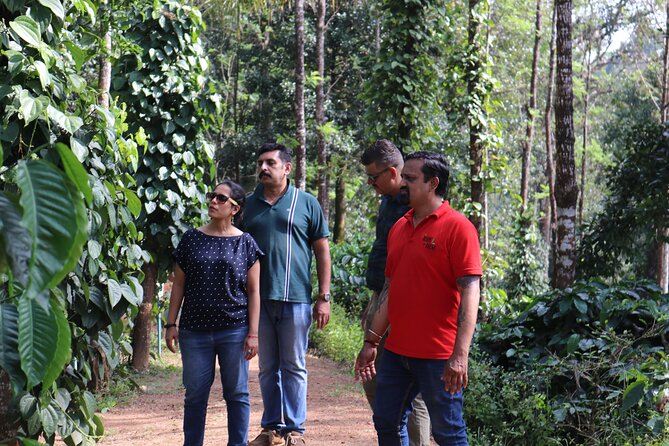
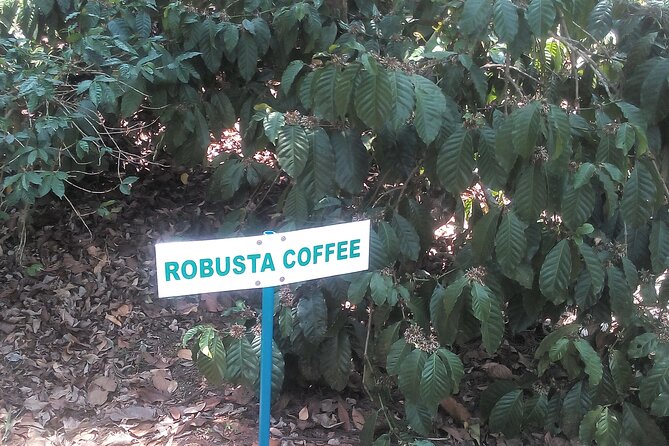
The visit begins at Mercara Gold Estate Coffee Plantation. From there, your guide leads you around the property on foot and explains the crops growing there.
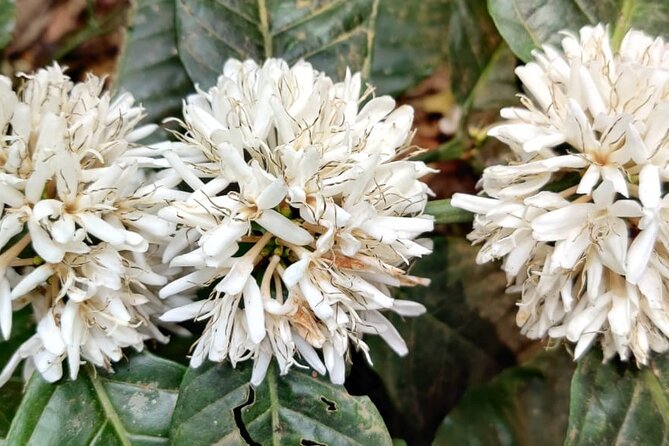
Coffee is the main subject, but the spice plants help make the walk more interesting. The estate also grows fruit trees, giving you a broader picture of plantation farming in Coorg. The guide explains the plants and their uses as you move through the grounds.
This part is most valuable when you ask questions. You can ask about the differences between coffee varieties, the history of coffee growing, and how the plants move from the estate into production. Guides named Salim and Murugesh have been singled out for patient explanations and clear answers, though the guide assigned to your group may be different.
You should expect some sloping terrain. This is not a flat café visit with a short stroll attached. The physical demand is moderate, but comfortable shoes matter. If you have difficulty walking uphill or on uneven ground, take that into account before booking.
The plantation walk also depends on the weather. Coorg can see rain, and umbrellas are provided on wet days. I would still wear a raincoat or carry one, since an umbrella does not keep your shoes and lower legs dry on a sloping path.
Seeing the production unit and roasting process
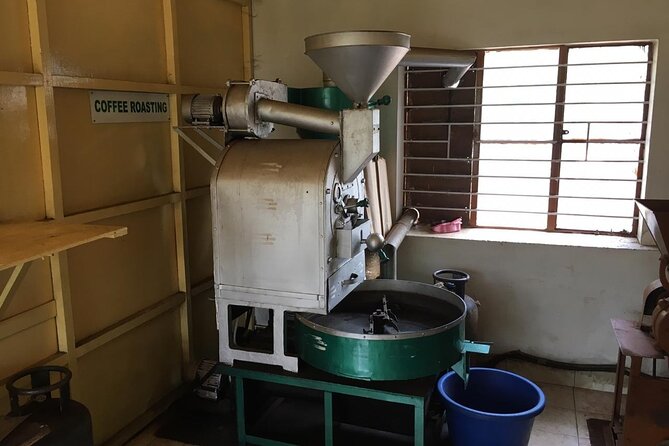
The estate has its own coffee processing and roasting facility. This is one of the strongest parts of the experience because it connects what you see outdoors with what ends up in your cup.
Your guide explains how coffee is handled after it is grown and how roasting affects the finished drink. The estate uses traditional processes and produces boutique-style local roasts, including balanced blends. You are given a look at the work rather than only hearing a general description.
For coffee drinkers, this makes the visit more useful than a plantation walk without a working facility. You can see that coffee production is not finished when the beans are picked. Processing, roasting, and blending all shape the final taste.
The production area also gives the tour a practical feel. You are not just hearing about coffee as a crop or luxury product. You are seeing the steps that turn it into something served in the café and sold in the estate shop.
The exact amount of time spent in each area can depend on the group and guide. The tour is only about two hours, so expect an introduction rather than a technical coffee course. Still, the combination of plantation, facility, and museum gives you a broad picture in a compact visit.
The World Coffee Museum adds useful context
The tour includes the World Coffee Museum at the estate. It is a welcome addition, particularly if rain interrupts the walking portion or if you want more background after seeing the plants and machinery.
A museum can sometimes feel like an afterthought on a plantation visit, but here it helps tie the subjects together. The outdoor walk shows where coffee grows. The production unit shows how it is handled. The museum gives you another way to understand coffee and its place in the estate’s work.
I would not expect a major national museum or a full academic presentation. The attraction is the combination of several small sections in one place. You can see the crop, hear the story, inspect the production side, and then taste the result.
The museum is also useful for people in your group who are less interested in walking. The visit still includes sloping ground, but the indoor section gives the experience some variety.
Same place, a different way to drink it:
- Rome Morning Vespa Sidecar Tour in Rome with Cappuccino
★ 5.0 · 1,771 reviews - Giethoorn: Village & National Park Canal Cruise with Coffee
★ 4.6 · 1,596 reviews - Dresden: Guided City Walk with a Cup of Coffee
★ 4.7 · 1,568 reviews - 4×4 ATV Experience, Water Cave, Chocolate and Coffee Tasting
★ 5.0 · 1,430 reviews
Finishing with estate-fresh filter coffee
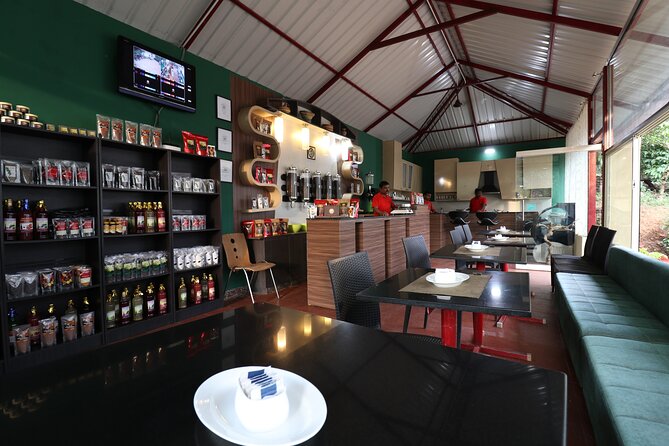
The tour ends at the café with a cup of estate-fresh filter coffee. This is a simple finish, but it gives you a chance to taste what the guide has been explaining.
Filter coffee is closely tied to everyday coffee culture in southern India. Here, the cup is not an optional extra. It is part of the tour, so the $11 price includes a small tasting as well as the guided visit and museum access.
I like this approach because it gives the tour a clear ending. You walk through the plantation, learn about processing and roasting, then sit down with a drink made from the estate’s work. It is a better conclusion than leaving immediately after the production room.
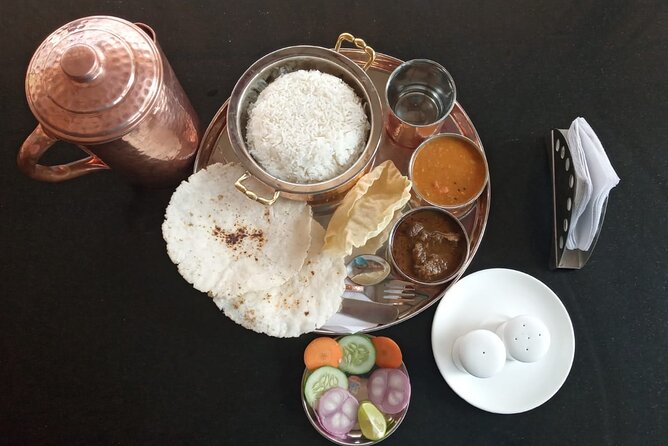
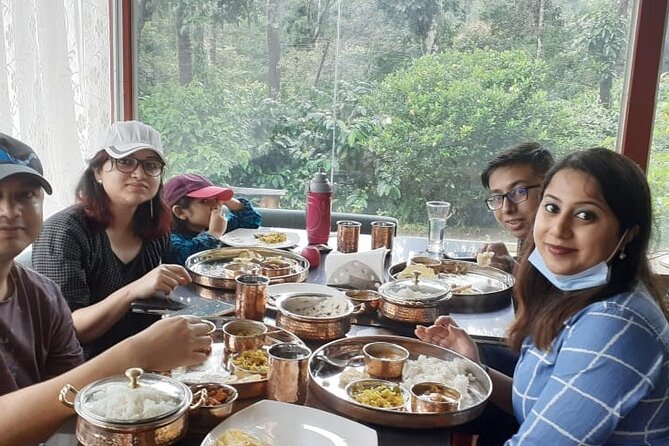
The cup is still only one serving. If you are hoping for a full café meal, plan separately. One account of the visit included a Coorg-style lunch, but lunch is not part of the stated package. The included food and drink are limited to a cup of filter coffee.
The estate also has a shop where you can buy coffee and other products. Retail purchases cost extra. This is convenient if you want to take beans, spices, or related items home, but you should treat shopping as optional rather than part of the tour value.
How much value do you get for $11?
At $11, this is a reasonably priced experience if you want more than a quick plantation photo stop. You receive a guided walk, an explanation of coffee and spice cultivation, access to the processing and roasting operation, the World Coffee Museum, and a cup of filter coffee.
The value comes from the range of subjects covered in two hours. A cheaper or informal visit might show you coffee plants but not explain what happens after harvesting. A more expensive specialist tour might go deeper into tasting and production, but this estate visit is aimed at general visitors.
The small-group limit also matters. A maximum of 12 people gives the guide a better chance to answer questions than a large coach group. The activity is described as private and restricted to your group, so it should feel more personal than a standard large-group outing.
The price does not cover retail purchases, and you should not assume lunch is included. Facilities have also been a weak point at times. One detailed assessment raised concerns about the sitting area and washroom cleanliness, while the estate said new washrooms were under construction and expected to improve conditions. If comfortable facilities are central to your decision, it is sensible to check the current situation before you go.
Timing, meeting point, and practical planning
The meeting point is Mercara Gold Estate Coffee Plantation on Unnamed Road in Katakeri, Karnataka 571201. The activity starts at 10 a.m. and returns to the same place.
Since the estate is about 8 kilometers from Madikeri and near public transportation, it is fairly easy to fit into a Madikeri-area sightseeing plan. The supplied details do not specify a pickup service, so you should not assume transport from your hotel is included. Arrange your own way to the meeting point unless your booking confirmation says otherwise.
Wear shoes suitable for a walk on sloping ground. Sandals may be less comfortable if the paths are wet or uneven. The estate provides umbrellas during rain, but a raincoat is a better layer for a damp day.
Service animals are allowed. The tour requires moderate physical fitness, which mainly relates to walking on the estate’s slopes. If you need a fully flat route or have limited mobility, ask about the current path before paying.
The tour has a mobile ticket, and confirmation is received at booking. Keep the ticket available on your phone when you arrive.
The guide makes the difference
The guide is central to this experience. A plantation can be attractive without being informative, but the explanations are what turn the setting into a worthwhile tour.
Salim has been praised for explaining the complete coffee process, discussing other crops, and answering questions patiently. Murugesh has been noted for explaining the history of coffee growing and showing different coffee varieties and plantation plants in detail.
Those names give you a useful sense of the intended style: practical, conversational, and focused on what is growing and being produced around you. You may not receive either guide, but you can still improve the visit by asking questions rather than simply following the group.
Ask about the coffee varieties on the estate, how roasting changes flavor, and how spices fit into the farm. The more curious you are, the more you are likely to get from the walking portion.
A few limits to keep in mind
The tour is strong on breadth, but it is not designed as a full professional coffee course. In two hours, you can expect a clear overview of cultivation, processing, roasting, and tasting, not an advanced lesson in bean grading or brewing.
The condition of the visitor facilities is another consideration. The sitting area and washroom have received criticism, and construction work was reported as a reason for disruption. Conditions may have improved, but I would keep expectations modest and avoid judging the entire experience by the café facilities alone.
Weather can also change the feel of the visit. Rain may make the slopes muddier and less comfortable, even with umbrellas available. The policy allows a new date or full refund if the activity is canceled because of poor weather, but ordinary wet conditions may simply mean a damp walk.
The estate shop can tempt you into spending more. That is not a flaw, but budget for purchases separately if you want coffee or spices to take home.
Who will enjoy this Coorg coffee plantation visit?
I would recommend Mercara Gold Estate to coffee drinkers, first-time visitors to Coorg, families with older children, and anyone who wants a short activity with a clear start and finish.
It works well for people who enjoy learning how everyday products are made. The private group format is also useful for couples, families, or friends who prefer to ask questions without being part of a large crowd.
You should choose another activity if you want a long plantation hike, a formal tasting session, or a meal built into the price. This is a compact educational visit with moderate walking, not a full-day farm outing.
It is also a good companion to other Madikeri sightseeing. At two hours, it leaves room in your day for forts, viewpoints, markets, or another Coorg attraction. The 10 a.m. start gives you a predictable morning plan.
Should you book Mercara Gold Estate?
I would book it if you want to understand the link between Coorg’s coffee plants and the drink in your cup. The combination of plantation walk, production facility, roasting explanation, museum, and included filter coffee gives you solid value for $11.
Go with practical expectations. Wear good shoes, prepare for rain, do not count on lunch, and remember that facilities may be less polished than the coffee presentation. If those points are acceptable, Mercara Gold Estate offers an informative and affordable look at one of Coorg’s signature products.
FAQ
Where is Mercara Gold Estate located?
Mercara Gold Estate Coffee Plantation is in Katakeri, Karnataka, about 8 kilometers from Madikeri.
What time does the tour start?
The stated start time is 10 a.m.
How long does the coffee and spice estate tour last?
The experience lasts approximately two hours.
What does the tour include?
It includes the Coorg coffee and spice estate tour, the World Coffee Museum, and one cup of filter coffee.
Is lunch included?
No. Lunch is not included in the stated package. Retail purchases are also charged separately.
Is the tour suitable for people with limited mobility?
The tour requires moderate physical fitness and includes sloping terrain. Comfortable walking shoes are recommended.
What happens if it rains?
Umbrellas are available on rainy days, although wearing a raincoat is recommended. If the activity is canceled because of poor weather, you can choose another date or receive a full refund.
Just added around the world
- Yerevan: Private Coffee Tour with 2 Café Stops★ 5.0 · 2 reviews
- Vietnamese Coffee 101 Workshop★ 5.0 · 11 reviews
- Vietnamese Coffee Making Class in Hoi An★ 5.0 · 4 reviews
- Vietnamese cooking class and coffee making with local girl★ 5.0 · 5 reviews
- Venice Delights: Coffee & Food Experience Walking Tour★ 5.0 · 2 reviews
- Private Vienna Tour: Literature Walk with Coffee House Visit★ 5.0 · 2 reviews
- Turin: Art Nouveau Walking Tour with Coffee★ 5.0 · 11 reviews
- Turkish Coffee and Traditional Turkish Dessert Cooking★ 4.6 · 8 reviews
India Coffee Tours, compared.

Delhi Hidden Gems: Mehrauli, Lodhi Art & Sunder Nursery
Read our review →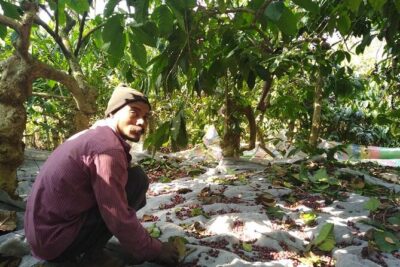
Day trip to UNESCO Belur+Shravanbelgola+Coffee & Spice Plantation
Read our review →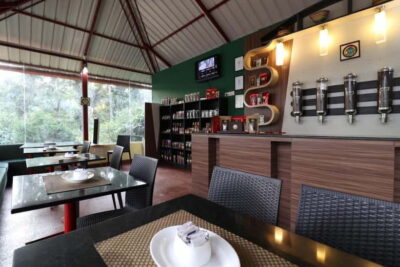
Coorg: Mercara Gold Estate Coffee/Spice Farm and Museum Tour
Read our review →
Heritage Mumbai Colaba Area Walking Tour with Coffee Stop
Read our review →Browse the lists this tour appears in