
Review · ITALY
Turin: Art Nouveau Walking Tour with Coffee
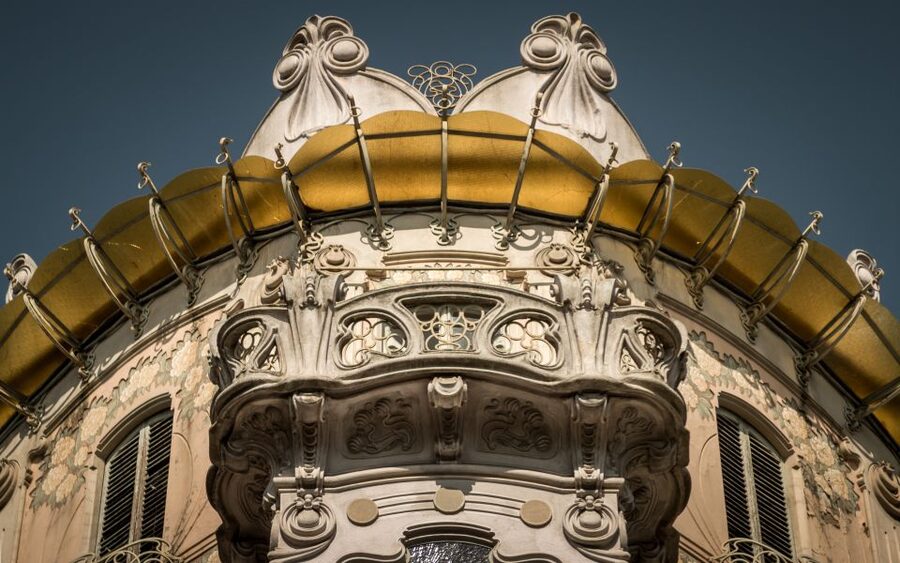
Turin’s Art Nouveau is best enjoyed at street level, where floral plasterwork, colored glass, iron balconies, and odd little architectural details appear one building at a time. This two-hour walk takes you through a concentrated part of the city and explains how the style grew popular around the turn of the 20th century.
I like the small-group option, which should make it easier to hear the guide and ask questions. I also like the coffee stop in an Art Nouveau café. It gives the tour a local pause rather than treating architecture as a march from one facade to the next.
The main consideration is price. At $93 per person, this is not a cheap stroll, especially since it lasts only two hours. You are paying for a specialist guide, not for entry to major attractions, so the value depends on how much you want the buildings explained.
Key points at a glance
- A focused Turin route: The walk begins at Principi d’Acaja Metro station and centers on one of the city’s strongest Art Nouveau areas.
- Pietro Fenoglio’s architecture: Casa Fenoglio-Lafleur and Villino Raby reveal two different sides of the important Turin architect’s work.
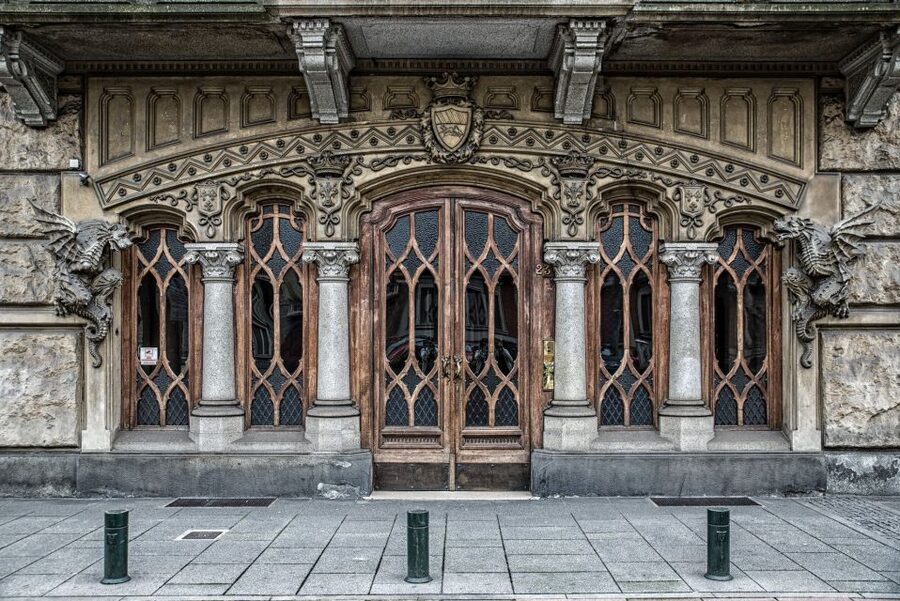
- The House of Dragons: This eye-catching building blends French neo-Gothic ideas with Turin’s Art Nouveau style.
- A church with decorative flair: Chiesa di Gesù Nazareno combines neo-Gothic structure with Art Nouveau details.
- Coffee included: The tour ends, or pauses, with coffee in a traditional café built in the same style being studied.
- Several language choices: Guides lead the walk in English, Italian, French, or Spanish.
Why Turin is such a good city for Art Nouveau
Turin is often introduced through its royal palaces, broad avenues, and grand cafés. Those sights matter, but the city also has a quieter architectural story. Around the late 19th and early 20th centuries, Turin embraced Art Nouveau, known in Italy as Liberty, as architects and prosperous residents looked for a fresh style.
The movement favored curved lines, plant forms, decorative ironwork, stained or colored glass, and facades that blurred the line between architecture and ornament. In Turin, it often mixed with other styles, especially French neo-Gothic design. That combination gives the city’s residential buildings a character that is easy to miss if you are simply walking from one major sight to another.
I find a guided walk useful here because Art Nouveau details are not always obvious from a distance. A bay window may look like a simple projecting room until someone explains its shape and purpose. A balcony may seem merely decorative until you notice the carefully worked iron pattern. The guide helps you read the buildings rather than just photograph them.
This is not a museum tour with a large collection under one roof. It is a neighborhood walk, and the streets themselves provide the material. You will spend much of the time outside, looking up at facades and listening to the social and architectural story behind them.
More Walking Tours in Italy:
- Private Gelato, Pastry and Espresso Walking tour
★ 5.0 · 15 reviews - Venice: Sunrise Walking Tour with Espresso
★ 4.6 · 12 reviews - The Best of Polignano a Mare Walking Tour and Special Coffee Tasting
★ 5.0 · 6 reviews
Meeting at Principi d’Acaja Metro station
The starting point is in front of the Principi d’Acaja Metro station. That makes the meeting point practical if you are already using Turin’s public transport, but you should still allow a little extra time to find the exact side of the station and locate the guide.
The tour lasts two hours, a useful length for fitting between other plans. It is long enough to cover several important buildings without taking up an entire morning or afternoon. It is also short enough that you can add it to a day focused on Turin’s museums, food, or historic center.
The walk is listed as wheelchair accessible. Since this is an urban architecture tour, your experience may still depend on pavement conditions, street crossings, and the exact route used that day. If access is especially important for you, confirm the practical details when booking.
The House of Dragons and Turin’s playful side
One of the first major sights is the House of Dragons, one of Turin’s notable examples of French neo-Gothic and Art Nouveau influences working together. The name alone hints at the building’s more theatrical character.
This stop is useful because it shows that Turin’s Art Nouveau was not limited to soft floral decoration. The style could also be bold, romantic, and slightly fantastical. The French neo-Gothic influence adds a medieval flavor, while the Art Nouveau elements bring the building into the modern age of the early 1900s.
You will get more from this stop if you look beyond the overall outline. Pay attention to the way the facade combines structure and ornament. The guide can point out details that help explain how the two styles meet, rather than leaving you with the simple label of old-fashioned or decorative.
This is also where a specialist guide earns the fee. The buildings are public facades, so you can technically see them without paying. The benefit comes from understanding why they look the way they do and what they say about the taste and ambitions of Turin at the time.
Casa Fenoglio-Lafleur’s floral facade
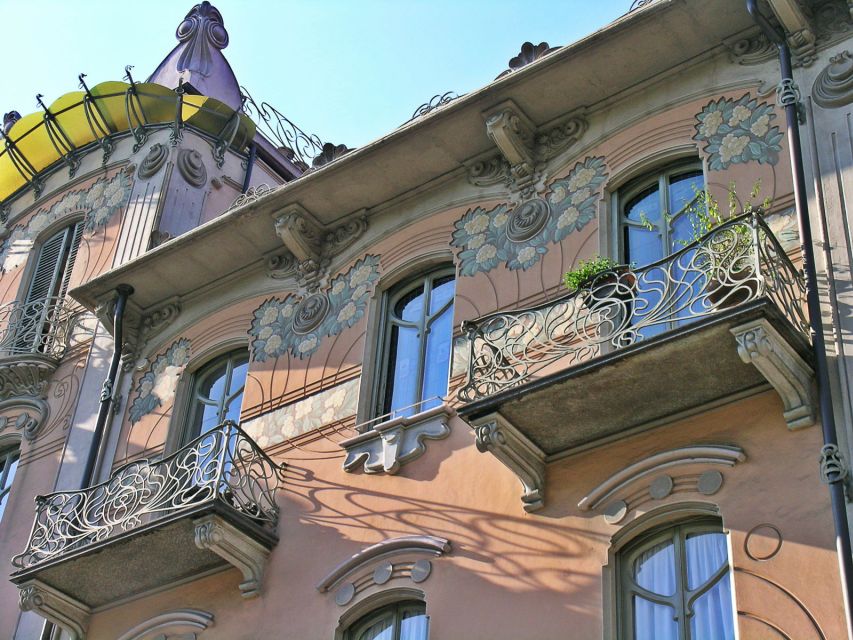
Casa Fenoglio-Lafleur is one of the tour’s strongest stops. It catches the eye with floral friezes, wrought-iron balconies, and polychrome glass. Those features give you a clear introduction to the decorative vocabulary of Turin’s Art Nouveau.
The floral work is not just a small accent around the door. It helps shape the identity of the facade. The balconies add a practical element, while the colored glass brings changing light and color into the design. Together, the details create a building that rewards slow looking.
This is a good place to take photographs, but do not spend the whole stop behind your phone. Look at the repetition of plant forms, the relationship between the windows and balconies, and the way the colors break up the wall. A guide can give you the context needed to connect these details to the wider movement.
Casa Fenoglio-Lafleur also shows why this district works well for a walking tour. You are not crossing the entire city between sights. The buildings are close enough to compare, so each stop adds another variation on the same theme.
A few more coffee tours around Italy worth a look
- Rome Morning Vespa Sidecar Tour in Rome with Cappuccino
★ 5.0 · 1,771 reviews - Rome: Highlights Vespa Sidecar Tour with Coffee and Gelato
★ 4.9 · 747 reviews - Cagliari: 2-Hour Guided E-Bike Tour with Coffee
★ 4.7 · 240 reviews - Cagliari: Molentargius Natural Park Segway Tour with Coffee
★ 4.7 · 114 reviews
Villino Raby and Pietro Fenoglio’s design
Villino Raby is another important building associated with Pietro Fenoglio. The wrought-iron railings lead toward rooms with a large bow window, while decorations by Domenico Smeriglio add another layer of craftsmanship.
The building gives you a chance to compare a private villa with the more urban feel of a city facade. The bow window changes the building’s shape and suggests a close relationship between the interior rooms and the street outside. The railings and decorative work show how even the approach to the house was treated as part of the overall design.
I like this stop because it makes Art Nouveau feel less like a single formula. Casa Fenoglio-Lafleur emphasizes floral friezes, glass, and balconies. Villino Raby brings together ironwork, a curved window, and the work of a separate decorator. The differences help you understand the style as a flexible way of designing, not a checklist of ornaments.
The guide also provides the chance to place Fenoglio within Turin’s architectural story. You will learn why his work matters and how individual architects shaped the appearance of the district.
Chiesa di Gesù Nazareno’s neo-Gothic details
The Chiesa di Gesù Nazareno was built at the start of the 20th century as part of a project by Giuseppe Gallo. Its main form is neo-Gothic, but Art Nouveau influences appear in the decoration.
The high bell tower gives the church a strong vertical presence. Its facade is richly decorated, offering a different kind of study from the residential buildings. Instead of looking at a house designed for private life, you are looking at a religious building using contemporary decorative ideas within a more traditional architectural framework.
This stop is valuable because it broadens the tour. You are not seeing only elegant homes built for wealthy residents. You are also seeing how the style could enter public and religious architecture.
Look for the contrast between the upward movement of the tower and the detailed treatment of the facade. The guide’s explanation can help you separate the neo-Gothic structure from the Art Nouveau touches. That distinction matters because Turin’s buildings often mix styles rather than obeying neat categories.
Coffee in a traditional Art Nouveau café
The coffee break is a small but welcome part of the experience. You enjoy a coffee in a traditional café that was also built in the Art Nouveau style, allowing the setting to continue the subject of the walk.
This is more useful than an unrelated refreshment stop. You can keep looking at the design while taking a break, and the café setting gives you a sense of how decorative style extended into everyday urban life. A good espresso also fits Turin’s café culture without adding a long meal or a major time commitment.
The included drink is a high-quality coffee, but keep your expectations in proportion. This is a coffee break, not a full tasting menu or food tour. If you want a substantial snack, you may need to make separate plans.
Still, this pause improves the rhythm of the walk. Two hours of looking up at buildings can become tiring, especially in warm weather. A traditional café gives you a seat, a change of pace, and one more example of Turin’s design culture.
The guides and the quality of explanation
The strongest part of this experience is the guide’s subject knowledge and ability to explain it clearly. Guides who have led this route include Marina and Laura, though the person assigned to your tour may be different.
The available languages are English, Italian, French, and Spanish. That range is helpful in a city where architectural terminology can become complicated quickly. You want someone who can explain the difference between neo-Gothic and Art Nouveau without turning the walk into a lecture.
The feedback associated with this tour points to guides who are professional, well prepared, and able to keep the subject lively. One especially useful quality is social context. Art Nouveau is not only about flowers, curves, and iron railings. It reflects changing tastes and the society that commissioned these buildings.
Ask questions if the group is small enough. You might ask about the architects, the materials, or why one facade uses so much glass while another relies on ironwork. The short format works best when you treat it as a conversation rather than a passive sightseeing loop.
Is $93 a fair price for two hours?
At $93 per person, the tour sits at the expensive end for a two-hour city walk. You do not receive hotel pickup, admission tickets, or a meal. The included coffee is pleasant, but it does not account for most of the cost.
The price makes more sense if you value a specialist guide and want to understand a part of Turin that is easy to overlook. You are paying for a planned route through several notable buildings, explanations of architectural details, and a guide who can connect design to the city’s social past.
The price may feel high if you are comfortable using a guidebook or exploring facades independently. Turin is a walkable city, and the buildings can be viewed from the street. The tour’s added value lies in interpretation, not access.
I would consider it a better purchase for architecture fans, first-time visitors who want a different angle on Turin, and people who enjoy focused cultural walks. If you are mainly looking for famous royal sights or a general introduction to the city, another tour may offer more coverage for the money.
Practical details before you book
You can cancel up to 24 hours before the start time for a full refund, and the reserve-now, pay-later option keeps your plans flexible. Check available starting times because the schedule is not fixed in the information provided.
Wear comfortable shoes. The route is a walking tour through city streets, and you will spend time outside examining facades. Bring a phone or camera if you enjoy architectural photography, but remember that many details are above eye level.
The activity is available as a small group, which is preferable for this subject. A compact group makes it easier to hear explanations on the pavement and to stop without blocking other people. The tour is wheelchair accessible, though anyone needing specific access arrangements should confirm them in advance.
Who should book this Art Nouveau walk?
I would choose this tour if you have already seen some of Turin’s major sights and want to understand the city’s residential architecture. It also suits anyone who enjoys design, decorative arts, urban history, or photography.
It works well for couples, solo visitors, and small groups who prefer a focused experience. The two-hour length is manageable, and the coffee stop keeps the pace from becoming too formal.
I would think twice if your main goal is a broad introduction to Turin. The route concentrates on Art Nouveau buildings and does not include hotel pickup or a general city tour. At $93, you should be genuinely interested in the subject before booking.
Should you book it?
Book this walk if you want to see Turin through its facades, ironwork, glass, and decorative details rather than only its headline sights. Casa Fenoglio-Lafleur, Villino Raby, the House of Dragons, and Chiesa di Gesù Nazareno give you a strong range of examples in a short time.
Skip it if the price feels too high for a two-hour outdoor walk or if you would rather explore independently. For the right audience, the specialist explanation and well-planned route make the cost easier to accept. The coffee in an Art Nouveau café is a nice finish, but the real reason to go is the chance to learn how to read Turin’s buildings.
FAQ
Where does the Art Nouveau walking tour begin?
The meeting point is in front of the Principi d’Acaja Metro station in Turin.
How long does the tour last?
The guided walk lasts two hours.
What languages are available?
The tour is offered in English, Italian, French, and Spanish.
Is coffee included?
Yes. The experience includes a coffee break in a traditional café built in the Art Nouveau style.
Which buildings are included?
The route includes the House of Dragons, Casa Fenoglio-Lafleur, Villino Raby, and Chiesa di Gesù Nazareno.
Is the tour wheelchair accessible?
Yes, the activity is listed as wheelchair accessible.
Is a small group available?
Yes, a small-group option is available.
Is hotel pickup included?
No. Hotel pickup and drop-off are not included.
Can I cancel for a full refund?
Yes. You can cancel up to 24 hours in advance for a full refund.
Just added around Italy
- Venice Delights: Coffee & Food Experience Walking Tour★ 5.0 · 2 reviews
- Rome: Private Espresso, Gelato and Tiramisu Food Tour★ 5.0 · 3 reviews
- Trastevere Breakfast to Lunch Food Tour: Coffee, Maritozzi & Wine★ 5.0 · 14 reviews
- Private Gelato, Pastry and Espresso Walking tour★ 5.0 · 15 reviews
- Sunrise Kayak Tour with Snorkeling and Coffee Experience★ 5.0 · 22 reviews
- NAPLES Highlights Walking Tour + Veiled Christ Chapel and Original Espresso★ 5.0 · 2 reviews
- Milan Coffee & History Crawl with a Licensed Tour Guide★ 5.0 · 10 reviews
- Create your own leather wallet in Florence + coffee★ 5.0 · 16 reviews
Walking Tours, compared.
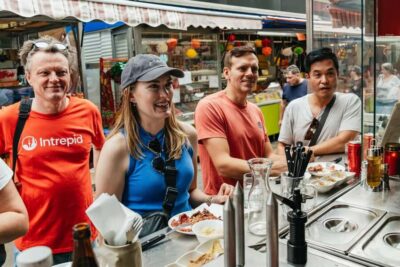
Hungry in Vienna? A Food Lover’s Coffee & Market Walk
Read our review →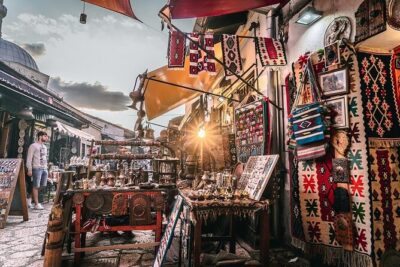
Private Walking Tour, Food Tasting and Bosnian Coffee in Sarajevo
Read our review →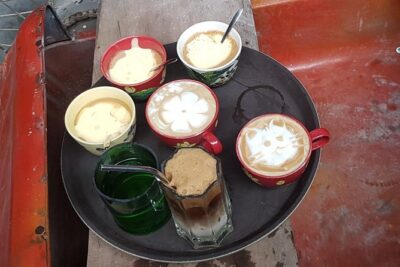
Hanoi Michelin Star Walking Food Tour & Train Street
Read our review →
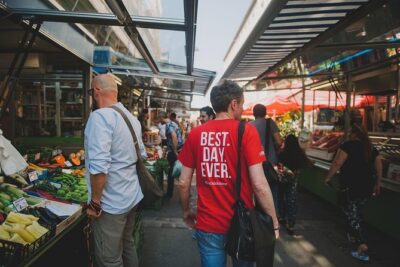
Vienna Eats: Private Foodie Walk with Coffee & Markets
Read our review →
Angra do Heroísmo: Walking Tour with Local Pastry and Coffee
Read our review →
New Orleans True Crime and Coffee Walking Tour: Adults Only
Read our review →Browse the lists this tour appears in