
Review · THAILAND
Chiang Mai Coffee Full Day Tour: Trek, Brew & Roast Journey.
Chiang Mai’s best coffee lesson starts far from a café. This full-day trip takes you up into the highlands, through forest and coffee plots, and into the daily work of Northern Thai farming communities. You will see coffee cherries on the plant, learn how the land is cared for, and turn green beans into a drink you brew yourself.
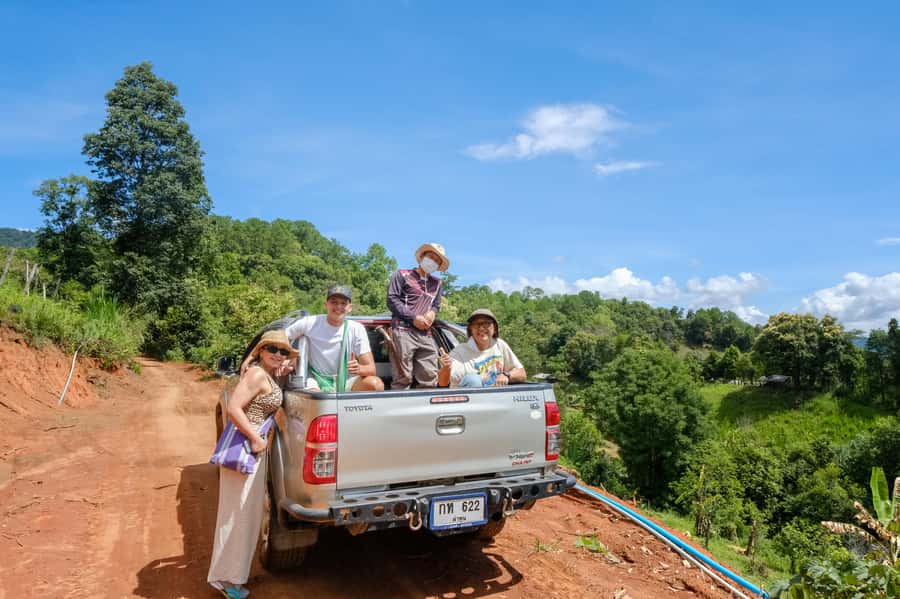
I like the small eight-person group, which leaves room for questions and gives the day a relaxed, personal feel. I also like the honest farm-to-cup format: a 4WD ride, a forest walk, a fresh vegetarian lunch, hand-roasting, and a V60 lesson all fit into one outing. The main consideration is that this is not a polished café visit. The mountain road and forest walk require comfortable shoes, and the experience is not suitable for children under six, pregnant women, or people with mobility impairments.
Key points at a glance
- Ride into the highlands: A scenic 1.5-hour drive and a 20-minute 4WD mountain trip carry you toward an upstream forest at about 1,400 meters.
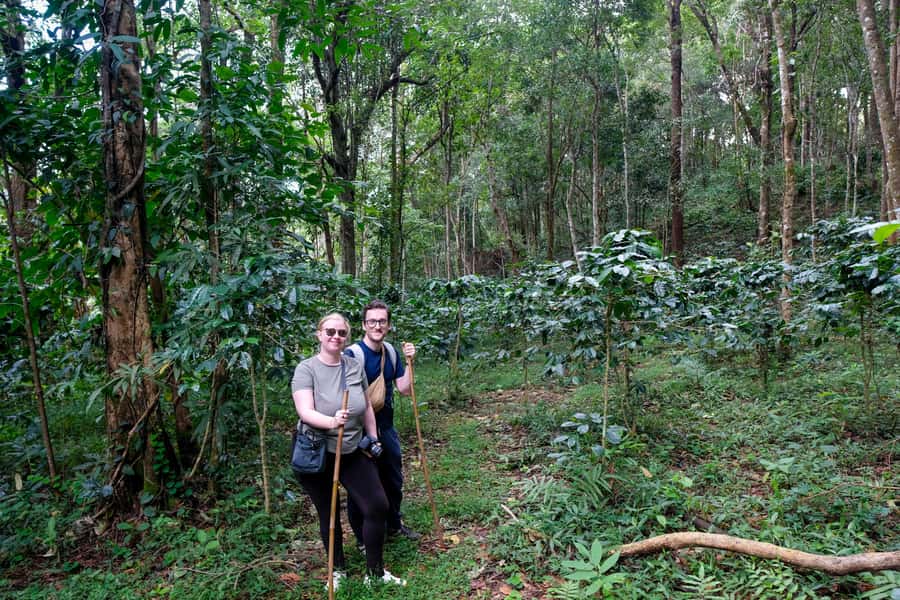
- Walk to the coffee source: The roughly 50-minute forest trek introduces coffee plants, local flora, and natural farming methods.
- Eat from the garden: Lunch is an organic vegetarian meal prepared with local ingredients and traditional hill-tribe recipes.
- Make your own coffee: Roast Thai arabica beans by hand, then practice a V60 pour-over.
- Meet the people behind the farm: Jack, Sala, and Moonshine bring different personal connections to the mountain, the coffee, and local life.
- Keep a useful souvenir: You take home green coffee beans that you roast, plus the skills to repeat the process.
From Chiang Mai to the 1,400-meter forest
The day begins with pickup in an air-conditioned van and a scenic drive of about an hour and a half. That transfer is part of the experience rather than dead time. Jack uses it to talk about Northern Thailand, Buddhism, farming, coffee, tourism, and life in the mountains, so you begin to understand the setting before reaching the farm.
The road then gives way to a 4WD truck ride toward the high forest. It lasts about 20 minutes and adds a jolt of adventure without turning the whole day into a rough expedition. You can expect mountain views, cooler air, and glimpses of hill-tribe life as the route climbs.
The practical point is simple: wear clothes you can move in and shoes that can handle uneven ground. Bring a hat, sunscreen, insect repellent, sunglasses, and water. Bottled water is provided for the trek, but cash and personal medication should still be part of your day bag. During the rainy season, add a rain jacket.
A few more coffee tours around the world worth a look
- Cape Town: Lion’s Head Sunrise with coffee or Sunset Hike
★ 4.9 · 160 reviews - Off the Map Chiang Mai Jungle Coffee Trek Roast and Brew
★ 5.0 · 107 reviews - Trekking History and Indigenous Heritage in Minca + Cacao & Coffee + Waterfall
★ 4.9 · 63 reviews
A forest walk with coffee at the end
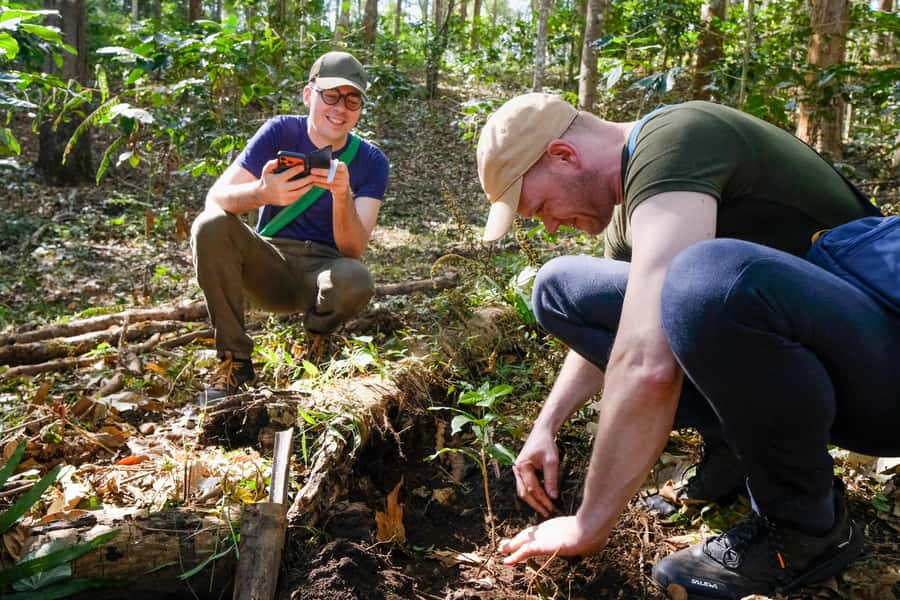
The forest section lasts about 50 minutes. It is not described as a hard hike, and the focus is on seeing how coffee fits into the local environment rather than covering a great distance. Still, this is a real walk on mountain trails, not a paved path beside a café.
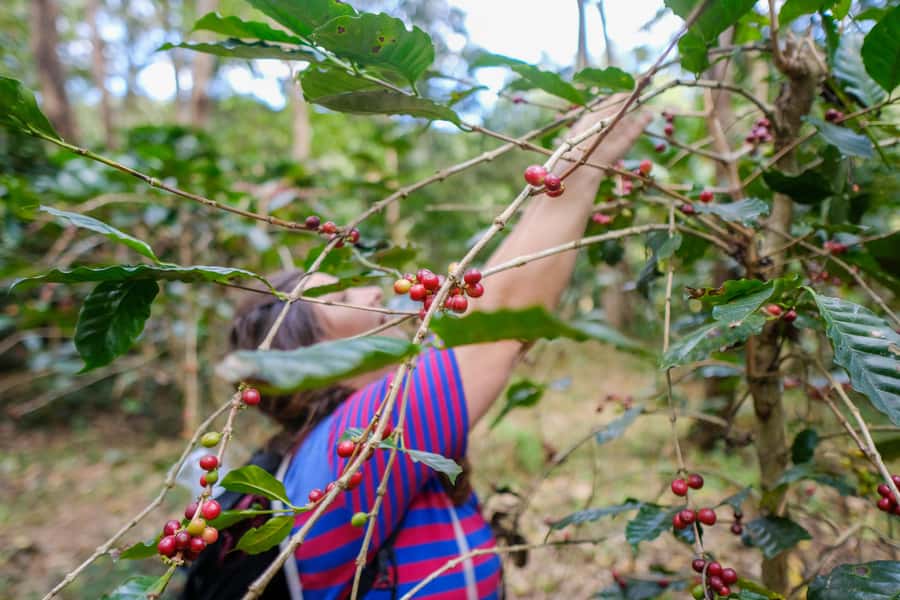
You will see coffee plants and learn about natural, organic farming in the highlands. The route also brings local plants into the conversation, including their uses and place in everyday life. Depending on the season, you may pick ripe coffee cherries and help plant a coffee tree. That small act gives you a better sense of how long the process takes before anyone can grind a bean.
This part matters because coffee can seem like a finished product with no connection to soil, weather, or labor. Here, you see the slow work behind the cup. The farm setting also gives the trip a strong environmental point: organic coffee cultivation can help protect the forest while giving local families a way to earn from the land.
The walk is one of the reasons I would not book this as a purely food-focused outing. You need to be comfortable spending time outdoors. If you want only tastings and a comfortable seat, choose a city coffee class instead.
Meeting the people who care for the mountain
The cultural side of the trip is strongest when it stays personal. Moonshine has a family connection to the coffee farm, and his knowledge of the land helps place the plants, fields, and forest in a local context. Jack leads the coffee teaching and keeps the tone light, while Sala helps with the transport and the day’s practical details.
The small group size makes this easier. With no more than eight people, you can ask about farming, local customs, coffee processing, or the choices behind sustainable agriculture. The day has room for conversation instead of rushing from one photo stop to the next.
You should still approach this as a brief introduction, not a full study of hill-tribe culture. The value comes from meeting people connected to the land and seeing a working coffee setting, not from treating a community as a stage set. The experience is at its best when you listen, ask respectful questions, and remember that the farm is a place of work as well as a destination.
A home-cooked vegetarian lunch
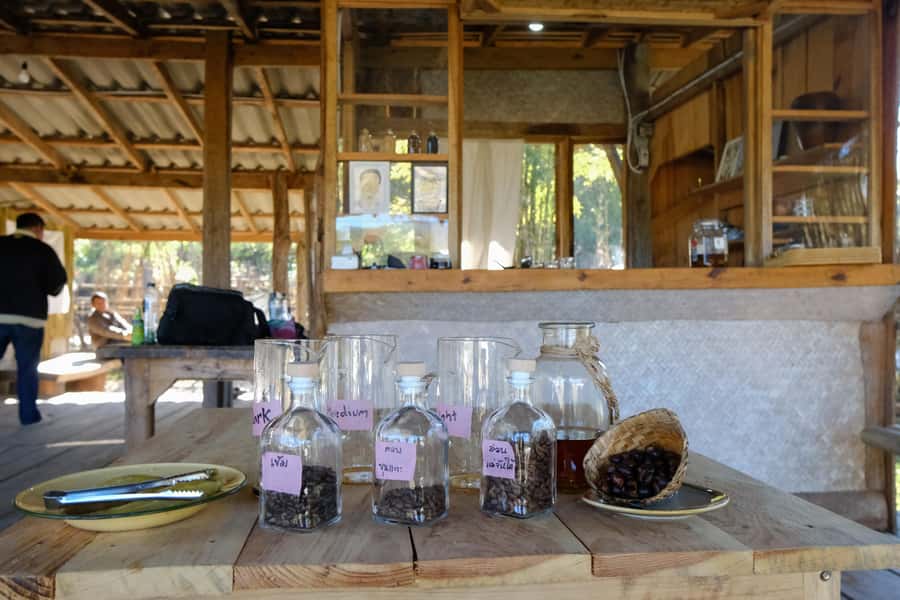
Lunch is organic, vegetarian, and prepared with local ingredients. The food follows traditional hill-tribe recipes and uses vegetables from the garden or nearby growing areas. It is served as a proper meal rather than a snack between activities, giving you time to rest after the forest walk.
Several parts of the day receive praise, but lunch comes up repeatedly because it feels home-cooked and fresh. You might also be offered a local moonshine tasting, depending on how the day unfolds. Alcohol is not included in the listed inclusions, so do not count on it as a formal part of the tour.
If you have specific dietary needs, the provided information does not promise substitutions. It is sensible to tell the operator in advance, especially since the meal is vegetarian and built around local produce. The meal is likely to suit people who enjoy vegetables and regional cooking more than those looking for a familiar Western lunch.
More Full-Day Trips in the world:
- Santa Marta: Minca Coffee, Cocoa, & Waterfall Full-Day Trip
★ 4.6 · 102 reviews - San Salvador: Full Day Ruta de Las Flores and Coffee Farm
★ 4.4 · 95 reviews - Full-Day Adventure with ATV, Party Boat, Snorkel & Coffee Tasting
★ 5.0 · 93 reviews - Minca: Full-Day Coffee and Cocoa Tour from Santa Marta
★ 4.5 · 61 reviews
Roasting green beans by hand
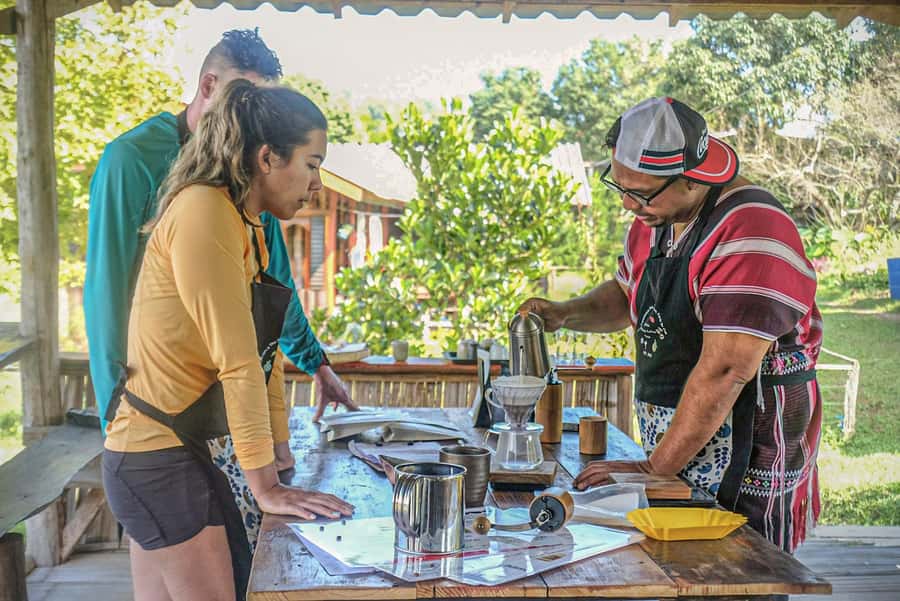
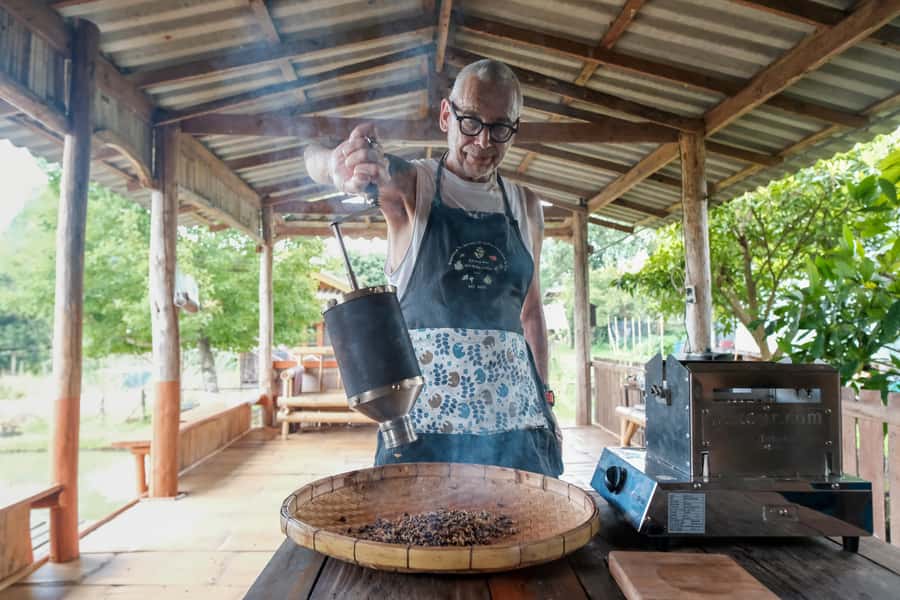
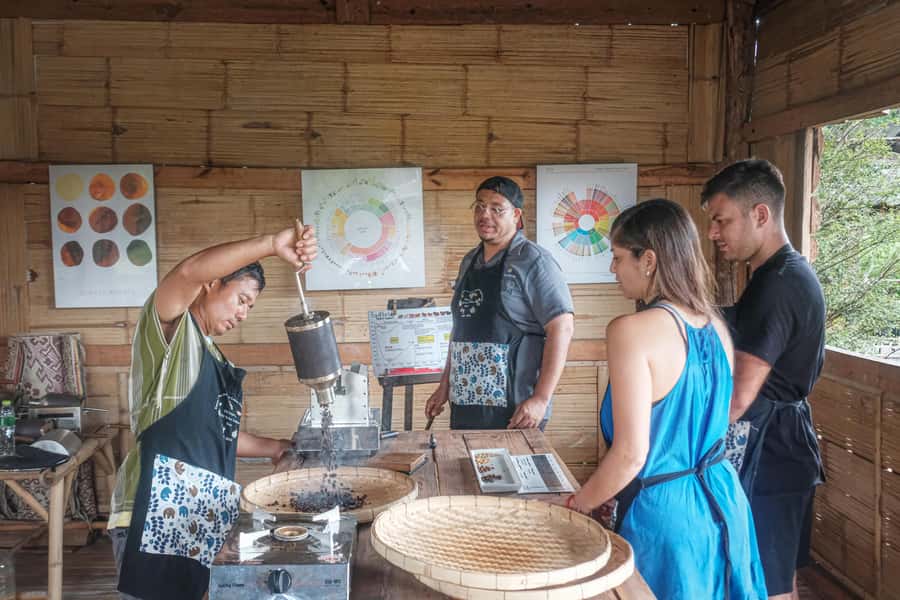
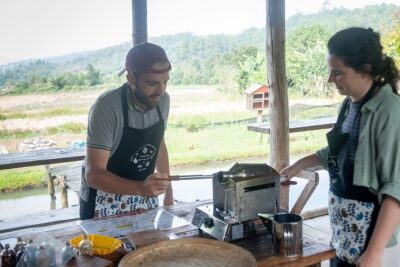
After lunch, the day shifts from farm visit to practical coffee workshop. You receive green coffee beans and learn how roasting changes their smell, color, and flavor. The process is hands-on, so you are not just watching a demonstration from across the room.
The appeal is that you can make mistakes in a useful way. Roasting teaches you to pay attention to heat, timing, aroma, and the point at which beans are ready. You will not become a professional roaster in one afternoon, but you will leave with a clearer idea of why two coffees can taste so different even when they come from the same region.
The beans also become a souvenir with a story. Instead of buying another packaged item, you take home coffee connected to a place you visited and a process you helped complete. The listed inclusion is green coffee beans for roasting, so check with the guide about the best way to store or finish them after the tour.
Learning the V60 pour-over
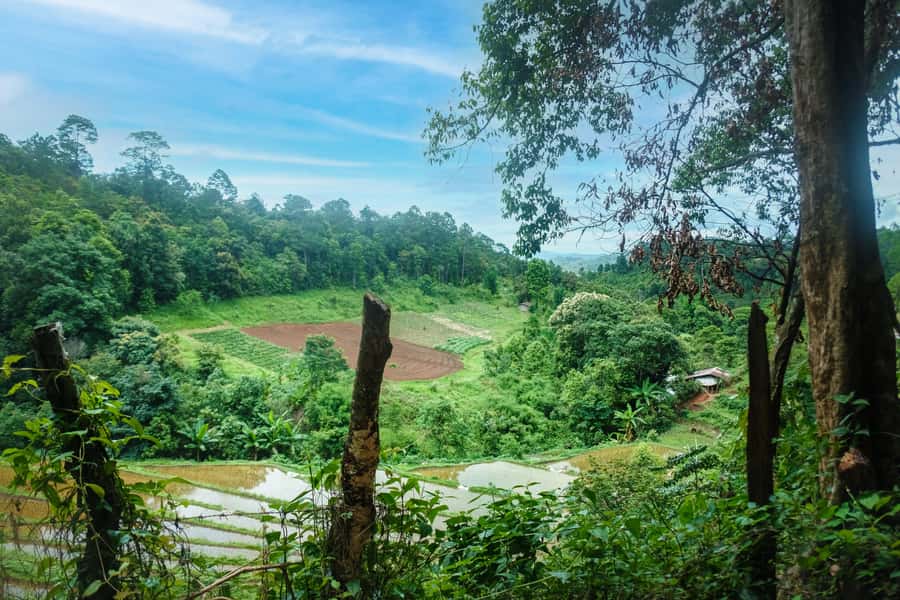
The V60 lesson is the final craft skill. You use coffee and tea supplied for brewing and testing, then practice the controlled pour that makes a V60 different from a basic drip machine. The goal is a clean, café-style cup, but the more lasting benefit is learning how small changes affect taste.
You can ask about grind, water flow, and brewing choices as you work. The session gives structure to the morning’s farm lesson: first you saw the plant, then the raw bean, then the roast, and finally the cup. That full chain is what makes this more useful than an ordinary tasting.
Bring your curiosity rather than expecting a formal barista qualification. The V60 is a good fit for anyone who likes making coffee at home and wants a technique to practice after returning from Thailand. If coffee is not your main interest, the class may feel long, although the forest, lunch, and cultural conversations give the day plenty of variety.
What $118 means in practical value
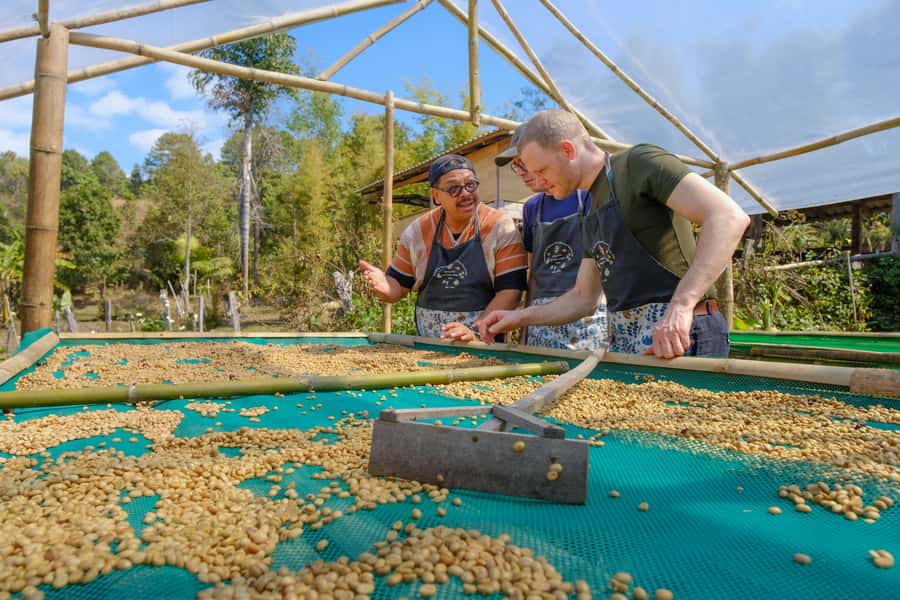
At $118 per person, this is not the cheapest way to see the Chiang Mai countryside. You are paying for a full day, round-trip hotel transport, an air-conditioned van, a 4WD mountain transfer, a local guide, lunch, brewing supplies, bottled water, and green beans for roasting.
The price makes more sense if you value access and instruction rather than simply transport to a viewpoint. You get a small group capped at eight, several people involved in the farm and guiding, a meal, and hands-on activities that would be difficult to arrange independently. The direct connection to a coffee-growing community also gives the money a clearer purpose than a standard sightseeing loop.
I would compare this with the cost of hiring transport, finding a mountain coffee farm, arranging a local meal, and paying for a separate roasting class. The tour is likely to offer better value for coffee lovers and curious food travelers than for someone who only wants a short nature outing.
The tradeoff is pace. You spend a substantial part of the day in transit, and the experience is built around conversation and learning rather than a long list of attractions. That slower rhythm is a benefit if you want time with the people leading the day. It may feel inefficient if you measure value by the number of stops.
Who should book this day
I would recommend it most strongly to coffee drinkers who want to understand the full path from cherry to cup. You will get the most from the roasting and V60 sessions if you already enjoy making coffee or want to start doing more at home.
It also suits people who care about food, nature, and local culture in equal measure. The forest walk is modest in length, but it adds enough movement and outdoor time to balance the indoor workshop. The vegetarian lunch makes it a good choice for people who enjoy plant-based regional cooking.
This is a good option for couples, solo visitors, and small groups who prefer a personal guide. The stories about the land, tourism, farming, and ethics of local business can make the van ride as worthwhile as the farm visit.
I would choose something else if you need step-free access, dislike uneven trails, or want a child-focused activity. Children under six cannot join, pregnant women should not book, and the experience is not suitable for people with mobility impairments. It is also conducted in English, so you should be comfortable following explanations and asking questions in English.
What to pack for the mountain
Keep your clothing practical. Long pants protect your legs on the trail, and outdoor shoes are more useful than sandals. Add a hat, sunscreen, insect repellent, sunglasses, and personal medication.
A camera is worth bringing for the forest, mountain views, coffee plants, and workshop. Carry some cash as well. Alcohol and drugs are not allowed, and the operator specifically advises a rain jacket during the rainy season.
The van pickup and drop-off remove much of the usual transport hassle, but you should still be ready for a long day away from the city. Pack lightly, leave room for the coffee souvenir, and do not wear anything you would worry about around roasting equipment or forest trails.
Final call: is this Chiang Mai coffee tour worth it?
Book it if you want more than a tasting. The strongest feature is the complete chain from mountain farm to roasted bean to V60 cup, supported by a small team that includes Jack, Sala, and Moonshine. The forest walk, home-cooked lunch, and direct contact with local farming make the coffee lessons feel connected to real life.
Skip it if you want a short, polished attraction close to Chiang Mai, or if mountain roads and walking are difficult for you. For everyone else, the $118 price is reasonable for a full day of transport, food, instruction, and a hands-on souvenir. You leave with coffee in your bag, but the better souvenir is knowing what it took to make that coffee in the first place.
FAQ
How much does the Chiang Mai Coffee Full Day Tour cost?
The price is $118 per person.
How many people can join the tour?
The group is limited to a maximum of eight people.
Is hotel pickup included?
Yes. Round-trip pickup by air-conditioned van is included.
How long is the drive from Chiang Mai?
The scenic drive to the highlands takes about 1.5 hours. After that, a 4WD truck ride to the mountain area takes about 20 minutes.
How long is the forest trek?
The forest trek takes about 50 minutes.
Is lunch included?
Yes. An organic vegetarian lunch prepared with local ingredients and traditional hill-tribe recipes is included.
What coffee activities are included?
You can roast green coffee beans by hand and take part in a V60 brewing class. Coffee and tea for brewing and testing, plus green coffee beans for roasting, are included.
Who should not book this activity?
The tour is not suitable for children under six, pregnant women, or people with mobility impairments. The experience is conducted in English.
Just added around the world
- Yerevan: Private Coffee Tour with 2 Café Stops★ 5.0 · 2 reviews
- Vietnamese Coffee 101 Workshop★ 5.0 · 11 reviews
- Vietnamese Coffee Making Class in Hoi An★ 5.0 · 4 reviews
- Vietnamese cooking class and coffee making with local girl★ 5.0 · 5 reviews
- Venice Delights: Coffee & Food Experience Walking Tour★ 5.0 · 2 reviews
- Private Vienna Tour: Literature Walk with Coffee House Visit★ 5.0 · 2 reviews
- Turin: Art Nouveau Walking Tour with Coffee★ 5.0 · 11 reviews
- Turkish Coffee and Traditional Turkish Dessert Cooking★ 4.6 · 8 reviews
Thailand Coffee Tours, compared.
Off the Map Chiang Mai Jungle Coffee Trek Roast and Brew
Read our review →
Private Floating Market, Train Market and After Rain Cafe Tour
Read our review →
Doi Inthanon Day Trip:Twin Pagodas,Soft Hiking,Coffee Plantation
Read our review →
Zipline & Coffee with Waterfall Views in Koh Samui
Read our review →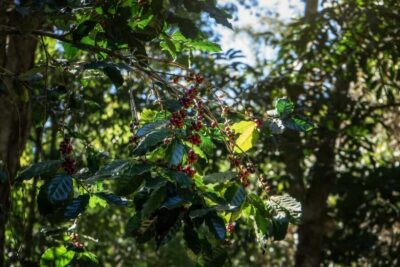
Browse the lists this tour appears in