
Review · USA
Kona Coffee Tasting: A Farm to Cup Experience
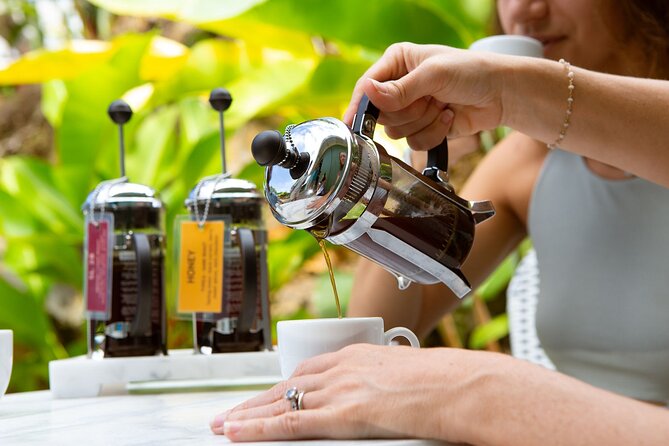
The most interesting part of this tasting is that it treats coffee as a farm product, not just a morning drink. At The Coffee LAB by Hala Tree Cafe in Kaaawa, you’ll sample three 100% Kona coffees from a family farm on the slopes of Mauna Loa and connect each cup to choices made in the field, during processing, and at the roaster.
I like the small maximum group of 12, which should keep the presentation personal, and I like the focus on traceability and experimental fermentation rather than a quick sip-and-shop stop. The ocean view adds a pleasant setting, too.
The main thing to understand is the location: you meet on Oahu, not in Kona on Hawaii Island. You’ll learn about a Kona farm and taste its coffee, but this is not a farm visit. The scheduled hour may also be shorter in practice, with one tasting lasting about 35 minutes.
Key points to know before booking
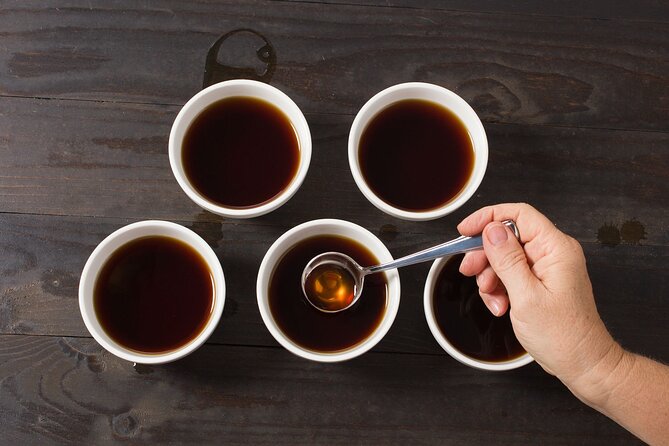
- Three distinct Kona coffees: Compare beans grown on the same family farm while learning how variety and processing affect flavor.
- A farm story without a farm drive: The presentation covers cultivation, harvesting, processing, drying, fermentation, and roasting at the Kaaawa cafe.
- A small-group format: The maximum is 12 people, a useful size for questions and personal attention.
- A practical tasting lesson: Smell with your mouth slightly open, sip across your mouth, swallow, then breathe through your nose to notice more flavor.
- An Oahu setting with ocean views: The experience takes place at 51-666 Kamehameha Highway in Kaaawa.
- A modest $10 price: For roughly an hour of guided instruction and three coffees, this is an easy add-on for coffee fans.
What happens at The Coffee LAB in Kaaawa
You begin at The Coffee LAB by Hala Tree Cafe, at 51-666 Kamehameha Highway in Kaaawa. The activity starts and ends at this same location, so you do not need to arrange a separate pickup or figure out a second meeting point.
The setting matters here. You are not walking through coffee fields, but you are tasting coffee in a cafe environment with views toward the ocean. That makes this a convenient choice if you are already exploring Oahu’s northeastern coast and want a focused activity that does not take up half a day.
The stated duration is about one hour. In practice, the pace can be fairly brisk. One tasting session lasted around 35 minutes, so I would treat the hour as an approximate upper guide rather than a promise of a full sixty-minute class.
The group limit is 12 people. That is small enough for the host to explain the coffees without turning the session into a lecture for a crowd. It also gives you a reasonable chance to ask about roasting, fermentation, or the differences you notice in the cup.
The experience is offered in English and uses mobile tickets. Confirmation is provided when you book.
More Coffee Tastings in the USA
- Seattle Coffee Tour: Capitol Hill Cafes, Tastings & Local Stories
★ 5.0 · 489 reviews - Coffee & Food Tastings at Pike Place Market
★ 5.0 · 67 reviews - Kona Coffee Farm Tour from Tree to Tasting Room
★ 5.0 · 36 reviews
Three coffees, three ways to compare a cup
The heart of the activity is a flight of three Kona coffees. Each comes from the same family-owned farm, but the coffees may show differences linked to variety and processing method.
That setup is useful because comparing three samples side by side is easier than trying to remember the flavor of a coffee you tasted several hours earlier. You can move from one cup to the next and pay attention to aroma, body, acidity, sweetness, and the flavor that remains after swallowing.
You do not need formal coffee training. The presentation is intended for beginners as well as people who already buy specialty coffee. If you usually add cream or sugar, this is a chance to taste the coffee without covering up its basic character. If you already drink black coffee, you can pay closer attention to the small changes between the samples.
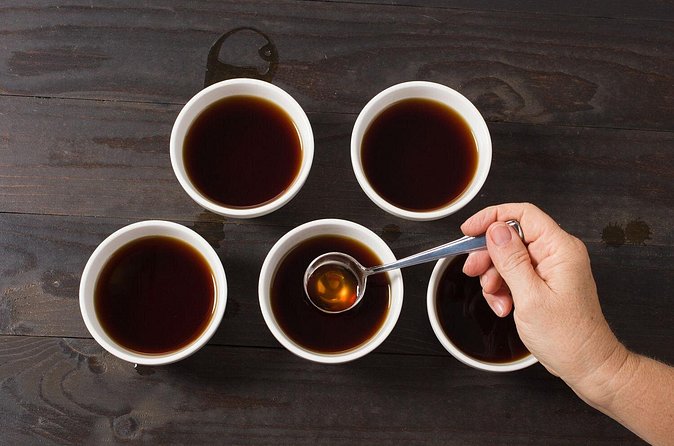
A practical tasting method makes a big difference. Start by smelling the coffee with your mouth slightly open. This helps the aroma move through your mouth and nose instead of relying only on a quick sniff. Then take a sip and let it move across different parts of your mouth before swallowing. After you swallow, breathe through your nose. That last step can bring out flavors you might miss on the first pass.
The tasting is casual, not a formal sensory certification class. That is good news if you want an approachable introduction. If you are looking for detailed training in brewing, roasting, or professional sensory work, the provider offers custom classes separately, so this standard session may feel too basic for your needs.
From Mauna Loa slopes to the roasting room
The coffee story begins with the farm. The beans come from a family-owned operation in Kona on the slopes of Mauna Loa, one of the key growing areas associated with Kona coffee.
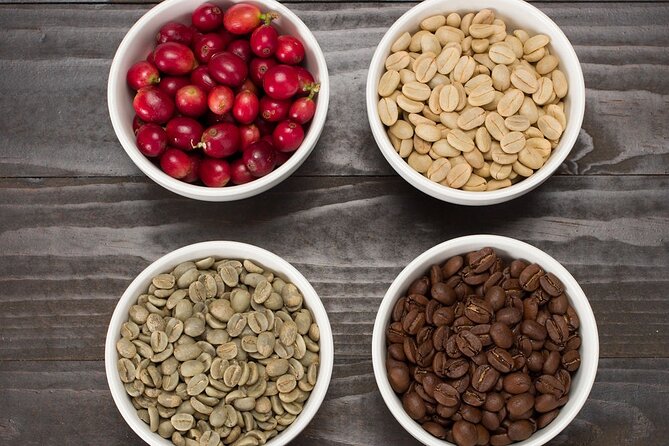
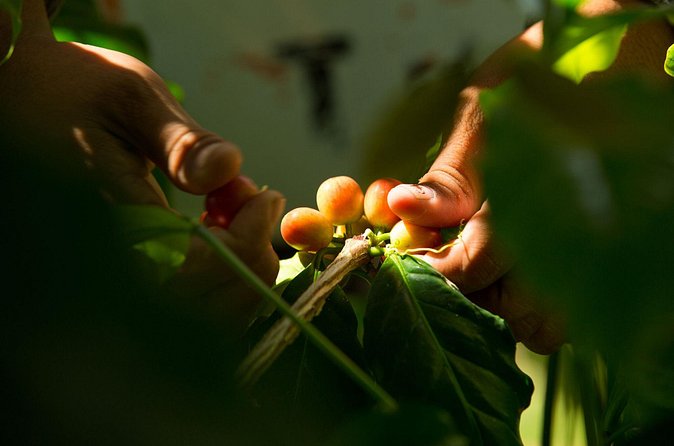
You learn how the farm grows and harvests its crop, then how the beans move through processing and roasting. This is the part that gives the tasting its value. A coffee’s final flavor is not determined by the roast alone. The plant variety, growing conditions, harvest decisions, fermentation, drying, and roast profile all have a role.
The presentation includes the farm’s approach to traceability. That means the coffee can be connected back through its production steps rather than treated as an anonymous bean. For you, this provides a clearer answer to a basic question: what exactly am I drinking, and how did it get here?
You also hear about drying techniques and experimental fermentation methods. These subjects can sound technical, but they matter at the cup. Fermentation can affect aroma and fruit-like notes, while drying influences how the bean develops before roasting. The tasting gives you a chance to connect those production choices with what you smell and taste.
Roasting is another key part of the talk. You will learn about the difference between lighter and darker roasting and how roast level changes the flavor. A light roast tends to preserve more of the bean’s original character, while a darker roast brings stronger roasted flavors. The exact result depends on the coffee, so the three samples give you a better lesson than a simple explanation alone.
Why the Kona connection is worth understanding
Kona coffee has a strong reputation, but the name alone does not tell you how a particular coffee will taste. This experience helps put that reputation into practical terms.
The coffees are grown in Kona, yet the tasting takes place on Oahu. That distinction is important when planning your day. You are not touring a Kona farm, seeing the Mauna Loa slopes firsthand, or visiting a processing facility. Instead, you receive a guided explanation and taste the finished product in Kaaawa.
For some people, that is exactly the right trade-off. A farm tour can require a longer drive, more time, and a higher price. This tasting gives you the central idea in about an hour and at a low cost. You can learn what makes Kona coffee different, then decide if you want to seek out a full farm visit later.
The ocean view also gives the session a sense of place, even though the beans come from another island. You get Oahu scenery while learning about a Hawaiian coffee region that has become famous around the world.
Same place, a different way to drink it:
- Big Island Highlights: Coffee, Volcano, Black Sands & Waterfall
★ 5.0 · 1,054 reviews - Award Winning Farm Tour: Coffee, Chocolate and Unique Gifts
★ 5.0 · 484 reviews - Big Island: Volcanoes, Waterfalls, & Coffee Farm Day-Trip
★ 4.9 · 414 reviews - Small-Group Big Island Tour: Hawaii Volcanoes National Park and Kona Coffee Farm
★ 5.0 · 343 reviews
Is the $10 price good value?
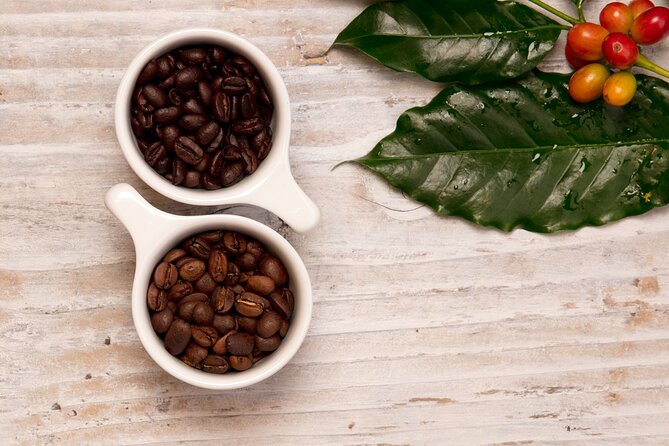
At $10 per person, this is one of the easier activities to fit into a Hawaii itinerary. You receive three coffee samples, a guided explanation of production methods, and a chance to ask questions in a small group.
The value is strongest if you already like coffee or want to understand why specialty coffee costs more. You are not simply paying for three drinks. You are paying for the explanation that helps you compare them and understand what caused the differences.
The price is also reasonable for a short activity. A one-hour commitment leaves room for other plans, and the meeting point is simple. If you are near Kaaawa, this can work as a morning or afternoon stop without requiring a major change to your schedule.
There are limits. This is not a full meal, a farm excursion, or an extensive roasting workshop. If you expect a long class with equipment demonstrations, detailed brewing practice, or a large selection of coffees, $10 will not buy that kind of program. The tasting is best seen as an introduction.
Who will enjoy this tasting most
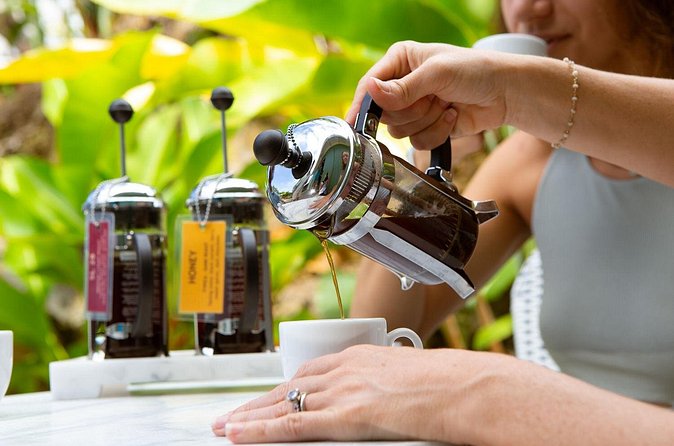
I would recommend this experience to several types of people:
- Coffee drinkers who want more context: You will learn why two coffees can taste different even when both are roasted beans.
- Beginners: You do not need to know tasting vocabulary or brewing methods before you arrive.
- Couples and small groups: The casual format gives you something to discuss and compare without taking up a full day.
- Visitors already exploring Kaaawa: The central meeting point and short duration make this easy to combine with other Oahu plans.
- People interested in Hawaiian agriculture: The presentation connects cultivation, harvesting, processing, drying, fermentation, and roasting.
I would be more cautious about booking if your main goal is to walk through a working Kona farm. The activity teaches you about the farm, but it does not take you to the farm itself. I would also check your expectations if you want a long session, since the tasting can finish in about 35 minutes.
Small details that improve the experience
Arrive ready to pay attention to aroma, not just flavor. Coffee tasting is often rushed because people take a sip and immediately decide if they like it. Here, you get more from the flight if you pause between cups and notice how the smell changes before and after each sip.
Do not worry if you cannot identify precise flavor notes. You might notice that one coffee tastes brighter, heavier, sweeter, or more roasted than another without naming an exact fruit or spice. Those broad comparisons are enough to make the tasting useful.
Ask questions if the host leaves time. The subjects worth asking about include the farm’s drying methods, the purpose of fermentation, how roasting changes the same bean, and what traceability means for the coffee you are drinking.
The ocean view is a nice bonus, but the coffee education is the main reason to book. Keep that priority in mind and you will have a better sense of what this activity offers.
The experience allows service animals and is near public transportation. It requires good weather, and if poor weather causes a cancellation, you will be offered another date or a full refund. You can cancel for a full refund up to 24 hours before the start time. Changes or cancellations made less than 24 hours ahead are not accepted for a refund.
Should you book the Kona coffee tasting?
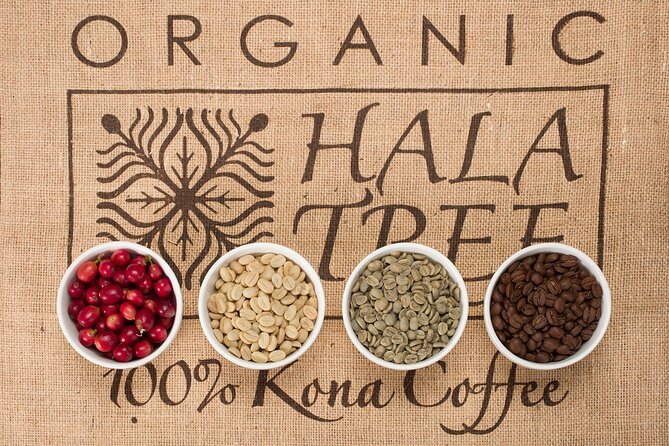
Book it if you want a short, inexpensive introduction to Kona coffee and like the idea of comparing three samples while learning how farming and processing shape the cup. The small group, clear farm-to-cup story, and practical tasting technique give the $10 fee solid value.
Skip it if you are expecting a true farm visit on Hawaii Island, a long roasting class, or a full meal. For everyone else, this is a smart, low-risk addition to an Oahu day, especially if you are already near Kaaawa and want to understand what makes Kona coffee worth seeking out.
FAQ
Where does the Kona coffee tasting take place?
The tasting takes place at The Coffee LAB by Hala Tree Cafe, 51-666 Kamehameha Highway, Kaaawa, Hawaii 96730.
Does the activity visit a Kona coffee farm?
No. You meet in Kaaawa on Oahu and learn about coffee grown on the provider’s family-owned farm in Kona on the slopes of Mauna Loa.
How many coffees will I taste?
You will taste three 100% Kona coffees from the family-owned farm.
How long does the experience last?
The scheduled duration is approximately one hour. A tasting session may finish sooner, with one session lasting about 35 minutes.
How many people can join the activity?
The maximum group size is 12 people.
Can I cancel for a refund?
Yes. You can cancel at least 24 hours before the start time for a full refund. If poor weather causes the experience to be canceled, you will be offered a different date or a full refund.
More Food and Drink Tours in the USA
- 4×4 Dominican Adventure with Chocolate and Coffee Tasting
★ 5.0 · 2,920 reviews - 4×4 ATV Experience, Water Cave, Chocolate and Coffee Tasting
★ 5.0 · 1,430 reviews - Vienna for Food Lovers: Cafés, Markets & Austrian Cuisine
★ 5.0 · 1,063 reviews - Early Morning My Son Sanctuary Trip w. Champa Food & Coffee
★ 5.0 · 629 reviews
Just added around the USA
- Roasted in Seattle Bean to Cup Coffee Tour★ 5.0 · 5 reviews
- Roasted in Seattle: Bean to Cup Coffee Tour★ 5.0 · 15 reviews
- Roast Your Own Coffee★ 5.0 · 2 reviews
- Coffee Roasters of Portland Eastside Walking Tour★ 5.0 · 7 reviews
- Turkish Coffee Fortune Reading★ 5.0 · 15 reviews
- Historic Grounds: A Music City History and Coffee Morning Tour★ 5.0 · 19 reviews
- The Little Havana Walking Tour: A Taste of Cuba in Miami★ 4.5 · 2 reviews
- Grand Haven Morning Guided Bike & Coffee Tour – 3 Hours★ 5.0 · 22 reviews
Coffee Tastings, compared.
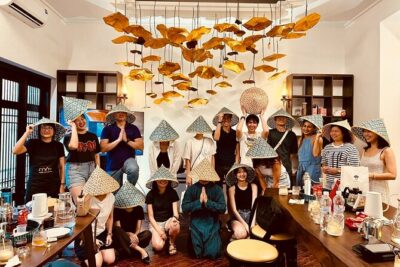
Hanoi Coffee Experience: 6 Brews, 9 Recipes & 3 Liquor Tastings
Read our review →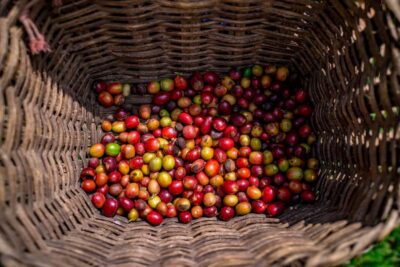
Coffee Tour with Transport, Snacks and Tastings
Read our review →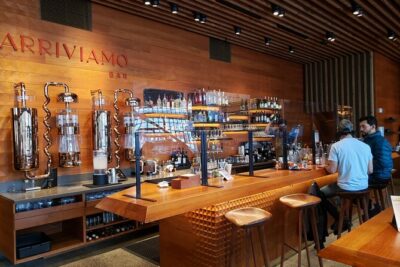
Seattle Coffee Tour: Capitol Hill Cafes, Tastings & Local Stories
Read our review →
Buggy Ride Into the jungle with cave coffee & chocolate tasting
Read our review →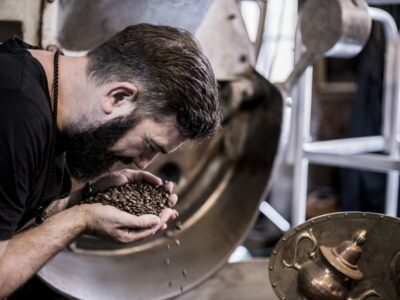
Da Nang Cooking Class with Coffee Tasting and Market Visit
Read our review →
Private Walking Tour, Food Tasting and Bosnian Coffee in Sarajevo
Read our review →
Poás Volcano and Coffee Tour with Tasting and La Paz Falls
Read our review →Browse the lists this tour appears in