
Review · COFFEE TOURS
2 Sipi Falls hike and Coffee Tour Experience
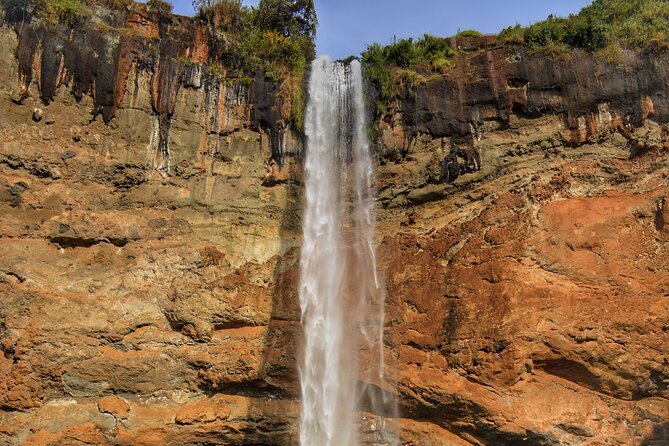
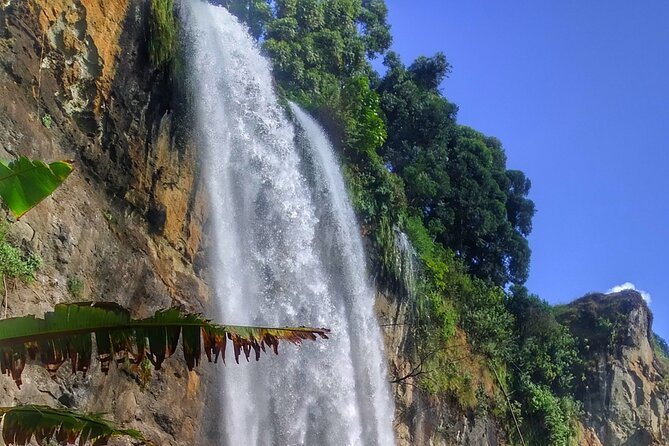
Sipi Falls is best understood on foot. This two-day experience links three waterfalls, hillside paths, coffee farms, and wide views toward the valley, with local guides who can add cultural context along the way.
I like the small group size, capped at five, and the personal guidance from names such as William, Simon, and Ian. I also like that the coffee visit is hands-on: you can see how beans are grown, then taste coffee that has just been roasted and ground.
The main caution is that the package details are not fully clear about what is included. The highlights mention breakfast and lunch, while the exclusions list meals and drinks separately. Accommodation and private transport are also excluded, so confirm the final price before paying.
Key points to know before you book

- Three Sipi Falls in one walking program: The route gives you more than a single viewpoint and may include the lesser-visited Chebonet Falls.
- Coffee from farm to cup: You can learn how local coffee is grown, see the preparation process, and taste freshly roasted and ground beans.
- Mbale adds cultural context: The route passes through Mbale, home to the Bamasaba, also called Bagisu, whose customs and local life help explain the area.
- A genuinely small group: The maximum group size is five, useful if you want to ask questions or adjust the walking pace.
- Guides are a major part of the value: William is often praised for storytelling, photographs, planning help, and flexibility. Simon and Ian are also named as guides.
- Plan for a moderate hike: You need a reasonable level of fitness, and the paths can be more demanding than the short duration on paper suggests.
Why Sipi Falls is worth the trip from Mbale
Sipi Falls sits in Uganda’s eastern highlands near Kapchorwa. The appeal is not just the water dropping over rock. It is the way the falls are spread through working countryside, with farms, village paths, and views down toward the valley.
A guide makes a real difference here. Without one, you might find the first waterfall and miss the other two, or treat the area as a quick photo stop. With William, Simon, or another local guide, the walk can include stories about the area, local customs, farming, and the people who live around the falls.
The experience is listed as two days, with around four hours assigned to Sipi Falls on each day. That gives you more breathing room than a rushed half-day outing, although the published schedule repeats Sipi Falls for both days rather than spelling out a precise hour-by-hour plan. Ask for the exact walking route and start times before you go.
A few more coffee tours around the world worth a look
- Cape Town: Lion’s Head Sunrise with coffee or Sunset Hike
★ 4.9 · 160 reviews - Off the Map Chiang Mai Jungle Coffee Trek Roast and Brew
★ 5.0 · 107 reviews - Trekking History and Indigenous Heritage in Minca + Cacao & Coffee + Waterfall
★ 4.9 · 63 reviews
Day one: Mbale, local culture, and the first waterfall views
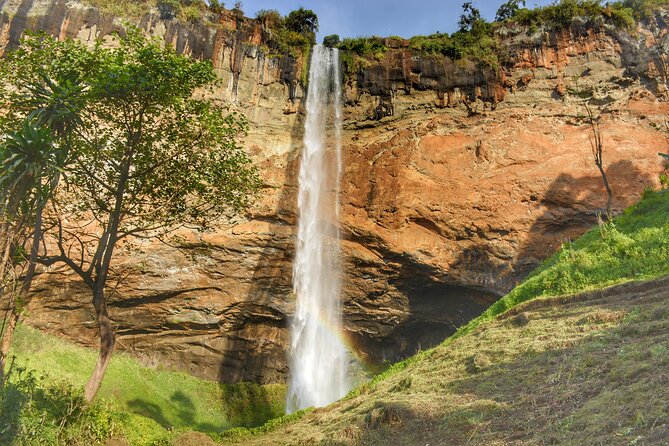
The journey begins from Entebbe Airport, with pickup offered. The route passes through Mbale, an important town in eastern Uganda and a useful introduction to the Bamasaba, or Bagisu, people.
Mbale is not simply a place to pass through on the way to the falls. It gives the trip a human setting. You are moving from an airport and urban roads toward a rural highland area where farming and community life shape the day. Your guide can help explain the local culture and the history of the area, rather than leaving you to guess what you are seeing from a vehicle window.
The first Sipi Falls walk is the main physical activity. Expect an outing of roughly four hours, though the precise route and pace can vary. The paths run through the countryside, and the falls appear from different angles rather than as one single roadside attraction.
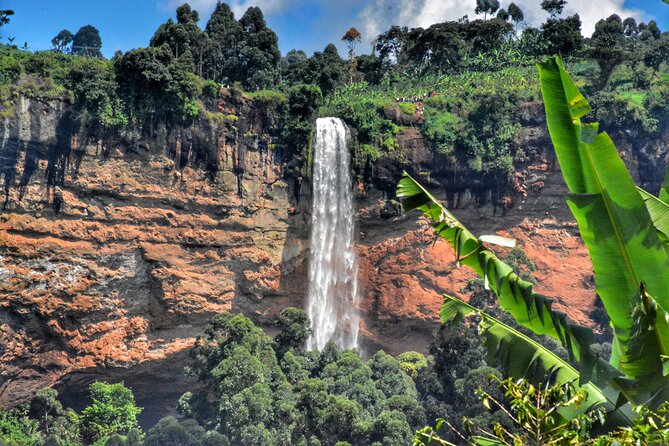
The strongest part of the walk is the combination of water and farmland. You may look across the valley, pass cultivated plots, and then reach a viewpoint where the falls take over the scene. The setting feels lived-in, not fenced off from daily life.
The walk is described as suitable for people with moderate physical fitness. That is important. You do not need to be an elite hiker, but you should be comfortable walking for several hours on uneven ground. Bring shoes with a good grip, especially if rain has made the paths slippery.
Take your time with photographs. William is repeatedly praised for taking pictures and sending them to visitors at no extra charge. That is a useful touch for solo visitors and couples who would otherwise have to rely on selfies. Still, your guide’s first job is to lead the hike safely, so do not expect a formal photography service.
Day two: more waterfalls and a closer look at village life
The second day continues around Sipi Falls, again with about four hours allocated to the area. The schedule does not provide a detailed division between the waterfalls, but the overall program is designed to cover the falls on foot rather than simply view one from a distance.
A major advantage of spreading the activity over two days is flexibility. You are less likely to rush from one viewpoint to another. If you want longer pauses for photographs, conversation, or scenery, a small group and a local guide can make that easier.
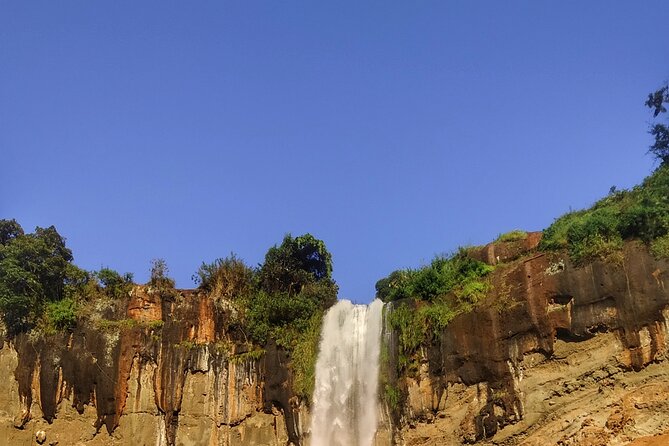
The route may include all three Sipi waterfalls. Some outings also reach Chebonet Falls, described as being farther down in the valley and worth the extra effort. Do not assume this extension is guaranteed in the basic package. Ask William or the operating team whether Chebonet is part of your planned route and how it changes the walking time.
The waterfall sections are also a good reason to choose this experience over a simple transfer to a lodge. You are not only arriving at Sipi. You are spending time on the paths between the falls, seeing farms and village life, and learning how the area functions.
The main drawback is that the itinerary is vague. Both days are labeled Sipi Falls, and neither gives a detailed route, distance, or elevation profile. If you are concerned about fitness, request those details in advance. The guide can adjust the length of the walk, according to the information provided, which is helpful for mixed-ability groups.
The coffee tour, from hillside plants to a fresh cup
The coffee visit is the other anchor of the experience. Instead of treating coffee as a souvenir, the tour connects the drink in your cup with the farmers and plants that produce it.
You can learn how coffee is grown and meet local coffee farmers. The preparation may include roasting and grinding beans, followed by a tasting. Freshly roasted and ground coffee gives the visit a simple reward at the end, and it helps you understand the work behind a product Uganda is known for producing.
This part is especially useful if you want an activity with more contact than sightseeing alone. The coffee tour places you in a working community and gives local knowledge a practical focus. You are not just hearing a general talk about agriculture. You are seeing how coffee fits into life around Sipi.
The program also creates a good balance. The waterfalls provide movement and scenery, while the coffee visit slows the pace and gives you time to ask questions. If you do not drink coffee, the farming and cultural side may still interest you, but the tasting is clearly one of the experience’s main pleasures.
Same place, a different way to drink it:
- Hoi An: Vietnamese Coffee Culture and Coffee Making Class
★ 4.9 · 4,006 reviews - Hanoi Coffee Experience: 6 Brews, 9 Recipes & 3 Liquor Tastings
★ 5.0 · 2,945 reviews - 4×4 Dominican Adventure with Chocolate and Coffee Tasting
★ 5.0 · 2,920 reviews - Rome Morning Vespa Sidecar Tour in Rome with Cappuccino
★ 5.0 · 1,771 reviews
What your guide adds to the experience
Guide quality appears to be one of the strongest reasons to book this particular program. William is the guide most often connected with the experience, and he is described as friendly, flexible, a strong storyteller, and well informed about the Sipi area.
His storytelling matters because Sipi is more than a set of scenic stops. You can learn about cultural history and how it relates to life today. That sort of explanation is difficult to get from a self-guided walk.
William has also helped arrange transport, accommodation, onward travel, and extra activities for some visitors. Those arrangements are not automatically part of the $40 price, so treat this as planning support rather than a promise of included services.
Simon is also named as a helpful and well-informed guide, while Ian led a particularly well-regarded hike and coffee visit. The exact guide may depend on availability. If you have a strong preference, request that person when booking, but do not assume it can be guaranteed.
The small maximum group of five is a real advantage. You can ask questions without holding up a large party, and your guide has a better chance of noticing when the group needs a break. It also suits solo visitors and pairs who want a more personal outing.
Is the $40 price good value?
At $40 per person, the experience can be good value for a two-day guided program, particularly if your price includes the waterfall access fees and coffee activity. The small group limit adds value, since you are not paying for a large coach-style excursion.
But read the inclusions carefully. The supplied details say all fees and taxes are included. They also list complimentary breakfasts and lunch among the highlights, yet the exclusions say meals and drinks are not included. This is a meaningful contradiction, not a small wording issue.
Accommodation is excluded. Private transportation is excluded as well, even though pickup is offered from Entebbe Airport. Ask exactly what pickup means, where transport ends, and what you must pay separately for a vehicle to Sipi and back.
Guide gratuity is not included. Airfare is also excluded, which is obvious but still listed in the conditions. Set aside extra money for accommodation, meals and drinks if the operator confirms they are not part of your selected booking, transport, and a tip for your guide.
The best value comes when you want a guide and a local coffee visit, not when you are seeking a fully packaged holiday. The $40 should be treated as the base cost until the operator confirms the complete total.
What to bring and how to prepare
Wear comfortable walking shoes with reliable grip. The route is a hike through the countryside, and a moderate fitness level is required. Light clothing, sun protection, a reusable water bottle, and rain protection are sensible choices, though the supplied information does not specify a packing list.
Keep your schedule flexible. The activity operates from 7:00 AM to 6:30 PM, Monday through Sunday, but that is the listed operating window, not a promised start and finish for every part of the two-day program.
Bring a phone or camera, but leave room to enjoy the views without constantly stopping for pictures. If William is your guide, you may receive useful photographs afterward, but you should still protect your own equipment from rain and spray.
If you are traveling alone, the small group setup is reassuring. Service animals are allowed, and the activity is near public transportation. The published information does not provide detailed trail accessibility, so wheelchair users or anyone with mobility limits should ask about the exact route before booking.
Who will enjoy this Sipi Falls experience most?
I would choose this for you if you want waterfalls, village life, coffee, and a local guide in one compact eastern Uganda program. It suits couples, solo visitors, and small groups who prefer conversation and flexibility to a large organized excursion.
It is also a good fit if you care about photographs. Guides have helped visitors capture portraits, waterfall views, and short travel videos, with photographs sometimes provided at no extra charge.
You may want a different arrangement if you need a fixed schedule, confirmed meals, included accommodation, or private transport in one transparent price. The program can help organize those elements, but the listed $40 does not include them.
The tour is also less suitable if you dislike walking or want to see Sipi Falls from easy roadside viewpoints. The point here is to walk between the falls and spend time in the countryside.
Should you book the Sipi Falls hike and coffee tour?
Book it if you want a small, personal outing and are willing to confirm the practical details first. The combination of three waterfalls, Bagisu culture, and a coffee farm visit gives you a fuller picture of the Sipi area than a quick waterfall stop.
Before booking, ask three direct questions: Is breakfast and lunch included in my exact price? What transport is included from Entebbe to Sipi and back? Which waterfalls and coffee activities are planned across the two days?
If the answers are clear, $40 per person is an appealing base price. The experience earns its value through the guide, the walking route, and the connection with local coffee farmers. Just budget separately for the items listed as excluded and remember that cancellation is free only when made at least 24 hours before the start time.
FAQ
How long is the Sipi Falls hike and coffee tour?
The experience lasts approximately two days. About four hours are assigned to Sipi Falls on each listed day.
How much does the experience cost?
The listed price is $40 per person. Accommodation, airfare, guide gratuity, private transportation, and potentially meals and drinks are listed as excluded.
Where does the activity start?
The listed meeting point is Entebbe Airport in Entebbe, Uganda. Pickup is offered.
Where does the activity end?
The activity ends back at the meeting point.
Is accommodation included?
No. Accommodation is listed among the exclusions, so you need to arrange and pay for it separately unless the provider gives you a different package price.
Are meals included?
The information is inconsistent. Breakfast and lunch are highlighted as complimentary, while meals and drinks are also listed as excluded. Confirm the meal details for your booking before paying.
How many people can join the tour?
The maximum group size is five travelers.
What level of fitness is needed?
A moderate level of physical fitness is required because the experience includes several hours of hiking around the waterfalls.
Are service animals allowed?
Yes. Service animals are allowed.
Can I cancel for a full refund?
Yes, if you cancel at least 24 hours before the experience start time. Cancellations made less than 24 hours in advance are not refunded, and changes within that period are not accepted.
Just added around the world
- Yerevan: Private Coffee Tour with 2 Café Stops★ 5.0 · 2 reviews
- Vietnamese Coffee 101 Workshop★ 5.0 · 11 reviews
- Vietnamese Coffee Making Class in Hoi An★ 5.0 · 4 reviews
- Vietnamese cooking class and coffee making with local girl★ 5.0 · 5 reviews
- Venice Delights: Coffee & Food Experience Walking Tour★ 5.0 · 2 reviews
- Private Vienna Tour: Literature Walk with Coffee House Visit★ 5.0 · 2 reviews
- Turin: Art Nouveau Walking Tour with Coffee★ 5.0 · 11 reviews
- Turkish Coffee and Traditional Turkish Dessert Cooking★ 4.6 · 8 reviews
Hiking & Trekking, compared.
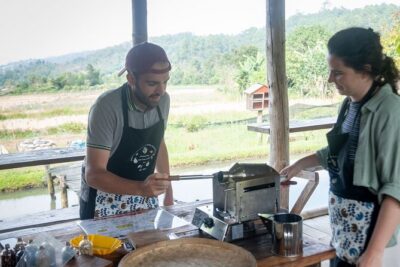
Off the Map Chiang Mai Jungle Coffee Trek Roast and Brew
Read our review →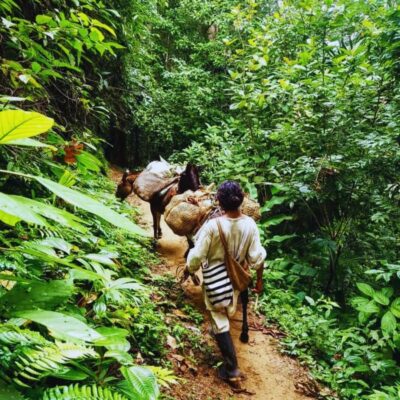
Trekking History and Indigenous Heritage in Minca + Cacao & Coffee + Waterfall
Read our review →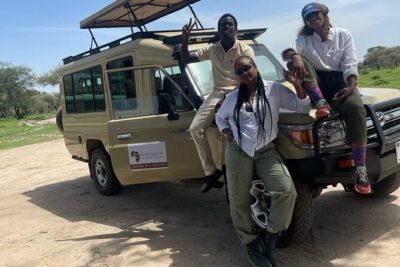
6 Days Serengeti Safari(hiking waterfalls &coffee tour)
Read our review →
Chiang Mai Coffee Full Day Tour: Trek, Brew & Roast Journey.
Read our review →Mount Batur Sunrise Trekking (Private, Breakfast and Visiting coffee plantation)
Read our review →
Doi Inthanon Day Trip:Twin Pagodas,Soft Hiking,Coffee Plantation
Read our review →
Coffee, Cocoa and Trekking Tour in Minca: Nature, Crops and Production
Read our review →
Sunrise hike at Le Morne Brabant with Local Guides (UNESCO)
Read our review →Browse the lists this tour appears in