
Review · DA NANG
Da Nang – Coffee Workshop: Make 6 Kinds of Vietnamese Coffee
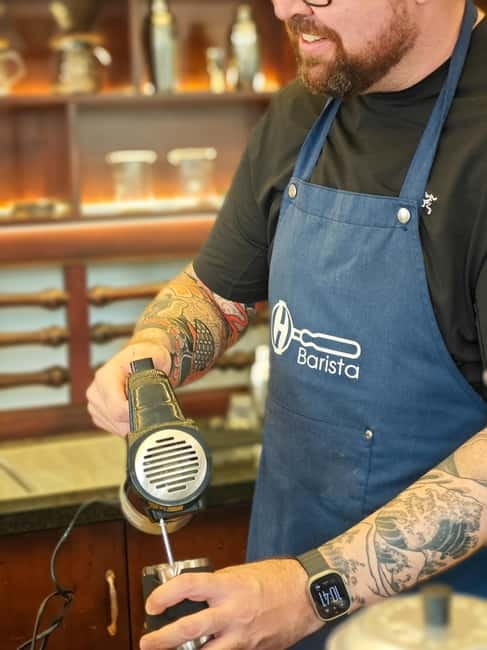
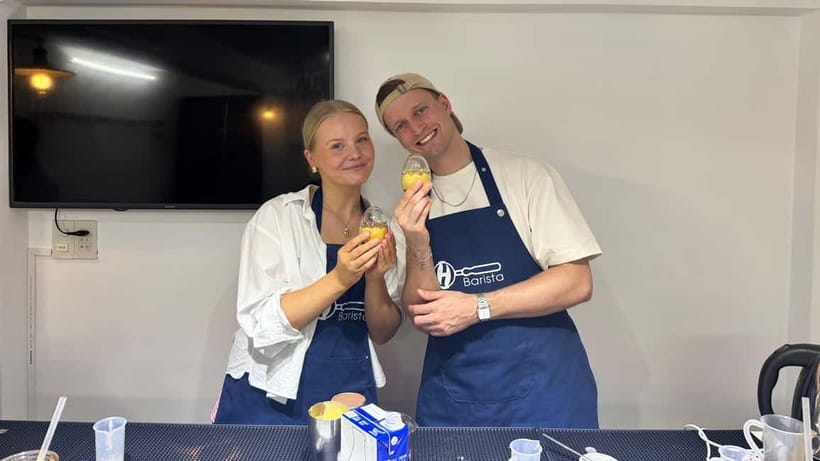
Da Nang’s coffee culture makes more sense once you slow down and brew it yourself. At Experience Coffee, Sally teaches six Vietnamese styles, including egg coffee, coconut coffee, salted coffee, cà phê sữa đá, and bạc xỉu, using the small metal phin filter that gives Vietnamese coffee its familiar slow drip.
I like the hands-on format and the chance to compare Robusta, Arabica, Culi, and local beans in one sitting. I also like that local staff can offer practical advice about Da Nang beyond the cup. The main consideration is the flexible 90 to 180 minute length, which means the exact pace may depend on the group and the amount of conversation.
Key points at a glance
- Six coffees in one workshop: Make and taste cà phê sữa đá, bạc xỉu, egg coffee, coconut coffee, salted coffee, and other Vietnamese variations.
- A real phin lesson: Learn how the classic metal filter works instead of simply watching someone prepare your drink.
- Sally leads the class: She explains the coffee styles patiently and helps you feel ready to make them at home.
- A central Da Nang setting: Experience Coffee is at 169/1 Trần Phú in Hải Châu District.
- Coffee to take home: Six different types of coffee are included, along with a secret gift at the end.
- Good local conversation: The English-speaking team can share ideas about Da Nang, Vietnam, food, cafés, and evening plans.
Why Vietnamese coffee is best learned at the table
Vietnamese coffee is not just strong coffee poured over ice. It is a way of preparing, serving, sweetening, and sharing a drink. The phin filter sits directly over the glass, and the coffee drips slowly into it. Condensed milk, ice, egg cream, coconut, or salt can change the drink completely.
That difference is the reason I prefer this kind of workshop to a quick café stop. You get to taste the ingredients separately and see how the drinks are assembled. A menu name can sound simple, but cà phê sữa đá and bạc xỉu have different balances of coffee and milk. Egg coffee brings a creamy topping, while coconut coffee and salted coffee move in another direction.
The class takes place at Experience Coffee, a café and cultural space at 169/1 Trần Phú, in central Da Nang’s Hải Châu District. The room uses classic white and blue colors, with classic music in the background. It is designed for a slow coffee break, not a rushed demonstration.
You should expect conversation as well as instruction. The workshop is conducted in English, and the team also speaks Vietnamese. That makes it easier to ask about coffee terms, local habits, and places to visit after class.
More Coffee Making Classes in Vietnam
- Hoi An: Vietnamese Coffee Culture and Coffee Making Class
★ 4.9 · 4,006 reviews - Hanoi Coffee Workshop: Taste Salt, Coconut and Egg Coffee
★ 5.0 · 1,286 reviews - Hanoi: Salt Coffee Workshop Awake Your Senses With 6 Brews
★ 5.0 · 792 reviews
Starting with beans, styles, and the Vietnamese coffee story
The first part of the workshop introduces the coffee behind the drinks. You learn about the differences between Robusta, Arabica, Culi, and local beans. This matters because Vietnamese coffee is often associated with a bold taste, but the beans and preparation method affect the result.
Robusta is an important part of the Vietnamese coffee identity, especially for people who associate local coffee with a firm, powerful flavor. Arabica offers another profile, while Culi refers to a distinctive bean type. You are not simply handed a sweet iced drink and told that all Vietnamese coffee tastes the same.
Sally explains the subject in a patient, practical way. Her teaching style is useful for beginners because you do not need coffee experience before arriving. You can ask basic questions about grind, strength, milk, and the phin without feeling out of place.
This section also gives the drinks a cultural setting. Coffee in Vietnam is connected to long conversations, relaxed café time, and a social habit of stopping for a drink rather than rushing away with it. The workshop helps you notice that rhythm.
Learning the phin filter step by step
The phin is small, simple, and easy to underestimate. It is a metal filter that sits on top of a cup or glass. Coffee is placed inside, then hot water is added so the brew drips down slowly.
You get hands-on instruction rather than a lecture. You learn how to use the filter and watch the coffee collect below. The slow pace is part of the point. A phin does not produce a cup in the same way as a machine, and the method encourages you to pay attention.
This is one of the most useful parts for anyone hoping to make Vietnamese coffee at home. You can buy beans and phin filters at the venue, so the lesson can continue after you leave. The included coffee samples also give you a way to practice with different styles.
The workshop is suitable for coffee enthusiasts at all levels. If you already know espresso, pour-over coffee, or other brewing methods, you can compare the phin with what you know. If you are starting from zero, the process is still approachable.
Do not expect a fast, highly technical barista course. The focus is Vietnamese coffee culture and home preparation, not professional café certification. That is a strength for most visitors, but serious coffee students may want more detail on extraction times, water temperature, and precise measurements than this experience promises.
Tasting six Vietnamese coffee variations
The tasting is the heart of the session. You work through several well-known Vietnamese drinks and get a chance to compare their texture, sweetness, and coffee strength.
More Vietnamese Coffee Experiences in Vietnam:
- Fun & Easy Vietnamese Coffee Workshop in Hồ Chí Minh City
★ 5.0 · 293 reviews - Hanoi: Vietnamese Coffee Workshop with 6 Brews and 8 Recipes
★ 5.0 · 237 reviews - Vietnamese Coffee & Culture Exploration in Hồ Chí Minh City
★ 5.0 · 202 reviews - Hoi An: Vietnamese Coffee Making Workshop at Local Roastery
★ 4.8 · 174 reviews
Cà phê sữa đá
This is the classic Vietnamese iced coffee with condensed milk. The coffee is brewed through the phin, mixed with the sweet milk, and served over ice. It is a useful starting point because it shows how the bold coffee flavor and thick sweetness work together.
You can also see why the brewing method matters. The coffee needs enough strength to remain present after the milk and ice are added.
Bạc xỉu
Bạc xỉu is milkier and gentler than traditional cà phê sữa đá. It suits you if you want the flavor of Vietnamese coffee without as much intensity. Tasting both drinks side by side makes the difference easier to understand than reading a description on a menu.
Egg coffee
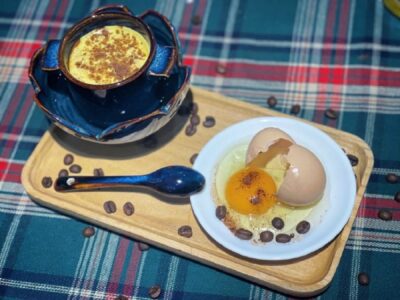
Egg coffee is one of the most unusual preparations in the class. A creamy egg topping is paired with coffee, creating a dessert-like drink with a soft texture. It is not simply another sweet iced coffee, and it gives the workshop a memorable change of pace.
You will want to pay attention to how the topping is made and how it changes the drink below. This is the kind of preparation that can feel difficult to recreate until you have seen it done.
Coconut coffee
Coconut coffee brings a tropical flavor to the coffee base. It is another useful comparison because the coconut changes both the sweetness and the mouthfeel. If you prefer cold, creamy drinks, this may be one of the styles you remember most.
Salted coffee
Salted coffee shows how a small savory note can alter a sweet drink. The salt does not turn the coffee into a savory beverage. Instead, it changes the balance and can make the sweetness feel less flat.
Sampling it beside the other drinks helps you understand why Vietnamese cafés offer more than one familiar combination of coffee, milk, and ice.
The information provided for the experience describes six coffee types in total, while the named examples include these five variations. The sixth style may be explained during the session based on the beans and preparation being used that day. If you have a particular drink in mind, ask Sally when you arrive.
Conversation with Da Nang locals
The workshop is also a useful place to ask questions that do not fit neatly on a coffee menu. The instructor and staff are Da Nang locals, and they can offer suggestions about local places, going out, and destinations in Vietnam.
That local contact is valuable because you can shape the conversation around your own plans. Ask for ideas about cafés, food, evening activities, or places to see in Da Nang. The information describes open conversation rather than a formal city tour, so think of it as practical advice during a relaxed coffee session.
You may also make friends with other people in the class. The shared preparation gives everyone an easy subject to talk about, even if you arrive alone. The setting is more social than a private coffee tasting, but the experience is not described as a large group event, so you should not book it expecting a fixed group size.
Sally’s patient approach is worth noting. The strongest feature of the teaching is not a complicated presentation. It is the useful mix of explanation, tasting, and time to ask questions. You leave with a better sense of how the drinks fit into daily life in Vietnam.
What you take home after the coffee tasting
Six different types of coffee are included for you to bring home. That adds practical value to the class because you are not limited to a memory or a single recipe.
The take-home coffee gives you a chance to repeat the tasting later. You can compare the samples, try them with a phin, and share the experience with friends or family. The included secret gift at the end is another small bonus, though its contents are not specified, so you should treat it as a surprise rather than part of the purchase decision.
You can also purchase Vietnamese coffee beans and phin filters at the venue. That is convenient if you decide the method suits you and want to continue brewing after your time in Da Nang.
Bring a camera if you want photographs of the setup and drinks. Comfortable shoes and water are recommended, although this is primarily a seated café activity rather than a walking tour. Since no hotel pickup or drop-off is included, you make your own way to the meeting point and return there when the class ends.
Is $30 a fair price in Da Nang?
The price is $30 per person. For a normal café visit, that would be a high price for coffee in Vietnam. This is not priced as a simple drink stop, however. It includes 90 to 180 minutes of instruction, several tastings, cultural background, six coffee types to take home, local conversation, and a gift.
I see the value most clearly if you want to reproduce the drinks. A short class that teaches you the phin and introduces several recipes can save you from guessing at home. The chance to buy beans and filters afterward also makes the session practical rather than purely decorative.
The value is weaker if you only want to drink Vietnamese coffee and take a few photographs. Da Nang has plenty of cafés where you can spend much less on a single cup. Book this workshop for the learning, the comparisons, and the chance to talk with local people.
The wide duration range is worth keeping in mind. At 90 minutes, it is an easy addition to a day of sightseeing. At closer to three hours, it becomes a slower social activity. That longer version may be welcome if you enjoy conversation, but less useful if your schedule is tightly packed.
Who should book this coffee workshop?
I would recommend it most strongly to first-time visitors who want a cultural activity with a clear focus. You do not need to know anything about coffee, and the English instruction makes the process accessible.
It also suits:
- Coffee drinkers who want to learn the phin method
- People who enjoy tasting several versions of one local specialty
- Solo visitors looking for an easy social setting
- Couples and friends who want a hands-on activity
- Anyone hoping to bring a small part of Vietnamese café culture home
- Visitors who want local suggestions for Da Nang and Vietnam
Families may find the tasting interesting, but the supplied information does not state a minimum age or specific child policy. Ask before booking if that matters for your group.
This is less suitable if you want a full food tour, a city walk, or a professional coffee training course. Food is not included unless specifically stated, and hotel transportation is not included. The main subject is coffee, with conversation and cultural context around it.
Practical details before you go
The meeting point is Experience Coffee at 169/1 Trần Phú, Hải Châu District, Da Nang City. The activity ends back at the same meeting point.
The workshop is offered in English, with Vietnamese also spoken at the venue. Bring comfortable shoes, water, and a camera. You should also arrive ready to taste sweet, creamy, strong, and unusual coffee styles rather than expecting every drink to suit your personal taste.
You can reserve now and pay later, which helps if you are still arranging your Da Nang schedule. Cancellation is allowed up to 24 hours in advance for a full refund.
Should you book it?
Book this workshop if you want more than a good cup of coffee. Sally’s patient instruction, the six styles, the phin lesson, and the take-home samples give you something useful to carry into the rest of your trip and back home.
Skip it if your schedule is short and you would rather spend $30 on several café visits, or if you want a broader food or city tour. For coffee lovers, curious first-time visitors, and anyone who enjoys learning through conversation, Experience Coffee offers a friendly and practical look at one of Vietnam’s most recognizable daily rituals.
FAQ
Where is the Vietnamese coffee workshop held?
The workshop is held at Experience Coffee, located at 169/1 Trần Phú, Hải Châu District, Da Nang City.
How long does the workshop last?
The workshop lasts between 90 and 180 minutes.
Which coffee drinks are included?
The tasting includes six Vietnamese coffee types. Named examples include cà phê sữa đá, bạc xỉu, egg coffee, coconut coffee, and salted coffee.
Will I learn how to use a phin filter?
Yes. The workshop includes hands-on instruction on brewing Vietnamese coffee with the traditional phin filter.
Is the workshop conducted in English?
Yes. The workshop is conducted in English. Vietnamese is also spoken by the team at the venue.
Is the workshop suitable for beginners?
Yes. It is suitable for coffee enthusiasts of all levels, including people with no previous coffee-making experience.
Do I receive coffee to take home?
Yes. Six different types of coffee are included for you to bring home.
Is hotel pickup and drop-off included?
No. Hotel pickup and drop-off are not included. The activity starts and ends at the Experience Coffee meeting point.
Can I buy coffee beans and a phin filter afterward?
Yes. You have the opportunity to purchase Vietnamese coffee beans and phin filters at the venue.
Just added around Vietnam
- Vietnamese Coffee Making Class in Hoi An★ 5.0 · 4 reviews
- Vietnamese cooking class and coffee making with local girl★ 5.0 · 5 reviews
- Vietnamese Coffee 101 Workshop★ 5.0 · 11 reviews
- Vietnamese Egg Coffee Making Course in Hoi An★ 3.5 · 2 reviews
- Authentic Vietnamese Coffee Making Experience in Hoi An★ 5.0 · 13 reviews
- Hoi An Ancient Town and Coffee Making Course★ 5.0 · 4 reviews
- Hoi An Vietnamese Coffee Workshop: Hands-On Brewing Class★ 5.0 · 3 reviews
- Hoi An Coffee Making Workshop★ 5.0 · 7 reviews
Vietnamese Coffee Experiences, compared.
Vietnamese Coffee Culture and Coffee Making Class
Read our review →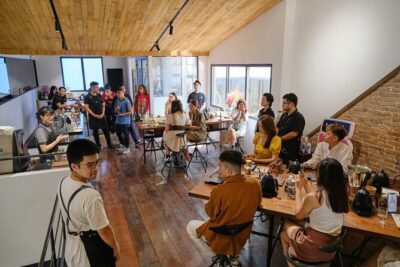
Fun & Easy Vietnamese Coffee Workshop in Hồ Chí Minh City
Read our review →
Vietnamese Coffee Workshop with 6 Brews and 8 Recipes
Read our review →
Vietnamese Coffee & Culture Exploration in Hồ Chí Minh City
Read our review →
Vietnamese Coffee Making Workshop at Local Roastery
Read our review →
Hanoi Coffee Workshop: Master 6 Signature Vietnamese Coffee
Read our review →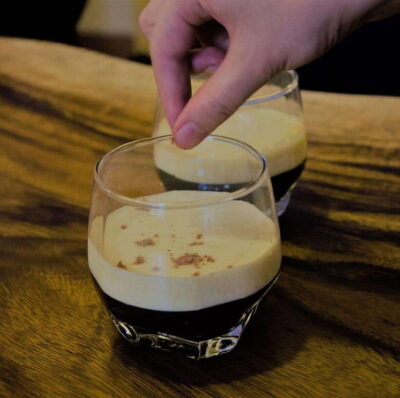
Hands-on Vietnamese Coffee Making Class with Long
Read our review →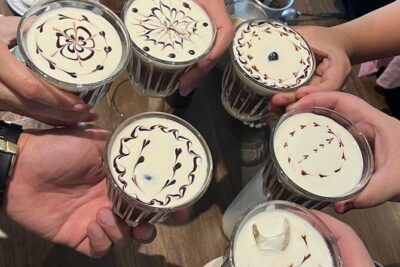
Six Cups of Vietnam Coffee Workshop in Hanoi with Local Barista
Read our review →Browse the lists this tour appears in