
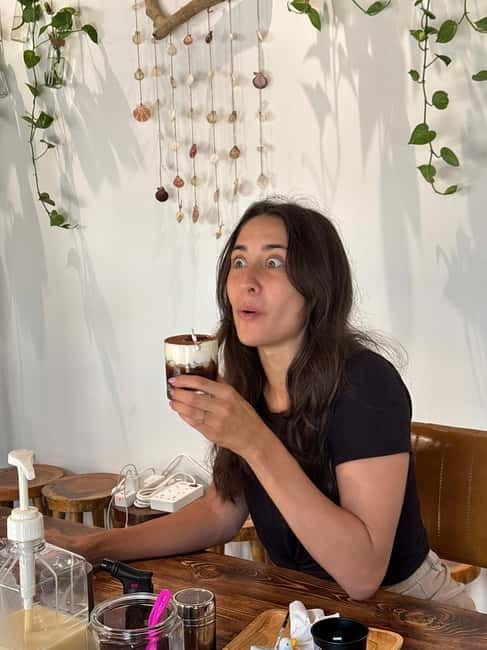
Review · VIETNAM
Da Nang: Egg, Salt, & Coconut Coffee Making Class
Vietnamese coffee is far more than strong coffee poured over ice. At this 90-minute Da Nang workshop, you make three very different drinks with the same traditional phin filter: creamy egg coffee, savory salt coffee, and chilled coconut coffee. The class turns a familiar café stop into a useful cultural lesson.
I like the hands-on format and the friendly local instruction. You do not just watch a demonstration, and you do not need any previous brewing skill. I also like the setting: a warm second-floor room with Indochine-style décor, plants, and a relaxed feel.
The main thing to consider is the caffeine. You taste three coffee drinks in one sitting, so this may be better in the morning than late in the day. It is also a coffee class rather than a broad Vietnamese cooking lesson, which makes it focused but not suitable if you want a full meal-making activity.
Key points to know before booking
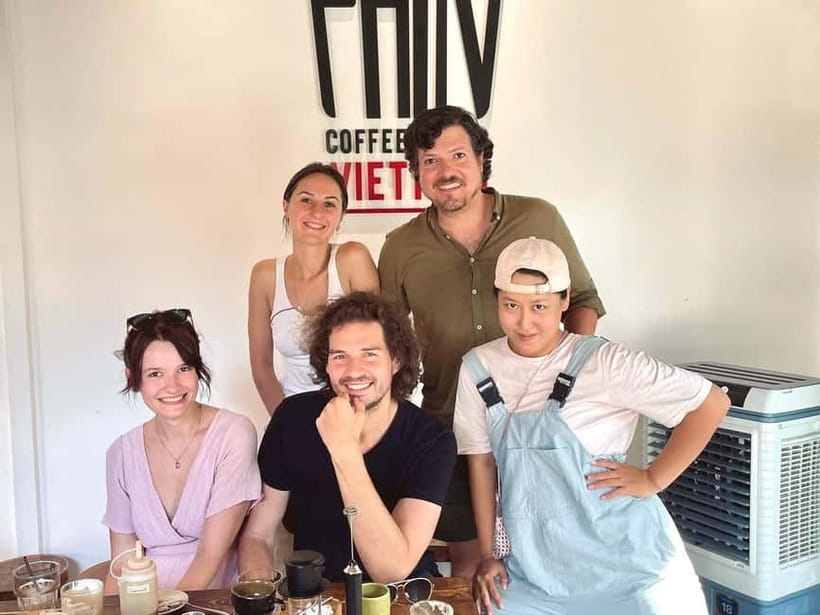
- Three drinks, three distinct flavors: Make egg coffee, Hue-style salt coffee, and coconut coffee, then taste each one.
- The phin filter is the star: Learn Vietnam’s slow-drip brewing method instead of relying on an electric coffee machine.
- Local guides lead the class: Duck, Daisy, and Annie are named instructors who explain both the recipes and the culture behind them.
- The setting is easy to find: Go to the second floor of the coffee shop, where the guide waits at the entrance.
- Good value at $18: The price includes instruction, ingredients, equipment, tastings, recipes, and photos.
- Best timing is earlier in the day: One participant found the morning session especially useful before sightseeing, partly because the coffee provides a serious wake-up.
Why this Da Nang coffee class is worth your time
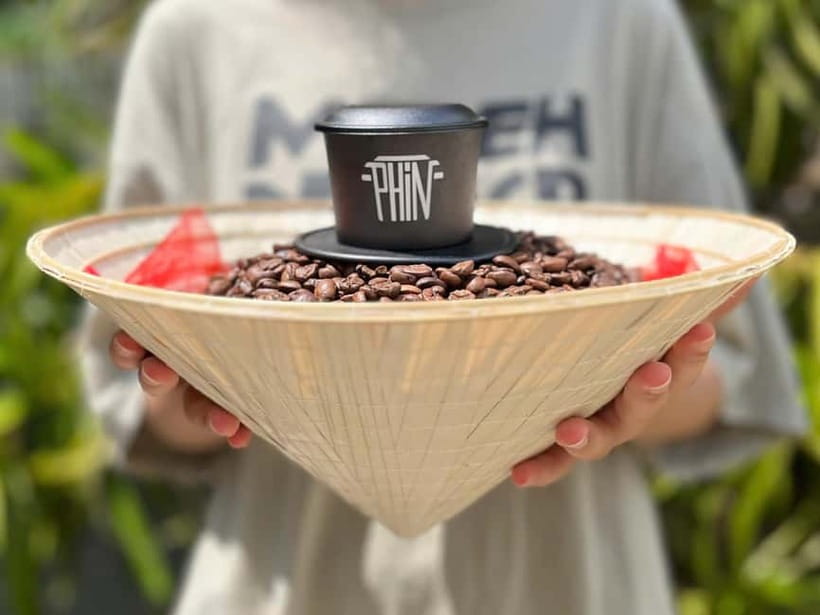
Da Nang has no shortage of cafés, but ordering a coffee only gives you the finished drink. This class shows you how the drink is built, from the coffee grounds and phin filter to the creamy, salty, or coconut topping.
That difference matters. Vietnamese coffee culture depends heavily on robusta beans, which tend to produce a bold, powerful cup. The phin slows the process down, allowing the coffee to drip into the glass or cup below. You see the method at close range, then repeat it yourself.
I like this kind of class for a first or second day in Vietnam. You get a small cultural lesson without spending half a day in a formal workshop. At 90 minutes, it fits neatly between sightseeing stops, and the recipes give you something practical to take home.
The class also gives you a better way to read a Vietnamese café menu. Egg coffee, salt coffee, and coconut coffee can sound unusual if you have only had standard iced coffee. After making them yourself, the ingredients make more sense.
More Coffee Making Classes in Vietnam
- Hoi An: Vietnamese Coffee Culture and Coffee Making Class
★ 4.9 · 4,006 reviews - Hanoi Coffee Workshop: Taste Salt, Coconut and Egg Coffee
★ 5.0 · 1,286 reviews - Hanoi: Salt Coffee Workshop Awake Your Senses With 6 Brews
★ 5.0 · 792 reviews
Finding the second-floor meeting point
The meeting point is inside the coffee shop, on the second floor. The room has warm Indochine-style decoration, and the guide waits at the entrance to greet people as they arrive.
This is useful because you are not left guessing which table or counter belongs to the class. Look for the guide at the second-floor entrance. The instruction is in English, and the named guides include Duck, Daisy, and Annie.
No transportation is included or required in the activity details. You arrange your own way to the coffee shop, so allow enough time to find the location and reach the second floor. The exact starting time depends on availability when you book.
The space sounds especially suited to a relaxed class rather than a large production. It is described as bright, clean, cozy, and decorated with plants. That gives you a comfortable place to work with coffee, cream, ice, and other ingredients without feeling as if you are in a rushed demonstration.
Starting with robusta coffee and the phin filter
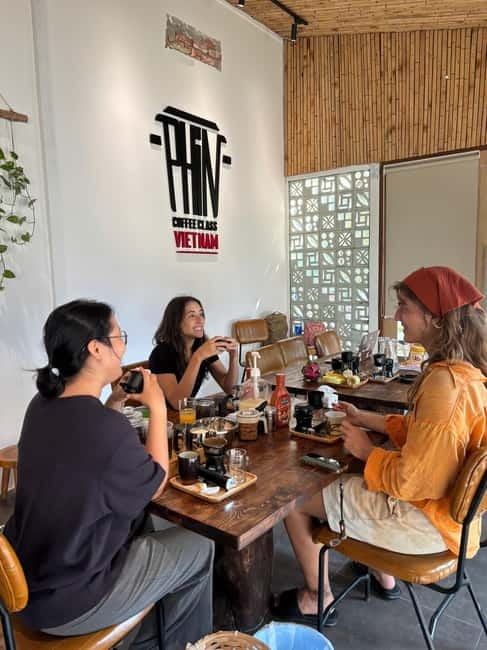
The class begins with a welcome and iced tea. Before you start making drinks, the guide explains Vietnamese coffee culture, the role of robusta beans, and the traditional phin filter.
The phin is a small metal filter that sits over your cup. You add the coffee, place the filter insert on top, and pour in hot water. The coffee then drips slowly below. The process is simple, but small changes in the amount of coffee, water, and pressure affect the final cup.
That is the useful part of the lesson. You are not simply handed a recipe and told to copy it. You see why the method produces a concentrated drink that works well with sweetened milk, cream, salt, or coconut.
A beginner can manage the equipment. All ingredients and tools are supplied, and the guide takes you through the steps. Your finished drink may not look as polished as the instructor’s, but the point is to learn the method and taste the result.
The explanation also gives needed context. Vietnamese coffee is often associated with intense flavor and slow preparation, not quick filter coffee. Once you understand the phin, many café drinks in Vietnam become easier to identify.
Making egg coffee, the dessert-like first drink
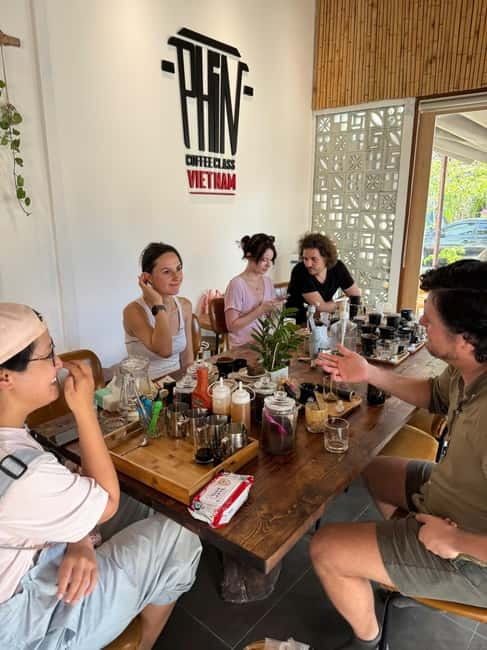
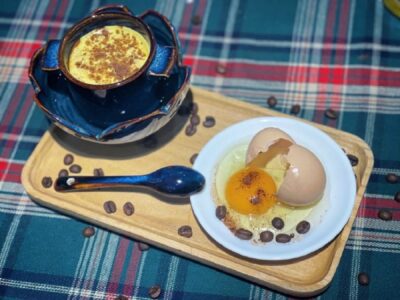
Egg coffee is usually the most surprising drink for people who have never tried it. The coffee itself is strong, while the egg mixture gives it a smooth, sweet, dessert-like texture.
You make the drink during the class rather than simply receiving one. The hands-on step helps you understand how the creamy topping changes the coffee. It also gives you a chance to adjust your expectations: this is closer to a small coffee dessert than a plain morning cup.
I would pay attention to the guide’s instructions here, especially the texture. The appeal depends on getting a smooth, creamy mixture rather than a heavy or uneven one. The workshop is designed for beginners, so you are not expected to arrive with baking or barista skills.
This is a good drink for anyone who likes sweet coffee. If you normally take your coffee black, egg coffee may be the most unfamiliar of the three. The class makes it easy to try because you prepare a small tasting portion rather than committing to a full café order.
More Vietnamese Coffee Experiences in Vietnam:
- Fun & Easy Vietnamese Coffee Workshop in Hồ Chí Minh City
★ 5.0 · 293 reviews - Hanoi: Vietnamese Coffee Workshop with 6 Brews and 8 Recipes
★ 5.0 · 237 reviews - Vietnamese Coffee & Culture Exploration in Hồ Chí Minh City
★ 5.0 · 202 reviews - Hoi An: Vietnamese Coffee Making Workshop at Local Roastery
★ 4.8 · 174 reviews
Learning why salt coffee works
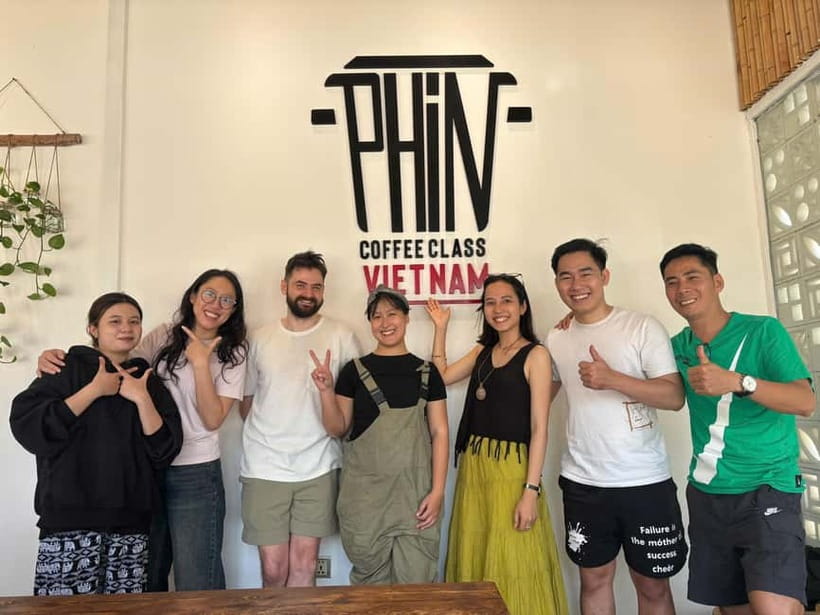
Salt coffee is the drink I would be most curious to try. It comes from Hue and pairs coffee with a savory note, creating a balance that can soften the bitterness without making the drink taste like soup.
The salt is not there to dominate. Used in the right amount, it changes how you perceive the coffee and the sweetness. That is why this drink is more interesting than its name suggests.
The class gives you a chance to make the drink yourself, so you can see how the salt fits into the mixture. You also learn that Vietnamese coffee is not limited to condensed milk and ice. Local café culture includes creative combinations that still respect the strength of the coffee.
For many people, this may become the favorite of the three. I would save it for a careful tasting rather than rushing through it. Notice how the savory touch affects the coffee’s bitterness and sweetness.
Building a chilled coconut coffee
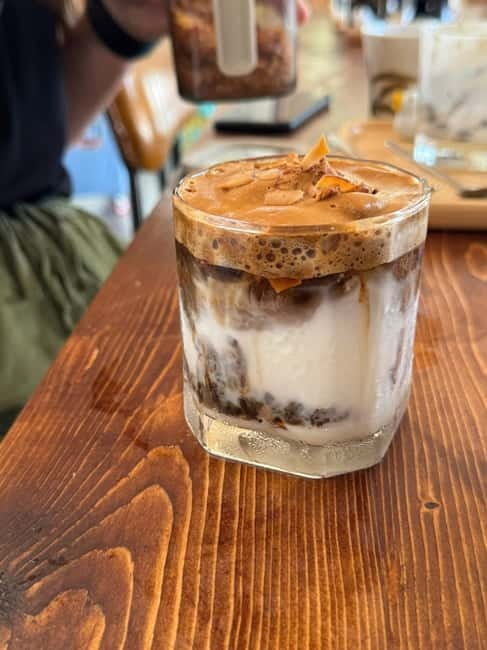
Coconut coffee takes the coffee in a cooler, more tropical direction. It combines the strong phin-brewed base with coconut for a naturally sweet, chilled drink.
This one should appeal to you if you prefer iced coffee or lighter tropical flavors. The coconut changes the body and sweetness without hiding the coffee completely. You get a clear contrast with the warm, creamy character of egg coffee and the savory edge of salt coffee.
The class lets you compare the drinks in one sitting. That comparison is one of the best reasons to book instead of trying only one drink at a café. You can identify which flavors you enjoy and later order with more confidence.
Each drink also gives you a different lesson in balance. Egg coffee adds richness, salt coffee changes bitterness, and coconut coffee adds coolness and sweetness. The recipes are simple enough to repeat at home, provided you can find a phin filter and the ingredients.
What the guides add to the class
The guide is not only there to measure ingredients. The instruction includes an introduction to Vietnamese coffee, explanations of the brewing method, and help during the hands-on steps.
Duck is praised for explaining each coffee clearly and keeping the session enjoyable. Daisy brings strong coffee knowledge and connects the drinks with wider Vietnamese culture. Annie is described as passionate about Vietnamese coffee and helpful during the workshop.
Those names matter because the quality of a short class often depends on the person leading it. In 90 minutes, a clear instructor can turn a few recipes into a memorable lesson. A poor explanation would leave you with a drink but no understanding of why it works.
The language is English. That makes the class practical for international visitors who want more than a visual demonstration. You can ask questions as you work, rather than trying to follow instructions through gestures alone.
You also receive coffee recipes to take home. That adds value after the class, especially if you want to recreate the drinks for friends. Free photos are included too, so you can leave with a record of the activity without having to stop and document every step yourself.
Is $18 a fair price?
At $18 per person, this is reasonably priced for a 90-minute activity. You are paying for instruction, ingredients, equipment, three separate drinks, cultural background, recipes, and photos.
The value is strongest if you are interested in coffee beyond simply drinking it. Three café orders could cost less or more depending on the location, but they would not teach you how to use a phin or explain the differences between these drinks.
The price also works well for a short break in a busy Da Nang itinerary. You do not need to commit to a full cooking course, and you finish with something you can use at home.
I would not book it for the price alone if you dislike coffee or avoid caffeine. The experience centers on tasting three coffee drinks. It is also not a food tour, market visit, or meal-making class, so be clear about what you are buying.
Free cancellation is available up to 24 hours before the activity for a full refund. You can also reserve now and pay later, which helps if your Da Nang plans are still shifting.
Who should book this workshop?
I would recommend it to solo visitors, couples, and small groups who want a social activity with a clear cultural focus. You do not need to know anything about brewing, and the 90-minute length is easy to fit into a day.
It is especially useful for coffee drinkers who want to understand local café customs. You leave knowing how a phin works, what robusta coffee contributes, and how three popular recipes differ.
Families with older children may also find the activity appealing, though the supplied details do not specify age requirements. Anyone sensitive to caffeine should think carefully before booking, since the class includes three drinks.
The workshop is a good morning choice before sightseeing. The coffee can give you a strong start, and the timing leaves the rest of the day open. If you already have a late-day plan, consider how three tastings might affect your sleep.
Small drawbacks to keep in mind
The class is tightly focused. You will learn about coffee, not a broad range of Vietnamese dishes or everyday cooking techniques.
You also do not get a full café crawl. All three drinks are made and tasted in one coffee-shop setting, so the experience is about preparation and comparison rather than exploring several neighborhoods.
The caffeine is the most practical concern. The final tasting includes egg, salt, and coconut coffee, and one participant described feeling very awake afterward. That can be useful before sightseeing, but less welcome near bedtime.
The activity information does not specify group size, so you should not assume a private lesson. The class is beginner-friendly, but the exact amount of individual attention may depend on how many people attend your session.
Final verdict: book it if you want to understand Vietnamese coffee
Book this class if you want a short, practical activity that teaches you something you can repeat at home. The three-drink format gives you real variety, while the phin lesson explains the method behind Vietnamese coffee rather than treating it as a novelty.
I especially like the mix of egg, salt, and coconut coffee. Each one shows a different side of the same strong brewed base, and the Hue connection behind salt coffee adds a useful regional detail.
Skip it if you are not interested in coffee, need a caffeine-free activity, or want a full Vietnamese cooking class. For coffee drinkers visiting Da Nang, though, $18 buys a friendly lesson, three tastings, recipes, photos, and a better understanding of what you are ordering in cafés across Vietnam.
FAQ
How long does the Da Nang coffee class last?
The class lasts 90 minutes.
How much does the experience cost?
The price is $18 per person.
Which drinks will I make?
You will make egg coffee, salt coffee, and coconut coffee.
Do I need previous coffee-making experience?
No. The class is beginner-friendly, and all ingredients and equipment are provided.
What brewing method will I learn?
You will learn to brew coffee with a traditional Vietnamese phin filter.
What language is the class taught in?
The class is taught in English by an English-speaking local guide.
Where do I meet the guide?
The meeting point is on the second floor of the coffee shop. The guide waits at the entrance of the second floor to welcome you.
Just added around Vietnam
- Vietnamese Coffee 101 Workshop★ 5.0 · 11 reviews
- Vietnamese Coffee Making Class in Hoi An★ 5.0 · 4 reviews
- Vietnamese cooking class and coffee making with local girl★ 5.0 · 5 reviews
- Vietnamese Egg Coffee Making Course in Hoi An★ 3.5 · 2 reviews
- Authentic Vietnamese Coffee Making Experience in Hoi An★ 5.0 · 13 reviews
- Hoi An Ancient Town and Coffee Making Course★ 5.0 · 4 reviews
- Hoi An Vietnamese Coffee Workshop: Hands-On Brewing Class★ 5.0 · 3 reviews
- Hoi An Coffee Making Workshop★ 5.0 · 7 reviews
Vietnamese Coffee Experiences, compared.
Vietnamese Coffee Culture and Coffee Making Class
Read our review →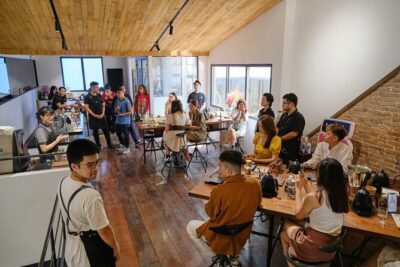
Fun & Easy Vietnamese Coffee Workshop in Hồ Chí Minh City
Read our review →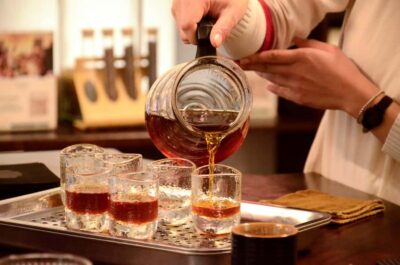
Vietnamese Coffee Workshop with 6 Brews and 8 Recipes
Read our review →
Vietnamese Coffee & Culture Exploration in Hồ Chí Minh City
Read our review →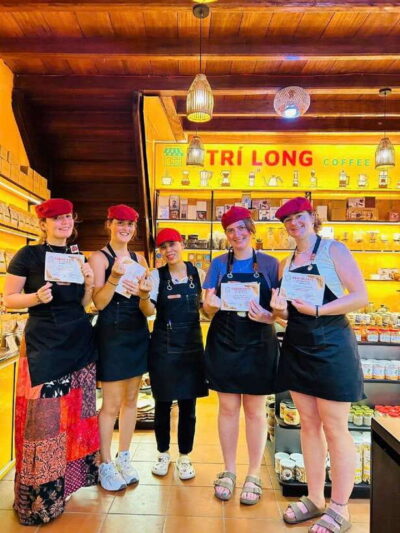
Vietnamese Coffee Making Workshop at Local Roastery
Read our review →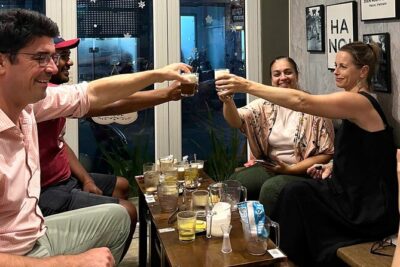
Hanoi Coffee Workshop: Master 6 Signature Vietnamese Coffee
Read our review →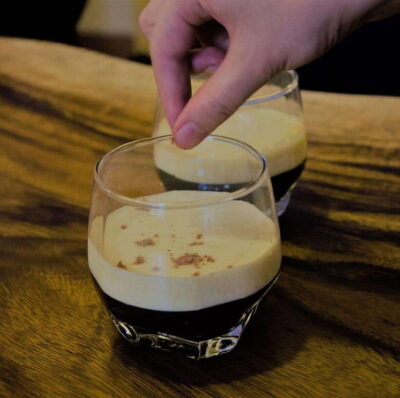
Hands-on Vietnamese Coffee Making Class with Long
Read our review →
Six Cups of Vietnam Coffee Workshop in Hanoi with Local Barista
Read our review →Browse the lists this tour appears in