
Review · DA NANG
Danang: Vietnamese Coffee Class with 5 Unique types
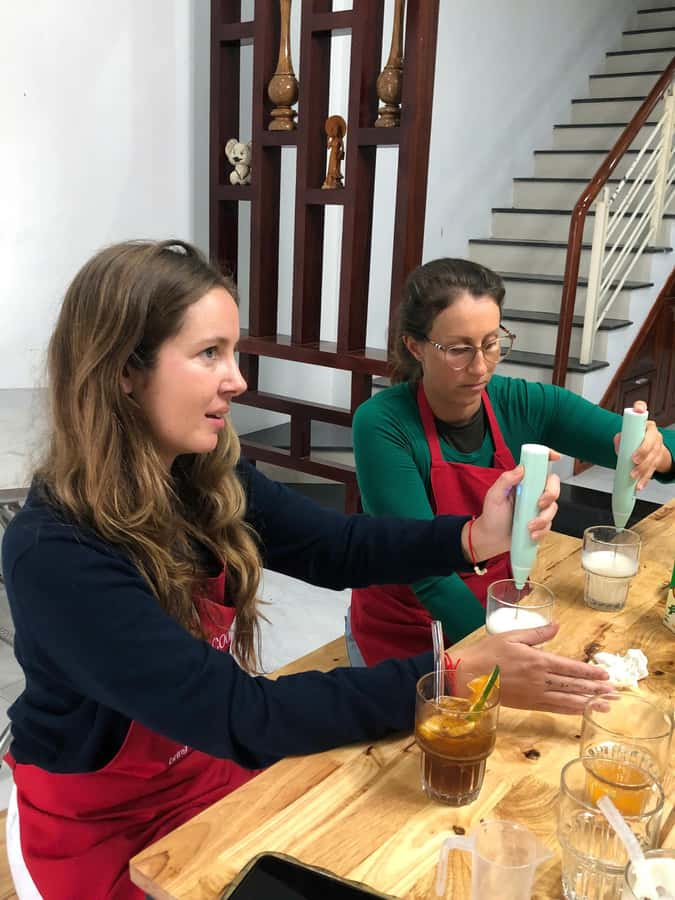
Vietnamese coffee is not just strong coffee poured over ice. In this Danang class, you make five local styles, including creamy egg coffee, coconut coffee, salt coffee, orange coffee, and traditional white coffee. I like the hands-on format and the chance to use a phin filter, the small metal brewer found in cafés across Vietnam. I also like that the class explains coffee basics, roasting, and preparation instead of treating each drink as a quick recipe.
The main drawback is simple: five coffees in 150 minutes can pack a serious caffeine punch. Eat first, drink water, and tell the host about allergies or dietary needs before you arrive. The class is limited to eight people, which gives you room to work, but children under seven cannot join.
Key points to know before booking
- Five distinct Vietnamese drinks: Make coconut, egg, salt, orange, and white coffee, each with its own taste and preparation.
- A real phin brewing lesson: Learn the slow, small-batch method behind classic Vietnamese coffee.
- Coffee basics beyond recipes: The class covers coffee types, roasting, and preparation in a relaxed setting.
- Small group of eight or fewer: You should get step-by-step help without the feel of a large demonstration.
- Good value at $30: The price includes ingredients, equipment, tastings, instruction, and digital recipes to use at home.
- Plan for the caffeine: Eat beforehand, stay hydrated, and arrive 5 to 10 minutes early.
Five Vietnamese coffees in one compact class
The appeal here is variety. Many coffee activities focus on one drink, often egg coffee or the standard iced version. This class gives you five different ways to understand Vietnamese coffee, from familiar and direct to sweet, creamy, salty, and fruit-forward.
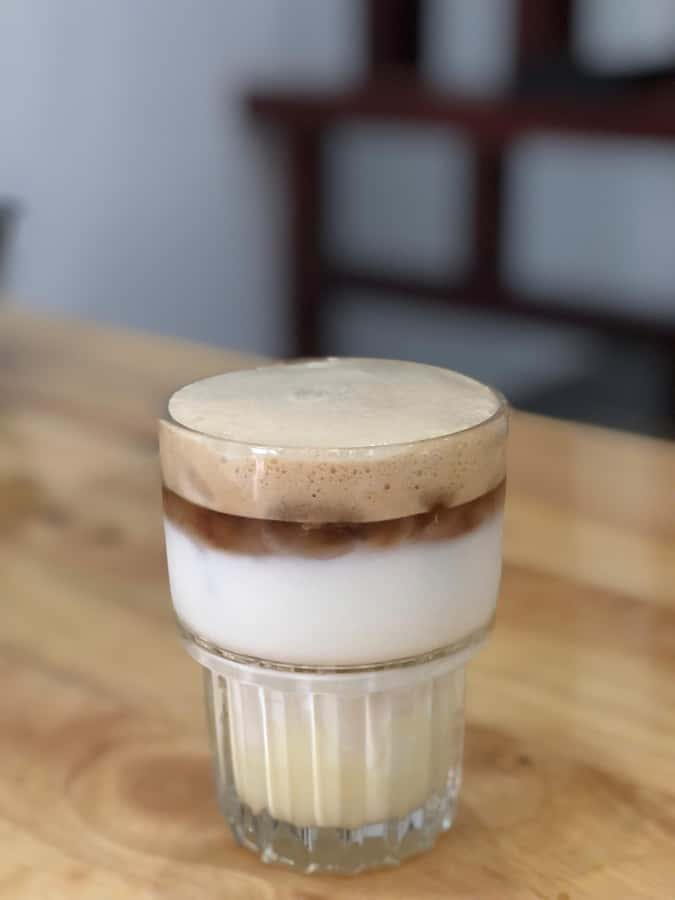
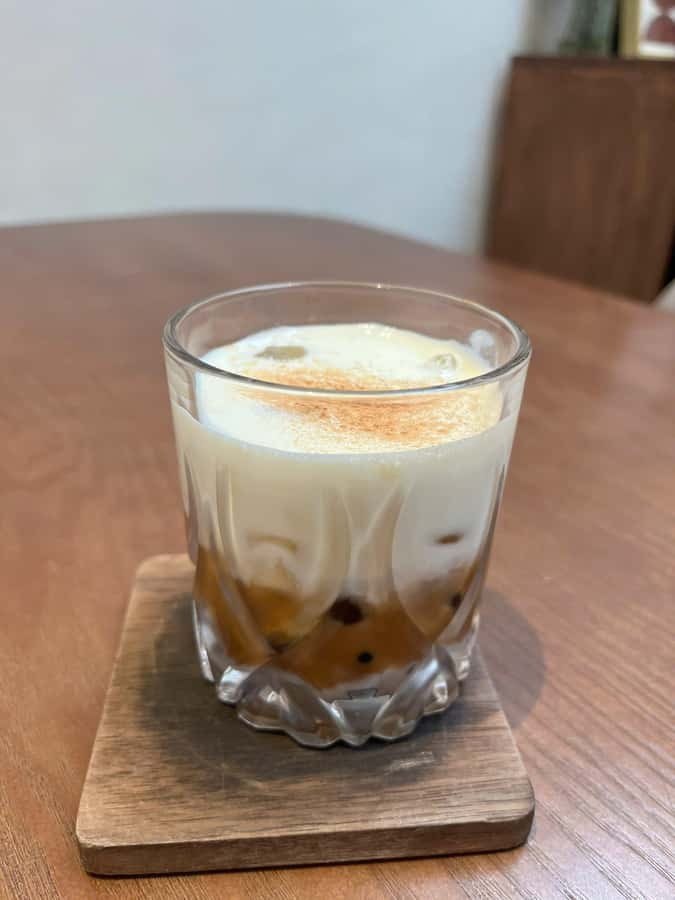
You will make coconut coffee, egg coffee, salt coffee, orange coffee, and white coffee. The names tell you part of the story, but not the whole one. The real value is comparing them side by side. A coffee that seems too strong on its own may work well with coconut. A salty cream topping changes the balance in a way that is surprising if you have only had coffee with sugar.
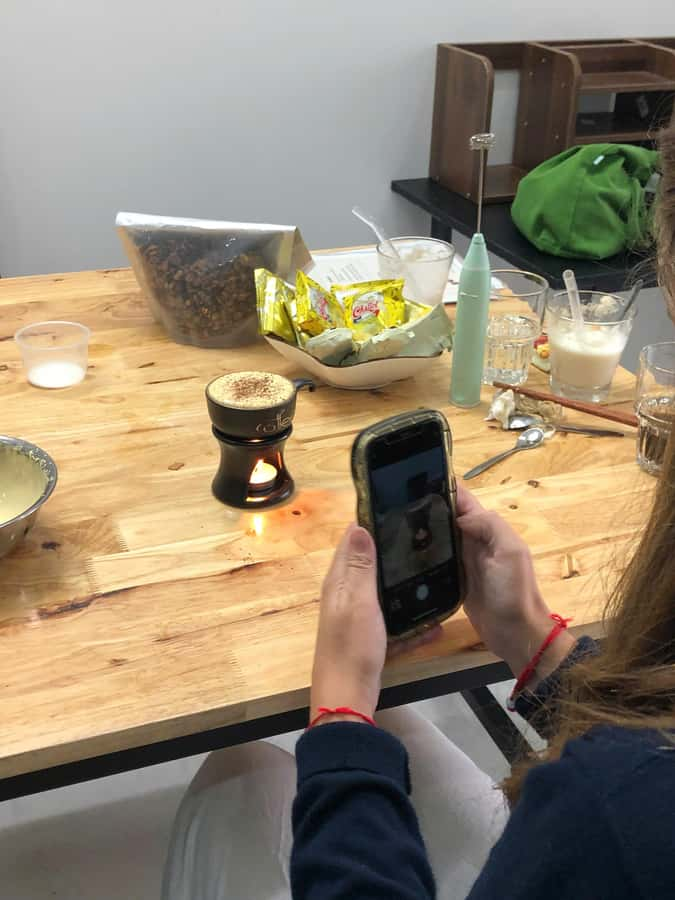
The class is designed as a working session, not simply a tasting. You receive ingredients and equipment, then follow step-by-step guidance as each drink comes together. That matters because the texture and balance of these drinks depend on preparation. A coffee recipe can look easy on paper and still taste different when the brewing time, mixing, or topping is off.
You should expect the class to move between explanation, preparation, and tasting. Each cup comes with some background about Vietnamese coffee culture and the idea behind the recipe. The available information does not provide a fixed minute-by-minute schedule, so the exact order may vary, but the five styles and the practical instruction are the core of the session.
More Coffee Making Classes in Vietnam
- Hoi An: Vietnamese Coffee Culture and Coffee Making Class
★ 4.9 · 4,006 reviews - Hanoi Coffee Workshop: Taste Salt, Coconut and Egg Coffee
★ 5.0 · 1,286 reviews - Hanoi: Salt Coffee Workshop Awake Your Senses With 6 Brews
★ 5.0 · 792 reviews
Learning the phin filter, Vietnam’s small coffee brewer
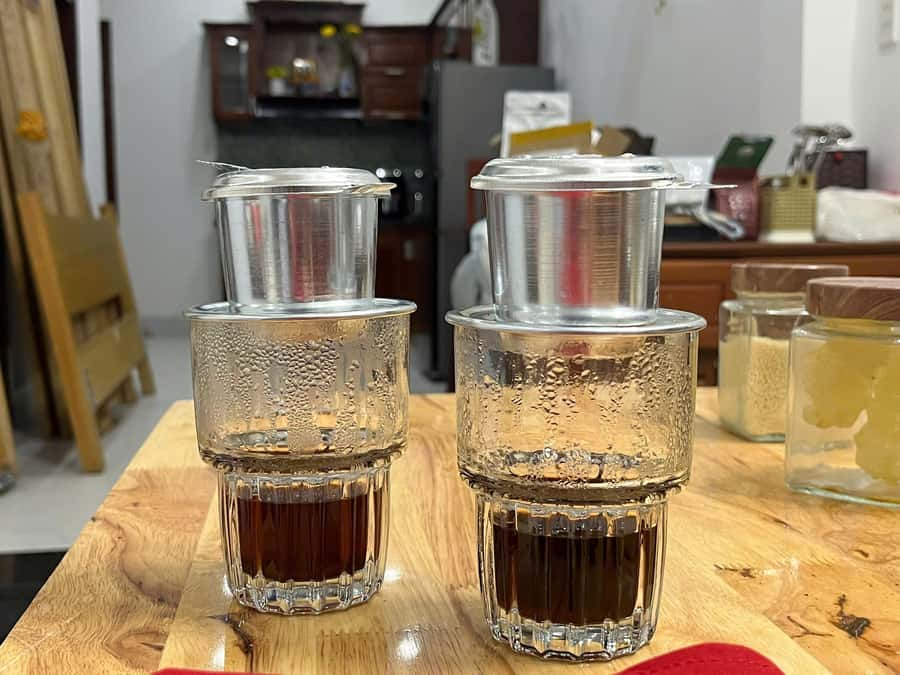
The phin filter is one of the most useful parts of this experience. It is a small metal brewer that sits over a cup and lets coffee drip slowly. Unlike a large machine or a pod brewer, it makes the brewing process visible. You can see the coffee release its aroma and watch the pace of the drip.
I like this because the phin gives you a direct link to everyday coffee in Vietnam. You are not just hearing that coffee is important here. You are using the tool that shapes the drink. The method also travels well. Once you learn it, you can recreate a Vietnamese-style cup at home with the right ingredients and a phin filter.
The class introduces traditional brewing while also showing modern local twists. That combination keeps the lesson from feeling like a museum piece. You learn a familiar method, then see how it can support drinks with coconut, egg, salt, or orange.
The brewing experience also helps explain why Vietnamese coffee can feel so concentrated. The phin produces a small serving, and that strong base is often paired with sweet or creamy ingredients. The final drink is not meant to be judged like a plain cup of drip coffee. It is a composed drink with several parts.
Coconut, egg, salt, orange, and white coffee
Each recipe offers a different reason to pay attention.
Coconut coffee brings a smooth, tropical element to the coffee base. It is a useful introduction to the way Vietnamese drinks often combine strong coffee with a rich or sweet counterpoint. If you normally avoid black coffee, this may be an easier style to appreciate.
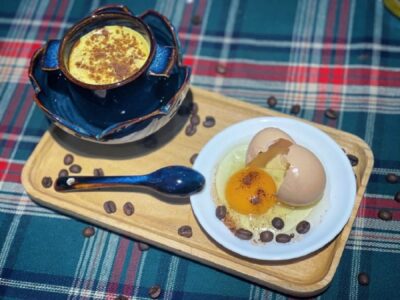
Egg coffee is one of Vietnam’s best-known coffee creations. The egg element gives the drink a creamy quality, and making it yourself lets you see how the topping fits with the coffee underneath. This is not just coffee with an egg dropped into it. The preparation is part of the lesson.
Salt coffee plays with contrast. Salt can sharpen sweetness and soften bitterness when used carefully. It is a good reminder that Vietnamese coffee recipes are not limited to sugar, condensed milk, or ice.
Orange coffee gives you the most obvious change in flavor. The citrus note brings freshness to a dark coffee base. It may be the most unusual cup of the five, especially if you think fruit and coffee should remain separate.
White coffee provides a more traditional reference point. The class information does not define the exact recipe in detail, so you should treat it as the straightforward comparison that helps you understand the other four styles. Tasting all five makes the differences easier to notice than trying one unusual drink in isolation.
The point is not to choose a single winner. It is to learn how one coffee base can change when you adjust sweetness, creaminess, salt, coconut, or citrus. That makes the tasting useful for both coffee fans and curious beginners.
Coffee basics, roasting, and the story behind each cup
The class also covers coffee fundamentals, types, roasting, and preparation. This was one of the strongest parts of the experience for me on paper because it gives the recipes some structure. Without that context, you might remember five drinks but not understand why they taste so different.
Roasting affects the character of coffee, and preparation affects how that character reaches the cup. The class connects those ideas to the drinks you make. You do not need to become a coffee expert, but you should leave with a better vocabulary for noticing taste and texture.
The cultural side matters, too. Vietnamese coffee is tied to daily routines, cafés, local ingredients, and a strong preference for drinks that are bold and often sweet. The host explains the background and the story behind each recipe, helping you see these drinks as part of local café culture rather than novelty combinations.
The teaching style is described as relaxed and clear. That suits this kind of activity. You are handling ingredients, watching a slow brew, and tasting several drinks. A stiff, lecture-heavy format would make the session drag. A friendly local host and a small group should make it easier to ask questions or request help with a step.
The instruction is in English. The available feedback also points to clear explanations and demonstrations of coffee basics, coffee types, roasting, and preparation. That is useful if you want more than a set of recipes to copy.
More Vietnamese Coffee Experiences in Vietnam:
- Fun & Easy Vietnamese Coffee Workshop in Hồ Chí Minh City
★ 5.0 · 293 reviews - Hanoi: Vietnamese Coffee Workshop with 6 Brews and 8 Recipes
★ 5.0 · 237 reviews - Vietnamese Coffee & Culture Exploration in Hồ Chí Minh City
★ 5.0 · 202 reviews - Hoi An: Vietnamese Coffee Making Workshop at Local Roastery
★ 4.8 · 174 reviews
What the 150 minutes feel like
Two and a half hours is enough time to make the class feel substantial without taking up a full day in Danang. You should not expect a rushed tasting where drinks appear one after another. The hands-on setup, five recipes, cultural explanation, and final tasting all need time.
At the beginning, you will meet the host and get oriented with the ingredients and equipment. Arrive 5 to 10 minutes early. The meeting point is at the entrance marked by a white board sign reading Danang Summer Cooking Class and Coffee Workshop. The gate is open during operating hours, and you should enter directly so the host can greet you.
The brewing and preparation form the working center of the class. You will receive step-by-step guidance rather than being left to guess at each stage. Because the group is limited to eight participants, you should have a better chance of seeing the demonstration and getting help when you need it.
The tasting is not an afterthought. Try each drink slowly if you can. Notice which recipes highlight the coffee and which ones make the added ingredient the main feature. Take notes if you are interested in recreating them later, although digital recipes are provided to take home.
The session runs rain or shine. Since it takes place indoors at the class meeting location, weather should not change the coffee lesson itself, but you still need to plan your route and arrive on time.
What $30 includes, and where the value lies
At $30 per person, this class is not the cheapest way to buy five coffees in Danang. That is not the right comparison. You are paying for ingredients, equipment, instruction, cultural context, a traditional brewing lesson, five tastings, and digital recipes.
I see the strongest value in the combination of learning and tasting. If you only want to sample local coffee, a café crawl will cost less and let you choose your own pace. If you want to know how the drinks are made and recreate them at home, the class offers more than a café visit.
The small group adds value. A limit of eight participants is intimate enough for a practical lesson, while still giving the activity some social energy. You are unlikely to have the space entirely to yourself, but you should not be one face in a large crowd.
The digital recipes are useful after the holiday. They turn the class into something you can carry home, especially if you buy a phin filter later. The recipes cannot reproduce every part of the setting, but they give you a starting point for making the drinks again.
Hotel pickup and drop-off are not included. You need to arrange your own way to the meeting point, so include that time and cost when you compare the class with an activity that includes transport.
Who should take this coffee class?
I would recommend it to anyone who enjoys food activities with a clear local connection. It works especially well for:
- Coffee drinkers who want to understand Vietnamese brewing
- People curious about egg, salt, coconut, and citrus coffee
- Visitors who prefer making something over watching a demonstration
- Couples, friends, and small groups looking for a relaxed indoor activity
- Home cooks who want recipes and a traditional phin method
- Anyone with a free half-day in Danang who wants more than a standard café stop
You do not need advanced coffee skills. The class is built around guided preparation, so beginners should be able to follow along. You should be comfortable with tasting several coffee drinks in one sitting.
It may be less suitable if you dislike caffeine, avoid sweet or creamy drinks, or want a quiet activity with no group interaction. Children under seven are not permitted. Vegan and other dietary options are available upon request, but you need to explain your needs in advance.
Practical advice for a better session
Eat before you go. Five coffee styles over 150 minutes can leave you lightheaded if you arrive on an empty stomach, especially if you are not used to strong coffee.
Drink water during the class and bring a camera if you want photos of your creations. Tell the host about allergies or dietary restrictions before the session begins so the ingredients can be considered.
Do not arrive at the last second. The class starts at its scheduled time, and the first instructions may cover equipment or preparation that is hard to repeat once the group has begun.
The activity is taught in English. If you want to ask detailed questions about roasting or preparation, think of them before you arrive. A small group gives you a good chance to ask, and this is the place to get more from the class than a quick recipe card.
Cancellation is flexible, with a full refund available when you cancel at least 24 hours in advance. You can also reserve now and pay later, which helps if your Danang plans are still changing.
Should you book the Danang coffee class?
Book it if you want to understand Vietnamese coffee by making it yourself. The five-drink lineup gives you more range than a single café tasting, and the phin filter lesson adds a practical skill you can use after returning home.
The best reason to choose this class is its balance: local coffee culture, clear instruction, unusual flavors, and a small group. The main caution is the caffeine load, not the activity itself. Eat first, pace your tasting, and tell the host about dietary needs.
At $30, it is good value for people who want instruction and recipes, not just a drink. If you are only looking for a cheap coffee break, visit a café instead. If you want to know how egg, coconut, salt, orange, and white coffee are made, this compact Danang class earns its place in your plans.
FAQ
How long does the Vietnamese coffee class last?
The class lasts 150 minutes, or two and a half hours. Starting times vary, so check availability when booking.
Which coffee styles will I make?
You will make coconut coffee, egg coffee, salt coffee, orange coffee, and white coffee.
Is the class taught in English?
Yes. The instructor and class language are English.
How many people are in the group?
The class is limited to eight participants.
Is hotel transportation included?
No. Hotel pickup and drop-off are not included. You need to make your own way to the meeting point.
Can I request vegan or dietary options?
Yes. Vegan and dietary options are available upon request. Inform the host about allergies or dietary restrictions in advance.
Just added around Vietnam
- Vietnamese Coffee 101 Workshop★ 5.0 · 11 reviews
- Vietnamese Coffee Making Class in Hoi An★ 5.0 · 4 reviews
- Vietnamese cooking class and coffee making with local girl★ 5.0 · 5 reviews
- Vietnamese Egg Coffee Making Course in Hoi An★ 3.5 · 2 reviews
- Authentic Vietnamese Coffee Making Experience in Hoi An★ 5.0 · 13 reviews
- Hoi An Ancient Town and Coffee Making Course★ 5.0 · 4 reviews
- Hoi An Vietnamese Coffee Workshop: Hands-On Brewing Class★ 5.0 · 3 reviews
- Hoi An Coffee Making Workshop★ 5.0 · 7 reviews
Vietnamese Coffee Experiences, compared.
Vietnamese Coffee Culture and Coffee Making Class
Read our review →
Fun & Easy Vietnamese Coffee Workshop in Hồ Chí Minh City
Read our review →
Vietnamese Coffee Workshop with 6 Brews and 8 Recipes
Read our review →
Vietnamese Coffee & Culture Exploration in Hồ Chí Minh City
Read our review →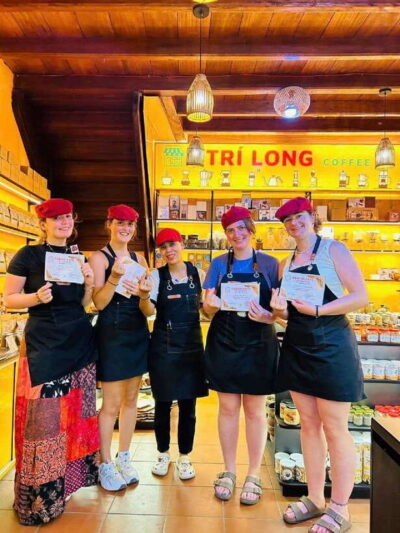
Vietnamese Coffee Making Workshop at Local Roastery
Read our review →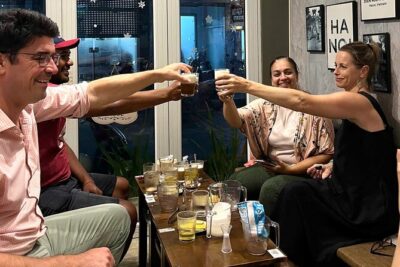
Hanoi Coffee Workshop: Master 6 Signature Vietnamese Coffee
Read our review →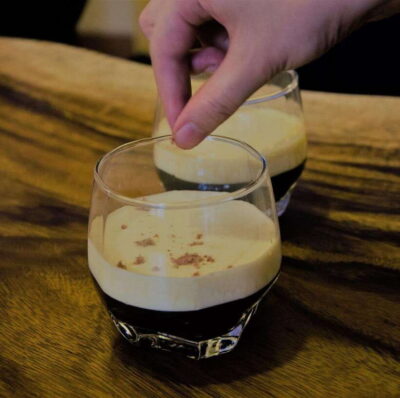
Hands-on Vietnamese Coffee Making Class with Long
Read our review →
Six Cups of Vietnam Coffee Workshop in Hanoi with Local Barista
Read our review →Browse the lists this tour appears in