
Review · HANOI
Hanoi: Make 6 Iconic Coffees in a Heritage Home with Locals
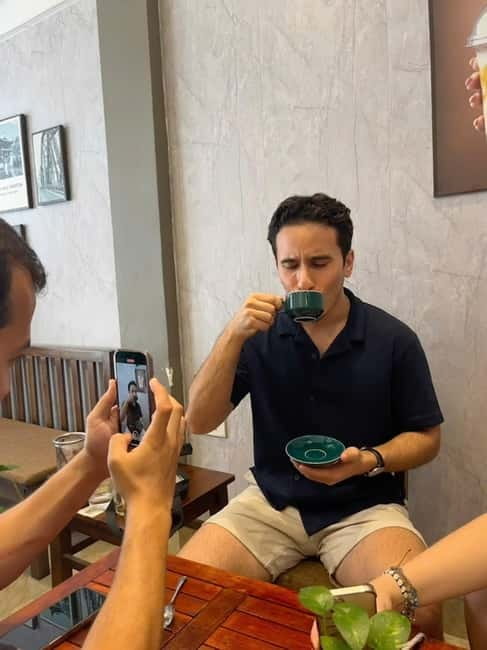
Hanoi’s coffee culture gets personal in this 100-year-old French colonial home, where you make six Vietnamese coffee styles instead of simply watching someone else prepare them. Local hosts such as Jade, Jennifer, Jenny, and Mint guide you through egg coffee, coconut coffee, salty coffee, and other familiar Hanoi drinks.
I like the open-bar setup, which lets you work at an easy pace and adjust each cup to your taste. I also like that the workshop gives you full recipes, not just a pleasant hour of sampling. The main consideration is that past sessions have varied between four, five, and six coffees, so confirm what your particular booking includes.
Key points at a glance
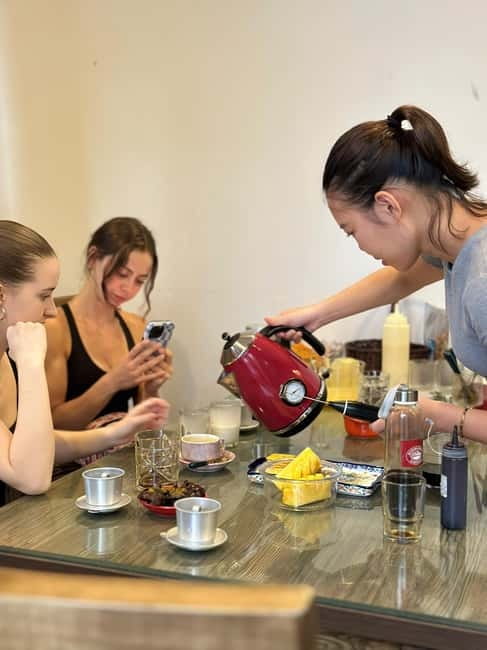
- Six Vietnamese coffee styles by hand: The current format includes egg coffee, coconut coffee, salty coffee, and other local preparations.
- A real family home: You work among traditional art, everyday objects, and collections gathered by the family over generations.
- Hosts who explain the why: Jade, Jennifer, Jenny, and Mint have each led sessions, combining step-by-step instruction with coffee stories and local customs.
- Small, relaxed groups: The workshop is limited to 10 people, so you can ask questions and adjust your drinks without feeling rushed.
- Useful take-home value: You receive detailed recipes and practical skills you can repeat at home.
- Easy indoor plan: Air conditioning, clean restrooms, sterilized utensils, and wheelchair access make this a comfortable break from Hanoi’s streets.
Entering a quiet Old Quarter home
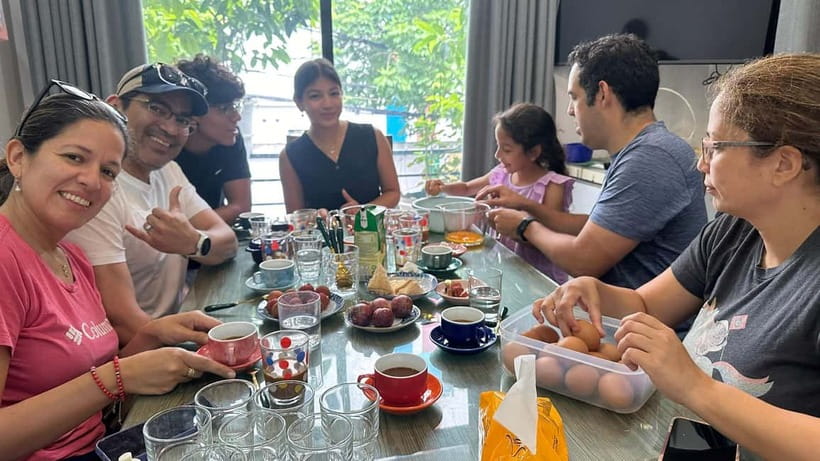
The address takes you into Hanoi’s Old Quarter, but the mood changes once you reach the century-old house. This is not a polished café built for quick turnover. It is a calm family space with rooms filled by traditional art and objects collected by the owners’ parents over many years.
That setting matters. Vietnamese coffee is tied to daily life, and the workshop places the drink beside the things that make a home feel lived in. You can look around between steps, notice the family’s collected pieces, or spend time on the balcony while your coffee is being prepared.
I like this slower start. You are not pushed straight into a demonstration, and the open bar remains available throughout the session. The space is private and intimate, though the exact feeling depends on the size of your group and which room is in use.
The activity takes place indoors, with air conditioning and clean restrooms. A pet-friendly garden space is also available, and childcare can be arranged. Those extras are useful for families, though the central focus remains the coffee workshop rather than a full sightseeing visit to the house.
More Heritage Tours in Hanoi:
- Coffee, History, and Architecture of the French Quarter
★ 4.9 · 71 reviews - Private Hà Nội Coffee History Tour
★ 5.0 · 6 reviews - Hanoi History Coffee Tour
★ 5.0 · 2 reviews
Why Vietnamese coffee deserves more than one cup
Vietnamese coffee is often reduced to strong coffee with condensed milk. That familiar combination is only the beginning. The six preparations in this experience show how the same basic drink can change through texture, temperature, salt, coconut, egg, and other additions.
You get to taste the differences as you work. Egg coffee brings a creamy topping and a dessert-like character. Coconut coffee offers a colder, smoother style. Salty coffee uses a small amount of salt to shape the flavor rather than making the drink taste simply salty.
The point is not only to copy a recipe. You learn how balance works. Too much sweetness can cover the coffee, while too little can make a strong brew seem harsh. The hosts explain how to adjust each cup while keeping its traditional character.
This is where the workshop earns its price. A café can serve you one attractive drink in a few minutes. Here, you spend up to two hours learning why the ingredients work together and how to repeat the result later.
Six cups, six small lessons
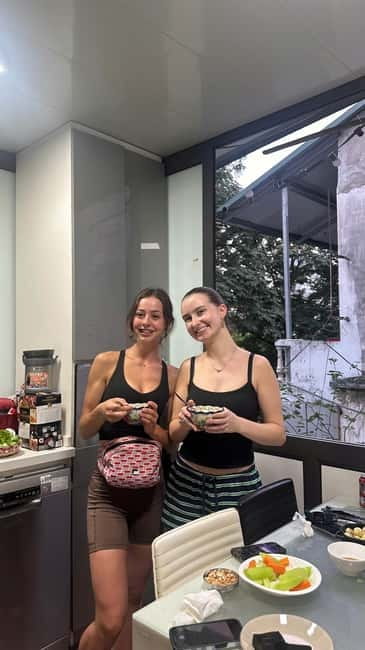
The workshop is designed around six iconic Vietnamese coffees. The exact order can change, but you should expect a hands-on sequence rather than six passive tastings.
First comes orientation. Your host introduces the coffee beans, ingredients, equipment, and the broad idea behind the drinks. The instruction is aimed at beginners, so you do not need prior brewing experience or specialist equipment at home to follow along.
Then you begin making the drinks yourself. Each cup involves a different task or texture, which keeps the session from feeling like the same recipe repeated six times. Your host explains the steps clearly, lets you try them, and helps you make small corrections.
The coffee is tasted along the way. That is important because you can compare a balanced cup with one that needs more or less of an ingredient. The workshop asks you to use more than your sense of taste. You pay attention to aroma, thickness, temperature, sweetness, and even the sound and rhythm of preparation.
Past sessions have not always followed the same number of cups. One participant described making four coffees, another five, while the current description presents six. This may reflect different formats, timing, or changes to the activity. If making all six is the main reason you book, ask the host to confirm the day’s plan.
Egg, coconut, salty coffee, and local character
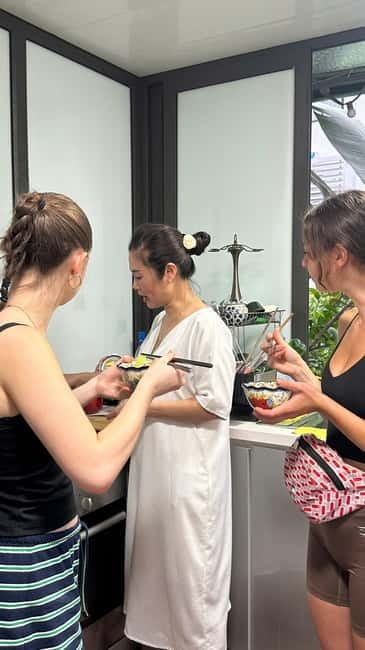
Egg coffee is likely to be the best-known highlight. It is also the preparation that benefits most from careful instruction. The topping needs the right texture, and the pleasure comes from tasting the creamy layer with the coffee below rather than treating the two as separate parts.
Coconut coffee offers a different experience. Its cool, smooth profile makes a useful contrast with the stronger, warmer preparations. You learn how a familiar Vietnamese coffee base can be reshaped into something closer to a dessert drink without losing its local identity.
Salty coffee may sound unusual before you try it. The salt is used as a balancing tool, and the host explains how a small amount can soften bitterness and change the overall impression.
The remaining drinks add more examples of Vietnamese coffee practice. The exact recipes are not listed in advance, so you should not book expecting a fixed menu beyond the named styles. The value is the range of methods and the chance to personalize each cup while preserving the traditional balance.
I appreciate that the hosts do not treat customization as a free-for-all. You can make a cup sweeter or adjust its strength, but the lesson stays tied to the original style. That keeps the activity useful rather than turning it into a generic coffee-mixing class.
A few more coffee tours around Hanoi worth a look
- Hanoi Coffee Experience: 6 Brews, 9 Recipes & 3 Liquor Tastings
★ 5.0 · 2,945 reviews - Hanoi Coffee Workshop: Taste Salt, Coconut and Egg Coffee
★ 5.0 · 1,286 reviews - Hanoi: Salt Coffee Workshop Awake Your Senses With 6 Brews
★ 5.0 · 792 reviews - Hanoi: Master the Art of 4-6 Signature Vietnameses Coffees
★ 5.0 · 517 reviews
Local hosts and the stories behind each drink
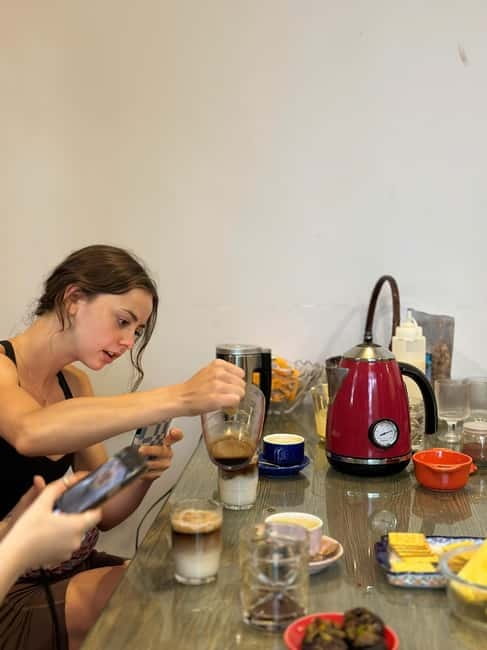
The experience is led in Vietnamese and English by people raised around Hanoi’s coffee culture. Jade, Jennifer, Jenny, and Mint are among the hosts associated with sessions, and each brings a slightly different manner to the class.
Jade is described as welcoming and clear when explaining the coffees. Jennifer has led sessions that included coffee traditions, local customs, and practical advice for seeing more of Vietnam. Jenny has been praised for making people feel at home while explaining the background of each drink. Mint’s teaching style is organized and unhurried.
The names matter because the activity feels hosted rather than mass-produced. You are welcomed into a family home, and the teaching includes small local details that a standard recipe card would miss. The stories explain how particular drinks came into use and why they matter in everyday Vietnamese life.
English instruction is a strong part of the experience. One session was specifically praised for clear, step-by-step English, while another included a great deal of advice beyond coffee. Still, hosts have their own personalities and teaching styles, so the tone may differ from one date to another.
Beans, senses, and the open bar
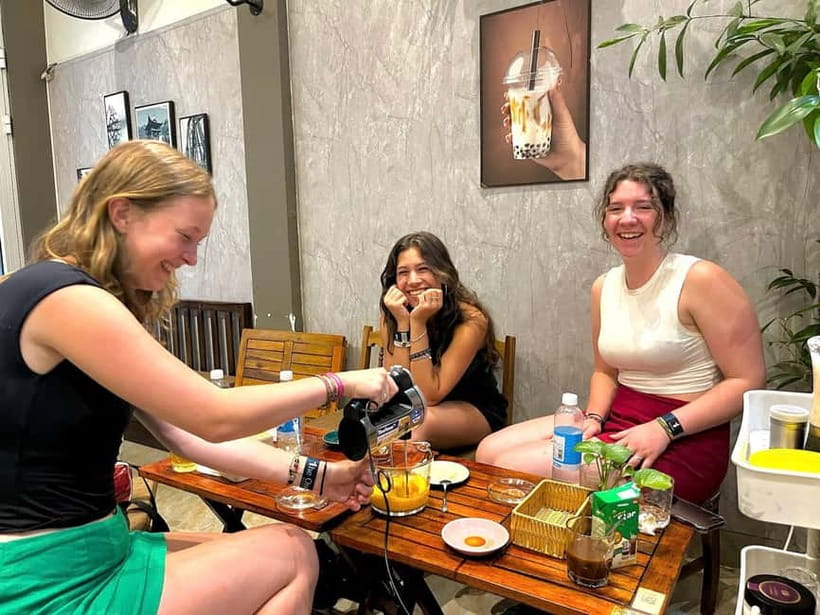
The workshop includes Vietnamese speciality beans selected by the family. You taste them during the session and share your impressions, which gives the coffee itself a larger role than it usually gets in a drink-making class.
You are not expected to identify technical flavor notes like a professional taster. Instead, the host helps you notice basic differences in aroma, strength, body, and finish. That makes the activity approachable even if your usual coffee order is simply hot or iced.
The open-bar layout supports this style of teaching. You can move between making, tasting, asking questions, and looking around the house. There is room for curiosity, rather than a strict demonstration where everyone must copy the instructor at the same second.
That relaxed format also has a possible downside. If you prefer a tightly timed class with formal instruction and exact measurements at every stage, this may feel informal. The loose pace is part of the charm, but it requires you to take part rather than sit back.
What the $22 price gives you
At $22 per person, the workshop is good value if you want more than a single Hanoi coffee stop. The price includes the coffees and teas, ingredients, equipment, instruction, and full recipes for all six drinks.
You also receive the host’s time in a small group capped at 10 people. That limit makes a difference. You can ask why a mixture has a certain texture, request a taste adjustment, or repeat a step without competing with a large crowd.
A photographer is included, with the instructor taking photos during the experience. I would treat this as a pleasant extra, not the main reason to book. The lasting benefit is the skill and the recipe collection.
The value is weaker if you only want to drink egg coffee and take a few pictures. Hanoi cafés can provide that more cheaply and with less time. You are paying for instruction, access to the home, several tastings, and the ability to recreate the drinks after your trip.
The activity lasts between one and two hours, depending on the available start time and the pace of the group. Plan for the full two hours if you want to enjoy the house, ask questions, and make all six preparations without rushing.
Who will enjoy this most
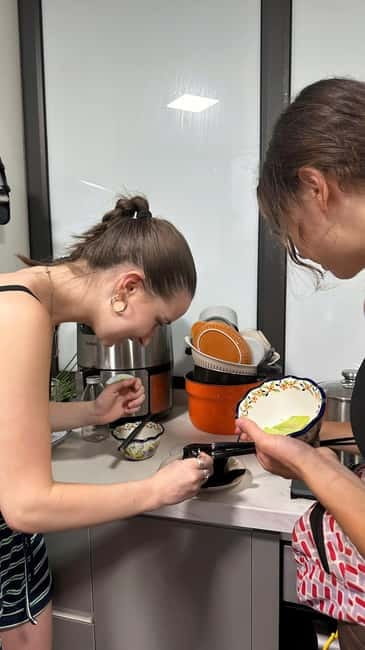
I would recommend this to anyone who plans to keep drinking Vietnamese coffee after leaving Hanoi. The full recipes and hands-on practice make it especially useful for home coffee makers, curious beginners, and people who enjoy food activities with cultural context.
It also suits families. Children can take part in the sensory side of the class, though coffee itself may not be appropriate for every child. Childcare is available, and the pet-friendly garden space adds flexibility for families with particular needs.
Couples and small groups should find the format easy to enjoy. The setting is low-key, and you are not required to perform in front of a large class. Solo visitors can also fit in well because the group limit keeps the session personal.
This is less suitable if you dislike sweet drinks, cannot consume dairy or egg, or want a broad tour of the Old Quarter. The workshop is focused indoors on coffee. Ingredient substitutions are not specified, so ask ahead about dietary concerns rather than assuming every recipe can be changed.
It is also not a coffee-making class for professionals. The instruction is practical and home-friendly, not a technical course in espresso extraction or advanced roasting.
Practical details before you book
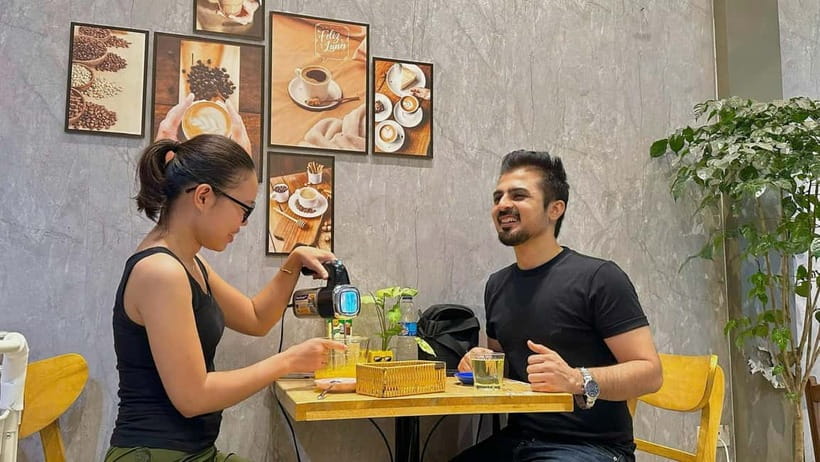
The meeting point is a century-old house tucked into the Old Quarter. Since the activity takes place indoors, it works well during hot weather or rain. Air conditioning, clean restrooms, a dishwasher, and sterilized utensils add comfort and peace of mind.
No brewing experience is needed. All ingredients and equipment are supplied, and the instruction is available in Vietnamese and English.
The experience is wheelchair accessible, though you may still want to confirm the precise route into the house if you use a larger mobility device. The listing allows free cancellation up to 24 hours before the activity and offers reserve now, pay later booking, which helps if your Hanoi schedule is still moving around.
The group is limited to 10. I would choose a quieter time if you want longer conversations with the host, but no specific start time is provided here, so check availability when booking.
Should you book the Hanoi coffee workshop?
Book it if you want to understand Hanoi through a daily ritual rather than only see its major sights. The century-old home, the local hosts, the six recipes, and the open-bar format give you something you can carry into the rest of your trip and back into your own kitchen.
I would especially choose it for the egg coffee lesson and the chance to compare it with coconut and salty coffee. Jade, Jennifer, Jenny, and Mint have each been described as warm, clear teachers, and the strongest praise centers on the welcome, the patient explanations, and the quality of the drinks.
Think twice if you want a quick tasting, a large sightseeing component, or a highly formal class. Also confirm whether your session includes all six coffees, since past formats have varied.
For $22, this is a sound pick for curious eaters, coffee fans, and anyone who prefers a small local experience over another quick café visit.
FAQ
How long does the coffee workshop last?
The activity lasts between one and two hours. Check the available start times when booking.
How many coffees will I make?
The current format is designed around six Vietnamese coffees, including egg, coconut, salty coffee, and other local styles. The number has varied in some sessions, so confirm the exact plan if all six are important to you.
Do I need coffee-making experience?
No. The activity is suitable for beginners, and all required ingredients and equipment are provided.
Which coffee styles are included?
The named styles include egg coffee, coconut coffee, and salty coffee. The full experience includes other Vietnamese coffee preparations as well.
Are recipes provided?
Yes. You receive full, detailed recipes for the coffees made during the workshop, along with practical skills you can use at home.
Who leads the activity?
The workshop is led by local Vietnamese hosts who speak Vietnamese and English. Hosts associated with sessions include Jade, Jennifer, Jenny, and Mint.
How large is the group?
The activity is limited to 10 participants.
Is the experience indoors?
Yes. The workshop is conducted indoors in a century-old Old Quarter home. The home also has air conditioning and clean restrooms.
Is the activity accessible and suitable for families?
The activity is wheelchair accessible. A pet-friendly garden space is available, and childcare can be arranged.
Just added around Hanoi
- Vietnamese Coffee 101 Workshop★ 5.0 · 11 reviews
- Private tour: Hanoi city tour-Van Phuc silk village with egg coffee, lunch★ 5.0 · 2 reviews
- Hanoi 2.5 hour Guided Sightseeing Cyclo Tour & Egg Coffee Class★ 5.0 · 16 reviews
- Taste of Vietnam’s Coffee Scene – A Guided Experience★ 5.0 · 2 reviews
- Hanoi daily egg coffee making course with local guide★ 5.0 · 17 reviews
- Private Hà Nội Coffee History Tour★ 5.0 · 6 reviews
- hidden gems cafe – learn making coconut and egg coffee★ 5.0 · 2 reviews
- 3 Dishes cooking + Egg Coffee bonus & Local Market Tour★ 5.0 · 14 reviews
Historical Tours, compared.

Kona Shore Excursion: Sea Turtles, Historic Kona & Coffee
Read our review →
Kona Tour: Bee Farm, Kona Coffee, and National Historical Parks
Read our review →
Coffee, History, and Architecture of the French Quarter
Read our review →
Trekking History and Indigenous Heritage in Minca + Cacao & Coffee + Waterfall
Read our review →
Colima Volcano Cultural Tour: Coffee Plantation, Hacienda and Comala Magic Town
Read our review →
Savannah History plus Coffee and Chocolate Walking Tour
Read our review →
Ho Chi Minh Best Walking Tour: Food, Coffee & History
Read our review →Browse the lists this tour appears in