
Review · HANOI
Hanoi: Hands-On 5 Vietnamese Coffees & 3 Local Wines Tasting
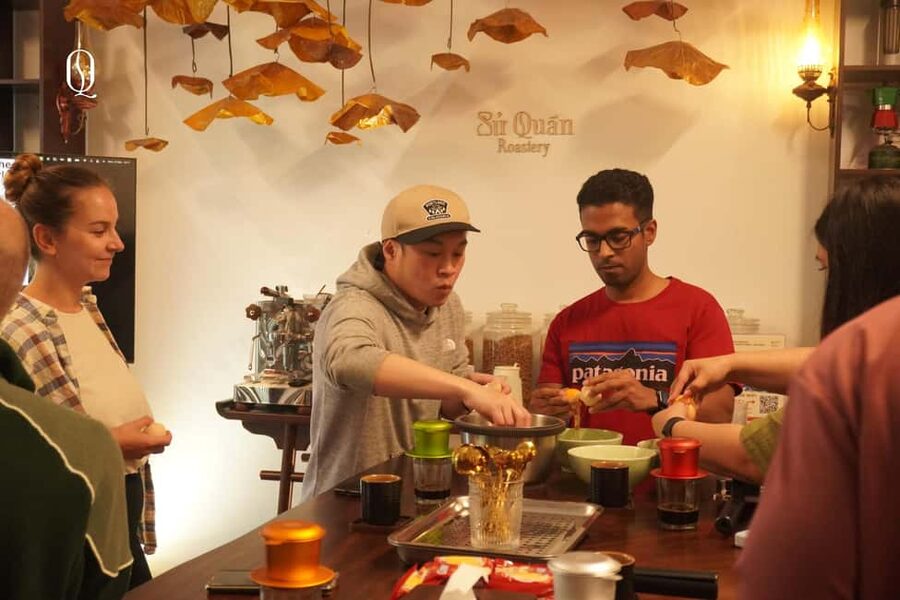
Vietnamese coffee is not just a strong drink served over ice. At this Hanoi workshop, you learn why egg coffee became a local classic, how salt changes a brew, and how Vietnam grew into the world’s second-largest coffee producer. The setting is a quiet Indochina-style villa, a welcome change from Hanoi’s horns and motorbikes.
I like the hands-on format, which lets you prepare your own drinks instead of watching a barista do all the work. I also like the Da Lat farm connection, since part of the fee supports education for farmers’ children. The main consideration is that the title promises five coffees and three local wines, while the detailed program focuses on making and tasting up to four coffees, with no clear wine schedule.
Key points at a glance
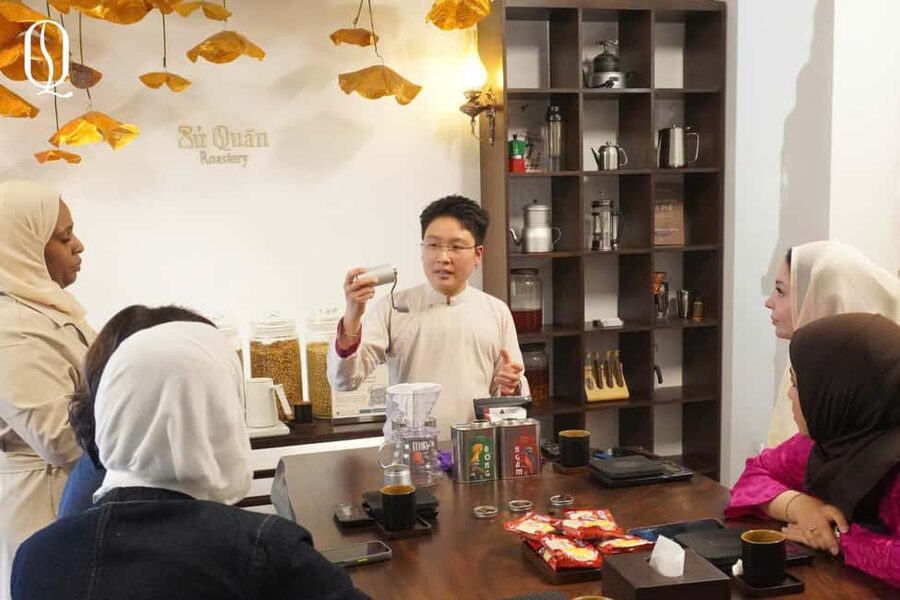
- Make up to four Hanoi-style coffees, choosing from egg, salt, coconut, and cocktail coffee.
- Learn with Maxie or Stuart, English-speaking instructors who explain beans, regions, roasting, and brewing.
- Work with traditional Vietnamese tools, so you understand the method behind each cup.
- Relax in an Indochina-style villa, with herbal tea and a small local snack included.
- Spend about one to two hours, making this easy to fit into a busy Hanoi itinerary.
- Support a Da Lat education project, with part of each workshop fee helping farmers’ children.
A calm coffee lesson away from Hanoi’s streets
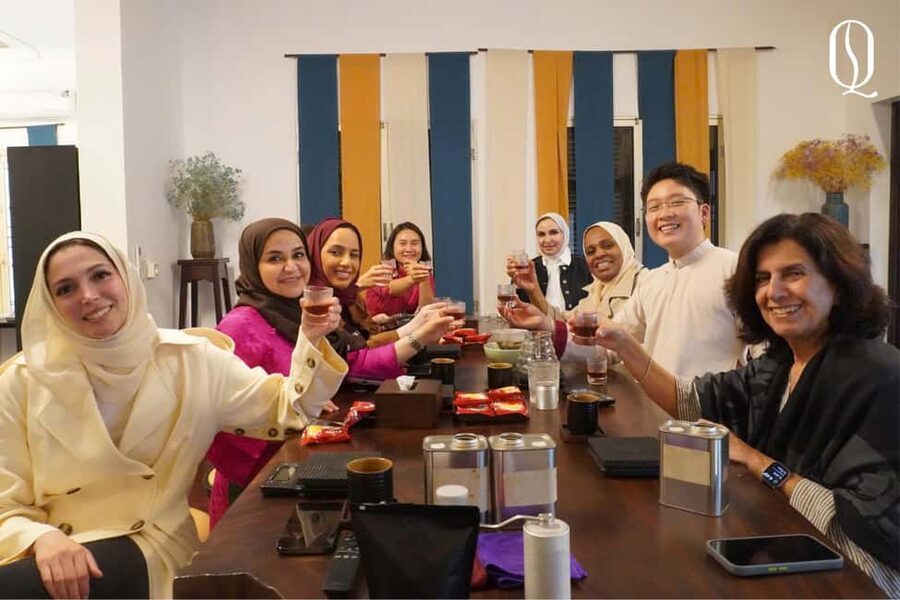
This is a small cultural workshop built around the drink you will see everywhere in Vietnam. Rather than simply ordering a cà phê sữa đá and moving on, you get a guided look at the beans, preparation methods, and stories behind several local styles.
The setting matters. The class takes place in a tucked-away Indochina-style villa, described as a peaceful break from Hanoi’s noise. You are not being rushed through a café counter. You have a place to sit, listen, handle the tools, and taste the results.
The session begins with herbal welcome tea. That small touch gives you time to settle in before the coffee starts. A local snack is also served during the class, so the experience is not coffee alone.
You should allow one to two hours. The exact length depends on the class format and how many drinks you make. That makes this a useful choice for a free morning, a break between sightseeing stops, or an arrival-day activity when you want something structured but not exhausting.
More Coffee Tastings in Vietnam
- Hanoi Coffee Experience: 6 Brews, 9 Recipes & 3 Liquor Tastings
★ 5.0 · 2,945 reviews - Hanoi Street Food, Coffee Tastings, Alleys Walking Tour
★ 5.0 · 3 reviews - Da Nang Cooking Class with Coffee Tasting and Market Visit
★ 5.0 · 310 reviews
What Maxie and Stuart bring to the table
The workshop is led in English by a local culture storyteller. Maxie is named as an instructor, and Stuart is also thanked for teaching the class. The strongest praise centers on the clear explanations, fluent English, and warm instruction.
That combination is important here. Coffee preparation can look simple, but the differences between beans, roasting levels, grinding, and brewing tools are easier to understand when someone explains the reasons behind each step.
You should expect more than a recipe recital. The teaching covers Vietnam’s coffee origins, its growing areas, traditional roasting, and the way coffee drinking developed through different periods, including the French colonial era and wartime shortages.
A presentation on a television screen may be used during the lesson. This gives the class a visual side, which helps when the instructor is explaining places, beans, or techniques. The class also involves you directly, rather than leaving you seated for a long talk.
Maxie is praised for giving clear guidance and useful background. That makes this a good fit if you want context but do not want a long academic lecture. The tone appears practical and friendly, with enough detail to make each cup feel connected to Vietnam.
From colonial roots to modern Vietnamese coffee
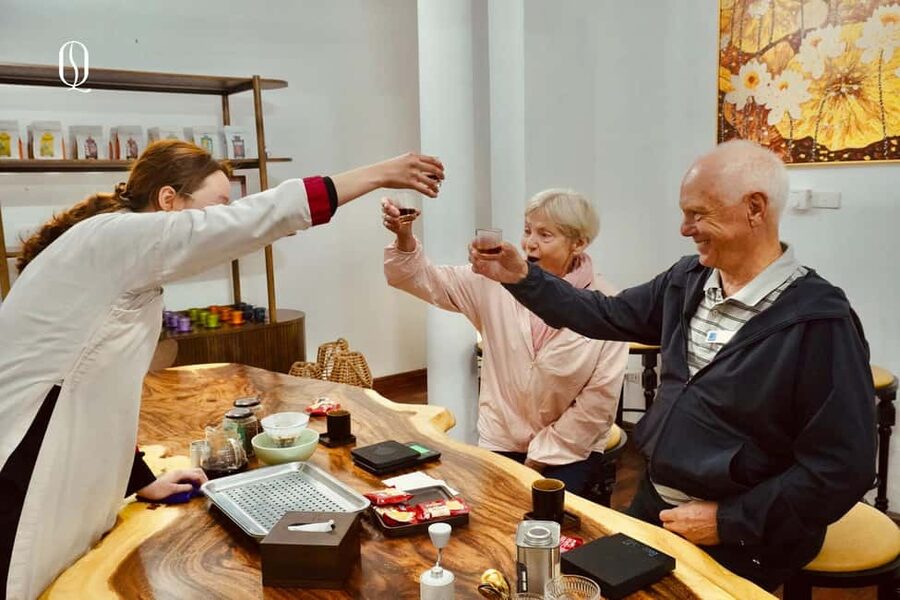
Coffee was introduced to Vietnam during the French colonial period. The country later developed its own styles, tools, and habits, turning coffee into a daily social ritual rather than a foreign import.
The workshop places your drinks inside that story. You learn how Vietnam became a major coffee-growing country and how different regions contribute to the coffee you drink. The class also explains traditional roasting and grinding methods, though the supplied details do not specify every region or tool by name.
That lack of a fixed menu can actually make the session adaptable. The instructor can explain the drinks you are preparing and adjust the amount of detail to your level. The program is described as suitable for different experience levels, from coffee beginners to people who already know a little about brewing.
You will also hear about the cultural meaning behind the beans and methods. One participant specifically found the explanations about different beans and brewing techniques useful. That is the difference between learning how to make a drink and understanding why it became part of local life.
Choosing your coffees
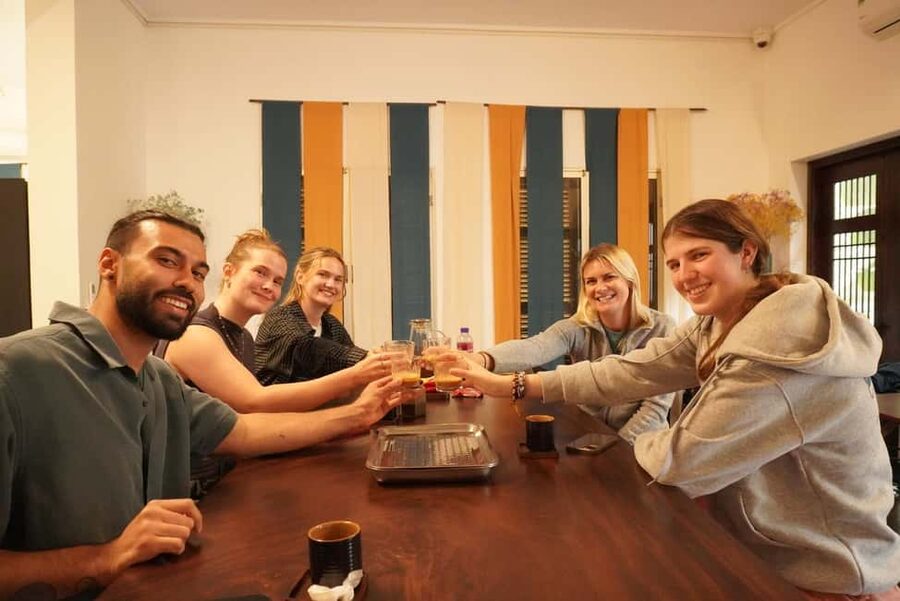
The exact number of drinks depends on the class format and your experience level. You may make and taste two, three, or four signature drinks. Several options are named:
- Egg coffee
- Salt coffee
- Coconut coffee
- Cocktail coffee
The program is strongest when you take part in the preparation. You work with traditional Vietnamese equipment and follow the instructor’s method, then taste what you made. That hands-on approach gives you a better chance of remembering the process after you leave.
Egg coffee is likely to be the most famous choice for first-time visitors. Its unusual combination of coffee and a sweet, creamy egg mixture makes it feel more like a dessert than a standard morning cup. The workshop gives you a chance to understand how it is prepared rather than simply photographing one in a café.
Salt coffee offers a different lesson. Salt can change the balance of bitterness and sweetness, showing how a small adjustment affects the whole drink. It is a useful comparison if you want to notice how ingredients shape coffee’s character.
Coconut coffee brings a sweeter, smoother direction. It is a good option if black coffee feels too intense or if you enjoy cold, creamy drinks. The supplied program does not specify whether every drink is hot or iced, so ask the instructor what form you will prepare on the day.
Cocktail coffee is the least familiar name on the list. Since the exact recipe is not provided, you should expect the instructor to explain the ingredients and method during the session.
The activity title also mentions five Vietnamese coffees and three local wines. The detailed description, however, names up to four coffees and does not explain the wine tasting. If the wine element is important to your booking decision, confirm it with Su Quan Roastery before paying. Do not assume that the wine tasting forms a regular part of every class.
More Coffee Tastings in Hanoi:
- 4×4 Dominican Adventure with Chocolate and Coffee Tasting
★ 5.0 · 2,920 reviews - 4×4 ATV Experience, Water Cave, Chocolate and Coffee Tasting
★ 5.0 · 1,430 reviews - Medellin: Coffee Tour with Transport, Snacks and Tastings
★ 4.7 · 1,357 reviews - Seattle Coffee Tour: Capitol Hill Cafes, Tastings & Local Stories
★ 5.0 · 489 reviews
Traditional tools make the lesson stick
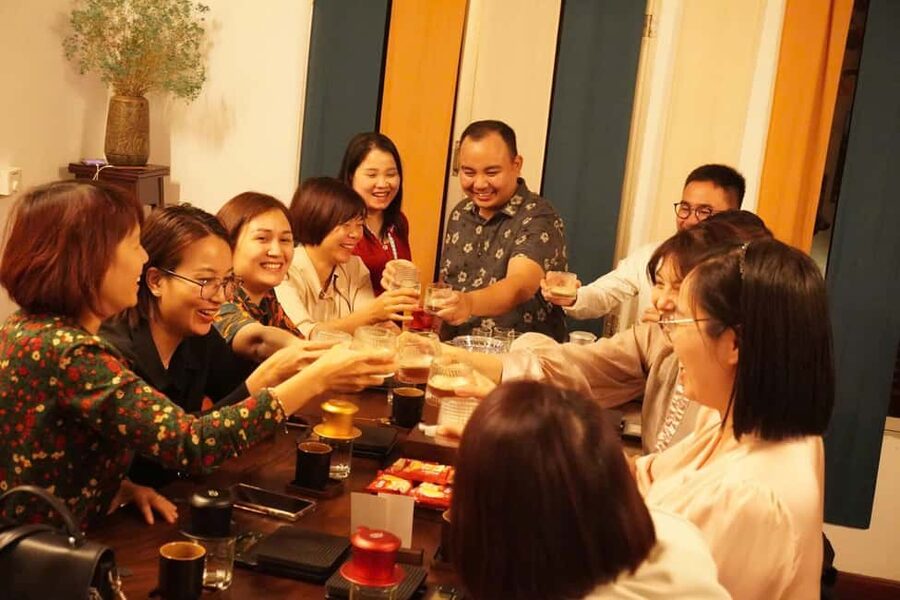
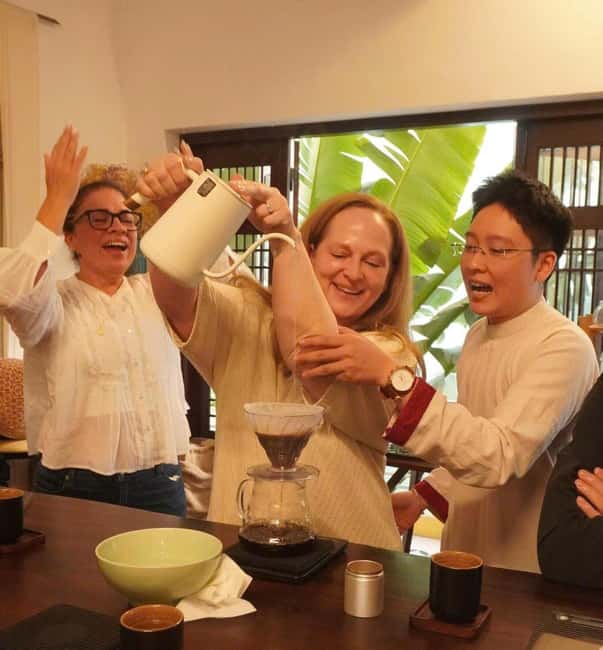
Vietnamese coffee is closely tied to its brewing equipment. The class gives you hands-on time with traditional tools, allowing you to see how the process works instead of relying on a machine hidden behind a counter.
You learn about brewing, roasting, and grinding, then use the methods to prepare your own drinks. This is especially useful if you want to recreate Vietnamese coffee at home. You leave with recipes and technique, not just a list of cafés to visit.
The lesson also helps you slow down. A strong coffee can be consumed quickly, but the Vietnamese style often rewards patience. Watching the brew develop and comparing several drinks gives you a reason to pay attention to texture, sweetness, bitterness, and aroma.
Do not expect a professional barista qualification or an advanced technical course. The format is cultural and practical, not a full training program. Its value comes from combining basic technique with local stories and tasting.
The Da Lat farm story adds purpose
Su Quan maintains its own coffee farm in Da Lat, where families have worked the land and crops for generations. Da Lat is presented as an important part of the company’s coffee connection, linking the Hanoi workshop to the people who grow and care for the beans.
Part of each workshop fee supports education for farmers’ children. The aim is to help them access opportunities their parents may not have had. At $12 per person, the contribution will not transform a school system on its own, but it gives your small purchase a wider purpose.
I value this part of the experience because it makes the coffee story less abstract. You are not only hearing about beans as a product. You are also hearing about farming families, land, work, and the next generation.
The available information does not provide the exact percentage donated or explain how the education funding is administered. If you want detailed figures, ask the provider directly. Still, the farm connection gives the workshop a meaningful local link that many standard tasting sessions lack.
Is $12 good value?
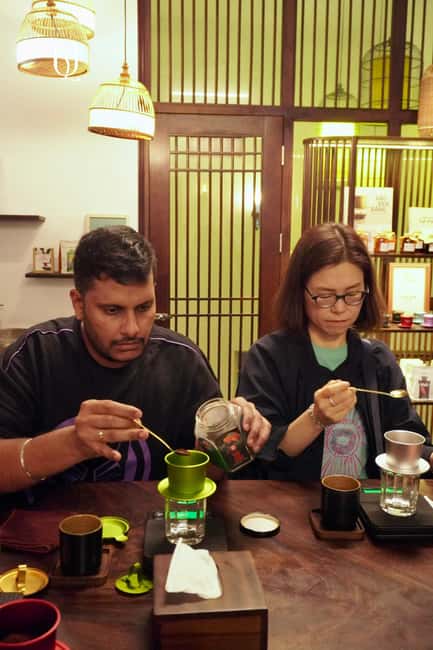
At $12, this is inexpensive for a guided cultural activity in Hanoi. You receive instruction in English, herbal tea, a local snack, hands-on brewing, several tastings, and background on Vietnamese coffee.
The value is particularly strong if you would otherwise spend money sampling several drinks at different cafés without understanding how they are made. Here, you combine tasting with a lesson and a chance to prepare the drinks yourself.
The price is less compelling if you only want a quick cup of egg coffee. Hanoi cafés can satisfy that need for less time and often less money. This workshop earns its fee through the explanation, participation, setting, and charitable connection.
You should also keep the wine question in mind. If the advertised three-wine tasting is a major reason you are considering the activity, confirm exactly what is included. The detailed information supports the coffee workshop more clearly than the wine portion.
Who should book this workshop?
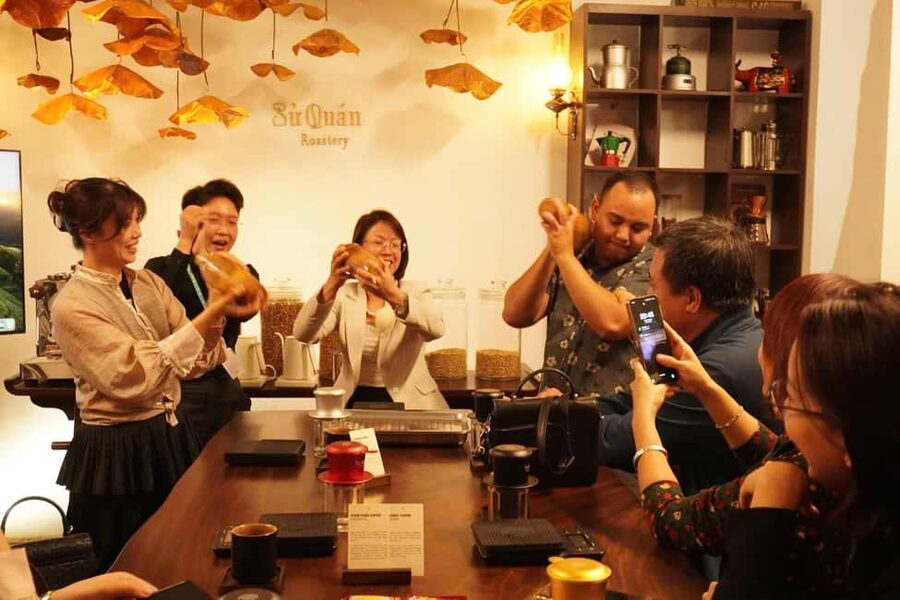
I would recommend it to first-time visitors who want a manageable introduction to Vietnamese food and drink culture. It is short enough for a busy itinerary and specific enough to leave you with useful knowledge.
It suits coffee drinkers who want to learn by doing. You do not need previous brewing experience, and the class can be adjusted around making two, three, or four drinks.
It is also a good choice for couples, families with older children, and small groups looking for an indoor activity. The villa setting offers a quieter change of pace after time on Hanoi’s crowded streets.
If you already work as a barista or have advanced brewing skills, the technical side may feel basic. You may still enjoy the cultural background and comparisons between drinks, but this is designed more as a welcoming introduction than a specialist workshop.
People who avoid caffeine should think carefully before booking. The point of the class is to taste several coffees, and the supplied information does not mention decaffeinated alternatives.
Timing, access, and practical details
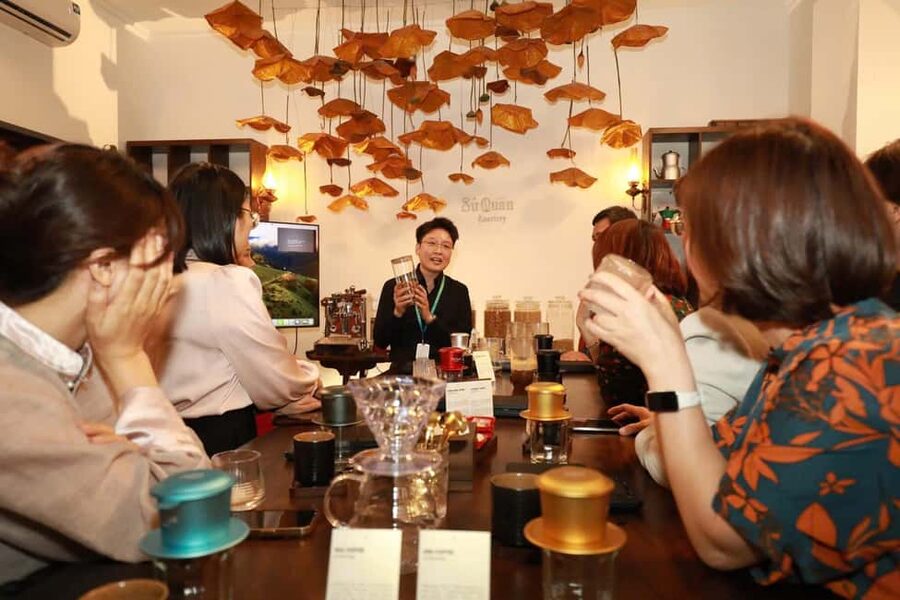
The activity lasts one to two hours, with starting times available according to the date you choose. That flexible length makes it easy to fit between meals, museum visits, or other Hanoi plans.
Private transportation is not included, and other personal expenses are separate. You should plan your own way to the venue and check the meeting details when booking.
The workshop is wheelchair accessible. English is the listed language, and the instructor is described as fluent in English, so you can expect the explanations to be delivered in that language.
Free cancellation is available up to 24 hours before the activity for a full refund. You can also reserve now and pay later, which helps if your Hanoi schedule is still shifting.
Weapons, sharp objects, alcohol, drugs, and making fire are not allowed. Those rules are straightforward, but the alcohol restriction is worth noting because the title includes local wines. Again, confirm how any wine tasting is handled before booking.
My call: book it for the stories, not just the coffee
Book this workshop if you want to understand Vietnamese coffee rather than simply drink it. The best parts are the direct preparation, the clear English instruction from Maxie or Stuart, the villa setting, and the link to the Da Lat farm education project.
At $12, the activity offers strong value for a short cultural stop. It will not replace a full food tour, and the wine portion needs clarification because the coffee details are much more specific. But if egg coffee, salt coffee, coconut coffee, brewing tools, and local stories appeal to you, this is an easy addition to a Hanoi schedule.
FAQ
How long does the Vietnamese coffee workshop last?
The activity lasts one to two hours. Starting times vary, so check availability for your chosen date.
How many coffees will I make?
Depending on your experience level and the class format, you may make and taste two, three, or four signature Vietnamese coffees.
Which Vietnamese coffees may be included?
Named options include egg coffee, salt coffee, coconut coffee, and cocktail coffee.
Is the workshop taught in English?
Yes. The listed language is English, and the activity is led by an English-speaking local instructor.
Is transportation included?
No. Private transportation is not included, so you must arrange your own way to the venue.
Is the workshop wheelchair accessible?
Yes. The activity is listed as wheelchair accessible.
Can I cancel and receive a full refund?
Yes. You can cancel up to 24 hours in advance for a full refund. You can also reserve now and pay later.
More Food and Drink Tours in Hanoi
- Hanoi: Vietnamese Street Food Tour with Egg Coffee
★ 4.9 · 315 reviews - Hanoi Michelin Star Walking Food Tour & Train Street
★ 5.0 · 165 reviews - Hanoi Egg Coffee Class and Street Food Walking Tour
★ 5.0 · 33 reviews - Discover Hanoi’s Street Food by Night & Mini Class Coffee
★ 4.8 · 28 reviews
More Wine Tastings in Hanoi
- Secret Delights: Curated Wine, Coffee & Forest Experience
★ 5.0 · 279 reviews - Coffee – Wine – Tea Da Lat’s Agricultural Treasures Tour
★ 4.8 · 63 reviews - Coffee & Wine: North Route of Gran Canaria Tour
★ 4.5 · 17 reviews - coconut wine and coffee safary tour
★ 5.0 · 16 reviews
Just added around Hanoi
- Vietnamese Coffee 101 Workshop★ 5.0 · 11 reviews
- Private tour: Hanoi city tour-Van Phuc silk village with egg coffee, lunch★ 5.0 · 2 reviews
- Hanoi 2.5 hour Guided Sightseeing Cyclo Tour & Egg Coffee Class★ 5.0 · 16 reviews
- Taste of Vietnam’s Coffee Scene – A Guided Experience★ 5.0 · 2 reviews
- Hanoi daily egg coffee making course with local guide★ 5.0 · 17 reviews
- Private Hà Nội Coffee History Tour★ 5.0 · 6 reviews
- hidden gems cafe – learn making coconut and egg coffee★ 5.0 · 2 reviews
- 3 Dishes cooking + Egg Coffee bonus & Local Market Tour★ 5.0 · 14 reviews
Coffee Tastings, compared.
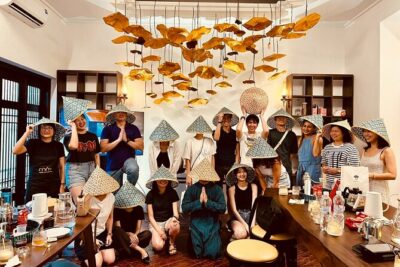
Hanoi Coffee Experience: 6 Brews, 9 Recipes & 3 Liquor Tastings
Read our review →
Coffee Tour with Transport, Snacks and Tastings
Read our review →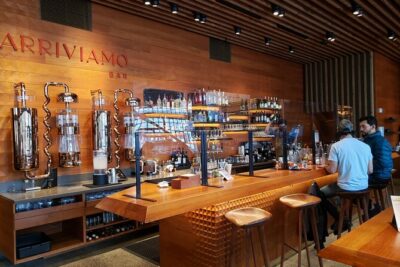
Seattle Coffee Tour: Capitol Hill Cafes, Tastings & Local Stories
Read our review →
Buggy Ride Into the jungle with cave coffee & chocolate tasting
Read our review →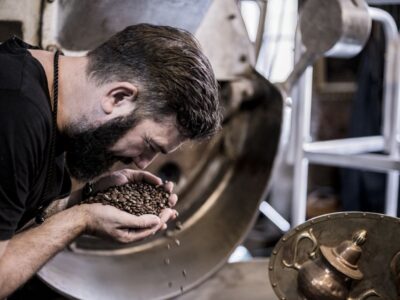
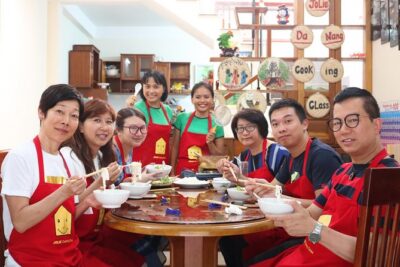
Da Nang Cooking Class with Coffee Tasting and Market Visit
Read our review →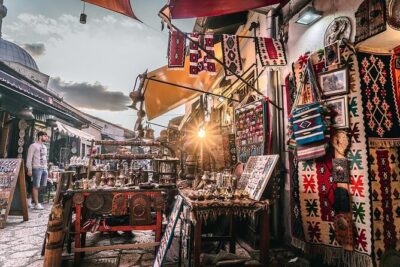
Private Walking Tour, Food Tasting and Bosnian Coffee in Sarajevo
Read our review →
Poás Volcano and Coffee Tour with Tasting and La Paz Falls
Read our review →Browse the lists this tour appears in