
Review · HO CHI MINH CITY
Ho Chi Minh: Tasting Iconic Coffee of 3 Regions in Vietnam
Vietnamese coffee is not just a morning jolt. In this compact Ho Chi Minh City workshop, you taste three regional drinks and see how a small cup can reflect local habits, flavors, and character. You brew with a phin, the slow-dripping metal filter used across Vietnam, then compare condensed milk coffee from the south, salt coffee from the center, and egg coffee from the north.
I like the hands-on format, since you do not simply watch a coffee expert work. I also like the regional comparison, which gives your caffeine stop a clear purpose. The main drawback is the caffeine load: three samples can be a lot, especially if you arrive hungry. The tasting uses half-size drinks, but you should still eat beforehand.
Key points at a glance
- Three regional icons: Taste southern condensed milk coffee, central salt coffee, and northern egg coffee.
- You brew with a phin: Learn the basic steps and see how an incorrect method affects the cup.
- A small, personal setting: Groups are limited to 10, with an English-speaking coffee specialist.
- More than a tasting: The session connects each drink with the character and habits associated with its home region.
- A useful tip: Eat before arriving, since the drinks contain plenty of caffeine.
- A short central location: The meeting point is 27 Ngo Duc Ke Street in District 1, Ho Chi Minh City.
Three Vietnamese coffees, three regional personalities
The heart of this one-hour activity is comparison. You taste three drinks that come from different parts of Vietnam, then consider how their flavors and preparation styles differ.
Southern Vietnam is represented by condensed milk coffee. This is the bold, sweet style many visitors first associate with Vietnamese coffee. Central Vietnam contributes salt coffee, a drink associated with Hue. Northern Vietnam brings egg coffee, a creamy preparation that feels closer to a dessert than a plain cup of coffee.
That regional structure makes the activity more useful than a standard café tasting. You have a simple framework for remembering what you try: sweet and strong in the south, salted and creamy in the center, and egg-based in the north.
The guide also explains how the drinks reflect the people and cities connected with them. You are not expected to become a coffee expert in an hour, but you will leave with a better sense of why Vietnamese coffee culture is so varied.
More Coffee Tastings in Vietnam
- Hanoi Coffee Experience: 6 Brews, 9 Recipes & 3 Liquor Tastings
★ 5.0 · 2,945 reviews - Da Nang Cooking Class with Coffee Tasting and Market Visit
★ 5.0 · 310 reviews - Coffee Farm Tour with Roasting & Tasting Workshop – Da Lat
★ 5.0 · 126 reviews
Meeting the phin at 27 Ngo Duc Ke Street
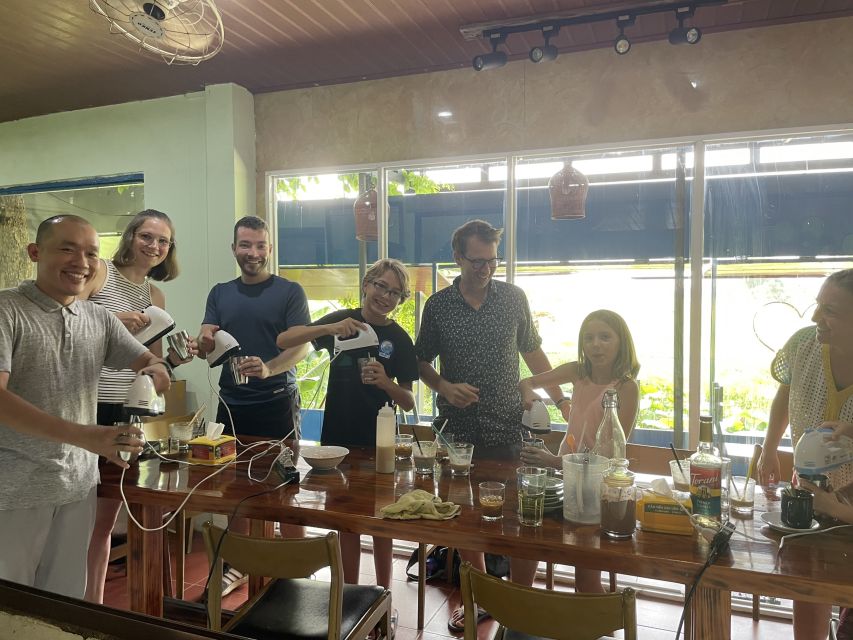
You meet at 27 Ngo Duc Ke Street in District 1, a practical location for a coffee activity during a day in central Ho Chi Minh City. Hotel pickup is not included, so you need to make your own way there.
The class begins with a welcome and an introduction to Vietnam’s coffee traditions. An English-speaking coffee specialist explains the three drinks before you start brewing. The group size is limited to 10, which matters here. Coffee preparation involves small details, and a smaller group gives you a better chance to ask questions and handle the equipment.
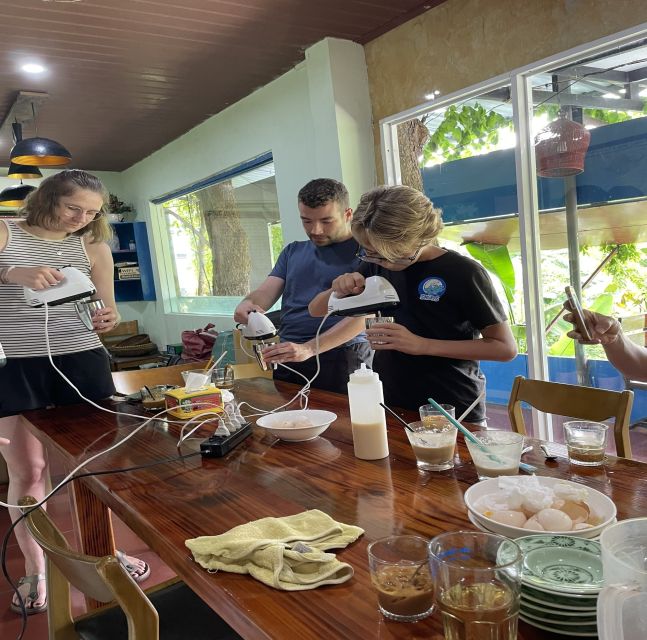
The setting may not look exactly like a conventional café. One person found the room more like an apartment arranged for a private tasting than the café shown in promotional pictures. That is worth knowing before you arrive. If you expect a polished restaurant setting, the surroundings may feel plain or different from what you imagined. The tradeoff is a more intimate workshop atmosphere.
Brewing coffee the slow Vietnamese way
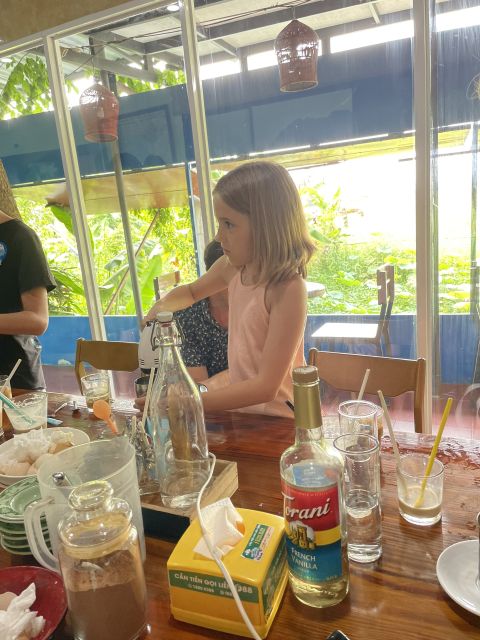
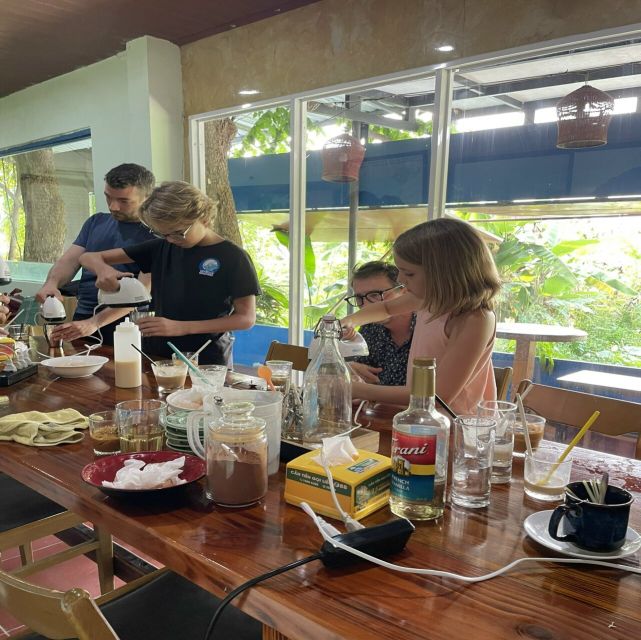
The hands-on portion uses the traditional phin filter. This small metal dripper sits over the cup and lets coffee pass through slowly. You take part in the brewing rather than watching the specialist do everything.
The activity covers the correct steps and shows why they matter. The guide may have you make several coffees, including one deliberately poor cup to demonstrate how a small mistake can change the result. That is a smart teaching method. Instead of hearing a list of rules, you can compare a good brew with a bad one.
Expect the process to feel slower than using a modern coffee machine. That is part of the point. The phin turns coffee preparation into a short pause, and the gradual drip helps you notice the aroma, color, and texture before tasting.
The session includes all coffee, ingredients, and equipment. You do not need to bring anything special. The guide answers questions as you work, so this suits curious beginners as well as people who already enjoy Vietnamese coffee.
Southern condensed milk coffee: sweet, dark, and direct
The first regional style is condensed milk coffee, the southern icon. Strong coffee meets sweet condensed milk, creating a dense, forceful drink with a dessert-like edge.
This is often the easiest style for first-time tasters to understand. The sweetness softens the bitterness, but the coffee remains powerful. The half-size serving is helpful, since a full cup can be heavy when followed by two more styles.
The drink also gives you a good lesson in balance. Vietnamese coffee is often prepared to hold its own against sugar, milk, ice, or other additions. Here, the condensed milk is not just a topping. It is part of the drink’s identity.
If you prefer lightly roasted coffee or unsweetened drinks, this may be the least natural fit of the three. Still, the point is not to find one universal favorite. It is to understand why this style has become such a strong symbol of southern Vietnamese café culture.
More Coffee Tastings in Ho Chi Minh City:
- 4×4 Dominican Adventure with Chocolate and Coffee Tasting
★ 5.0 · 2,920 reviews - 4×4 ATV Experience, Water Cave, Chocolate and Coffee Tasting
★ 5.0 · 1,430 reviews - Medellin: Coffee Tour with Transport, Snacks and Tastings
★ 4.7 · 1,357 reviews - Seattle Coffee Tour: Capitol Hill Cafes, Tastings & Local Stories
★ 5.0 · 489 reviews
Central salt coffee: an unexpected savory touch
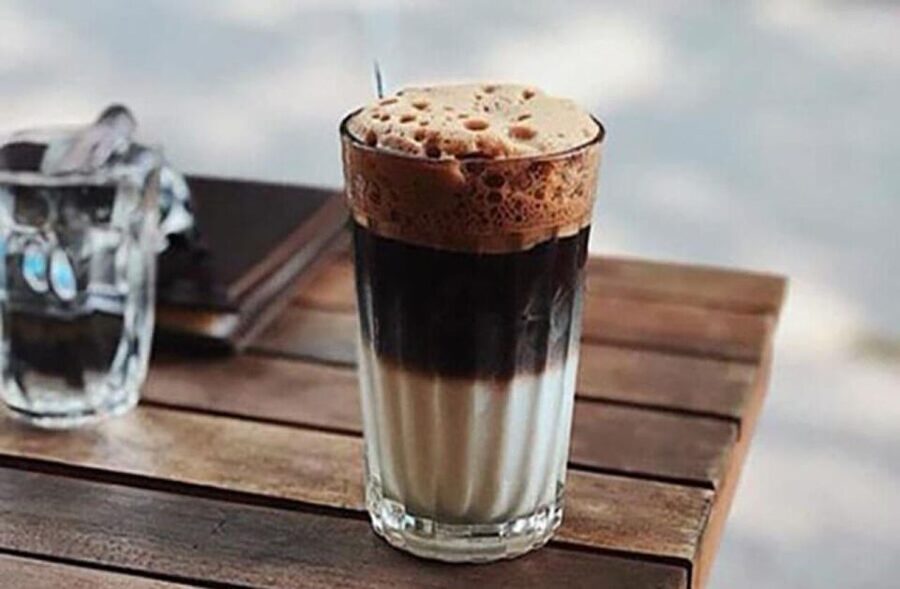
Salt coffee is the most surprising sample for many people. The central Vietnamese drink uses salt to shape the flavor of the coffee and its creamy elements.
The salt does not turn the cup into a savory broth. Used in small amounts, it can reduce some bitterness and sharpen the sweetness. This creates a smoother, more rounded taste than you might expect from the name.
This is where the regional format pays off. After tasting the sweet southern version, the salted central style gives you a clear contrast. You can focus on what changes when the balance shifts from sugar alone to a mix of sweetness, creaminess, coffee, and salt.
The portion is again half-size, which is useful if you are sensitive to strong drinks. You can pay attention to the flavor without committing to a large cup.
Northern egg coffee: a creamy finish
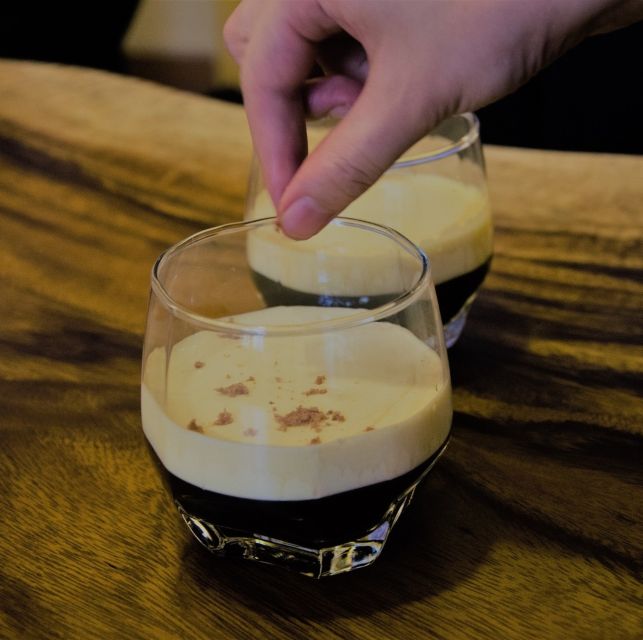
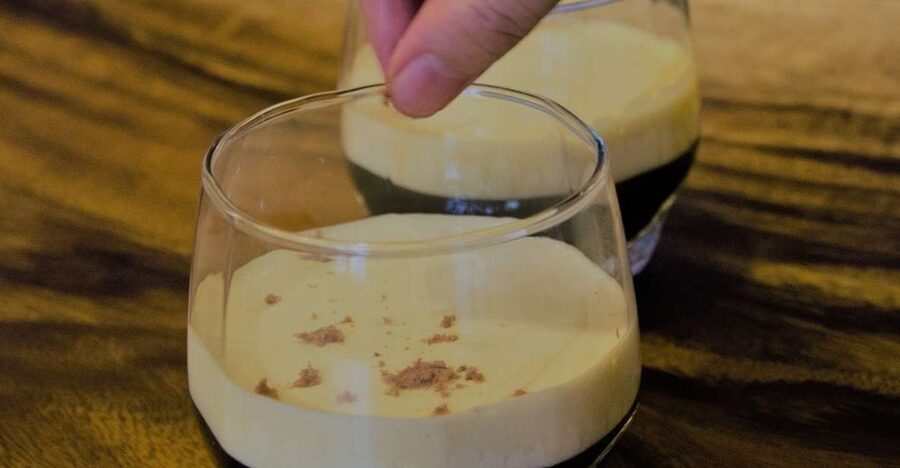
Egg coffee represents the north. Its texture is the big attraction, with a rich, creamy topping that makes the drink feel almost like a small dessert.
For some people, this will be the most memorable of the three. It is unlike a plain black coffee and gives the tasting a satisfying final course. The egg mixture adds body and sweetness, while the coffee beneath keeps the drink from becoming completely pudding-like.
The guide explains how this northern drink fits into the wider coffee traditions of Vietnam. You get the chance to compare not only flavor, but also texture and presentation. The three cups become a progression: bold and sweet, smooth and lightly savory, then creamy and dessert-like.
Again, caffeine deserves attention. Even half-size samples can add up. If you are planning a busy afternoon in Ho Chi Minh City, do not arrive on an empty stomach and do not assume the small portions make the caffeine negligible.
What the guide adds to the hour
A strong guide makes this kind of short activity worthwhile, and the guide is central to the experience. Quynh is named as the person leading the session, and the teaching includes coffee history, preparation tips, regional context, and time for questions.
The explanations use pictures to help show how coffee developed in Vietnam. That visual material is useful because the subject can otherwise become a string of unfamiliar names and ingredients.
The guide also appears to adjust the session to the people in front of him. One visitor who felt unwell received a different complimentary food item to suit the situation. That kind of practical care matters in a tasting built around caffeine.
The class can also run longer than the advertised hour if conversation continues. You should not count on extra time, since the stated duration is one hour, but the format allows for questions rather than rushing everyone out after the last sip.
Food, caffeine, and a practical warning

A complimentary Vietnamese comfort food item may be provided, but meals are not part of the listed inclusions. Think of this as a small accompaniment, not a replacement for lunch.
Eat before you arrive. This is the most useful practical advice for the activity. Three coffee styles, even in half-size portions, can hit hard when consumed close together. Food will also make it easier to focus on the explanations and flavors instead of simply trying to manage the caffeine.
The workshop is not suitable for children under 14. Children under 14 can attend free of charge but do not take part in the coffee tasting. The activity is also not suitable for wheelchair users, and pets are not allowed.
Is $21 good value for one hour?
At $21 per person, the value depends on what you want from a coffee stop. If you only want a drink, local cafés will give you cheaper options. If you want guided tasting, equipment, instruction, and a regional explanation in English, the price is more reasonable.
The cost includes the phin brewing lesson, half-size servings of all three coffees, ingredients, equipment, and the coffee specialist. You are paying for access to several preparations in one sitting and for the structure that connects them.
The small group helps the value. A large demonstration would make the hands-on portion less useful, while a group capped at 10 should give you time to participate and ask questions.
I would not book this solely for a large meal or a long café session. I would book it if you want to understand what makes Vietnamese coffee different and plan to order these drinks on your own later in the trip.
Cancellation, timing, and getting there
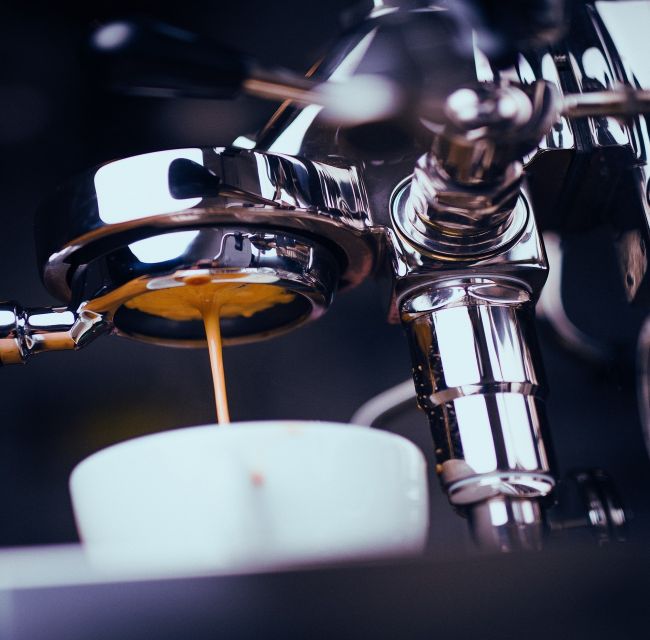
The experience lasts one hour, with starting times shown according to availability. Since hotel transfers are not included, allow enough time to reach 27 Ngo Duc Ke Street in District 1.
You can cancel up to 24 hours in advance for a full refund. The reserve-now, pay-later option also helps if your Ho Chi Minh City plans are still changing.
The meeting point is especially convenient if you are already spending time in District 1. Still, check the exact venue details before setting out, since the interior may look more like a private coffee workshop than the café-style images you expect.
Who should book this coffee workshop?
This is a good match for coffee drinkers, curious food lovers, and anyone who wants a short cultural activity between sightseeing stops. It is also useful if you plan to travel beyond Ho Chi Minh City and want to recognize drinks from central and northern Vietnam.
You will get the most from it if you enjoy asking questions and trying unfamiliar flavors. The session is not just a sequence of samples, so bring some curiosity about ingredients, brewing, and local habits.
I would skip it if you dislike sweet coffee, strong caffeine, or creamy drinks. I would also look elsewhere if you need step-free access or want a full meal. The activity has a narrow focus, but it handles that focus well.
Should you book it?
Book this workshop if you want more than a quick cup and value direct instruction. The best parts are the phin brewing practice, the three-way regional comparison, and the guide’s willingness to explain details and answer questions.
The setting may be more informal than expected, and one hour with three coffees can be a lot for your system. Eat first, confirm the meeting point, and keep your afternoon flexible enough to enjoy the session without rushing.
For $21, it is a fair choice for a compact introduction to Vietnamese coffee culture. You will not become a trained barista in one hour, but you will understand the drinks better, know how the phin works, and have a clearer idea of what to order across Vietnam.
FAQ
Where does the coffee tasting take place?
The meeting point is 27 Ngo Duc Ke Street in District 1, Ho Chi Minh City. Hotel pickup and drop-off are not included.
How long does the activity last?
The stated duration is one hour. Starting times depend on availability.
Which coffees will I taste?
You will taste condensed milk coffee from southern Vietnam, salt coffee from central Vietnam, and egg coffee from northern Vietnam. The servings are half-size.
Do I get to make the coffee?
Yes. You take part in brewing with a traditional phin dripper. The activity includes the coffee, ingredients, and equipment.
Is the activity suitable for children?
Children under 14 can attend free of charge but do not take part in the coffee tasting. The activity is listed as not suitable for children under 14.
Can I cancel or pay later?
You can cancel up to 24 hours in advance for a full refund. You can also reserve now and pay later, subject to the booking terms.
More Food and Drink Tours in Ho Chi Minh City
- Ho Chi Minh Street Food Tour and Vietnamese Coffee
★ 5.0 · 28 reviews - Ho Chi Minh Best Walking Tour: Food, Coffee & History
★ 5.0 · 19 reviews - Sai Gon Special Coffee At Landmark 81 & Street Food tour
★ 5.0 · 3 reviews - Saigon Special Night Coffee Landmark 81 & Food Tour
★ 5.0 · 2 reviews
Just added around Ho Chi Minh City
- Ho Chi Minh Best Walking Tour: Food, Coffee & History★ 5.0 · 19 reviews
- Sai Gon Special Coffee At Landmark 81 & Street Food tour★ 5.0 · 3 reviews
- Saigon Special Night Coffee Landmark 81 & Food Tour★ 5.0 · 2 reviews
- Tea & Coffee Experience★ 5.0 · 10 reviews
- Hands-on making 3 Iconic Coffees of South Central North Vietnam★ 5.0 · 14 reviews
- Mastering Egg Coffee-Course on 4 traditional types of Viet coffee★ 5.0 · 16 reviews
- Private Ho Chi Minh City Tour from Port & Vietnamese Egg Coffee★ 5.0 · 6 reviews
- Discover Vietnam’s Coffee Culture.★ 5.0 · 5 reviews
Coffee Tastings, compared.
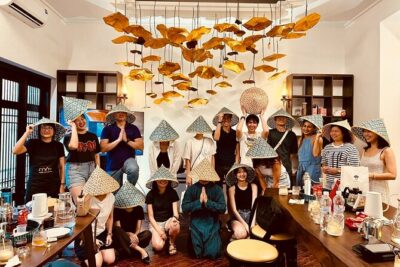
Hanoi Coffee Experience: 6 Brews, 9 Recipes & 3 Liquor Tastings
Read our review →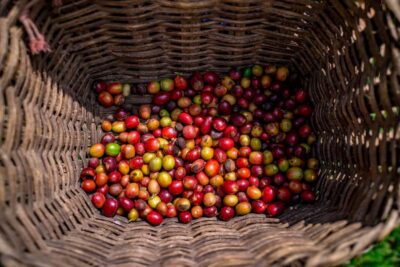
Coffee Tour with Transport, Snacks and Tastings
Read our review →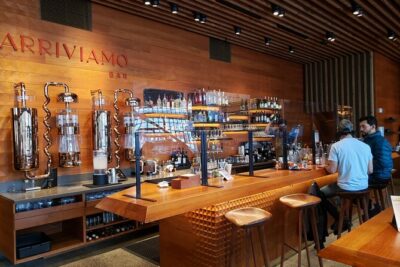
Seattle Coffee Tour: Capitol Hill Cafes, Tastings & Local Stories
Read our review →
Buggy Ride Into the jungle with cave coffee & chocolate tasting
Read our review →
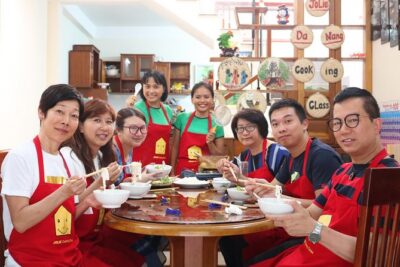
Da Nang Cooking Class with Coffee Tasting and Market Visit
Read our review →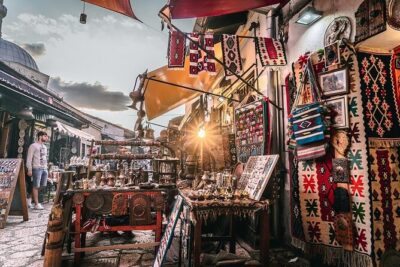
Private Walking Tour, Food Tasting and Bosnian Coffee in Sarajevo
Read our review →
Poás Volcano and Coffee Tour with Tasting and La Paz Falls
Read our review →Browse the lists this tour appears in