
Review · KIAMBU
Nairobi: Fairview Coffee Estate Tour with Pickup
Fairview Coffee Estate turns a morning cup into a hands-on lesson. You walk through coffee rows, watch cherries become beans, then roast and grind your own batch over a traditional jiko. I like the mix of farm work and tasting, and I like that the tour ends with local fruit, pastries, and juice rather than just a quick sip at a shop.
The main caution is the extra cost and the pickup. The advertised price is $38 per person, but a separate $30 entry fee is not included. One booking also had a 90-minute pickup delay, so confirm the driver and allow some patience on the Nairobi roads.
What makes this coffee tour worth your morning
- Roast your own Kenyan beans: Use firewood and a traditional jiko, then grind and bag the coffee you helped prepare.
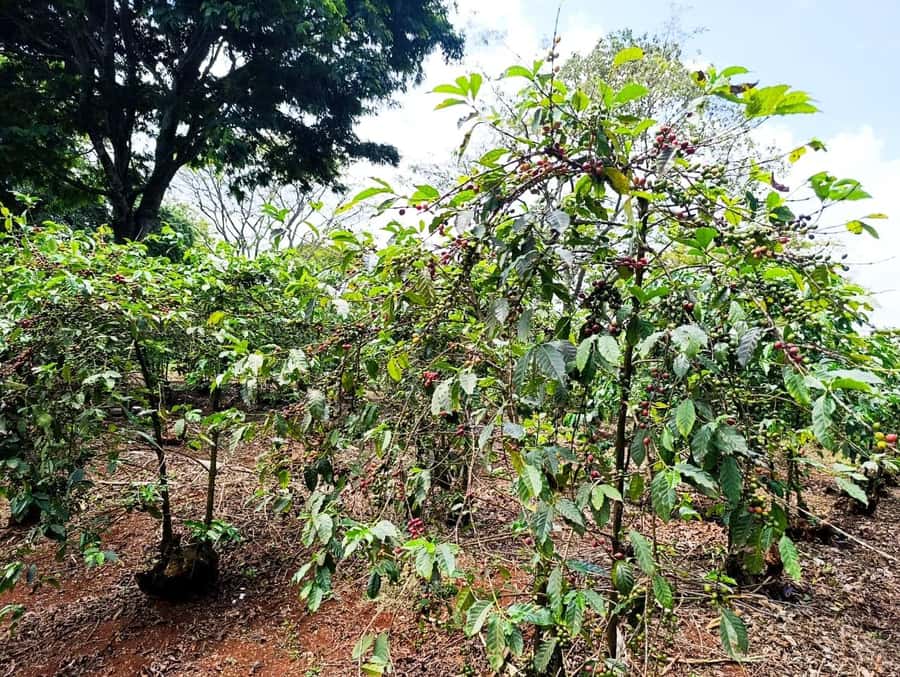
- See two coffee varieties: Walk among SL28 and Ruiru 11 plants with an English-speaking guide.
- Follow the bean through the mills: The wet and dry mills show what happens after coffee cherries leave the plant.
- Taste coffee with purpose: A cupping host helps you compare roast levels and notice flavor differences.
- Get a break from Nairobi: Kiambu brings a quieter setting and cooler highland air at about 1,800 meters.
- Enjoy a proper snack stop: Fresh coffee, local sweet bites, fruit, pastries, and juice are part of the visit.
From Nairobi streets to Kiambu coffee rows
Pickup is offered in Kilimani, Kileleshwa, Parklands, Nairobi, Syokimau, Westlands, and Loresho. That broad coverage is useful if you are staying in one of Nairobi’s main visitor areas, but traffic can make the start less exact than the clock suggests.
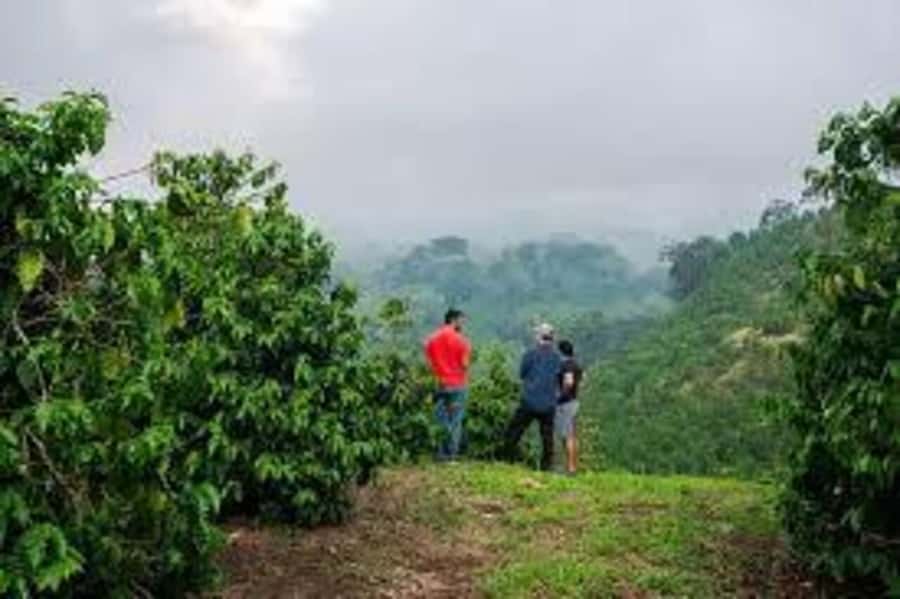
The ride takes you toward Kiambu, in central Kenya’s green highlands. The change in mood is part of the appeal. You leave behind the noise and traffic of the city and arrive at a working coffee estate where the day is shaped by plants, processing, and cups rather than Nairobi’s usual rush.
The farm sits at about 1,800 meters. You do not need serious hiking ability, but the paths are walkable rather than polished. Wear sturdy, comfortable shoes, carry water, and use sunscreen. The moderate altitude is not extreme, yet staying hydrated will make the walking and tasting more pleasant.
The planned farm visit lasts about three hours, inside a four-hour pickup-to-drop-off outing. That gives you enough time to see several stages of production, but it is not a slow agricultural stay. You will move from one section to the next with a guide.
More Coffee Farm Tours in Kenya:
- Nairobi Coffee Farm and Factory Tour
★ 5.0 · 87 reviews - Coffee Farm Tour (Fairview)
★ 4.8 · 71 reviews - Nairobi: Coffee Factory and Farm Tour with Transfer
★ 4.5 · 60 reviews
Starting with coffee, sweets, and the farm story
The visit begins with a Kenyan welcome, a fresh cup of coffee, and local sweet bites. This is a useful first taste because the rest of the tour gives you reasons to think about what is in that cup.
Your guide explains coffee growing from the beginning. You learn about seedling propagation, soil care, and cherry selection. These topics can sound technical, but they answer practical questions: how a coffee plant gets started, what helps it grow, and which cherries are ready for processing.
If cherries are in season, you may get a more hands-on look at picking or selection. The best time for that possibility is April through June and October through December. Outside those periods, the farm portion still covers cultivation, but you should not expect ripe cherries on every branch.
The coffee plants include SL28 and Ruiru 11. Seeing named varieties in the rows is more useful than hearing a broad description of Kenyan coffee. You can connect the name to a living plant, then follow the fruit into the processing stages.
The guide-led format also helps here. A booking review specifically praised James for explaining how the plantation works. Another recent visit described the history, cultivation, and varieties as being presented with jokes and games, so the lesson is not meant to feel like a classroom lecture.
Following cherries through the wet and dry mills

The wet mill is where the coffee cherry begins its major change. You see the post-harvest work that removes the fruit and prepares the seed for the next stages. The dry mill handles later processing, turning prepared coffee into a form ready for grading and roasting.
The value of this stop is that it puts the farm-to-cup chain in order. Many coffee tastings skip the machinery and focus only on flavor. Here, you can connect the taste in your cup with pulping, fermentation, drying, and milling.
Raised drying beds are part of the process. The beans are dried after fermentation, and the guide explains how this stage affects what comes later. You may find the machinery less visually dramatic than a roasting fire, but it is one of the most useful parts for anyone who wants to understand coffee beyond the café menu.
Expect a working-farm visit, not a polished museum. Conditions can vary with the season and the day’s activity. The paths are walkable, but mud or uneven ground is possible, which is another reason to leave sandals in your room.
The jiko roasting workshop
The most hands-on section takes place in a rustic roasting hut. You roast beans over firewood using a traditional jiko, with local guidance on how to handle the heat and judge the beans.
This is where the tour earns its practical character. You are not simply handed a souvenir packet. You take part in roasting, then grind and bag your coffee. The process lets you see how much work sits between a harvested cherry and the drink served at breakfast.
Roasting over firewood also slows the experience down. You watch the beans change and pay attention to scent, color, and timing. The details of the roast are not listed as a formal class syllabus, so do not expect a professional barista certification. The point is participation and understanding.
You should also be ready for a rustic setting. Smoke, heat, and ash are natural parts of this workshop. Comfortable clothes and shoes are sensible, and sunscreen and water matter more than they would on a short café visit.
A few more coffee tours around Kenya worth a look
- Coffee Farm Village & Factory Half Day Tour with Pick-Up
★ 5.0 · 33 reviews - Nairobi: Guided Coffee Farm Tour with Tastings
★ 5.0 · 24 reviews - Coffee farm tour, coffee roasting and tasting experience
★ 5.0 · 20 reviews - Private Half-Day Tour in Fairview Coffee Farm from Nairobi
★ 5.0 · 13 reviews
Cupping Kenyan coffee by roast level
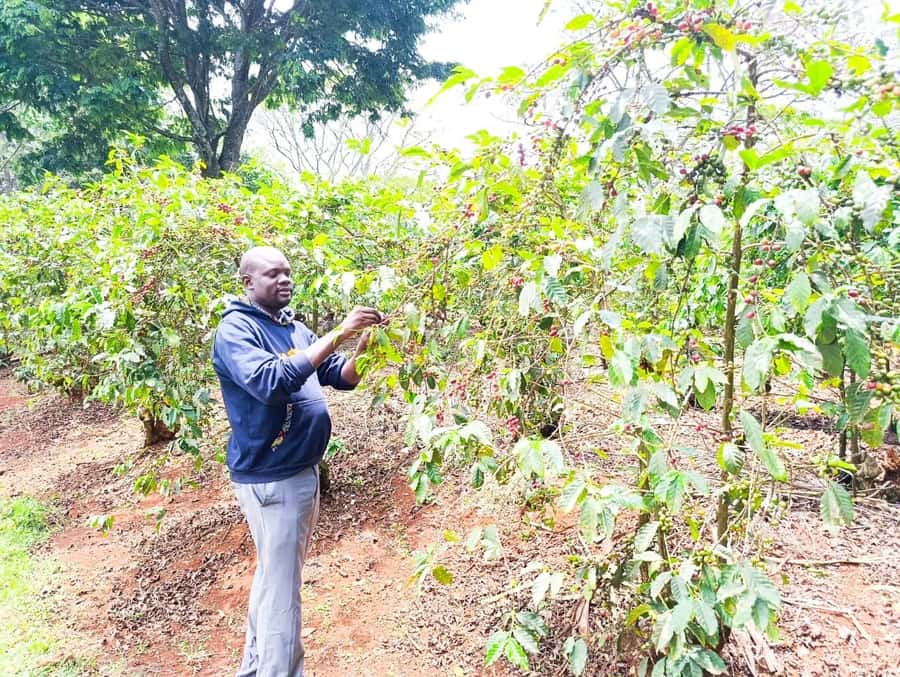
After the farm and roasting work, a certified cupping host leads a tasting session. You sample different roast levels and learn how to notice changes in aroma, body, and flavor.
Cupping can seem serious from the outside, but you do not need a trained palate to take part. The useful approach is simple: taste one cup, compare it with the next, and pay attention to what changes. The host helps you put those differences into words.
Kenyan coffee is often valued for its bright character and layered flavor, but this tasting is not about memorizing coffee vocabulary. It is about learning how roast level changes the beans you have just seen growing in the field.
The tasting also gives you a chance to test your own preferences. You might prefer a lighter roast, or you may find that a darker cup suits you better. There is no correct answer. The session is most useful when you treat it as a guided comparison rather than a test.
A snack platter with a view
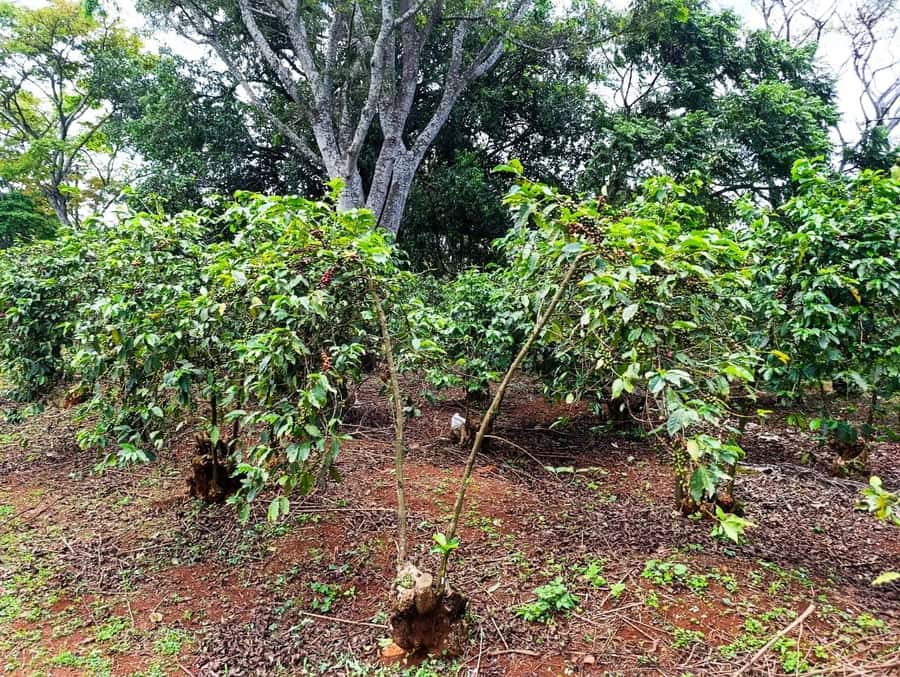
The final pause is on a scenic terrace with local fruit, pastries, and fresh juice. It is a welcome change of pace after walking, machinery, and roasting.
This food stop is included, but it is best understood as a snack platter rather than lunch. A booking account described a return ride where the group had gone without food and was later taken to a place presented as a typical Kenyan restaurant. The meal turned into an uncomfortable extra-cost situation, so plan sensibly and do not rely on an unscheduled driver recommendation for lunch.
The terrace gives you time to finish your coffee and look back over the estate. It also keeps the outing from feeling like a factory inspection. You have seen the plants and processing, made a small batch, tasted different roasts, and then get a calm place to sit.
Is $38 good value when entry costs extra?
At $38 per person, the tour is reasonably priced for a half-day outing that includes Nairobi pickup and drop-off, a guided farm and factory visit, a roasting workshop, coffee tasting, and refreshments. The hands-on roasting is the feature that separates it from a standard plantation walk.
The important catch is the separate $30 entry fee. Since that charge is not included, your practical cost is closer to $68 per person before personal purchases. That changes the value calculation, especially for couples or families booking several places.
For a coffee enthusiast, the added cost can still make sense because the visit combines cultivation, milling, roasting, and cupping. If you only want a scenic coffee and a quick look at plants, the total may feel high.
Read the price details carefully before paying. The entry charge caused confusion for at least one booking, and it is much better to budget for it from the start than to discover it at the gate.
Pickup reliability matters more than usual
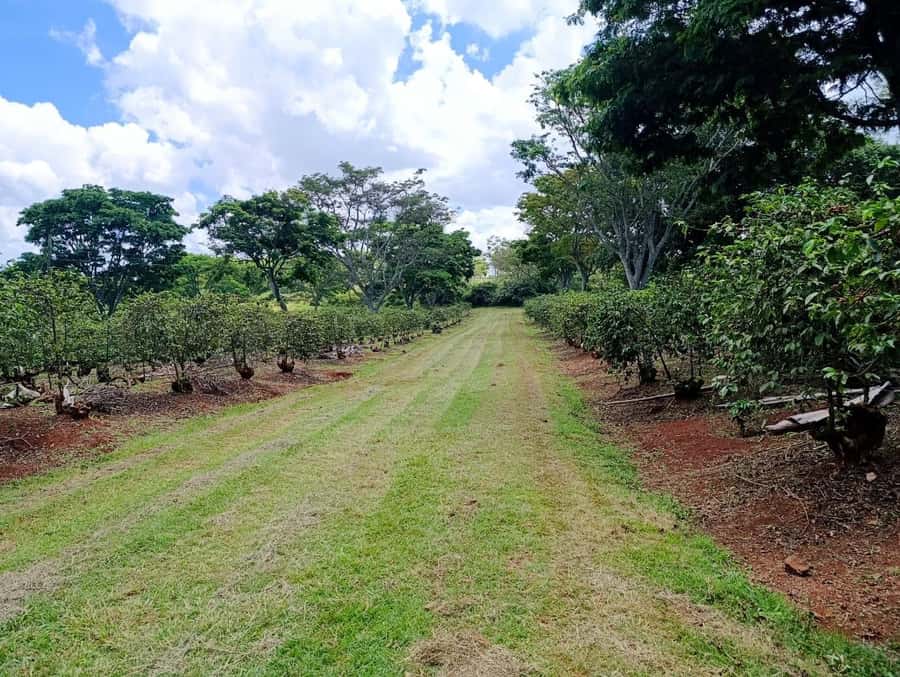
Pickup and drop-off are included from the listed Nairobi areas, which is a real convenience. You avoid arranging a separate taxi to Kiambu and can return to one of the same general neighborhoods after the farm visit.
The weak point is timing. One booking had a 90-minute delay, which caused the scheduled group visit to be missed. The replacement choice was either to wait three hours for the next group or pay an extra $20 per person for a private visit.
That is a serious problem, not a minor inconvenience. If your day includes a flight, museum reservation, or other fixed plan, leave plenty of room after the tour. Confirm the pickup time and driver details before departure, and contact the operator promptly if the vehicle is late.
There was also an unpleasant report about a driver suggesting a supposedly local restaurant, where the meal cost more than expected and the driver received a free meal for bringing the group. I would keep food plans under your own control and ask for the price before accepting any unscheduled stop.
One driver named Surfic received warm praise for being friendly and helpful, while James was specifically praised for his plantation explanation. The quality of the farm guide and the quality of the transport service may not always be identical, so judge those parts separately.
Best seasons and practical preparation
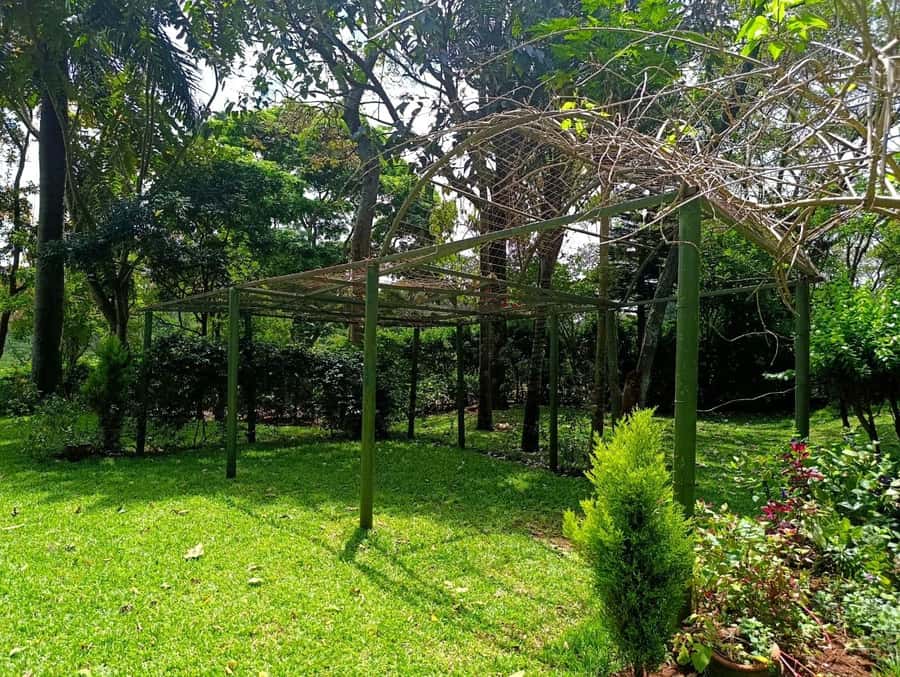
Harvest season runs from April through June and October through December. These months give you the best chance of seeing active cherry picking or selection, though the farm visit remains useful outside harvest periods.
Bring:
- Comfortable, sturdy walking shoes
- Sunscreen
- Water
- A little room in your bag for personal purchases
The farm is wheelchair accessible, but the paths are described as walkable rather than fully smooth. If you use a wheelchair or have limited mobility, confirm the current route and access arrangements before booking so the staff can advise you properly.
The tour is conducted in English with a live guide. The tone appears friendly and interactive, with jokes and games used during the explanation. That suits you if you enjoy asking questions and joining in, but it may feel less appealing if you want a silent, self-guided visit.
Free cancellation is available up to 24 hours in advance for a full refund, and you can reserve now while paying later. Those options help if your Nairobi schedule is still changing.
Who will enjoy Fairview most?
I would recommend this outing to coffee drinkers who want to know how their cup is made. It is also a good fit for couples, small groups, and anyone looking for a quieter half-day outside Nairobi without committing to a full safari or long country journey.
Families may enjoy the roasting and the hands-on format, though young children may find the plant and mill explanations less exciting. The games and tasting give the visit some variety.
This is less suitable if you have a very tight schedule, dislike uneven outdoor paths, or want a luxury plantation visit with no smoke, dust, or waiting. It is also not the right pick if you are counting on the listed price being the final total. Add the $30 entry fee before deciding.
Should you book this coffee estate tour?
Book it if you want more than a coffee photo stop. The best parts are specific and practical: named coffee varieties in the field, wet and dry milling, roasting over a jiko, and a guided comparison of roast levels.
I would book with two precautions. Budget about $68 per person before personal expenses, and confirm the pickup details so a late vehicle does not force you into a costly change. With those points handled, Fairview offers a pleasant, useful morning that connects Kenyan coffee to the soil, the workers, the machinery, and your own cup.
FAQ
How long does the Fairview Coffee Estate tour take?
The experience lasts about four hours, including Nairobi pickup and drop-off. The main estate visit is scheduled for about three hours.
What is included in the tour price?
The tour includes Nairobi pickup and drop-off, a guided farm and factory visit, a hands-on roasting workshop, a cupping and tasting session, snacks, and refreshments.
Is the $30 entry fee included?
No. The $30 entry fee is listed separately from the $38 per-person tour price, so you should budget for both charges.
What coffee varieties can I see at the estate?
The farm grows SL28 and Ruiru 11 coffee varieties. The guide explains their place in the plantation visit.
What should I bring?
Bring comfortable sturdy shoes, sunscreen, and water. The paths are walkable, and the estate sits at about 1,800 meters.
Is the tour available in English and accessible by wheelchair?
Yes. The tour has a live English-speaking guide and is listed as wheelchair accessible.
Just added around Kenya
- Private Half-Day Tour in Fairview Coffee Farm from Nairobi★ 5.0 · 13 reviews
- Fairview Estate Coffee Farm Tour With Pick up★ 5.0 · 2 reviews
- Coffee Farm Half-Day Tour in Kenya★ 3.0 · 2 reviews
- Coffee Farm Tour (Fairview)★ 5.0 · 4 reviews
- Private Tour to Fairview Coffee Farm in Nairobi with Pickup★ 5.0 · 2 reviews
- Coffee farm tour, coffee roasting and tasting experience★ 5.0 · 20 reviews
- Nairobi: Beads Factory Tour with Pickup & Coffee★ 5.0 · 7 reviews
- FAIRVIEW COFFEE FARM DAY TOUR★ 4.0 · 5 reviews
Coffee Farm Tours, compared.
Award Winning Farm Tour: Coffee, Chocolate and Unique Gifts
Read our review →
La Herradura Coffee Farm: tour in Europe’s only plantation
Read our review →
Medellín Coffee Farm Tour with Trolley and Cable Car Ride
Read our review →

Private Cocora Valley, Salento & Coffee Farm Tour
Read our review →
Liamuiga Natural Farm Tour – St.Kitts’ Coffee Farm
Read our review →
Horseback Riding Coffee Farm Tour with Coffee Spa
Read our review →Browse the lists this tour appears in