
Review · NAIROBI
Nairobi Coffee Farm and Factory Tour
Kenya’s coffee story makes more sense when you see it in the field. At Fairview Coffee Estate, you walk among coffee trees, follow beans through grading, drying, processing, and roasting, then taste the finished drink. I especially like the private format and the easy hotel pickup, which keeps this half-day outing simple. I also like that guides such as Moses, Obed, Ann, Elvis, and James have been praised for making the process clear and lively.
The main point to check before booking is the estate admission charge. The tour price is listed as $98.50 per person and says all fees are included, but one booking record mentions an additional $30 farm fee. Confirm this before you pay, and allow more time than the advertised two to three hours if the estate schedule runs closer to four.
Key points at a glance
- See coffee before it reaches your cup: Walk through the estate and learn how beans are grown and harvested.
- Follow the full production chain: The visit covers grading, drying, processing, roasting, and brewing.
- Taste several coffees: Tastings may include different grades and roasts, with coffee and snacks provided.
- Enjoy private transport: Your party receives hotel pickup and drop-off in private transportation.
- Meet an informed local guide: Guides including Moses, Obed, Ann, Elvis, James, and Obed have received strong praise for clear explanations and friendly service.
- Check the final cost: The advertised price and one reported $30 estate charge do not line up perfectly.
Why coffee makes a fine Nairobi side trip
Nairobi is more than a starting point for a safari. The city sits in a part of Kenya where coffee farming has played an important economic role, and this tour gives you a look at that work without requiring a full day away from town.
Fairview Coffee Estate is described as about 20 minutes from Nairobi’s city center. That short transfer matters. You can fit the visit into a morning or afternoon, then return to the city for lunch, a museum, or other plans. Traffic can affect any Nairobi drive, so I would still keep your schedule loose around the pickup and return.
This is not simply a tasting at a café. You begin with the plant and the growing environment, then trace the stages that turn coffee cherries into beans ready for roasting. That order is useful because it shows how much labor sits behind a drink that often arrives in a cup with little explanation.
The setting also gives the visit some breathing room. The estate is described as a green country setting with open views and fresh air. You are not only looking at machines. You are walking through the grounds and seeing the crop in its growing environment.
More Coffee Farm Tours in Kenya:
- Coffee Farm Tour (Fairview)
★ 4.8 · 71 reviews - Nairobi: Coffee Factory and Farm Tour with Transfer
★ 4.5 · 60 reviews - Coffee Farm Village & Factory Half Day Tour with Pick-Up
★ 5.0 · 33 reviews
The drive from Nairobi to Fairview Coffee Estate
Hotel pickup and drop-off are included, along with private transportation and bottled water. Since only your party participates, you do not have to wait for a large group to gather at several hotels or adjust your pace to strangers.
The driver may also serve as part of the introduction to Nairobi and Kenya. Tim and Moses, among others, have been singled out for safe driving, clear communication, and useful information during the ride. Alex has also been praised for explaining parts of the country during the drive, so the transfer can be more than a simple trip from one address to another.
Still, private transport does not remove Nairobi’s traffic. The stated distance is short, but the actual ride can take longer depending on the time of day. If you have a flight, dinner reservation, or another timed activity, do not schedule it too tightly after the tour.
Walking among the coffee trees
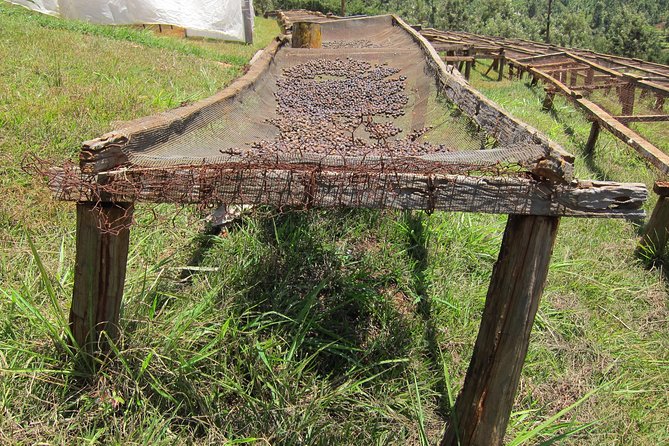
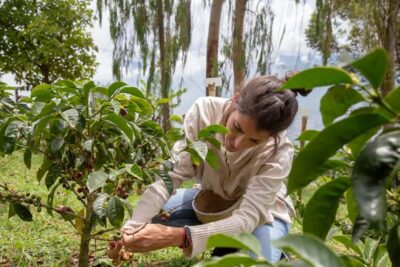
At the estate, the visit starts with coffee in its growing stage. You walk through the plantation and learn about the different types of coffee beans and the way the crop is cultivated before harvesting.
This part is especially useful if you usually think about coffee only in terms of roast and flavor. The tour connects the final taste to the plant, the fruit, and the work done before the beans reach the factory. One account describes seeing coffee trees and harvesting activity, which adds a practical touch to the explanation.
Expect a walking visit rather than a purely indoor presentation. The exact amount of walking is not specified, but the farm portion takes place outdoors. Wear shoes suitable for a short walk over estate paths, and bring protection from sun or light rain if needed. The supplied details do not promise a particular weather arrangement, so a small amount of preparation is sensible.
The grounds are also a pleasant part of the experience for people who do not drink much coffee. You still get a look at rural production close to a major African capital, and the visit offers fresh air and a change from city streets.
From cherry to bean, one step at a time
The strongest part of the tour is the explanation of the production chain. You learn how coffee is harvested, graded, dried, processed, and roasted. Seeing these stages in order makes the final tasting more meaningful.
Grading is an important detail. It explains why coffees from the same broad region can be separated into different quality levels and why a tasting may include more than one grade. The tour also covers drying and processing, steps that are easy to overlook when coffee is sold as a polished, sealed product.
The factory portion helps turn an abstract process into something concrete. Instead of hearing only that coffee is roasted, you see that roasting is one stage within a longer sequence. The visit has also been described as covering the journey from growing to harvesting and then roasting, which gives you a useful farm-to-cup picture.
Guide quality matters here. Moses, Ann, Elvis, James, Obed, and others have been praised for explaining the process in an engaging way. The names are not a guarantee that you will receive a particular guide, but they show the kind of guide-led experience the operator aims to provide. If you care about a certain guide, you can ask when booking, though availability is not stated.
A few more coffee tours around Kenya worth a look
- Nairobi: Guided Coffee Farm Tour with Tastings
★ 5.0 · 24 reviews - Coffee farm tour, coffee roasting and tasting experience
★ 5.0 · 20 reviews - Private Half-Day Tour in Fairview Coffee Farm from Nairobi
★ 5.0 · 13 reviews - Day Tour to Fairview Coffee Estate From Nairobi
★ 4.9 · 8 reviews
The tasting is more than a caffeine stop
The tasting comes after the farm and factory explanations, which is the right order. You have just seen how coffee is grown and processed, so differences between roasts or grades have some context.
Coffee and snacks are included. The exact snack selection is not provided, but the tasting itself may include several coffees. One account describes tasting four grades, while other descriptions refer to different roasts and types of coffee. That gives you a chance to compare rather than simply receive one standard cup.
I would pay attention to how the coffee changes from one sample to the next. You can consider roast strength, aroma, bitterness, and smoothness, then connect those impressions to the production information from earlier in the tour. You do not need to be a coffee specialist. The point is to make the tasting approachable.
The tasting also works for mixed groups. Coffee enthusiasts get a closer look at Kenyan production, while less committed drinkers can still enjoy the farm visit and learn why coffee requires so many steps. The tour is described as suitable even for people who do not usually drink coffee, though the strongest appeal is clearly for anyone curious about the drink.
Guides who shape the experience
The guide is central to this outing. The production process has many stages, and a good explanation keeps the visit from becoming a list of unfamiliar terms.
Elvis has been described as funny and warm while explaining beans, the plantation, and coffee making. James has been praised for covering the full production process. Ann is noted for making the half-day visit clear and well organized, while Moses has been described as enthusiastic and well informed.
Obed appears in several accounts as friendly and helpful, and one visit also included Hottensia. A local estate guide named Irin has been praised alongside a driver-guide named Moses. These details suggest that your visit may involve both the transport operator and a guide based at the farm.
You should not assume a specific guide unless the provider confirms it. Still, the repeated praise for communication, punctuality, friendliness, and clear explanations is a good sign for an activity that depends heavily on personal presentation.
What the $98.50 price really buys
At $98.50 per person, this is not the cheapest way to spend a few hours in Nairobi. The value comes from the combination of private transport, hotel pickup and drop-off, a farm and factory visit, a guided explanation, bottled water, coffee, snacks, and included taxes as stated.
For one person or a small private party, avoiding a shared vehicle may justify part of the cost. You also save the trouble of arranging a taxi to an estate outside the city and finding your own way back. If you are traveling with family or friends, the private format may feel more worthwhile because the outing stays with your group.
There is one important pricing concern. The listed inclusions say all fees and taxes are covered, but one account reports a $30 farm fee that was not included in the paid amount. The information provided does not resolve whether this charge applies to every booking, a particular booking type, or an older arrangement. Ask the provider to confirm the full final price and whether estate admission is included.
Packaged farm coffee is not included. You may be able to buy coffee at the estate, and one account describes taking home a dark roast, but the supplied details only confirm that packaged coffee is an extra purchase. Bring a payment method if you want souvenirs, and treat any purchase as optional.
How long to allow for the visit
The general duration is listed as about two to three hours, while the estate itinerary describes four hours. That difference is worth taking seriously. The transfer, walking tour, factory explanation, and tasting can take more time than the shorter estimate suggests.
I would reserve at least half a day. That gives you room for the drive, the farm walk, the production explanation, and the tasting without rushing. If your booking confirmation gives a four-hour schedule, follow that longer estimate.
The experience is private, so your group may have more control over questions and pace than on a large group outing. The actual timing will still depend on pickup, traffic, and the estate program. Ask about the expected end time if you need to coordinate another activity.
Who will enjoy this tour most
This is an easy choice for coffee enthusiasts who want to understand Kenyan coffee beyond the label. The chance to compare several grades or roasts adds real value for anyone who enjoys tasting differences and asking how a coffee was produced.
It also suits first-time visitors who want a short outing beyond Nairobi’s central sights. The estate offers a rural setting close to the city, and the transfer keeps the logistics manageable. Families and small groups may appreciate the private format, especially when different people in the group have different interests.
You do not need specialist coffee knowledge. The guides explain the process from the beginning, and the tasting is structured around what you have just seen. If you dislike coffee or do not want to spend time on farming and processing, the visit may feel less rewarding, although the setting and cultural context still offer something.
The tour may be less suitable if you want a long, hands-on farming session or a detailed specialist course in roasting. The available description focuses on walking, explanation, factory viewing, and tasting. It does not promise harvesting participation, a roasting lesson, or a formal certification.
Practical advice before you book
Confirm the total cost, especially the possible $30 estate charge. Also ask whether your booking includes the estate admission in writing, since the pricing details are not fully consistent.
Expect hotel pickup and return, but give the operator your exact accommodation information. Keep some flexibility around the stated two to three hours because the itinerary may run to four hours.
Wear comfortable walking shoes and clothing suitable for an outdoor estate visit. Bottled water is included, as are coffee and snacks, but you may want your own water if you prefer to drink more during the outing.
If buying packaged coffee matters to you, plan for that separately. Farm coffee is not included in the tour price, and the supplied details do not specify the cost or payment method for purchases.
Cancellation is free when you cancel at least 24 hours before the local start time. Cancellations or changes made less than 24 hours ahead are not refunded or accepted, according to the stated policy.
Should you book the Nairobi coffee tour?
Book it if you want a private, well-organized half-day outing that connects Kenyan coffee to the land, the workers, the factory, and the cup. The combination of hotel transport, an estate walk, a full production explanation, and a multi-coffee tasting gives you more substance than a simple café stop.
I would be especially inclined to book if you have limited time in Nairobi, enjoy coffee, or want a quieter country setting close to the city. The strong praise for guides such as Moses, Ann, Elvis, James, and Obed adds confidence that the explanations will be friendly and useful.
Before committing, settle the duration and the possible estate fee. Once those points are clear, the tour offers solid value for a private experience, particularly for a small group that wants an easy introduction to one of Kenya’s best-known agricultural products.
FAQ
Where does the coffee tour take place?
The visit takes place at Fairview Coffee Estate, about 20 minutes from Nairobi’s city center.
How long does the experience last?
The general duration is listed as approximately two to three hours. The estate itinerary also describes a four-hour visit, so you should allow at least half a day.
Is hotel pickup included?
Yes. Hotel pickup and drop-off are included, along with private transportation.
Is this a private tour?
Yes. Only you and your party participate in the activity.
What will I see at the coffee estate?
You will walk through the coffee plantation and learn about growing, harvesting, grading, drying, processing, and roasting.
Is coffee tasting included?
Yes. Coffee and snacks are included, and the tasting may feature different grades or roasts.
Is packaged farm coffee included?
No. Packaged coffee for sale is not included in the tour price.
Can I cancel for a full refund?
Yes, if you cancel at least 24 hours before the experience start time. Cancellations or changes made less than 24 hours in advance are not refunded or accepted.
Just added around Kenya
- Private Half-Day Tour in Fairview Coffee Farm from Nairobi★ 5.0 · 13 reviews
- Fairview Estate Coffee Farm Tour With Pick up★ 5.0 · 2 reviews
- Coffee Farm Half-Day Tour in Kenya★ 3.0 · 2 reviews
- Coffee Farm Tour (Fairview)★ 5.0 · 4 reviews
- Private Tour to Fairview Coffee Farm in Nairobi with Pickup★ 5.0 · 2 reviews
- Coffee farm tour, coffee roasting and tasting experience★ 5.0 · 20 reviews
- Nairobi: Beads Factory Tour with Pickup & Coffee★ 5.0 · 7 reviews
- Fairview Coffee Farm Day Tour in Nairobi with Pickup★ 4.6 · 3 reviews
Coffee Farm Tours, compared.
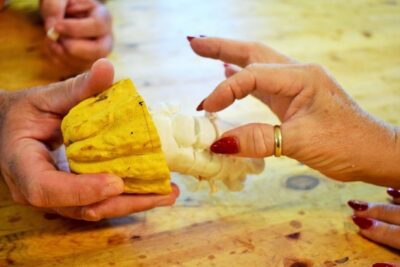
Award Winning Farm Tour: Coffee, Chocolate and Unique Gifts
Read our review →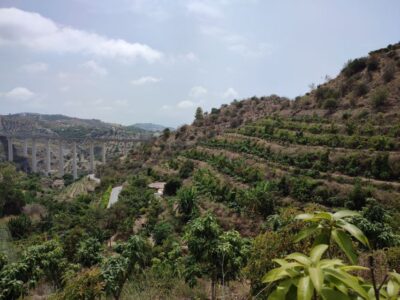
La Herradura Coffee Farm: tour in Europe’s only plantation
Read our review →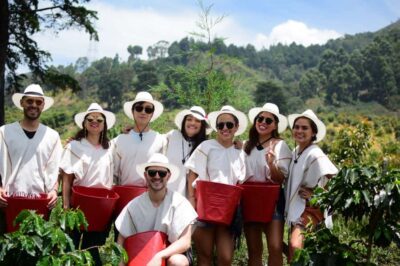
Medellín Coffee Farm Tour with Trolley and Cable Car Ride
Read our review →
Private Cocora Valley, Salento & Coffee Farm Tour
Read our review →
Liamuiga Natural Farm Tour – St.Kitts’ Coffee Farm
Read our review →
Horseback Riding Coffee Farm Tour with Coffee Spa
Read our review →Browse the lists this tour appears in