
Review · HO CHI MINH CITY
Saigon Unseen: Culture, Coffee, & Hidden Gems Motorbike Tour
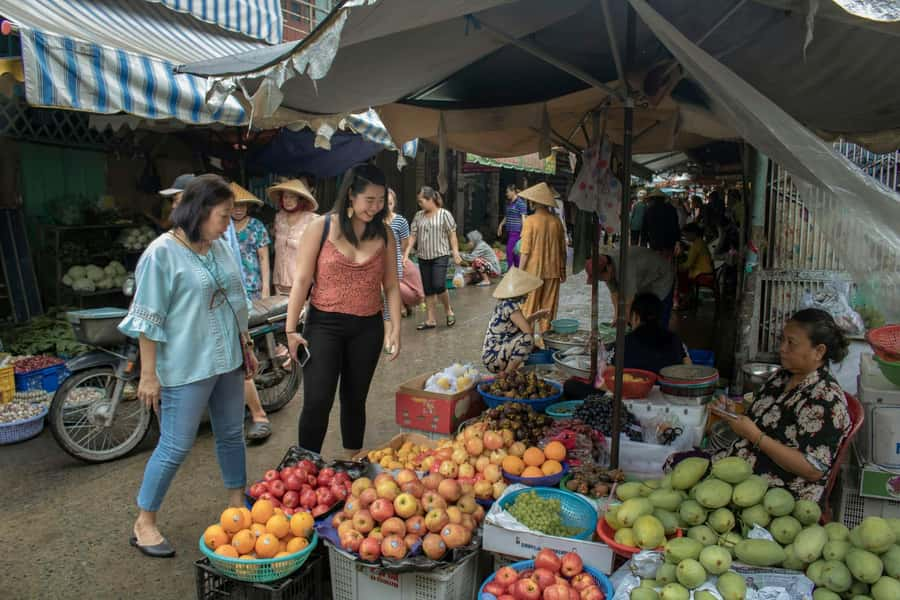
Saigon reveals itself fastest from the back of a scooter. This four-hour ride moves from the pink French-colonial façade of Tan Dinh Church to old alleys, communist-era neighborhoods, a temple packed with Buddha figures, and the busy lanes of Chợ Lớn. You get the city’s famous traffic, street life, and sharp contrasts without spending the whole day inside a car.
I like the mix of serious history and ordinary city life, especially the Thich Quang Duc Monument and the visit to an 80-year-old family café. I also like the private format. Guides such as Eli, Kim, Den, Sang, Emmy, Hani, and Soli have been praised for clear English, patient driving, and adjusting the route to a guest’s interests.
The main consideration is the motorbike itself. Saigon traffic is intense, and you ride as a passenger rather than controlling the scooter. Rain can arrive quickly, although helmets and ponchos are supplied, and anyone nervous about two wheels should say so before setting off.
Key points to know before booking
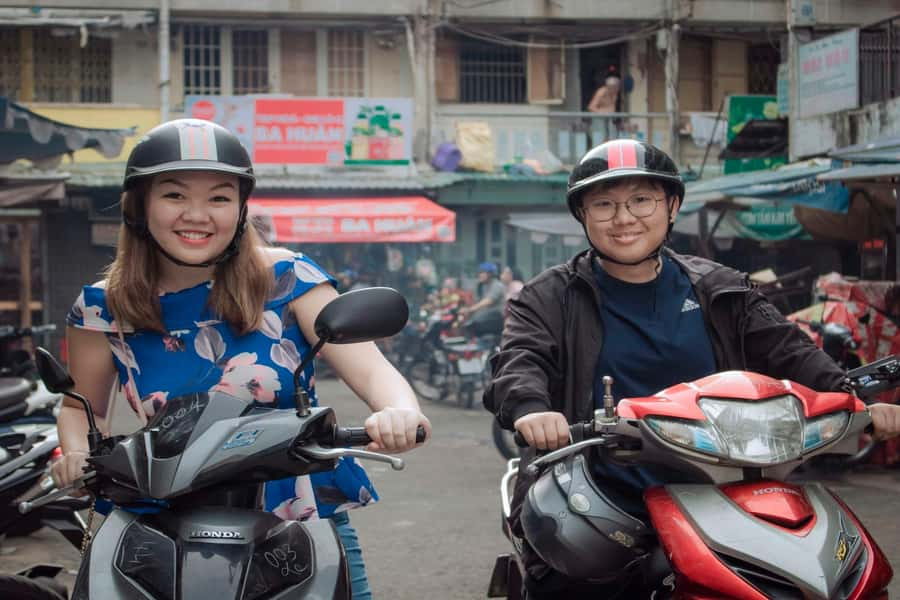
- Four hours on a local scooter: You cover far more ground than on foot and get a close view of daily Saigon life.
- A serious historical stop: The Thich Quang Duc Monument gives the ride emotional weight beyond sightseeing.
- Coffee in an old family café: The stop offers time to talk with your guide, not just gulp down a drink.
- A quieter Buddhist visit: Ten Thousand Buddhas Monastery brings a calm pause after the traffic and alleys.
- Private and flexible: Pickup is available in Districts 1, 3, and 4, with drop-off in those districts or another chosen location.
- Good value at $34: The price covers a private group, scooter transport, English-speaking drivers and guides, safety gear, a drink, and accident insurance.
Why a scooter is the right way to see Saigon
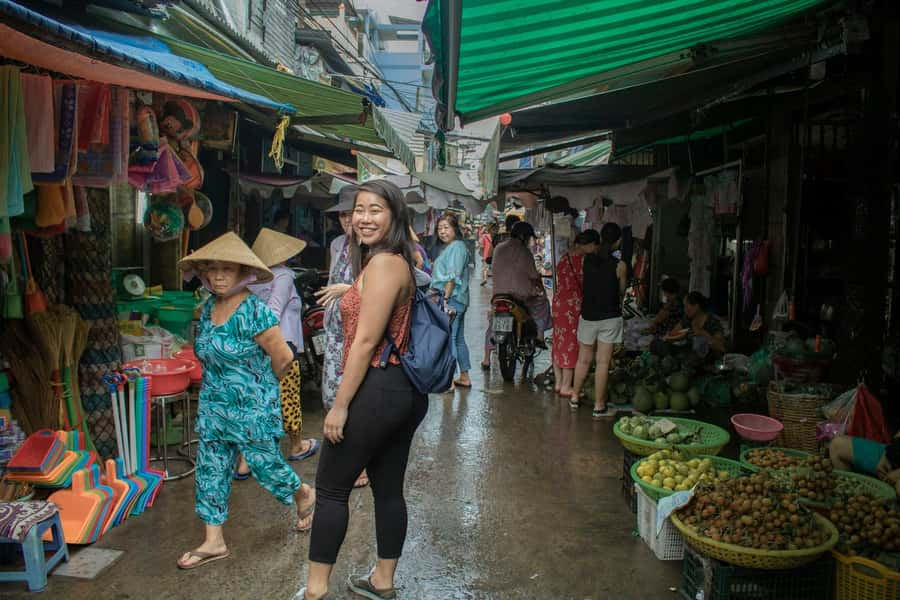
Saigon is spread across districts that can feel disconnected when you walk from one landmark to the next. A scooter solves that problem. In four hours, you can move from a church in District 3 to Chinatown, with alleys, markets, temples, and the river between them.
You sit behind a local driver while your guide explains what you are seeing. That gives you a moving view of the city: shopfronts, narrow lanes, old housing areas, motorbikes filtering through traffic, and newer development beside older neighborhoods.
The private group setup matters. You are not tied to a large bus or a fixed script. Den, for example, adjusted one solo guest’s route to include the old post office, a temple, a flower market, coffee, and lunch. The advertised stops can therefore act as a framework rather than a rigid checklist, although you should confirm any major changes when booking.
Safety is the practical question. Some riders, including one guest who was nervous about motorbikes, found the drivers patient and reassuring. Helmets, rain ponchos, and accident insurance are included. Still, this is a real road experience in a city known for dense traffic, not a quiet scenic ride. If you dislike scooters, a walking or car-based tour may suit you better.
A few more coffee tours around Ho Chi Minh City worth a look
- Egg coffee & Course on 4 traditional types of Viet coffee
★ 4.9 · 487 reviews - Fun & Easy Vietnamese Coffee Workshop in Hồ Chí Minh City
★ 5.0 · 293 reviews - Vietnamese Coffee & Culture Exploration in Hồ Chí Minh City
★ 5.0 · 202 reviews
Tan Dinh Church, Saigon’s pink starting point
Tan Dinh Church is an easy place to begin. Its bright pink exterior and French-colonial design make it immediately recognizable, but the guide adds the useful local context: this is not just a colorful photo stop. It remains part of Catholic life in the city.
The stop is short enough to keep the tour moving, yet it gives you an early look at Saigon’s layered character. European architecture, Vietnamese religious life, dense urban streets, and motorbike traffic all meet within a small area.
I would treat the church as a visual introduction rather than the main event. The tour’s value comes from the transition that follows, when you leave familiar postcard sights and start seeing neighborhoods that are harder to reach on your own.
The Thich Quang Duc Monument and a difficult chapter
The Thich Quang Duc Monument honors the Buddhist monk whose 1963 self-immolation became one of the defining political images of modern Vietnamese history. The site is striking, but it is not light sightseeing. Your guide explains the event and its wider meaning, giving you a more serious understanding of the country’s past.
This is one of the strongest stops because the story is tied to a specific place. You are not hearing a general lecture in a museum. You are standing at a monument in the middle of present-day Saigon, with the city carrying on around you.
Allow yourself time to listen. The tour description assigns about 30 minutes here, enough for a guided explanation and questions. If you prefer tours that stay cheerful and purely scenic, this section may feel heavy. I see that as a benefit, provided you are ready for history that asks for attention.
Back alleys and old working neighborhoods
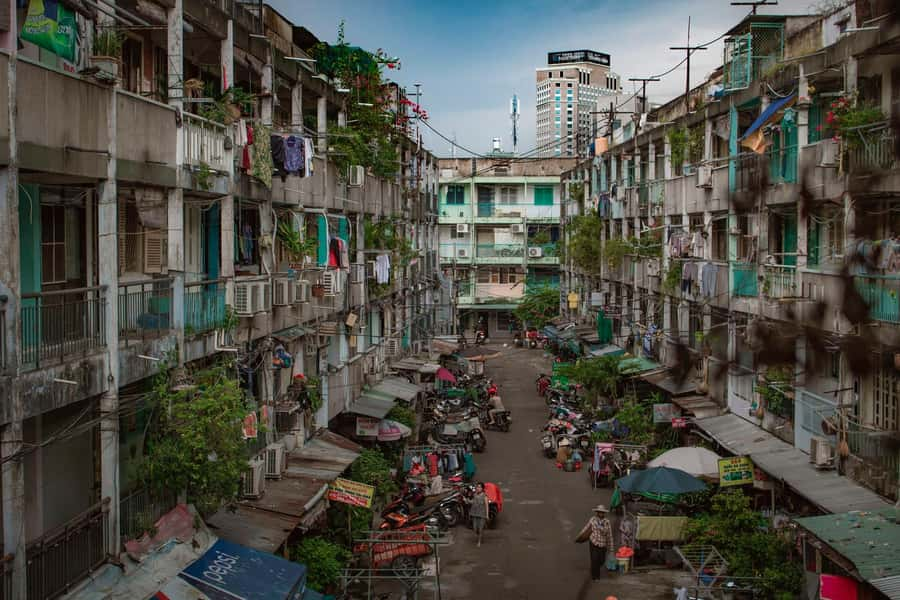
After the monument, the route turns toward less polished parts of the city. You pass through old ghettos and slum areas, where the guide talks about daily life and the contrast between modern Saigon and older housing communities.
The language used to describe these neighborhoods can sound blunt, so keep in mind that the point is not poverty tourism. The useful part is the local explanation: how people live, how crowded areas fit into a fast-changing city, and what remains outside the usual sightseeing circuit.
This section is best for people who want context, not just photographs. You may see streets that feel narrow, improvised, or rough around the edges. That is precisely why a local guide matters. Without one, you could pass through and make quick assumptions. With one, you have a chance to ask respectful questions and understand the area as part of a larger city.
Same place, a different way to drink it:
- Decadent Vietnamese “Egg Coffee” Workshop in Hồ Chí Minh City
★ 5.0 · 150 reviews - Ho Chi Minh City: Fun and Easy Coffee Workshop for Beginners
★ 4.9 · 121 reviews - Techniques & Secrets Behind the Famed Vietnamese Egg Coffee
★ 5.0 · 99 reviews - 1 hour Egg Coffee Cooking Class with Snack and Local Instructor
★ 5.0 · 72 reviews
Coffee at an 80-year-old family café
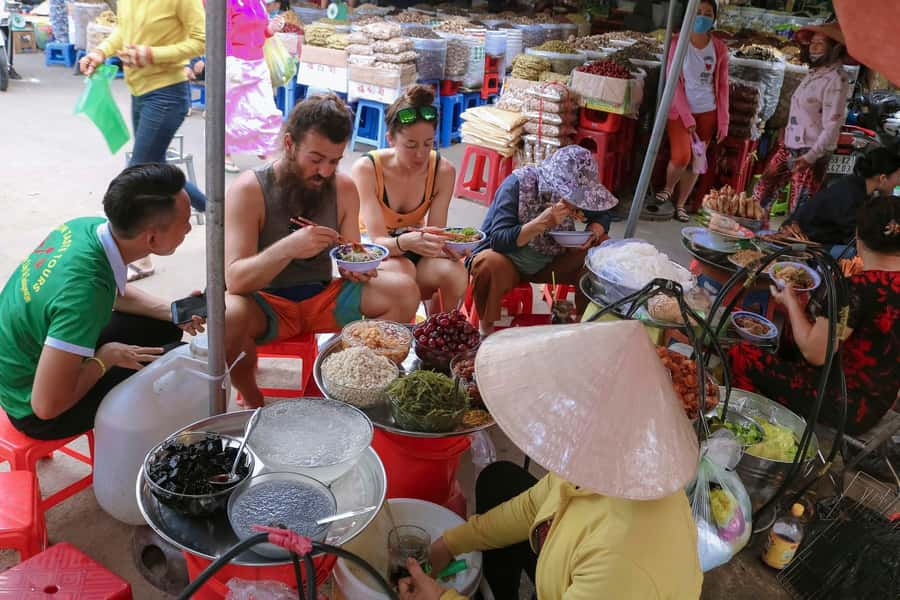
Vietnamese coffee is a major part of everyday life, and this stop gives it a setting with real continuity. The café is described as an 80-year-old family-run business, a useful counterpoint to newer cafés designed mainly for visitors.
Expect strong Vietnamese coffee and time to sit with your guide. That conversation is part of the experience. Guides such as Den and Eli have been praised for easy conversation, clear English, and openness to questions about life in Vietnam, not only formal history.
The coffee stop is scheduled for about 30 minutes. That sounds brief, but it is enough to recharge and compare notes before getting back on the scooter. If you want to try extra drinks, food, or snacks, bring some Vietnamese dong or another payment method. The tour includes either sugarcane juice or bottled water, while additional food and drinks are paid for separately. Since the route includes a coffee tasting, ask at booking exactly what drink is included.
Ten Thousand Buddhas Monastery
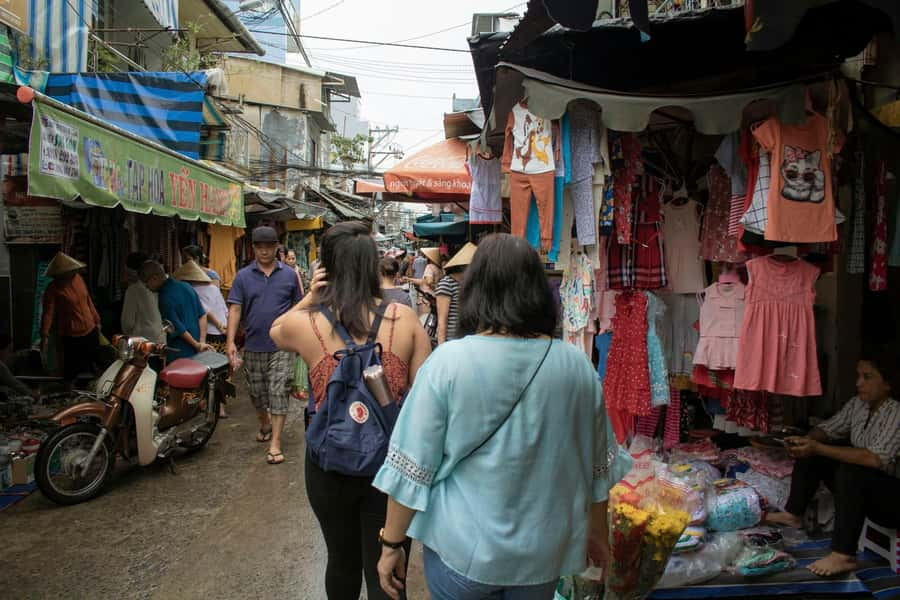
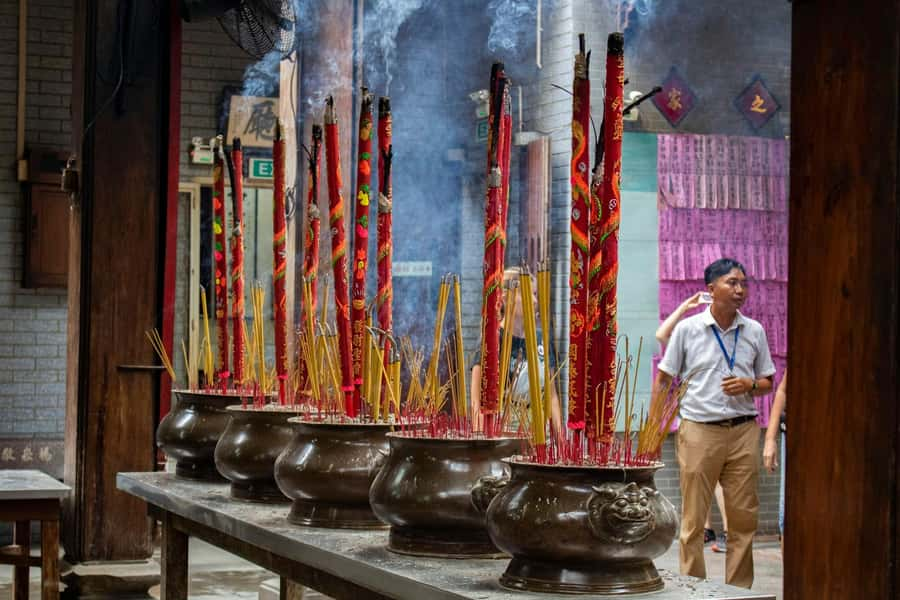
The monastery provides a sharp change of pace. Instead of traffic, engines, and crowded lanes, you enter a Buddhist religious setting filled with thousands of Buddha statues.
The scale is the point. You are not stopping for one statue and leaving after a quick photograph. The many figures create an unusual visual effect and make this one of the tour’s more memorable places. Your guide explains the site, while you get time to take in the quieter atmosphere.
Dress and behave respectfully at the monastery. The supplied information does not set out a formal dress code, so the safest approach is modest clothing and a low voice. This is an active religious place, not simply a decorative attraction.
For me, the monastery also gives the four-hour route a needed rhythm. Saigon can be loud and crowded for long stretches. A calm spiritual stop helps the rest of the city feel more vivid without turning the whole tour into a rush from one photo stop to another.
Chinatown, Bình Tây Market, and Chợ Lớn
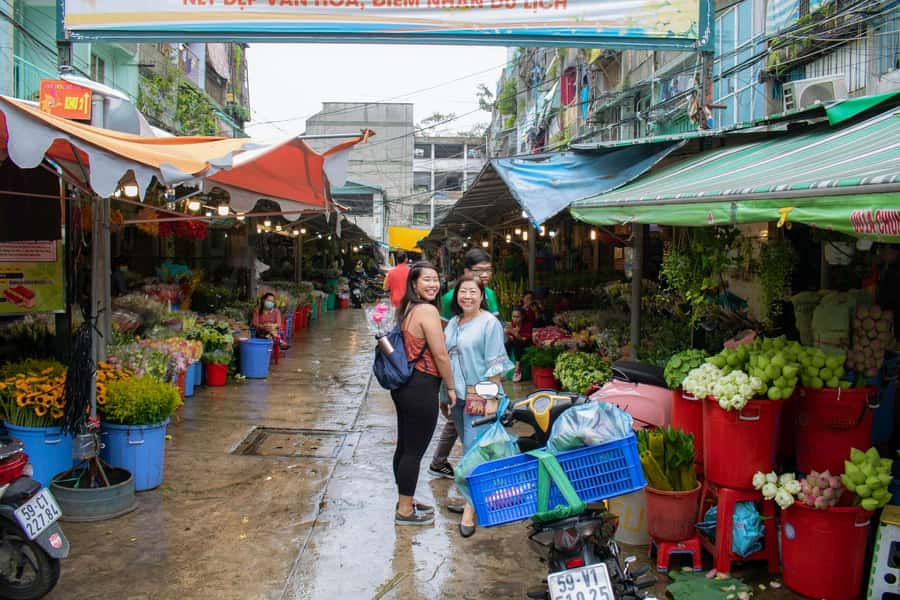
The ride then reaches Chợ Lớn, Saigon’s Chinatown. This is one of the best sections for seeing commerce and local religious life side by side.
The route includes traditional medicine shops, markets, temples, and colonial-era buildings. At Bình Tây Market, you have time to walk, look around, and take in the trading atmosphere. The market is a practical place, not a polished cultural display, so expect goods, movement, and close quarters.
The Chinese-Vietnamese character of Chợ Lớn gives the tour another layer. You are not just seeing a different market district. You are seeing a part of Saigon shaped by a distinct community, with its own temples, businesses, and food traditions.
Bring patience here. Markets can be crowded, and the 30-minute schedule gives you a taste rather than a full shopping session. If you want to buy something, decide quickly and keep your belongings secure. The guide can help you understand what you are seeing, but this is not designed as a long shopping tour.
The Saigon River finish
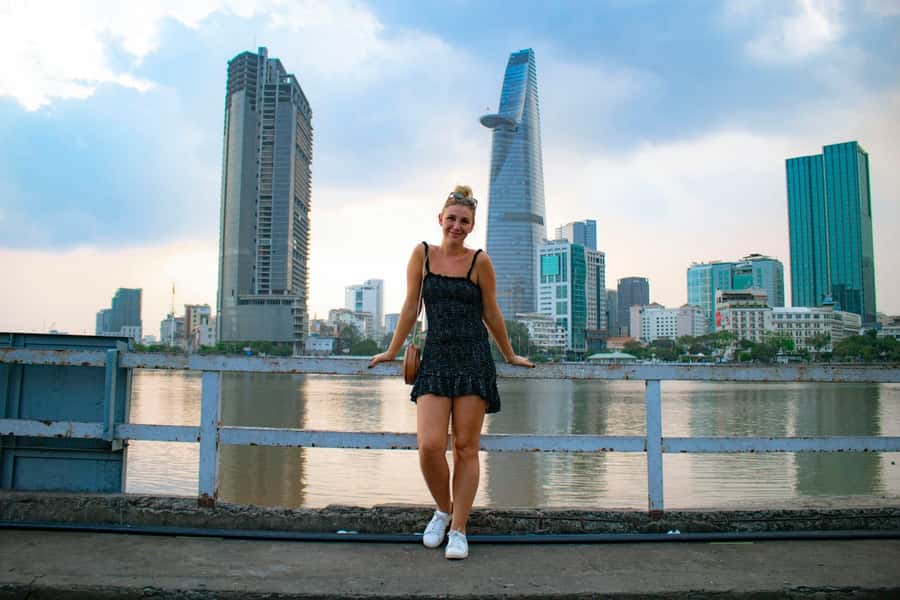
The final ride heads toward the Saigon River. After the tight lanes of the market and the noise of the road, the open air feels welcome. You get a cool breeze, time for photographs, and a chance to think back over the route.
This is a good ending because it changes the pace again. The tour begins with architecture and history, moves through neighborhoods and religious sites, reaches Chinatown, then finishes with space and water. It does not leave you in the middle of a market with no time to pause.
The viewpoint section lasts about 30 minutes and includes sightseeing and the bike ride. Drop-off is available in Districts 1, 3, and 4, or at a location of your choice. That makes the end useful if you have dinner plans or another appointment, though you should confirm the exact drop-off address with the operator.
What $34 gets you
At $34 per person, this is strong value if you want both transport and guiding. The four-hour private format means you are paying for a local driver, an English-speaking guide, scooter use, helmet, rain poncho, accident insurance, and a supplied drink.
A comparable self-guided day would involve arranging transport between scattered districts, finding the right alleys, locating the monastery, and working out the historical context yourself. You might spend less on individual rides, but you would lose the local explanation and the convenience of moving directly from one stop to the next.
The price does not cover every food, drink, or snack you may want. Budget extra for anything beyond the supplied sugarcane juice or bottled water. The café stop is central to the route, so clarify whether the coffee is included in your booking.
The private format is especially good value for solo guests or couples who want conversation and flexibility. Larger groups should confirm how many scooters and guides will be assigned. The information describes the experience as a private group, but it does not give a maximum group size.
Who will enjoy this ride most
I would choose this tour if you want to understand Saigon through neighborhoods rather than only major landmarks. It suits first-time visitors who want a fast orientation, repeat visitors looking for a different side of the city, and solo guests who appreciate a route shaped around their interests.
It is also a good fit if you are curious about Vietnamese coffee, Buddhist practice, Chinatown, and twentieth-century history. The guides have been praised for easy conversation and for sharing something of their own lives, including young local guides who are also students.
You should think twice if you are uncomfortable as a scooter passenger, dislike traffic, or want a slow walking tour with long stops. Four hours passes quickly, and the route covers a lot. The strength is range, not extended time at every site.
Rain does not necessarily cancel the experience. Ponchos are supplied, and one ride continued through wet weather. Still, rain may affect comfort, photographs, and the feel of the route. Wear clothes that can handle road spray and check the forecast before you leave.
Booking details that matter
Pickup is included for hotels in Districts 1, 3, and 4. If you are staying outside those districts, the stated meeting point is the Saigon Opera House in District 1. Look for the Saigon Taste Tours uniform and helmets carrying the company logo.
The tour is offered in English with a live local guide. Starting times depend on availability, so check the schedule before paying. You can reserve now and pay later, and cancellation is free up to 24 hours in advance for a full refund.
Wear comfortable clothing and secure shoes. The provided information does not specify luggage storage, child policies, or accessibility arrangements, so ask directly if any of those details affect your plans.
Should you book Saigon Unseen?
Book it if you want a local, moving view of Saigon and are happy to ride through real traffic. The best parts are the range of the route, the serious stop at the Thich Quang Duc Monument, the old café, and the chance to talk with guides such as Eli, Kim, Den, or Sang rather than simply follow a flag.
Skip it if motorbikes make you anxious enough to spoil the day, or if you want a carefully paced tour focused only on famous buildings. At $34, the combination of private transport, guiding, safety gear, and unusual stops is compelling. Just come prepared for a busy road, a quick pace, and a city that is much less tidy and much more interesting than its postcard view.
FAQ
Where does the tour pick me up?
Pickup is available at hotels in Districts 1, 3, and 4. If you stay outside these districts, the meeting point is the Saigon Opera House in District 1.
Where does the tour finish?
Drop-off is available in Districts 1, 3, and 4, or at another location of your choice.
How long does the experience last?
The tour lasts four hours. Check availability for current starting times.
Is the tour private?
Yes. The experience is offered as a private group tour.
What language does the guide speak?
The live guide service is provided in English.
Is motorbike transport included?
Yes. Scooters, drivers, helmets, and rain ponchos are included.
What drink is included?
The tour includes either sugarcane juice or bottled water. Additional food, drinks, and snacks are paid for separately.
Can I cancel for a full refund?
You can cancel up to 24 hours in advance for a full refund.
Do I have to pay when I book?
No. The reserve-now, pay-later option lets you book without paying immediately.
Just added around Ho Chi Minh City
- Ho Chi Minh Best Walking Tour: Food, Coffee & History★ 5.0 · 19 reviews
- Sai Gon Special Coffee At Landmark 81 & Street Food tour★ 5.0 · 3 reviews
- Saigon Special Night Coffee Landmark 81 & Food Tour★ 5.0 · 2 reviews
- Tea & Coffee Experience★ 5.0 · 10 reviews
- Hands-on making 3 Iconic Coffees of South Central North Vietnam★ 5.0 · 14 reviews
- Mastering Egg Coffee-Course on 4 traditional types of Viet coffee★ 5.0 · 16 reviews
- Private Ho Chi Minh City Tour from Port & Vietnamese Egg Coffee★ 5.0 · 6 reviews
- [Free E-sim] Half day Instagram Cafe Tour in Ho Chi Minh★ 4.5 · 8 reviews
Ho Chi Minh City Coffee Tours, compared.
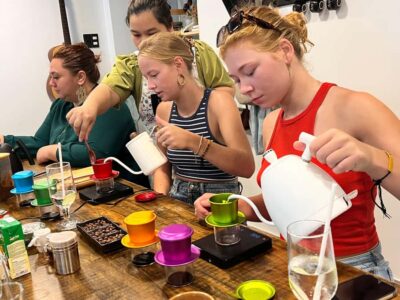
Egg coffee & Course on 4 traditional types of Viet coffee
Read our review →
Fun & Easy Vietnamese Coffee Workshop in Hồ Chí Minh City
Read our review →
Vietnamese Coffee & Culture Exploration in Hồ Chí Minh City
Read our review →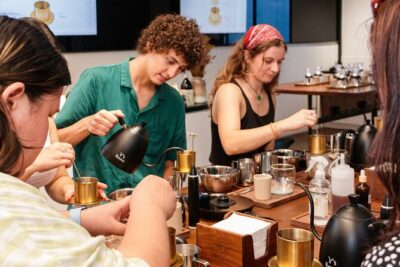
Decadent Vietnamese “Egg Coffee” Workshop in Hồ Chí Minh City
Read our review →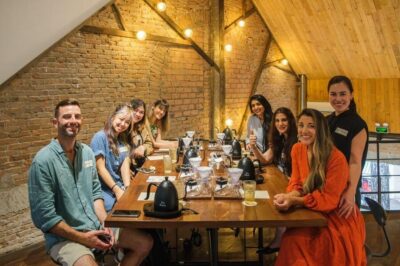

Techniques & Secrets Behind the Famed Vietnamese Egg Coffee
Read our review →
1 hour Egg Coffee Cooking Class with Snack and Local Instructor
Read our review →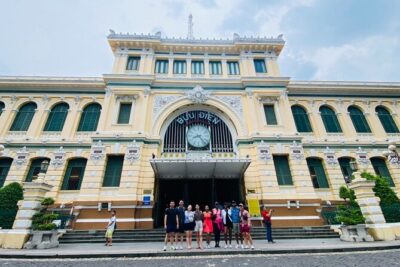
Saigon Unseen: Culture, Coffee, Hidden Spots Motorbike Adventure
Read our review →Browse the lists this tour appears in