
Review · HANOI
Hanoi Coffee Experience: 6 Brews, 9 Recipes & 3 Liquor Tastings
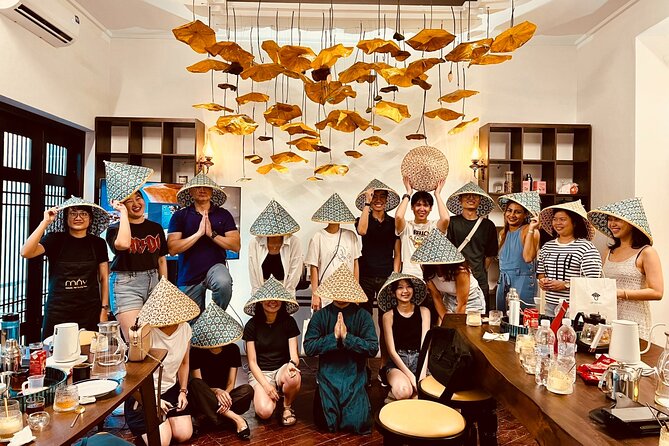
Vietnamese coffee is much more than strong coffee poured over ice. In this three-hour class, you learn how beans, roasting, condensed milk, egg cream, coconut, local wine, and even fruit liquor fit into Hanoi’s coffee culture. The work takes place in a quiet Indochine-style villa, not a busy café.
I like the hands-on format, where you make the drinks instead of simply watching someone else. I also like the range: classic phin coffee sits beside egg coffee, coconut coffee, pour-over, and a coffee cocktail with jam and local wine. The main caution is simple: six coffee styles, plus liquor tastings, is a lot. Eat first, and expect the servings to be paced.
- Six Vietnamese coffee styles: Make phin coffee, coffee with condensed milk, egg coffee, coconut coffee, pour-over, and a signature coffee cocktail.
- Coffee culture with useful context: Learn how coffee arrived in Vietnam, how it grows, and how roasting and brewing affect the cup.
- Small-group teaching: The usual maximum is 15 people, with larger groups possible by arrangement.
- Several experienced instructors: Pa, Piey, Maxie, Trung, Stuart, and Vanessa are among the teachers named in the experience information.
- Local drinks beyond coffee: Taste several homemade Vietnamese fruit liquors during the session.
- Good value at $17: The price includes the workshop, drinks, snacks, equipment, water, pastries, and a cultural presentation.
Why This Hanoi Coffee Class Is More Than a Café Stop
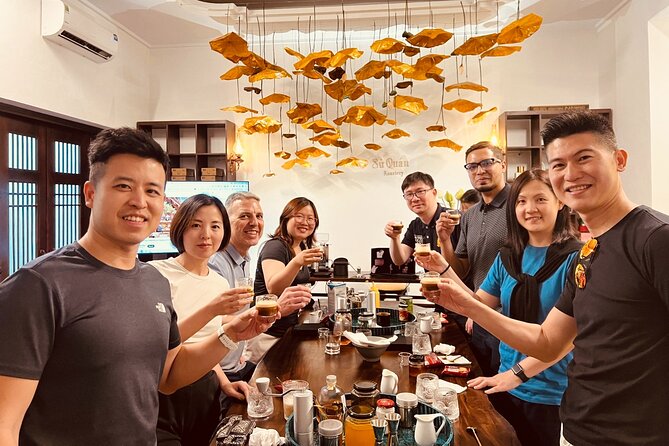
Hanoi is a fine city for drinking coffee, but a café visit usually gives you only one cup and little explanation. This workshop gives you the tools and the background to understand why Vietnamese coffee tastes the way it does.
You begin with coffee culture and production. The instructor explains how coffee came to Vietnam, where it grows, how beans differ, and how roasting changes the final drink. You also look at brewing tools, including the small metal phin filter that gives Vietnamese coffee its slow, concentrated character.
I like this opening because it gives the drinks some context. Egg coffee is not just a sweet novelty, and iced coffee with condensed milk is not simply a stronger version of an iced latte. Each style reflects local ingredients, available equipment, and the way coffee became part of daily life.
The teachers come from different parts of the coffee world. The workshop is led by a certified trainer who has coached head baristas at five-star hotels and restaurants. It is also connected with Sử Quán Roastery, whose work focuses on preserving stories about Vietnamese coffee that are easily lost in a fast-changing city.
The tone appears to be friendly rather than formal. Pa, Piey, Maxie, Trung, Stuart, and Vanessa are all named as instructors in the experience information, so your teacher may vary by date. Pa and Piey are especially noted for clear explanations, warm energy, and good group interaction. Maxie brings humor and a cocktail twist, while Stuart is described as keeping a steady pace with plenty of jokes.
Inside the Indochine-Style Villa
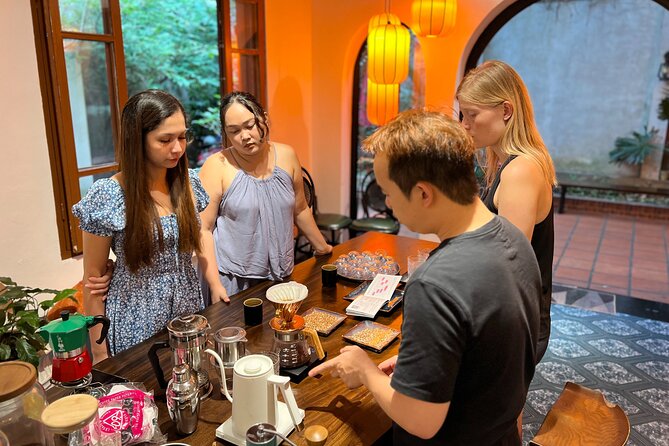
The workshop begins in a quiet alley at an Indochine-style villa. That setting matters. Hanoi’s Old Quarter can be loud, crowded, and full of motorbikes, so stepping into an air-conditioned room and garden gives you a useful pause from the city.
The meeting point is listed in the Old Quarter area of Hoàn Kiếm. The villa itself may be a little farther away, and pickup from the Old Quarter is offered. If you choose pickup, confirm the details before the session. The pickup service can be useful if you do not want to find an unfamiliar alley on your own.
The room is air-conditioned, which is welcome during Hanoi’s hotter months. You receive a complimentary herbal drink when you arrive, along with mineral water during the workshop. A local snack is also included, and pastries are served with the coffee you prepare.
There is a garden setting for enjoying the finished drinks. This gives the class a relaxed rhythm rather than a rush from one recipe to the next. The workshop can host up to 100 people for special arrangements, but the standard maximum is 15. That smaller format should give you a better chance to take part, ask questions, and handle the brewing equipment yourself.
More Coffee Tastings in Vietnam
- Hanoi: Hands-On 5 Vietnamese Coffees & 3 Local Wines Tasting
★ 5.0 · 14 reviews - Hanoi Street Food, Coffee Tastings, Alleys Walking Tour
★ 5.0 · 3 reviews - Da Nang Cooking Class with Coffee Tasting and Market Visit
★ 5.0 · 310 reviews
The Coffee Story Comes Before the First Brew
The first teaching section covers the basic path from bean to cup. You learn about coffee growing in Vietnam, different beans, roast levels, brewing tools, and signs of authentic, well-made coffee.
This part is especially useful if you plan to buy coffee during your stay. Hanoi has plenty of coffee shops and roasters, but not every bag tells you much about its origin or roast. Understanding the basics helps you ask better questions and avoid choosing coffee based only on attractive packaging.
The workshop has a connection to a Da Lat coffee farm, where families have cared for their land for generations. Part of the experience supports children’s education there. That gives the class a small social purpose without turning it into a charity presentation.
The historical section is not presented as a long lecture. It leads into the practical work. You learn why Vietnam developed such a distinctive coffee culture and then see how that culture appears in the cup.
Making Phin Coffee and Condensed Milk Coffee
The phin is the best place to begin. This small metal filter sits directly over the cup and lets hot water pass slowly through the coffee. It is simple, portable, and closely tied to Vietnamese café life.
You learn how to set up the filter and control the brew. The result is concentrated and often intense, especially for people used to lighter coffee. The pace is slow enough to watch the coffee drip, which is part of the pleasure.
The classic iced coffee with condensed milk follows naturally. The condensed milk adds sweetness and body to the strong brew. This is one of the drinks you are most likely to encounter around Hanoi, so making it yourself gives you a practical skill you can repeat after the trip.
You can also take the recipes home. One useful point from the class format is that the instructions are shared, including recipes for drinks that may not be made during your particular session. Salt coffee, for example, may be explained and provided as a recipe even if it is not prepared in the class that day.
Egg Coffee, Coconut Coffee, and the Sweet Side of Hanoi
Egg coffee is the drink many people associate most strongly with Hanoi. It uses a creamy egg mixture to soften the force of the coffee, creating a dessert-like drink with a thick texture.
The class shows you how the ingredients come together and explains the cultural background of the style. This is more useful than simply ordering a cup and wondering how the foam stays on top.
Coconut coffee offers a different flavor. It pairs coffee with coconut and gives you a colder, rounder drink than the phin coffee. One instructor specifically highlights it as a favorite part of the class, and it makes a good contrast with the darker, stronger traditional brews.
These drinks are sweet. If you prefer black coffee, you may find the egg and coconut versions more like desserts than morning coffee. That is not a flaw, but it is worth knowing before you book. The workshop is designed to show the range of Vietnamese coffee, not to focus only on unsweetened brewing.
More Coffee Tastings in Hanoi:
- 4×4 Dominican Adventure with Chocolate and Coffee Tasting
★ 5.0 · 2,920 reviews - 4×4 ATV Experience, Water Cave, Chocolate and Coffee Tasting
★ 5.0 · 1,430 reviews - Medellin: Coffee Tour with Transport, Snacks and Tastings
★ 4.7 · 1,357 reviews - Seattle Coffee Tour: Capitol Hill Cafes, Tastings & Local Stories
★ 5.0 · 489 reviews
Pour-Over and the Signature Coffee Cocktail
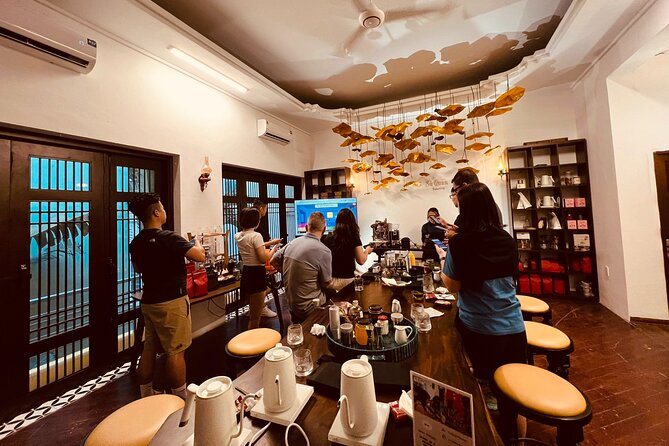
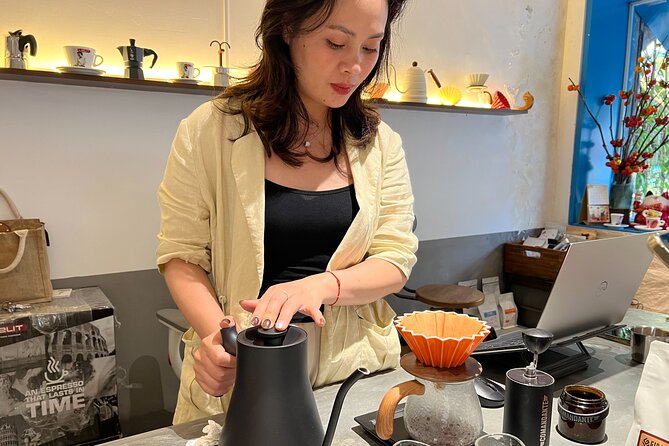
The pour-over section gives you a point of comparison. Unlike the phin, pour-over brewing usually puts more attention on water flow and extraction. Seeing both methods helps you understand how equipment changes the taste and texture of the same basic ingredient.
The final coffee style is a signature cocktail made with jam and local wine. This is where the workshop moves from traditional café drinks into a more playful modern creation. It has been described as a local take on an espresso martini, though the recipe uses Vietnamese ingredients and homemade spirits.
Several kinds of traditional homemade fruit liquor are included for tasting. These are part of the experience, not an open-ended drinking session, but you should keep them in mind if you are avoiding alcohol.
The combination of coffee and liquor makes this class less suitable for young children than a standard cultural demonstration. Older families can enjoy it, but the subject is coffee, and the drinks are served across several hours. You should also plan your afternoon carefully if you do not usually mix caffeine and alcohol.
Six Brews, Nine Recipes, and a Small Point of Confusion
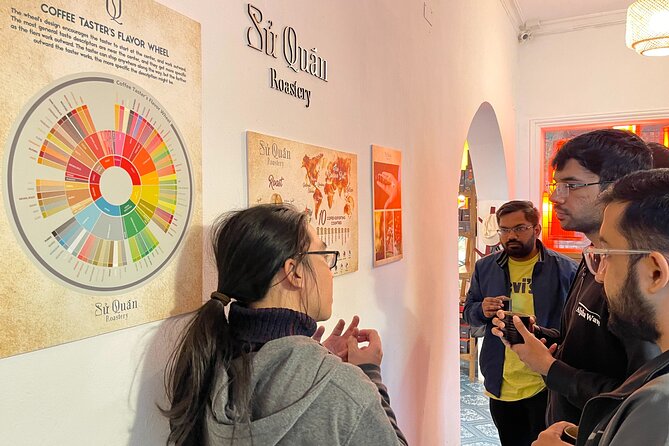
The experience is promoted around six brews and nine recipes. The named drinks are phin coffee, iced coffee with condensed milk, egg coffee, coconut coffee, pour-over, and the signature coffee cocktail.
Some session descriptions refer to five drinks rather than six. Salt coffee may be discussed but not prepared in every class, with the recipe sent afterward. This suggests that the exact mix can vary slightly depending on the class format or the day’s presentation.
I would not treat that as a reason to avoid the workshop, but I would keep it in mind if you are booking for one very specific drink. The main value is the broad introduction to Vietnamese coffee, not a guarantee that every possible recipe will be made in front of you.
You will also receive recipes to use at home. That matters more than it may seem. A class is a better purchase when it gives you something to repeat after your holiday, especially if you already own a phin or can find one easily.
How Much Coffee Is Too Much?
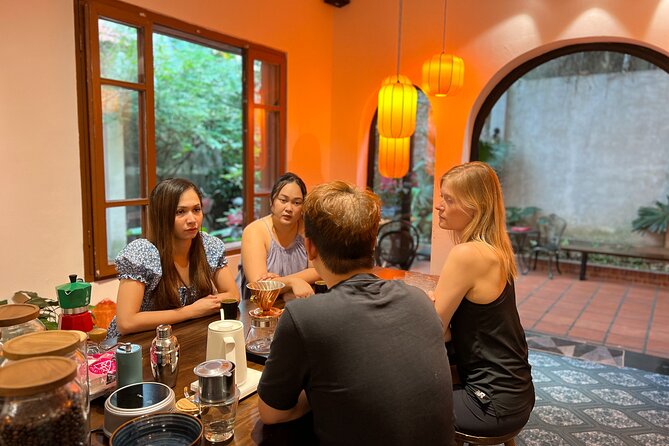
The warning to eat beforehand is important. You will taste many coffee drinks, even if each serving is modest. The drinks are paced so you can enjoy them without feeling rushed, but the total caffeine can still add up.
Have a light meal before you arrive. Do not arrive on an empty stomach simply because snacks are included. The local snack and pastries help, but they are not a replacement for lunch or breakfast.
Water is available throughout the session, and you can use the pauses between recipes to reset your palate. If you are sensitive to caffeine, ask the instructor about portion sizes at the start. The class is intended to be enjoyable, not a test of endurance.
The liquor tastings add another reason to pace yourself. You are sampling several homemade fruit spirits alongside a large amount of coffee, so moderation is sensible.
Price, Pickup, and What You Get for $17
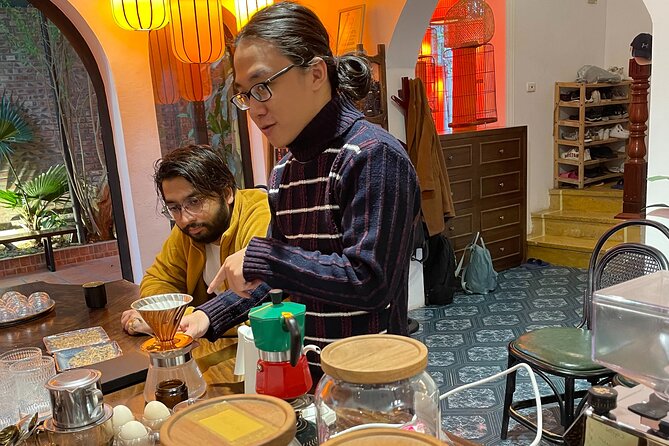
At $17 per person, this is a strong value if you like coffee or want a practical cultural activity in Hanoi. The price covers roughly three hours of instruction, six coffee styles, brewing equipment, a welcome drink, mineral water, local snacks, pastries, and liquor tastings.
You are not paying only for drinks. You are also paying for an English-speaking cultural guide, the use of a fully equipped workshop, and time to prepare the recipes yourself. A few café visits could cost less, but they would not give you the same instruction or the chance to learn the methods.
Pickup is offered, and the activity ends back at the meeting point. The class is near public transportation, though the villa can be a little away from the Old Quarter. Free luggage storage is available for up to three days, which may help if you have checked out and are between hotels.
Personal purchases and tips are not included. Coffee and accessories may be available to buy after class. One practical detail is that card payments may carry a 3 percent fee, so cash is useful if you plan to shop or leave a tip.
Who Should Book This Workshop?
I would recommend it most strongly to coffee drinkers, curious food lovers, couples, friends, and families with older children. It also works well on a rainy Hanoi day, when an indoor activity gives you a break from the streets without cutting you off from local culture.
You do not need to be an expert. The class begins with basic information and moves into hands-on brewing, so beginners can follow along. It is also suitable for people who have tried Vietnamese coffee but want to understand how the drinks are made.
Non-coffee drinkers can still enjoy the cultural stories, ingredients, and group setting, but coffee is the center of the experience. If you dislike sweet drinks, strong caffeine, or alcohol, you may find the three hours less appealing.
The maximum standard group size of 15 is another point in its favor. Larger private groups can be arranged, but a small class usually gives you more chances to handle the tools and ask questions.
Booking, Cancellation, and Practical Timing
You receive confirmation at booking. Free cancellation is available if you cancel at least 24 hours before the start time. Cancellations or changes made inside 24 hours are not refunded or accepted.
The experience requires a minimum number of people. If the provider cancels because that minimum is not met, you are offered another date or experience, or a full refund.
Allow about three hours for the workshop itself. If you want pickup, shopping, or time to find the villa, leave extra room in your Hanoi schedule. Since the session includes coffee, liquor, food, and conversation, it is better treated as a main activity rather than a quick stop between sightseeing visits.
Should You Book the Hanoi Coffee Experience?
Book it if you want more than a single egg coffee and prefer learning by doing. The best parts are the small-group format, the variety of recipes, the clear cultural background, and the chance to learn from instructors such as Pa, Piey, Maxie, Trung, or Stuart.
At $17, the package offers a lot: six advertised brews, nine recipes, several liquor tastings, snacks, pastries, equipment, and three hours of teaching. Just eat first, pace yourself, and remember that the exact coffee lineup may vary, with some recipes explained rather than prepared.
If you are curious about Vietnam’s coffee culture, this is an easy activity to fit into a Hanoi visit. If you are not a coffee drinker, choose it only if the stories, local ingredients, and hands-on format sound appealing enough to carry the day.
FAQ
How long does the Hanoi Coffee Experience last?
The workshop lasts approximately three hours.
How much does the experience cost?
The listed price is $17 per person.
Where does the workshop begin and end?
It starts in the Old Quarter area of Hoàn Kiếm, Hanoi, and ends back at the meeting point.
Is pickup available?
Yes. Pickup is offered, and the workshop location is also near public transportation.
How many people can join the standard class?
The standard maximum is 15 people. The villa can host larger groups, including groups of up to 100 by arrangement, and you should notify the provider if booking for more than 15.
Which coffee drinks will I make?
The advertised drinks are phin coffee, iced coffee with condensed milk, egg coffee, coconut coffee, pour-over, and a signature coffee cocktail with jam and local wine.
Are alcoholic drinks included?
Yes. The session includes several types of traditional Vietnamese homemade fruit liquor.
Should I eat before the workshop?
Yes. The experience includes a lot of coffee, so eating beforehand is recommended.
Can I cancel for a full refund?
Yes, if you cancel at least 24 hours before the experience start time. Cancellations made less than 24 hours in advance are not refunded.
Just added around Hanoi
- Vietnamese Coffee 101 Workshop★ 5.0 · 11 reviews
- Private tour: Hanoi city tour-Van Phuc silk village with egg coffee, lunch★ 5.0 · 2 reviews
- Hanoi 2.5 hour Guided Sightseeing Cyclo Tour & Egg Coffee Class★ 5.0 · 16 reviews
- Taste of Vietnam’s Coffee Scene – A Guided Experience★ 5.0 · 2 reviews
- Private Hà Nội Coffee History Tour★ 5.0 · 6 reviews
- hidden gems cafe – learn making coconut and egg coffee★ 5.0 · 2 reviews
- Hanoi daily egg coffee making course with local guide★ 5.0 · 17 reviews
- Hanoi Private And All Inclusive Coffee Lovers Tour in Vietnam★ 5.0 · 6 reviews
Coffee Tastings, compared.
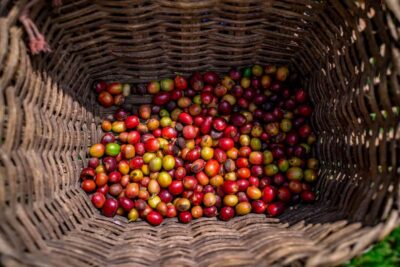
Coffee Tour with Transport, Snacks and Tastings
Read our review →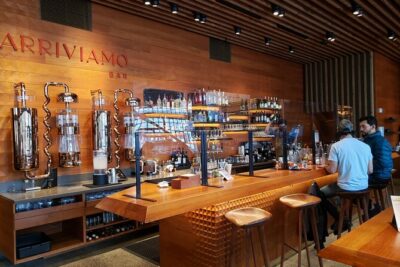
Seattle Coffee Tour: Capitol Hill Cafes, Tastings & Local Stories
Read our review →
Buggy Ride Into the jungle with cave coffee & chocolate tasting
Read our review →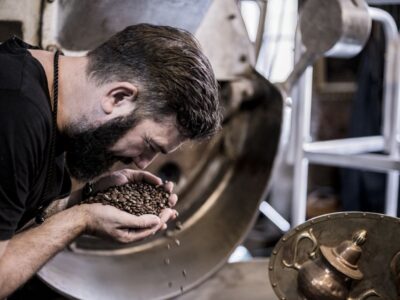
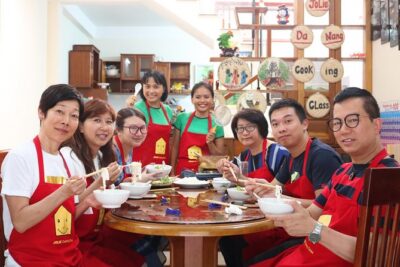
Da Nang Cooking Class with Coffee Tasting and Market Visit
Read our review →
Private Walking Tour, Food Tasting and Bosnian Coffee in Sarajevo
Read our review →
Poás Volcano and Coffee Tour with Tasting and La Paz Falls
Read our review →
Browse the lists this tour appears in