
Review · COFFEE TOURS
Bucharest: Museum of Communism Ticket with Communist Coffee
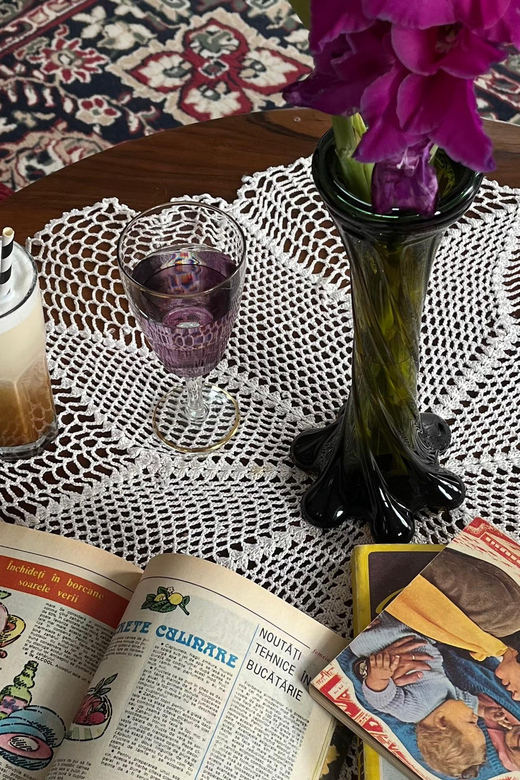
The most unusual part of this Bucharest museum visit comes at the end, when you sit on an old communist couch and drink nechezol from an original cup. This weak coffee substitute tells a sharper story about shortages in 1980s Romania than a wall of dates might.
I like the hands-on displays, especially the typewriter, magazines, and old clothes. I also like the chance to ask the English-speaking staff questions instead of simply walking past sealed cases. The visit is inexpensive at $10, and the coffee adds a memorable local detail.
The main caution is scale. This is a small museum, not a full national history museum, and you can finish in about 45 minutes if you read quickly. Some displays may feel too simple, and one room-by-room visit was described as mostly posters rather than truly interactive exhibits.
Key points to know before you go
- Nechezol is the signature extra: Taste the coffee substitute that became common during Romania’s 1980s shortages.
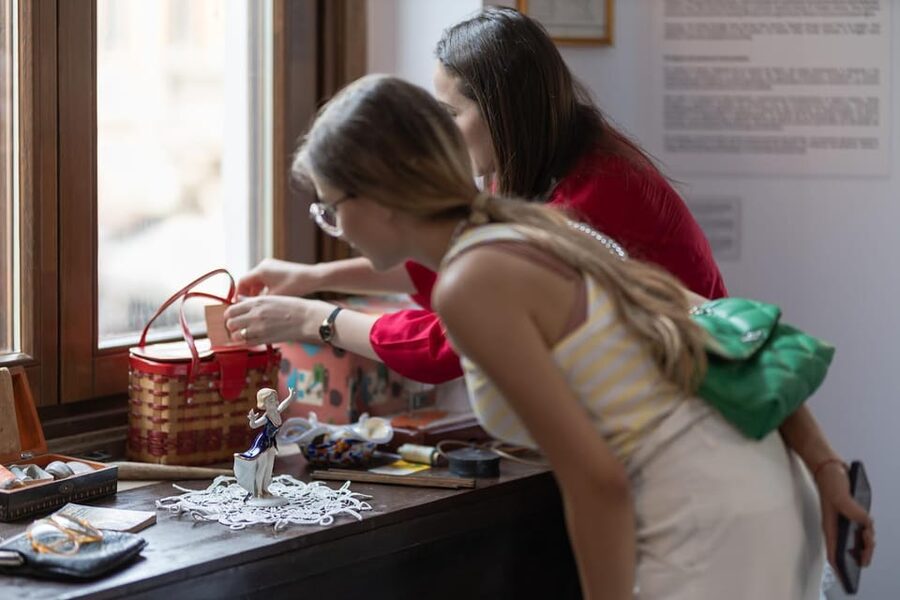
- Many objects can be handled: Try an old typewriter, read original magazines, and put on period clothing.
- English-speaking help is available: Staff in the museum can answer questions as you move through the rooms.
- Plan a short stop: Allow roughly 45 minutes to an hour, though a fast reader may need less time.
- The museum is small and text-led: It offers atmosphere and personal objects, but not the depth of a major historical museum.
- The ticket costs $10: That is fair for a compact visit with an included coffee, especially if you enjoy social history.
A small museum with a very specific cup of coffee

The Museum of Communism in Bucharest focuses on Romania’s recent past, with special attention to daily life under communist rule. You are not just shown a timeline. You are invited to handle objects, try clothing, sit in a period-style living room, and ask questions as you go.
The coffee makes the visit different from a standard museum ticket. During the final years of communism, imported coffee was available only in very small amounts. Nechezol, made as a substitute, became part of ordinary life. The museum uses a cup of it to connect political history with something you can taste.
That matters because shortages are easier to understand when they reach beyond statistics. A display about limited imports tells you one thing. Sitting with a cup of coffee substitute in an old living room tells you something more immediate about domestic life and what people had to accept.
Do not expect a large institution with long galleries and a full academic apparatus. This is a compact private museum in Bucharest’s old town area, suited to a short stop between other sights.
A few more coffee tours around the world worth a look
- Dublin: Irish Coffee Masterclass at the Irish Whiskey Museum
★ 4.6 · 279 reviews - 7-Hour Shared Group Santos Tour : Mont Serrat, Coffee Museum and Sightseeing
★ 5.0 · 68 reviews - Strauss Exhibition incl. LED Concert Show / Coffee + Strauss Cake
★ 5.0 · 30 reviews
What you see during the 45 to 60 minute visit
Your visit moves through rooms filled with objects and printed material connected to communist-era Romania. The exact pace is up to you. You can read the posters carefully, stop for photographs, try the clothing, or move quickly through the display.
An old typewriter is one of the clearest hands-on features. You can sit down and type rather than simply look at an object behind glass. Original magazines add another useful layer, since they show the style and tone of printed material from the period.
The old clothing is also more than decoration. Trying it on gives the museum a playful side, and it creates good photo opportunities if you are visiting with friends or family. Music and the living-room setting add to that informal mood.
Still, keep your expectations measured. One assessment found that the museum contained many posters and fewer physical objects than expected. Another visitor finished in about five minutes, while a more careful visit took 45 minutes to an hour. Your time here will depend heavily on how much you read and how much you use the displays.
Why the living room matters

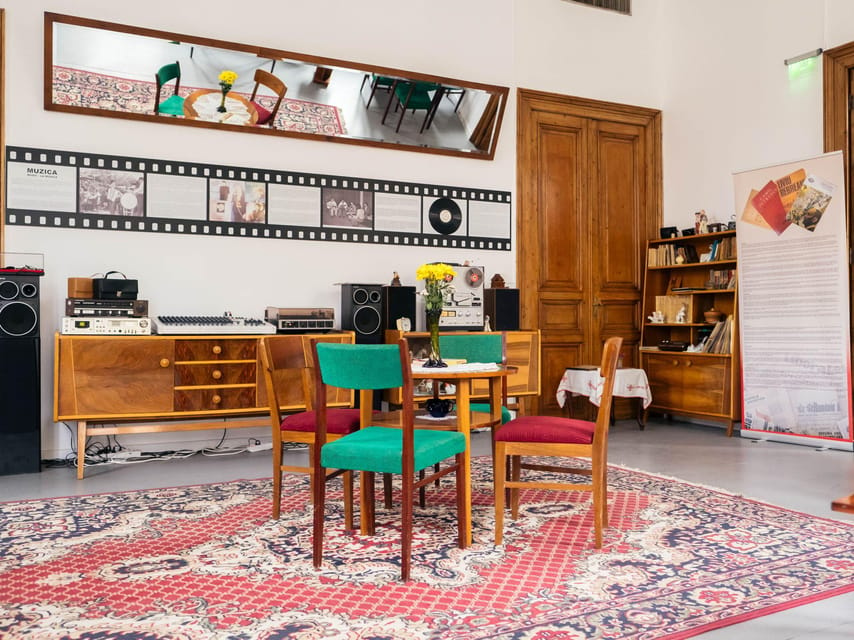
The living room is the museum’s strongest setting. Instead of asking you to picture ordinary life from a label, it gives you a place to sit and consider it.
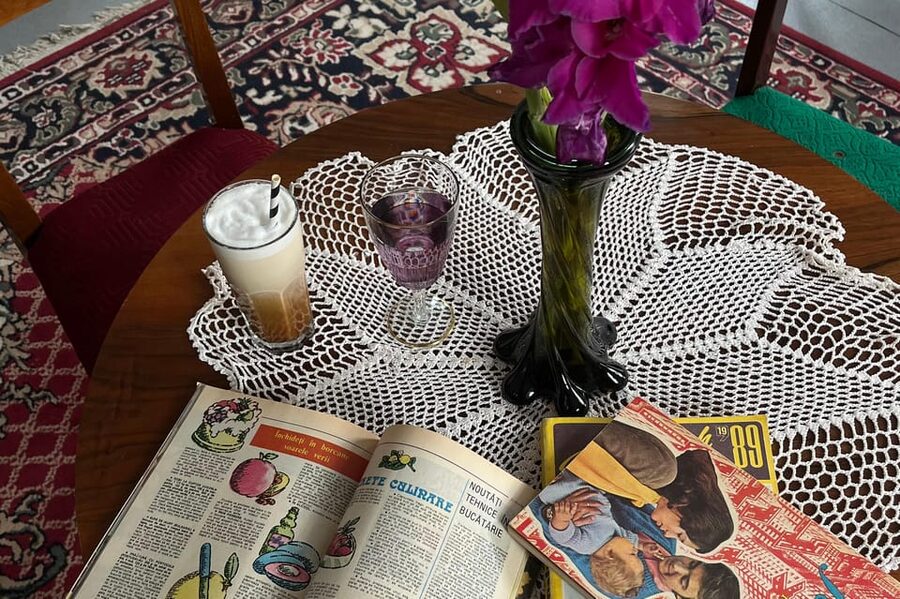
The old couch and cup make the coffee tasting feel tied to the period rather than added as a modern snack. You receive one cup of nechezol with the ticket and drink it in the museum’s living room.
The coffee itself may surprise you. It is meant to recreate the substitute associated with the 1980s, but the taste may not seem especially strange. One visitor compared it to instant coffee and found little difference. That is not a failure. The point is less about gourmet flavor and more about the story of why this substitute existed.
If you are a coffee expert, do not come expecting a refined tasting. If you enjoy small, concrete links to history, this is a clever addition. It costs you nothing beyond the ticket and gives the visit a clear ending.
A hands-on approach, with limits
I like the museum’s decision to let you touch many exhibits. Typewriters, clothing, magazines, and music can make a difficult political period easier to approach, especially for younger visitors or anyone who does not know much about Romania before arriving.
The format also suits people who find traditional museums tiring. You can interact with the displays and ask questions instead of reading every panel in silence. English is available, and the staff in the rooms can explain points that are unclear.
The experience is not equally strong in every area. Some of the written material has been criticized for treating ordinary objects and habits from the 1950s through the 1990s as though they were all direct results of communism. That can blur the difference between life in a particular era and life under a particular political system.
You may also find the historical discussion fairly simple. If you want detailed political analysis, dates, competing interpretations, or a broad scholarly view, this museum may leave gaps. Its strength is personal atmosphere and direct contact with objects, not a full academic account.
I would use it as an introduction or a compact supplement to a wider Bucharest visit. It can give you questions to take elsewhere, but it should not be your only source on Romanian communism.
Same place, a different way to drink it:
- Hoi An: Vietnamese Coffee Culture and Coffee Making Class
★ 4.9 · 4,006 reviews - Hanoi Coffee Experience: 6 Brews, 9 Recipes & 3 Liquor Tastings
★ 5.0 · 2,945 reviews - 4×4 Dominican Adventure with Chocolate and Coffee Tasting
★ 5.0 · 2,920 reviews - Rome Morning Vespa Sidecar Tour in Rome with Cappuccino
★ 5.0 · 1,771 reviews
The staff can add depth to a short visit
The English-speaking staff are an important part of the experience. You can ask questions while moving around the rooms, which helps if a poster assumes background you do not have.
The most positive comments about the visit focus on the young guides and their enthusiasm. One visitor was especially impressed by how informed, engaged, and invested the guides were in Romania’s future. That kind of personal contact can change the feel of a small museum. A simple object becomes more useful when someone explains how it connects to daily life.
No individual guide names are provided for this experience, so you should not expect to book a tour with a named person. The practical point is that English-speaking help is available inside the museum.
Use it. Ask about the coffee, the household objects, the printed material, and the parts of Romanian life that seem familiar rather than uniquely communist. A short conversation may give you more value than reading every poster in order.
Who will enjoy this Bucharest stop

This museum suits you best if you like social history. You do not need to be an expert on Romania, and you do not need a full day. The ticket works well as a planned one-hour stop in the old town.
It is also a good choice for:
- Couples or friends who want photo opportunities and clothing to try on
- Visitors curious about ordinary household life under communism
- People who prefer objects and activities to glass cases
- Anyone who wants a short, low-cost cultural visit
- Parents looking for a museum format that is less formal
You may be less satisfied if you want a large collection, extensive historical detail, or a long guided tour. A fast reader may find the museum too brief. Someone who dislikes poster-based displays may also feel there are not enough objects.
The museum is not suitable for wheelchair users, so check that point before booking.
Is the $10 ticket good value?
At $10 per person, the ticket is reasonably priced for Bucharest, especially because it includes entry and a cup of nechezol. The coffee is not a major financial benefit, but it gives the ticket a clear extra feature and makes the visit feel more complete.
The value depends on how you use the museum. If you walk through in five minutes, the price may feel high for a small collection. If you spend an hour reading, dressing up, trying the typewriter, asking questions, and sitting with the coffee, the cost is easier to justify.
I would compare it with the price of a casual coffee and a short indoor attraction in the old town. You are paying for a compact cultural stop, not an all-day museum. That makes it a sensible choice when you want something focused and different between larger Bucharest sights.
There is also a practical benefit to the flexible booking terms. You can cancel up to 24 hours before the visit for a full refund, and you can reserve now while paying later. The booking is valid for one day, with availability and starting times shown when you check.
Good for a quick stop, not a full afternoon
The strongest way to plan this visit is to give it a defined place in your day. Allow 45 minutes to an hour if you want to read and interact with the exhibits. Add a little time for the coffee and questions.
Do not build your entire afternoon around it. The museum is small, and there is no indication of a long route through multiple large exhibition halls. It is better paired with a walk through Bucharest’s old town and other nearby sights.
The compact format can be an advantage. You can learn something about Romania’s communist period without committing to a three-hour museum visit. It also gives you a quiet indoor break if the weather is poor.
The drawback is that the experience can feel uneven. Some rooms may pull you in with objects and music, while others may rely mainly on text. Your enjoyment will depend on whether you want atmosphere and participation or a detailed historical argument.
My advice for getting the most from the museum
Start slowly. Look at the first displays before deciding how quickly to move. The museum is small enough that you can return to an object after reading more context.
Try the objects rather than treating them as decoration. Type on the machine, examine the magazines, and try the clothing if available when you visit. These details are the reason to choose this museum over simply reading about Romanian communism.
Ask questions in English. The staff are there to help, and the personal explanations may add the detail that some of the simpler text panels lack.
Save time for the coffee. The nechezol is not just a free drink at the end. It is the museum’s clearest link between political conditions, imports, household routines, and memory.
If you are visiting alone, you can still enjoy it, but the dressing-up and photo elements may be more fun with company. The experience has a social side that is easy to miss if you rush through by yourself.
Should you book the Museum of Communism ticket?
Book it if you want a short, interactive introduction to Romanian communist life, especially if the idea of tasting nechezol appeals to you. The $10 price is fair when you take time with the displays, use the hands-on objects, and speak with the English-speaking staff.
Skip it if you want a major museum with extensive collections and detailed historical scholarship. You may find the rooms too small, the posters too simple, or the visit too brief.
For most people, I would treat it as a worthwhile one-hour stop rather than a headline attraction. The old cup of coffee, the living-room setting, and the chance to handle everyday objects give the museum a personal touch that a book alone cannot provide.
FAQ
What does the Museum of Communism ticket include?
The ticket includes entry to the Museum of Communism in Bucharest and one cup of nechezol coffee.
What is nechezol coffee?
Nechezol is a coffee substitute connected with the final years of communism in Romania, when imported coffee was available in very small amounts.
How long should I allow for the visit?
Plan roughly 45 minutes to an hour if you read the displays and spend time with the interactive features. The booking itself is valid for one day.
Is English available at the museum?
Yes. The available museum language and host or greeter language are English, and you can ask staff questions inside the museum.
Can I cancel the booking?
Yes. You can cancel up to 24 hours in advance for a full refund. You can also reserve now and pay later.
Is the museum wheelchair accessible?
No. The experience is listed as not suitable for wheelchair users.
Just added around the world
- Yerevan: Private Coffee Tour with 2 Café Stops★ 5.0 · 2 reviews
- Vietnamese Coffee 101 Workshop★ 5.0 · 11 reviews
- Vietnamese Coffee Making Class in Hoi An★ 5.0 · 4 reviews
- Vietnamese cooking class and coffee making with local girl★ 5.0 · 5 reviews
- Venice Delights: Coffee & Food Experience Walking Tour★ 5.0 · 2 reviews
- Private Vienna Tour: Literature Walk with Coffee House Visit★ 5.0 · 2 reviews
- Turin: Art Nouveau Walking Tour with Coffee★ 5.0 · 11 reviews
- Turkish Coffee and Traditional Turkish Dessert Cooking★ 4.6 · 8 reviews
Tickets, compared.
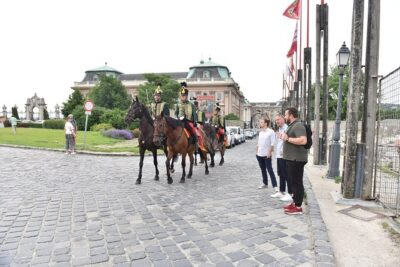
Castle District tour with Matthias Church Ticket & Cake & Coffee
Read our review →Castle District tour with Matthias Church Ticket & Cake & Coffee
Read our review →Castle District tour with Matthias Church Ticket & Cake & Coffee
Read our review →Castle District tour with Matthias Church Ticket & Cake & Coffee
Read our review →Browse the lists this tour appears in