Review · HO CHI MINH CITY
Coffee Workshop in Ho Chi Minh City: Discover the art of coffee
Vietnamese coffee is not just a strong drink with condensed milk. In this two-hour workshop, you handle coffee cherries, sort green beans, roast samples, taste different levels, and brew a cup with the slow, metal phin filter. It gives you a clear look at what happens before your café order reaches the table.
I like the hands-on bean work and the chance to compare roast levels for yourself. I also like the small class size, which can make the session feel almost private. The main caution is that the teaching can get technical, and one guest found a young instructor’s English difficult to follow.
Key points to know before booking
- You handle the raw materials: Examine coffee cherries, peel them, sort green beans, and remove defective pieces.
- Three roast levels are compared: The class lets you taste how roasting changes a coffee’s flavor.
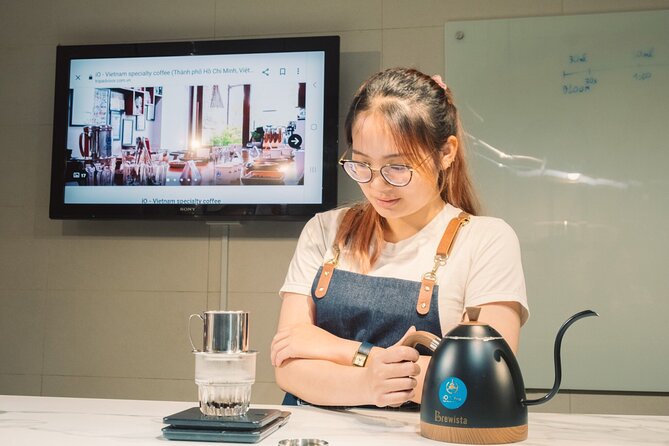
- Vietnamese phin brewing is the finale: You make your own cup of Fine Robusta using a traditional metal filter.
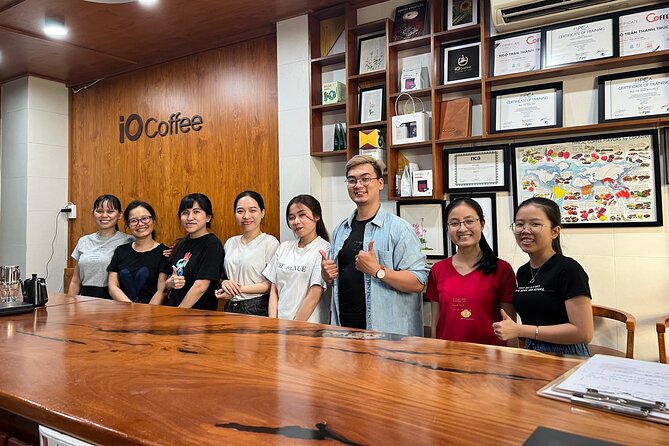
- The group is capped at 15 people: Smaller numbers allow more room for questions and hands-on practice.
- The teaching style can be technical: This suits coffee fans, but casual drinkers may find some sections more detailed than expected.
- The workshop takes place in District 7: You begin and end at The Signature M7, in the lobby of Block A and B.
From coffee cherry to finished cup
The best part of this Ho Chi Minh City coffee workshop is its order. You do not start with a prepared drink and a quick explanation. You begin with the plant’s fruit, move through processing and roasting, and end by brewing your own cup.
That sequence helps you understand Vietnamese coffee in a useful way. The familiar café drink is the final step in a chain that includes harvesting, bean selection, processing, heat, grinding, and brewing. Once you see those steps in order, the coffee on your next street-corner stop should taste a little more interesting.
The session follows the SCA Introduction to Coffee program. That means the class has a structured format, with lessons on farming, roasting, tasting, and brewing. It is still a practical workshop, not just a talk. You are expected to touch the ingredients and take part in the demonstrations.
More Coffee Making Classes in Ho Chi Minh City
- Fun & Easy Vietnamese Coffee Workshop in Hồ Chí Minh City
★ 5.0 · 293 reviews - Ho Chi Minh City: Fun and Easy Coffee Workshop for Beginners
★ 4.9 · 121 reviews - Ho Chi Minh City: Coconut/Eggs Coffee Making Class
★ 5.0 · 8 reviews
Starting with cherries and green beans
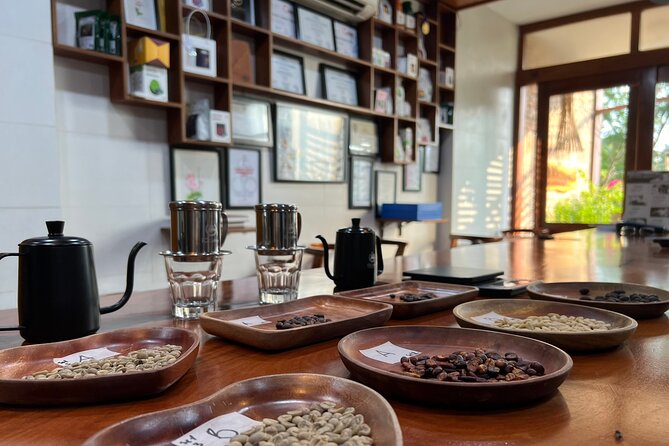
The farming section gives you the most unusual material of the day: actual coffee cherries and unroasted green beans. You can examine the structure of a ripe cherry, then see how the seed inside becomes the bean used for roasting.
You also see a small demonstration of three coffee-processing methods. Processing is an important step because the bean does not arrive at the roaster ready to use. The class shows how the fruit is handled after harvest, giving you a better sense of the work between the farm and the café.
The green-bean exercise is especially practical. You select beans and remove defective ones, learning to tell stronger raw material from lower-quality stock. This is not a polished tasting-room display. It is a simple, physical lesson in quality control.
I like this portion because it makes coffee feel less anonymous. In a café, roasted beans look neat and uniform. Here, you see the uneven raw product and the decisions made before roasting. The lesson also helps explain why two coffees can come from the same country yet taste very different.
Do not expect a farm visit. The workshop uses a small-scale demonstration rather than taking you out to a plantation. If you want scenery, agriculture, or a long story about coffee-growing communities, this is not that kind of tour. It is a compact teaching session in the city.
Three roast levels, three different cups
Next comes the roasting section. You take part in hands-on roasting and compare three levels. This is where the class shifts from agriculture to flavor.
Roasting changes the smell, color, body, and taste of coffee. The three samples give you a direct comparison instead of asking you to remember a verbal explanation. You can begin to work out which style you prefer, from a lighter roast with more noticeable bean character to a darker roast with a stronger roasted taste.
The class also helps you think about personal preference. There is no single roast level that everyone must prefer. That point matters in Vietnam, where strong coffee is part of daily life, but the style of coffee can vary widely from café to café.
The roasting work is one reason the $71 price makes more sense than the length alone might suggest. Two hours is not a long tour, but you are paying for instruction, materials, several tastings, and direct participation. If you only want a good cup of coffee, a local café will cost far less. If you want to understand how that cup is made, the workshop offers more substance.
The trade-off is that roasting can become technical. One session was described as better suited to a very serious barista than to someone simply looking for tips on making better coffee. Keep that in mind if your interest is casual.
You do not need to arrive as a coffee professional, but you should be ready to listen to detail. The workshop covers processes and quality, not only café etiquette or a list of fashionable drinks.
Tasting coffee through a cupping session
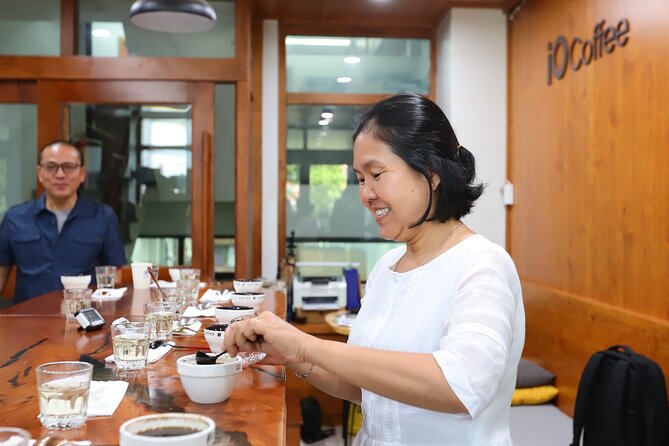
The cupping section lets you taste coffee at different roast levels. Cupping is a focused way to compare samples, rather than drinking one cup and deciding if you like it.
You use the tasting to notice differences in flavor and roast character. The point is not to turn you into a certified taster in two hours. It is to give you a vocabulary and a method for paying attention.
This is also where the earlier sections begin to connect. You have seen the green bean, taken part in roasting, and now taste the result. If you are new to coffee, the comparison can help you understand why quality is more than strength.
Vietnamese coffee is often treated as a synonym for a very dark, very powerful drink. This class gives you a broader view. It focuses on Vietnam’s Robusta beans, including Fine Robusta, and shows how roast and brewing affect the cup.
The tasting section may be less exciting if you already work with coffee or regularly attend cuppings. For most curious drinkers, though, it should be useful because you are tasting with a purpose rather than simply sampling drinks.
More Coffee Making Classes in Vietnam
- HCMc Egg Coffee Class in 1 hour with local intructor & snack
★ 4.2 · 8 reviews - HCM: Egg Coffee Class with local Instructor & Snack
★ 4.7 · 8 reviews - Drip Craft Coffee Workshop-Discover 4 Famous Types of Viet Coffee
★ 5.0 · 2 reviews - Hoi An: Vietnamese Coffee Culture and Coffee Making Class
★ 4.9 · 4,006 reviews
Brewing Vietnamese phin coffee
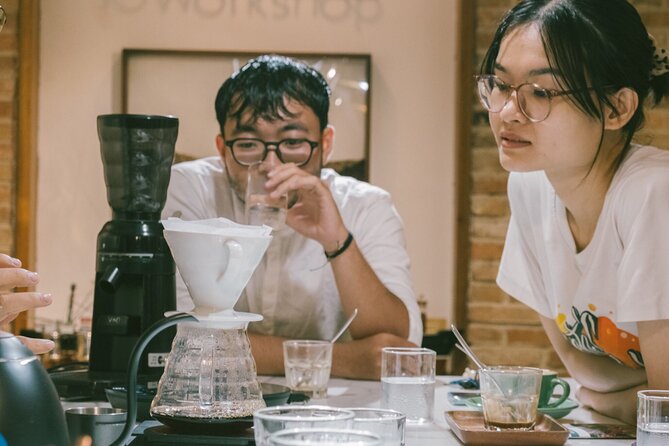
The final stage is the most immediately useful: brewing with a traditional Vietnamese phin filter. This small metal device sits over the cup and lets water pass slowly through the coffee.
You learn about the history of phin coffee, then make an authentic cup yourself. The method is simple in appearance, but small choices affect the result. The workshop is designed to help you understand those choices and repeat the process at home.
This is a good ending because it turns the class into something you can use after leaving Ho Chi Minh City. You do not just learn that phin coffee exists. You practice making it, taste the finished cup, and leave with a clearer idea of how Vietnamese coffee gets its familiar character.
The class describes the beans as Vietnam’s Fine Robusta. That detail matters. Robusta is often dismissed as a rougher, cheaper coffee, but careful farming, processing, roasting, and brewing can produce a more refined cup. The lesson gives you a chance to taste that for yourself instead of accepting a stereotype.
You may not become an expert brewer after one session. Still, you should come away with a practical method and a better understanding of why the phin remains such an important part of Vietnamese coffee culture.
What the instructors and group size mean
The class is limited to 15 people, which is a sensible maximum for activities involving beans, roasting, tasting, and brewing. A larger group could make it harder to see the demonstrations or get a turn with the materials.
The format can be even more personal when attendance is low. One session had a single participant, and instructor Chris adapted the course to that person. Chris was described as kind, funny, and able to adjust the material to the situation.
Instructor Danny has also been praised for patience and clear explanations. The names matter because the experience can vary with the person leading your session. You may have Chris, Danny, or another instructor from the iO Specialty Coffee team.
There is one communication concern to weigh. A guest found the English of a young instructor difficult to understand. That does not mean every session has the same problem, but coffee terms can already be unfamiliar, so clear explanations matter. If you have questions, ask them early and request a demonstration when a technical explanation feels unclear.
The small group helps here. You have a better chance to ask for a point to be repeated than you would in a large public class.
Location, timing, and practical planning
The workshop starts and ends at The Signature M7, in the lobby of Block A and B, in Phu My Hung, District 7, Ho Chi Minh City. This is not a central District 1 coffee walk, so check your route before booking and allow enough time to reach the meeting point.
The activity lasts about two hours. Because it includes several stages, the time should feel fairly full rather than leisurely. You move from farming to roasting, tasting, and brewing without the long pauses found on a sightseeing tour.
A mobile ticket makes entry simple. Confirmation is provided when you book, and the activity is near public transportation. Service animals are allowed.
The workshop ends where it begins, so you do not need to arrange a second pickup point. That is useful if you have plans afterward, though you should still allow time for traffic in Ho Chi Minh City when setting up the rest of your day.
Free cancellation is available if you cancel at least 24 hours before the start time. Inside that window, the payment is not refunded and changes are not accepted. The cut-off follows local time.
Is $71 a fair price?
At $71, this is not a bargain coffee tasting. You can buy Vietnamese coffee for a small fraction of that price at a neighborhood café. The question is what you want from the outing.
The price is easier to justify if you value instruction and hands-on work. You get access to coffee cherries, green beans, several processing examples, roasting practice, multiple tasting samples, and phin brewing. The group limit also gives the session a more personal format than a large demonstration.
It is less convincing if you want only a quick introduction or a relaxed café visit. The course has a technical side, and one person found it aimed more at a serious barista than at someone seeking simple home-brewing advice.
The strong overall response, with a 4.9 rating from 35 reviews and 94 percent recommending it, supports the idea that the class delivers well for the right audience. I would treat those numbers as a sign of consistent satisfaction, not as proof that every coffee drinker will enjoy the same level of detail.
Who should book this coffee workshop?
I would choose this for a coffee enthusiast who wants to understand Vietnamese beans beyond the usual condensed-milk drink. It is also a good fit if you enjoy practical classes, tasting comparisons, and learning a method you can use at home.
The workshop suits solo visitors and couples particularly well. A small class can make it easier to ask questions, and the single-person session handled by Chris shows that the format can work even when attendance is very low.
It may also suit a visitor who has already spent time in cafés and wants context. You will learn why the bean matters, how roasting changes the drink, and how the phin produces a different rhythm from fast espresso brewing.
I would hesitate if you dislike technical explanations or want a broad city tour. This is not a food crawl, a plantation visit, or a simple demonstration. It is a compact coffee course with real hands-on work.
Should you book it?
Book the iO Specialty Coffee workshop if you want more than a cup and are willing to spend two focused hours learning how Vietnamese coffee is made. The strongest reasons are the bean-sorting exercise, the three roast comparisons, and the chance to brew Fine Robusta with a phin.
Skip it if your ideal coffee stop is casual, quick, and inexpensive. Also think twice if you need very simple English explanations or have no interest in the technical side of coffee.
For curious drinkers, the class offers a useful bridge between Vietnam’s café culture and the raw materials behind it. You leave with a better eye for quality, a clearer sense of roast preference, and a brewing method you can try at home.
FAQ
Where does the coffee workshop take place?
The meeting point is The Signature M7, in the lobby of Block A and B, in Phu My Hung, District 7, Ho Chi Minh City. The activity ends at the same location.
How long does the workshop last?
The workshop lasts approximately two hours.
How many people can join?
The maximum group size is 15 participants.
What coffee activities are included?
You examine coffee cherries, learn about harvesting and processing, sort green beans, roast coffee, taste different roast levels, and brew Vietnamese phin coffee.
Will I make Vietnamese coffee myself?
Yes. The brewing section teaches you to make an authentic Vietnamese phin coffee using Vietnam’s Fine Robusta beans.
Can I cancel for a refund?
You can cancel at least 24 hours before the start time for a full refund. Cancellations or changes made within 24 hours are not refunded or accepted.
Just added around Ho Chi Minh City
- Ho Chi Minh Best Walking Tour: Food, Coffee & History★ 5.0 · 19 reviews
- Saigon Special Night Coffee Landmark 81 & Food Tour★ 5.0 · 2 reviews
- Tea & Coffee Experience★ 5.0 · 10 reviews
- Sai Gon Special Coffee At Landmark 81 & Street Food tour★ 5.0 · 3 reviews
- Hands-on making 3 Iconic Coffees of South Central North Vietnam★ 5.0 · 14 reviews
- Mastering Egg Coffee-Course on 4 traditional types of Viet coffee★ 5.0 · 16 reviews
- Private Ho Chi Minh City Tour from Port & Vietnamese Egg Coffee★ 5.0 · 6 reviews
- Discover Vietnam’s Coffee Culture.★ 5.0 · 5 reviews
Coffee Making Classes, compared.
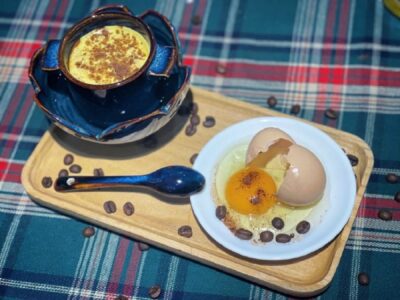
Vietnamese Coffee Culture and Coffee Making Class
Read our review →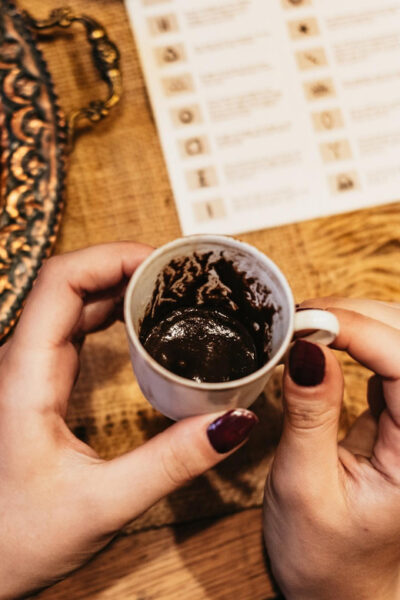
Turkish Coffee Making and Fortune Telling Workshop
Read our review →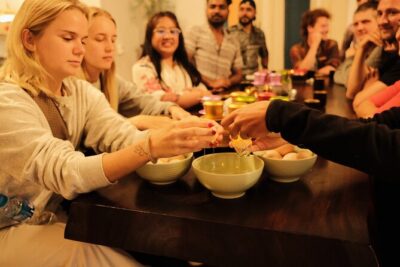
Hanoi Coffee Workshop: Taste Salt, Coconut and Egg Coffee
Read our review →
Salt Coffee Workshop Awake Your Senses With 6 Brews
Read our review →