Review · HOI AN
Experience Making & Tasting Vietnamese Coffee in Hoi An
Vietnamese coffee is much more than a strong drink poured over ice. In this two-hour Hoi An workshop, you learn how local coffee is grown, roasted, brewed, and turned into four very different drinks, including the famous egg coffee said to have been invented in Hoi An in 1946. The session takes place at Sua Vegan Restaurant and ends where it begins.
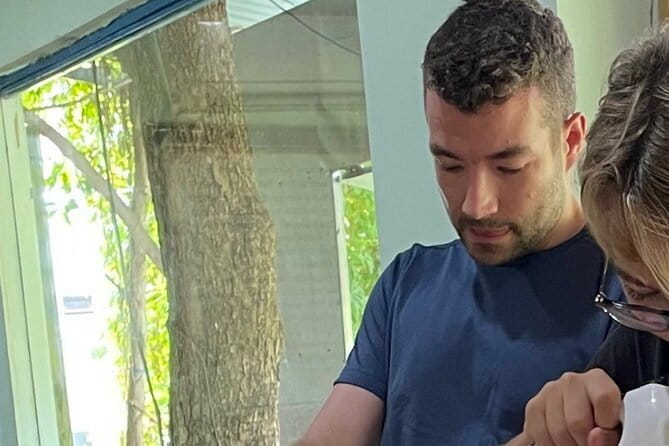
I like the hands-on format: you do not simply watch a barista work, you prepare and taste each coffee yourself. I also like the social purpose behind the workshop, with explanations and demonstrations delivered by disabled staff, including coffee specialist Văn. The main consideration is that the experience does not include hotel pickup, so you need to reach the meeting point on your own.
Key points at a glance

- Four coffees in one sitting: Make traditional phin coffee, egg coffee, coconut coffee, and espresso.
- A small group of up to 10: The size should allow for personal help while keeping the session friendly.
- Coffee education before tasting: Learn about Vietnam’s coffee industry and the differences between Robusta and Arabica.
- Watch the roasting process: You see how beans are prepared before using them in drinks.
- A local social purpose: The workshop is connected with a charity and includes demonstrations by disabled staff.
- A useful Hoi An souvenir: The session ends with a lantern, plus seasonal fruit and the coffee you make.
Starting with tea and the story of Vietnamese coffee
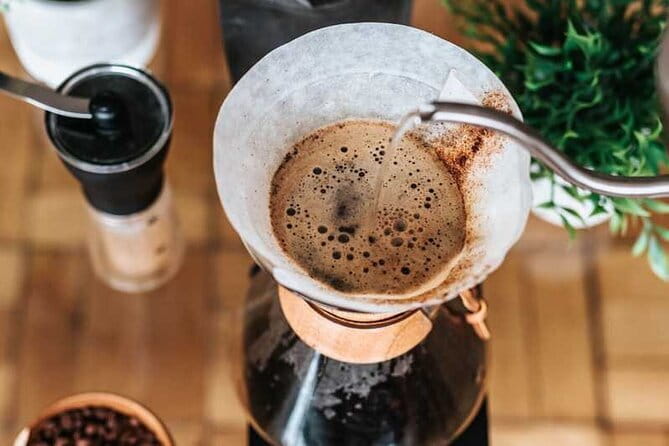
The workshop begins at Sua Vegan Restaurant in Hoi An’s Cam Pho area. You meet the staff there, enjoy welcome tea, and settle into the coffee lesson before the practical work starts.
That opening matters. Vietnamese coffee can seem simple at first glance, especially when you see a metal phin filter sitting on top of a glass. The drink has a strong place in daily life and in the country’s coffee industry, though the details are easy to miss if you only order a cup at a café. The introduction gives you a basic map of the subject before you start brewing.
You learn about the development of Vietnam’s coffee industry and the two main types of beans used in the session: Robusta and Arabica. This is a useful comparison because the beans produce different flavors and strengths. The lesson is not only about memorizing names. It helps you understand why Vietnamese coffee often tastes bold and intense, and why other cups may feel lighter or more aromatic.
The workshop also covers the story of egg coffee. Hoi An is presented as the birthplace of this drink in 1946, and the recipe remains a local favorite. The historical note gives the tasting a sense of place. You are not just making a sweet coffee at random. You are learning one of the city’s best-known coffee traditions.
More Coffee Tastings in Vietnam
- Hoi An Coffee Tasting And Old Town Discovering Tour
★ 5.0 · 4 reviews - Hanoi Coffee Experience: 6 Brews, 9 Recipes & 3 Liquor Tastings
★ 5.0 · 2,945 reviews - Da Nang Cooking Class with Coffee Tasting and Market Visit
★ 5.0 · 310 reviews
Seeing how the beans are roasted
The roasting demonstration gives the workshop a useful change of pace. Before making drinks, you watch the coffee go through one of the key steps that shapes its final taste.
The supplied details do not specify the roasting equipment or the length of the demonstration, so I would not book this expecting a full professional roasting course. Think of it as a clear introduction to the process. You get to see what happens before the beans reach the filter or espresso machine.
This part is especially helpful if you usually buy coffee without thinking about how it was prepared. A coffee workshop that jumps straight to pouring can feel like a recipe class. Here, the roasting segment connects the beans to the drinks you later make. It also gives you a better basis for comparing the Robusta and Arabica samples.
The workshop is limited to a maximum of 10 people. That is a practical group size for a demonstration, since you should be able to see the process and ask for help without competing with a large crowd. The experience is still shared, though, so you should expect a small class rather than private instruction.
Making traditional phin coffee
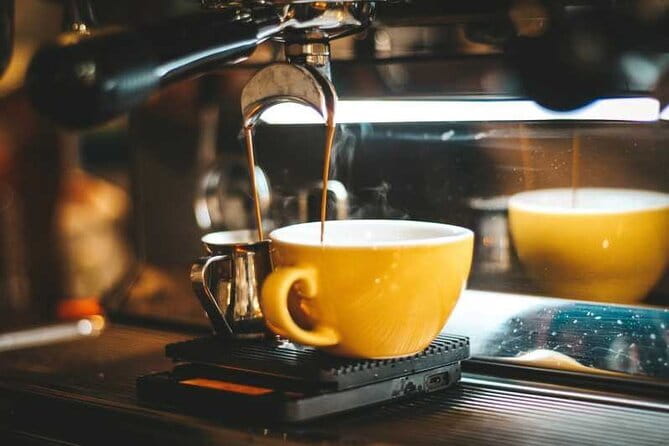
The first signature drink is cà phê phin, the traditional Vietnamese coffee prepared with a small metal filter. This is the most important technique to learn if you want to recreate Vietnamese coffee at home.
The process is slower than a standard pour from a café machine. Coffee grounds sit in the phin, hot water passes through them, and the finished drink collects below. That slow drip is part of the pleasure. It gives you time to watch the coffee form, then taste the result once it is ready.
A hands-on lesson is valuable here because the method can look easier than it is. The amount of coffee, water, and pressure inside the filter all affect the result. The specialist guides you through the equipment and ingredients supplied for the class, so you are not left guessing over a technique that may be new to you.
This is also the drink that best connects the workshop to everyday Vietnamese coffee culture. Egg and coconut coffee are memorable specialties, but the phin method is the foundation. If you only remember one method after the class, this is probably the one worth taking home.
Preparing Hoi An egg coffee
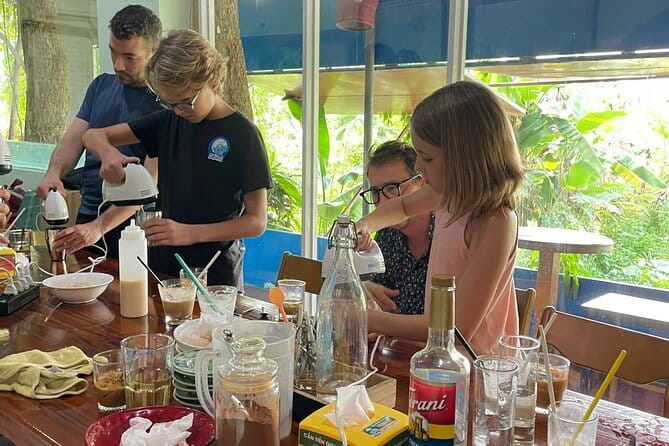
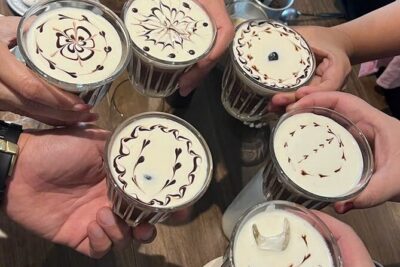
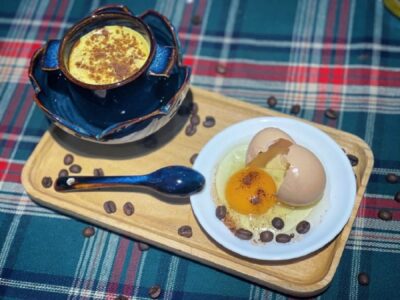
Cà phê trứng, or egg coffee, is the session’s most distinctive recipe. It combines coffee with a sweet, creamy egg mixture, creating a drink that can feel closer to dessert than to a plain morning brew.
The workshop explains the recipe and lets you prepare it yourself. That is useful because the texture is central to the drink. A good egg coffee needs a smooth topping rather than a rough or watery mixture. The class gives you a chance to see how the ingredients come together before tasting the final cup.
I like this part for a simple reason: it corrects the common assumption that egg coffee will taste like an omelet in a mug. The finished drink is designed around sweetness and creaminess, with the coffee providing a firm, bitter base. You can decide for yourself how it compares with the phin coffee.
The Hoi An connection adds extra interest. Since the workshop presents egg coffee as a drink first invented here in 1946, making it in Hoi An feels more meaningful than encountering the same recipe in a generic cooking class. The exact origin story may not be the reason you book, but it gives the drink a strong local identity.
More Vietnamese Coffee Experiences in Hoi An
- Hoi An: Vietnamese Coffee Culture and Coffee Making Class
★ 4.9 · 4,006 reviews - Hoi An: Vietnamese Coffee Making Workshop at Local Roastery
★ 4.8 · 174 reviews - Hoi An: Hands-on Vietnamese Coffee Making Class with Long
★ 4.8 · 66 reviews - Hoi An: Vietnamese Coffee Making Course
★ 4.9 · 25 reviews
Mixing coconut coffee and espresso
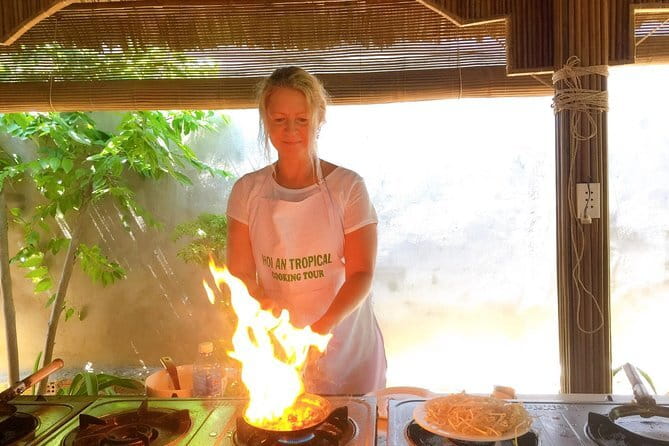
Cà phê dừa, or coconut coffee, brings a cooler and sweeter style to the tasting. It gives you a clear contrast with the darker, more direct flavor of traditional phin coffee.
The ingredients and equipment are included, and you prepare the drink as part of the class. The supplied information does not specify the exact coconut ingredients or whether the finished drink is served hot or cold, so you should follow the instructor’s method rather than expect a particular café-style recipe.
Tasting the coconut coffee after the phin and egg versions makes the differences easier to notice. You can compare the base coffee with the added sweetness and coconut flavor. It is a good choice for anyone who finds very strong black coffee too much on its own.
The fourth drink is espresso coffee. This is a useful comparison because espresso is familiar to many coffee drinkers, yet it has a different role in Vietnamese café culture than the phin brew. Making it during the same session lets you compare a machine-based coffee with the slower traditional filter.
The class calls this cà phê Espresso. It is not presented as a specialist barista certification course, and I would not expect advanced espresso training. Instead, it rounds out the tasting and gives you four distinct styles in a compact class.
Tasting four drinks without rushing the lesson
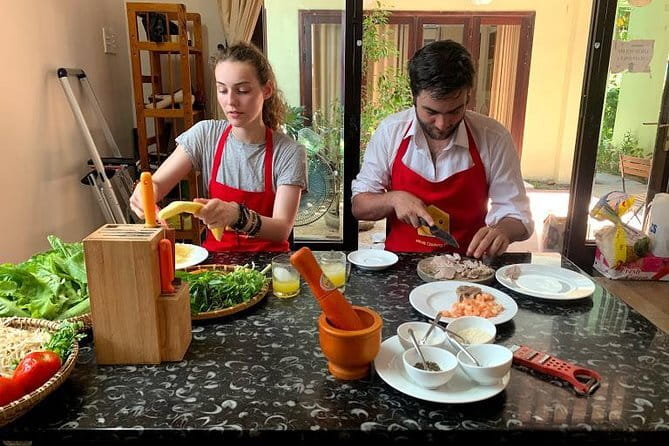
The experience includes all four coffees, not just a demonstration of recipes. That changes the value of the class. You can taste how preparation affects strength, sweetness, texture, and aroma, then decide which style suits you best.
The session also includes seasonal fruit. This is a small but sensible addition, since fruit offers a fresh break between sweet or strong coffee samples. The exact fruit changes by season, so the menu is not fixed.
You should keep your schedule fairly open around the two-hour duration. Coffee preparation has waiting time, especially with a phin filter, and the tasting works best when you do not need to hurry away after the first drink. The stated duration is approximate, so allow a little flexibility.
The reviews give the strongest praise to the quality of the coffee and the friendly staff. One detailed account specifically highlights the drip coffee, coconut coffee, and egg coffee, along with staff who explained the steps on a board and demonstrated the process. That suggests the session is built for learning by sight as well as by practice, which is useful if you prefer clear demonstrations before handling unfamiliar equipment.
Meeting point, group size, and the missing hotel transfer
The workshop starts and finishes at Sua Vegan Restaurant Hoi An, on Đường Lê Hồng Phong Nối Dài in Cam Pho. The activity does not provide hotel pickup or drop-off, so you need to arrange your own way to the restaurant.
This is simple if you are staying near central Hoi An, but it is still worth checking the address before booking. The meeting point is not described as a hotel lobby or a transport hub. Arrive at the restaurant and look for the staff running the coffee workshop.
A mobile ticket is provided, and booking confirmation is received at the time of booking. The activity is near public transportation, and service animals are allowed. Those details make the workshop fairly easy to fit into a day of sightseeing, though the lack of included transfers means the convenience depends on where you stay.
The maximum group size is 10 people. That is small enough to keep the cooking and tasting personal, while still giving the class a bit of shared energy. If you prefer a private lesson, this is not advertised as one. If you prefer a large, lively food tour, the limited group may feel quieter than you expect.
Is $30 a fair price?
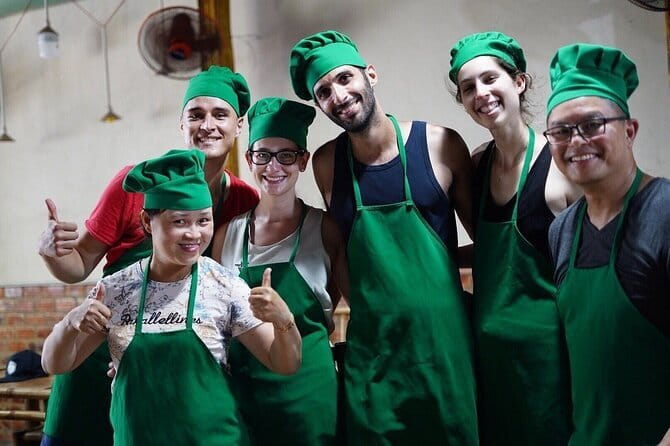
At $30 per person, the price is reasonable if you want more than a single café drink. You receive roughly two hours of instruction, four coffee preparations, all ingredients and equipment, seasonal fruit, welcome tea, guidance from a coffee specialist, and a lantern souvenir.
The strongest value comes from the number of drinks and the hands-on format. A standard café visit gives you one cup and little explanation. Here, you get four styles plus the techniques behind them. You also learn enough about Robusta, Arabica, roasting, and the coffee industry to make later café orders more interesting.
The price is less attractive if you only want to taste Vietnamese coffee and do not care about preparation. You could sample several local drinks more cheaply in cafés, though you would not get the same instruction or the chance to make them yourself.
The social purpose also forms part of the experience. The workshop is described as a charity, and disabled staff take part in explaining and demonstrating the coffee-making steps. The format gives you a useful class while supporting a local program, but you should book because the coffee lesson appeals to you first, not only because of the charitable element.
Who will enjoy this Hoi An coffee class?
I would recommend it to coffee drinkers who enjoy learning by doing. You will get the most from the workshop if you are curious about Vietnamese coffee, want to understand the phin method, or like comparing several recipes in one sitting.
It also suits couples, small groups of friends, and anyone looking for a slower food experience between Hoi An’s other sights. The two-hour length is long enough to feel substantial without taking over your entire day.
Families may also find the variety appealing, though the provided information does not give a minimum age or specific child policy. If you are booking for children, confirm those details before paying.
This is less suited to someone seeking a full coffee professional course. You learn four distinctive drinks and watch roasting, but there is no stated certificate, advanced latte-art training, or detailed farm visit. It is a cultural tasting workshop with practical instruction, not a professional barista program.
What you take home besides the coffee
The lantern souvenir is a pleasant Hoi An touch. It is not the main reason to book, but it gives the class a physical reminder beyond the recipes and photos.
The more useful souvenir is the method. After learning the phin process, you can look for the equipment and beans at home and try to repeat the drink. The egg and coconut recipes may be harder to recreate without the same ingredients, but the lesson still helps you recognize how cafés build those drinks.
The workshop also gives you better questions to ask at Vietnamese cafés. You will know the difference between Robusta and Arabica, understand why a phin coffee takes time, and have tasted several ways to balance coffee with sweet ingredients. That is the kind of small knowledge that improves the rest of your trip.
Should you book it?
Book this experience if you want a small-group, hands-on introduction to Vietnamese coffee and like the idea of making four drinks rather than ordering one. The combination of phin, egg, coconut, and espresso coffee gives you plenty to compare, while the roasting demonstration and coffee history add useful context.
I would also choose it if the charity element matters to you, especially since the class includes disabled staff who explain and demonstrate the steps. Coffee specialist Văn is singled out for his ability to share the subject, which adds a personal touch to the instruction.
Skip it if you want a quick tasting, a private barista lesson, or hotel transport. For most people who have two free hours in Hoi An and enjoy food experiences with a practical side, $30 is a fair exchange for the drinks, teaching, fruit, and lantern souvenir. Free cancellation is available up to 24 hours before the start time, giving you some flexibility if your plans change.
FAQ
Where does the coffee workshop start?
The activity starts at Sua Vegan Restaurant Hoi An on Đường Lê Hồng Phong Nối Dài, Cam Pho, Hoi An, Quang Nam 560000, Vietnam.
Where does the experience finish?
The workshop finishes back at the same meeting point.
How long does the activity last?
The experience lasts approximately two hours.
Which Vietnamese coffees will I make?
You will make and taste cà phê phin, traditional Vietnamese phin coffee, cà phê trứng, egg coffee, cà phê dừa, coconut coffee, and espresso coffee.
Is hotel pickup included?
No. Hotel pickup and drop-off are not included, so you must reach the meeting point independently.
How many people can join?
The activity has a maximum of 10 participants.
Can I cancel for a full refund?
Yes. You can cancel for a full refund up to 24 hours before the experience starts. Cancellations or changes made less than 24 hours before the start time are not accepted for a refund.
More Food and Drink Tours in Hoi An
- Early Morning My Son Sanctuary Trip w. Champa Food & Coffee
★ 5.0 · 629 reviews - Vienna for Food Lovers: Cafés, Markets & Austrian Cuisine
★ 5.0 · 1,063 reviews - Buggy Ride Into the jungle with cave coffee & chocolate tasting
★ 5.0 · 465 reviews - Hamburg: Speicherstadt Walking Tour with Coffee Tasting
★ 4.6 · 360 reviews
More Coffee Tastings in Hoi An
- 4×4 Dominican Adventure with Chocolate and Coffee Tasting
★ 5.0 · 2,920 reviews - 4×4 ATV Experience, Water Cave, Chocolate and Coffee Tasting
★ 5.0 · 1,430 reviews - Medellin: Coffee Tour with Transport, Snacks and Tastings
★ 4.7 · 1,357 reviews - Seattle Coffee Tour: Capitol Hill Cafes, Tastings & Local Stories
★ 5.0 · 489 reviews
Just added around Hoi An
- Vietnamese Coffee Making Class in Hoi An★ 5.0 · 4 reviews
- Vietnamese Egg Coffee Making Course in Hoi An★ 3.5 · 2 reviews
- Hoi An Ancient Town and Coffee Making Course★ 5.0 · 4 reviews
- Hoi An Vietnamese Coffee Workshop: Hands-On Brewing Class★ 5.0 · 3 reviews
- Authentic Vietnamese Coffee Making Experience in Hoi An★ 5.0 · 13 reviews
- Hoi An Coffee Making Workshop★ 5.0 · 7 reviews
- Market- Coffee- Cooking class in Hoi An (JHA2)★ 5.0 · 16 reviews
- Hoi An Coffee Tasting And Old Town Discovering Tour★ 5.0 · 4 reviews
Vietnamese Coffee Experiences, compared.
Vietnamese Coffee Culture and Coffee Making Class
Read our review →
Fun & Easy Vietnamese Coffee Workshop in Hồ Chí Minh City
Read our review →
Vietnamese Coffee Workshop with 6 Brews and 8 Recipes
Read our review →
Vietnamese Coffee & Culture Exploration in Hồ Chí Minh City
Read our review →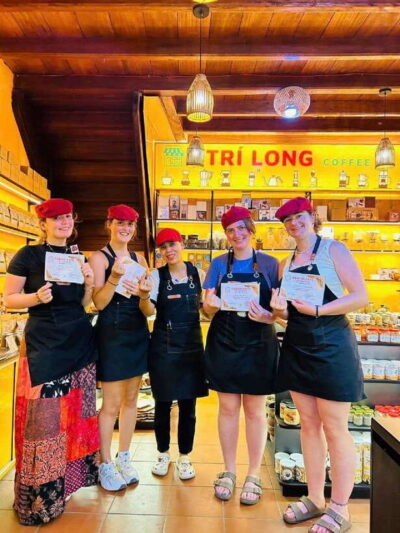
Vietnamese Coffee Making Workshop at Local Roastery
Read our review →
Hanoi Coffee Workshop: Master 6 Signature Vietnamese Coffee
Read our review →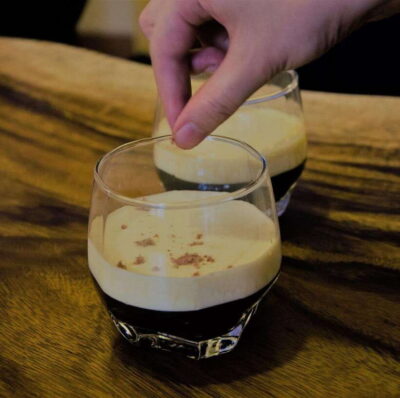
Hands-on Vietnamese Coffee Making Class with Long
Read our review →