
Review · COFFEE TOURS
Kopi & Loti
Singapore’s morning ritual comes into focus through two humble foods: kopi, traditional coffee, and loti, local bread. This three-hour tour takes you from Chinatown to a Bedok coffee roastery and then to one of the few old-style bread factories still operating in Singapore.
I like the direct access to working food businesses and the way guides such as Boon, Helen, Kenneth, and Andros add cultural context without turning the morning into a lecture. I also like the tasting element, including kopi O and bread from the places you visit. The main consideration is that the tour is more about working factories and local trade than polished attractions, so conditions may feel basic and the weather can affect the outing.
Key points to know before booking
- See old coffee-roasting methods in Bedok, then sample kopi O, or black coffee.
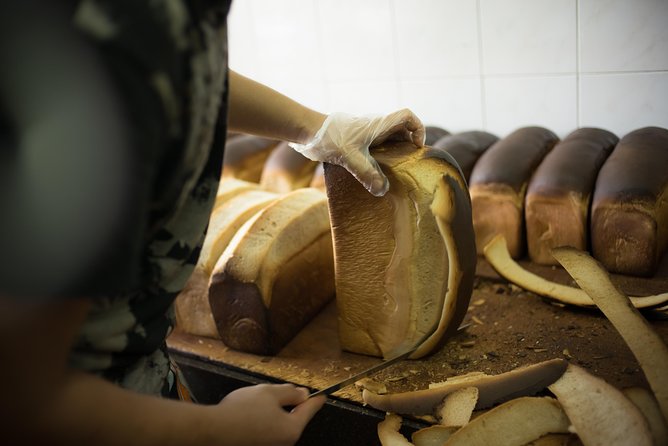
- Walk through a traditional bread factory in Paya Lebar, where old equipment and wooden boards are still part of the work.
- Learn why local bread differs from mass-produced loaves sold in shops.
- Expect a cultural tour as well as a food tour, with stories about Singapore’s changing trades.
- Guides bring personality to the morning, with coffee quizzes, dry humor, anecdotes, and clear explanations.
- The tour costs $88.60 per person and usually fills bookings about 12 days ahead.
Why kopi and loti tell Singapore’s story
This is not simply a breakfast crawl. Kopi and bread are everyday foods, but their preparation reflects Singapore’s changing economy and habits.
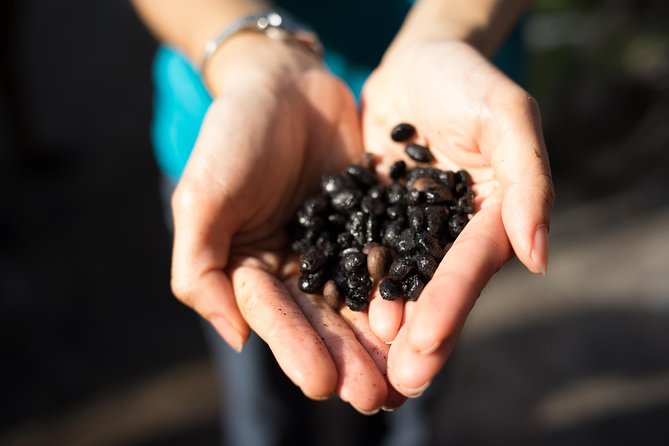
The coffee stop shows how beans are handled before they reach a cup. You learn where the beans come from, how roasting changes their character, and how local brewing differs from the coffee you may order in a modern café. The bread stop shifts the focus from drink to craft, showing how small bakeries work compared with large-scale production.
That contrast gives the tour its purpose. You are not only tasting food. You are seeing older methods that are becoming less common. The experience suits you if you enjoy food with a story behind it, especially when that story includes working machinery, practical techniques, and the people keeping an old trade going.
The tour begins at 9:00 a.m. at 69 Pagoda Street in Chinatown. From there, the group moves to Bedok and Paya Lebar. The final stop is the bakery, and the tour ends at Tai Seng MRT Station, near 33 Upper Paya Lebar Road.
Other coffee tours people book around the world:
- Hoi An: Vietnamese Coffee Culture and Coffee Making Class
★ 4.9 · 4,006 reviews - Hanoi Coffee Experience: 6 Brews, 9 Recipes & 3 Liquor Tastings
★ 5.0 · 2,945 reviews - 4×4 Dominican Adventure with Chocolate and Coffee Tasting
★ 5.0 · 2,920 reviews
Bedok coffee roastery: learning the local kopi trade
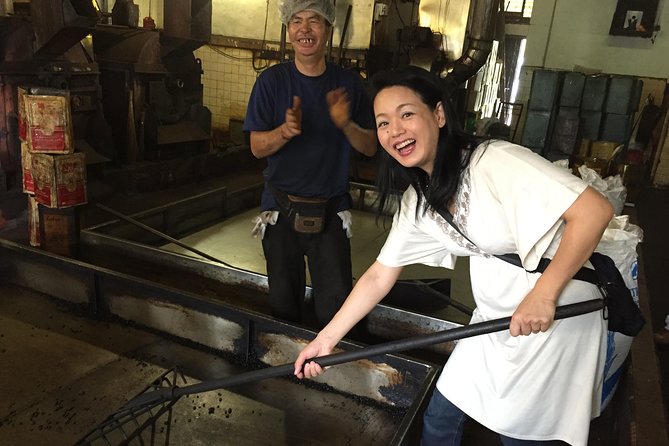
The first main stop takes about 45 minutes at a coffee roasting factory in Bedok. This is a working visit, not a staged museum display. You get an introduction to the local kopi industry, including roasting techniques and the practical tricks used to produce Singapore-style coffee.
The most useful part is the link between process and taste. Coffee can seem simple once it reaches a cup, but roasting changes the beans in major ways. Here, the guide explains the steps and helps you understand what you are drinking rather than simply handing you a sample.
You also taste kopi O, the local black coffee style. This gives you a clear reference point for the rest of the morning. If you are unfamiliar with Singapore’s coffee vocabulary, the guide can help you make sense of the terms and ordering habits. Helen has used a coffee-lingo quiz to keep this part lively, while Andros has been noted for giving detailed explanations throughout the visit.
The coffee factory is a strong match for anyone who likes seeing production up close. You should not expect a long coffee tasting menu or a formal barista class. The value is in learning how a traditional local product is made and why it remains part of daily life.
Paya Lebar bread factory: an old trade in working order
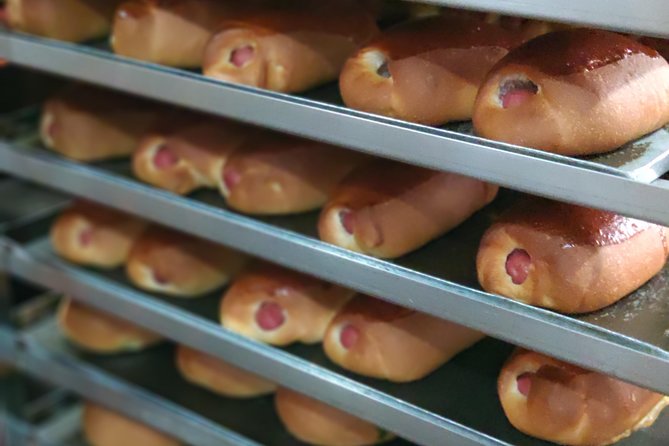
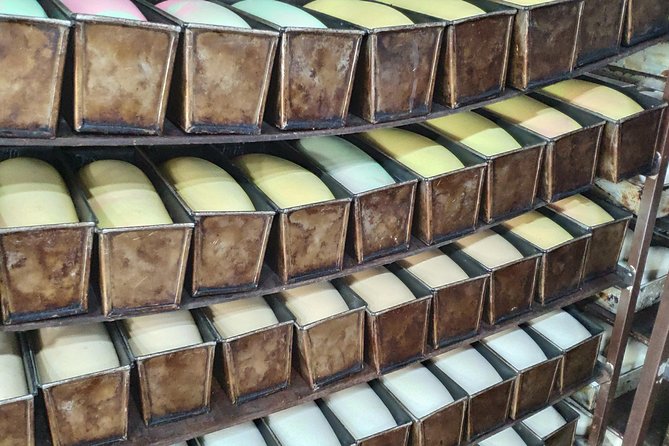
The bread factory visit lasts about an hour and offers the most unusual look at the tour. Only a small number of these traditional factories remain, and the setting retains an old-fashioned feel. Wooden boards and older equipment are still used, giving you a sense of how the work was done before modern mass production took over.
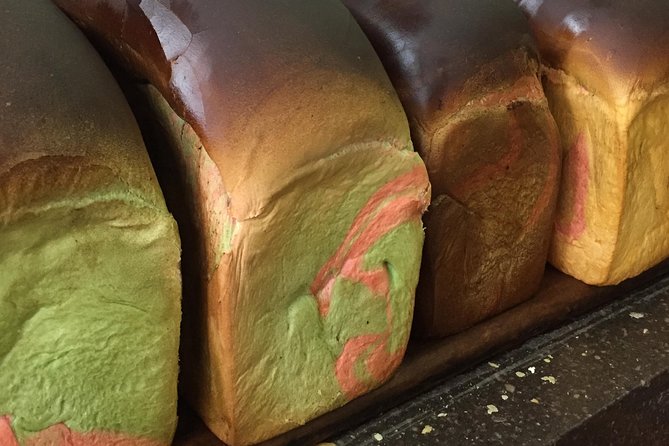
The guide explains how this style of bread differs from the loaves found on supermarket shelves. The difference is not just age. It is also about equipment, scale, handling, and the rhythm of a small operation. You see the physical side of the work, which makes the discussion easier to understand.
I would give this stop extra weight when deciding if the price works for you. A standard food tour may take you to cafés and food stalls, but it rarely takes you inside a working bakery. This visit gives you access to a part of Singapore that could disappear as older businesses close or change their methods.
The setting may feel plain. That is part of the point, but it also means the experience will appeal more to you if you like real workplaces and old tools. If you want a glossy culinary presentation, this may feel less polished than expected.
Traditional coffee and bread are the real tasting highlights
The tasting is modest but well connected to the places you visit. You sample kopi O at the roastery, and you can try bread from the bakery. The food is not an extra added onto a sightseeing tour. It is the subject of the morning.
One useful touch is beginning with a local breakfast of bread and coffee from the businesses you are about to visit. This gives you a sense of the finished products before you learn how they are made. It also helps you understand why these foods have such a firm place in Singapore’s daily routine.
Do not book this expecting a large meal. The information provided describes tasting traditional coffee and authentic local bread, not a full breakfast spread. If you have a big appetite, plan around that. The tour gives you samples and context, but its main reward is access and explanation.
The flavors also work as a simple lesson. After hearing about roasting, you can pay closer attention to the coffee. After seeing the bakery equipment and boards, the bread has a clearer connection to the work behind it.
Same place, a different way to drink it:
- Rome Morning Vespa Sidecar Tour in Rome with Cappuccino
★ 5.0 · 1,771 reviews - Giethoorn: Village & National Park Canal Cruise with Coffee
★ 4.6 · 1,596 reviews - Dresden: Guided City Walk with a Cup of Coffee
★ 4.7 · 1,568 reviews - 4×4 ATV Experience, Water Cave, Chocolate and Coffee Tasting
★ 5.0 · 1,430 reviews
Guides who keep the morning light and useful
The guide can make a major difference on a tour built around ordinary products. The named guides connected with this experience include Boon, Helen, Kenneth, and Andros.
Boon is described as gentle, funny, and good at adding small stories and facts without overwhelming the group. Kenneth focuses on the history and culture of disappearing trades, while Andros gives detailed explanations and keeps the tour moving on schedule. Helen has used a coffee vocabulary quiz and starts the morning with a local breakfast.
These details matter because the tour involves transfers between districts and businesses rather than a single landmark. A guide who can connect each stop to Singapore’s wider culture keeps the journey from feeling like a simple factory visit.
You can expect an engaging style rather than a formal academic talk. The strongest parts are likely to be the anecdotes, food explanations, and links between old businesses and modern Singapore. The guides also help make unfamiliar terms easier to follow, which is useful if this is your first visit.
The route, timing, and practical rhythm
The total duration is about three hours, beginning at 9:00 a.m. You start in Chinatown, visit Bedok, continue to Paya Lebar, and finish near Tai Seng MRT Station. The listed stop times add up to about one hour and 45 minutes, leaving the rest of the morning for transport, orientation, breakfast, and conversation.
That route crosses several parts of Singapore, so the experience is not concentrated in one neighborhood. This is helpful if you want to see more than the central visitor areas. It also means you should think of the morning as a moving tour rather than two quick stops within walking distance.
The bakery is the final stop. If you are taking another journey afterward, Tai Seng MRT Station gives you a clear end point. If you book the related disappearing-trades version, the route can continue to Paper House and return to Chinatown, but the standard information for this experience lists Tai Seng as the end.
A mobile ticket is provided, and confirmation arrives when you book. Most people can participate, though the tour depends on good weather and a minimum number of participants. If poor weather or low enrollment forces cancellation, you are offered another date, another experience, or a full refund.
Is $88.60 a fair price?
At $88.60 per person, this is not a cheap coffee-and-bread outing. The price makes more sense if you value behind-the-scenes access, a guide, transport between districts, tastings, and cultural explanation in one package.
You are paying for access to businesses you would be unlikely to enter on your own. You also get a structured route between Chinatown, Bedok, and Paya Lebar, plus a guide who explains what you are seeing. That is more useful than simply buying kopi and bread independently, especially if you want to understand the trades behind them.
The value is weaker if your main aim is to eat as much as possible or sample many different cafés. This is not a broad food crawl. It is a focused look at two traditional products and the businesses that make them.
The booking pattern also tells you something practical. The experience is booked, on average, about 12 days in advance. I would reserve ahead if the timing matters, especially if you want a particular morning during a short Singapore visit.
Who should book this experience?
I would recommend it to you if you enjoy:
- Food traditions and local production
- Older businesses and trades at risk of disappearing
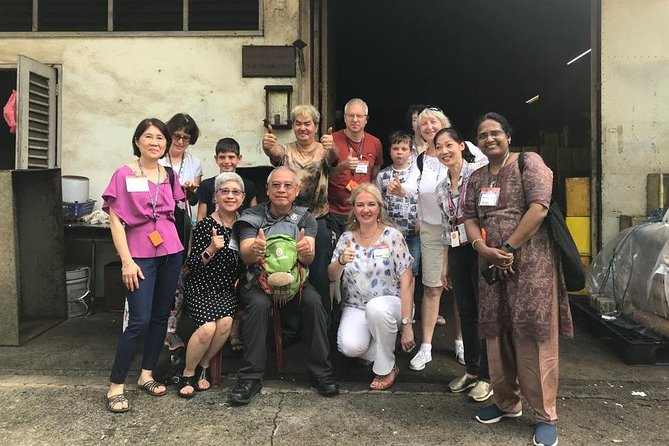
- Small-group cultural tours
- Practical explanations from an engaging guide
- Seeing working spaces rather than only famous sights
- A morning activity that combines tasting with history and culture
It also suits repeat visitors who have already seen Singapore’s major attractions. Kopi and bread may sound ordinary, but the factory access gives them a fresh angle.
Families and mixed-age groups may find the hands-on setting more interesting than a long museum visit, though the provided details do not specify special child pricing or activities. Coffee fans will appreciate the roasting explanation, while anyone interested in craft will likely prefer the bakery stop.
You may want to skip it if you need a fully indoor, weather-proof activity, dislike moving between districts, or prefer a large meal to small tastings. The tour is also less suitable if you only have time for central Singapore and do not want to finish in the Tai Seng area.
Booking, cancellation, and private-tour details
The activity is listed as a private tour, with only your group participating. The tour information also describes a private upgrade, so check the exact option and group arrangement during booking if exclusivity is important to you.
You can cancel for a full refund up to 24 hours before the 9:00 a.m. start time. Changes made inside that 24-hour window are not accepted, and the payment is not refunded for a late cancellation.
The tour requires suitable weather and a minimum number of participants. If the operator cancels for either reason, you receive the choice of another date or experience, or a full refund.
Should you book Kopi & Loti?
Book it if you want Singapore through everyday food rather than major sights. The coffee roastery and bread factory offer access that is difficult to arrange alone, and the guides add humor, local vocabulary, and cultural context.
The best reason to go is the bakery. Old equipment, wooden boards, and traditional working methods give the morning a clear sense of place. The coffee stop completes the picture by showing how another familiar product is made.
At $88.60, the tour asks you to pay for access and interpretation, not quantity of food. If that sounds worthwhile, reserve ahead and wear something comfortable for a morning that moves through several neighborhoods. If you want a low-cost breakfast or a conventional food tour, spend your money elsewhere.
FAQ
How long is the Kopi & Loti tour?
The experience lasts approximately three hours.
What time does the tour start?
It starts at 9:00 a.m.
Where does the tour begin?
The meeting point is 69 Pagoda Street in Singapore, in Chinatown.
Where does the tour finish?
The standard tour ends at Tai Seng MRT Station, at 33 Upper Paya Lebar Road.
What will I visit during the tour?
You visit a coffee roasting factory in Bedok and a traditional bread factory in Paya Lebar.
What coffee will I taste?
The coffee tasting includes kopi O, or black coffee.
Is bread included in the experience?
The tour includes tasting traditional Singaporean bread from the bakery you visit.
Is this a private tour?
The activity information describes it as a private tour or activity, with only your group participating. It also lists a private upgrade, so confirm the option selected when booking.
Can I cancel for a refund?
Yes. You can cancel at least 24 hours before the experience begins for a full refund. Late cancellations and changes made within 24 hours are not accepted.
Just added around the world
- Yerevan: Private Coffee Tour with 2 Café Stops★ 5.0 · 2 reviews
- Vietnamese Coffee 101 Workshop★ 5.0 · 11 reviews
- Vietnamese Coffee Making Class in Hoi An★ 5.0 · 4 reviews
- Vietnamese cooking class and coffee making with local girl★ 5.0 · 5 reviews
- Venice Delights: Coffee & Food Experience Walking Tour★ 5.0 · 2 reviews
- Private Vienna Tour: Literature Walk with Coffee House Visit★ 5.0 · 2 reviews
- Turin: Art Nouveau Walking Tour with Coffee★ 5.0 · 11 reviews
- Turkish Coffee and Traditional Turkish Dessert Cooking★ 4.6 · 8 reviews