
Review · HO CHI MINH CITY
Make 3 Regions Iconic Vietnamese coffees: Brown, Salted, Egg
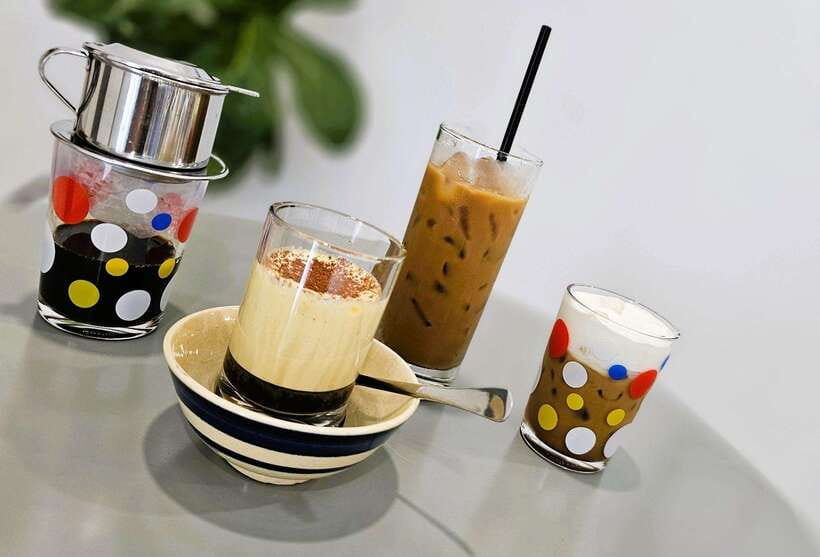
Vietnamese coffee is not one drink. This 90-minute workshop shows how three regions turn coffee into three distinct habits: sweet and milky in the South, salty and creamy in the Central region, and rich with egg in the North. You make each drink yourself, so the cultural lesson comes with a working Phin and a full cup.
I like the hands-on format and the way Quynh links each coffee to regional life rather than treating the drinks as recipes alone. I also like the small group of no more than six people, which gives you room to ask questions and avoid the feel of a crowded cooking class.
The main consideration is caffeine. You taste four coffees in a short session, so skip coffee for at least two hours beforehand. The age guidance also needs attention: children under 14 are not accepted, people over 95 are excluded, and the information gives conflicting notes about wheelchair access, so check directly before booking if that matters to you.
Key points to know before booking
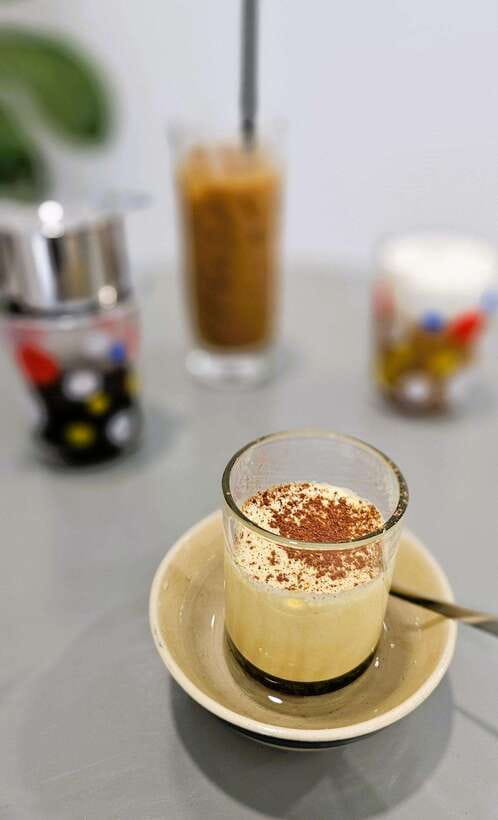
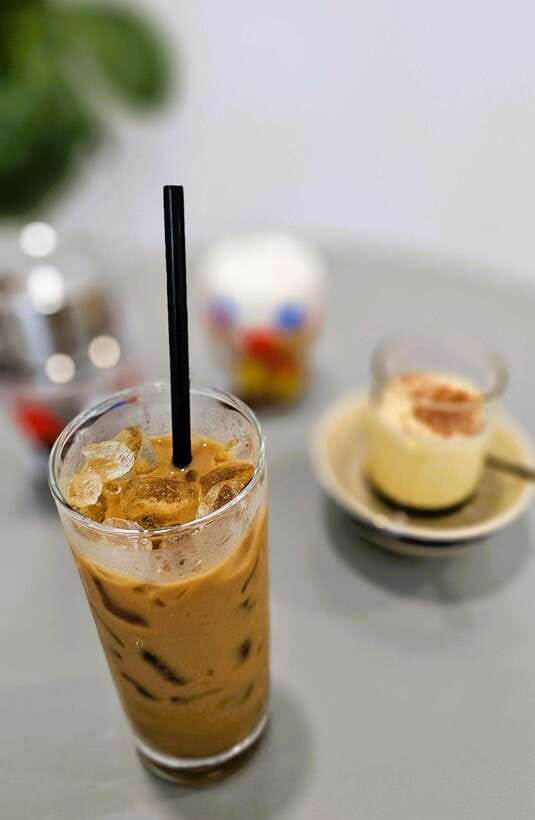
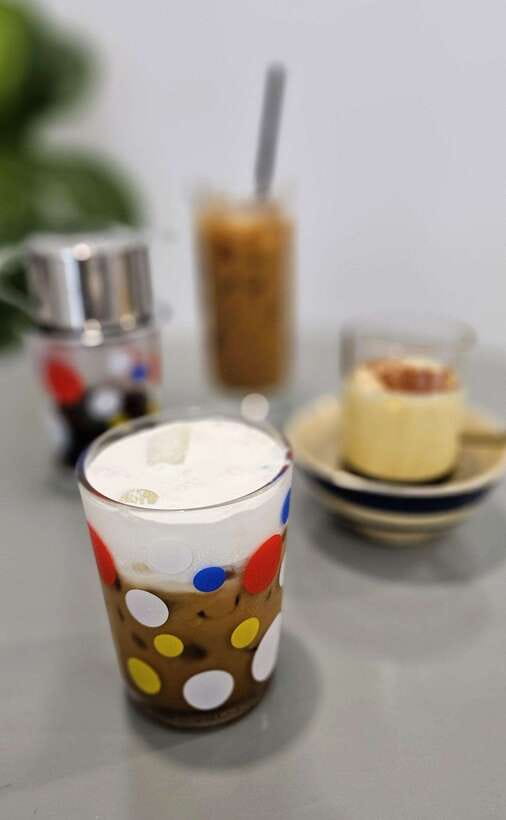
- Three regional drinks in 90 minutes: Make southern brown coffee, central salted cream coffee, and northern egg coffee.
- Quynh leads the class: He brings more than 16 years of food and beverage experience, along with a clear passion for Vietnamese coffee and culture.
- You use a traditional Phin: The workshop teaches proper brewing technique, not just how to assemble a sweet drink.
- A small group keeps it personal: The class is limited to six participants and runs in English.
- A local snack is included: Plain Bánh mì with condensed milk helps balance the coffee tasting.
- The price covers the session: At $22 per person, you pay one fee for the coffees, snack, seating, and instruction.
Three coffees, three parts of Vietnam
The clever idea here is simple: use coffee to explain regional differences. Vietnam is often presented as one country with one famous coffee style, usually strong coffee mixed with condensed milk. This workshop gives you a more useful picture.
You begin with a short introduction to Vietnamese coffee and its place in daily life. The session then turns practical. You learn how the traditional Phin dripper works, how to use it properly, and what to watch for when brewing. The details matter because the Phin is slower and more hands-on than a modern espresso machine.
The first drink represents the South: brown coffee. It is the familiar sweet coffee made with condensed milk, but preparing it yourself helps you understand the balance between strong brewed coffee and sweetness. If you already know Vietnamese iced coffee from cafés, this is the drink that will feel most recognizable.
Next comes salted cream coffee from the Central region. The salt changes the drink in a small but noticeable way. It softens the bitterness and gives the creamy topping a different character. This is a useful reminder that local coffee habits are shaped by place and taste, not just by a single national recipe.
The final drink is egg coffee from the North. Its creamy texture makes it feel closer to a dessert than a standard cup of coffee. You learn how it is made, then taste the result as part of the regional comparison.
There is also a fourth coffee tasting. The supplied details do not specify a separate fourth recipe, so you should think of this as an additional tasting within the workshop rather than a fourth named drink. The three main make-your-own coffees are the core of the activity.
A few more coffee tours around Ho Chi Minh City worth a look
- Egg coffee & Course on 4 traditional types of Viet coffee
★ 4.9 · 487 reviews - Fun & Easy Vietnamese Coffee Workshop in Hồ Chí Minh City
★ 5.0 · 293 reviews - Vietnamese Coffee & Culture Exploration in Hồ Chí Minh City
★ 5.0 · 202 reviews
What the 90-minute session feels like
This is a compact class, not a long café crawl or a full cooking course. The time is divided between explanation, brewing, tasting, and conversation.
Quynh starts with context about coffee in Vietnam and how it became part of everyday life. His background includes more than 16 years in food and beverage work, and that experience shows in the way the session is structured. The most useful part is not simply being told where a drink comes from. You also hear why it is prepared in a certain way and how the drink fits the culture of its region.
Then you get to work. You are not just handed a finished cup and asked to take a photograph. You make the drinks yourself, with guidance on brewing and preparation. That makes the class suitable for beginners, but it also gives home coffee makers something practical to take away.
The workshop takes place in comfortable, air-conditioned seating in the heart of the city. That location is handy if you are staying in central Ho Chi Minh City or fitting the activity between sightseeing stops. You do not need to give up a whole morning or arrange transport outside the city for a short introduction to one of Vietnam’s best-known food traditions.
Learning to use the Phin
The Phin is a small traditional Vietnamese coffee filter. It sits over a cup and lets water pass slowly through ground coffee. The process looks easy, but small choices affect the final result.
You learn the proper way to use it, along with brewing tips from Quynh. That instruction is one of the stronger reasons to book the class. A prepared cup tells you what Vietnamese coffee tastes like. Using the equipment yourself gives you a better sense of how the drink is built.
The Phin also slows the experience down. You watch the coffee brew instead of receiving an instant espresso or machine-made drink. For me, that makes the class more connected to daily coffee habits in Vietnam. It is a small object, but it helps explain why coffee here is often a pause in the day rather than a drink swallowed quickly.
The class is not presented as advanced barista training. You should come expecting clear guidance and useful tips, not a professional certification. That is a fair trade for the price and the short format.
How Quynh shapes the experience
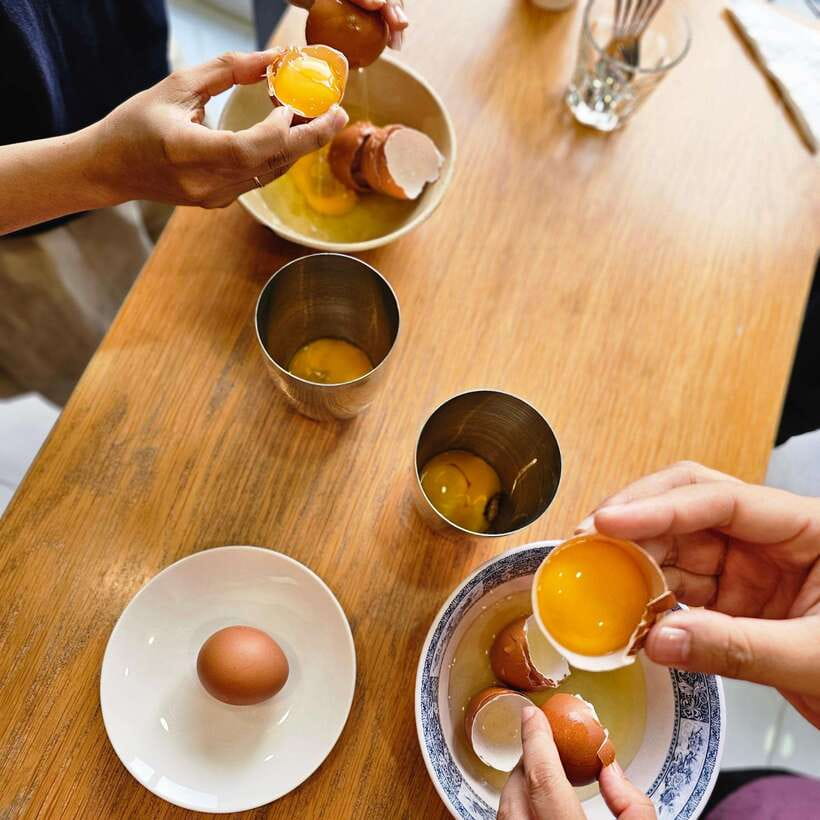
The instructor matters a great deal in a class like this. Three drinks can be explained in a few minutes, but the cultural background needs a host who can keep the story moving and answer questions.
Quynh is the named host, and the session is conducted in English. His approach combines coffee instruction with stories about Vietnam, the origins of coffee culture, and the reasons different regions favor different drinks. He is also described as patient, humorous, and passionate about his work.
That combination is important if you normally avoid classes. The workshop has a teaching element, but it is not meant to feel formal or stiff. The small group size helps. With a limit of six participants, you should have a better chance to follow each step and ask about ingredients, brewing, or local habits.
Several people have found the session engaging even when they are not serious coffee drinkers. That makes sense. The subject is coffee, but the wider topic is how food and drink reflect place, history, and everyday life. You can enjoy the cultural side even if you would not normally spend time comparing brewing methods.
Same place, a different way to drink it:
- Decadent Vietnamese “Egg Coffee” Workshop in Hồ Chí Minh City
★ 5.0 · 150 reviews - Ho Chi Minh City: Fun and Easy Coffee Workshop for Beginners
★ 4.9 · 121 reviews - Techniques & Secrets Behind the Famed Vietnamese Egg Coffee
★ 5.0 · 99 reviews - 1 hour Egg Coffee Cooking Class with Snack and Local Instructor
★ 5.0 · 72 reviews
The Bánh mì and condensed milk break
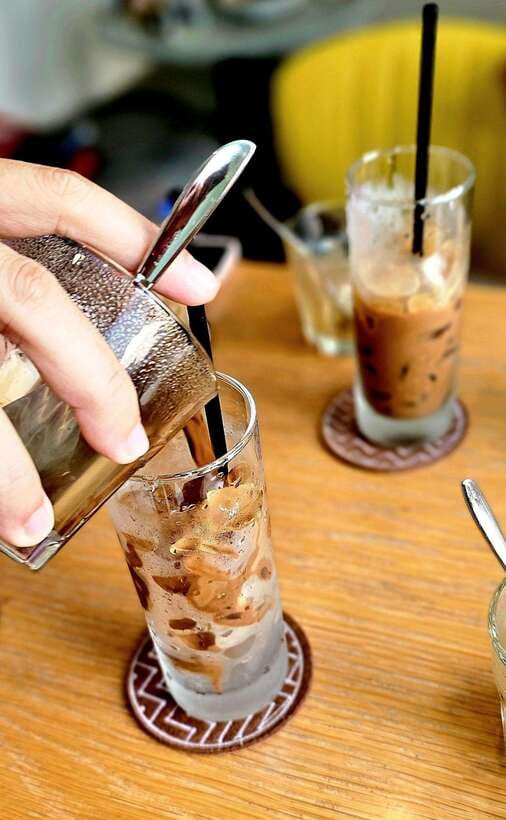
The snack is plain Bánh mì with condensed milk. It is simple, but it serves a useful purpose during a caffeine-heavy tasting.
The bread gives you something solid to eat while the condensed milk echoes the sweetness used in Vietnamese coffee. This is not a full meal, so do not book the workshop expecting lunch. Think of it as a local snack included in the session.
The plain preparation also keeps attention on the coffee. You are not being served a large spread of food that might distract from the tasting. If you have dietary needs, alternatives are available for vegan, coeliac, and lactose-intolerant participants. Add that information when you book so the host can prepare appropriately.
Is $22 per person good value?
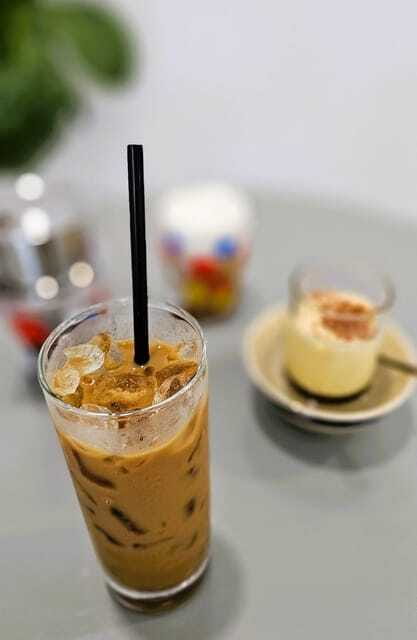
At $22 per person, the workshop is reasonably priced for a guided, all-inclusive activity in central Ho Chi Minh City. You receive four coffee tastings, instruction on making three named regional drinks, a snack, an English-speaking instructor, and a comfortable air-conditioned setting.
The value is strongest if you care about context. If you only want to drink Vietnamese coffee, cafés will cost less and give you more freedom to order at your own pace. If you want to understand how the drinks are prepared and why they differ by region, the class adds something a café visit cannot easily provide.
The small group also helps justify the cost. A class capped at six participants can give you more direct guidance than a large demonstration. You are paying for time with an experienced food and beverage host, not only for the ingredients.
There are no extra charges listed for the activity. That makes budgeting easy. You should still arrive ready for a lot of caffeine, since the session includes four tastings in 90 minutes.
Who will enjoy this coffee workshop?
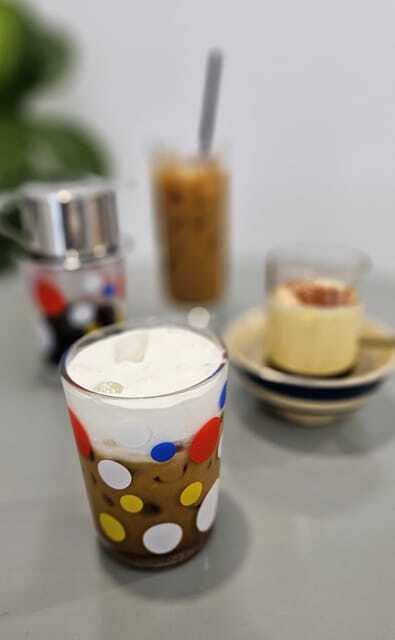
I would recommend it most strongly to:
- First-time visitors who want a quick introduction to Vietnamese coffee culture.
- People interested in food traditions and regional differences.
- Home brewers who want to learn how to use a Phin.
- Couples or friends looking for an indoor activity in central Ho Chi Minh City.
- People who usually skip formal classes but enjoy stories, conversation, and practical work.
- Coffee drinkers who want to compare sweet, salty, creamy, and egg-based styles.
You do not need to be a coffee expert. The class is designed around making and tasting, with explanations along the way. Several participants have found it worthwhile even when they are not big coffee drinkers.
It is less suitable if you are very sensitive to caffeine, dislike sweet drinks, or want a long, slow food tour. The session is focused and fairly full. You will make several drinks in a short period, so it is better approached as a tasting workshop than as a leisurely café afternoon.
Timing, group size, and practical details
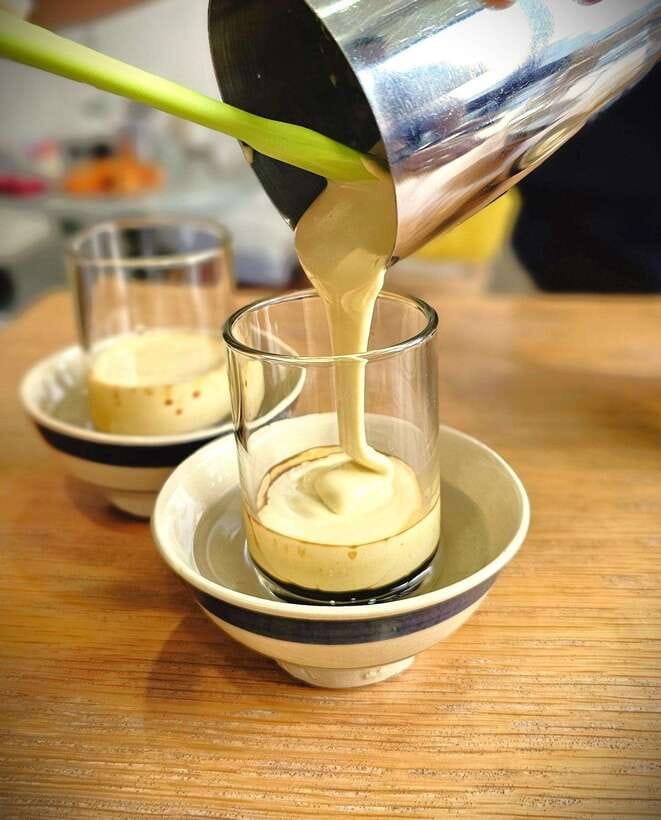
The activity lasts 90 minutes and runs at set starting times, so check availability when choosing your date. Because the location is in the heart of the city, it can fit neatly into a day of sightseeing.
The group is limited to six participants. That is small enough for personal instruction but not necessarily private. If you want a completely private class, confirm the arrangement before booking.
English is the listed language of instruction. The experience is intended for participants aged 14 and older. Children under 14 cannot join, and people over 95 are listed as not suitable.
The accessibility information needs careful checking. The activity details describe the venue as wheelchair accessible, while the suitability information says it is not suitable for wheelchair users. If you use a wheelchair, contact the provider before paying so you can confirm the actual seating, entrance, and restroom arrangements.
You can cancel up to 24 hours before the start for a full refund. The reserve now and pay later option also gives you some flexibility when your Ho Chi Minh City plans are still changing.
A caffeine warning worth taking seriously
The advice to avoid coffee for two hours before the session is practical. Four tastings, even if they are not full café-sized drinks, can add up quickly.
I would also avoid scheduling the workshop immediately before an evening activity if caffeine affects your sleep. The class is enjoyable partly because you can taste each drink properly, so arriving already full of coffee would make the session less comfortable and less useful.
If you have dietary restrictions, mention them at booking. Vegan, coeliac, and lactose-intolerant alternatives are available, but the host needs to know in advance.
Should you book Make 3 Regions Iconic Vietnamese Coffees?
Book it if you want more than a quick cup of Vietnamese coffee. The strongest part is the link between drink and place: brown coffee from the South, salted cream coffee from the Central region, and egg coffee from the North. You also leave with a better understanding of the Phin and the confidence to try the method again.
I especially like this for a final-day activity because it is short, central, and easy to fit into a crowded itinerary. It also works well early in a Vietnam trip, since the background may help you notice coffee habits as you move around the country.
Skip it if you are avoiding caffeine, want a full meal, or prefer to explore cafés independently. For everyone else, $22 buys a focused cultural lesson, hands-on practice, several tastings, and time with an enthusiastic host. That is a solid deal, particularly for people who want their coffee with a little context.
FAQ
How long does the Vietnamese coffee workshop last?
The activity lasts 90 minutes.
How much does the experience cost?
The price is $22 per person.
Which coffees will I make?
You will make southern brown coffee, Central Vietnamese salted cream coffee, and northern egg coffee.
How many people are in each group?
The group is limited to six participants.
Is the class taught in English?
Yes. English is the listed language of instruction.
Is food included?
Yes. A simple local snack of plain Bánh mì with condensed milk is included. Alternatives are available for vegan, coeliac, and lactose-intolerant participants if you note the requirement when booking.
Can I cancel the booking?
Yes. You can cancel up to 24 hours in advance for a full refund. You can also reserve now and pay later.
Just added around Ho Chi Minh City
- Ho Chi Minh Best Walking Tour: Food, Coffee & History★ 5.0 · 19 reviews
- Tea & Coffee Experience★ 5.0 · 10 reviews
- Sai Gon Special Coffee At Landmark 81 & Street Food tour★ 5.0 · 3 reviews
- Saigon Special Night Coffee Landmark 81 & Food Tour★ 5.0 · 2 reviews
- Hands-on making 3 Iconic Coffees of South Central North Vietnam★ 5.0 · 14 reviews
- Mastering Egg Coffee-Course on 4 traditional types of Viet coffee★ 5.0 · 16 reviews
- Private Ho Chi Minh City Tour from Port & Vietnamese Egg Coffee★ 5.0 · 6 reviews
- Discover Vietnam’s Coffee Culture.★ 5.0 · 5 reviews
Ho Chi Minh City Coffee Tours, compared.
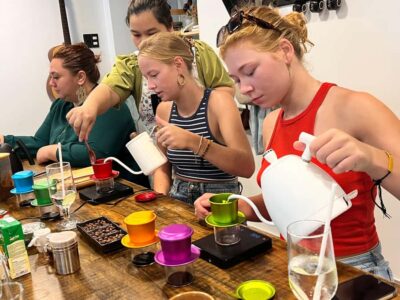
Egg coffee & Course on 4 traditional types of Viet coffee
Read our review →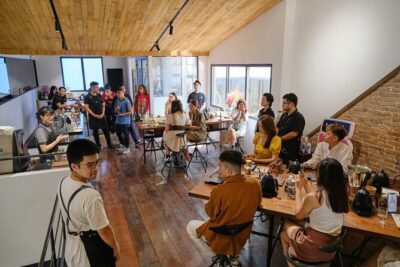
Fun & Easy Vietnamese Coffee Workshop in Hồ Chí Minh City
Read our review →
Vietnamese Coffee & Culture Exploration in Hồ Chí Minh City
Read our review →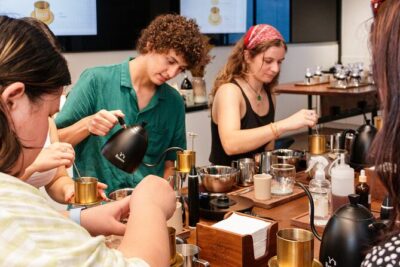
Decadent Vietnamese “Egg Coffee” Workshop in Hồ Chí Minh City
Read our review →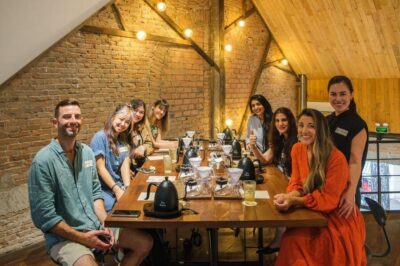

Techniques & Secrets Behind the Famed Vietnamese Egg Coffee
Read our review →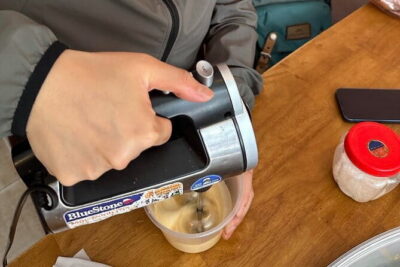
1 hour Egg Coffee Cooking Class with Snack and Local Instructor
Read our review →
Saigon Unseen: Culture, Coffee, Hidden Spots Motorbike Adventure
Read our review →Browse the lists this tour appears in