
Review · KIAMBU
Nairobi: Coffee farm tour with pick up
Fairview Estate gives you a close look at the full coffee journey, from coffee cherries on the plant to a fragrant cup on the patio. You’ll walk through the fields, visit the processing center, and learn why Kenyan coffee can show citrus, berry, and chocolate notes.
I like the farm-to-cup format, which gives the tour more purpose than a simple tasting. I also like the chance to sit with fresh coffee and hill views after the walking tour. The main caution is the unclear final price: transport and guiding are included, but the farm tour fee is listed separately, so confirm the total before you pay.
Key points to know before you go
- Coffee fields first: Walk through Fairview Estate and learn how the beans are grown with attention to environmental care.
- Factory process: See sorting, roasting, and grinding, with modern equipment used to prepare specialty coffee.
- Guided tasting: Learn to look for citrus, berry, and chocolate flavors in Kenyan coffee.
- Simple half-day plan: Pickup is scheduled for 9:00 AM, with the experience generally taking about half a day.
- Guides can shape the day: Douglas is praised for safe driving and patience, while Hortensia is noted for her humor and lively coffee presentation.
- Check the fee: The advertised price is $36 per person, but the separate farm fee is listed as $35, and one booking involved an extra payment.
Walking into Fairview Estate at 9:00 AM
Your day begins with pickup from your Nairobi location at about 9:00 AM. This is useful in a city where finding a new address can take time, and it saves you from arranging a separate taxi to the estate.
The transport is also the part that needs the most attention. One booking had a 45-minute pickup delay, with no clear explanation, and the tour had to wait. Another person missed the first 20 minutes after a late pickup. I would confirm the pickup time and the full meeting details the day before, then keep the provider’s phone number handy.
When the transfer works properly, the arrangement is straightforward: you are collected in Nairobi, taken to Fairview Estate, and returned to your original location. Douglas has been praised for safe driving, patience, and waiting when the visit ran longer than planned. That kind of flexibility matters, especially when the coffee presentation takes more time than expected.
The experience is best treated as a gentle half-day outing rather than a full-day activity. You are not signing up for a long agricultural expedition. The value comes from seeing several stages of production in one place, then having time to taste the finished product.
More Coffee Farm Tours in Kenya:
- Nairobi Coffee Farm and Factory Tour
★ 5.0 · 87 reviews - Coffee Farm Tour (Fairview)
★ 4.8 · 71 reviews - Nairobi: Coffee Factory and Farm Tour with Transfer
★ 4.5 · 60 reviews
Among the coffee plants at Fairview Estate
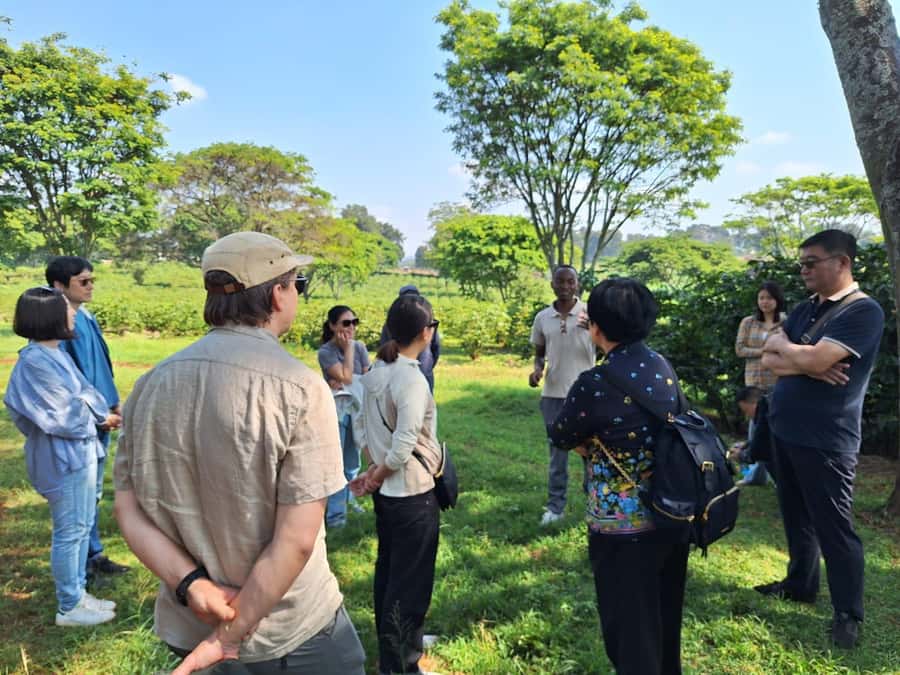
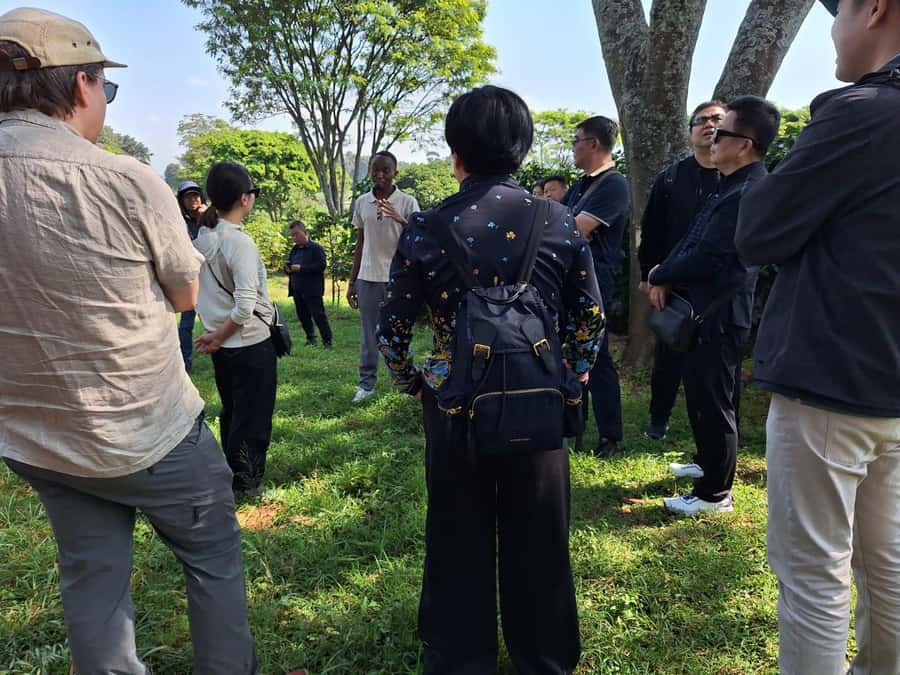
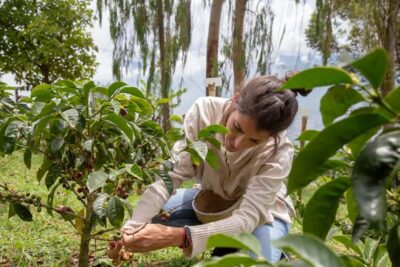
The first main activity is a guided walk through the coffee fields. A professional agronomist or farm guide explains how the plants are grown and how farmers work with the environment rather than treating the field as a simple crop factory.
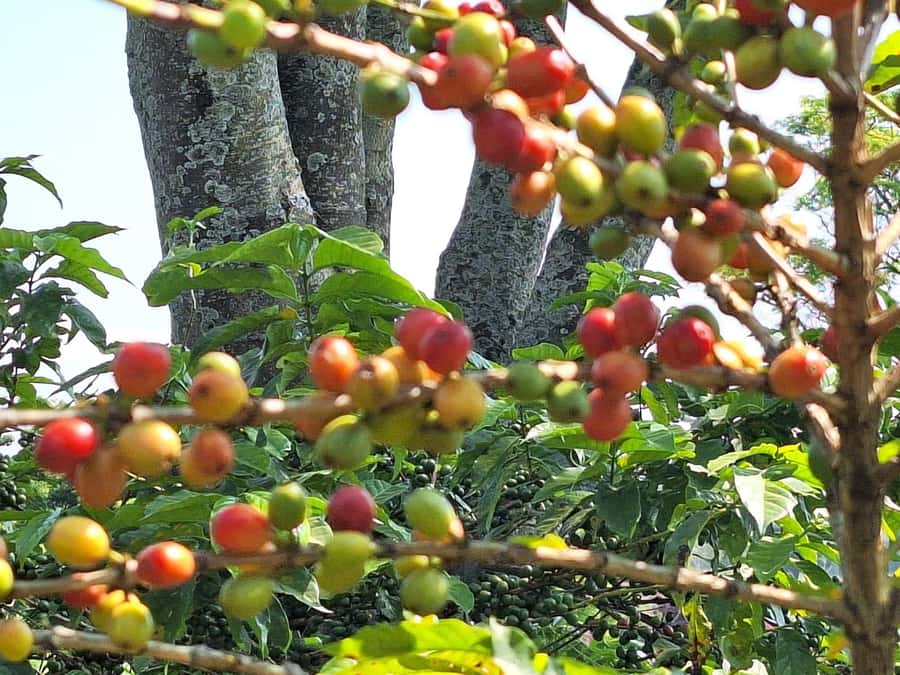
You will see coffee growing in its agricultural setting, which gives the later factory visit more meaning. Before you watch beans being roasted, you have a chance to understand where they begin and how much care goes into producing a good crop.
The supplied details describe the plantation as a broad coffee-growing area with views toward hills and greenery. The setting is part of the appeal. This is not only a lesson about machinery and processing. It is also a quiet break from Nairobi’s traffic and buildings.
Hortensia is a guide to look out for if she is leading your visit. She brings humor and plenty of interaction to the walk and tasting. That matters because coffee production can become technical quickly. A guide who welcomes questions and keeps the group involved makes the information easier to remember.
You should wear shoes that are comfortable for walking around a farm. The details do not specify the exact trail surface or how much walking is involved, so ask ahead if you need a more precise idea of the route. The walking is described as leisurely, but the visit still takes place outdoors.
From sorting beans to roasted coffee
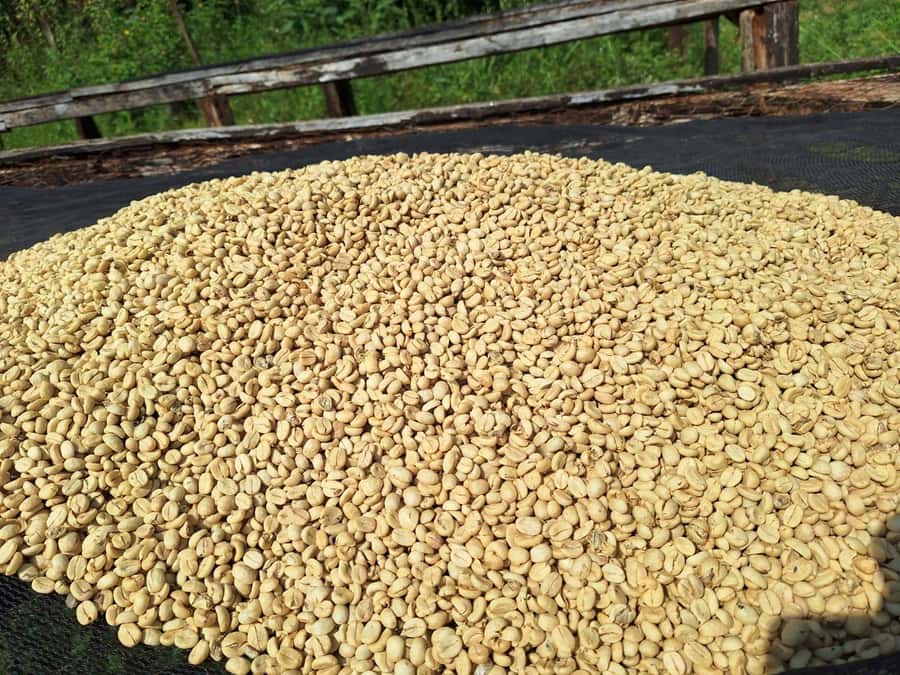
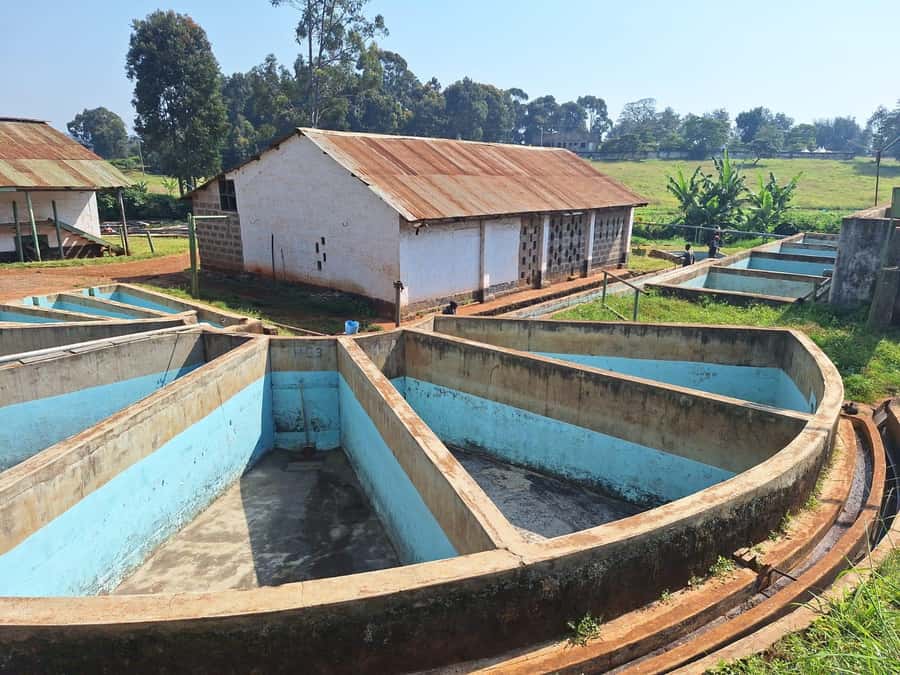
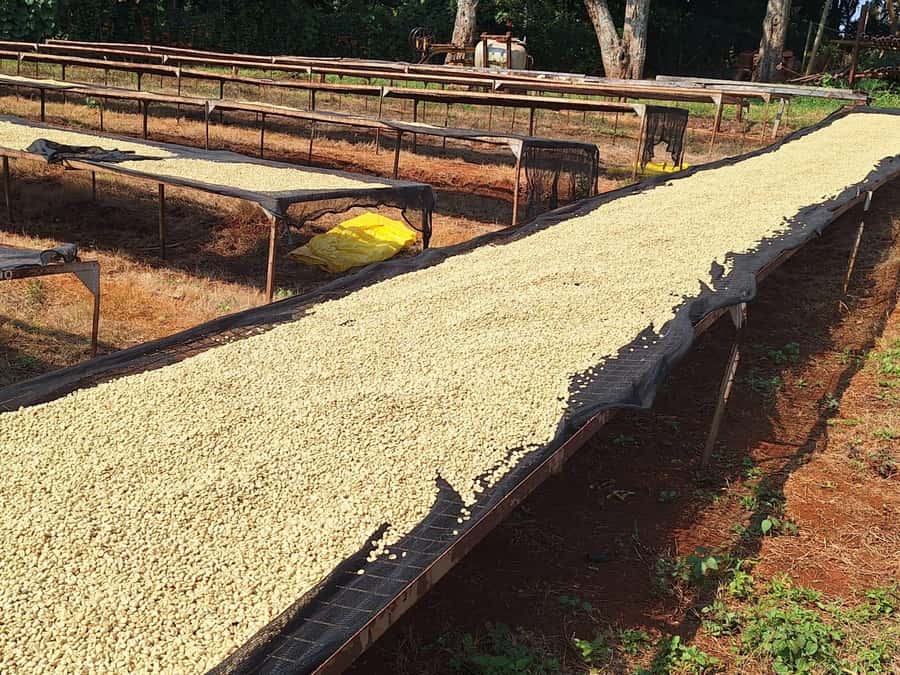
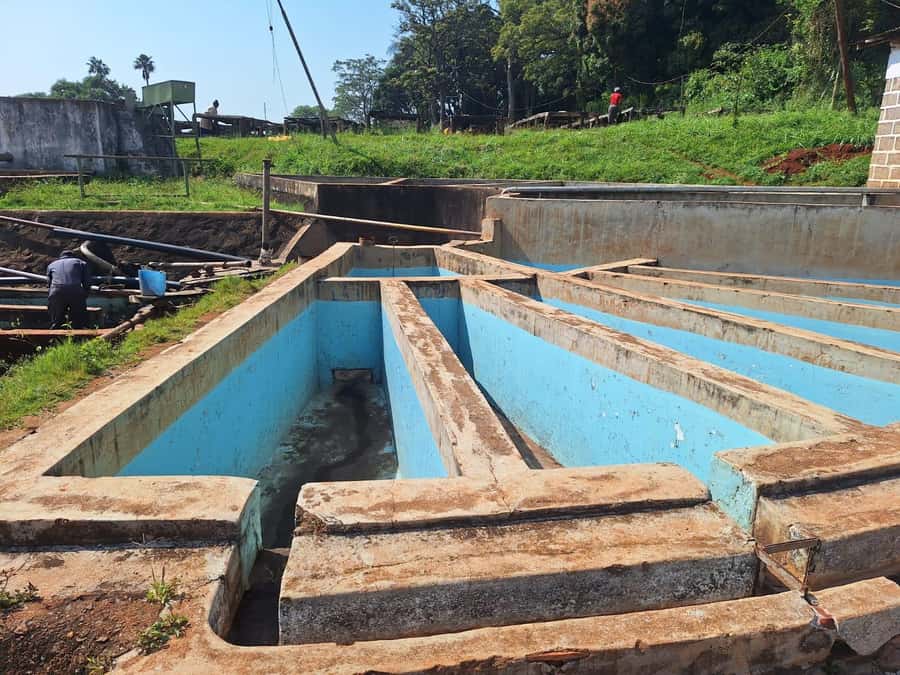
After the farm walk, you visit the processing center. Here you can see coffee beans being sorted, roasted, and ground. This is the most useful part of the tour for anyone who has always bought coffee without knowing what happens before it reaches the bag.
The guide explains the careful steps involved in preparing specialty coffee. You may see the modern equipment used at the estate and learn how processing affects the final aroma and taste. The tour description compares the standards with Latin American coffee production, but the real benefit is more practical: you can connect the equipment and methods with the cup you taste later.
Sorting is important because coffee beans do not all arrive in identical condition. Roasting then changes the color, smell, and flavor of the beans. Grinding determines how the coffee is prepared for brewing. Seeing these steps in sequence helps you understand why two coffees from the same country can taste very different.
This factory visit should suit curious coffee drinkers, not only specialists. You do not need prior knowledge. The guide handles the technical side, and you can focus on the simple questions that make the process clear: how the beans are prepared, what roasting does, and why a coffee can taste fruity or sweet.
The experience is not presented as a large industrial tour with a long list of machines. It is a guided look at the estate’s own process. That makes it easier to follow, though visitors looking for a long, highly technical production lecture may find the presentation fairly light.
Learning the taste of Kenyan coffee
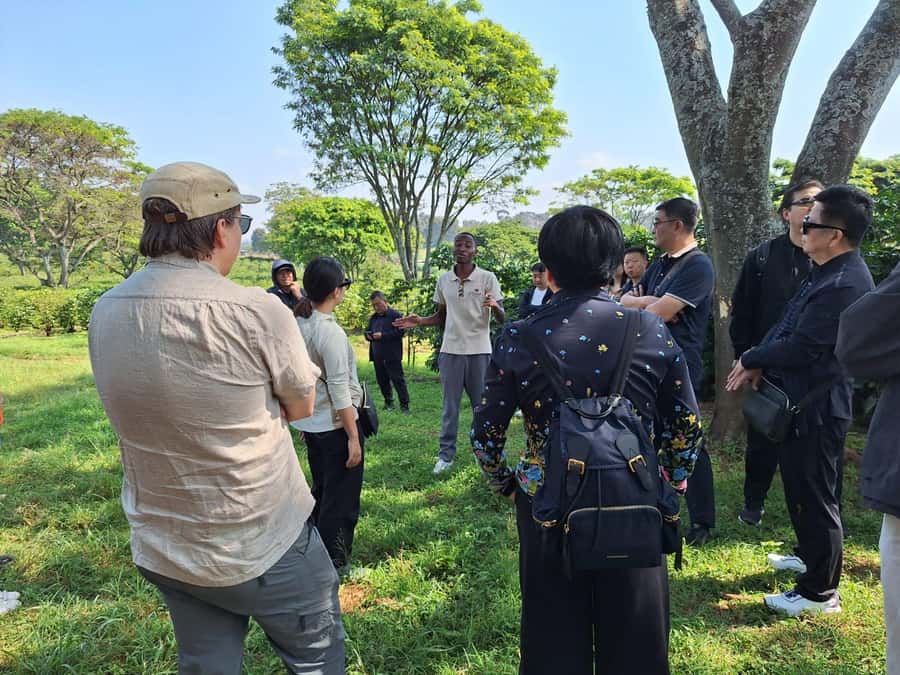
The tasting session turns the farm visit into something you can experience with your senses. Instead of hearing only that Kenyan coffee has a distinctive character, you get a chance to look for its flavor notes in the cup.
The guide introduces citrus, berry, and chocolate qualities. These are useful reference points, especially if you normally describe coffee only as strong or mild. Try the coffee slowly. Notice the smell first, then the first taste, then the flavor left in your mouth.
You will receive a coffee drink as part of the experience, along with bottled mineral water. The water is a small but helpful inclusion, particularly after walking outdoors.
The tasting is not just a refreshment stop. It explains why growing conditions, processing, roasting, and grinding all matter. A berry note can sound abstract until you taste the coffee after seeing the steps that shaped it.
The coffee presentation can also vary with the guide. Hortensia is described as lively and engaging, while the wider program promises a professional English-speaking guide. Ask questions as you go. You might find that the tasting becomes more useful when you compare what you notice with the guide’s explanation rather than simply drinking the cup quickly.
A few more coffee tours around Kenya worth a look
- Coffee Farm Village & Factory Half Day Tour with Pick-Up
★ 5.0 · 33 reviews - Nairobi: Guided Coffee Farm Tour with Tastings
★ 5.0 · 24 reviews - Coffee farm tour, coffee roasting and tasting experience
★ 5.0 · 20 reviews - Private Half-Day Tour in Fairview Coffee Farm from Nairobi
★ 5.0 · 13 reviews
A quiet cup with views over the estate
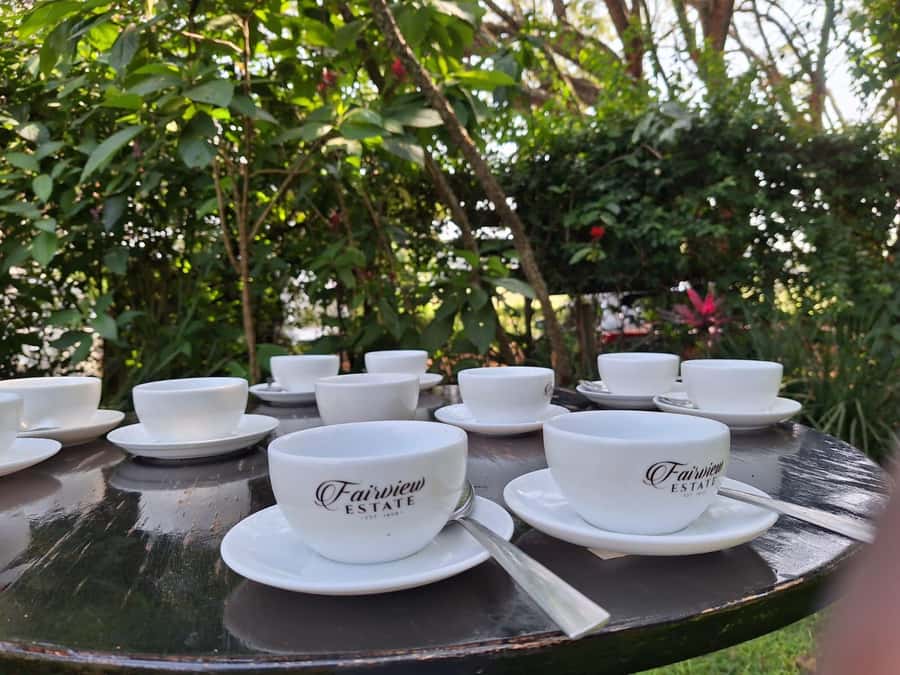
After the active parts of the visit, you can sit on the Fairview Estate patio with freshly brewed coffee. The setting looks across hills and greenery, giving you time to slow down before returning to Nairobi.
I like this pause because it prevents the tour from feeling rushed. You have just seen the plants and machinery, so the patio becomes the place where the whole process comes together. The coffee in your cup has a clear connection to the fields nearby.
The panoramic view is an important part of the experience, but keep expectations sensible. The information promises hills and greenery, not a major viewpoint or a long scenic walk. Think of it as a pleasant estate setting for a drink, not a separate sightseeing attraction.
This is also a good point to ask final questions about the coffee. You can clarify the flavor notes, ask about the roasting process, or decide which coffee products you want to take home.
The estate shop and what to buy
Before leaving, you can visit the on-site shop. It carries coffee products and locally crafted merchandise, making it easy to buy something connected to the visit rather than a generic Nairobi souvenir.
The shop is useful for two reasons. First, you can take home the type of coffee you have just tasted. Second, it gives you a chance to buy gifts without adding another shopping stop to your day.
The information does not specify the exact products, prices, or payment methods, so I would ask about those details on arrival. If you are buying coffee for someone else, check the roast or grind style before paying. You want a product that suits the way it will be prepared at home.
Do not feel pressured to shop. The purchase is optional, and the main experience is the farm, factory, and tasting. Still, the shop gives the visit a useful finish for anyone who wants a practical souvenir.
What the $36 price really covers
The listed price is $36 per person. It includes pickup and drop-off from your Nairobi location, a live guided farm tour, a coffee drink, and bottled mineral water.
The important catch is that the farm tour fee is listed separately at $35. That creates a major difference between the advertised price and the likely final cost. The information does not clearly explain whether this fee applies to every booking, how it is collected, or why it is separate, so you should ask for a full written price before booking.
One booking also involved an additional $30 payment on top of a stated $60 tour price. That may reflect a different booking arrangement or an added charge, but it confirms the need to check the total carefully. Do not assume the headline price is the final amount.
At $36 plus a clearly explained entrance charge, the tour could offer fair value for private transport, a guided visit, a tasting, and a half-day away from Nairobi. At a much higher total, the value becomes less convincing, especially if the driver only takes you to the estate and back.
The best question to ask is simple: What is the complete price per person, including the farm fee and every required charge? Also confirm that the driver will wait while you take the tour and that pickup and drop-off are included from your exact Nairobi address.
Communication and timing matter
The tour’s strongest elements are the estate visit and the guides. Its weakest point is communication around pickup and payment.
A late driver can cost you part of the only scheduled tour. Since one person missed 20 minutes, I would not treat a 9:00 AM pickup as a loose suggestion. Confirm the time in advance and contact the operator promptly if the vehicle has not arrived.
The provider is United Safari Tours, Kenya. The tour language is English. Guide quality can make a real difference, and Douglas and Hortensia are two names associated with particularly strong parts of the experience. Still, you should not assume that every departure will have the same guide.
The tour can also run longer than expected if the farm presentation is engaging. That is not necessarily a problem. Douglas was praised for waiting when the visit ran over, but you should avoid scheduling a tight appointment immediately afterward.
Cancellation is flexible: you can cancel up to 24 hours in advance for a full refund, and the booking option allows you to reserve now and pay later. Keep those terms in mind, but focus first on clarifying the total price and pickup plan.
Who will enjoy this coffee tour?
This outing suits you if you want a gentle introduction to Kenyan coffee without committing to a long trip outside Nairobi. It works particularly well for coffee drinkers, first-time visitors who want a local agricultural experience, and anyone who likes tours with a clear beginning, middle, and end.
It also suits people who prefer a guided visit. You do not have to work out how to reach the estate, find the processing center, or understand the tasting on your own.
The tour may be less suitable if you dislike uncertainty around extra fees or need exact timing. The transport problems reported above are not minor if you have a flight, business meeting, or another booked activity afterward.
Independent visitors may prefer arranging their own ride and paying the estate directly, but the supplied information does not confirm the estate’s direct admission procedure or price. If you choose that route, check the current entry rules first.
Should you book the Fairview coffee tour?
I would book this experience for the farm walk, the processing demonstration, and the chance to taste coffee where it is grown. The strongest version of the day includes a reliable driver, a lively guide such as Hortensia, and enough time to enjoy the patio rather than rushing through the estate.
I would not book without confirming the final price. Ask specifically about the listed $35 farm fee, any possible extra payment, the pickup time, and how long the driver will wait. If those answers are clear, this is a useful and pleasant half-day addition to a Nairobi stay. If they are vague, arrange your own transport only after confirming that the estate can accept you directly.
FAQ
Where does the coffee farm tour take place?
The tour takes place at Fairview Estate in Central Kenya, near Nairobi.
What time is pickup?
Pickup is scheduled for 9:00 AM from your location in Nairobi.
Is hotel pickup and drop-off included?
Yes. Pickup and drop-off from your Nairobi location are included.
What language is the tour conducted in?
The tour is conducted in English.
What will I see on the farm visit?
You will walk through the coffee fields and learn how the coffee is grown, including farming practices intended to be friendly to the environment.
What happens at the processing center?
You will see coffee beans being sorted, roasted, and ground, and learn about the equipment and methods used to prepare the coffee.
Is coffee included?
Yes. A coffee drink and bottled mineral water are included.
Is lunch included?
No. Lunch is not included.
Is the farm entrance fee included in the $36 price?
The supplied details list a $35 farm tour fee separately, so you should confirm the complete cost before booking.
Can I cancel for a full refund?
Yes. Cancellation is allowed up to 24 hours in advance for a full refund.
Just added around Kenya
- Private Half-Day Tour in Fairview Coffee Farm from Nairobi★ 5.0 · 13 reviews
- Fairview Estate Coffee Farm Tour With Pick up★ 5.0 · 2 reviews
- Coffee Farm Half-Day Tour in Kenya★ 3.0 · 2 reviews
- Coffee Farm Tour (Fairview)★ 5.0 · 4 reviews
- Private Tour to Fairview Coffee Farm in Nairobi with Pickup★ 5.0 · 2 reviews
- Coffee farm tour, coffee roasting and tasting experience★ 5.0 · 20 reviews
- Nairobi: Beads Factory Tour with Pickup & Coffee★ 5.0 · 7 reviews
- Fairview Coffee Farm Day Tour in Nairobi with Pickup★ 4.6 · 3 reviews
Coffee Farm Tours, compared.
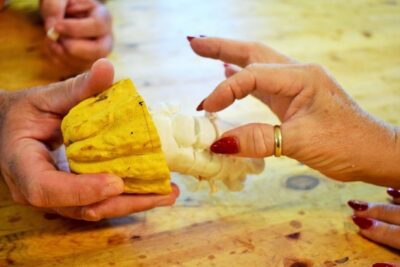
Award Winning Farm Tour: Coffee, Chocolate and Unique Gifts
Read our review →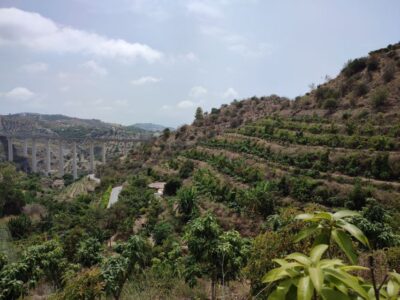
La Herradura Coffee Farm: tour in Europe’s only plantation
Read our review →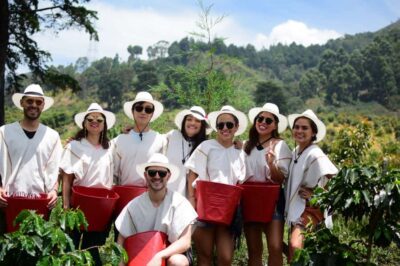
Medellín Coffee Farm Tour with Trolley and Cable Car Ride
Read our review →
Private Cocora Valley, Salento & Coffee Farm Tour
Read our review →
Liamuiga Natural Farm Tour – St.Kitts’ Coffee Farm
Read our review →
Horseback Riding Coffee Farm Tour with Coffee Spa
Read our review →Browse the lists this tour appears in